




AI Feature Advertising Compliance Crisis | $250M Apple Settlement Signals Stricter FTC Enforcement for Tech Sellers
- Apple's $250M settlement over false Siri claims establishes new regulatory precedent for AI feature substantiation; affects 36M devices and creates compliance barriers for electronics sellers marketing AI capabilities





























.jpeg)







Overview
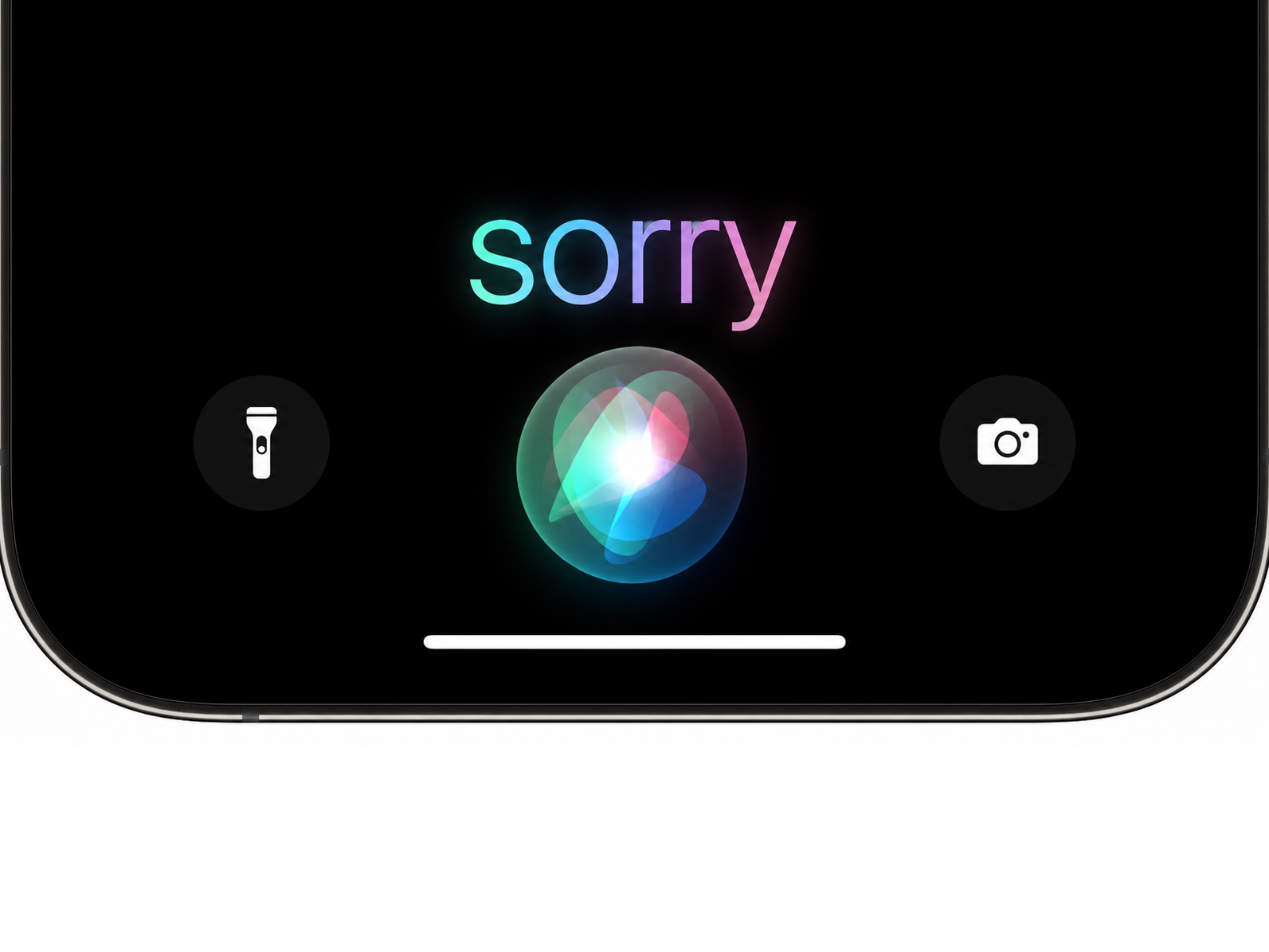
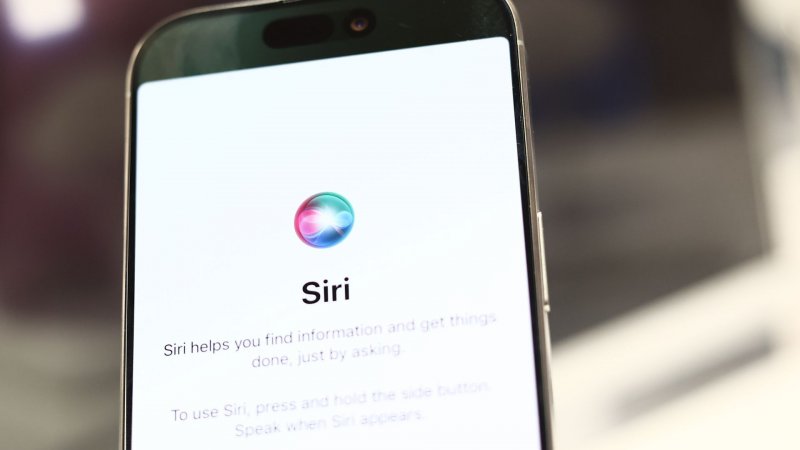
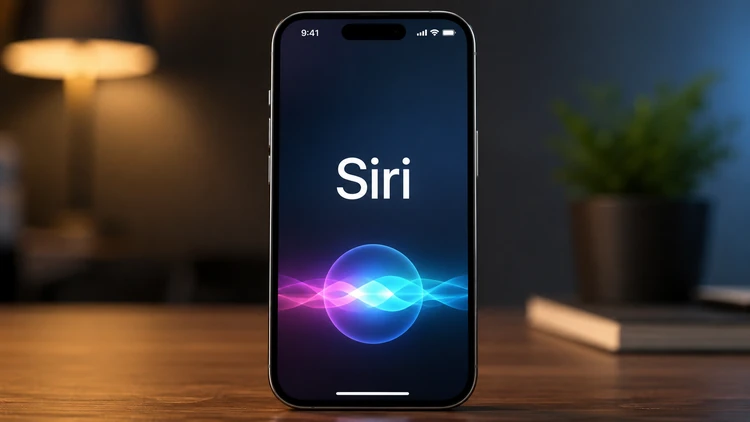
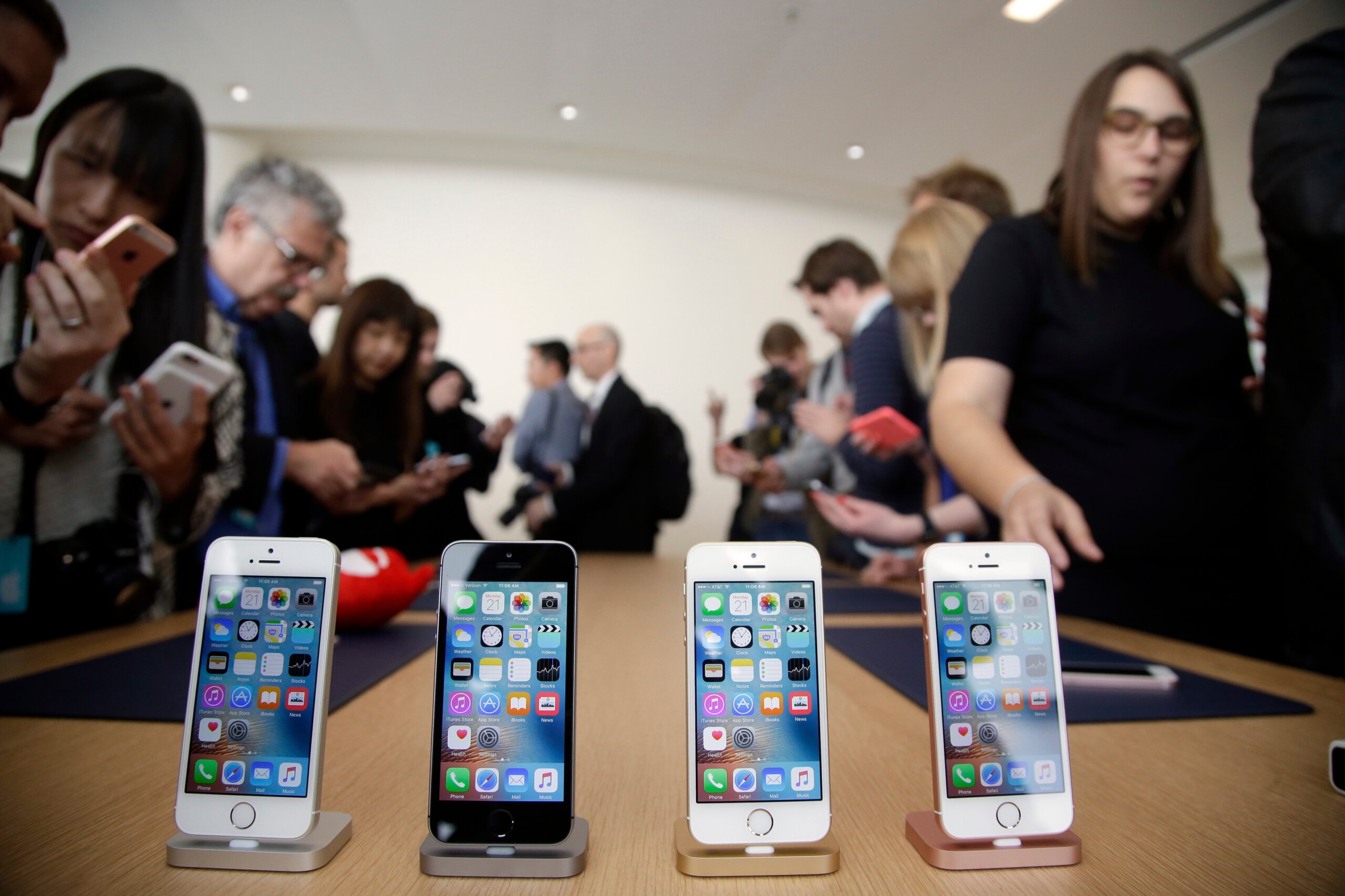
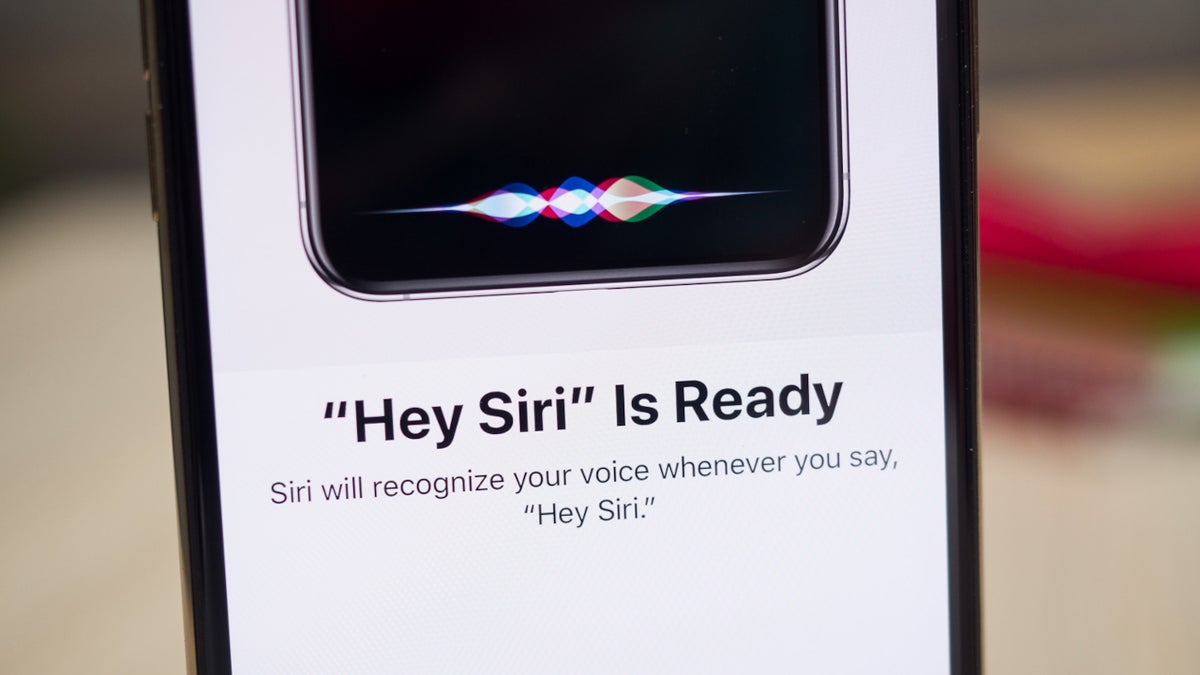
Apple's $250 million settlement for false advertising of AI-powered Siri features represents a watershed moment in regulatory enforcement against misleading technology claims. The settlement, covering 36 million iPhone 15/16 devices purchased between June 10, 2024–March 29, 2025, establishes that the Better Business Bureau's National Advertising Division and federal courts now require immediate, substantiated proof that AI features are "available now" before marketing them to consumers. Apple's claim that Enhanced Siri was "available immediately" when it won't arrive for 2+ years triggered class-action liability and regulatory intervention, setting a critical precedent for all electronics sellers.
This enforcement action creates immediate compliance barriers for electronics and smart device sellers marketing AI capabilities. The settlement demonstrates that vague timelines ("coming soon," "in development," "future updates") no longer satisfy advertising standards—sellers must now provide specific launch dates, feature specifications, and availability windows before launching campaigns. For Amazon, eBay, and Shopify sellers offering AI-enabled products (smart speakers, security cameras, fitness devices, home automation), this means marketing copy must be audited for substantiation. The FTC's increased scrutiny of AI claims, evidenced by the Better Business Bureau's independent investigation, signals that regulatory agencies are prioritizing consumer protection in the AI space. Sellers who market unproven AI features face potential class-action exposure, platform account suspension, and FTC enforcement actions—costs that can exceed $1-5M for mid-sized electronics brands.
The settlement also reveals a critical market opportunity: compliant AI product positioning and third-party verification services. Sellers who can demonstrate that their AI features are fully functional, independently tested, and immediately available will gain competitive advantage as non-compliant competitors face enforcement. This creates demand for AI feature certification, beta testing documentation, and transparent roadmap communication. Electronics sellers should immediately audit product listings for AI claims, remove unsubstantiated feature descriptions, and implement a "feature availability verification" process before marketing. The June 17, 2025 settlement approval hearing will likely establish additional precedent; sellers should monitor this decision for guidance on acceptable AI marketing language. For cross-border sellers, this US enforcement action will likely influence EU and UK advertising standards, as regulators typically harmonize consumer protection rules. Sellers operating in multiple jurisdictions should prepare for similar enforcement in Europe within 6-12 months.
Questions 7
What are the financial risks for sellers who continue marketing unsubstantiated AI features?
Sellers face multiple financial exposures: class-action lawsuits (settlements typically $100K-$5M depending on seller size), FTC enforcement actions with civil penalties up to $43,792 per violation, platform account suspension (losing 30-60% of revenue), and product delisting. For a mid-sized electronics seller with $10M annual revenue, a single false advertising claim could trigger $500K-$2M in legal costs plus lost sales during account suspension. The Apple settlement shows that regulatory agencies are prioritizing AI claims—sellers should assume enforcement intensity will increase 40-60% over the next 12 months. Proactive compliance now costs $5-15K per brand but prevents catastrophic financial exposure later.
How should electronics sellers update product listings to comply with new AI advertising standards?
Sellers should immediately remove or revise any AI feature claims that lack specific availability dates or third-party verification. Instead of 'AI-powered' or 'coming soon,' use verified language: 'AI feature available as of [specific date]' with documentation. Implement a pre-launch review process requiring legal/compliance approval for all AI claims. For features in development, use transparent roadmap communication: 'Beta testing Q3 2025, general availability Q4 2025.' Amazon Seller Central and eBay require accurate product information; sellers should update A+ content, product descriptions, and backend keywords to reflect only currently available features. Consider obtaining third-party testing certifications to differentiate compliant products.