





South China Sea Tensions Escalate: China's Maritime Aggression Challenges Regional Stability
- Geopolitical Brinkmanship Threatens $3 Trillion Maritime Commerce Corridor








)









)


)




Overview
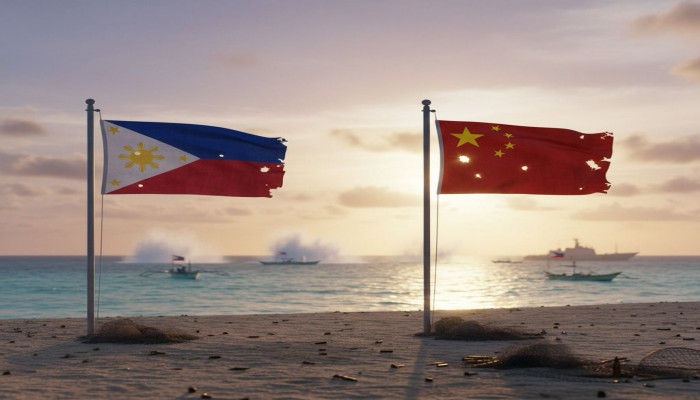
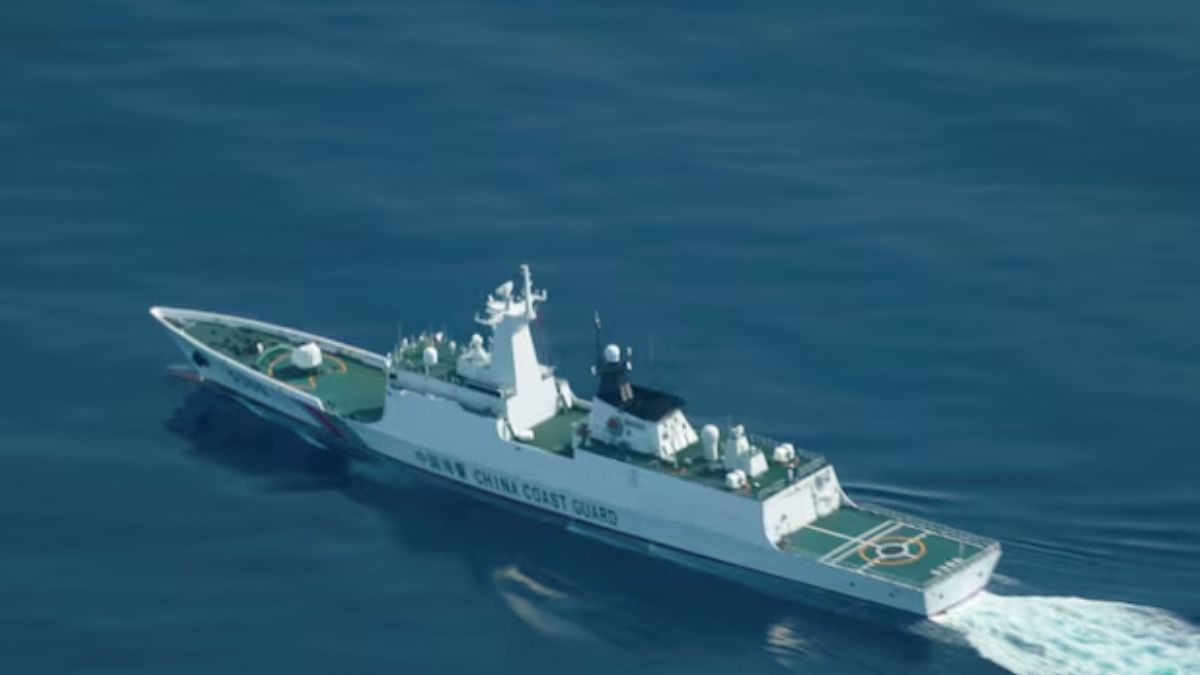
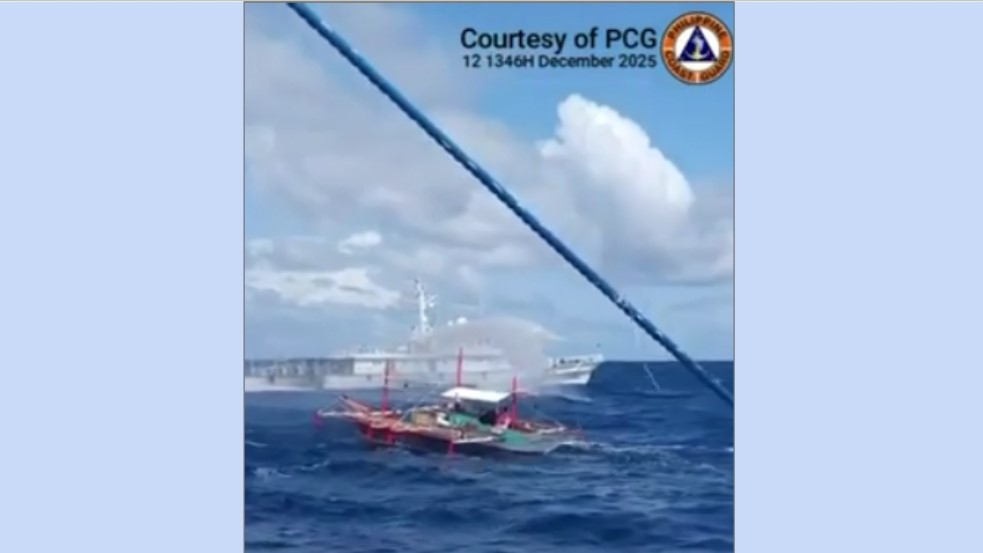
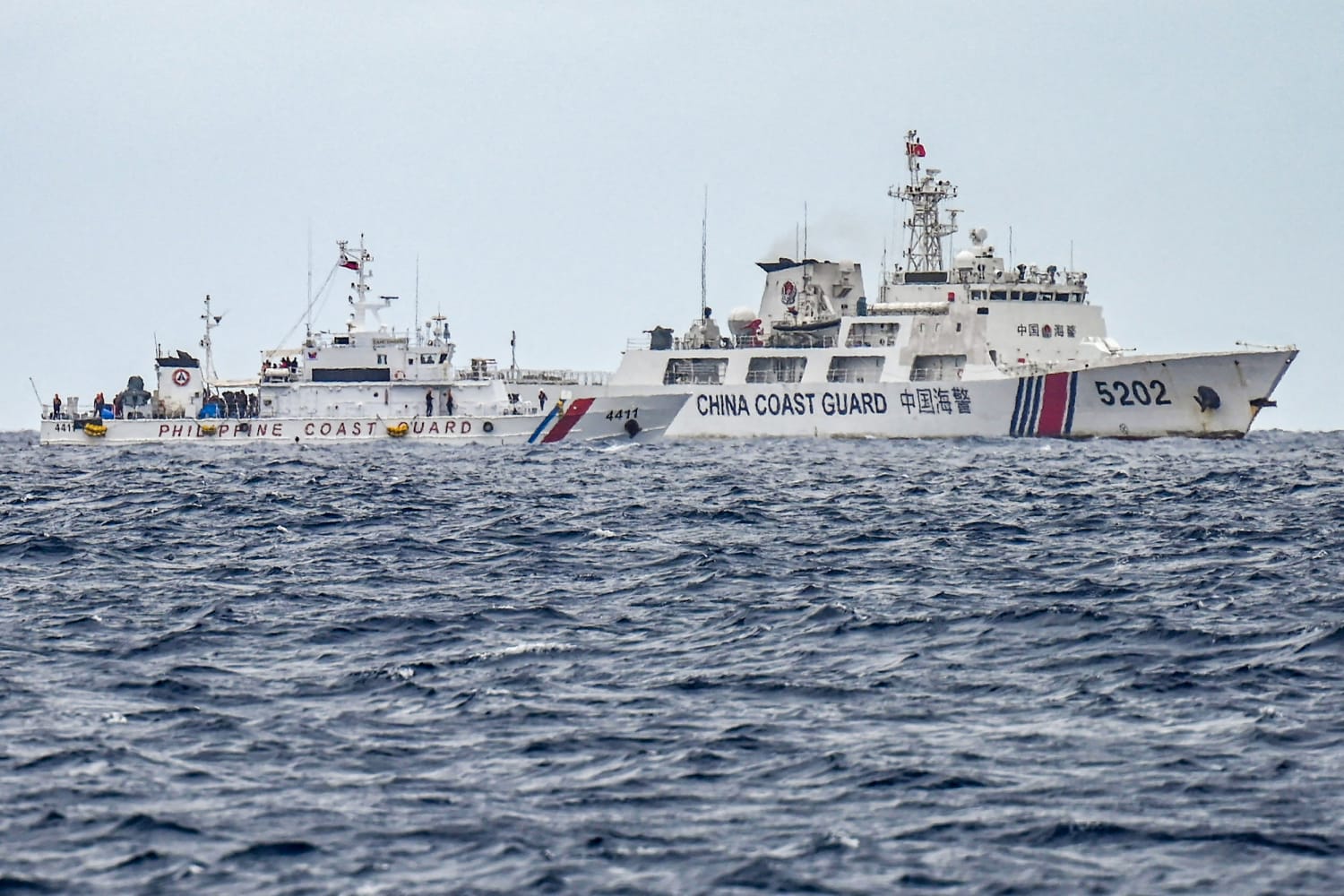
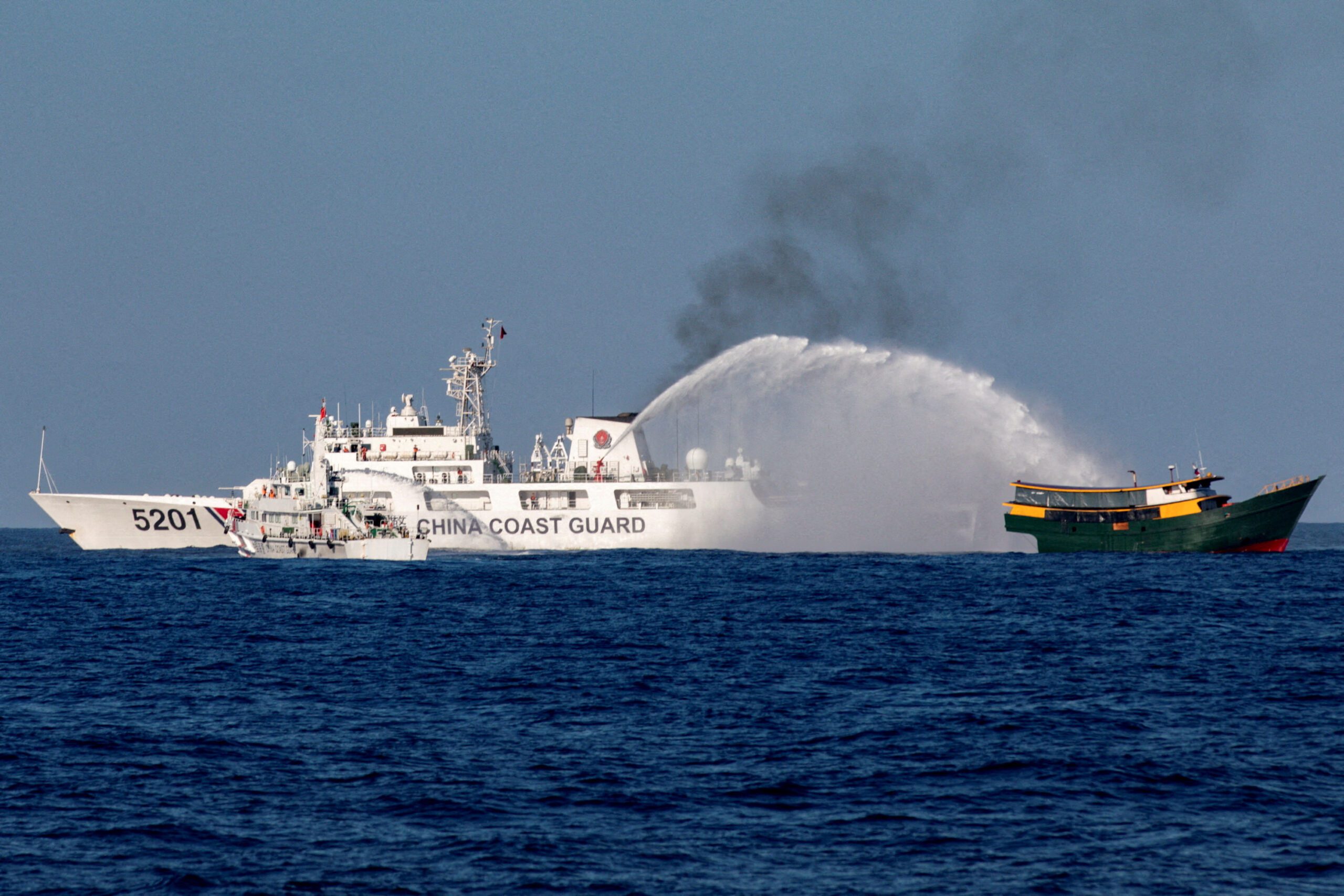
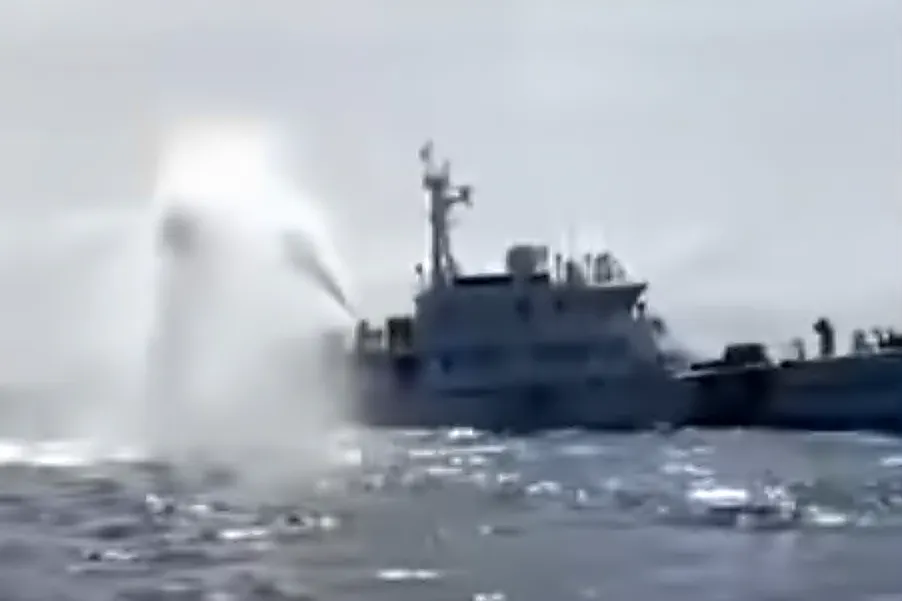
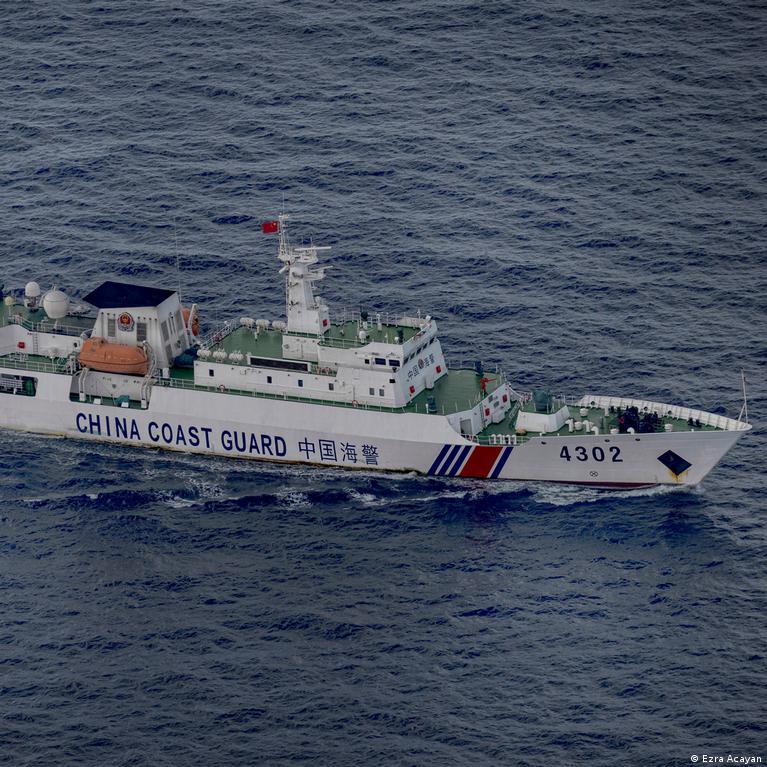
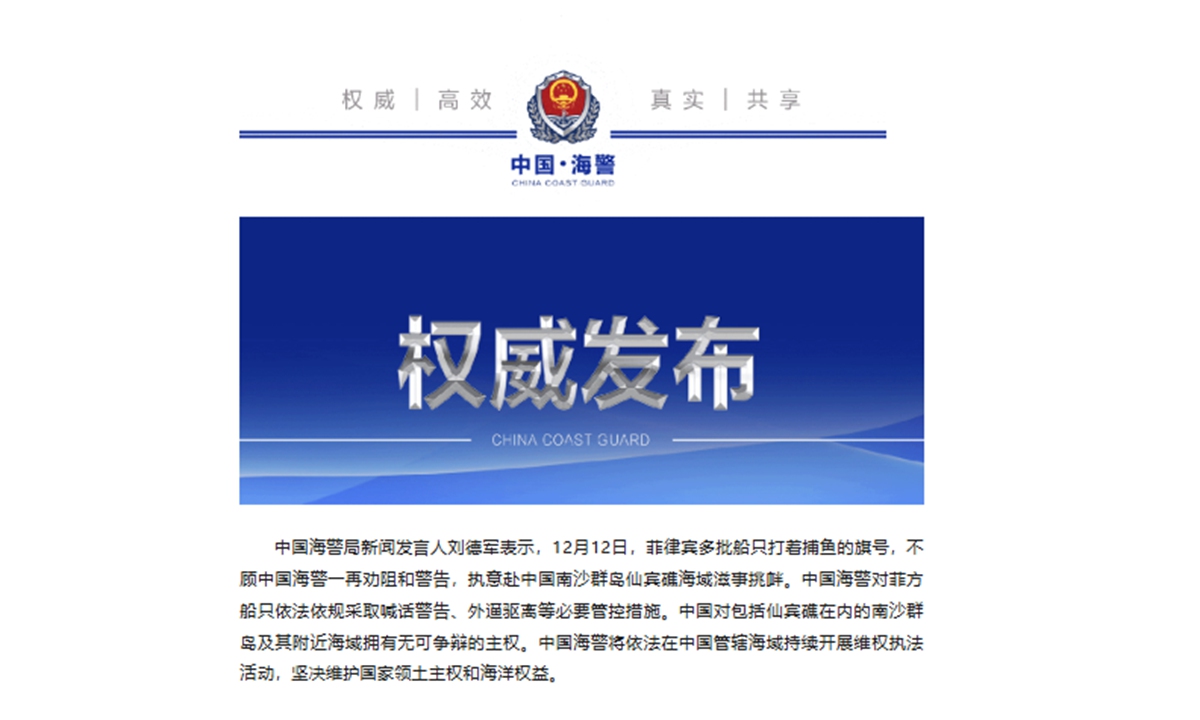
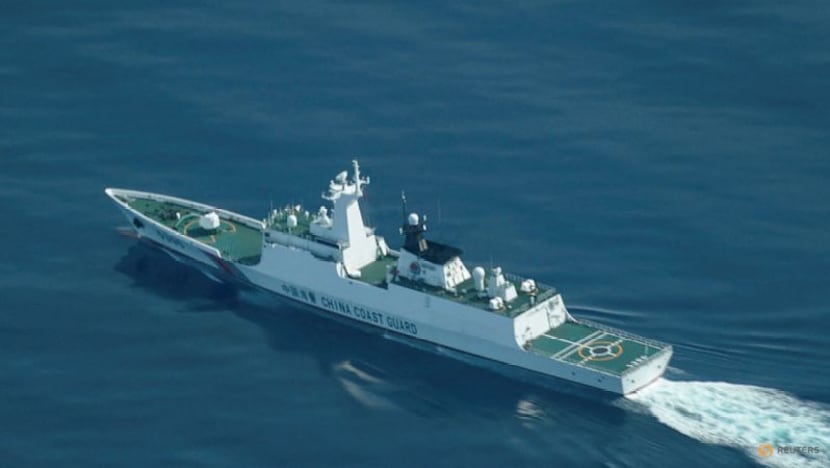
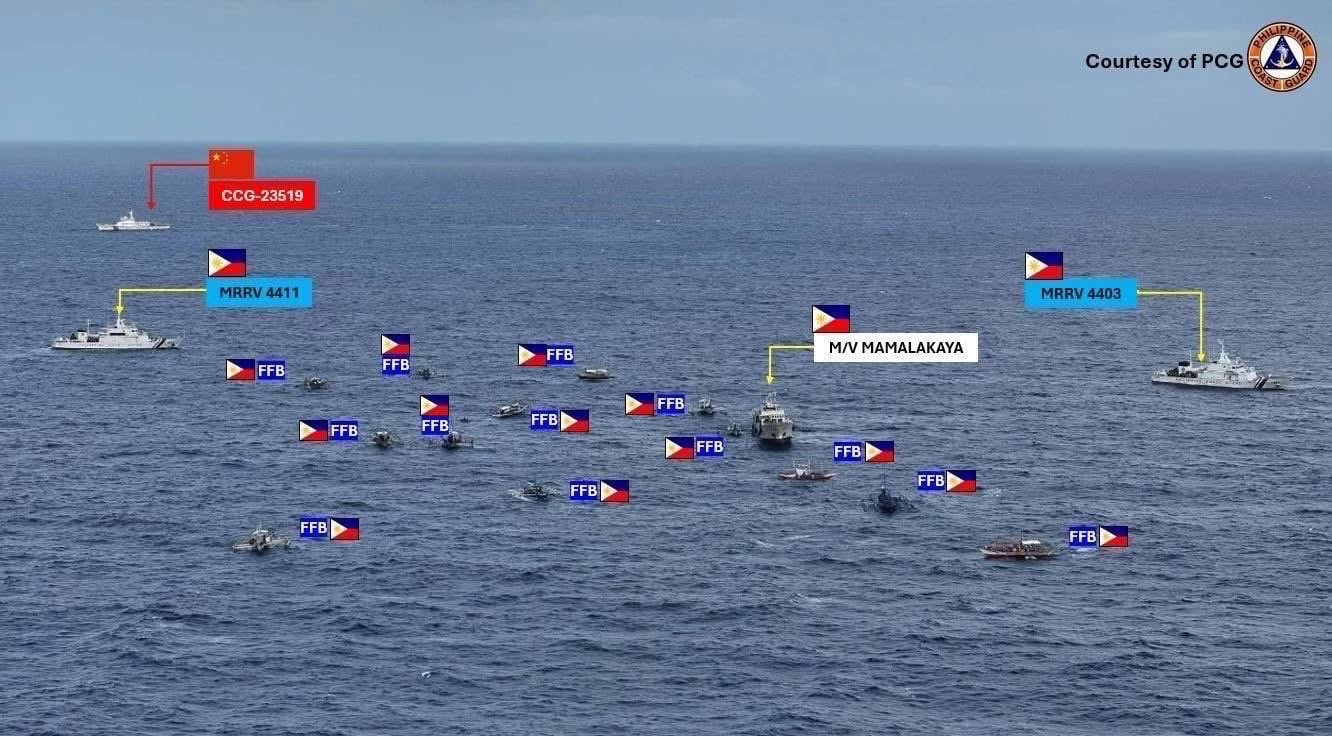
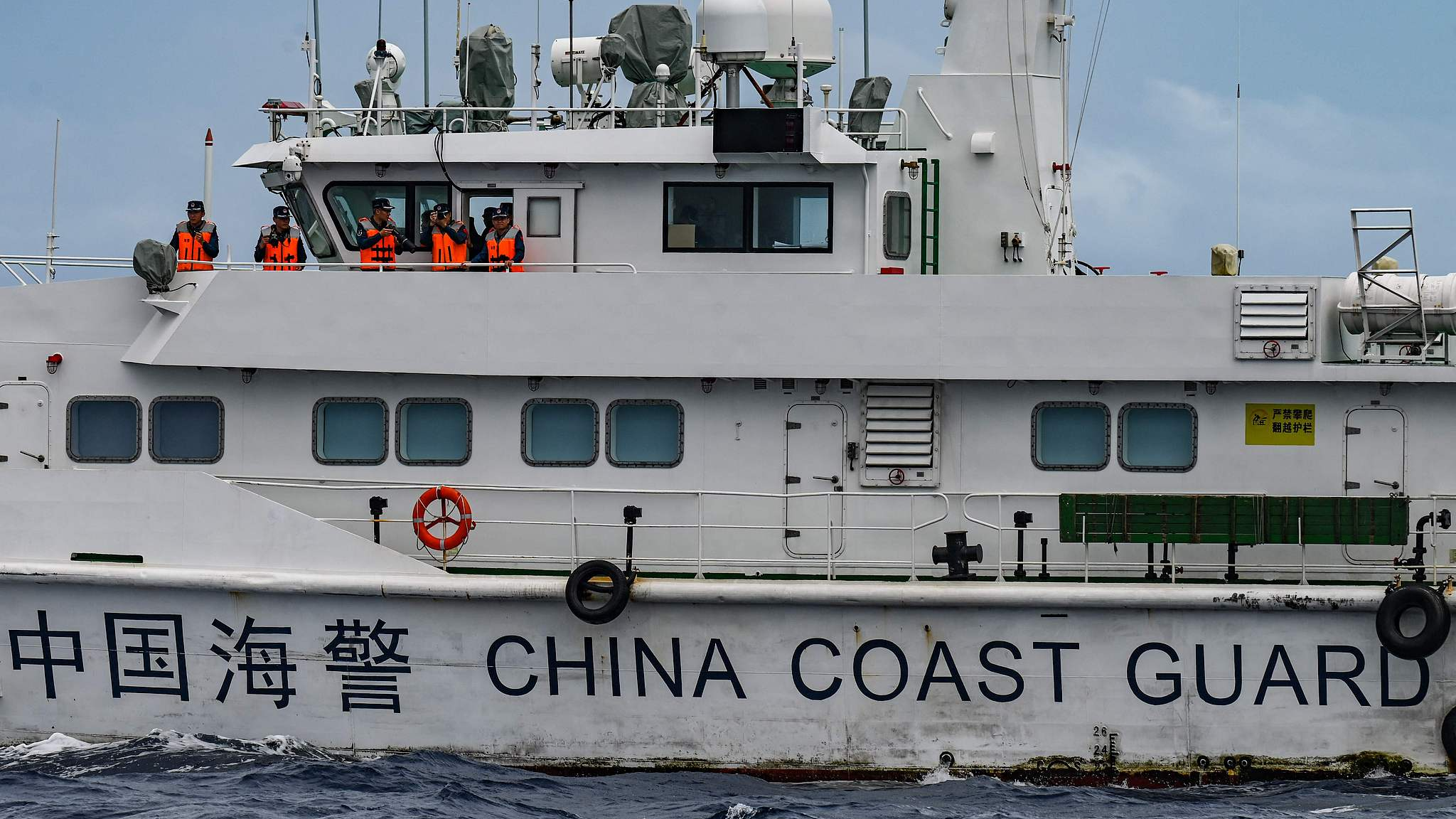
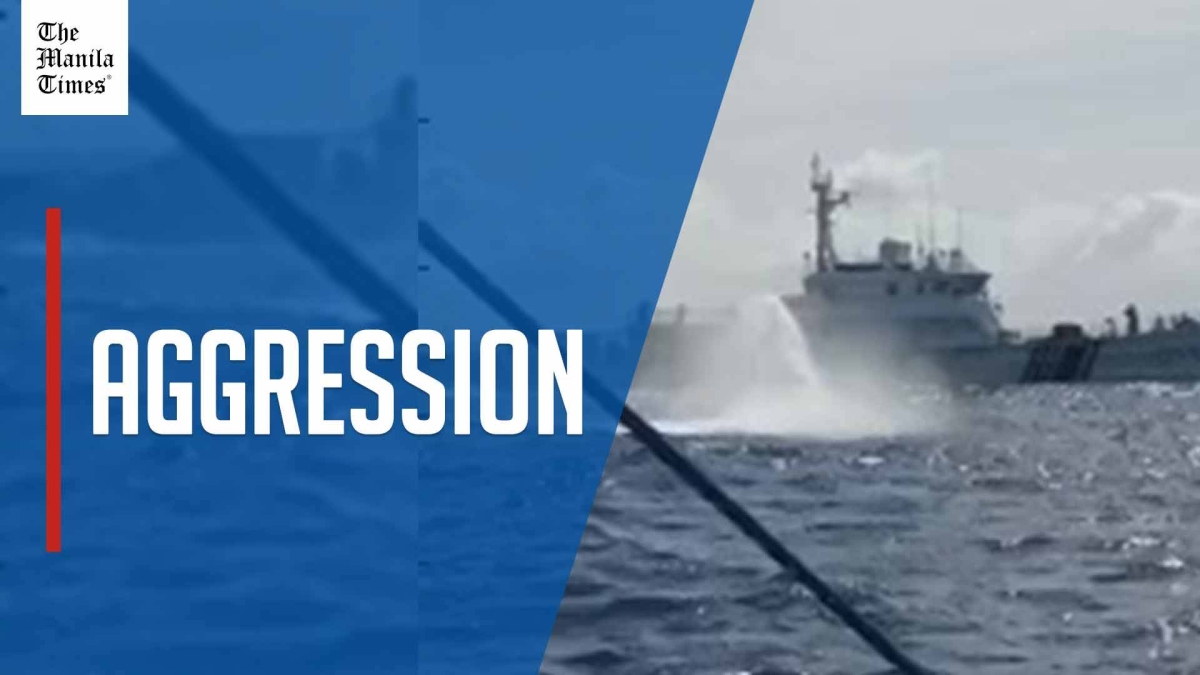
The South China Sea has emerged as a critical flashpoint of international maritime tension, with China's aggressive coastal guard tactics pushing the region toward a potential diplomatic breaking point. In a series of provocative incidents near the Sabina Shoal, Chinese vessels have systematically targeted Filipino fishing boats, deploying water cannons and dangerous maritime maneuvers that directly threaten civilian lives and economic activities.
The confrontation reveals a complex geopolitical chess match with profound strategic implications. On Friday, approximately 20 Philippine fishing boats were attacked, resulting in three fishermen injured and two vessels substantially damaged. This isn't merely a localized dispute, but a calculated demonstration of China's expansive maritime claims that directly challenge international maritime law and regional sovereignty.
What makes these incidents particularly significant is their timing and context. Despite diplomatic overtures from China's new ambassador Jing Quan to improve bilateral relations, the maritime aggression continues unabated. The first island chain - a geographically critical archipelago - becomes a potential chokepoint for Pacific access, transforming these maritime skirmishes from local incidents into potential global strategic flashpoints.
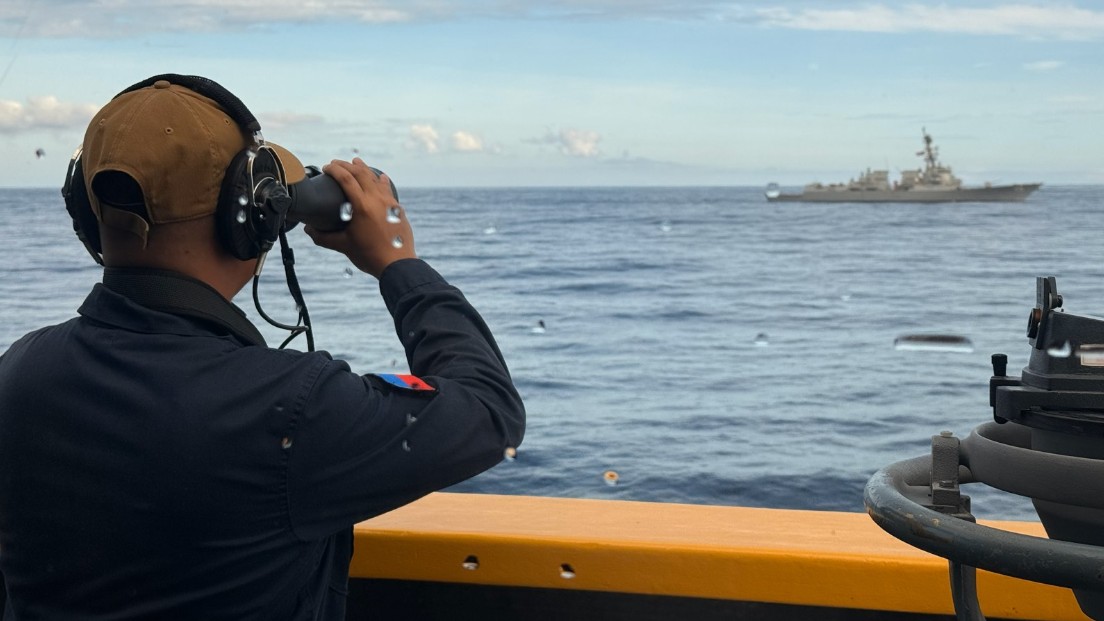
The United States has strategically positioned itself by reaffirming its mutual defense treaty with the Philippines, adding another layer of complexity to the maritime tensions. President Marcos has drawn a clear "red line" - any action resulting in Philippine citizen deaths would fundamentally alter diplomatic relations. This creates a high-stakes environment where maritime enforcement could rapidly escalate into broader geopolitical conflict.
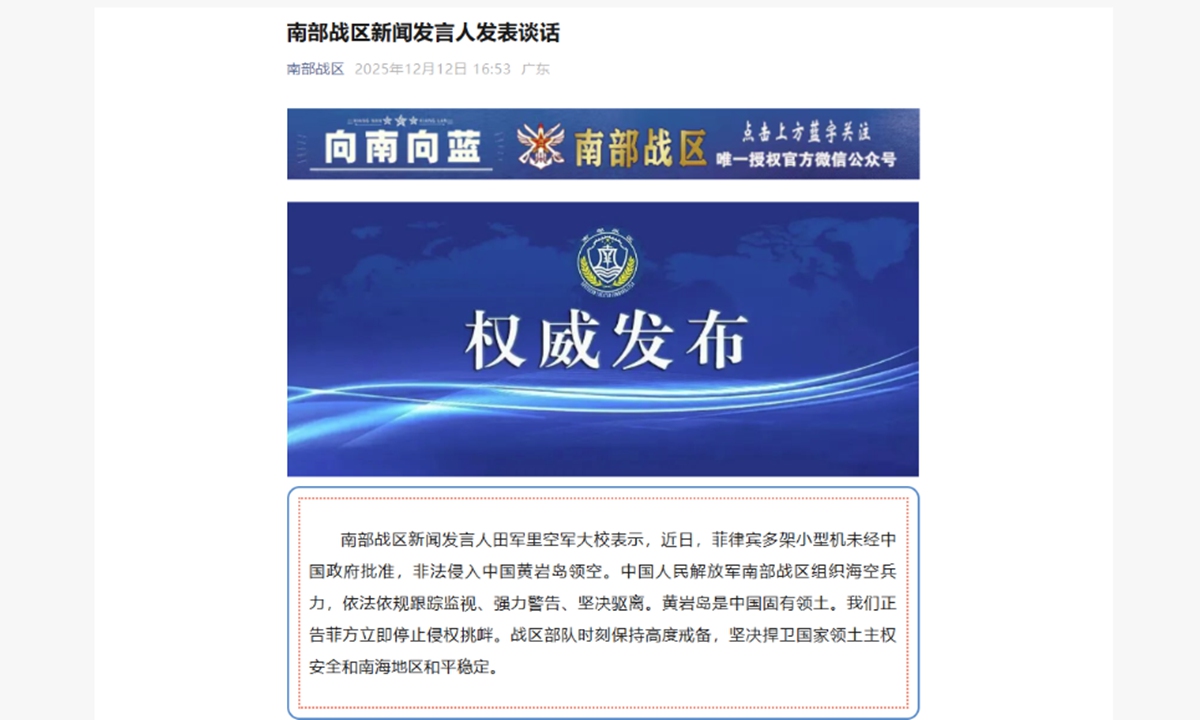
Critically, China's actions occur against the backdrop of a 2016 international arbitral tribunal ruling that deemed its sweeping maritime claims legally unfounded - a ruling Beijing has consistently and provocatively rejected. The South China Sea, carrying over $3 trillion in annual commerce, has transformed from a maritime trade corridor into a potential powder keg of international tensions.
The persistent maritime aggression suggests a calculated strategy of incremental territorial assertion, testing international resolve through controlled, provocative actions that stop short of full-scale military confrontation. For regional stakeholders, this represents a dangerous new normal of maritime brinkmanship.
Questions 3
How do these maritime tensions impact global trade?
The South China Sea carries over $3 trillion in annual commerce, making these territorial disputes directly relevant to global maritime trade. Persistent maritime aggression creates uncertainty for shipping routes, potentially increasing insurance costs and disrupting international trade flows through this critical maritime corridor.
What diplomatic options remain for de-escalation?
Diplomatic options include ongoing ASEAN negotiations for a South China Sea code of conduct, bilateral discussions between China and the Philippines, and potential international mediation. However, China's consistent rejection of previous international arbitration suggests limited appetite for compromise, making peaceful resolution challenging.