

)


Strategic Realignment: North Korea's Bold Military Gambit in Russia's Ukraine War
- Geopolitical Survival Strategy Reshapes Global Military Alliances














)

Overview
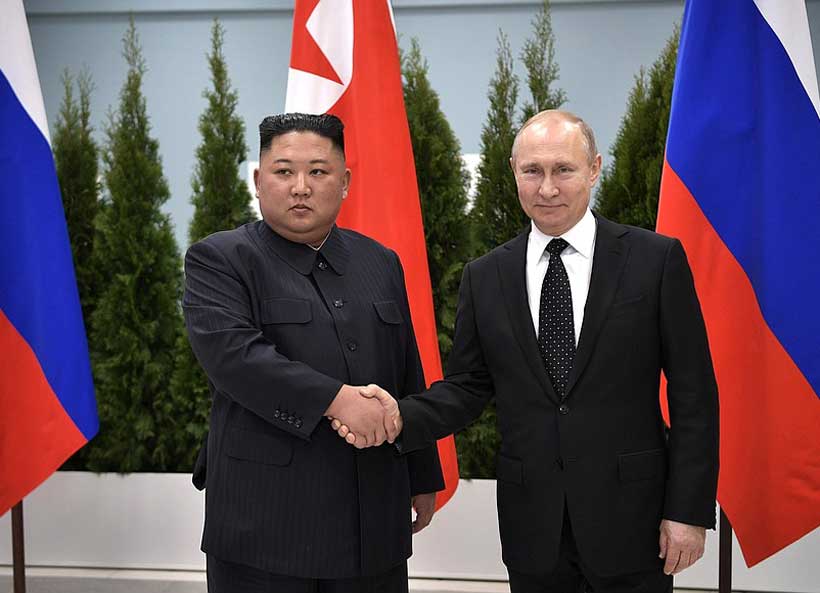
In a pivotal geopolitical maneuver, North Korea has emerged as a critical military ally for Russia, transforming the landscape of international conflict and sanctions dynamics. The deployment of up to 14,000 North Korean troops to support Russia's operations in Ukraine represents more than a tactical military collaboration—it's a strategic lifeline for both nations facing international isolation.
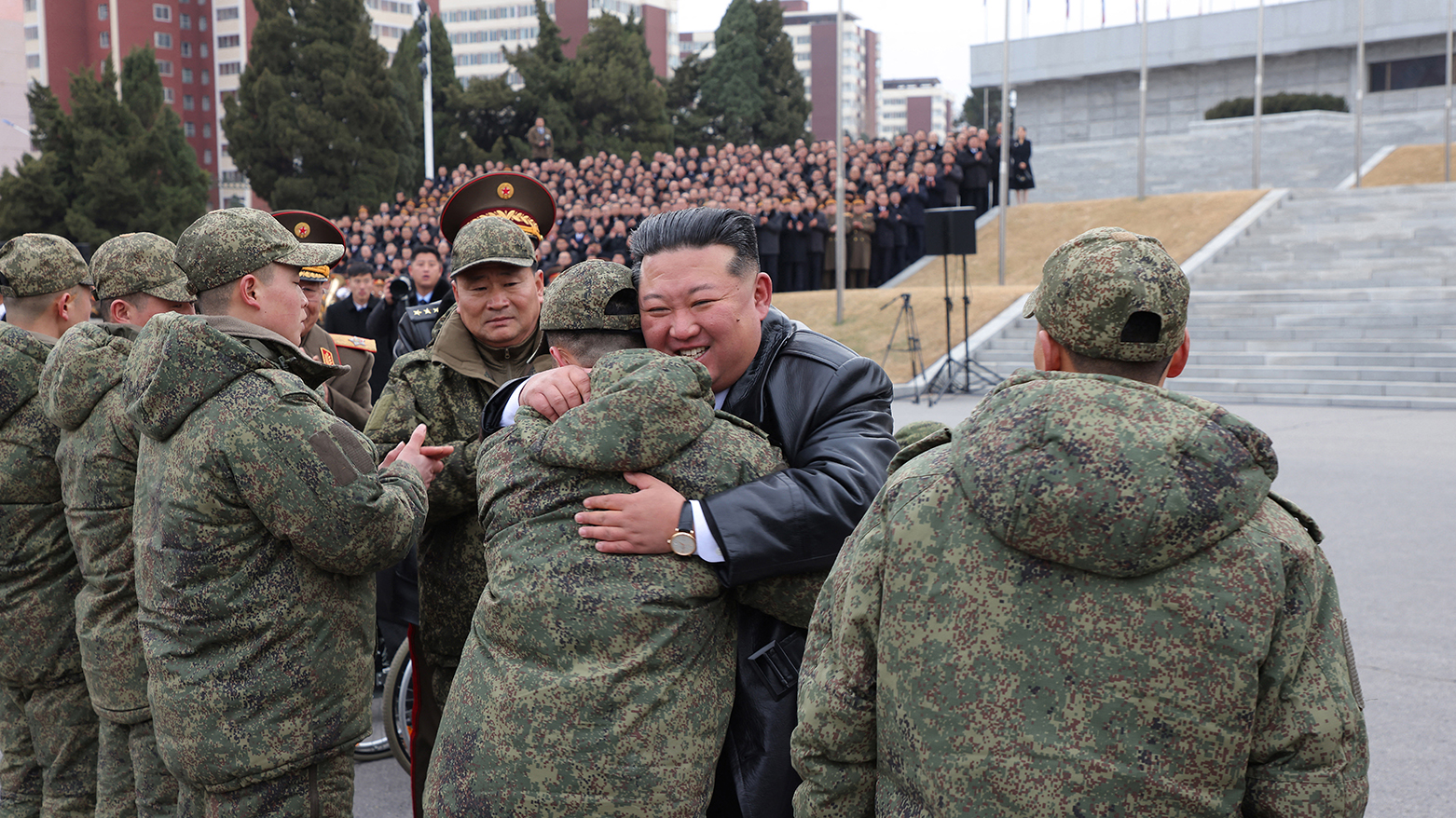
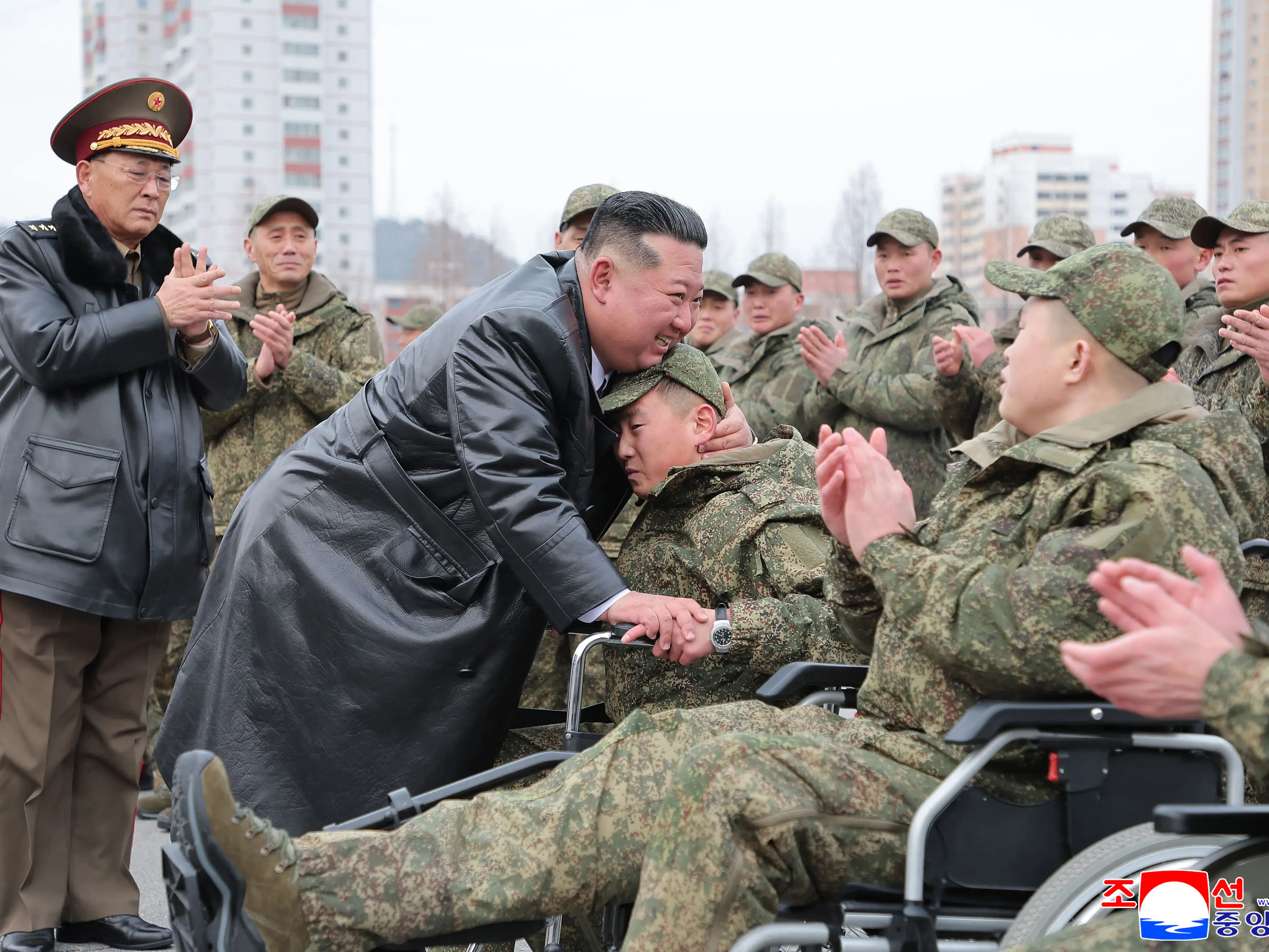
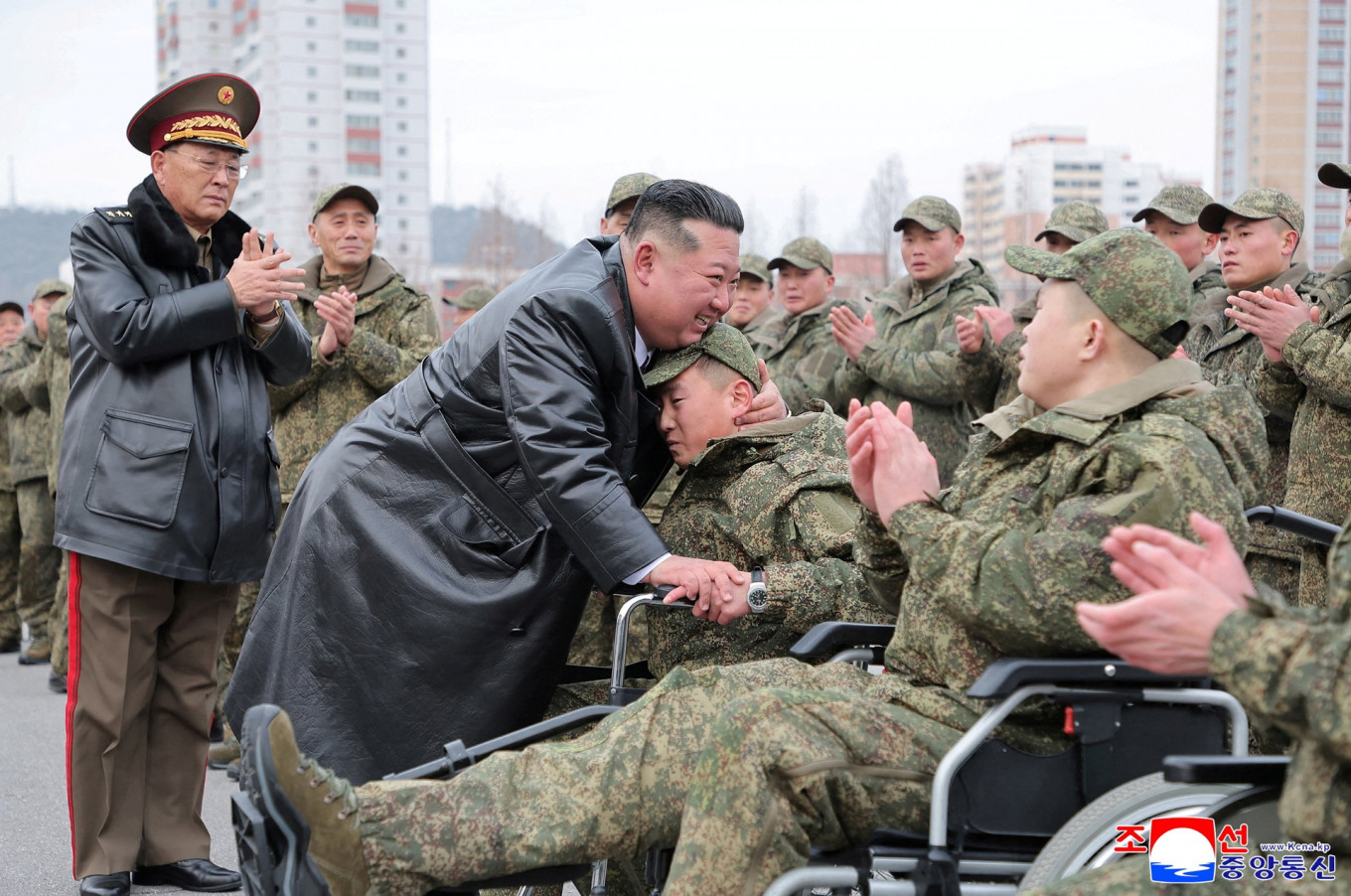
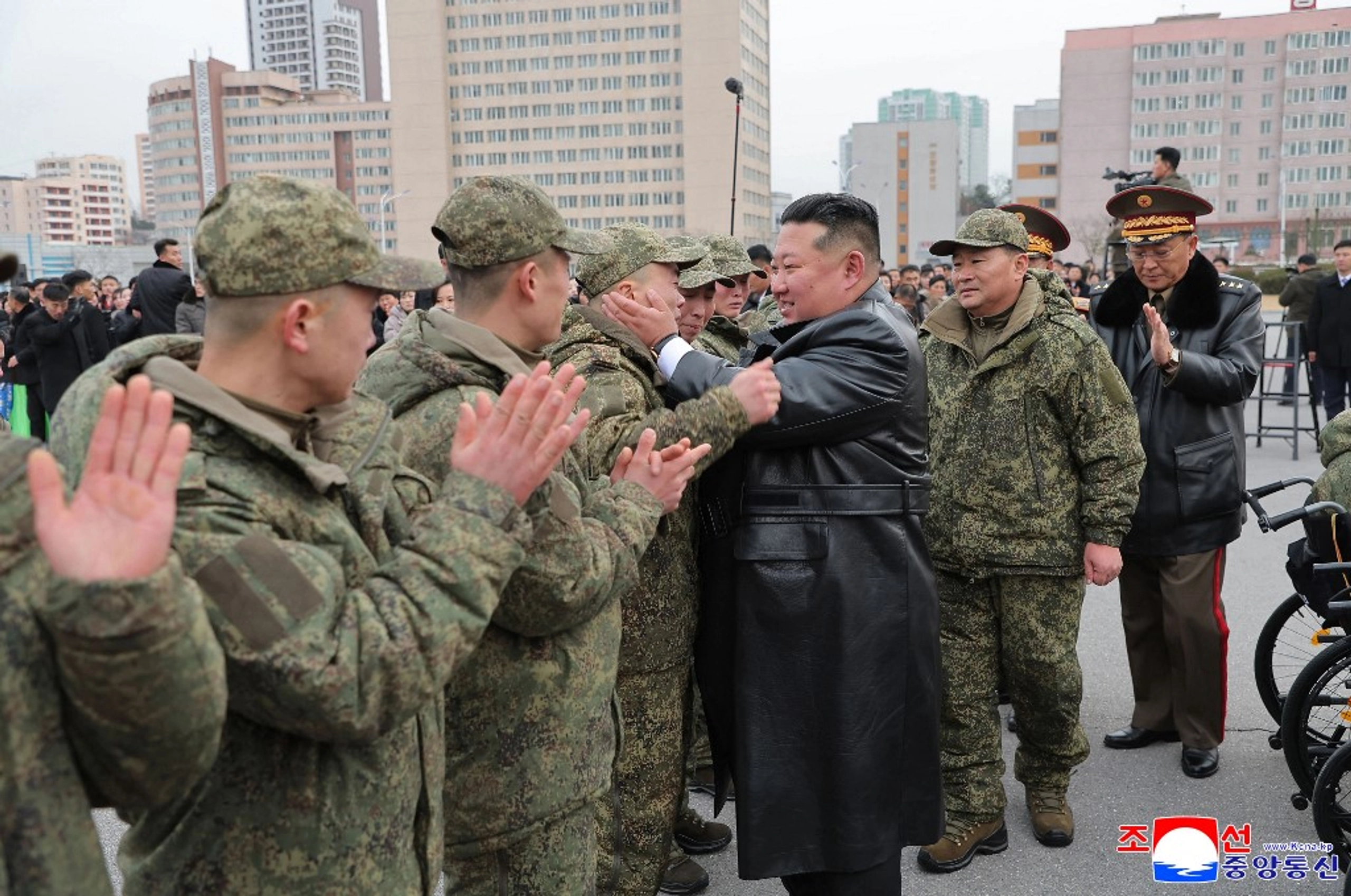
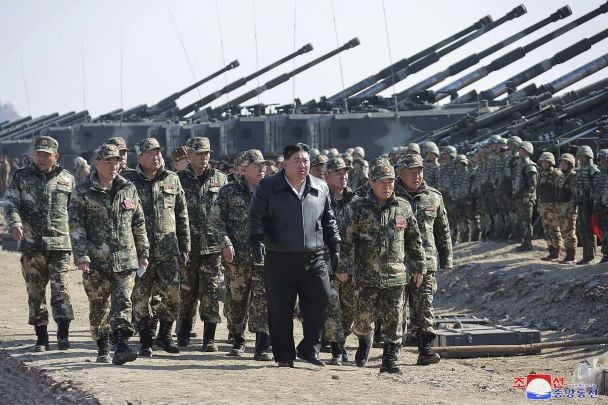
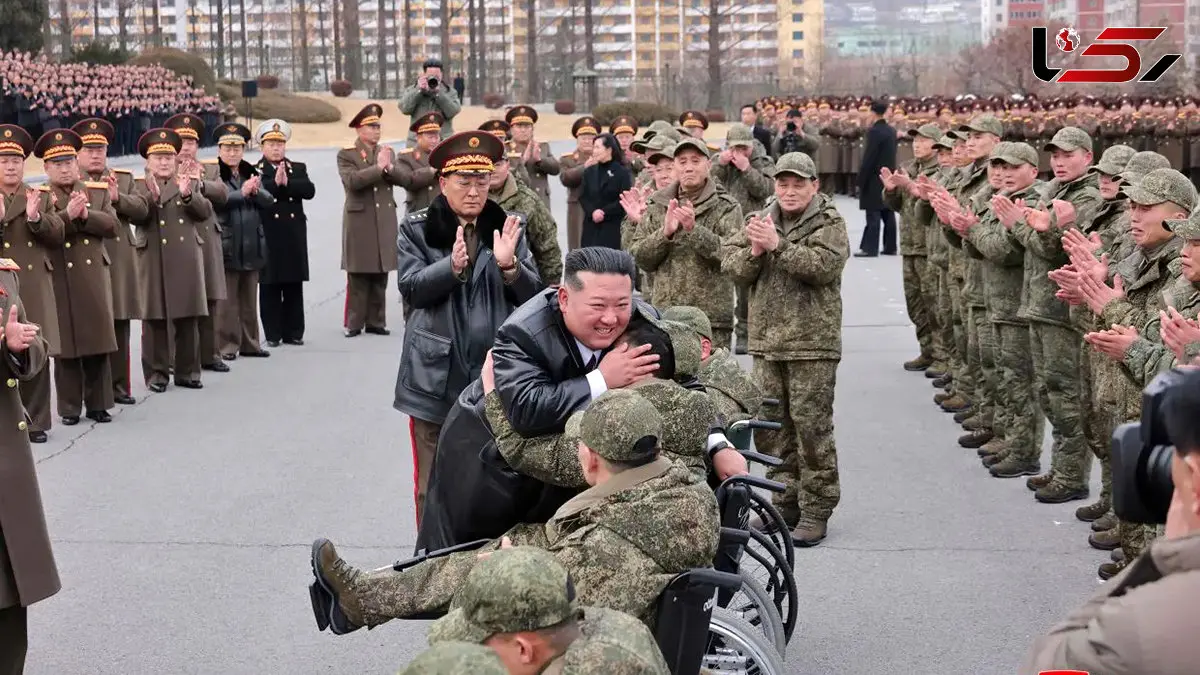
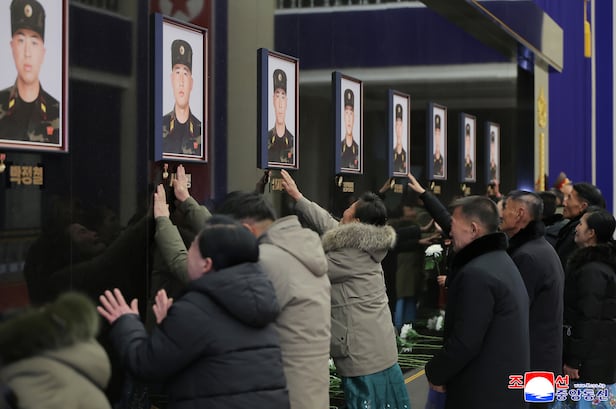
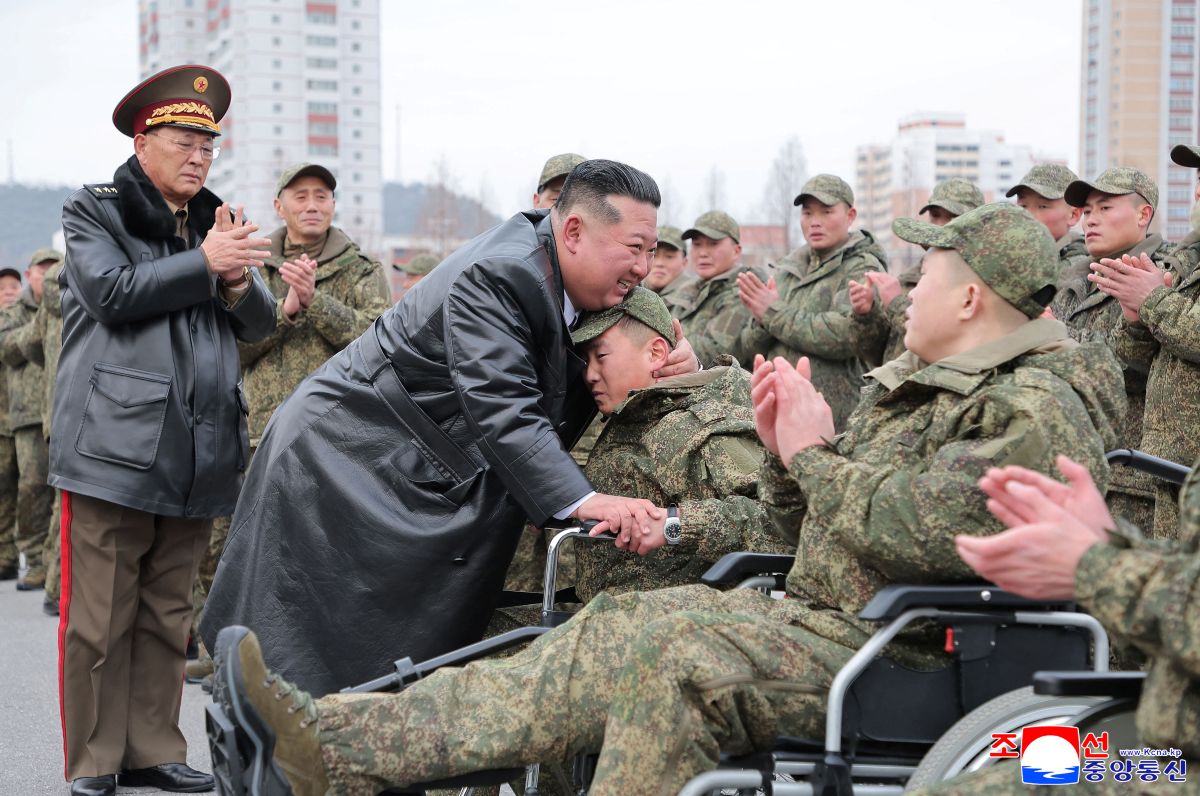
The 528th Regiment of Engineers exemplifies this complex partnership, having completed a 120-day mission in Russia's Kursk region that involved dangerous mine-clearing operations. With nine soldiers killed and multiple injured, the mission underscores the depth of North Korea's commitment. Kim Jong-un's public recognition of these troops, including awarding the country's highest military honors, signals a deliberate geopolitical strategy that goes beyond traditional military support.
This collaboration is fundamentally a mutual survival mechanism. For North Korea, the partnership offers critical economic benefits—Russia provides financial aid, military technology, food, and energy supplies in exchange for military support. By supporting Russia, North Korea effectively circumvents international sanctions and gains access to resources crucial for regime sustainability. For Russia, North Korean troops provide additional manpower in a prolonged and resource-intensive conflict.
The strategic implications are profound. This alliance demonstrates how geopolitical outcasts can create alternative support networks, challenging traditional international power structures. By publicly celebrating this military cooperation, Kim Jong-un is not just supporting Russia but also signaling North Korea's willingness to defy global diplomatic norms. The troops' return ceremony, attended by senior military officials and ruling party leaders, transforms military support into a powerful narrative of national resilience and international defiance.
Critically, this partnership reveals a new model of geopolitical survival—where sanctioned nations can leverage each other's strategic needs to create mutually beneficial, albeit controversial, alliances. The North Korea-Russia military collaboration is more than a temporary tactical arrangement; it represents a fundamental reshaping of global military and diplomatic relationships.
Questions 4
What are the broader geopolitical implications of this alliance?
This partnership represents a new model of geopolitical survival, where sanctioned nations create alternative support networks. It challenges traditional international power structures and shows how countries can form strategic alliances outside conventional diplomatic frameworks.
How has Kim Jong-un publicly positioned this military support?
Kim has transformed the military support into a national narrative of resilience, publicly honoring fallen soldiers with the country's highest military awards and holding a ceremony attended by senior officials. This positions the troops as heroes and demonstrates North Korea's willingness to defy global diplomatic norms.