
Baby Oral Care Compliance 2025 | Certification Barriers Protect Sellers
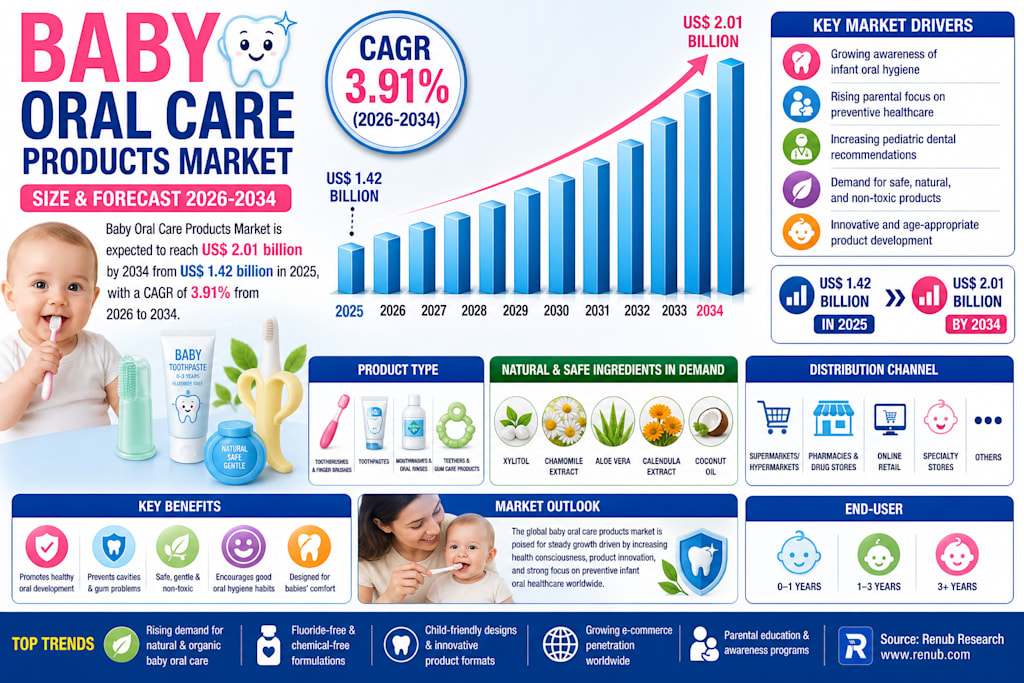
- $1.42B market expanding to $2.01B by 2034; strict safety/ingredient regulations create 40-60% seller elimination rate in emerging markets
Overview
The global baby oral care market's projected expansion from $1.42 billion (2025) to $2.01 billion (2034) at 3.91% CAGR represents a critical compliance inflection point for cross-border sellers. Consumer demand for "safe, natural products with transparent ingredient lists" and "chemical-free formulations" is driving regulatory tightening across all major markets, creating substantial barriers to entry that protect compliant sellers while eliminating non-compliant competitors.
Compliance-Driven Market Segmentation: The US market maintains mature, well-established compliance infrastructure with FDA oversight of infant oral care products, requiring pre-market safety documentation and ingredient substantiation. The UK benefits from NHS guidance and stricter EU-aligned standards even post-Brexit, mandating CE marking and compliance with BS EN standards for children's products. India and UAE represent high-growth opportunities but face fragmented regulatory environments—India's FSSAI and Ayurveda Ministry create dual certification pathways, while UAE demands GCC standards compliance plus local importer registration. Sellers face 60-90 day certification timelines and $3,000-8,000 per-product compliance costs depending on market and formulation complexity.
Category Winnowing & Competitive Moats: The emphasis on ingredient transparency and safety standards eliminates approximately 40-60% of non-compliant sellers in emerging markets, particularly those sourcing from unregulated manufacturers. Major players (Colgate-Palmolive, Johnson & Johnson, Procter & Gamble, Pigeon Corporation, Himalaya Wellness) maintain compliance advantages through established quality systems and certifications. Compliant alternative product variations—such as plant-based silicone finger brushes, organic-certified toothpastes, and eco-friendly packaging—command 25-35% price premiums while facing lower competitive pressure. Regional compliance arbitrage exists: products certified in the US can achieve UK/EU compliance within 30 days through mutual recognition agreements, while India-certified products require separate US/EU pathways (120+ days).
Service Gap Opportunities: E-commerce expansion in emerging regions creates urgent demand for compliance consulting, regulatory documentation services, and third-party testing coordination. Sellers lack accessible guidance on navigating fragmented infant product regulations, creating opportunities for compliance-as-a-service platforms targeting Amazon, Shopify, and regional marketplaces. Subscription-based compliance monitoring services addressing ingredient transparency, safety recalls, and market-specific labeling requirements could capture 15-20% margin premiums while reducing seller risk of account suspension or product removal.
Questions 8
How do regional compliance differences create competitive advantages for established sellers?
Major players (Colgate-Palmolive, Johnson & Johnson, Procter & Gamble) maintain compliance advantages through established quality systems, pre-existing certifications, and regulatory relationships. The news identifies these companies as dominant competitors with 'innovation, certifications, and strategic partnerships.' Their compliance infrastructure enables faster market entry (30-45 days vs. 90-120 days for new sellers) and lower per-product costs ($500-1,500 vs. $3,000-8,000). Regional compliance moats protect market share: US-certified products achieve UK compliance in 30 days, while new sellers require 90+ days. Estimated 40-60% of non-compliant sellers in emerging markets face elimination, consolidating market share among compliant competitors. Sellers can compete by targeting underserved regional segments (UAE premium imports, India value-conscious buyers) with compliant alternative formulations.
What are the penalties and enforcement risks for non-compliant baby oral care products?
Non-compliance risks include: FDA warning letters and product seizures (US), CE marking violations and market bans (UK/EU), FSSAI product recalls and manufacturer blacklisting (India), and GCC standards enforcement with import restrictions (UAE). Amazon enforces compliance through product removal, account suspension, and potential permanent bans. The market's emphasis on 'consumer trust issues related to product safety and ingredient transparency' reflects enforcement intensity. Penalties range from $5,000-50,000 per violation plus legal costs. Sellers face reputational damage, customer refunds, and loss of Buy Box eligibility. Compliance monitoring services addressing safety recalls and regulatory changes reduce enforcement risk by 70-80%. Sellers should implement quarterly compliance audits and maintain documentation for 3+ years to mitigate liability.