


Underwater Archaeology Rewrites Prehistoric Engineering Narratives
- Groundbreaking discovery challenges assumptions about early human technological capabilities


Overview
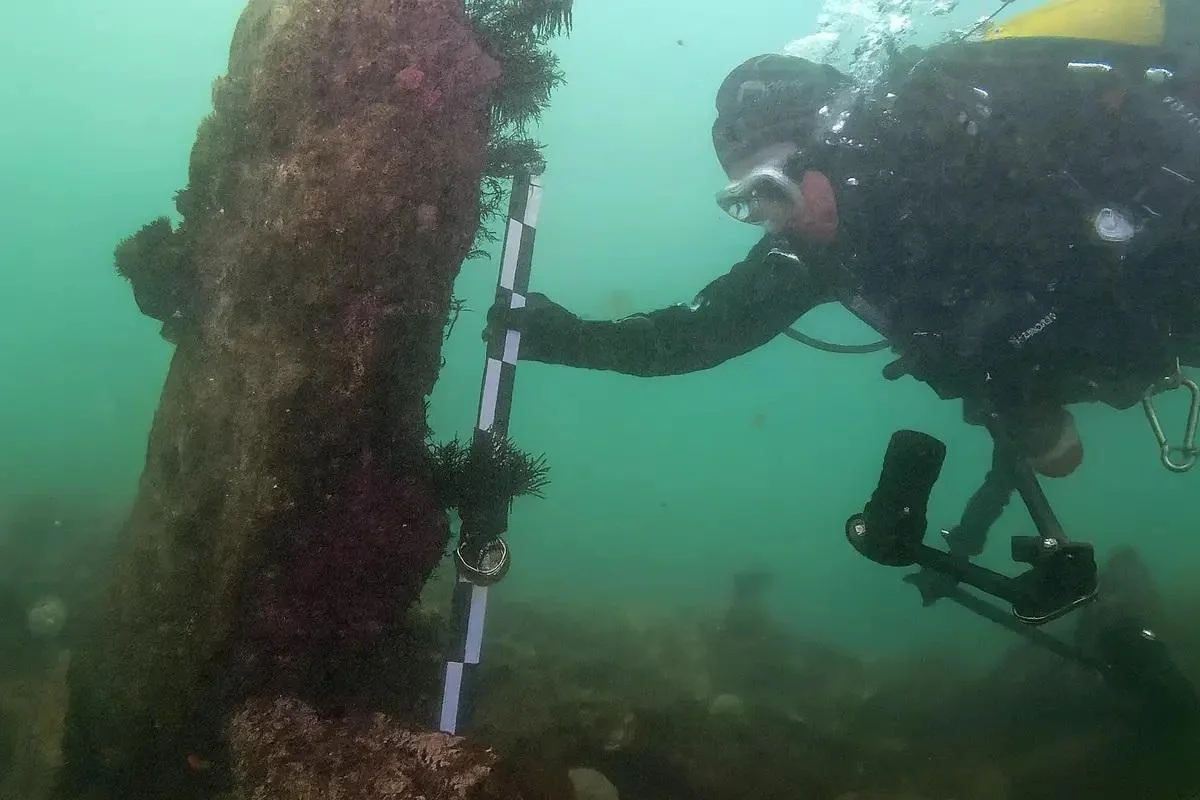
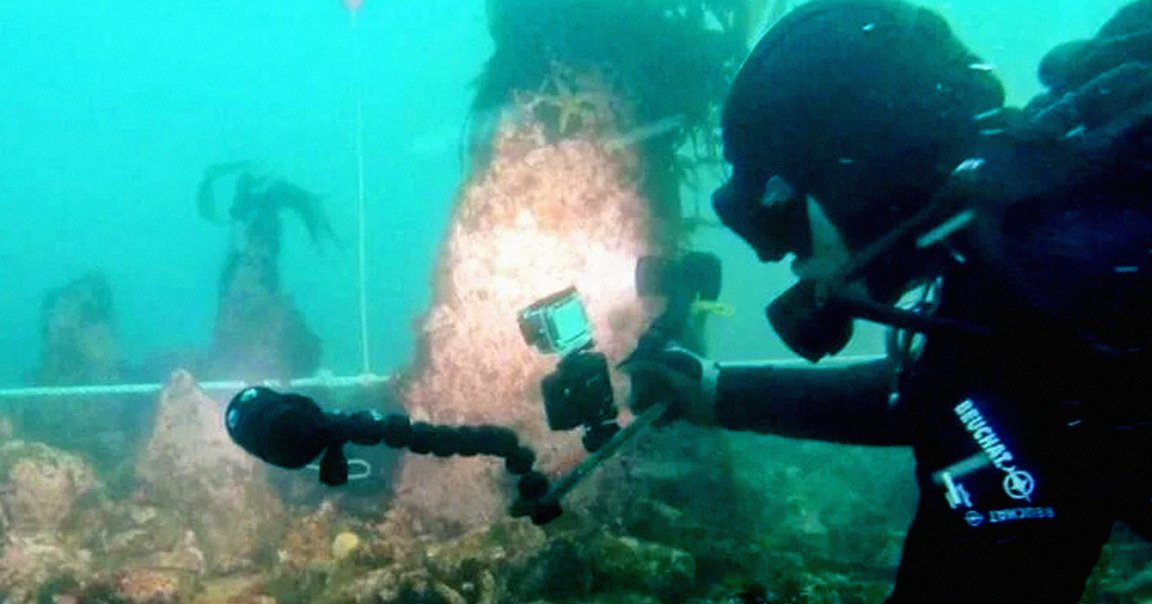
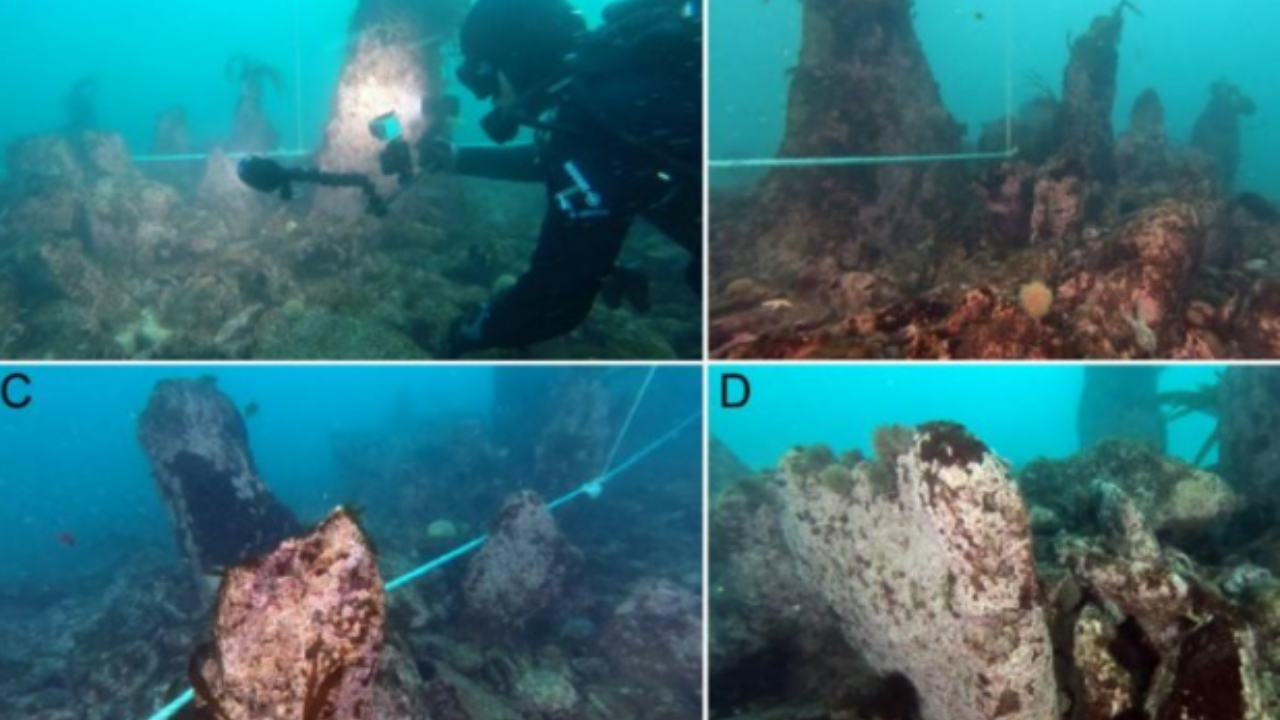
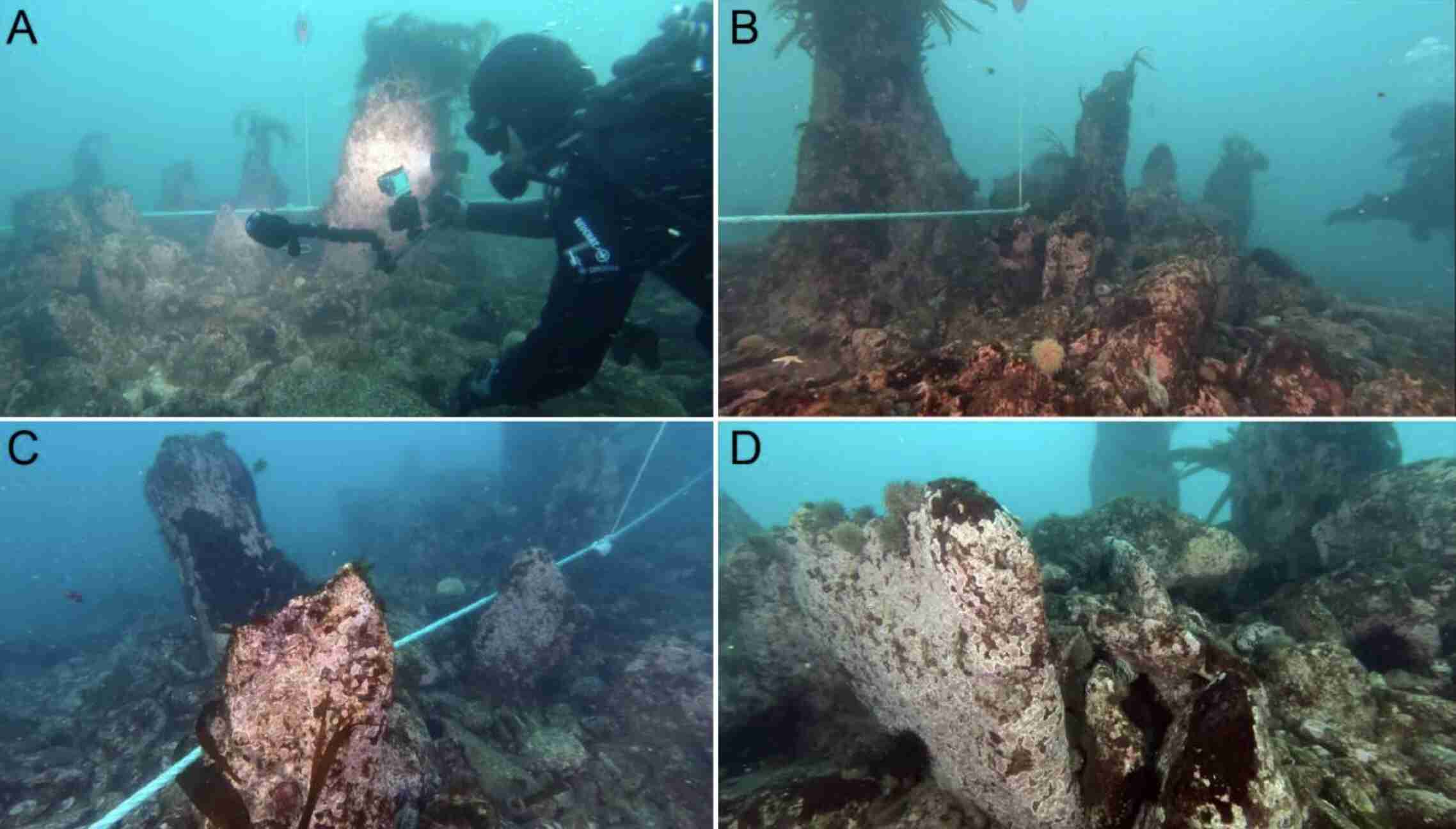
The discovery of a massive 7,000-year-old underwater granite wall off the French coast represents a pivotal moment in understanding prehistoric human engineering and societal complexity. This archaeological breakthrough reveals that Mesolithic hunter-gatherer communities possessed far more sophisticated technological and organizational capabilities than previously believed.
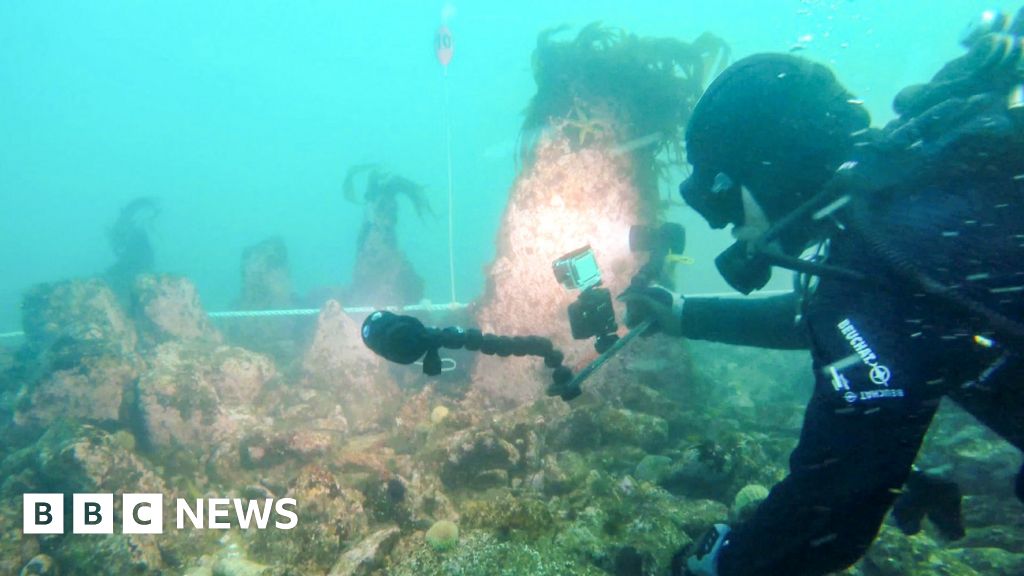
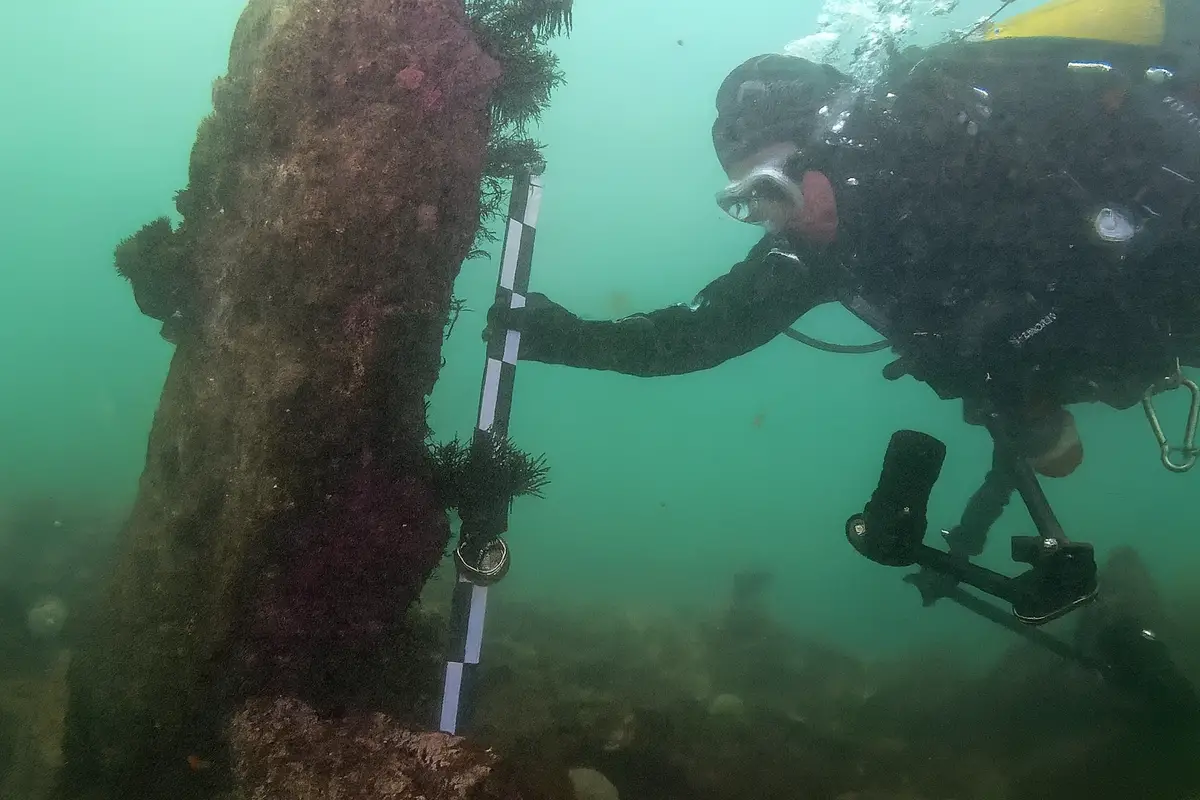
Technological Sophistication Beyond Expectations: The 120-meter-long structure, weighing an estimated 3,300 tonnes and situated nine meters underwater, demonstrates remarkable engineering prowess. Located near Ile de Sein and dating between 5,800 and 5,300 BC, the wall challenges fundamental assumptions about early human societies. Its precise construction—averaging 20 meters wide and two meters high—suggests a level of social organization and technical skill that dramatically reshapes our understanding of prehistoric coastal communities.
Environmental Adaptation as Innovation: The wall's potential functions, ranging from a fish trap to a protective dyke against rising sea levels, illuminate how early humans strategically responded to environmental challenges. This isn't just an archaeological curiosity, but a profound testament to human adaptability. The structure represents an early example of large-scale infrastructure development, showing that prehistoric societies were not merely survival-focused, but capable of complex, forward-thinking engineering projects.
Methodological Revolution in Archaeology: The discovery, initially identified in 2017 by retired geologist Yves Fouquet and confirmed by divers between 2022 and 2024, highlights the evolving capabilities of archaeological research. Advanced technologies like laser-generated undersea charts are opening unprecedented windows into human prehistory, transforming our ability to understand ancient societies.
The implications extend far beyond a single archaeological site. This discovery signals a fundamental reevaluation of human technological evolution, suggesting that innovation and complex social organization are deeply rooted in our species' history—long before traditional narratives of civilization's emergence.
Questions 3
What technological methods were used to discover this ancient structure?
Researchers used laser-generated undersea charts, initially identified by a retired geologist in 2017, and then confirmed through underwater diving expeditions between 2022 and 2024, showcasing how advanced mapping technologies are revolutionizing archaeological research.
What might have been the primary purpose of this ancient wall?
Archaeologists suggest the wall could have served multiple functions, including a potential fish trap or a protective dyke against rising sea levels, indicating early humans' strategic approach to environmental challenges and resource management.