


Billion-Dollar Lottery Fever: The Financial Psychology of Extreme Jackpot Gambling
- Revealing the complex economic dynamics behind massive prize structures and consumer risk appetite











Overview
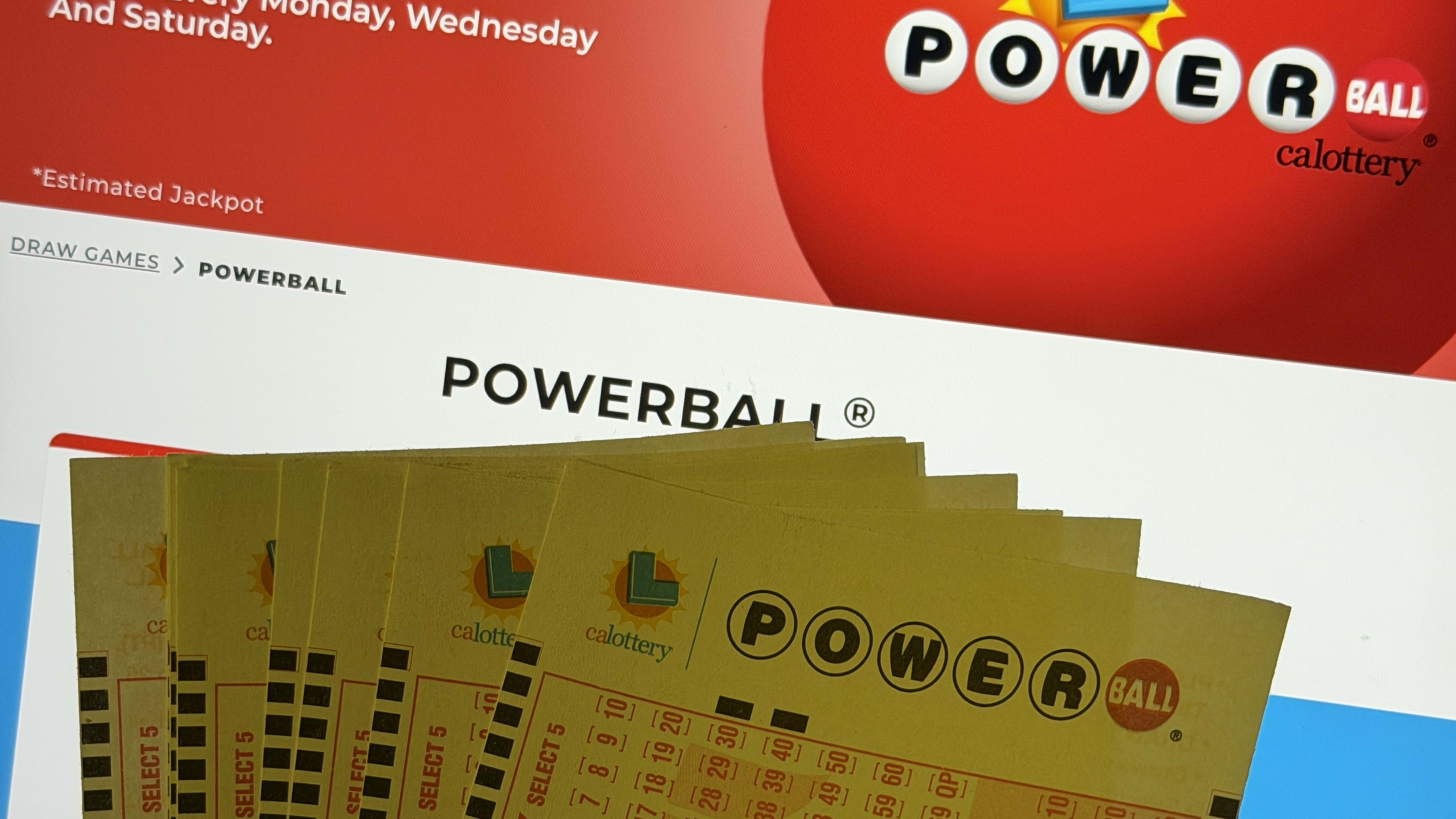
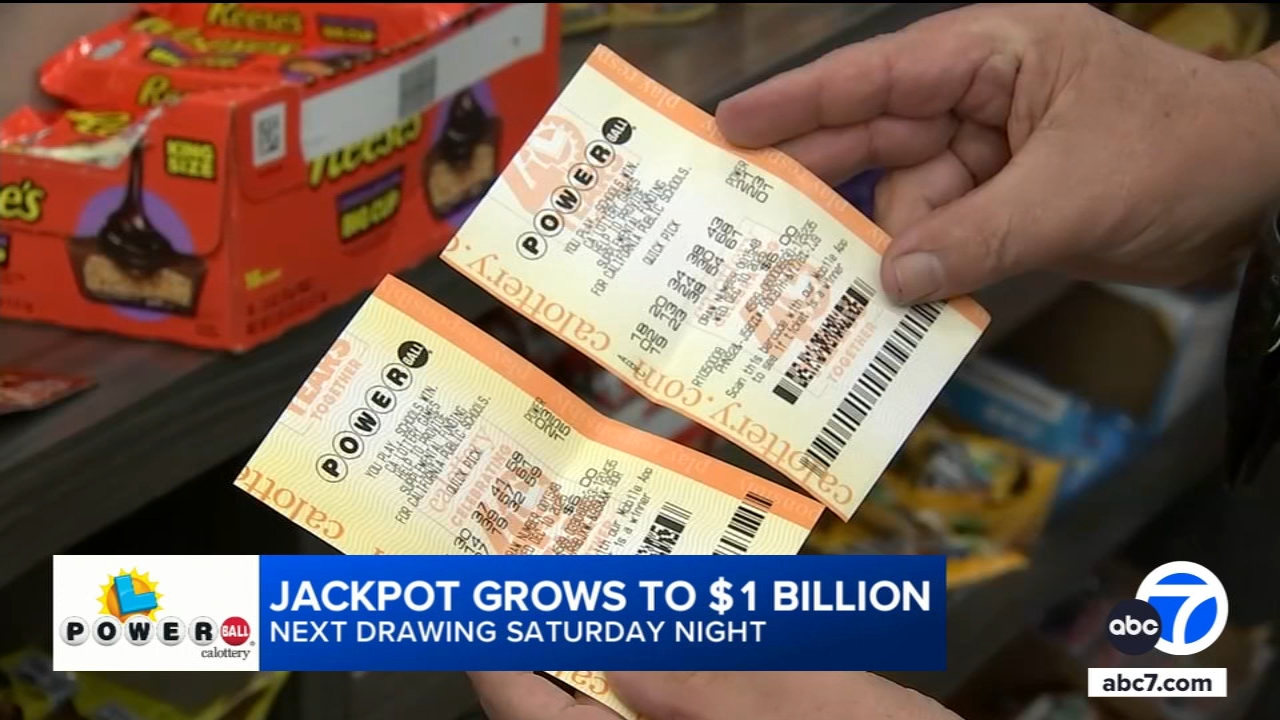
The Powerball lottery phenomenon represents more than just a game of chance—it's a fascinating window into modern financial behavior and risk psychology. With the current jackpot reaching a staggering $1 billion, the event illuminates critical insights about how consumers perceive astronomical probabilities and financial opportunities.
Lottery economics have transformed dramatically in recent years, with billion-dollar prizes becoming increasingly common. The current jackpot marks the 14th US lottery prize to cross the billion-dollar threshold, and only the second such prize in 2025. This trend reveals a sophisticated market mechanism where growing ticket sales and larger prize pools create a self-reinforcing cycle of consumer engagement.
The financial complexity goes far beyond simple gambling. Winners face intricate strategic decisions that mirror sophisticated investment choices. The payout options are particularly nuanced: a lump sum of $457.7 million versus 30 escalating annual installments. Financial experts emphasize the critical importance of professional guidance, highlighting tax implications that vary significantly across states. California residents, for instance, pay no state taxes on lottery winnings, while New York imposes the highest rates.
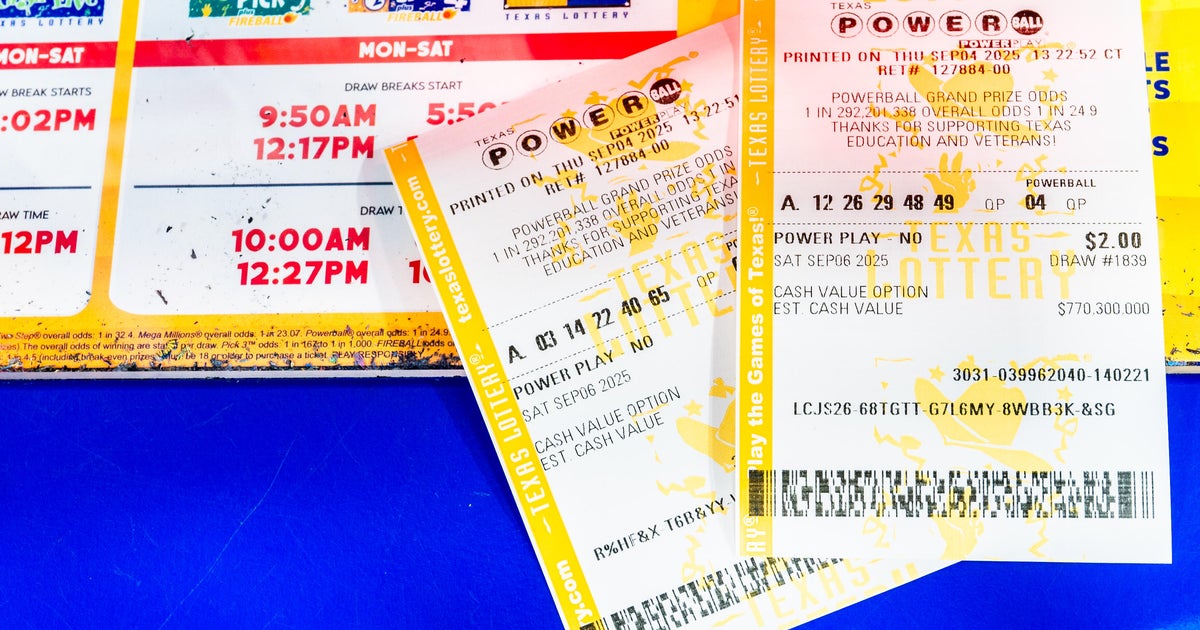
The odds of winning are mathematically absurd—approximately 1 in 292.2 million—yet this doesn't deter massive participation. This paradox speaks to a deeper psychological phenomenon where consumers are willing to invest small amounts for the possibility of transformative wealth. The Power Play and Double Play features further demonstrate how lottery systems continuously innovate to maintain consumer interest.
Critically, the lottery represents more than a game—it's a complex financial product that reflects broader economic trends. The increasing frequency of billion-dollar prizes suggests growing consumer liquidity, risk tolerance, and a collective desire for financial transformation. For financial professionals, these events offer a unique lens into consumer spending psychology and risk perception.
Strategic implications are profound: lottery systems have effectively created a mass-market financial engagement tool that transcends traditional gambling, turning astronomical odds into a compelling narrative of potential economic mobility.
Questions 3
What makes billion-dollar lottery prizes increasingly common?
Growing ticket sales, larger prize pools, and sophisticated marketing strategies have transformed lottery economics. The increasing frequency of billion-dollar prizes reflects enhanced consumer engagement and a complex financial ecosystem that turns astronomical odds into a compelling narrative of potential economic transformation.
How do lottery winners navigate complex financial decisions?
Winners face critical choices between lump sum ($457.7 million) and 30 annual escalating installments. Expert guidance is crucial, particularly in managing tax implications that vary significantly by state. Professional financial advisors recommend maintaining anonymity, consulting tax attorneys, and developing a comprehensive financial plan.