

Rivian's AI-Powered Autonomy Strategy Reshapes Electric Vehicle Competition
- Autonomous driving innovation signals a new era of software-defined vehicle technology






























Overview
The electric vehicle landscape is experiencing a profound transformation as Rivian emerges as a strategic innovator in autonomous driving technology. By positioning artificial intelligence as the core of its technological roadmap, the company is redefining competitive dynamics in the EV market through a meticulously crafted autonomy strategy.
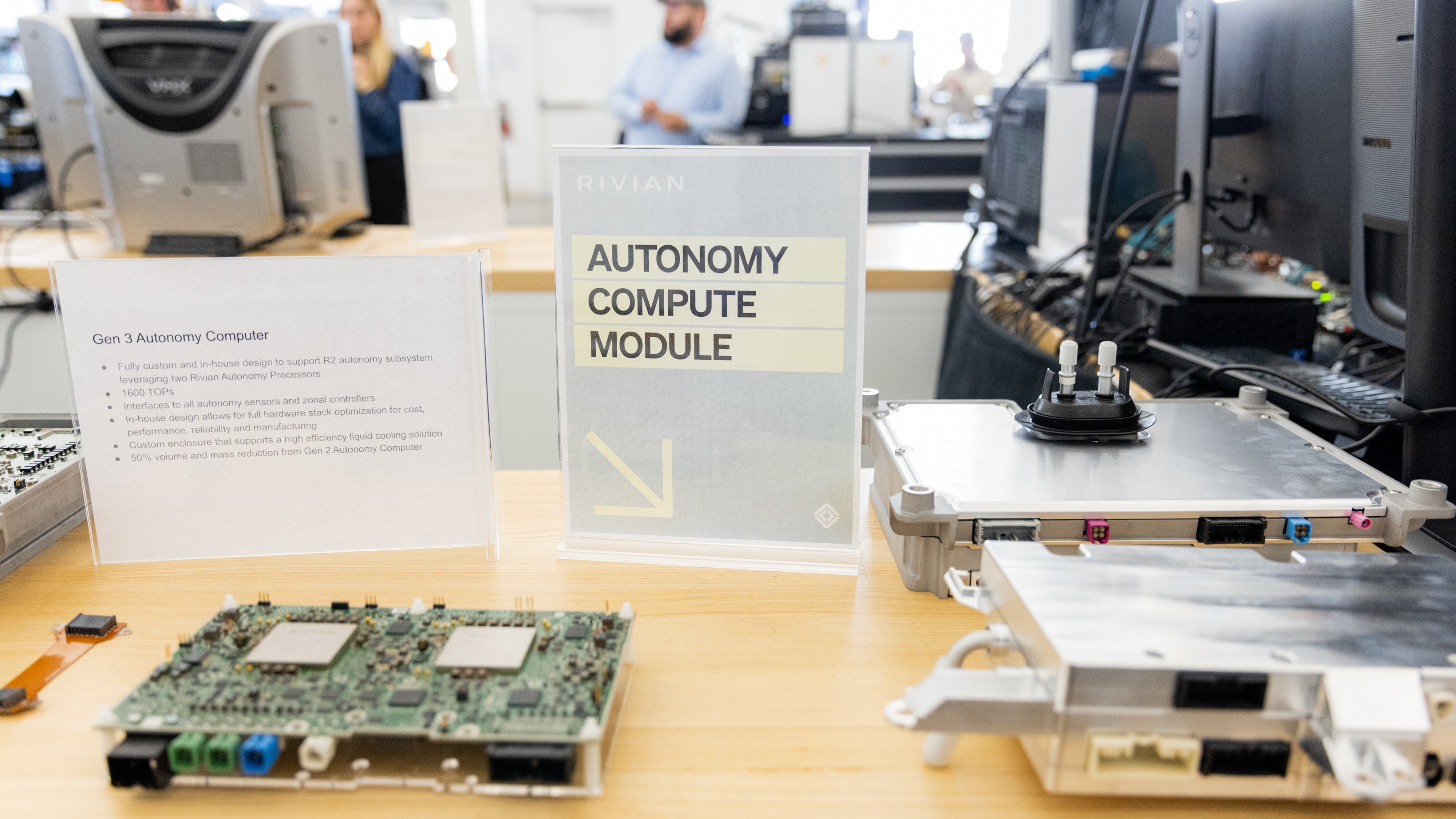
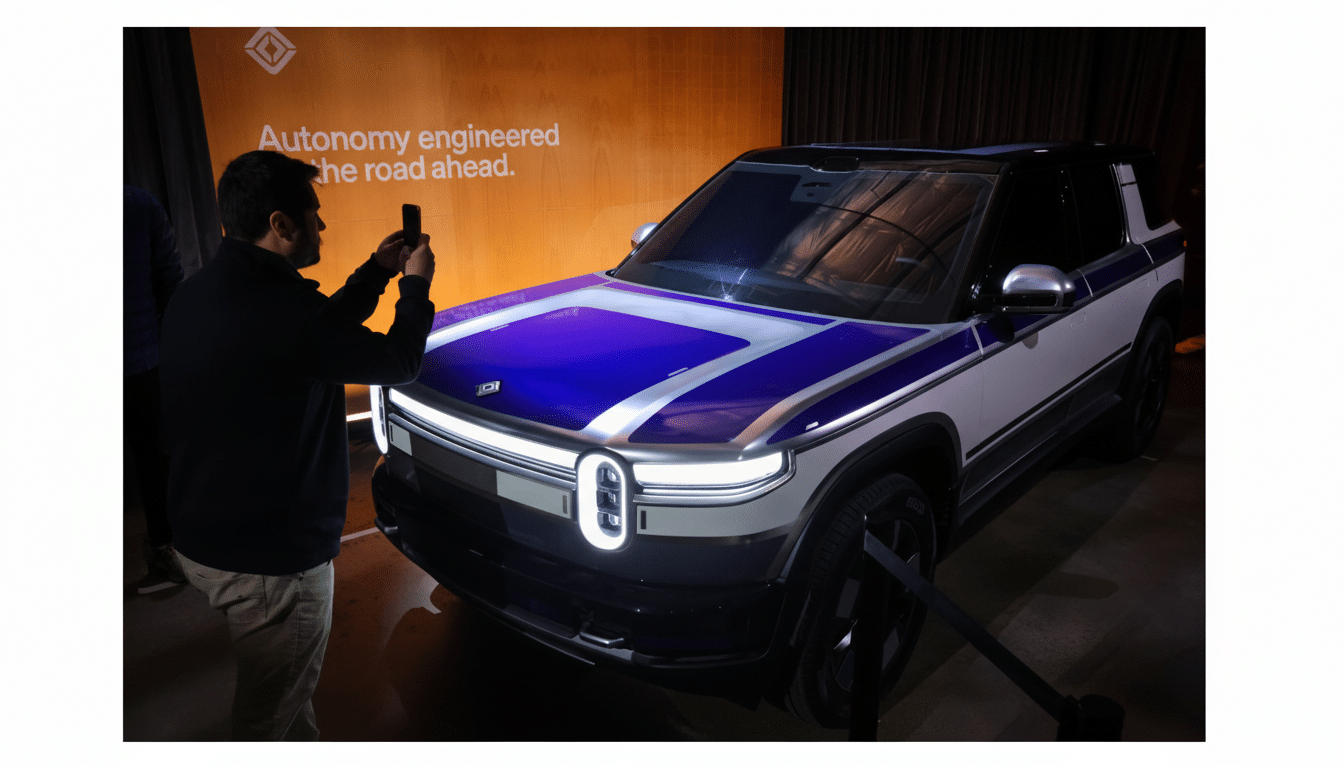
Rivian's AI-centric approach represents more than incremental improvement—it's a fundamental reimagining of vehicle intelligence. The company's recent announcements reveal a multi-layered strategy: developing a proprietary Rivian Autonomy Processor, expanding hands-off driving coverage to 3.5 million miles, and introducing a flexible $49.99 monthly subscription for advanced driver-assist features. This approach signals a critical shift from hardware-first to software-defined vehicle development.
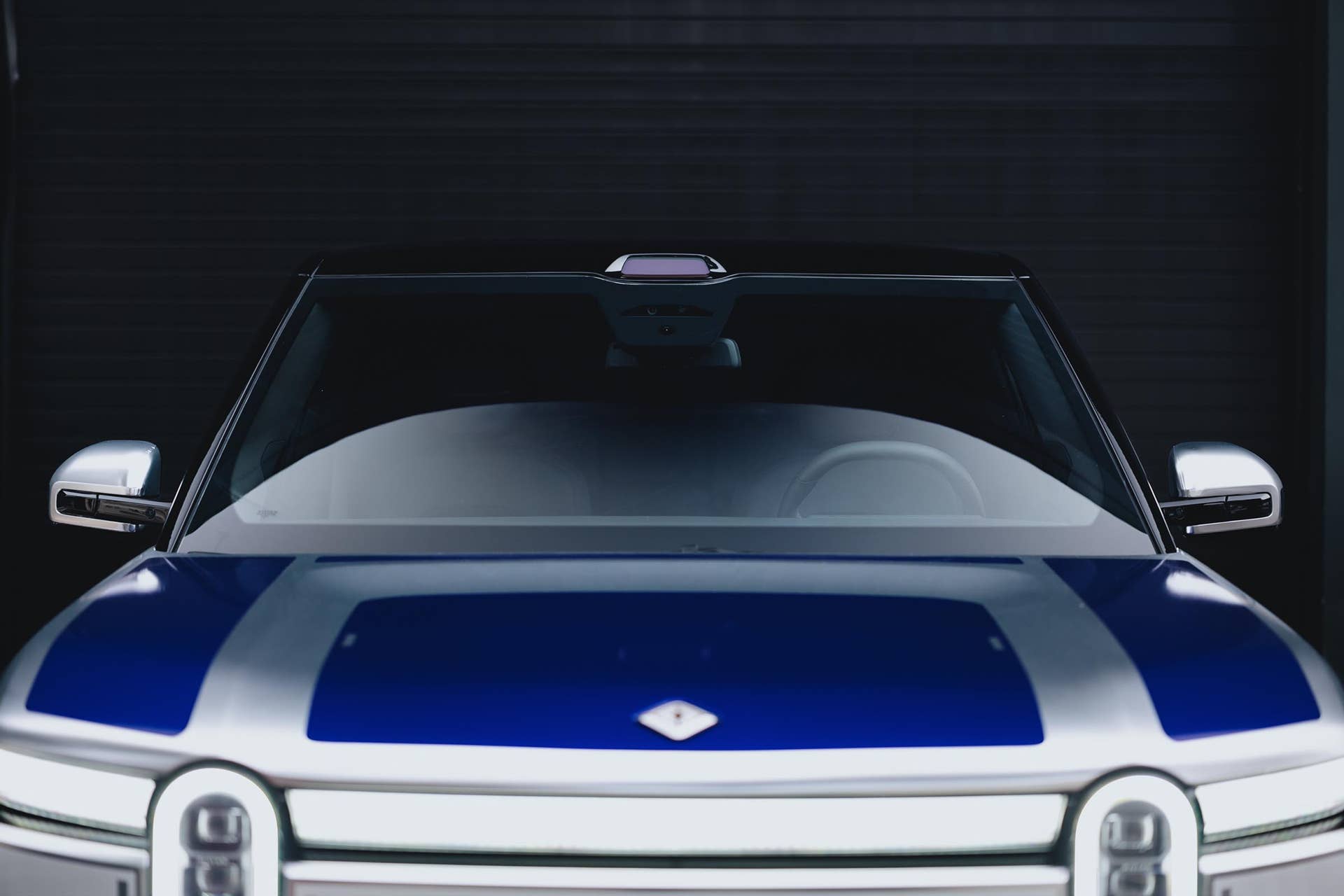
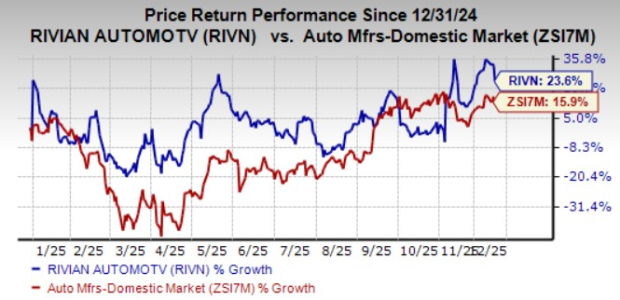
The market's response has been overwhelmingly positive, with Rivian's stock jumping 12% and outpacing broader market gains. By developing its own custom AI chip to replace existing Nvidia solutions, the company is demonstrating a commitment to vertical integration and technological independence. The introduction of LiDAR technology in upcoming R2 vehicles further distinguishes Rivian from competitors like Tesla, emphasizing sensor redundancy and reliability in challenging driving conditions.
What makes Rivian's strategy particularly compelling is its pragmatic approach to autonomy. Rather than making revolutionary claims about full self-driving capabilities, the company is focusing on creating more consistent, reliable hands-free driving experiences. This measured strategy—combining advanced sensor technologies, flexible pricing models, and incremental technological improvements—positions Rivian as a sophisticated player in the autonomous vehicle ecosystem.
For technology investors and automotive industry observers, Rivian represents a critical case study in how AI can transform traditional manufacturing paradigms. By treating autonomy as a software challenge rather than merely a hardware problem, the company is laying the groundwork for a new generation of intelligent, adaptable vehicles.
Questions 3
How is Rivian's approach to autonomous driving different from Tesla's?
Unlike Tesla's camera-only approach, Rivian emphasizes sensor redundancy by incorporating LiDAR technology. This allows for more reliable performance in challenging conditions like night glare, low sun, and heavy rain, focusing on consistent hands-free driving experiences rather than making bold full autonomy claims.
What makes Rivian's Autonomy+ subscription attractive to consumers?
Rivian offers a flexible pricing model with a $49.99 monthly subscription or a one-time $2,500 purchase, including a 60-day free trial. This approach allows consumers to gradually test and adopt advanced driver-assist technologies without a massive upfront commitment.