




Wall Street Home Buying Ban | 450K Properties at Risk in 2024
- Impacts 3% of Single-Family Rental Market Nationwide























Overview
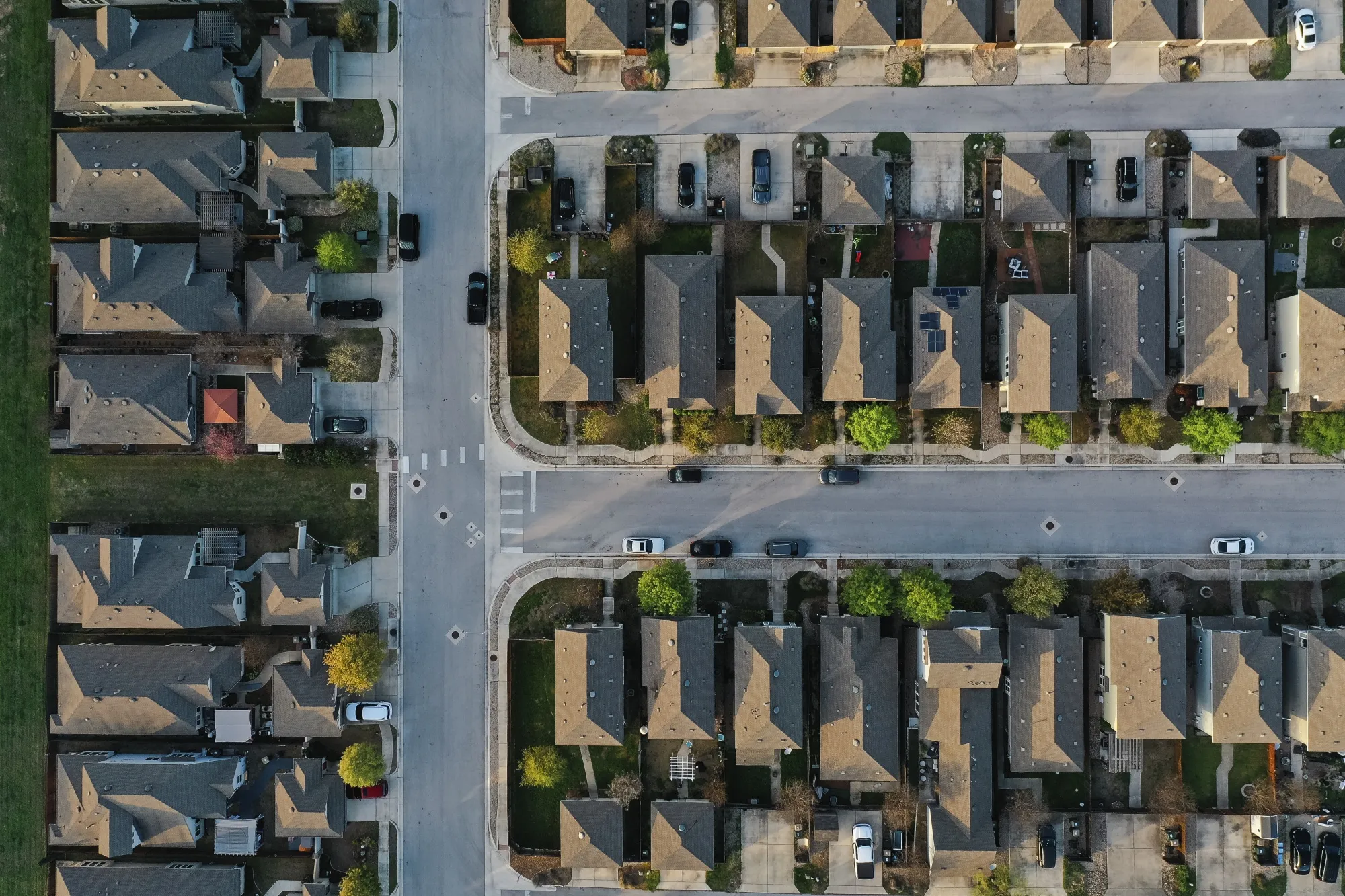
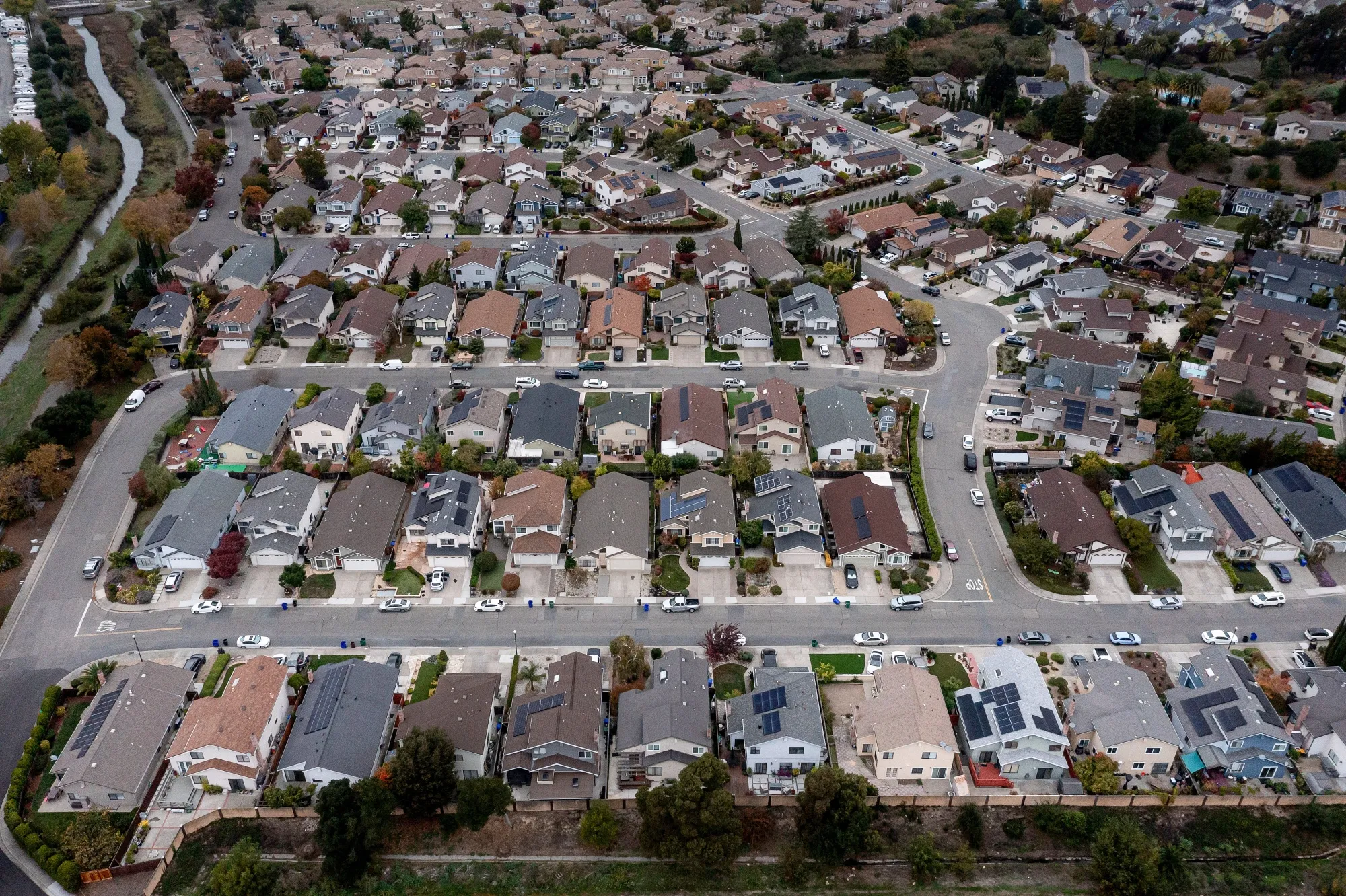
The proposed ban on institutional investors purchasing single-family homes represents a critical market intervention targeting housing affordability and wealth accessibility. As of June 2022, institutional investors controlled approximately 450,000 homes, representing 3% of single-family rental properties nationwide.
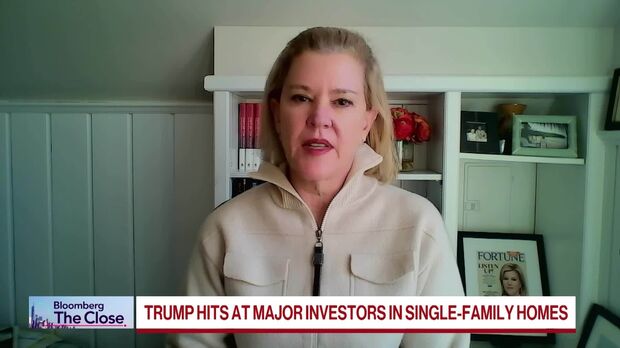
Strategic Market Disruption: The policy directly challenges large investment firms like Blackstone and American Homes 4 Rent, signaling a significant shift in residential real estate investment strategies. Blackstone has already noted a 90% decline in institutional home purchases since 2022, suggesting market anticipation of potential regulatory changes.
Seller and Investor Implications: The proposed ban could dramatically reshape real estate investment landscapes. Smaller investors and individual homebuyers may experience improved housing inventory access, potentially reducing competition from well-capitalized institutional buyers. Real estate investment trusts (REITs) and large investment firms would face substantial operational constraints, potentially triggering portfolio restructuring and market value adjustments.
The policy reflects broader socioeconomic concerns about housing accessibility, targeting the trend of corporate ownership that has increasingly priced out individual homebuyers in competitive markets. By potentially blocking institutional purchases, the administration aims to level the playing field for first-time homeowners and address growing wealth inequality challenges.
Questions 5
What are the primary motivations behind this proposed ban?
The policy aims to address housing affordability, reduce wealth inequality, and restore homeownership opportunities for average citizens by limiting corporate ownership of residential properties.
How have institutional investors responded to potential regulatory changes?
Blackstone has already noted a 90% decline in institutional home purchases since 2022, suggesting proactive adaptation to potential regulatory shifts in the real estate market.