




NHL's Strategic Talent Shuffle: How the Canucks and Wild Redefine Team Building
- A high-stakes player trade reveals the complex chess game of modern sports franchise management


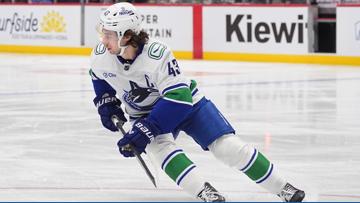










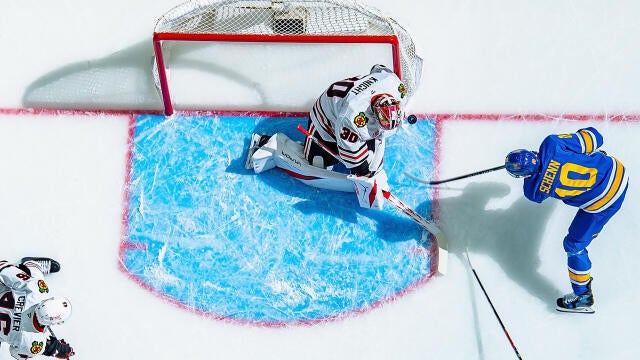







Overview
The NHL landscape is experiencing a profound transformation through strategic player exchanges that go far beyond traditional roster management. The recent trade between the Vancouver Canucks and Minnesota Wild represents a masterclass in organizational reimagining, where player valuation has become an intricate art of long-term potential and immediate competitive positioning.
Talent Acquisition as Organizational Strategy emerges as the core narrative. The Canucks, under General Manager Patrik Allvin's leadership, have executed a calculated rebuild by acquiring Marco Rossi (49 goals, 65 assists in 202 games), Zeev Buium (a 20-year-old defenseman with two World Junior Championship gold medals), and Liam Öhgren (who led the J20 Nationell league with 33 goals). This isn't merely a player swap—it's a deliberate reconstruction of team potential.
The trade signals a nuanced approach to team development where young talent becomes the primary currency. Zeev Buium's potential to quarterback power plays and the additional 2026 first-round draft pick demonstrate a forward-looking philosophy. The Canucks are not just trading players; they're investing in a comprehensive talent ecosystem that prioritizes potential over immediate performance.
Conversely, the Minnesota Wild's acquisition of Quinn Hughes—described as one of the top 10 MVP-caliber players—reveals an alternative strategy. By obtaining an elite defenseman with exceptional skating and playmaking abilities, the Wild are clearly signaling a "win-now" mode. This creates a fascinating counterpoint to the Canucks' developmental approach, illustrating the diverse strategic philosophies coexisting in modern professional sports.
The broader implications extend beyond hockey: this trade represents a microcosm of contemporary organizational management. High-stakes personnel decisions are no longer about individual talent but about complex negotiations, long-term vision, and strategic positioning. Teams are increasingly treating player acquisitions like sophisticated investment portfolios, balancing immediate impact with future potential.
Questions 3
What are the key players involved in this trade?
The trade involves Quinn Hughes (an elite defenseman), Marco Rossi (a high-potential forward with 49 goals), Zeev Buium (a young defenseman with World Junior Championships experience), and Liam Öhgren (a promising young player who led his league in scoring).
How does this trade reflect modern sports management?
Modern sports management treats player trades like complex investment strategies. Teams now balance immediate performance with future potential, using data-driven approaches to assess player value beyond traditional metrics like goals and assists.