

Sports Medicine Risk Alert: The Unexpected Medical Vulnerability of Professional Athletes
- Revealing the Hidden Dangers in Athletic Treatment Protocols and Team Medical Management
















Overview
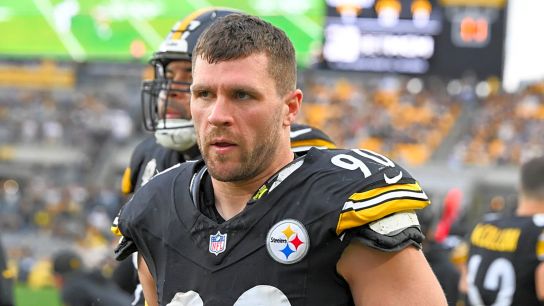
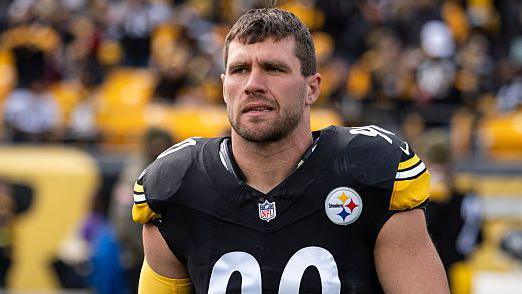
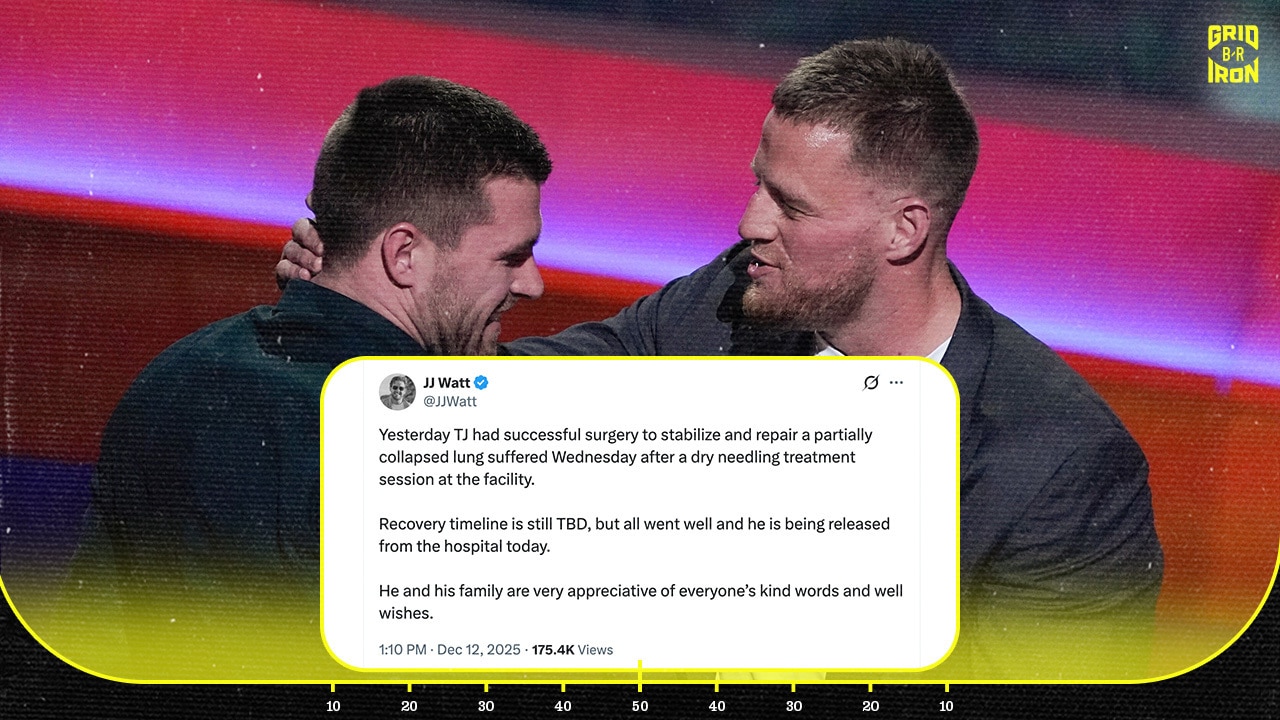
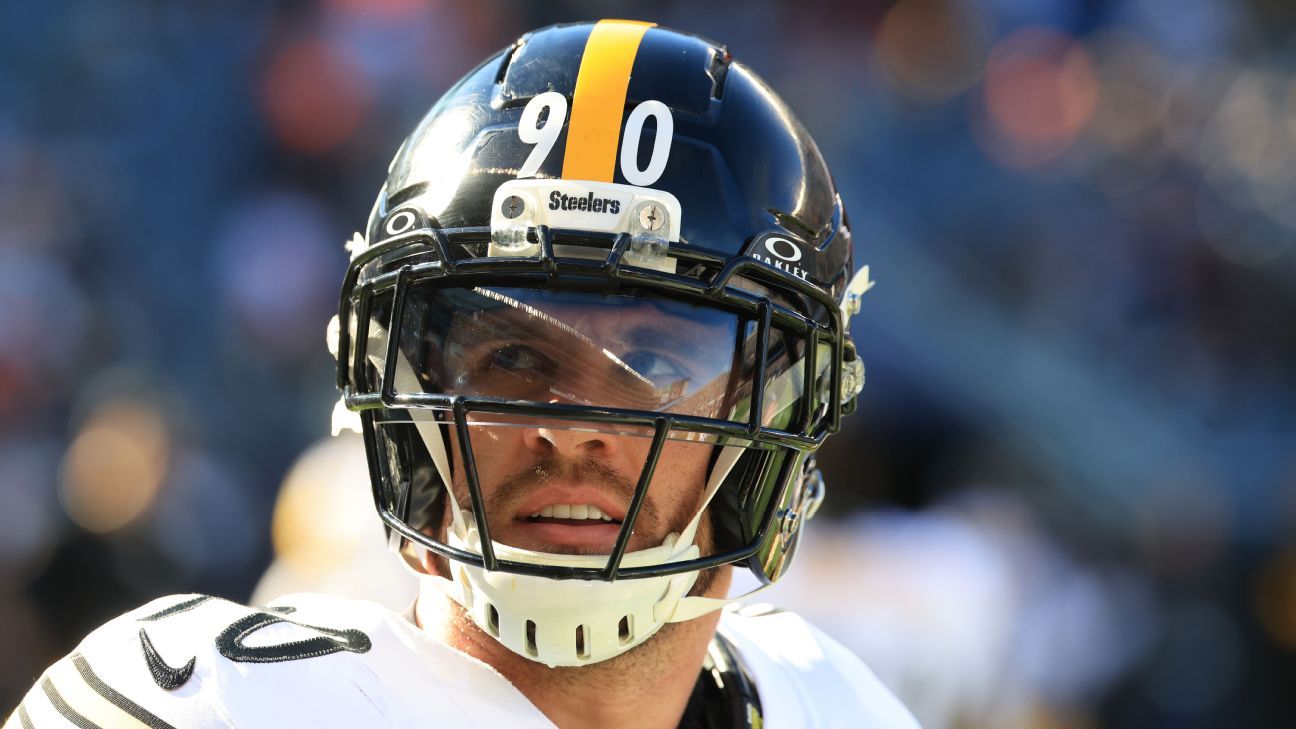
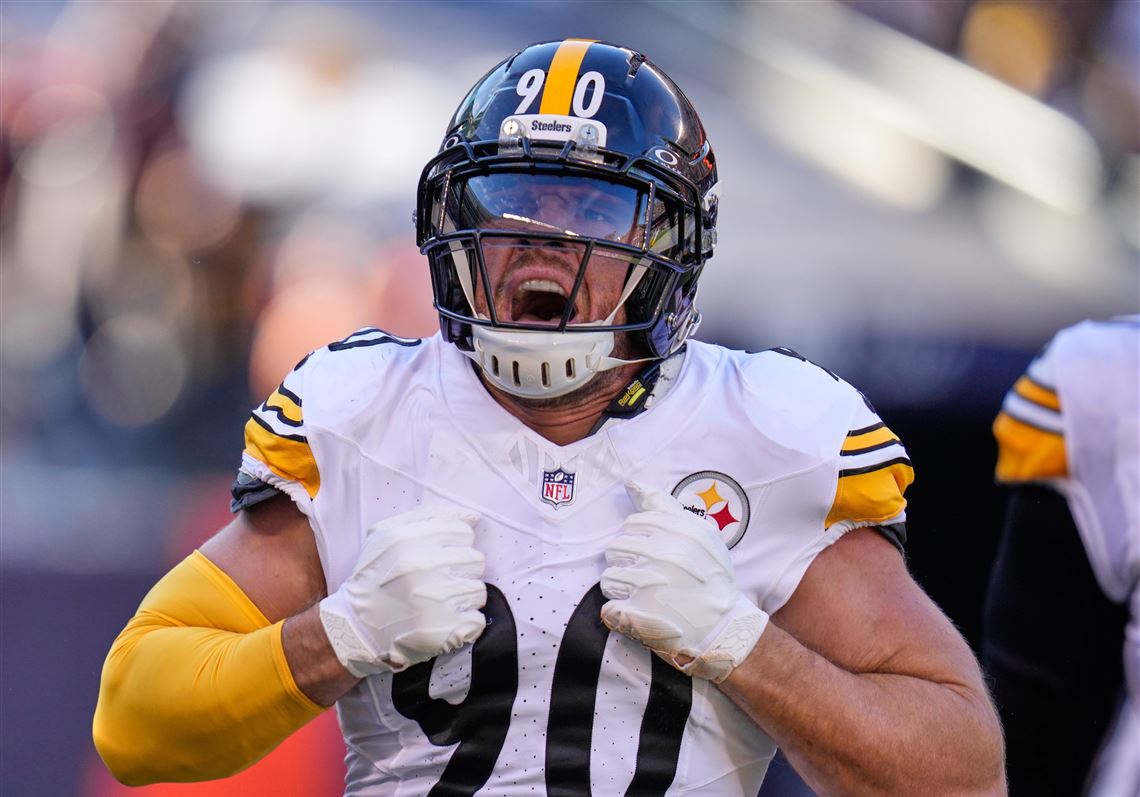
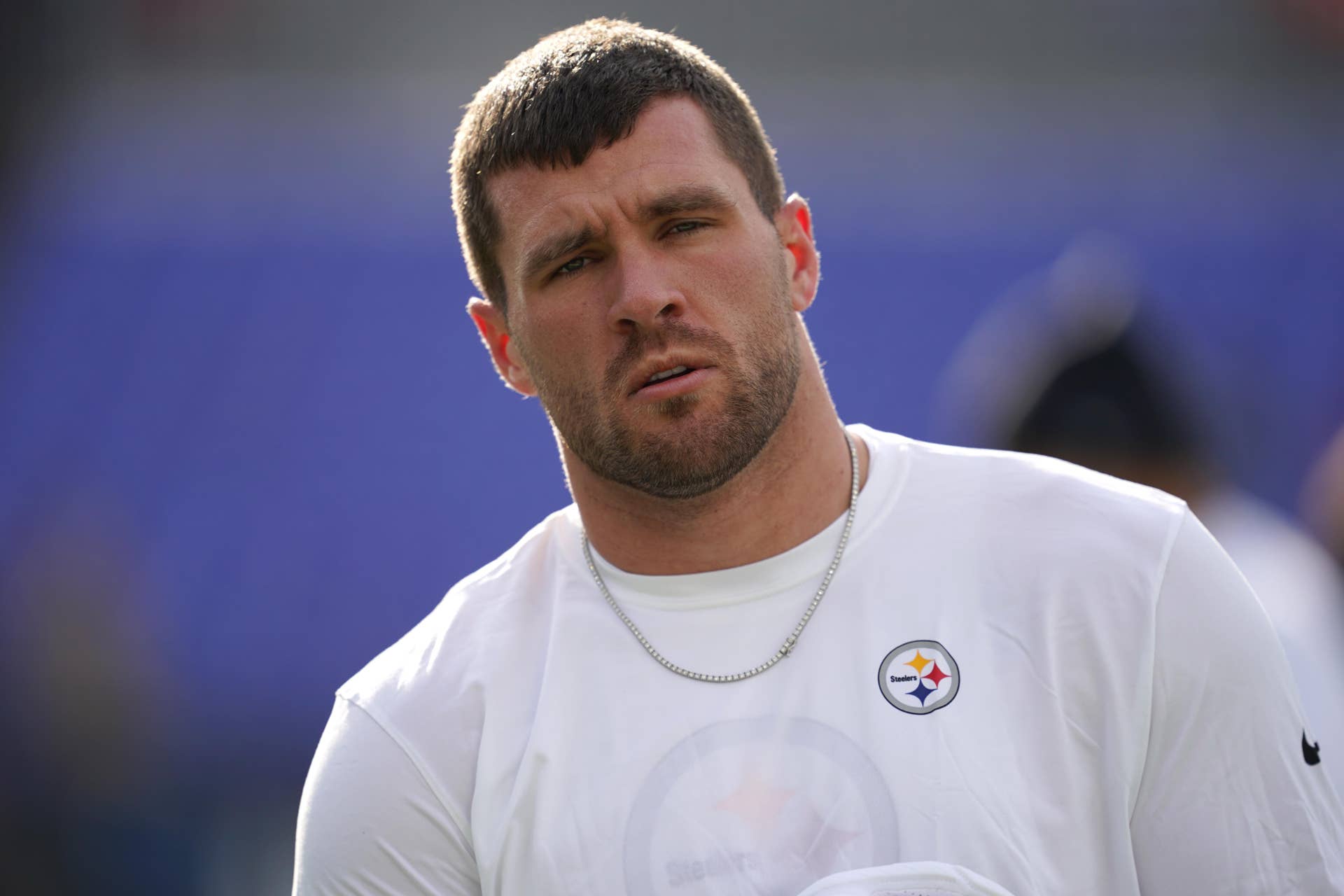
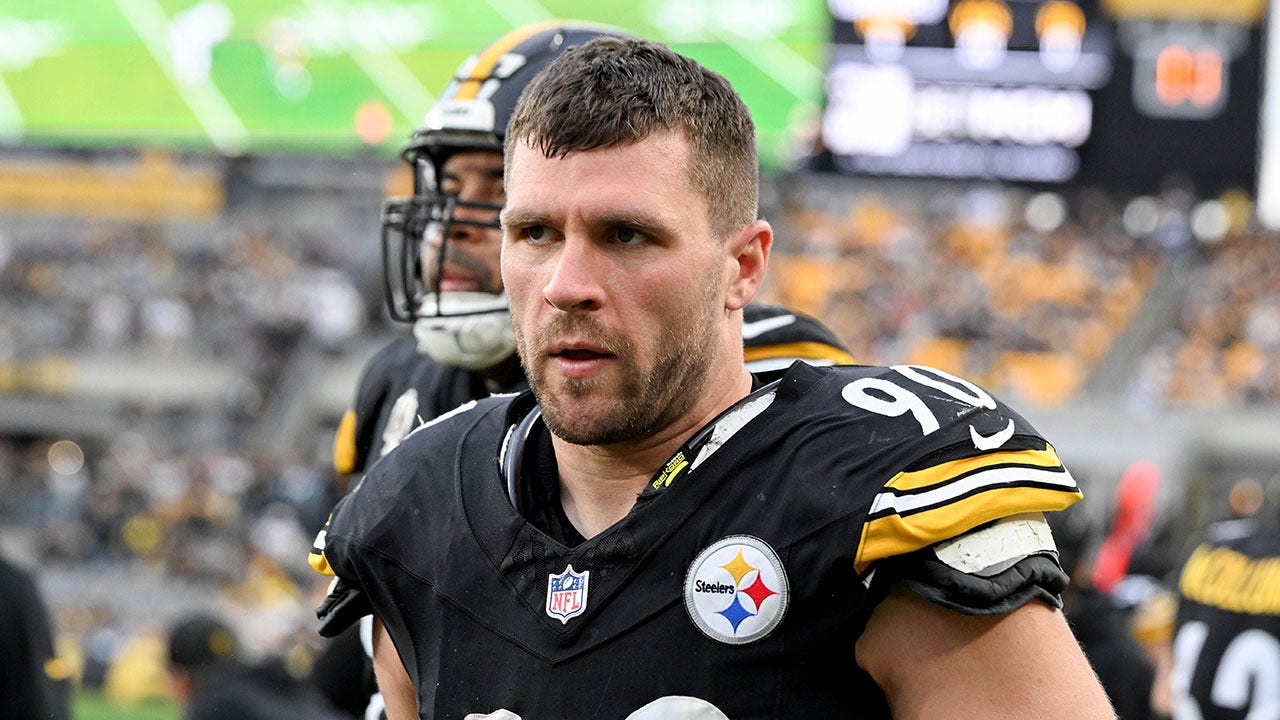
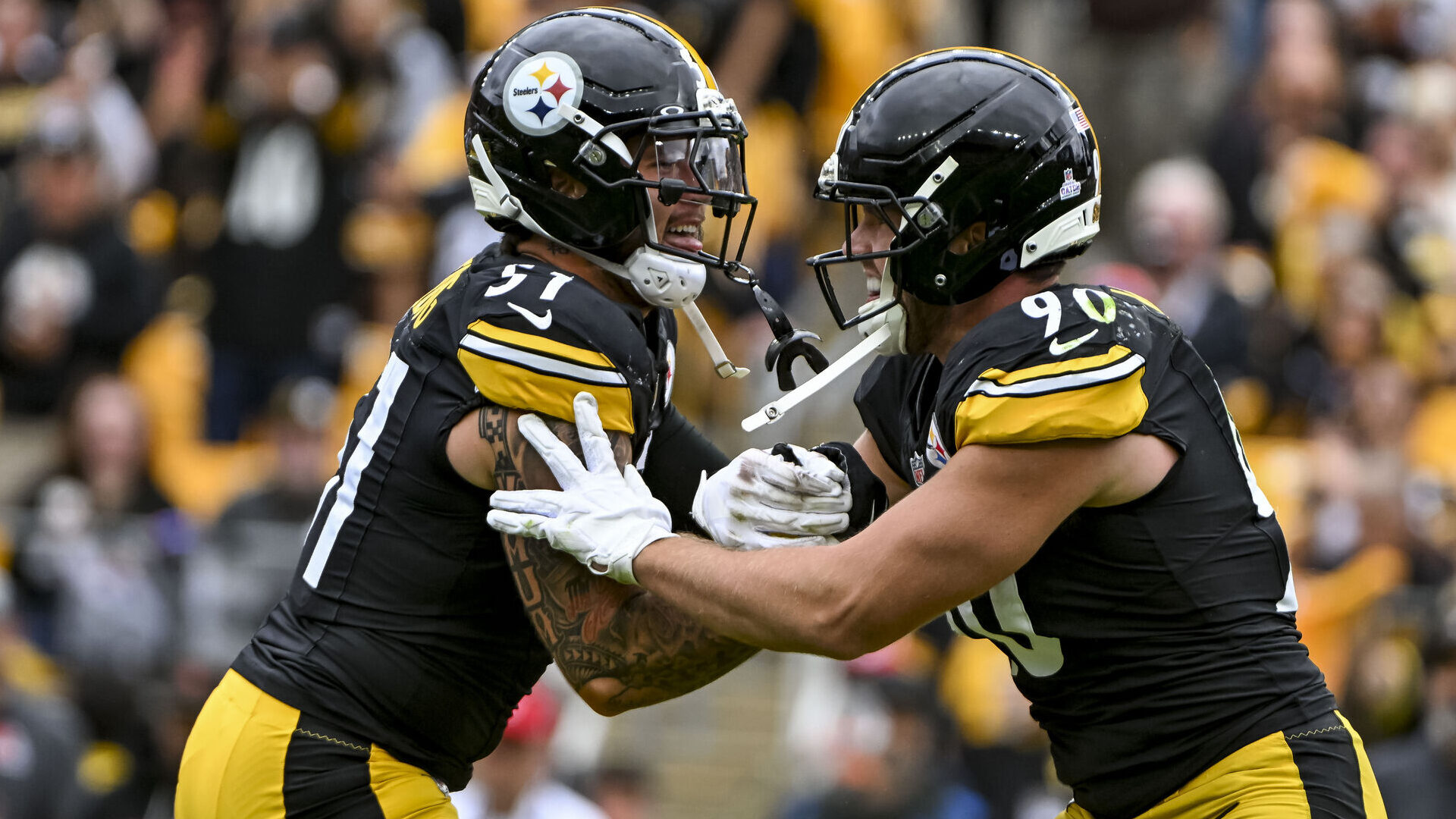
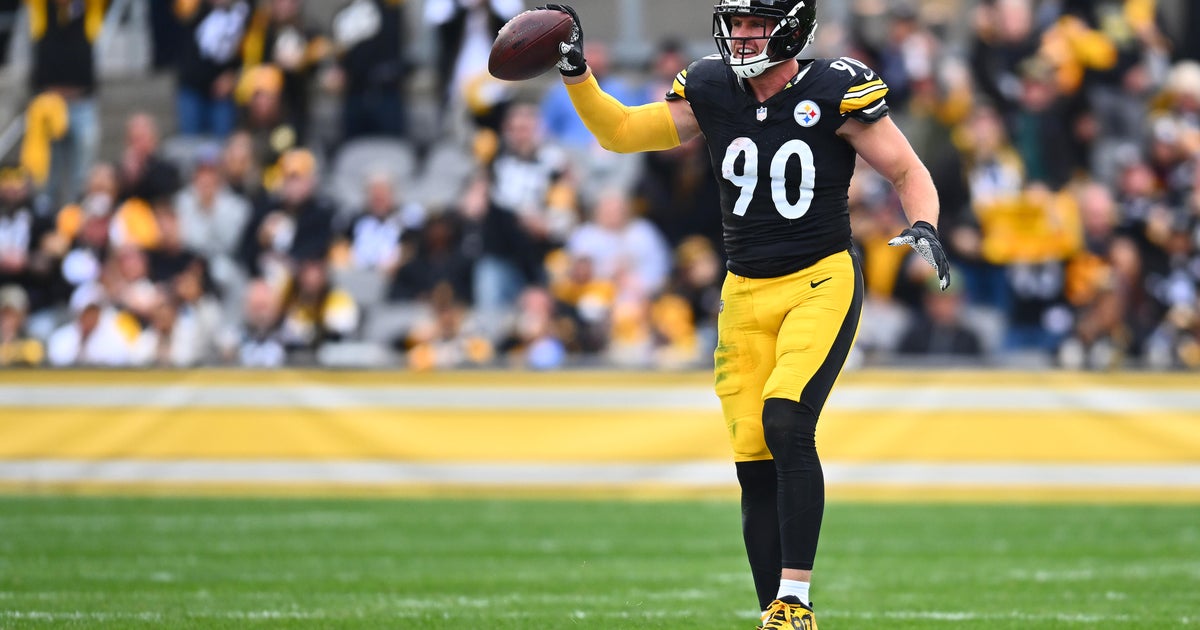
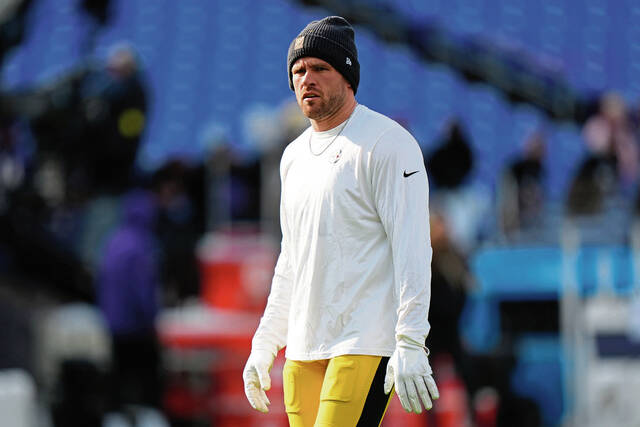
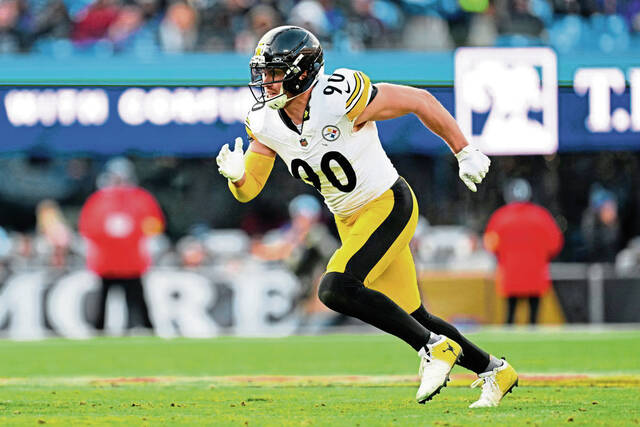
The unexpected medical incident involving T.J. Watt, a prominent Pittsburgh Steelers linebacker, unveils critical vulnerabilities in professional sports medical practices. During a routine dry needling procedure, Watt experienced a partially collapsed lung—a stark reminder of the precarious medical landscape professional athletes navigate daily.
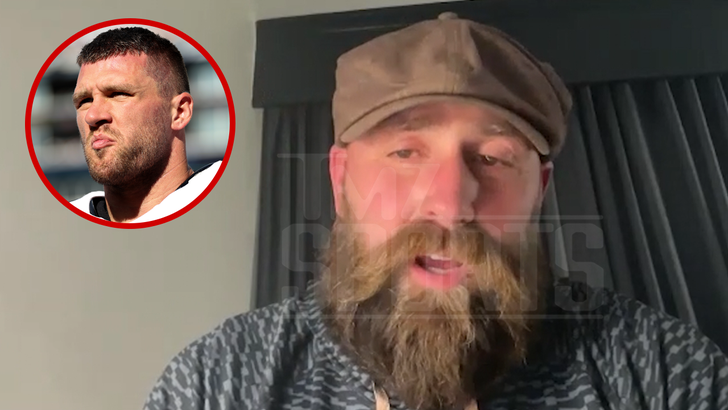
Medical Risk Exposure emerges as the central narrative. What initially appeared to be a standard physiotherapy intervention transformed into a potentially career-threatening medical emergency. The incident highlights the razor-thin margin between routine treatment and serious medical complications. J.J. Watt's transparent communication about his brother's condition provides unprecedented insight into the fragile health management protocols within professional sports.
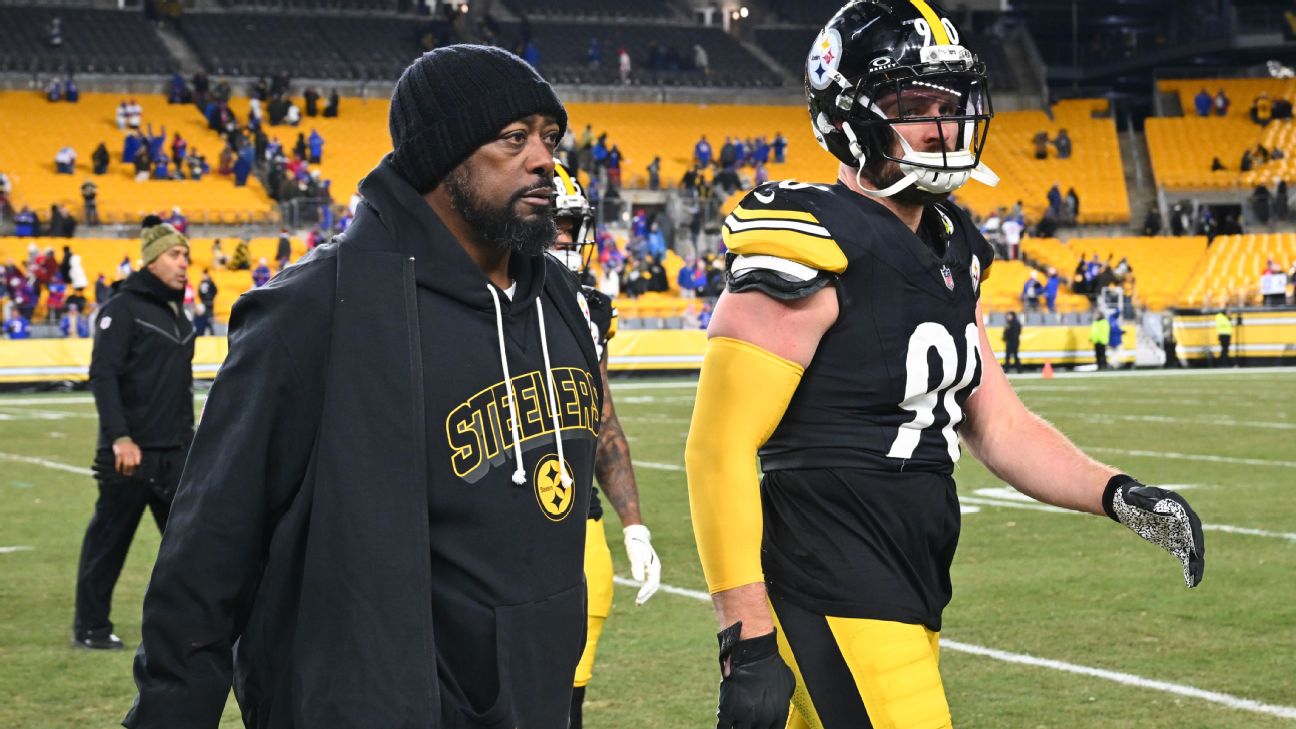
The broader implications extend far beyond a single athlete's experience. Team medical protocols are now under intense scrutiny, revealing systemic challenges in managing high-performance athletes' health. Coach Mike Tomlin's measured response and the team's careful management of Watt's situation underscore the delicate balance between athletic performance and medical safety. The incident exposes a critical gap: the inherent risks of seemingly routine medical interventions in high-stress athletic environments.
Athlete Vulnerability becomes the key takeaway. Professional sports demand extraordinary physical resilience, yet the medical infrastructure supporting these athletes remains surprisingly fragile. The dry needling procedure—typically considered a low-risk intervention—demonstrated how quickly routine treatments can escalate into serious medical events. This case serves as a watershed moment, potentially prompting comprehensive reevaluation of sports medicine practices across professional athletic organizations.
The incident's ripple effects will likely trigger broader discussions about athlete health management, medical procedure protocols, and the need for more robust risk assessment in sports medicine. For teams, athletes, and medical professionals, this represents a critical moment of reflection and potential systemic transformation.
Questions 4
How are professional sports teams likely to respond to this type of medical risk?
Teams are likely to conduct thorough reviews of their medical treatment protocols, potentially implementing more stringent pre-procedure risk assessments, enhanced medical monitoring, and more conservative approaches to physiotherapy techniques like dry needling.
What broader implications does this incident have for sports medicine?
The incident exposes critical vulnerabilities in sports medical protocols, suggesting a need for more comprehensive risk assessment and potentially more conservative approaches to treatment procedures. It demonstrates that even routine interventions can have unexpected and serious consequences for professional athletes.