



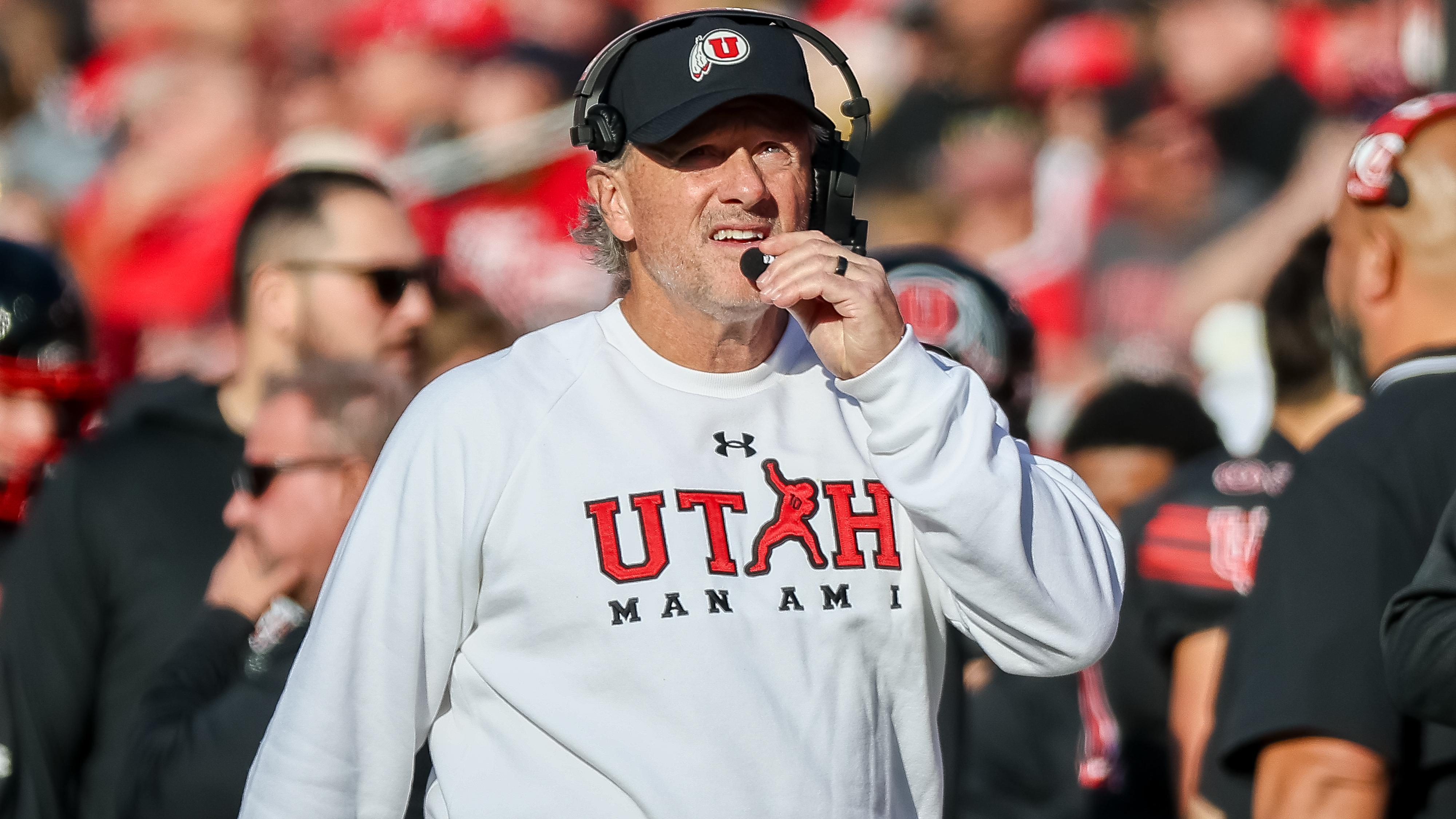


College Football's Leadership Transition: Kyle Whittingham's Strategic Career Pivot
- A Masterclass in Professional Reinvention for Seasoned Leaders



















Overview
In a compelling narrative of professional adaptability, Kyle Whittingham's departure from the University of Utah reveals far more than a simple coaching transition—it represents a sophisticated blueprint for career evolution in the modern professional landscape. At 66 years old, Whittingham is demonstrating that retirement is not an endpoint, but a strategic inflection point for experienced leaders.
The strategic nuances of Whittingham's transition are particularly noteworthy. Despite officially stepping down after 21 seasons as Utah's head coach, he has engineered a remarkable career continuation strategy. His recent contract amendment—escalating from a $995,000 to a $3.45 million two-year special assistant role—signals a calculated approach to maintaining professional relevance and economic value.
What makes Whittingham's move extraordinary is the deliberate ambiguity surrounding his next professional chapter. His son Alex's comments suggest an intentional positioning: Whittingham is not retiring, but strategically repositioning. This approach reflects a broader trend among high-performance professionals who view career transitions as opportunities for reinvention rather than withdrawal.
The leadership transition at Utah also illuminates critical organizational dynamics. By preparing Morgan Scalley as his successor while maintaining a strategic advisory role, Whittingham is executing a masterful knowledge transfer strategy. His 117-88 record and two-decade leadership have established a robust foundation, ensuring the program's continued competitive edge.
For professionals across industries, Whittingham's trajectory offers a compelling case study in career plasticity. He demonstrates that expertise, competitive spirit, and strategic positioning can transcend traditional retirement narratives. His move suggests that in today's dynamic professional ecosystem, experience is not a liability but a strategic asset to be continuously redeployed and reimagined.
Questions 3
What financial strategy is evident in Whittingham's contract amendment?
By negotiating a contract that increases his compensation from $995,000 to $3.45 million in a special assistant role, Whittingham showcases how seasoned professionals can leverage their expertise to create high-value advisory positions.
Why is Kyle Whittingham's transition significant beyond college football?
Whittingham's move represents a sophisticated model of professional reinvention, demonstrating how experienced leaders can strategically reposition themselves by maintaining relevance, economic value, and competitive spirit beyond traditional retirement narratives.