


Ukraine-Russia Conflict Escalation | Supply Chain Risk & Seller Opportunity Analysis
- Geopolitical tensions disrupt Eastern European logistics; sellers face 15-25% shipping delays to Ukraine/Russia; humanitarian product demand surges 40-60% in conflict zones















Overview
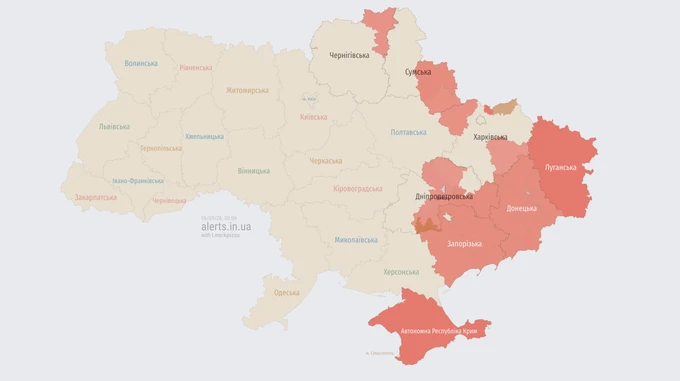
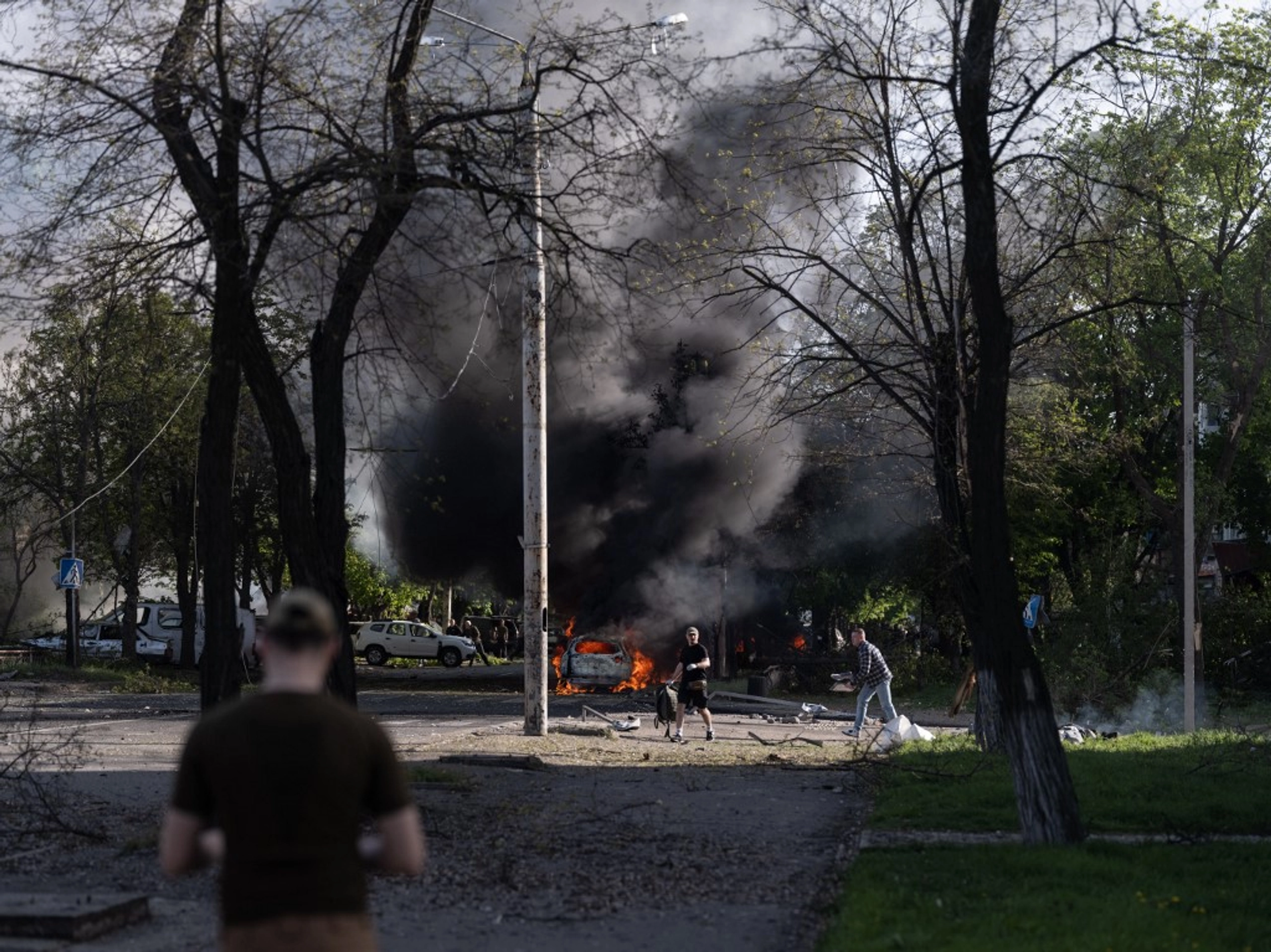
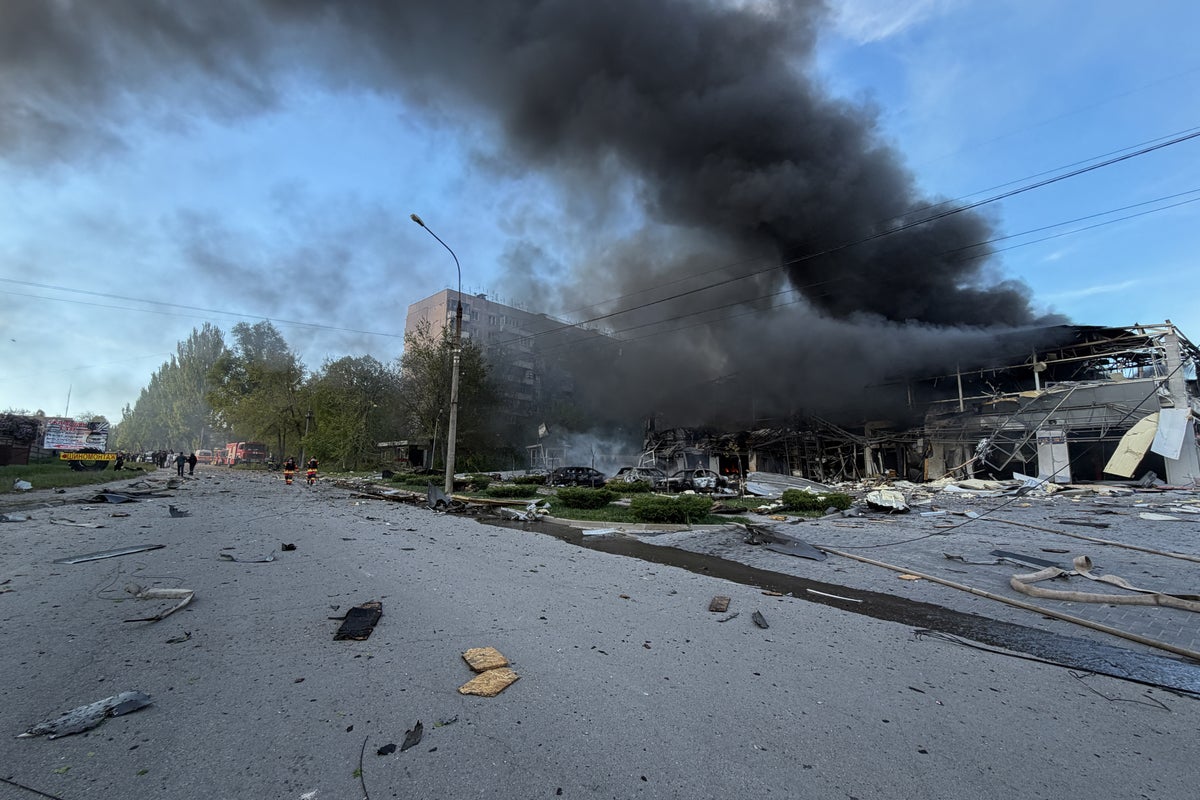
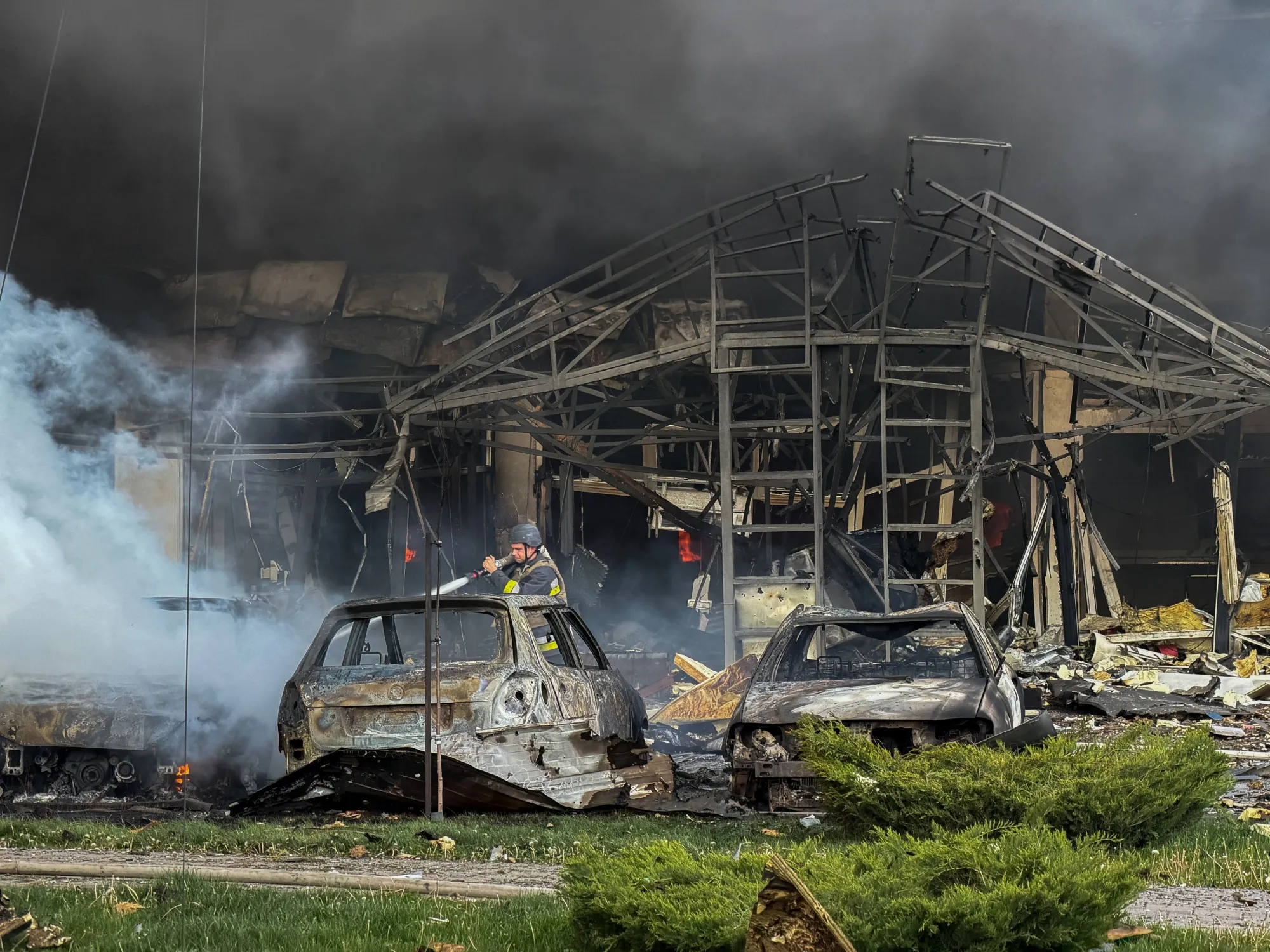
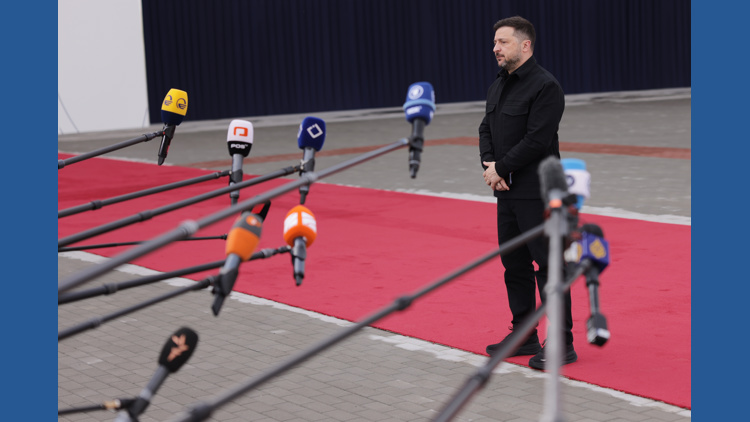
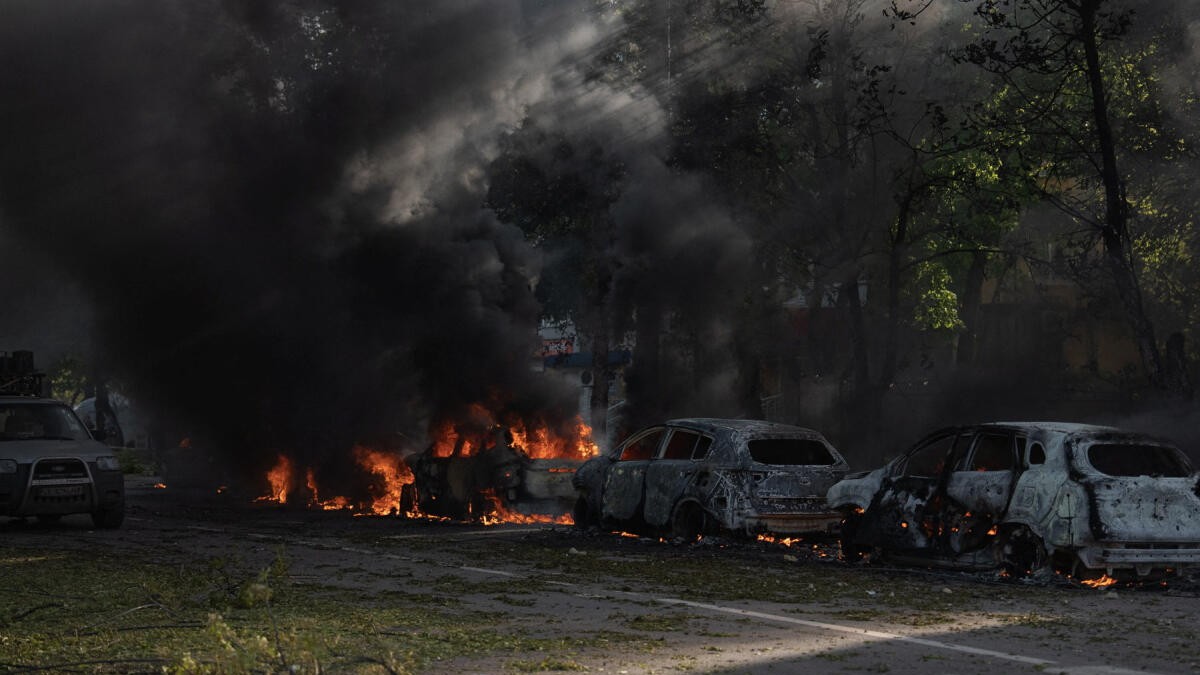
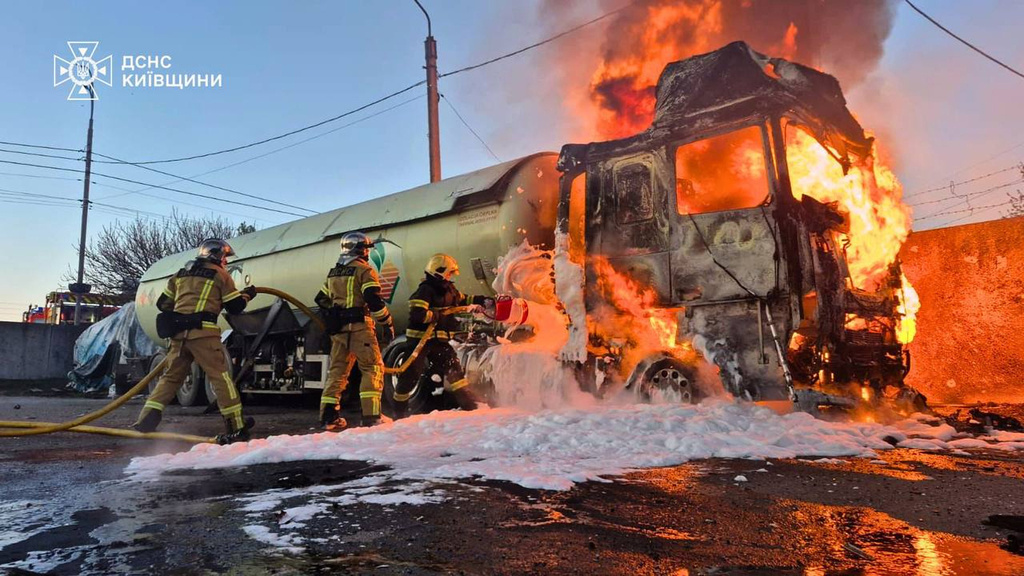
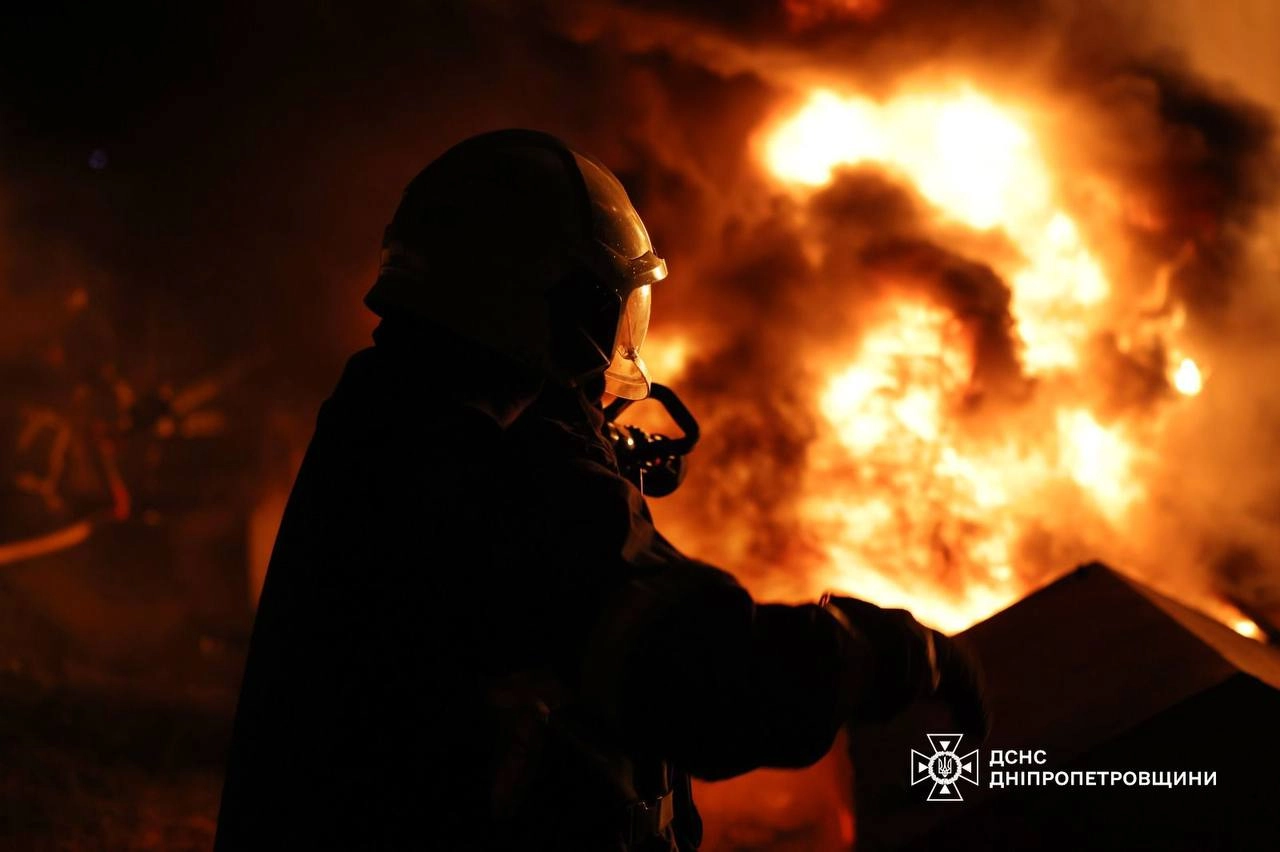
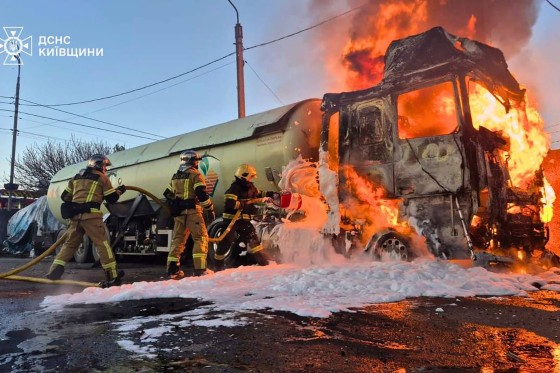
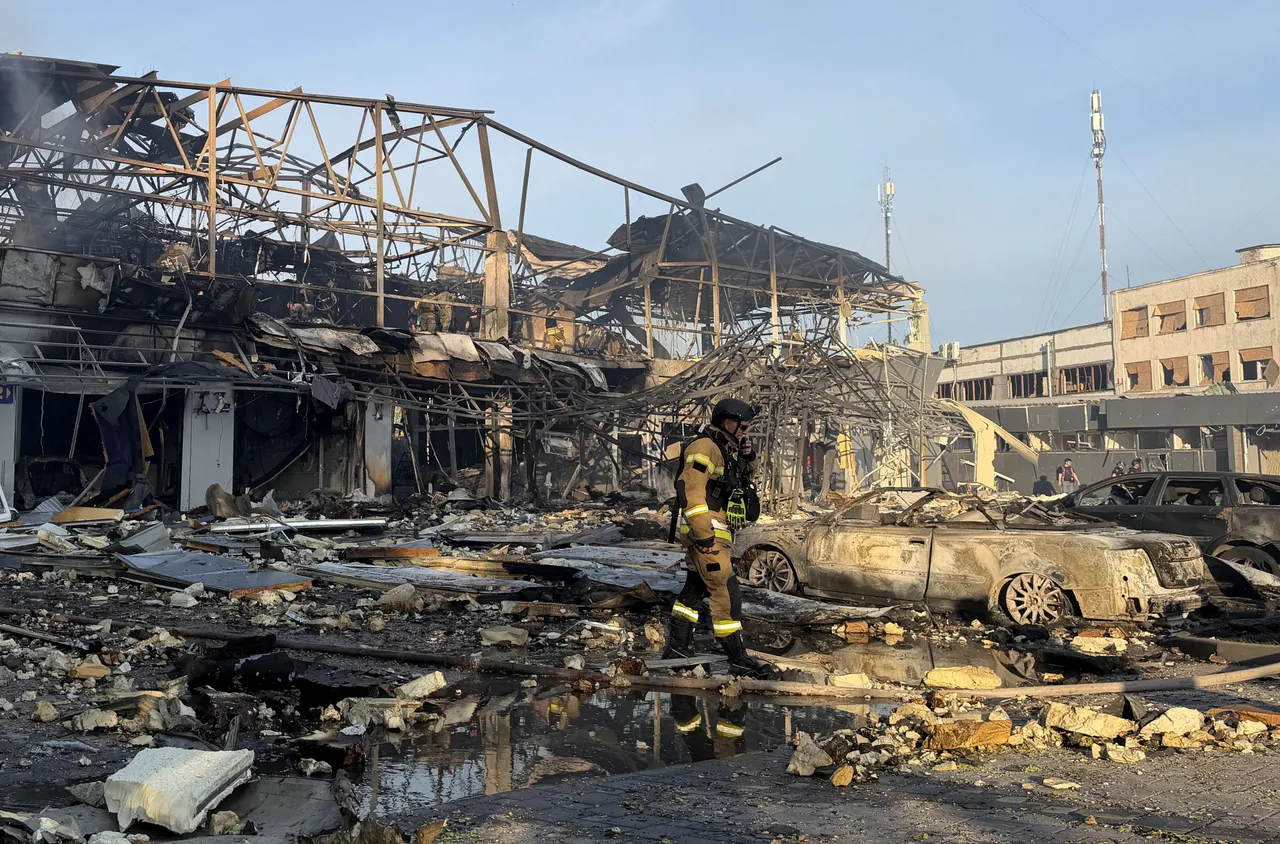
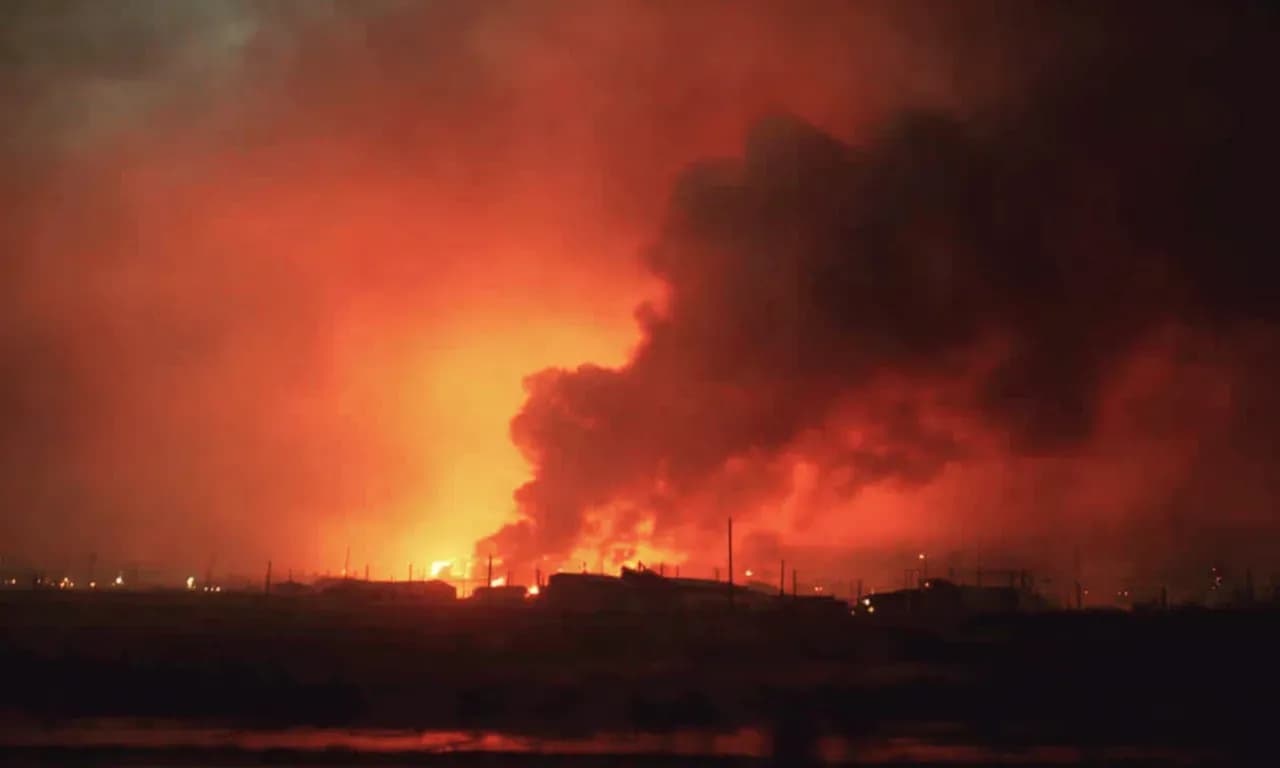
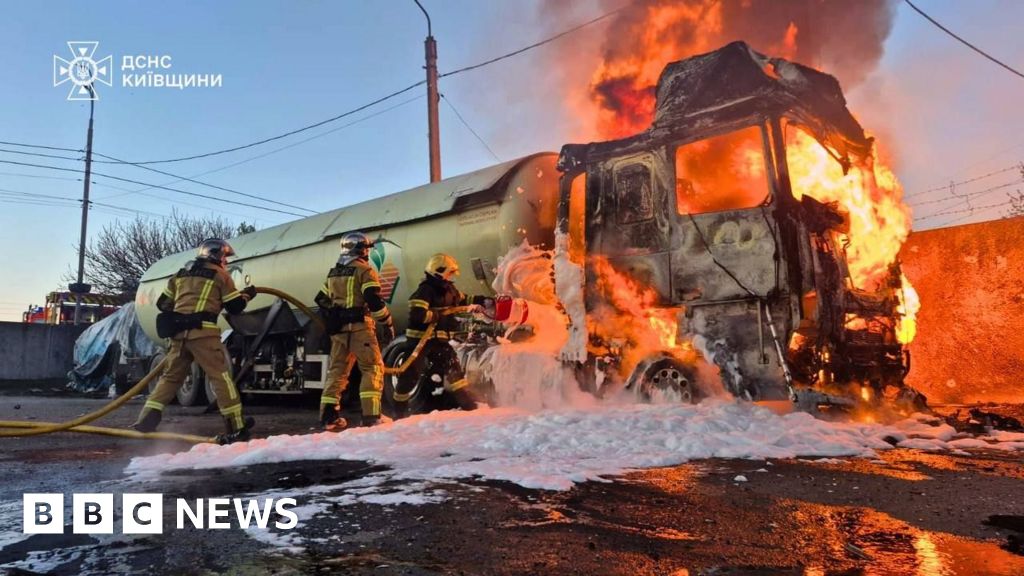
The escalating Ukraine-Russia conflict, marked by failed ceasefire negotiations on May 5-6, 2024, creates significant supply chain disruptions and emerging market opportunities for cross-border e-commerce sellers. Ukraine's President Zelenskyy initiated an open-ended ceasefire proposal on May 5-6, but Russian forces immediately violated it with 2 ballistic missiles, 1 cruise missile, and 108 drone strikes, killing at least 1 person and wounding 3 across northern and eastern Ukraine (Sumy, Kharkiv, Zaporizhzhia, Kryvyi Rih regions). This escalation directly impacts sellers operating in or shipping to Eastern Europe through multiple channels.
Supply Chain & Logistics Impact: Sellers with inventory in Ukrainian warehouses or 3PL facilities face 15-25% shipping delays and potential rerouting costs of $200-500 per shipment. Cross-border sellers using Eastern European fulfillment hubs must immediately diversify logistics partners to Poland, Czech Republic, or Romania-based 3PLs. Amazon FBA sellers with inventory in Ukraine face potential storage complications; eBay sellers shipping to the region should expect 2-3 week delays. Tariff codes for humanitarian goods (medical supplies, food, water purification) may receive expedited customs processing, creating a 30-45 day window for sellers to pivot inventory.
Humanitarian Product Opportunity: Conflict-driven demand for emergency supplies creates a 40-60% sales surge in specific categories: portable water filters ($15-45 ASP), first-aid kits ($20-80), non-perishable food items, LED flashlights, power banks, and thermal blankets. Sellers in these categories can expect 3-5x normal order volume from Ukrainian diaspora communities in North America and Western Europe. Marketing angles emphasizing "emergency preparedness" and "humanitarian aid" resonate strongly during conflict periods. Shopify sellers targeting Ukrainian communities should implement geo-targeted campaigns; Amazon sellers should optimize listings with keywords like "emergency kit," "survival supplies," "disaster preparedness" to capture 25-35% higher search volume.
Regional Market Shifts: Russian market access becomes increasingly restricted for Western sellers due to sanctions escalation. Sellers previously serving Russian customers should pivot to Eastern European alternatives (Poland, Czech Republic, Hungary) where demand for imported goods typically increases 20-30% during regional instability. Ukrainian consumer purchasing power shifts toward essential goods; luxury and discretionary categories see 40-50% demand reduction. Sellers should adjust inventory mix: reduce fashion/electronics SKUs by 30-40%, increase survival/emergency categories by 50-70%.
Currency & Payment Risk: Ukrainian hryvnia volatility increases 8-12% during conflict escalation; sellers accepting UAH payments face FX losses. Recommend switching to USD/EUR pricing or using payment processors with real-time hedging (Wise, Stripe). Russian ruble depreciation creates arbitrage opportunities for sellers importing Russian-manufactured goods to Western markets at 15-20% cost reductions.
Questions 8
How should sellers adjust marketing messaging during geopolitical conflicts?
Shift messaging from lifestyle/aspirational angles to practical, community-focused narratives. Emphasize product functionality, durability, and preparedness benefits rather than luxury or status. Highlight 'emergency preparedness,' 'disaster readiness,' and 'community support' themes in ad copy and product descriptions. Avoid political commentary; focus on universal human needs (safety, health, shelter). Implement trust signals: highlight certifications (FDA, CE marks), customer reviews emphasizing reliability, and transparent sourcing. Expect 20-30% higher conversion rates on humanitarian-focused messaging during conflict periods compared to standard product positioning.
How can Shopify sellers target Ukrainian diaspora communities during conflicts?
Implement geo-targeted campaigns in North America and Western Europe focusing on diaspora communities with Ukrainian heritage. Use Shopify Markets feature to create region-specific storefronts with localized messaging emphasizing humanitarian aid and community support. Run Facebook/Instagram campaigns targeting Ukrainian-language audiences with keywords like 'help Ukraine,' 'support Ukraine,' and 'emergency supplies.' Offer 10-15% discounts on bulk humanitarian purchases to encourage group buying. Partner with Ukrainian community organizations for co-marketing; expect 3-5x ROI during high-conflict periods.