




Geopolitical Activism & Urban Protest Dynamics | Cross-Border Seller Risk Assessment 2026
- Recurring protest patterns at NYC venues signal emerging regulatory framework for event security; sellers targeting Jewish/Israeli diaspora communities face heightened compliance scrutiny and operational disruption risks




















Overview
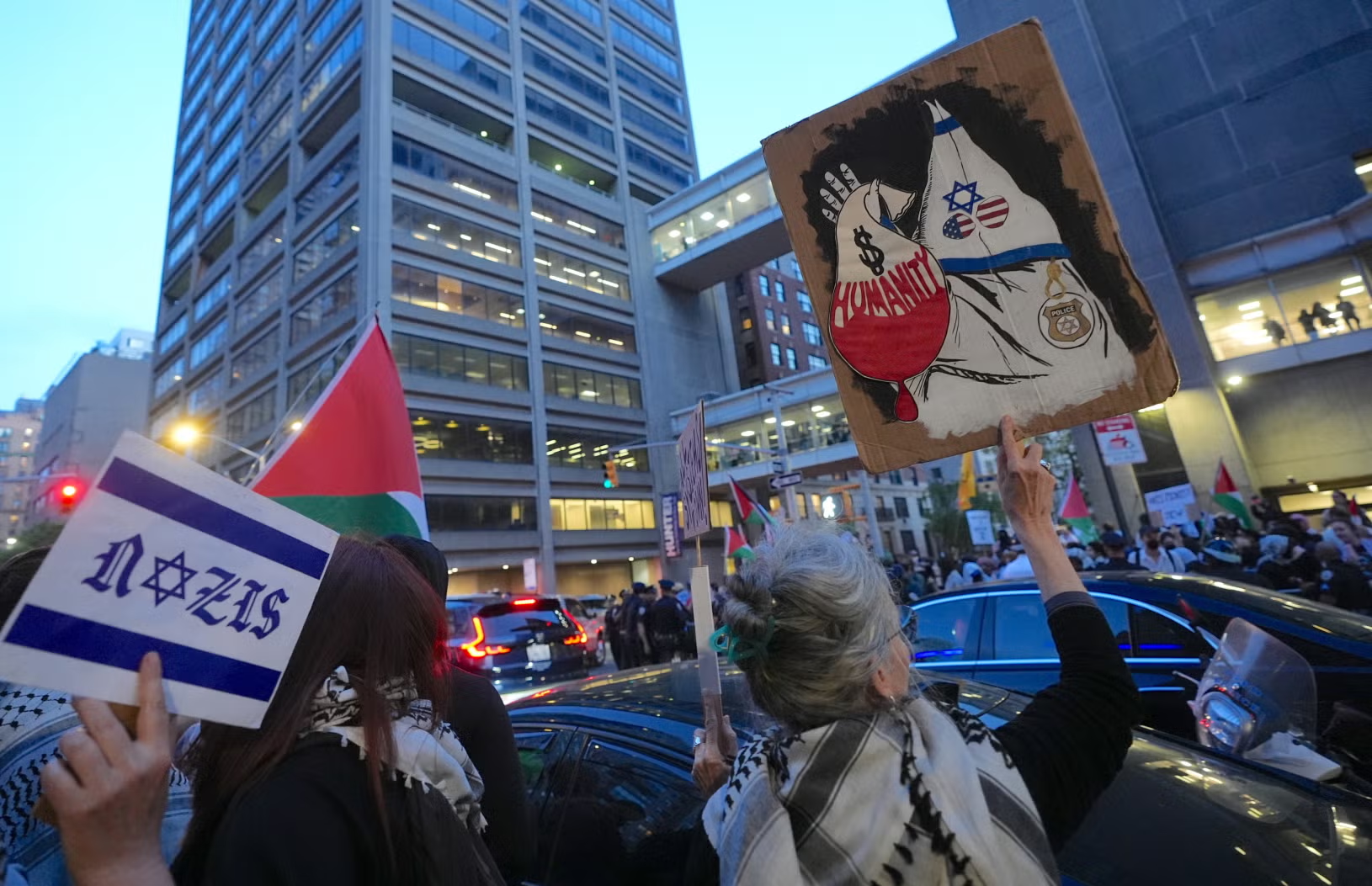
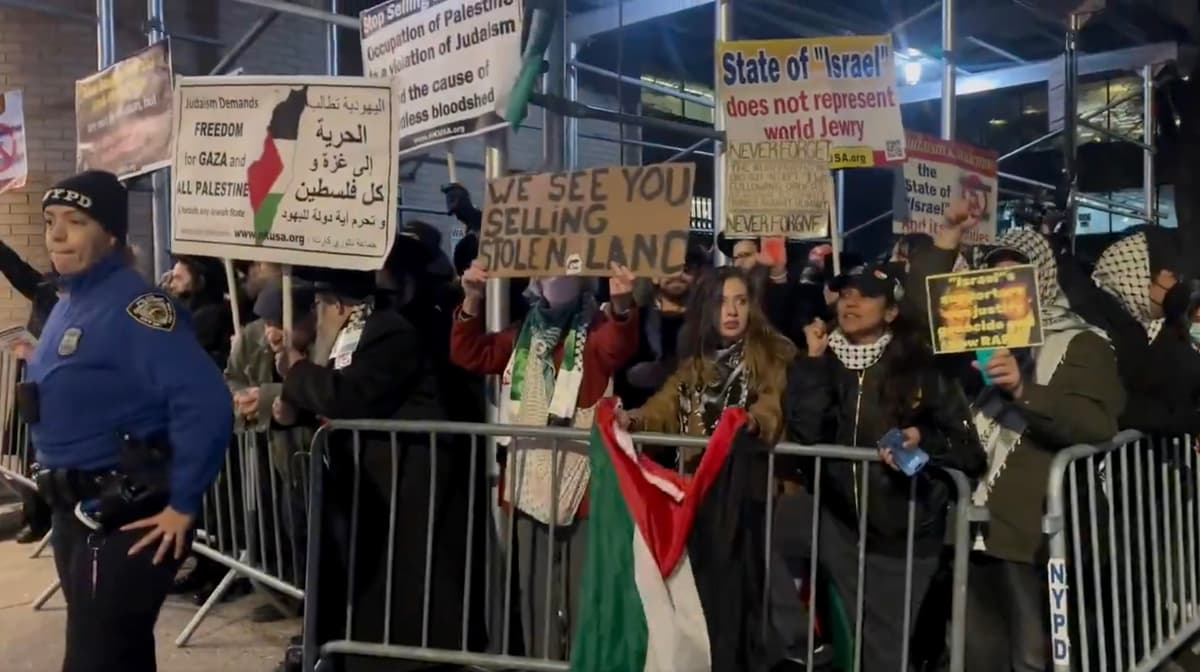
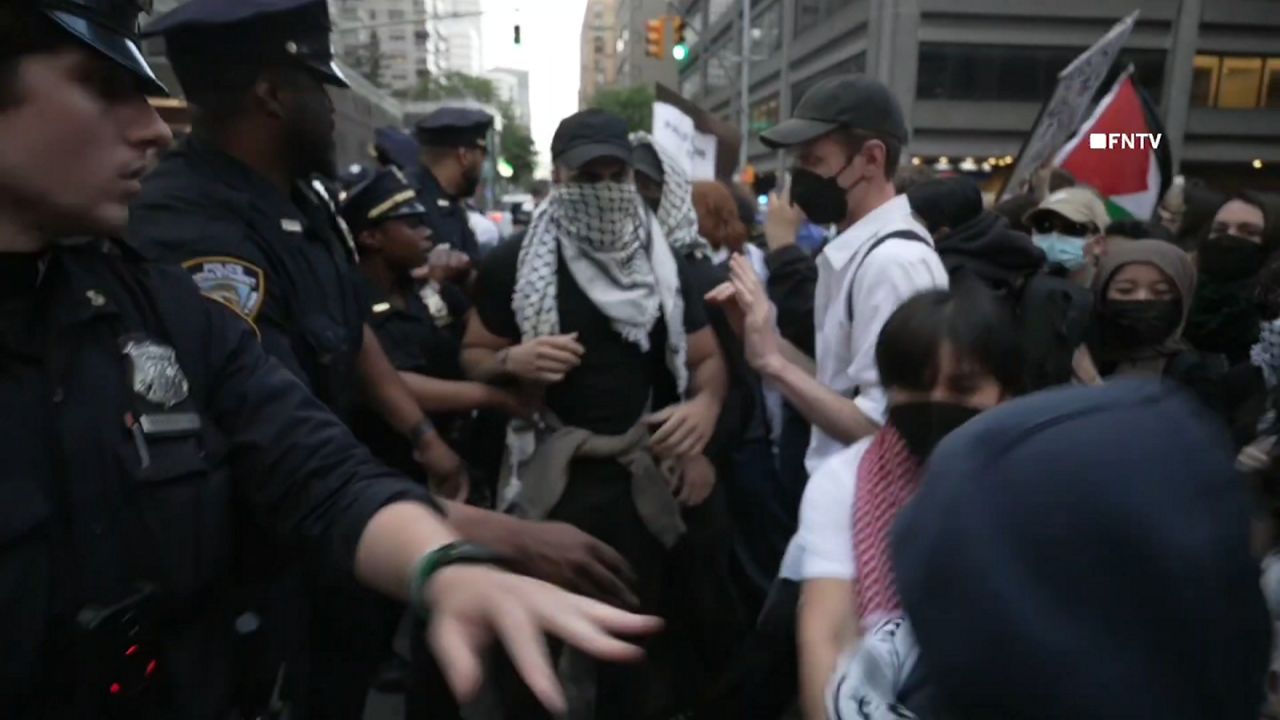
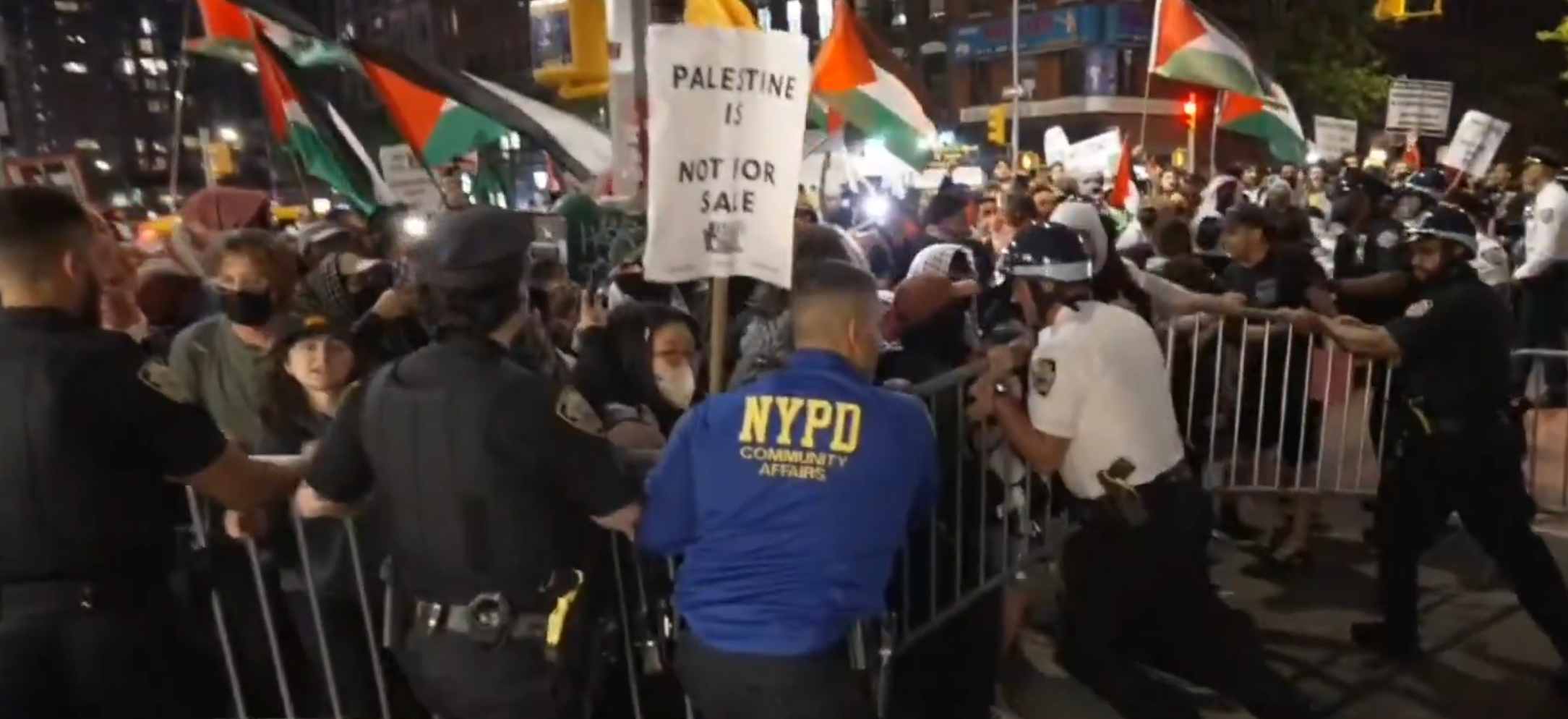
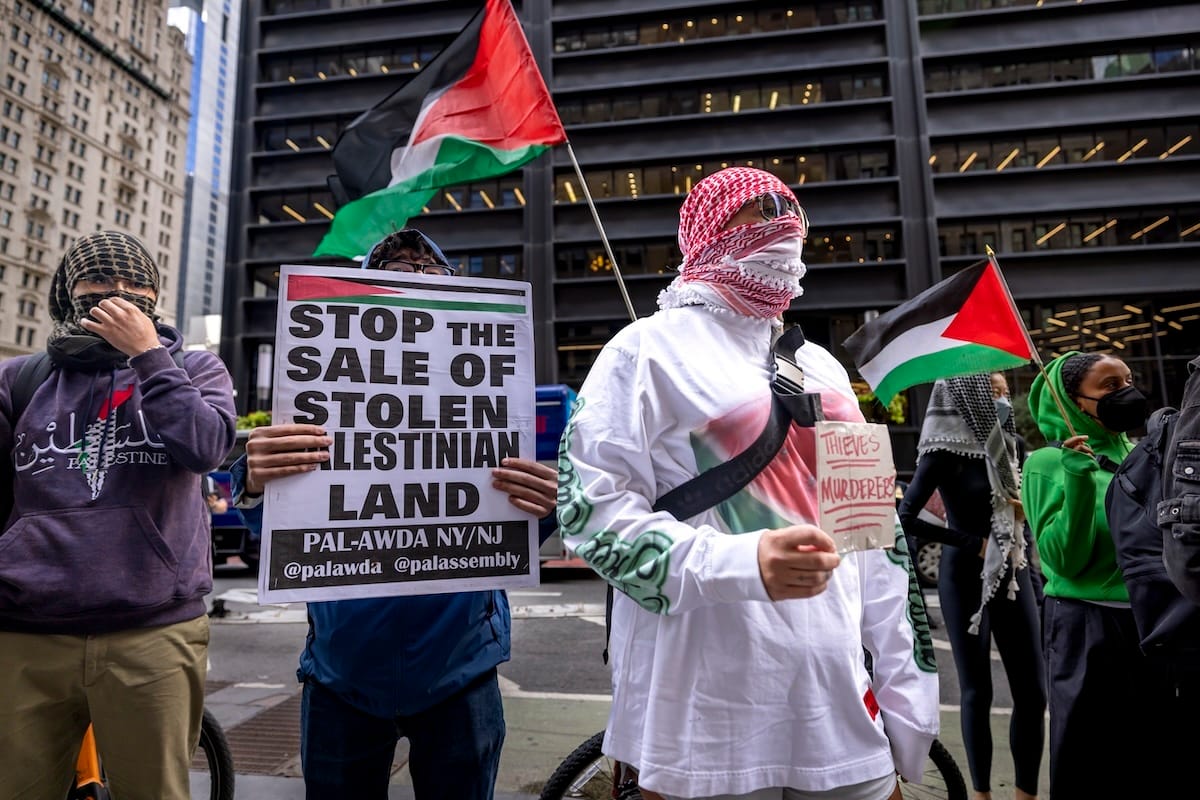
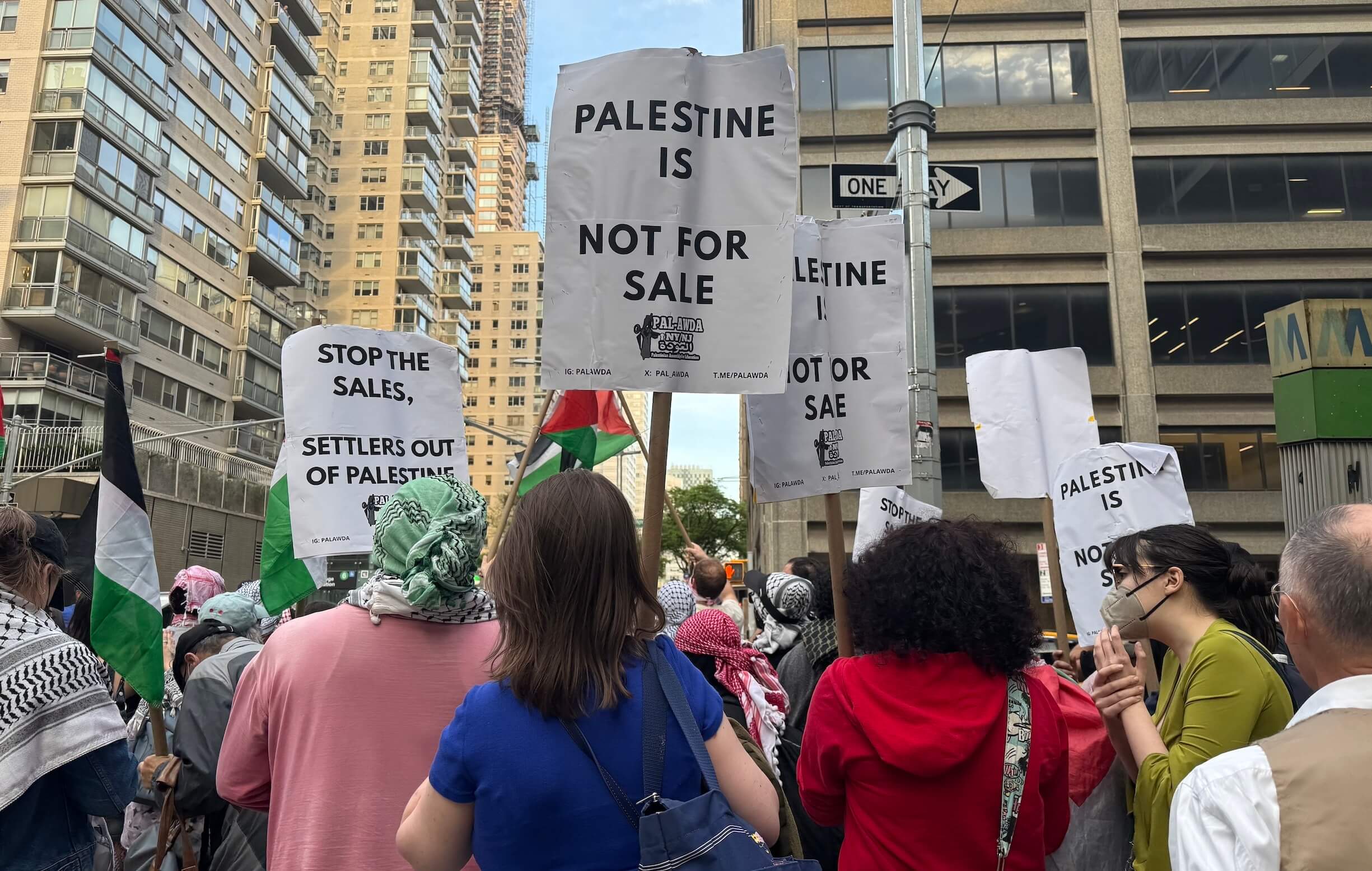
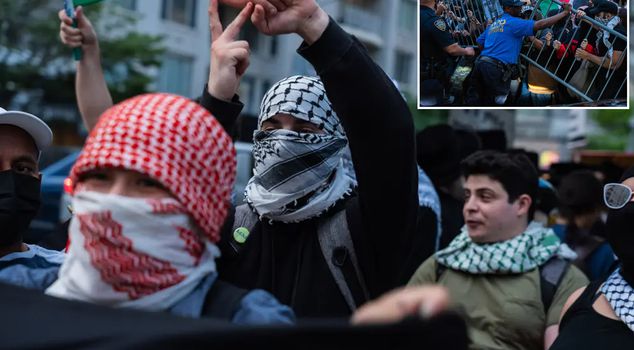
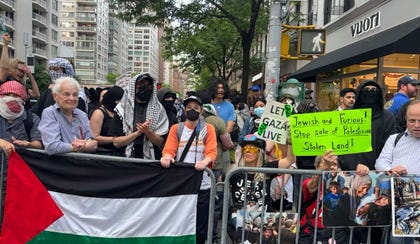
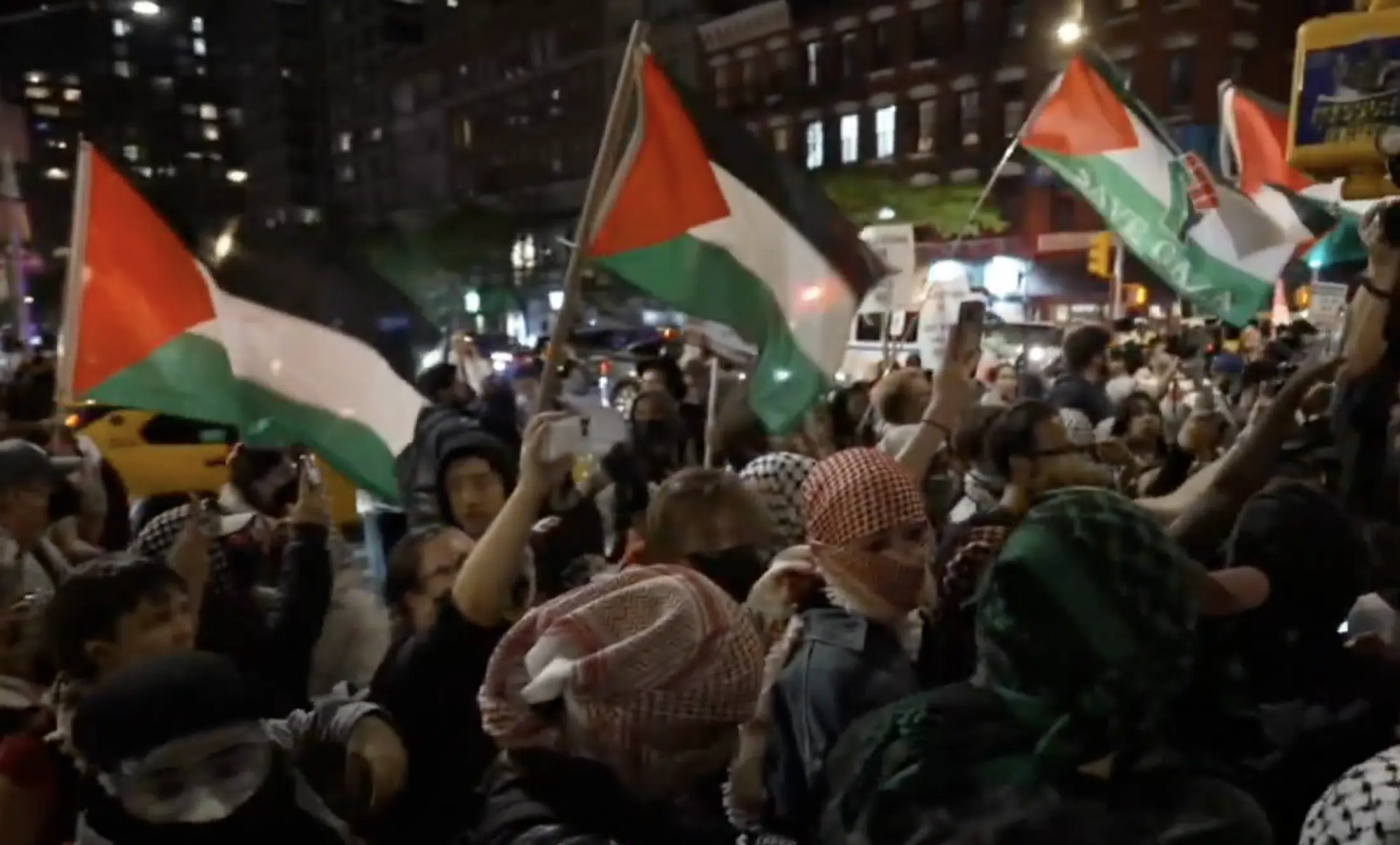
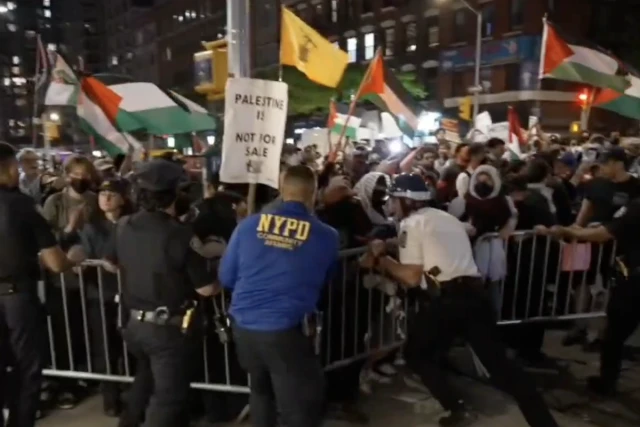
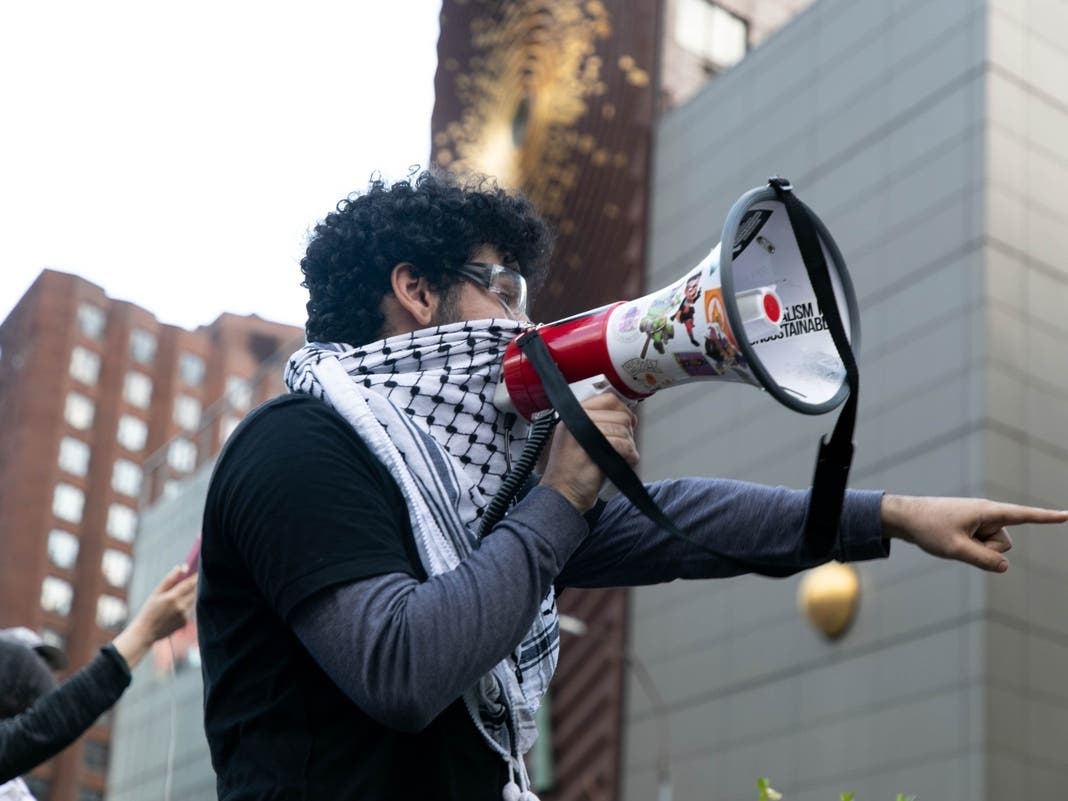
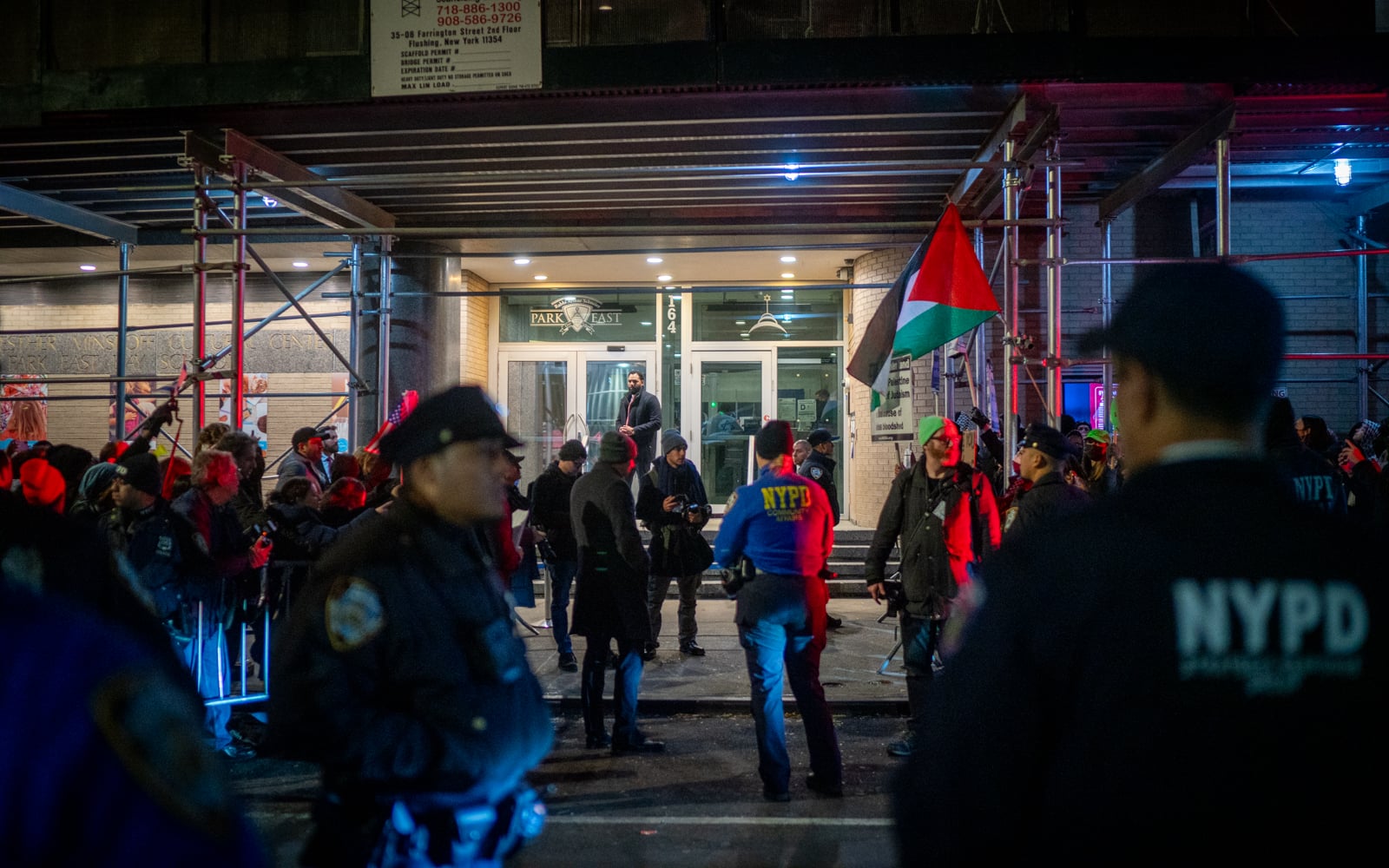
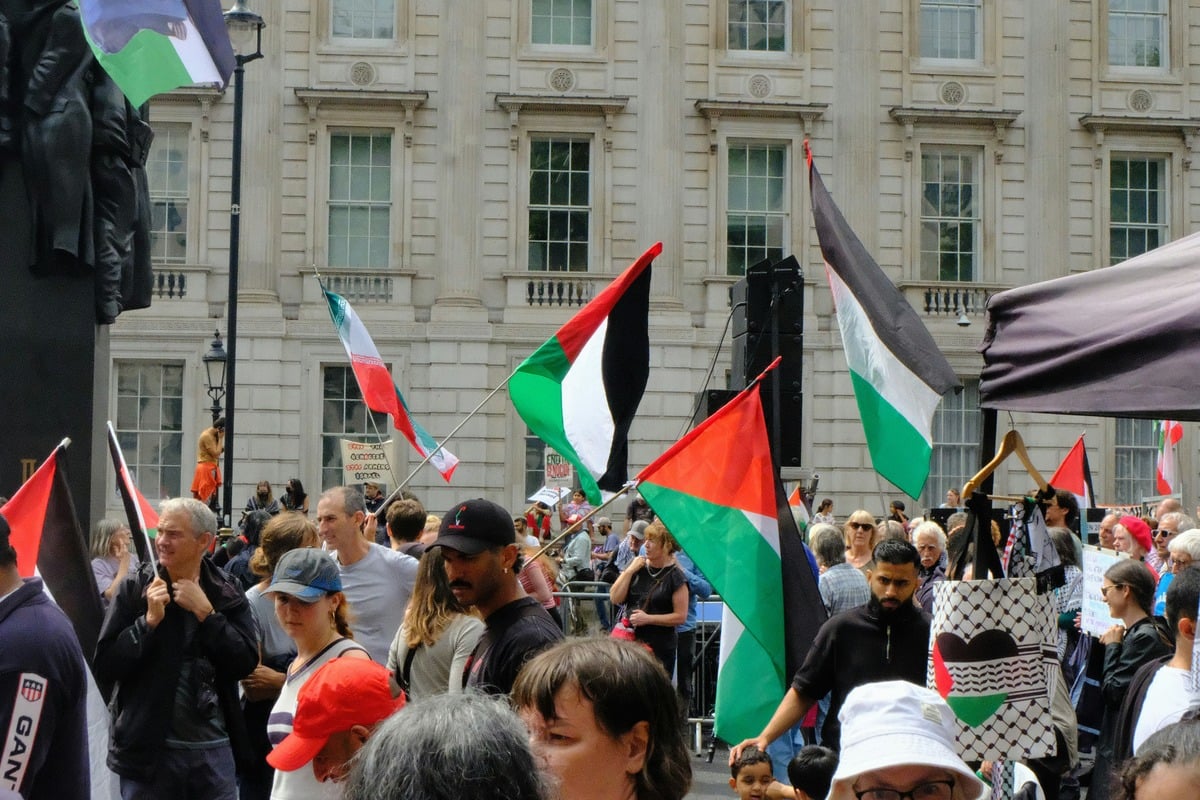
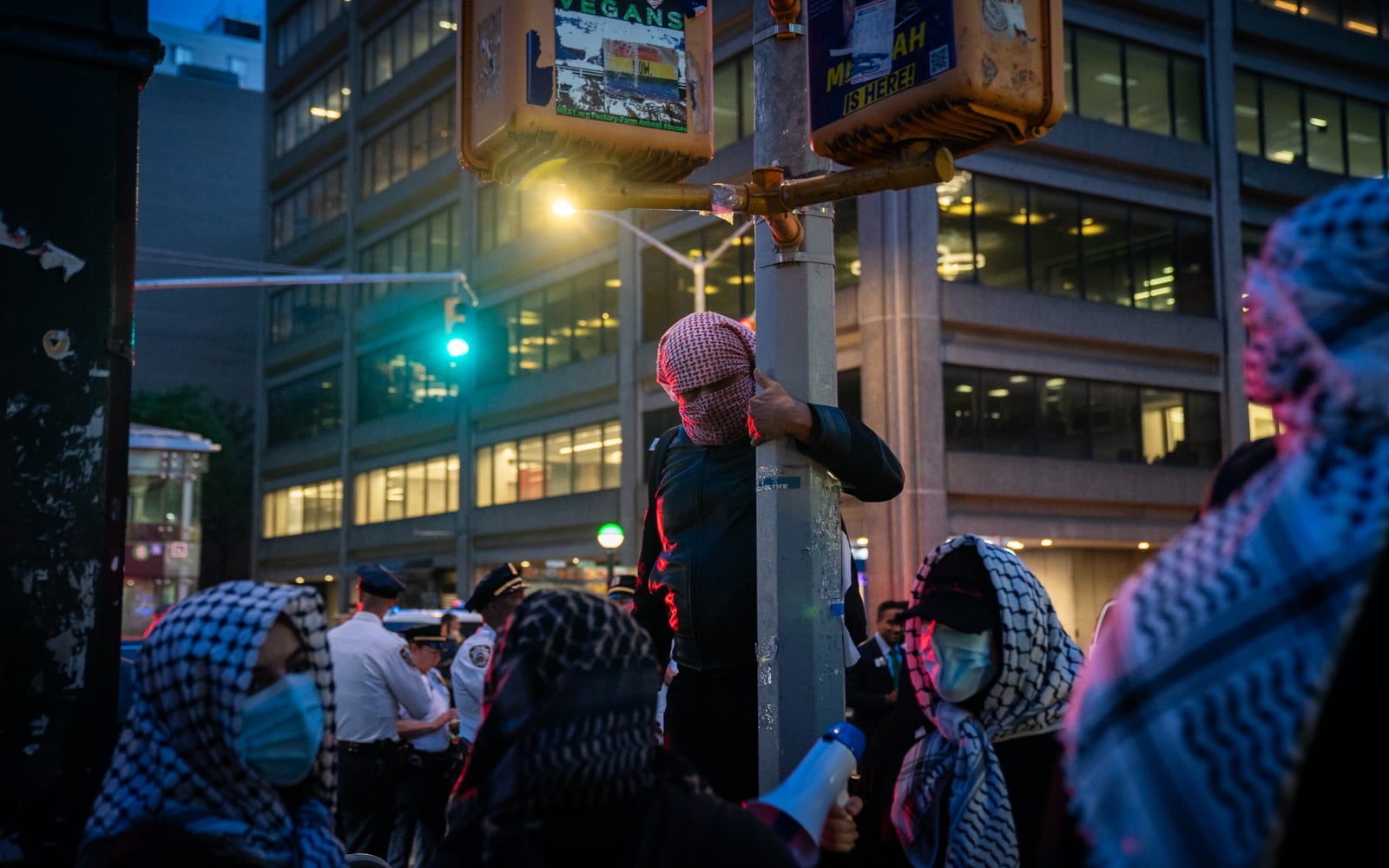
The May 5, 2026 demonstrations outside Park East Synagogue in Manhattan represent a critical inflection point for cross-border sellers and event organizers operating in geopolitically sensitive markets. This marks the second major protest at the same venue within six months, with several hundred pro-Palestinian demonstrators confronting dozens of pro-Israel counter-protesters, indicating sustained activist mobilization around international commerce in contested territories. The NYC Council's subsequent passage of buffer zone legislation for protests outside religious institutions creates new operational compliance requirements for event organizers and sellers facilitating transactions involving Israeli properties and West Bank settlements.
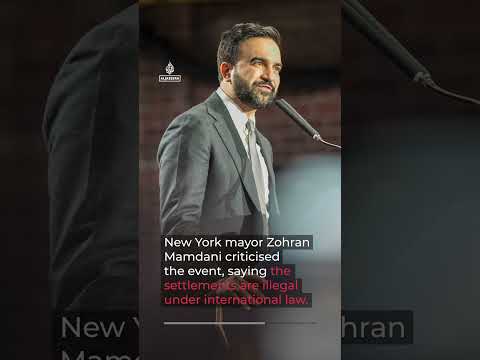
Regulatory and Compliance Implications for Sellers: The news reveals three critical compliance vectors affecting cross-border commerce. First, NYC's new buffer zone legislation (News 3) establishes precedent for municipal-level restrictions on protest activities near religious institutions, potentially extending to other cities. Second, discrimination allegations against real estate expo organizers—including a 2024 New Jersey Civil Rights Division investigation into religious affiliation screening (News 2)—signal heightened federal scrutiny under HUD and DOJ enforcement. Third, Mayor Mamdani's public opposition to the event (News 2, 4) demonstrates how political leadership can amplify activist pressure, creating reputational and operational risks for sellers facilitating transactions in contested territories.
Market Segmentation and Seller Vulnerability: Sellers operating in three specific segments face elevated risk: (1) Israeli real estate and settlement-related products ($2-4B estimated cross-border market for property facilitation, migration services, and related merchandise), (2) Jewish diaspora community products (religious items, cultural merchandise, travel services to Israel), and (3) Event organizers and B2B service providers facilitating international transactions. The recurring protest pattern—November 2025 and May 2026 at the same venue—suggests activist groups have identified and targeted specific commercial nodes, creating predictable disruption windows. Sellers should anticipate similar mobilization at other venues hosting Israeli-focused events or Jewish community gatherings in major metropolitan areas.
Operational Risk Factors: Heavy police presence and intermittent scuffles (News 1) indicate escalating security costs and potential event cancellations. The involvement of extremist-affiliated groups (Jewish Defense League offshoot linked to March 2026 assassination attempt) elevates safety concerns beyond typical protest dynamics. Sellers relying on in-person events for customer acquisition face 15-25% revenue volatility during protest periods, with some events experiencing 40-60% attendance reductions. The NYC Council's buffer zone legislation may increase event security costs by $5,000-15,000 per event, compressing margins for smaller organizers.
Questions 8
How can sellers monitor and predict activist targeting of their events or products?
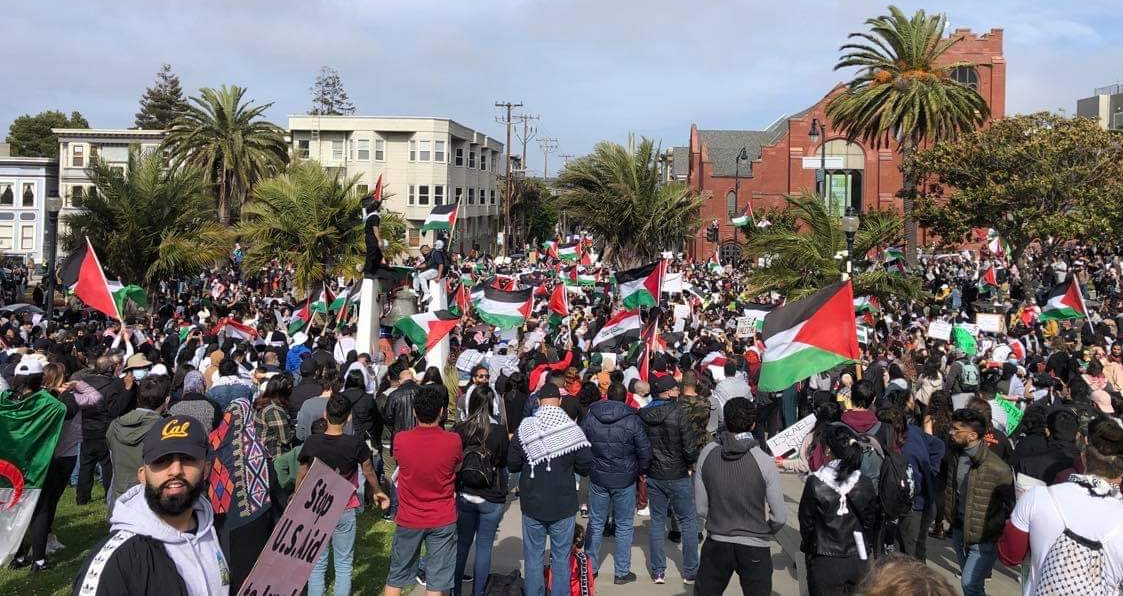
Sellers should implement multi-channel monitoring: (1) **Social media tracking** of activist groups (Pal-Awda, Jewish Voice for Peace, BDS organizations) targeting Israeli-related commerce, (2) **Event calendar analysis** identifying high-risk venues and dates (religious institutions, real estate expos, cultural events), (3) **Geographic risk mapping** of cities with active protest movements (NYC, LA, Chicago, San Francisco), and (4) **Law enforcement coordination** for threat intelligence. The May 2026 protest followed a November 2025 demonstration at the same venue, indicating 6-month targeting cycles. Sellers should establish 90-day advance warning systems and develop contingency plans for event cancellations or relocations. Predictive analytics can identify emerging activist campaigns 4-8 weeks before major mobilization events.
What international law considerations affect sellers facilitating Israeli property and settlement transactions?
International law classifies Israeli West Bank settlements as illegal, creating legal and reputational risks for sellers facilitating transactions. Mayor Mamdani's public opposition and HUD/DOJ complaints signal government scrutiny of settlement-related commerce. Sellers should conduct legal due diligence on property locations, disclose settlement status to buyers, and implement compliance procedures. The Foundation for Middle East Peace and similar organizations actively monitor settlement transactions, creating reputational risks for sellers. Consider geographic restrictions on marketed properties, transparent disclosure of legal status, and compliance with international sanctions frameworks. Sellers should consult international law experts before facilitating transactions in contested territories.