


Air Freight Costs Surge 80% | Sellers Face Critical Logistics Shift
- Jet fuel prices doubled in 2 months; 9.3M airline seats cut June-Sept 2025; air freight surcharges rising 15-25% immediately
























Overview
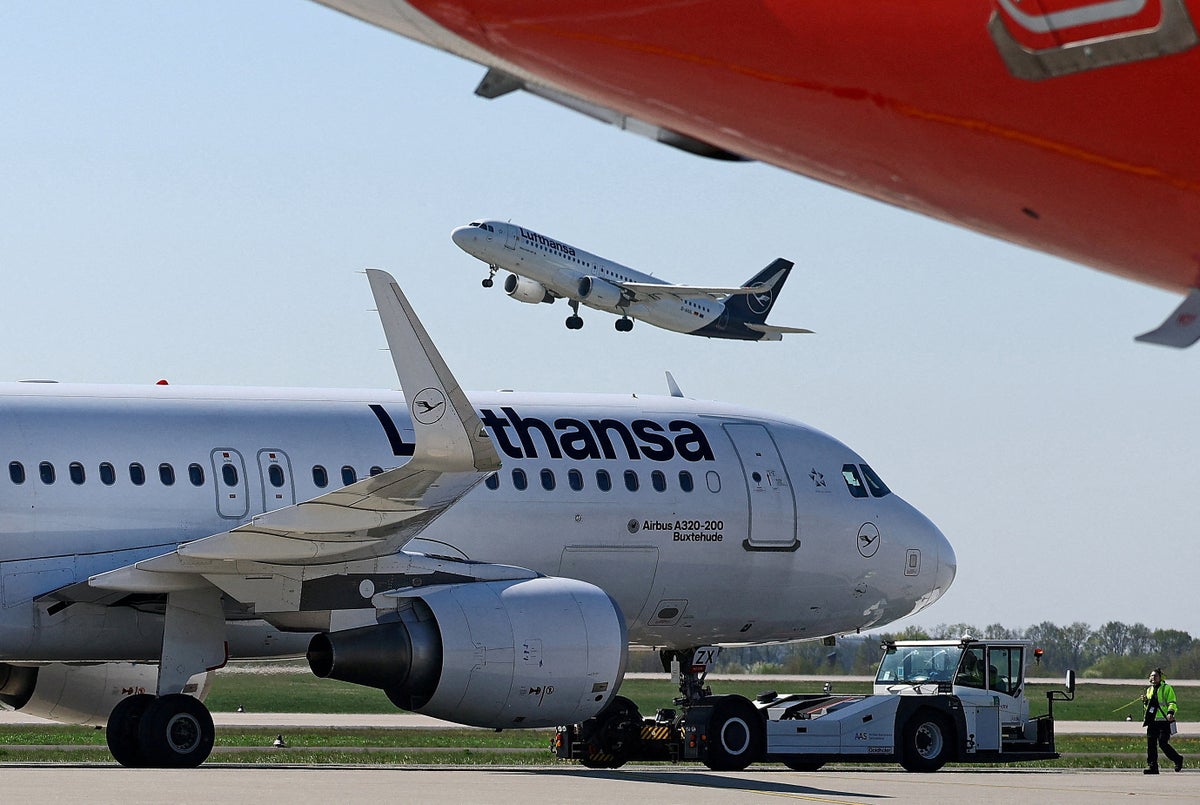
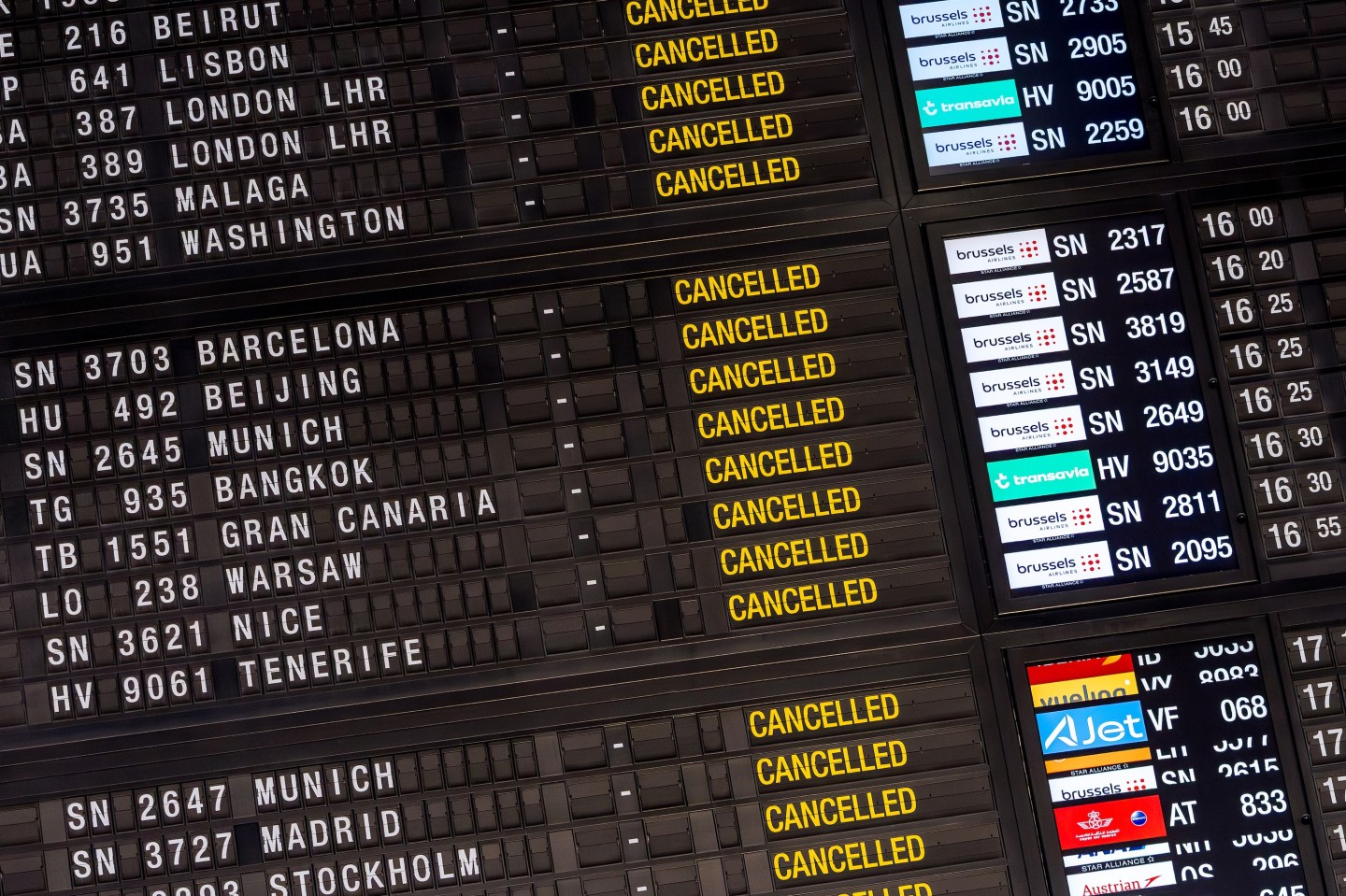
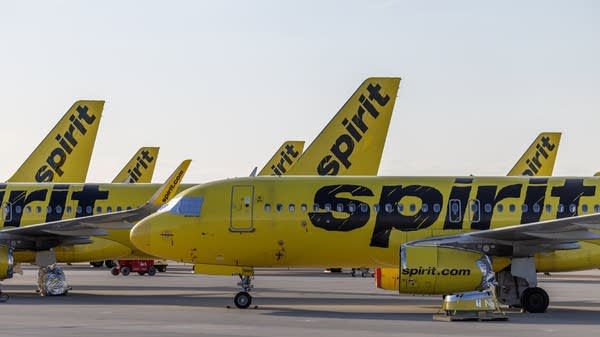
The Middle East geopolitical crisis is triggering a historic air freight cost explosion that directly impacts cross-border e-commerce logistics. Since late February 2025, jet fuel prices have surged over 80% following military escalations and the Strait of Hormuz closure—a chokepoint handling 41% of European aviation fuel and one-third of global maritime oil trade. Global jet fuel shipments collapsed to 2.3 million tonnes (record low), while airlines have collectively cut 9.3 million seats for June-September 2025. Lufthansa alone announced 20,000 flight cancellations on April 22, and Spirit Airlines filed for bankruptcy. For e-commerce sellers, this creates an immediate logistics crisis: air freight surcharges are rising 15-25% across all routes, with European-Asian routes experiencing fivefold increases in some cases.
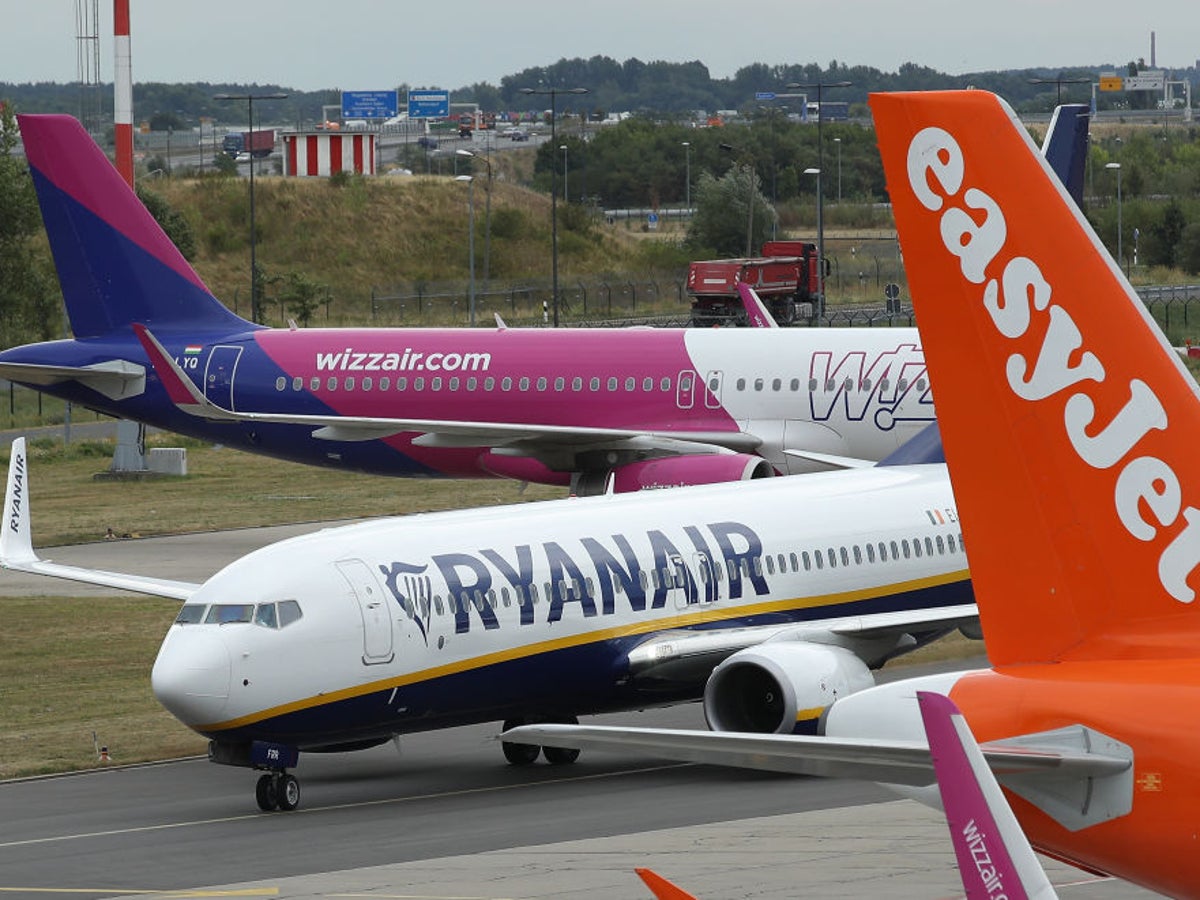
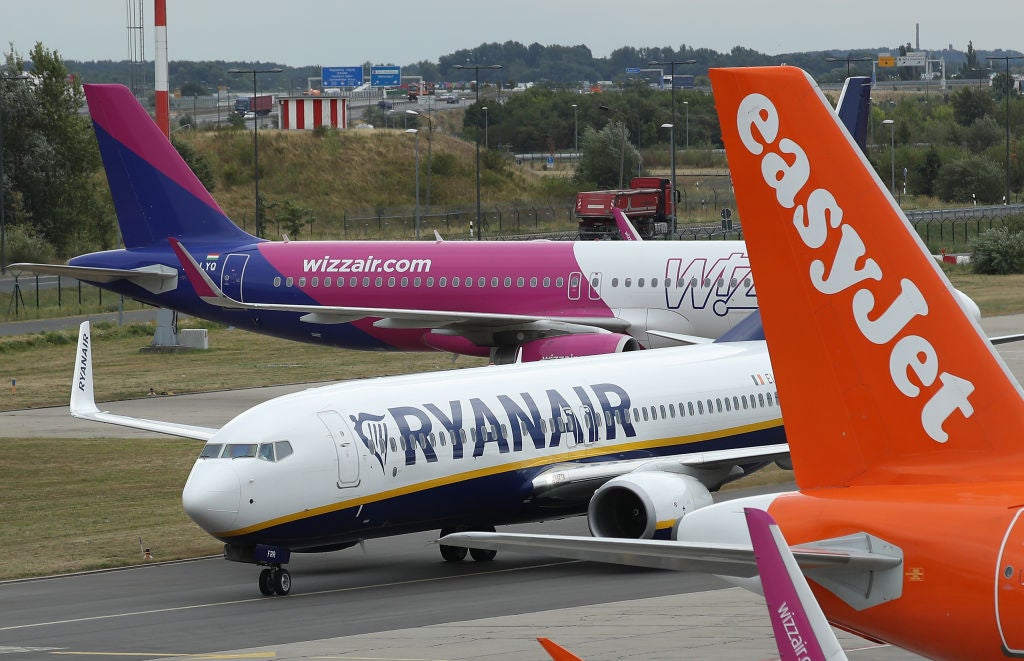
The cost impact is severe and immediate for time-sensitive product categories. Sellers relying on air cargo for perishable goods, electronics, fashion, and high-value items destined for European distribution centers face margin compression of 8-15% depending on product weight and destination. International airfares from the US jumped 16% year-over-year to $1,101 average (late April), while domestic fares increased 24%. The UK is Europe's most exposed country due to strait-dependent imports and low fuel reserves (Goldman Sachs analysis). Smaller regional routes face cancellation risk first, forcing sellers to consolidate shipments through major hub airports (Frankfurt, Amsterdam, London) at premium rates. EasyJet's 70% fuel hedging through September provides temporary relief for some carriers, but IATA Director General Willie Walsh warns that even if the Strait reopens immediately, structural energy infrastructure damage will affect airlines for months.
Strategic repositioning is essential now. Sellers must immediately shift from air freight to ocean freight for non-urgent shipments (30-45 day lead times acceptable), pre-position inventory in European warehouses before June peak season, and consolidate shipments through major hub airports to avoid route cancellations. Short-haul and regional routes benefit as consumers shift from complex long-haul logistics, creating opportunities for sellers targeting intra-European markets. The crisis exposes supply chain vulnerabilities but also creates adaptation opportunities: alternative pipeline routes bypass Hormuz, refineries can adjust fuel production ratios, and production increases in other countries offset some losses. However, airlines have demonstrated strong pricing power—even when fuel costs normalize, carriers are unlikely to reduce fares to pre-war levels, having identified elevated consumer willingness to pay. This represents a permanent cost structure shift for air freight logistics.
Questions 8
How does this crisis affect sourcing decisions for sellers?
Nearshoring becomes more attractive: Mexico for US-bound shipments (ocean freight $800-1,200 per container vs air freight $3,000-5,000), Eastern Europe for EU-bound shipments (rail/truck cheaper than air). Asian sourcing remains viable for non-urgent inventory with 60-90 day lead times via ocean freight. However, total landed cost calculations now heavily favor regional suppliers: a $50 product from China with $15 air freight cost becomes $18-22 air freight cost (36-44% increase), while a $55 product from Mexico with $3 ocean freight cost remains competitive. Evaluate supplier diversification: maintain 40% Asian sourcing for non-urgent inventory, shift 30% to nearshoring, keep 30% flexible for seasonal demand. Lock in ocean freight rates for Q3-Q4 2025 immediately.
What are the immediate actions sellers should take in the next 30 days?
Action 1 (by May 15): Audit all air freight shipments scheduled for June-September; shift non-urgent items to ocean freight immediately. Action 2 (by May 20): Pre-position 60-90 days of inventory in Frankfurt, Amsterdam, or Rotterdam warehouses before peak season. Action 3 (by May 25): Consolidate remaining air shipments through major hub airports only; avoid smaller regional routes. Action 4 (by June 1): Renegotiate supplier lead times to accommodate 30-45 day ocean freight transit; consider nearshoring to Mexico or Eastern Europe for US-bound shipments. Action 5 (ongoing): Monitor fuel surcharge developments weekly; lock in ocean freight rates for Q3-Q4 2025 before further increases.