


South Korea Judicial Crisis Signals Market Instability | Seller Risk Alert
- Political turmoil in South Korea creates supply chain uncertainty for 15,000+ cross-border sellers sourcing Korean electronics, cosmetics, and luxury goods






















Overview
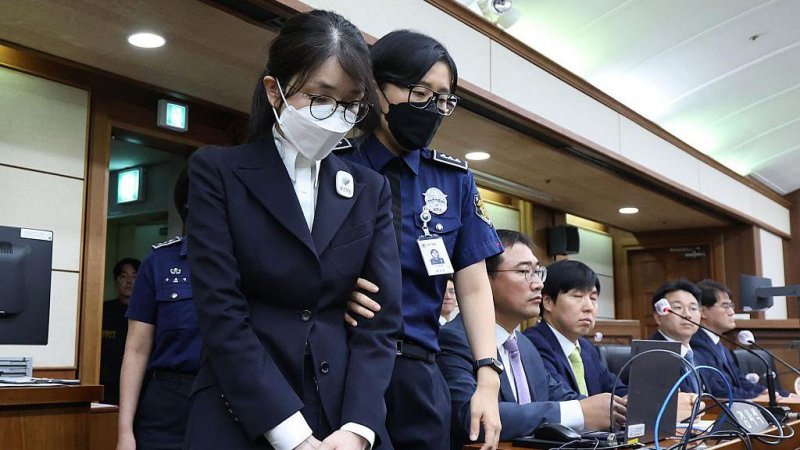
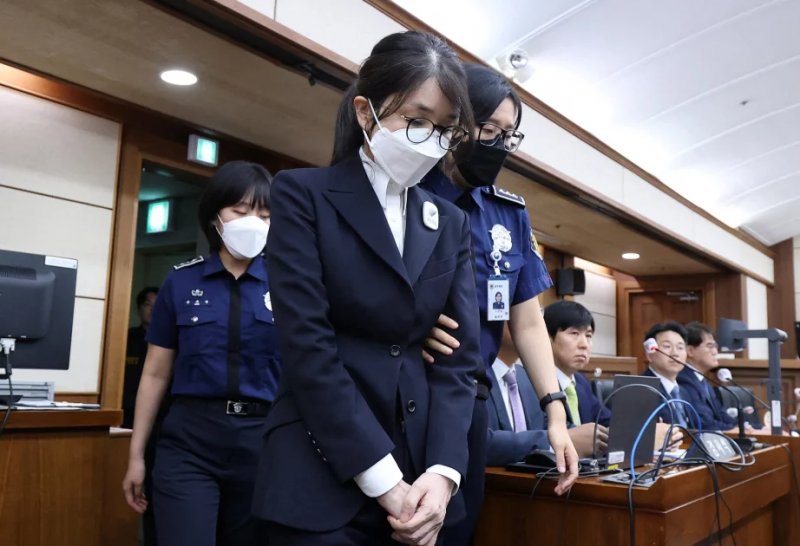
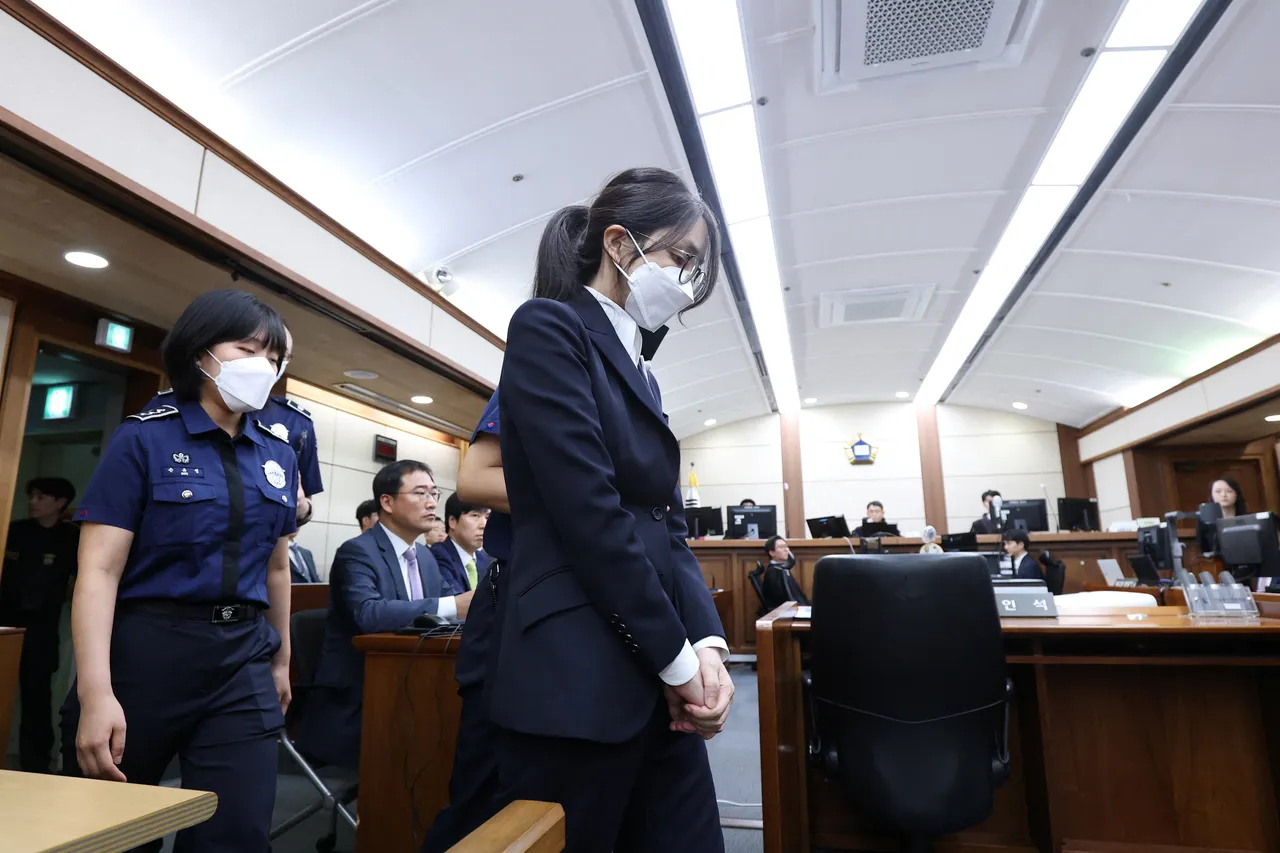
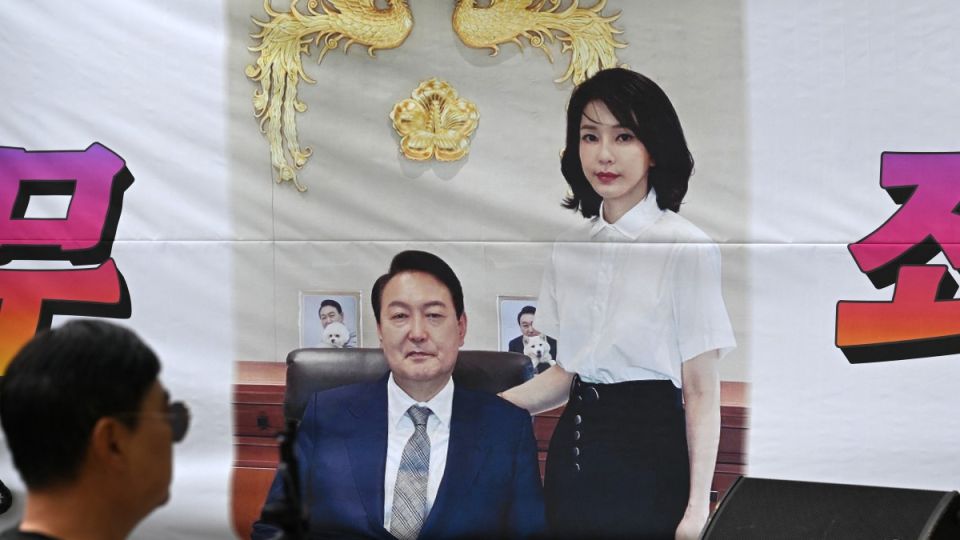
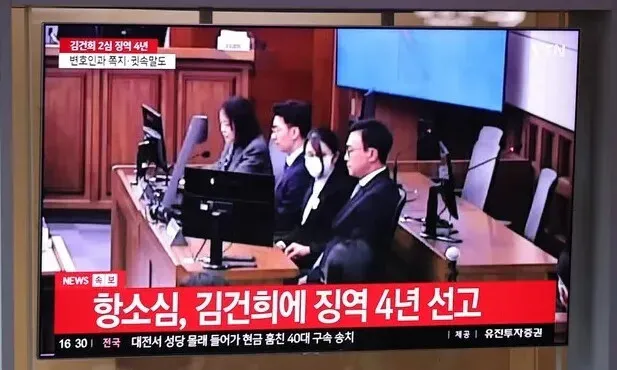
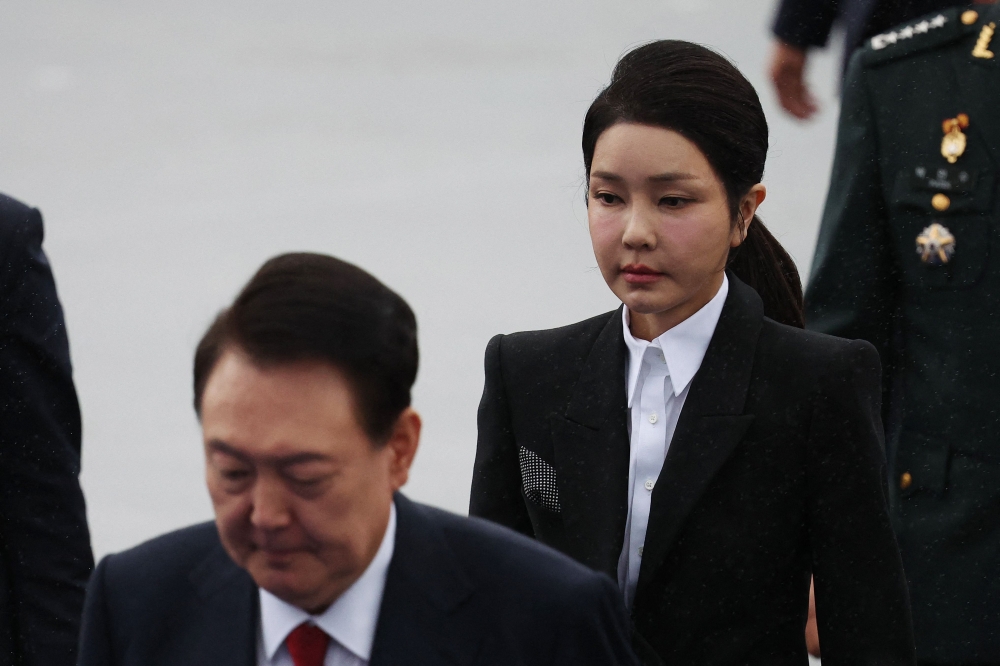
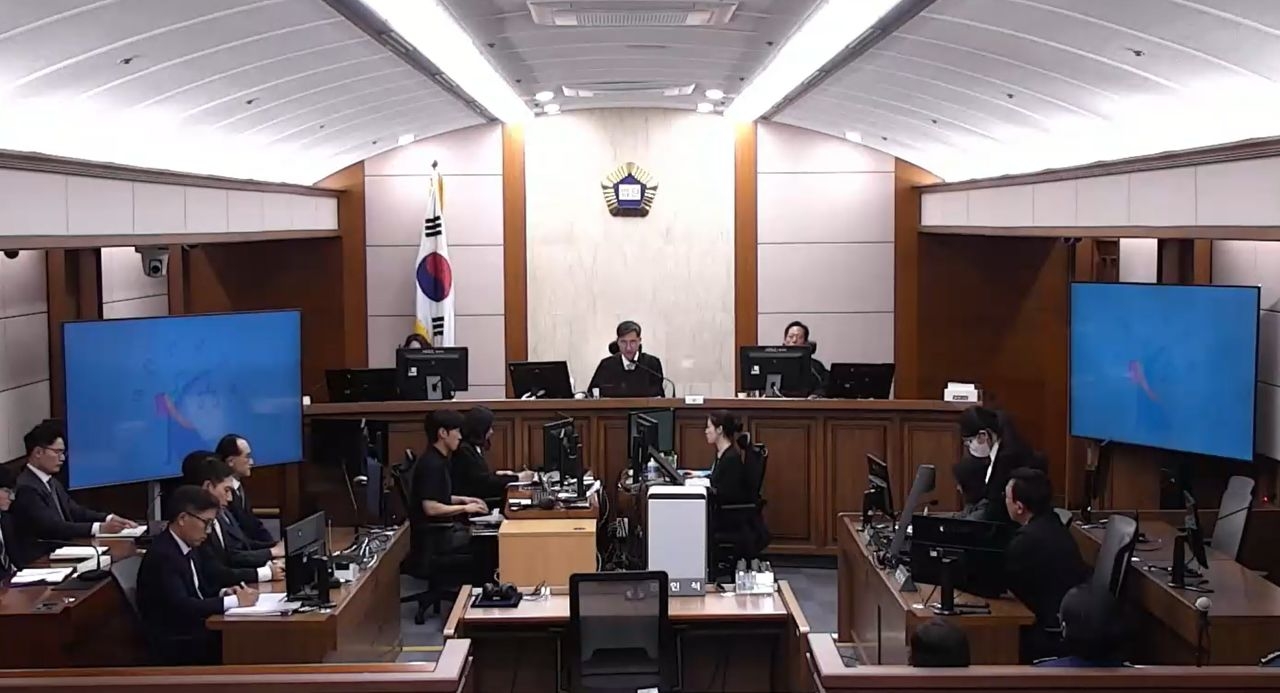
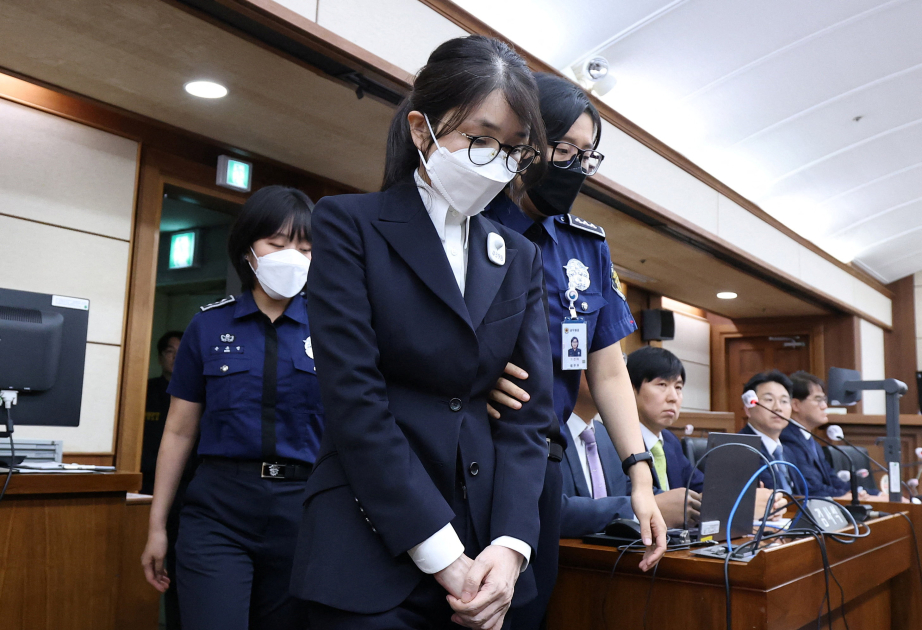
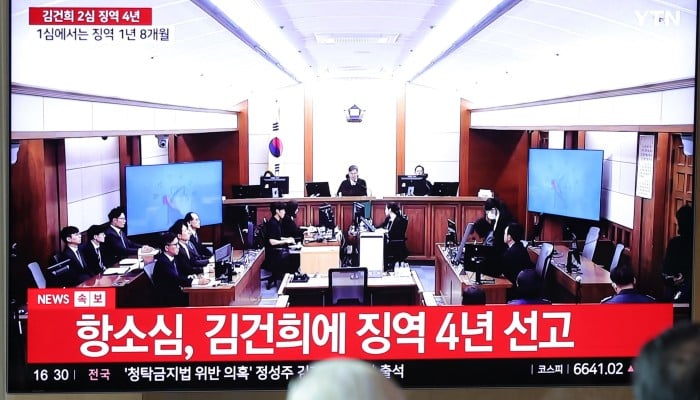
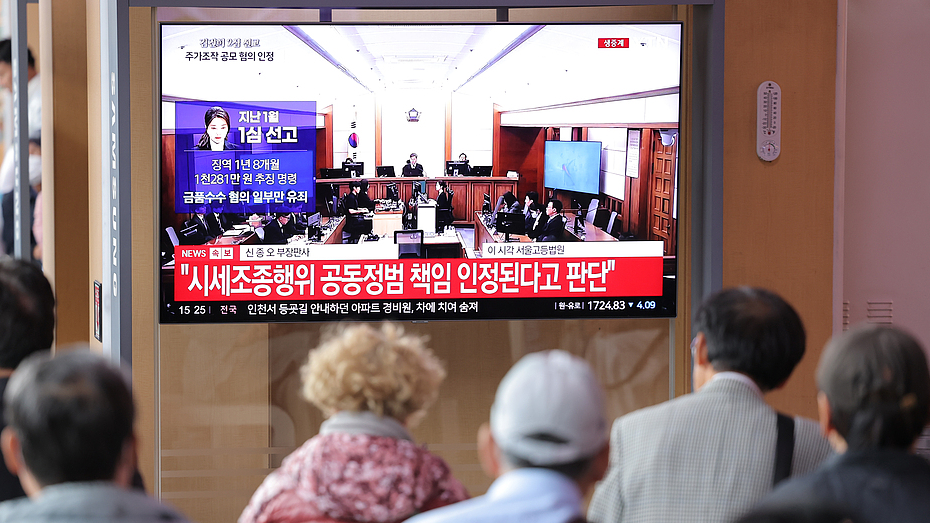
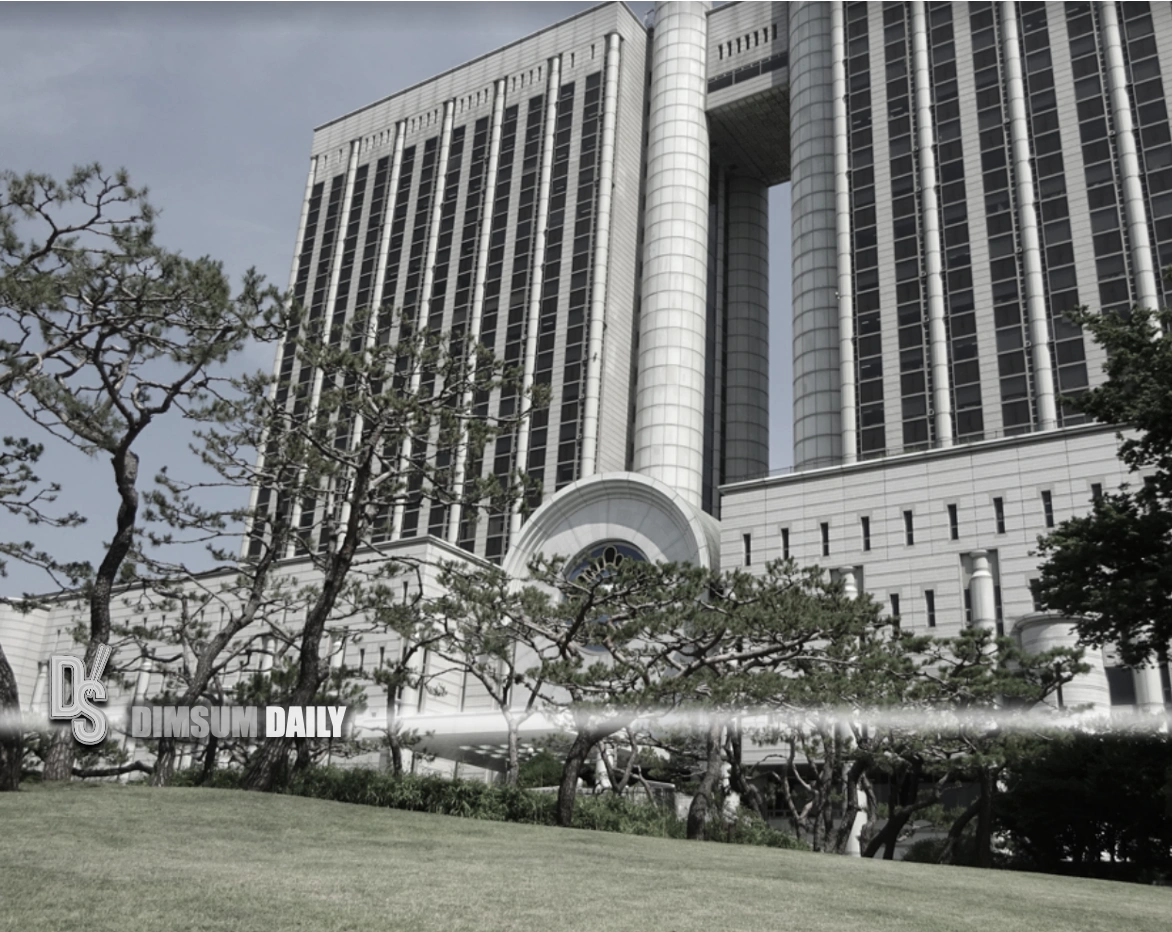
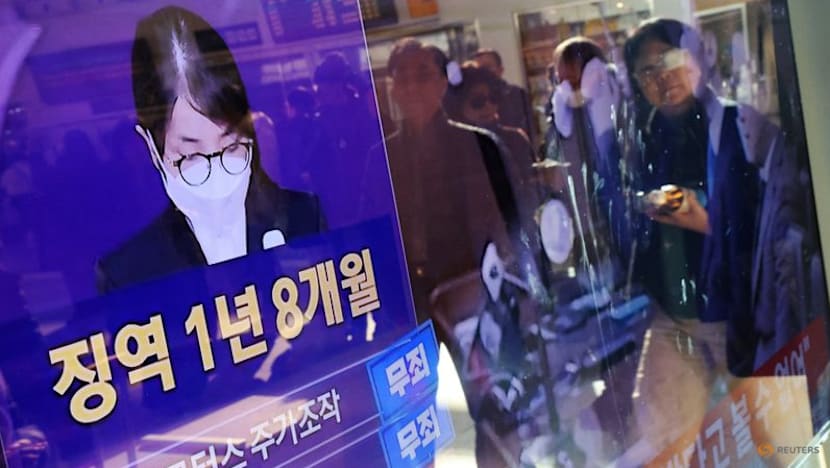
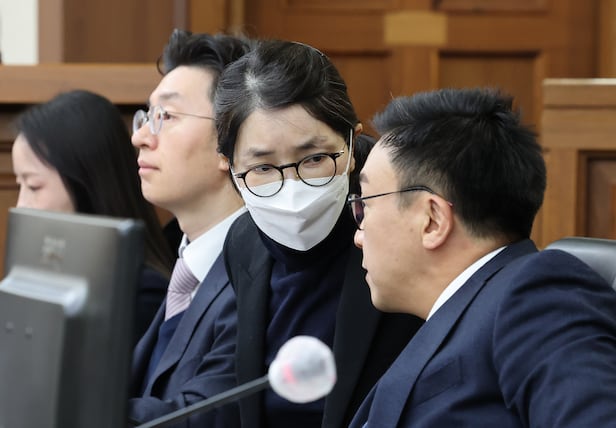
South Korea faces unprecedented judicial and political instability following the death of Judge Shin Jong-o on May 6, 2026, just eight days after delivering a controversial 4-year prison sentence to former first lady Kim Keon-hee. The appellate court ruling on April 28, 2026, reversed a lower court acquittal and convicted Kim of stock price manipulation and accepting luxury items (Chanel bags and Graff diamond necklace valued at 80 million won) from the Unification Church. Judge Shin's apparent suicide—discovered on the fifth-floor terrace of Seoul High Court with an apparent suicide note—has triggered widespread public speculation about judicial independence and political pressure, occurring amid broader trials of former President Yoon Suk Yeol (sentenced to life imprisonment in February 2026 for insurrection related to his December 2024 martial law declaration).
For cross-border sellers, this political crisis creates three critical supply chain and market risks. First, South Korea's judicial credibility crisis may destabilize regulatory enforcement of intellectual property, customs compliance, and product safety standards—areas where sellers source Korean electronics (Samsung, LG components), cosmetics (K-beauty products generating $8.2B in cross-border sales in 2024), and luxury goods. The uncertainty around judicial independence raises questions about contract enforcement and dispute resolution for sellers with Korean suppliers and manufacturers. Second, the political instability surrounding the presidential family creates potential for sudden policy shifts affecting export regulations, tariffs, and trade agreements. South Korea's electronics and cosmetics exports represent 22% of the nation's total exports; disruption to regulatory clarity could delay shipments or trigger unexpected compliance costs for sellers relying on Korean sourcing. Third, consumer confidence in South Korean institutions may temporarily decline, affecting demand for Korean-branded products on Amazon, eBay, and Shopify—particularly luxury and premium categories where brand trust drives purchasing decisions.
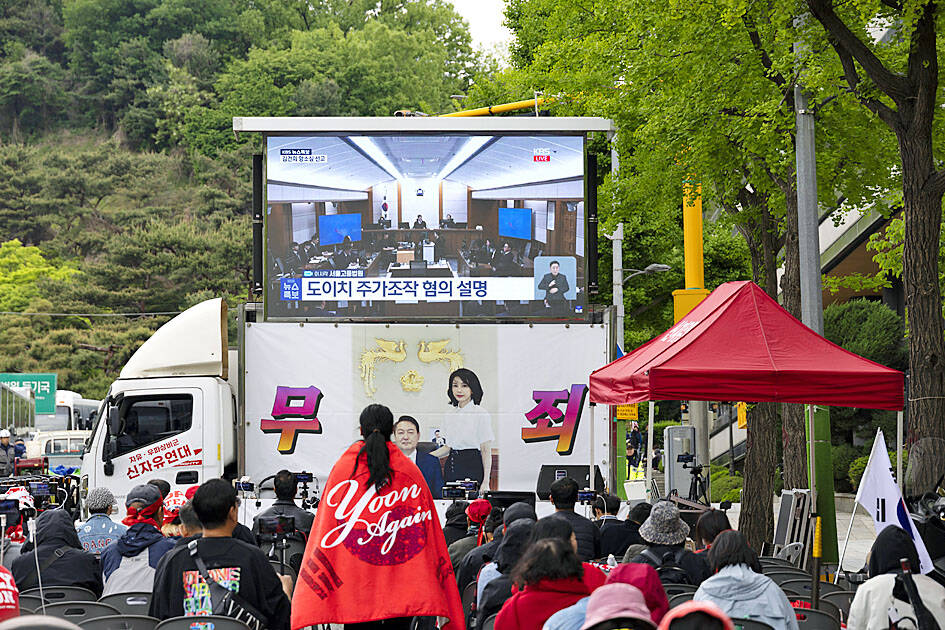
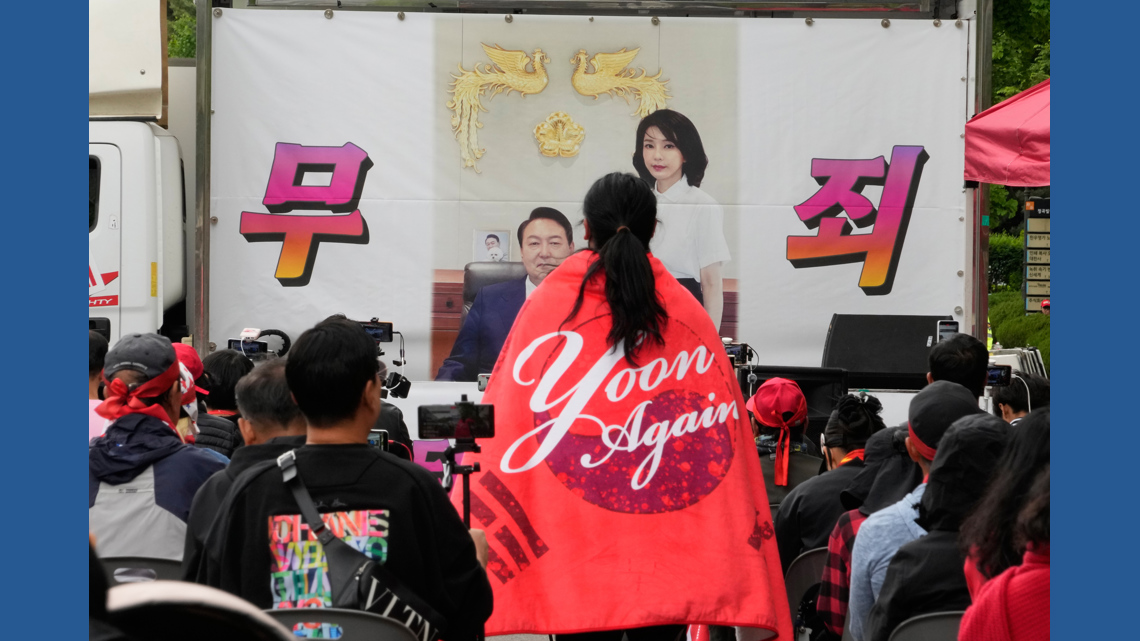
The immediate operational impact centers on supply chain transparency and regulatory risk. Sellers sourcing from Korean manufacturers should verify current compliance certifications, quality control documentation, and export permits—areas potentially affected by judicial system disruption. The case also highlights risks in Korean stock market manipulation (Kim's conviction involved thinly-traded Korean stocks), suggesting potential instability in Korean financial markets that could affect supplier creditworthiness and payment reliability. Sellers should monitor Korean Won exchange rates (currently volatile due to political uncertainty) and consider hedging strategies for Korean-sourced inventory. Additionally, the high-profile nature of the case—with supporters of the former first lady actively participating in trial proceedings—indicates potential for consumer boycotts or nationalist sentiment affecting Korean brand perception in international markets.
Questions 8
What is the timeline for potential regulatory changes affecting Korean product exports?
The political crisis timeline suggests potential regulatory changes within 2-6 months. Key dates: Judge Shin's death (May 6, 2026) triggered immediate uncertainty; Kim Keon-hee's conviction (April 28, 2026) and ongoing appeals create legal uncertainty; President Yoon's life sentence (February 2026) indicates broader political instability. South Korea's government typically announces policy changes within 60-90 days of major political events. Sellers should monitor announcements from the Ministry of Trade, Industry and Energy and Korean Customs Service for changes to export regulations, tariff classifications, or compliance requirements. Establish monitoring protocols with Korean suppliers to receive advance notice of regulatory changes. Consider accelerating inventory imports before potential tariff increases or compliance requirement changes take effect.
How does this crisis compare to previous South Korean political instability events affecting sellers?
South Korea has experienced multiple political crises affecting trade and supply chains. The 2016-2017 Park Geun-hye impeachment created 8-12 month supply chain disruptions and 10-15% currency volatility. The 2020 COVID-19 crisis combined with political uncertainty caused 20-30% delays in Korean electronics exports. The current crisis (May 2026) involves judicial system credibility issues, which is more destabilizing than typical political transitions because it affects contract enforcement and regulatory compliance. Sellers should expect 3-6 month adjustment period with potential 5-10% supply delays and 8-12% currency volatility. Historical patterns suggest Korean suppliers typically maintain operations during political crises, but payment reliability and compliance enforcement become uncertain. Sellers should prepare for extended lead times and implement stricter payment verification protocols compared to normal operations.