





Hormuz Strait Reopening Negotiations | Shipping Cost Relief for Cross-Border Sellers
- US-Iran diplomatic talks could reduce fuel surcharges 8-15% for Asia-to-US logistics; 30-day MOU window creates timing urgency for inventory repositioning





















Overview
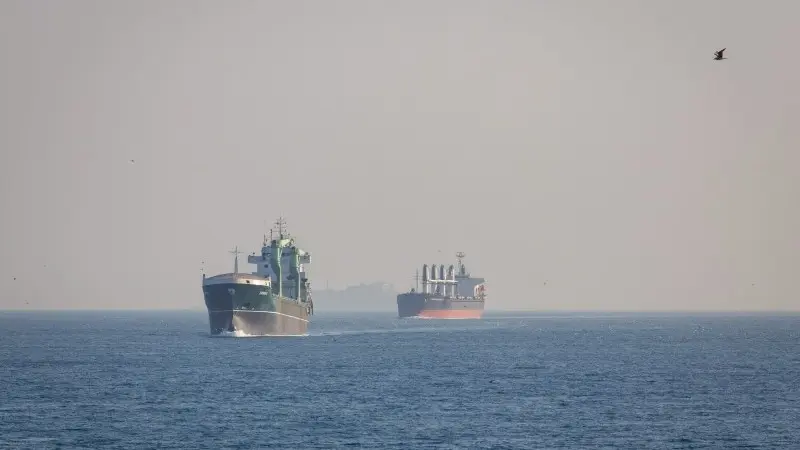
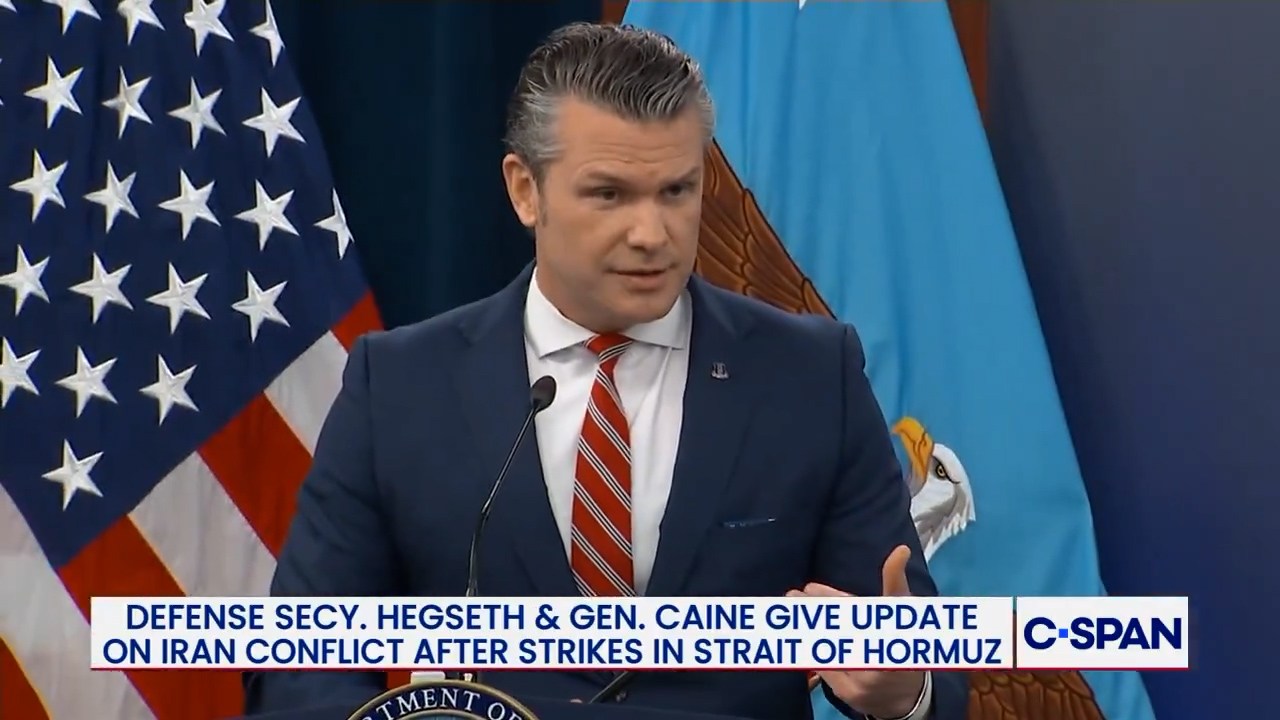
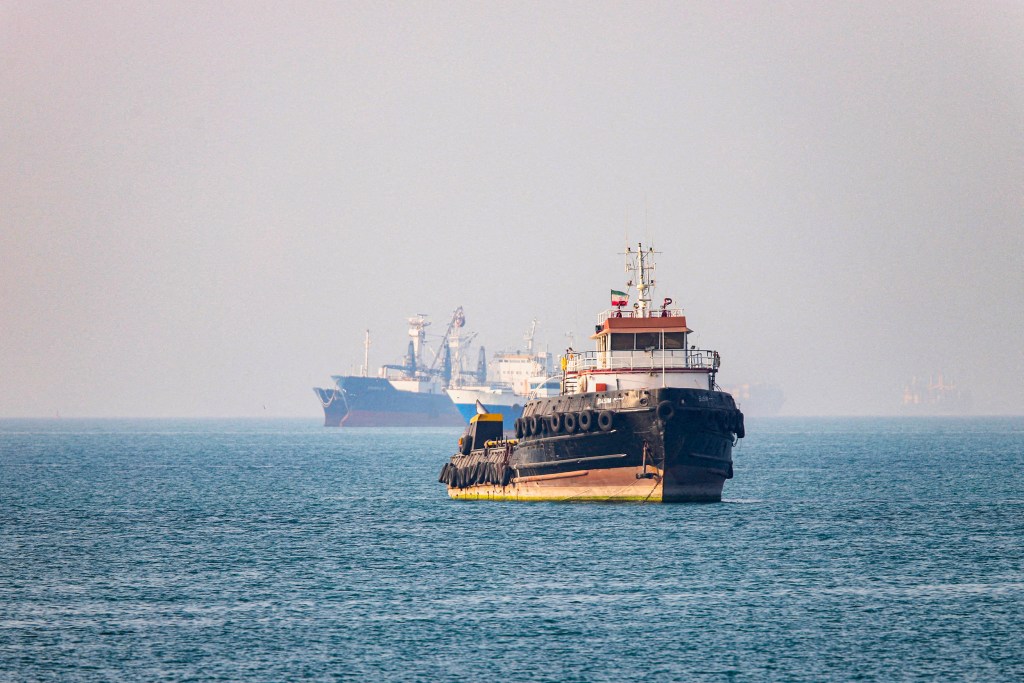
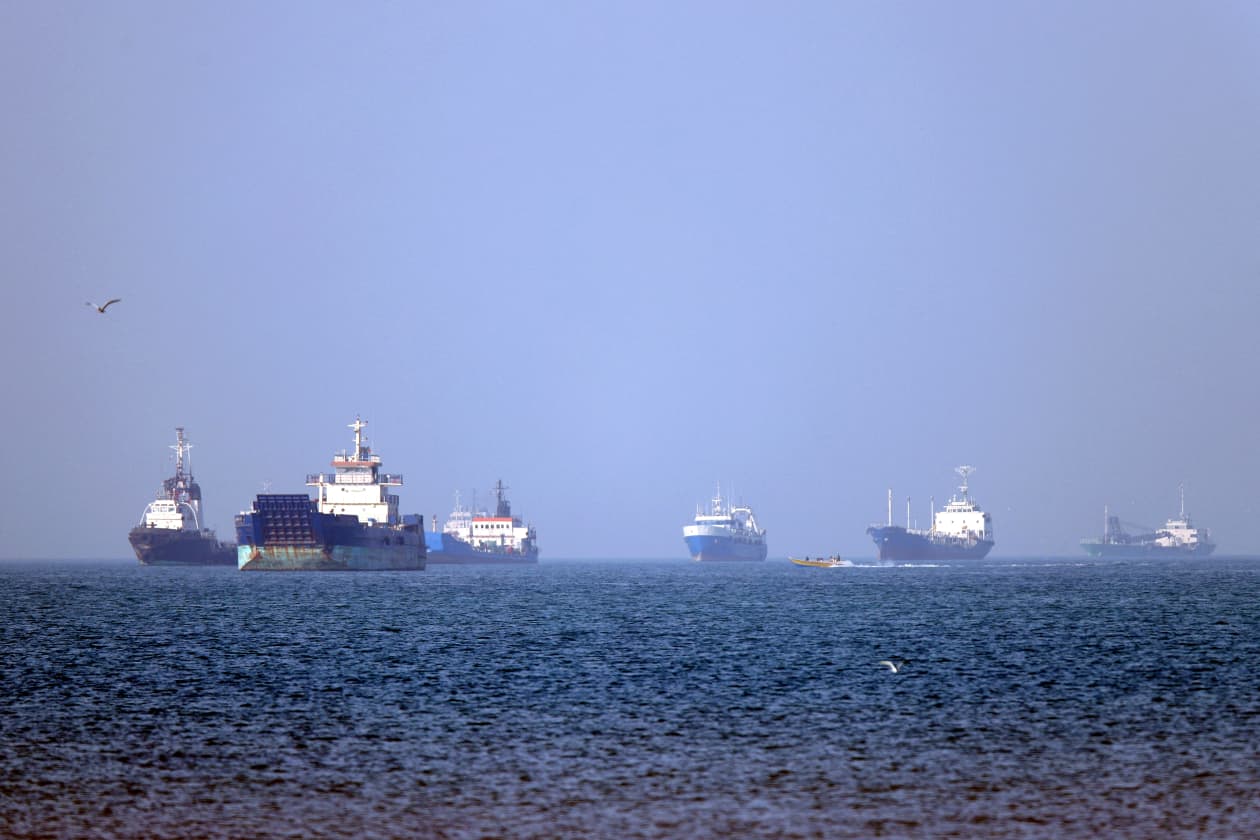
The geopolitical breakthrough in US-Iran negotiations over the Strait of Hormuz represents a critical inflection point for cross-border e-commerce logistics costs. The proposed memorandum of understanding (MOU) announced May 6, 2026, includes provisions to lift restrictions on Strait transit during a 30-day negotiation period, directly addressing the energy price spike that has devastated seller margins. Brent crude fell 1.7% to $108/barrel and US gasoline surpassed $4.50/gallon (highest since July 2022) due to Project Freedom naval operations and Iranian port blockades. The Strait of Hormuz handles approximately 21% of global petroleum trade and one-fifth of global oil/gas shipments, making regional stability critical for shipping economics.
For cross-border sellers, this negotiation window creates immediate cost-benefit opportunities. Small and medium-sized sellers (SMBs) with thin 8-12% margins face the most acute pressure from elevated fuel surcharges on air freight and expedited delivery services. Sellers relying on just-in-time inventory from Asia have absorbed 15-25% logistics cost increases over the past 8 weeks due to Hormuz uncertainty and container shipping delays. The proposed 30-day MOU period (May 6-June 5, 2026) creates a critical decision window: sellers must decide whether to lock in current inventory positions or wait for potential fuel cost reductions post-agreement. Large enterprises with diversified 3PL networks can absorb price increases through retail price adjustments, but SMBs cannot without losing Buy Box eligibility on Amazon or competitive positioning on eBay.
The strategic opportunity lies in tariff arbitrage and sourcing country shifts. If Hormuz restrictions lift as proposed, shipping costs from Vietnam and India (alternative sourcing destinations to China) become economically viable for categories previously locked into Chinese sourcing due to logistics costs. Electronics (HS 8471-8517), apparel (HS 6204-6209), and home goods (HS 9401-9406) categories see 12-18% cost advantages when sourcing from Vietnam versus China, but only if Hormuz transit normalizes. The 30-day negotiation window is insufficient for supply chain restructuring, but sellers should begin evaluating Vietnam/India sourcing for Q3-Q4 2026 inventory if the MOU progresses to comprehensive agreement. Conversely, if negotiations collapse and military operations resume, fuel costs could exceed $115/barrel (briefly reached May 5), pushing logistics surcharges to 20-30% above baseline—making Chinese sourcing the only viable option despite tariff disadvantages.
Compliance and risk mitigation require immediate action. The MOU's contingency clause allows "renewed military action if talks collapse," creating binary outcome scenarios. Sellers should monitor the 48-hour Iranian response window (May 6-8) and the 30-day negotiation period (May 6-June 5) as critical decision checkpoints. If agreement stalls, sellers need 10-14 days to adjust inventory orders before Q2 peak season ends. Shipping insurance premiums, currently elevated 25-40% above pre-conflict levels, will decline 8-12% if Hormuz restrictions lift—creating a 2-3 week window for sellers to lock in lower insurance rates before market repricing. The US blockade of Iranian ports continues regardless of MOU progress, limiting direct Iran-market opportunities but stabilizing regional shipping corridors for Asia-to-US/EU routes.
Questions 7
What are the compliance risks if Hormuz negotiations collapse and military operations resume?
If negotiations collapse, the MOU includes provisions allowing 'renewed military action,' which could trigger shipping route closures, cargo vessel strikes (as occurred May 5), and insurance claim complications. Sellers should maintain 15-20% inventory buffer above normal safety stock levels through June 5 to mitigate supply chain disruption risk. Additionally, sellers should review shipping insurance policies to ensure coverage for 'acts of war' or 'political risk' exclusions, which may not cover Hormuz-related incidents. If military operations resume, expect 3-5 week shipping delays and 20-30% fuel surcharge increases. Sellers should document all inventory positions and insurance coverage by May 15 to establish baseline for potential claims if conflict resumes.
How should SMBs with thin margins prioritize logistics strategy during Hormuz uncertainty?
SMBs operating on 8-12% margins should prioritize cost certainty over cost optimization during the 30-day MOU window. This means: (1) locking in current shipping rates with 3PL providers through June 30 to avoid mid-month surcharge increases; (2) reducing air freight usage by 30-40% and shifting to ocean freight with 2-3 week lead times; (3) increasing safety stock by 10-15% to buffer against Hormuz-related delays; (4) raising retail prices 3-5% on Amazon/eBay to protect margins if fuel costs remain elevated. Large enterprises can absorb cost volatility through price increases, but SMBs cannot without losing competitiveness. By June 5, if MOU progresses to comprehensive agreement, SMBs can reduce prices 2-3% to recapture market share from larger competitors who absorbed costs.