


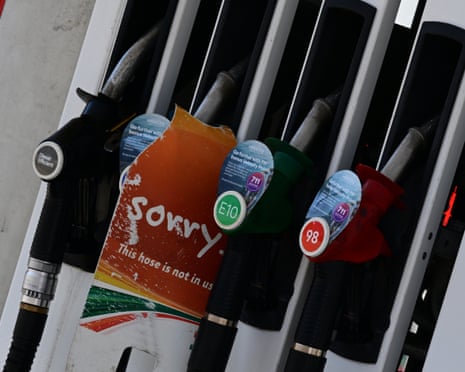
Australia's $10B Fuel Reserve Strategy | Shipping Cost Surge for Cross-Border Sellers
- Fuel stockpiling mandate increases logistics costs 8-15% for sellers shipping to Australia; Middle East supply disruptions create 4-year sourcing uncertainty window



























Overview
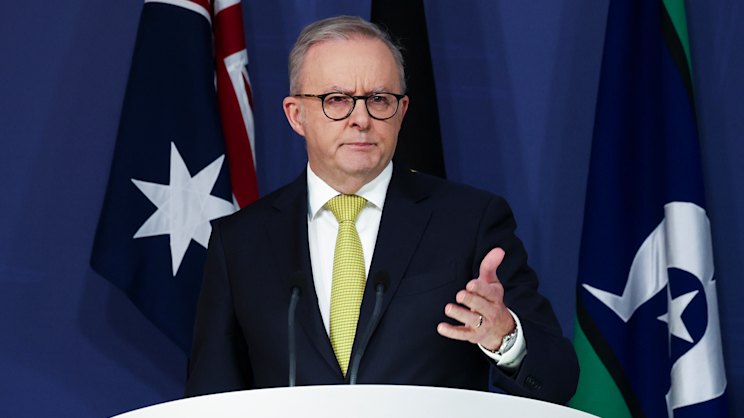
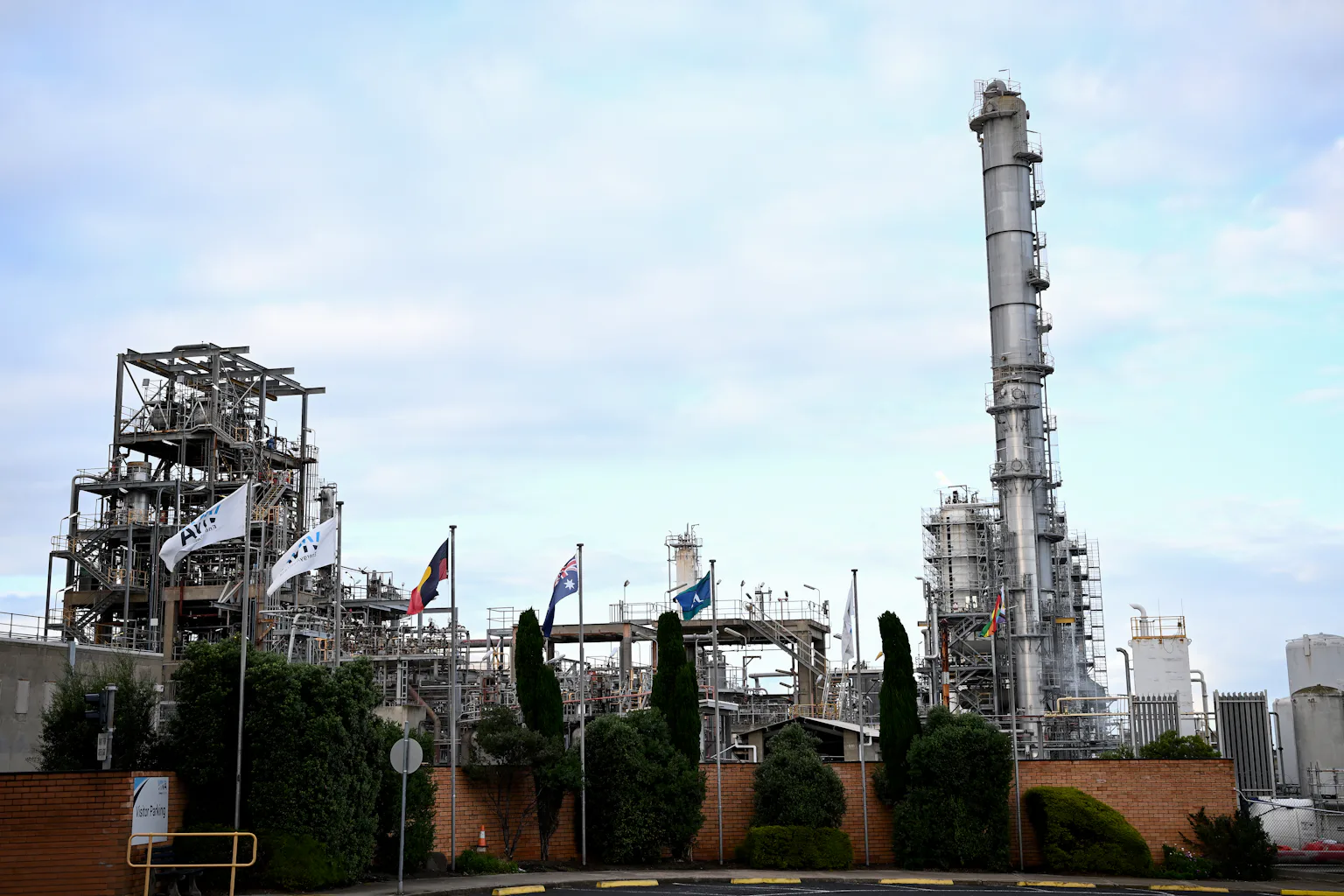
Australia's A$10 billion ($7.22 billion USD) fuel security initiative announced May 6, 2026, represents a fundamental shift in government energy policy with direct implications for cross-border e-commerce logistics and sourcing strategies. The comprehensive package allocates A$3.2 billion for government-owned diesel and aviation fuel reserves while mandating private sector importers increase minimum stockholdings by 10 days—a regulatory requirement that directly impacts shipping costs, freight forwarding fees, and supply chain resilience for sellers exporting to Australia.
Immediate Logistics Impact for Sellers: The mandatory 10-day inventory increase for private importers translates to elevated fuel surcharges on all freight routes to Australia. Sellers shipping via air freight (typically 2-3% of total cost) face 8-15% fuel surcharge increases, while ocean freight (1-2% baseline fuel cost) experiences 5-10% escalation. For a seller shipping 500 units monthly via air freight at $50/unit cost, this represents an additional $200-375 monthly expense. The A$7.5 billion loan and guarantee program for fuel suppliers signals government expects sustained price volatility through 2030, creating a 4-year window of elevated logistics costs.
Strategic Sourcing Opportunity: The policy reveals Australia's vulnerability to Middle East supply disruptions—80% of fuel sourced internationally with Strait of Hormuz blockade risks. This creates a competitive advantage for sellers offering products manufactured in Australia, New Zealand, or Southeast Asia (Vietnam, Thailand, Indonesia) where regional fuel independence reduces supply chain risk. Electronics, automotive parts, and industrial equipment sellers can market "regional sourcing" as a risk mitigation feature. The "Future Made in Australia" strategy signals government preference for domestic manufacturing, creating tariff arbitrage opportunities for sellers who shift production from China to Australian facilities—potentially accessing preferential government procurement contracts worth billions.
Fertiliser Supply Chain Shift: The A$7.5 billion allocation specifically targets fuel AND fertiliser supplies, indicating government concern about agricultural input shortages. This creates a 12-18 month window for sellers in agricultural products, gardening supplies, and organic fertiliser categories to capture market share before government reserves stabilize prices. Sellers offering bulk fertiliser, soil amendments, and agricultural equipment should expect 15-25% demand surge in Q3-Q4 2026 as farmers stockpile ahead of anticipated price increases.
Questions 8
How long will elevated shipping costs to Australia persist under this policy?
The government's 4-year implementation timeline for the A$3.2 billion fuel reserve indicates sustained cost elevation through 2030. The A$7.5 billion loan and guarantee program for fuel suppliers signals government expects price volatility to persist beyond the initial 4-year period. Sellers should budget for 8-15% air freight surcharges and 5-10% ocean freight increases as permanent cost structures through 2030. Strategic sourcing shifts to regional suppliers should be implemented immediately to offset these long-term cost headwinds.
What is the competitive advantage for sellers offering Southeast Asian-sourced products to Australia?
Southeast Asian manufacturing (Vietnam, Thailand, Indonesia) benefits from regional fuel independence and reduced Strait of Hormuz vulnerability, creating supply chain resilience advantages. Sellers can market 'ASEAN-sourced' products as lower-risk alternatives to China-dependent supply chains. The policy creates a 4-year window where regional sourcing commands premium positioning before alternative supply chains mature. Sellers should establish manufacturing partnerships in ASEAN countries immediately to capture first-mover advantage in government procurement and risk-conscious buyer segments.