


Air Freight Costs Surge 40-80% | Sellers Face Critical Logistics Crisis Through 2025
- Jet fuel prices doubled to €1,500/tonne; 9.3M airline seats cut globally; European air cargo capacity constrained through Q3 2025

















Overview
The Middle East geopolitical crisis has triggered a severe air freight logistics crisis affecting cross-border e-commerce sellers globally. Jet fuel prices have surged over 80% since late February 2025 following military escalations involving the US, Israel, and Iran, with the Strait of Hormuz effectively closed for nearly 10 weeks. The European Commission warns that if the strait remains blocked beyond May 2026, critical jet fuel stockpiles across Europe will be depleted. This energy disruption has cascading effects on air freight capacity, costs, and delivery timelines—directly impacting sellers shipping time-sensitive products to European and Asian markets.
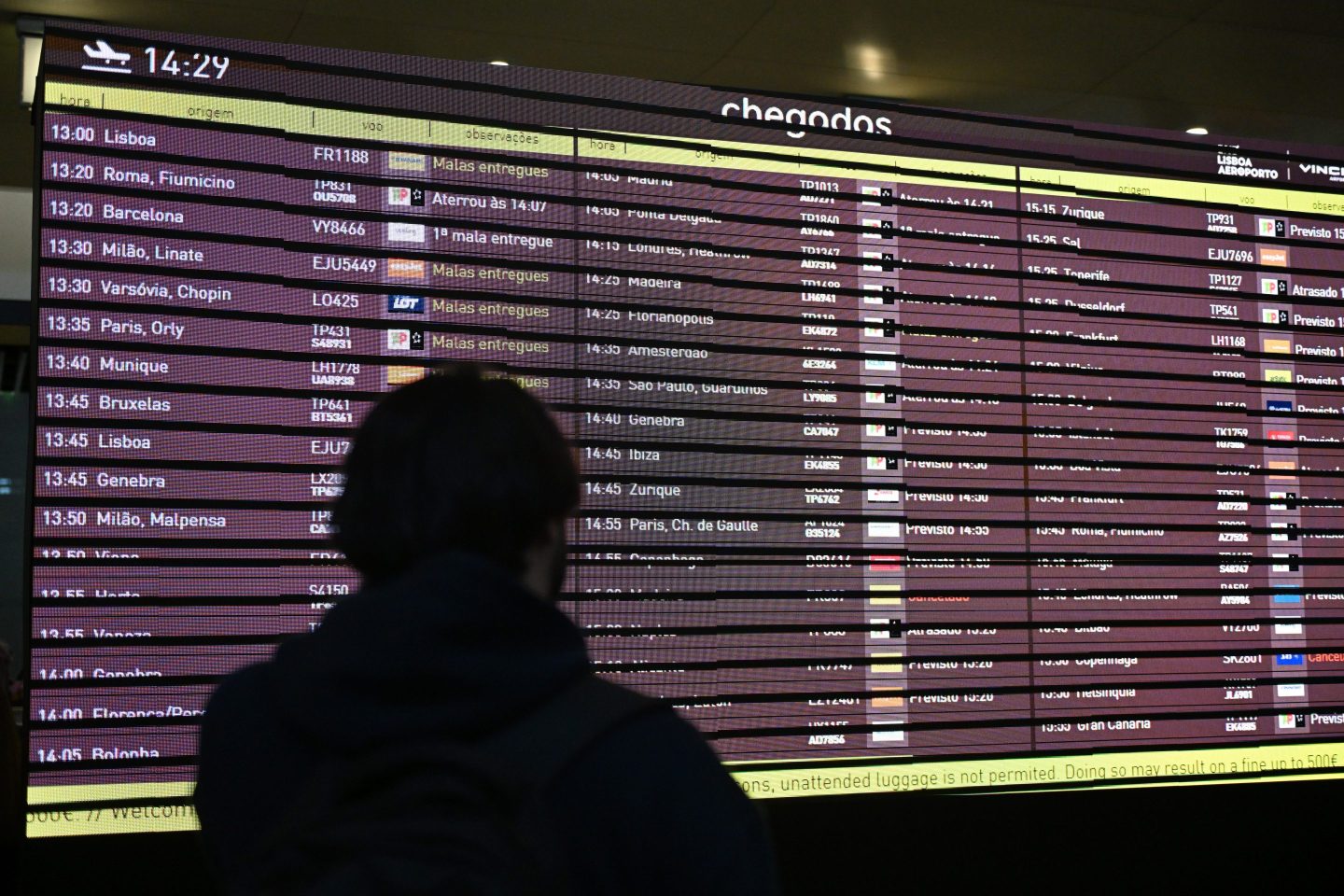
Air freight capacity constraints are creating immediate cost pressures across all seller segments. Airlines have collectively cut 9.3 million seats scheduled for June-September 2025, with Middle Eastern carriers experiencing the most severe reductions: Qatar Airways cut 2 million seats, Emirates 700,000, and Etihad 450,000. These capacity cuts directly translate to reduced air cargo capacity, as commercial aircraft cargo holds are sized proportionally to passenger seating. Jet fuel prices doubled from €800 to €1,500 per tonne within weeks, increasing airline operating costs from 25% to nearly 50% of total expenses. For sellers relying on air freight, this means fuel surcharges of 40-80% above baseline rates—a €0.80-1.20/kg increase for typical European routes. An estimated 500+ flights from low-cost carriers alone will be canceled before summer across French airports (which handle 25,000-30,000 low-cost departures monthly), further constraining cargo capacity.
Sellers must immediately reassess logistics strategies across product categories and destination markets. Time-sensitive categories most vulnerable to air freight disruptions include: electronics (high-value, low-weight), perishable goods (food, cosmetics, pharmaceuticals), and seasonal inventory (fashion, holiday merchandise). European-Asian routes have experienced the steepest increases—some routes rising fivefold according to aviation consultant Hans Jorgen Elnaes. Sellers shipping to Europe face the most acute constraints due to the European Commission's warning about declining jet fuel stockpiles. However, industry experts warn of prolonged impacts even if the Strait of Hormuz reopens immediately, as structural damage to energy infrastructure will affect global airlines for months. Critically, airlines have demonstrated strong pricing power—even when fuel costs normalize, carriers are unlikely to reduce fares to pre-war levels, having identified elevated consumer willingness to pay. This suggests air freight cost increases will persist structurally beyond the immediate geopolitical crisis.
Questions 8
How much will air freight costs increase for sellers shipping to Europe in 2025?
Air freight costs are increasing 40-80% above baseline rates due to jet fuel prices doubling from €800 to €1,500 per tonne. For typical European routes, this translates to fuel surcharges of €0.80-1.20 per kilogram. Airlines have increased operating costs from 25% to nearly 50% of total expenses, and these increases are being passed directly to shippers through fuel surcharges. Even if the Strait of Hormuz reopens, structural damage to energy infrastructure means these elevated costs will persist for months. Sellers should budget for sustained high air freight costs through at least Q3 2025.
What alternative fulfillment models should sellers consider during this logistics crisis?
Consider three alternatives: (1) Dropshipping from regional suppliers in Europe/Asia to reduce inventory holding and air freight needs; (2) Print-on-Demand (POD) for low-volume, high-margin products (apparel, home décor) to eliminate inventory risk; (3) FBA with pre-positioned inventory in European warehouses rather than FBM with air freight. Calculate total landed cost including warehouse storage ($0.50-1.00/unit/month), ocean freight ($0.08-0.15/kg), and ground delivery versus air freight surcharges. For most sellers, shifting 40-60% of volume to ocean freight + regional warehousing reduces total logistics costs by 25-35% despite higher storage costs.