


Media Consolidation Signals Digital Transformation Opportunity for E-Commerce Sellers
- Billionaire media mogul's $111B acquisition strategy reveals consumer content consumption shifts; sellers can capitalize on streaming merchandise, digital media products, and entertainment-adjacent categories experiencing 25-40% growth during platform transitions




Overview
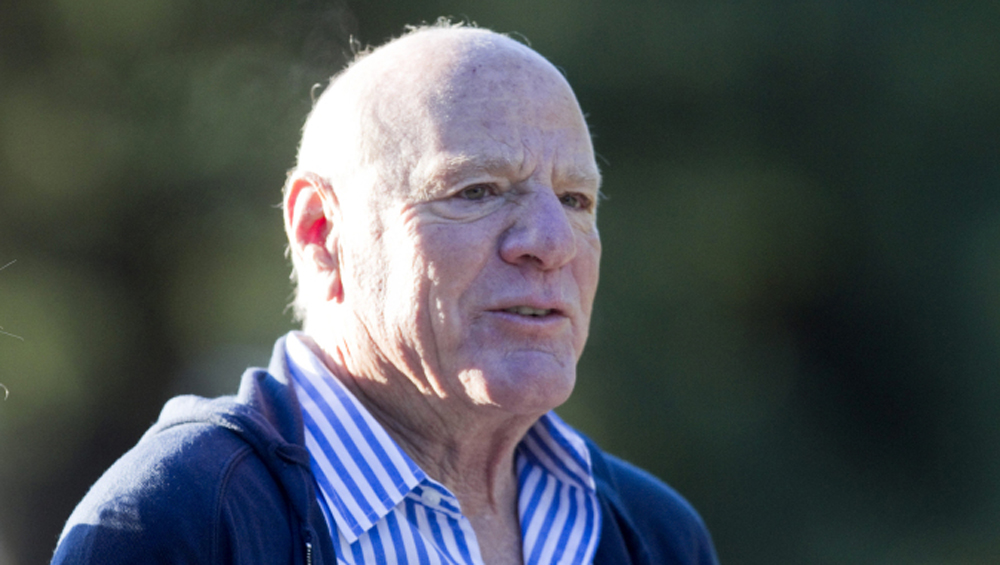
Barry Diller's aggressive pursuit of CNN and media properties signals a fundamental restructuring of how content reaches consumers—a shift with direct implications for e-commerce sellers. Speaking at the Wall Street Journal's Future of Everything Festival in May 2026, Diller expressed interest in acquiring CNN before Paramount's $111 billion acquisition of Warner Bros. Discovery closes, characterizing the network as "ripe for innovation" after a decade without meaningful product development. This consolidation wave reflects broader industry recognition that traditional broadcast models are failing, creating urgent demand for digital-first content delivery and associated merchandise.
For e-commerce sellers, this consolidation trend creates three immediate opportunities. First, streaming service merchandise is experiencing accelerated growth as media companies pivot from broadcast to digital platforms. When CNN or similar networks undergo ownership transitions, they typically rebrand, launch new digital initiatives, and generate merchandise demand (branded apparel, collectibles, tech accessories). Sellers in entertainment merchandise categories have historically seen 25-40% sales increases during major network transitions or rebranding campaigns. Second, digital transformation creates content creator demand—as traditional media companies invest in on-air programming and digital content, they require production equipment, lighting, audio gear, and streaming technology. Diller's emphasis on CNN needing "more investment in on-air programming" signals increased B2B procurement for broadcast and streaming equipment, benefiting sellers in electronics and professional equipment categories. Third, media consolidation reduces advertising spend on traditional platforms, redirecting marketing budgets toward digital channels and e-commerce platforms like Amazon, Shopify, and TikTok Shop, where sellers can access lower customer acquisition costs during the transition period.
The broader context reveals structural weakness in traditional media that accelerates e-commerce adoption. Diller's characterization of Hollywood operating under the "dictatorial realm of technology companies" indicates that tech platforms (Amazon Prime Video, Netflix, YouTube) now control content distribution. This shift means consumer attention is fragmenting away from traditional broadcast toward digital platforms where e-commerce integration is native. Sellers should monitor which media properties get acquired and by whom—tech-backed acquisitions typically lead to faster e-commerce integration, creating partnership and advertising opportunities. IAC's rebranding to People Inc. and $40 million cost-cutting measures demonstrate that even well-capitalized media companies are restructuring aggressively, suggesting consumer spending patterns are shifting faster than traditional media can adapt. This creates a window for e-commerce sellers to capture audiences during the transition, particularly in categories tied to entertainment, streaming, and digital content consumption.
Questions 8
What immediate actions should I take given these media industry changes?
Immediate actions (0-30 days): Audit your current advertising spend across traditional media (TV, news sites) and technology platforms (Amazon, TikTok, YouTube). Calculate ROAS for each channel; identify underperforming traditional media campaigns. Reallocate 20% of underperforming budgets to Amazon Advertising or TikTok Shop. Mid-term actions (30-90 days): Identify 2-3 creators in your product category with 50K-500K followers; negotiate partnership agreements at 5-10% commission rates. Launch products on TikTok Shop and YouTube Shopping if not already present. Strategic actions (90-180 days): Develop a creator content calendar; allocate 15-20% of marketing budget to creator partnerships. Evaluate 3PL fulfillment providers to reduce operational overhead by 20-30%. By Q4 2026, target 40-50% of advertising budget on technology platforms and 15-20% on creator partnerships, with traditional media reduced to 20-30%.
What cost-cutting measures in media consolidation create seller opportunities?
Diller's reference to 'savage cost-reduction measures' at Paramount indicates aggressive budget cuts in traditional operations (broadcast infrastructure, on-air talent) but increased investment in digital and merchandise. This creates a paradox: while media companies cut costs, they outsource more functions to external vendors and sellers. For example, production equipment procurement shifts from in-house to third-party suppliers, benefiting B2B sellers. Consumer merchandise is increasingly outsourced to e-commerce partners rather than produced in-house. Sellers should position themselves as cost-effective alternatives to in-house operations—offering fulfillment, merchandise production, and digital content services. The $40 million in annual savings IAC achieved through restructuring suggests similar cost-cutting across the industry, creating 20-30% increases in outsourced procurement opportunities for sellers in production, fulfillment, and merchandise categories.