



Strait of Hormuz Shipping Crisis | Critical Supply Chain Risk for Cross-Border Sellers
- Geopolitical tensions threaten 21% of global oil transit; sellers face 15-25% shipping cost increases and 2-4 week delivery delays to Middle East/Asia markets










)





















Overview
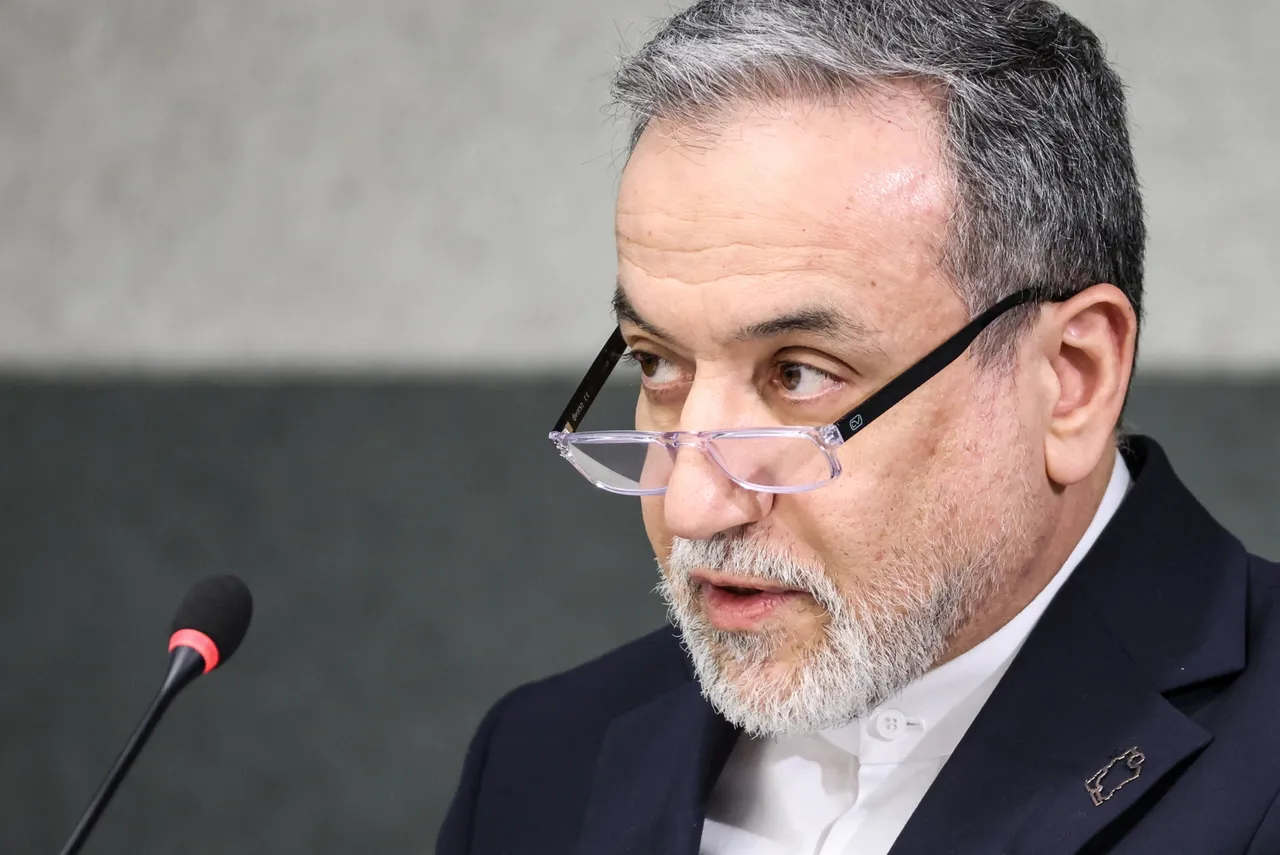
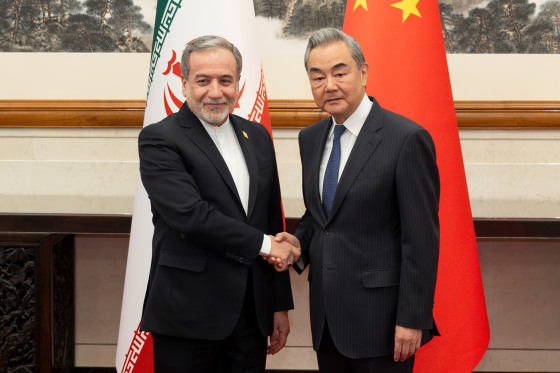
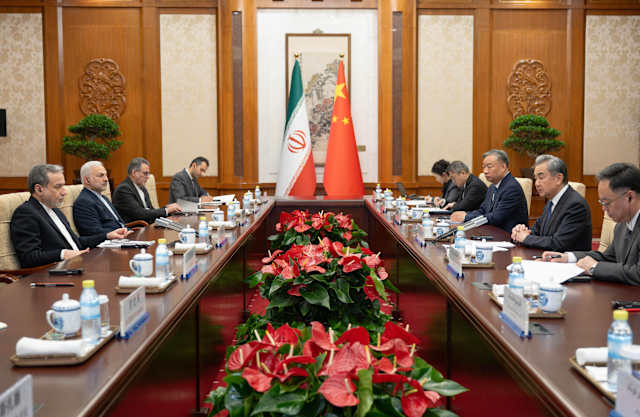
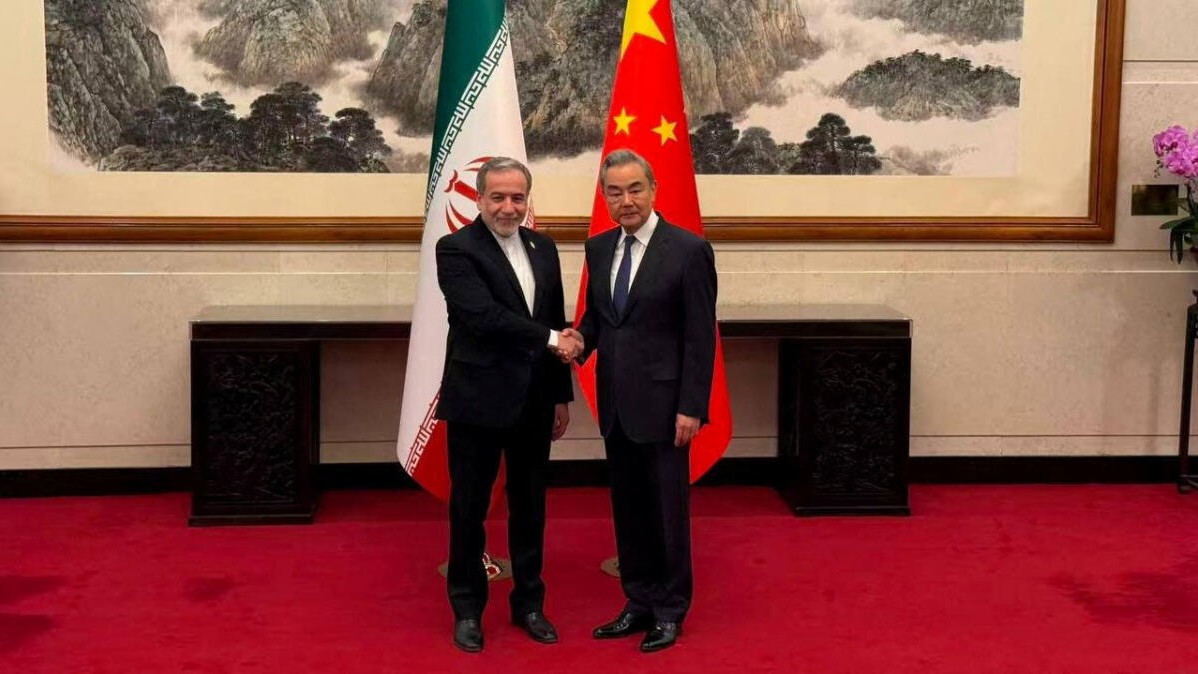
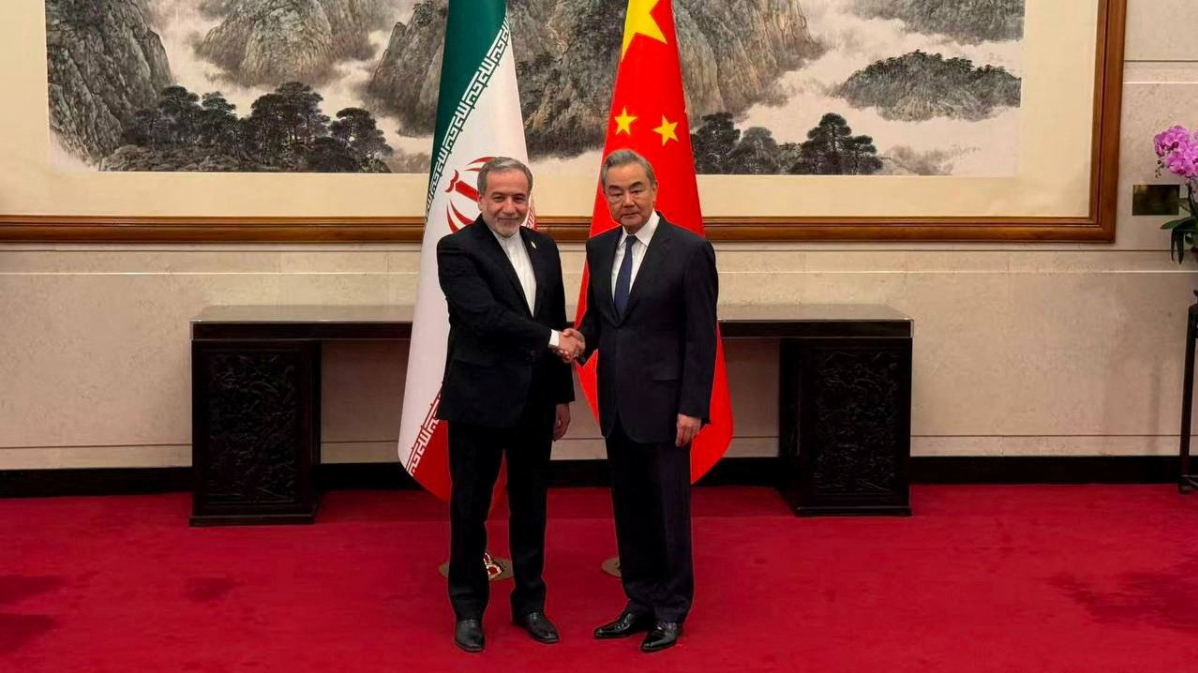
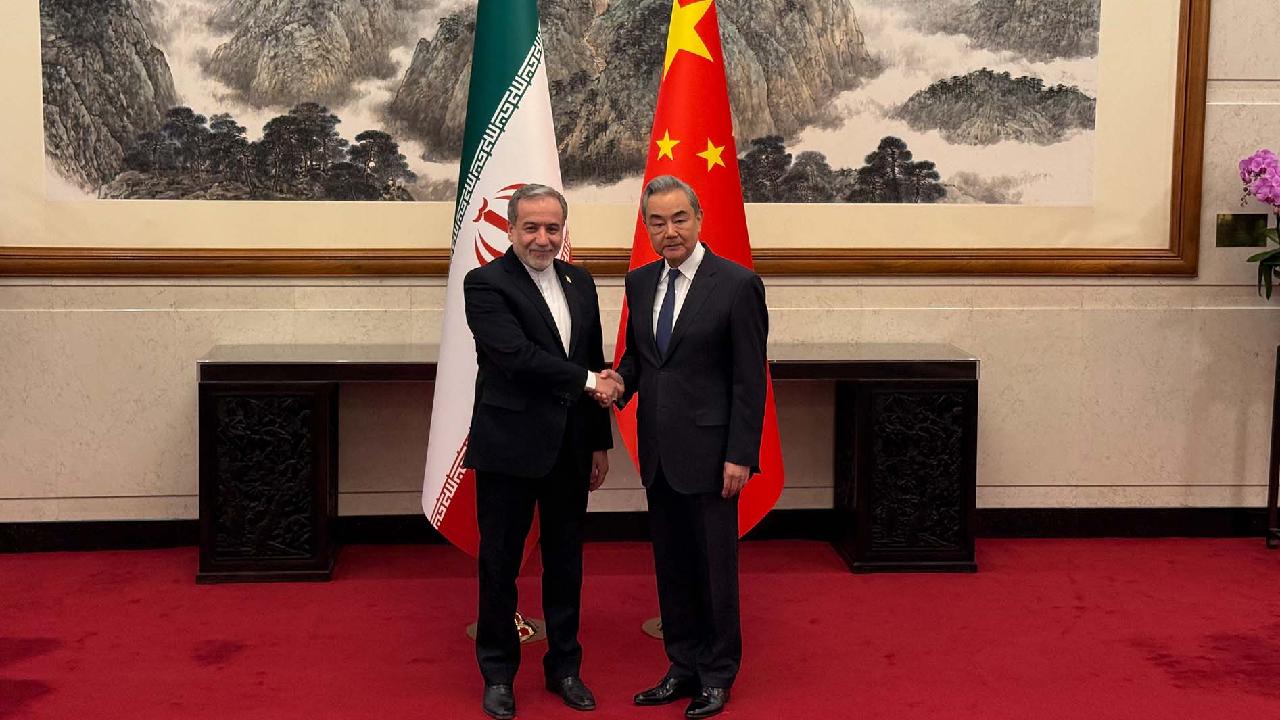
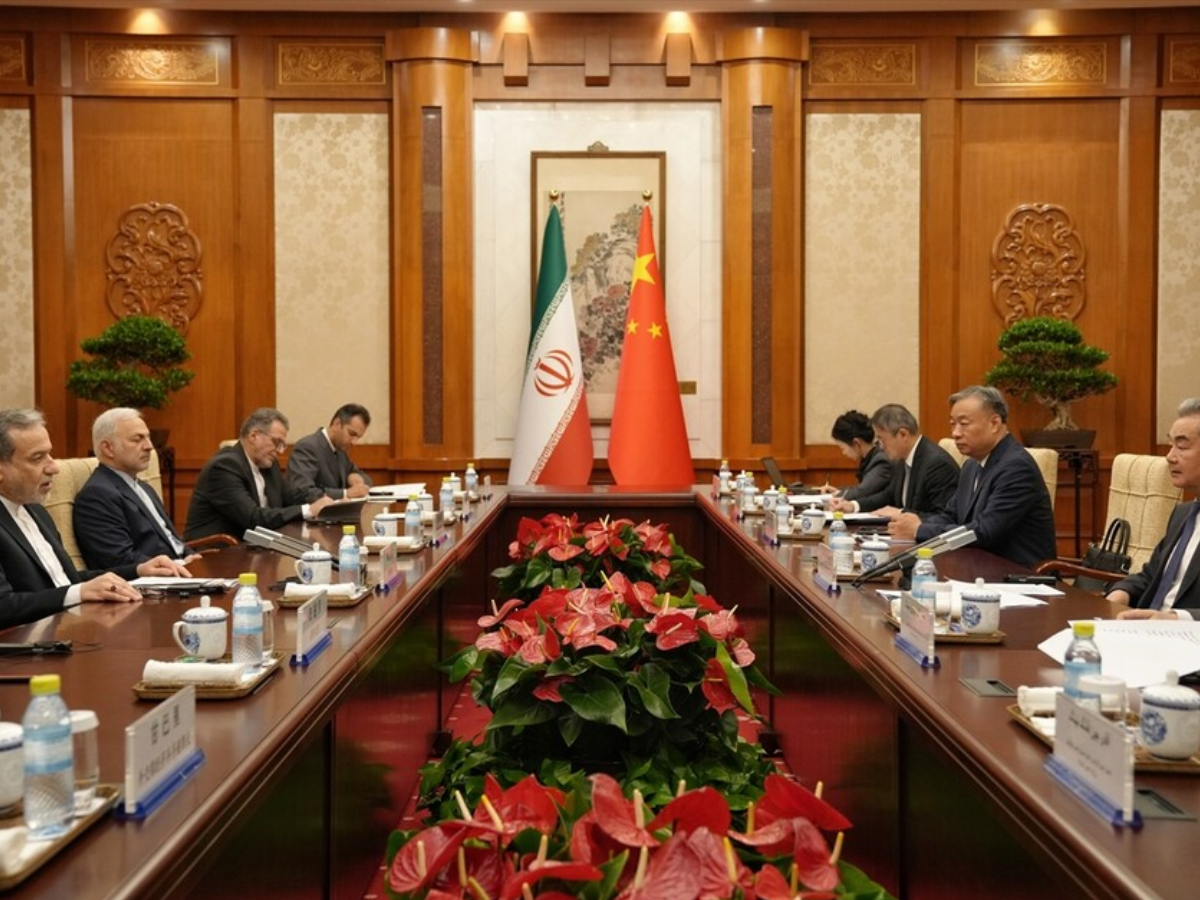
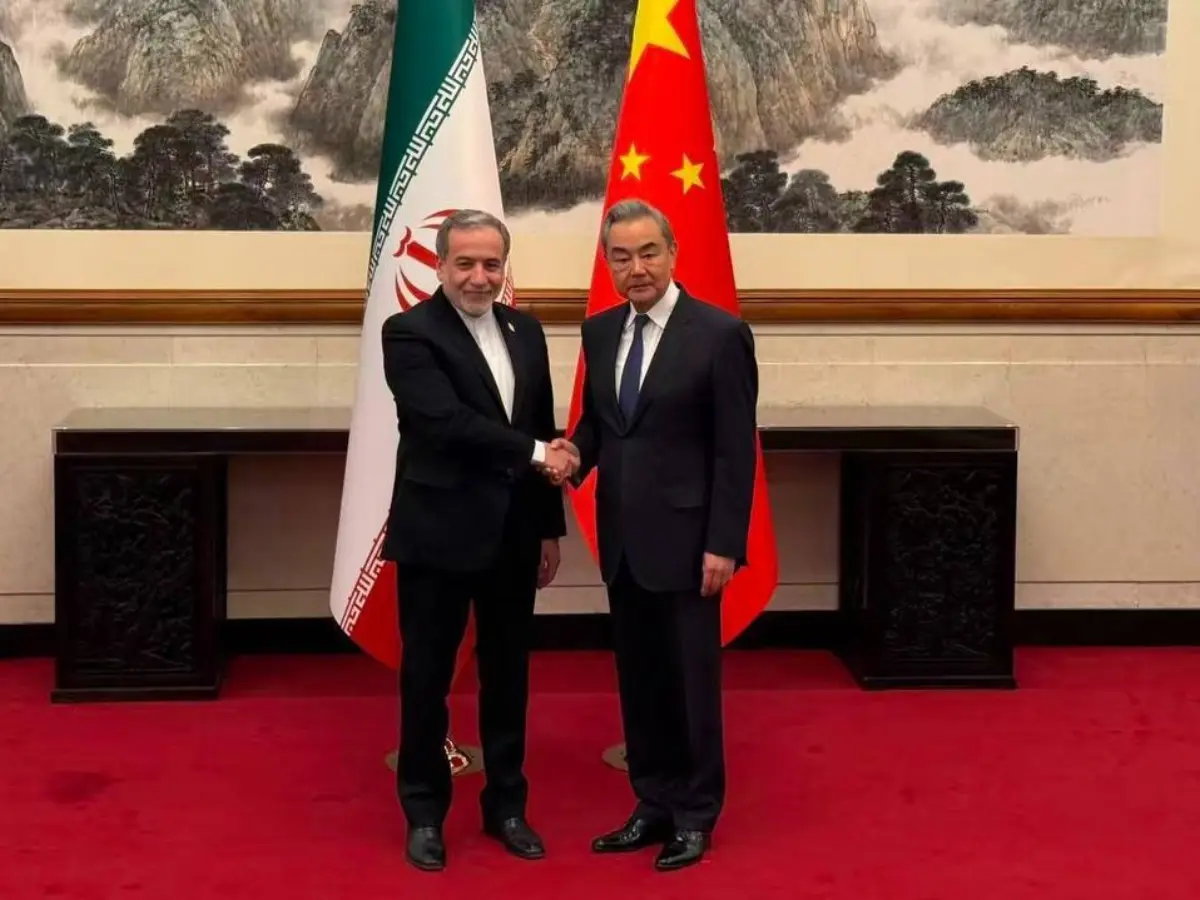
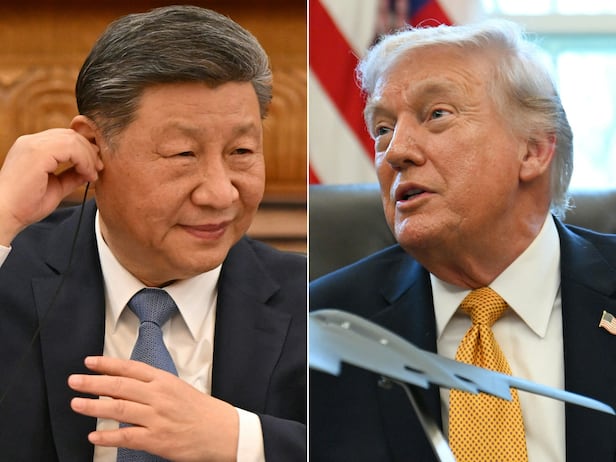
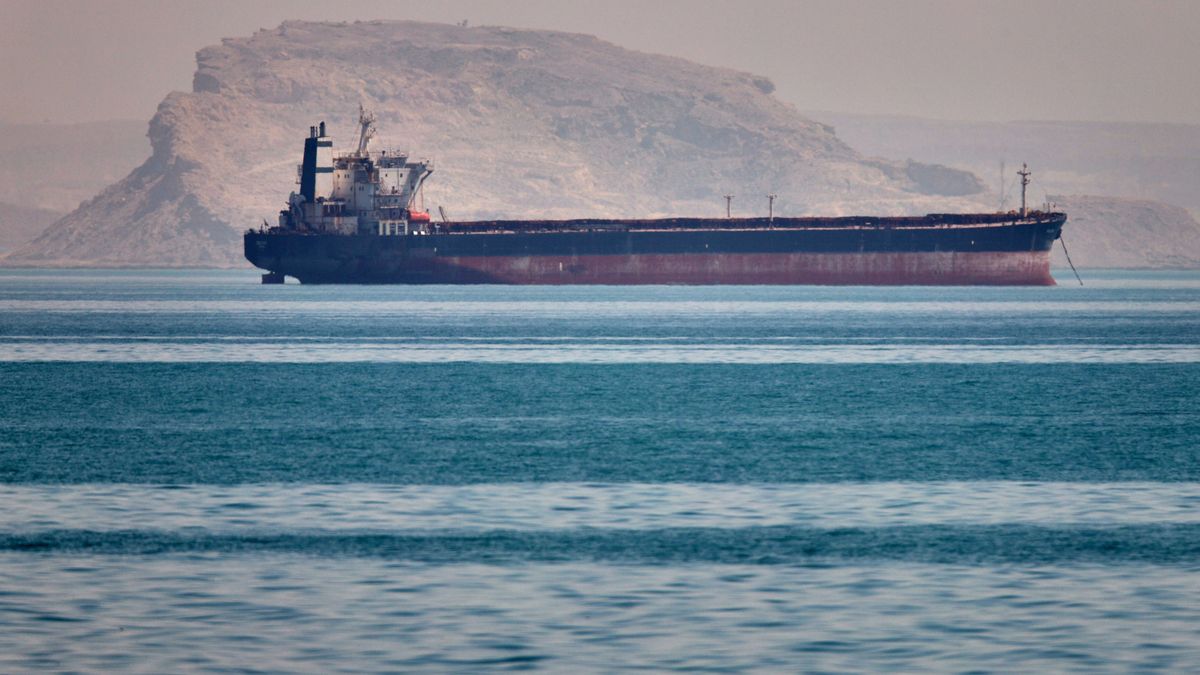
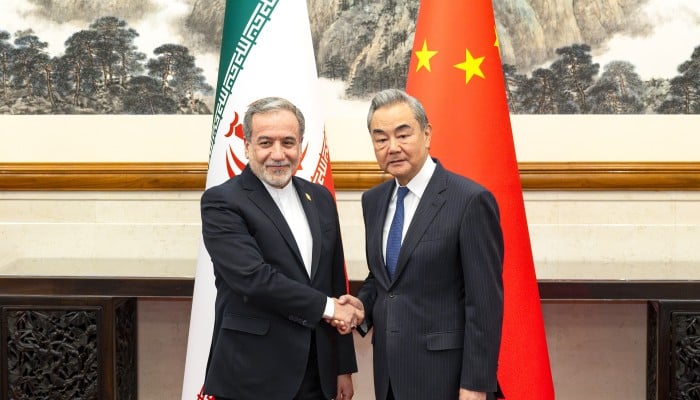
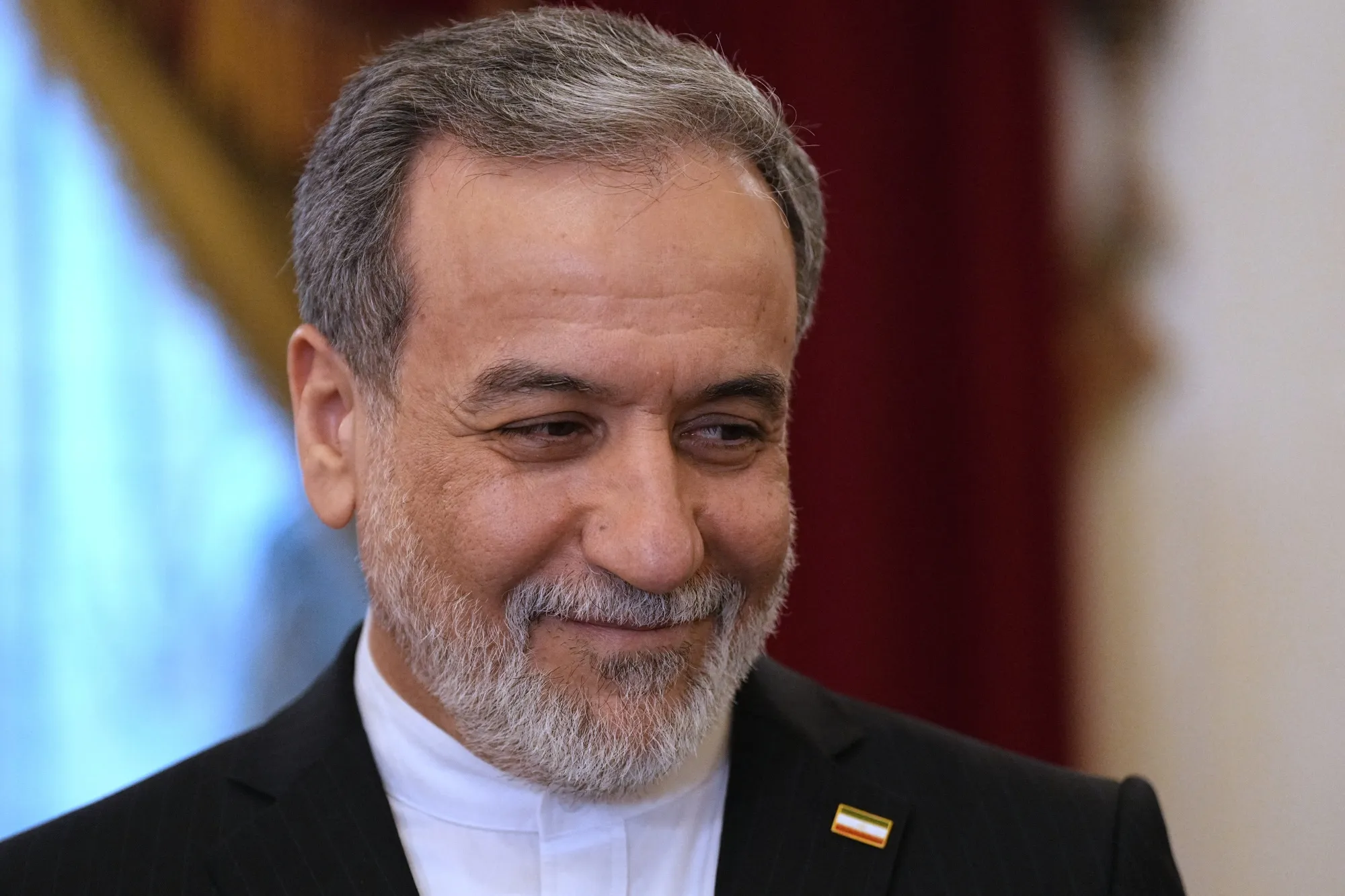
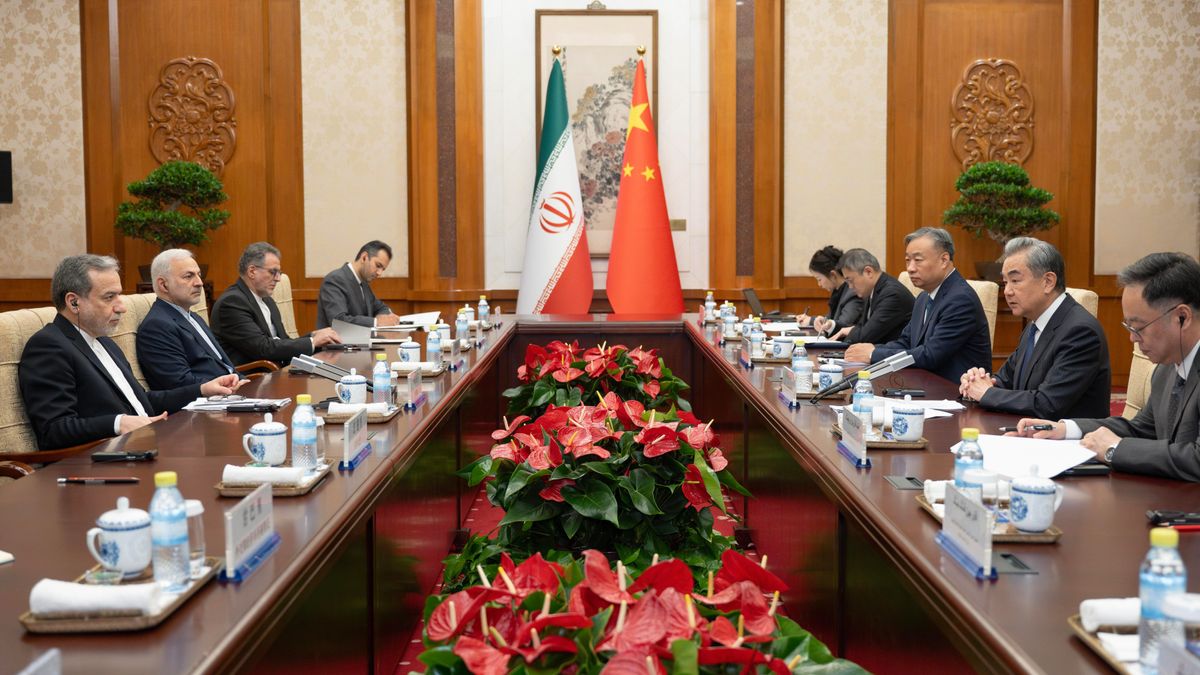
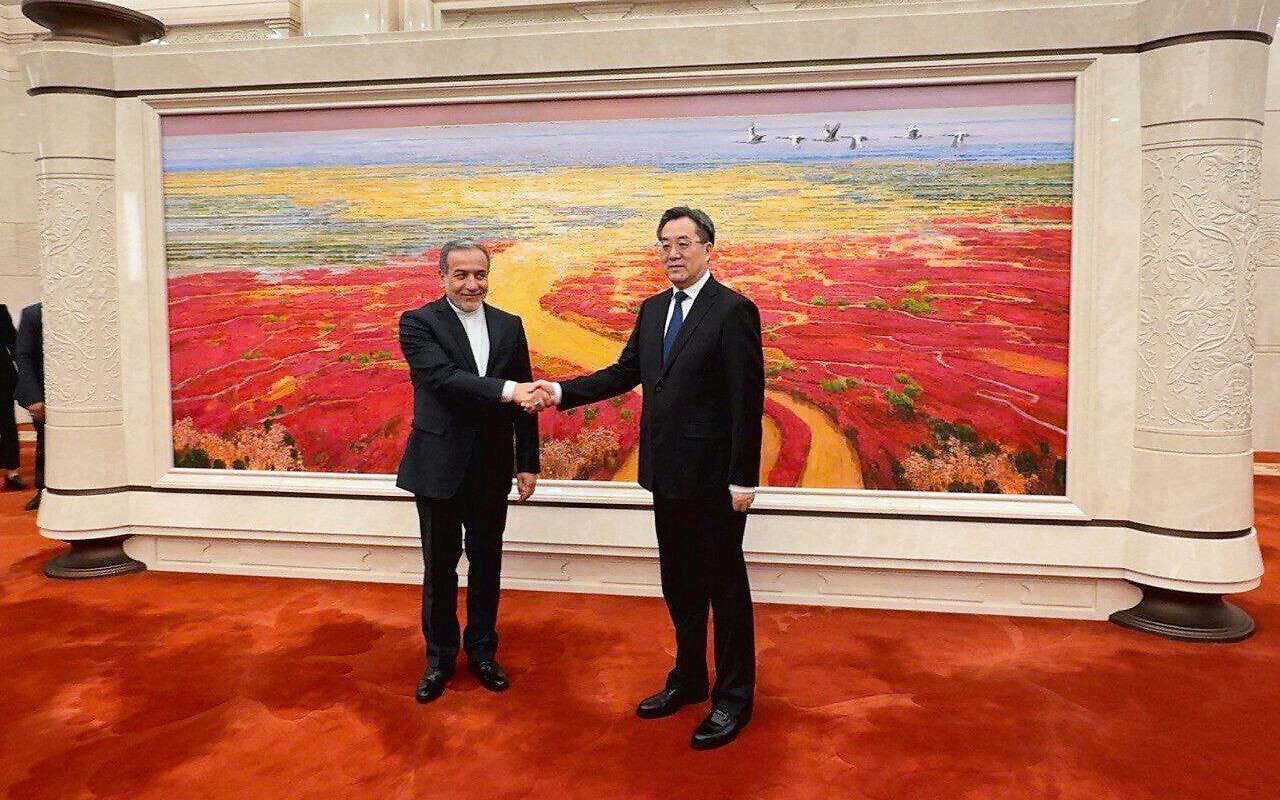
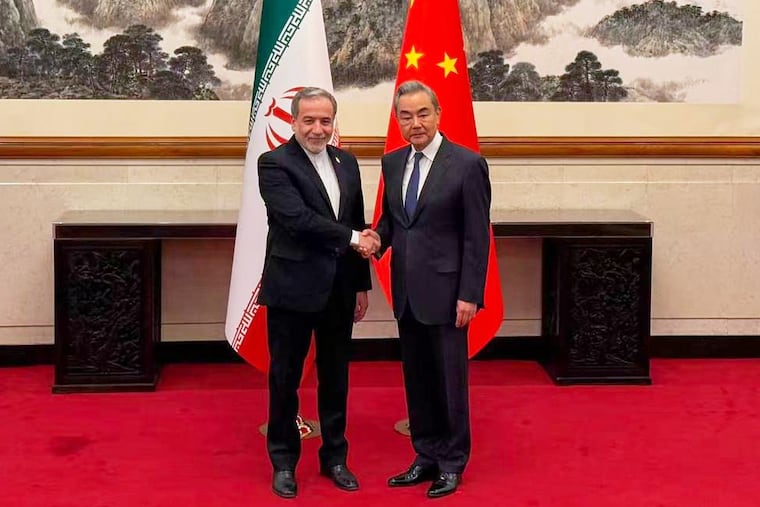
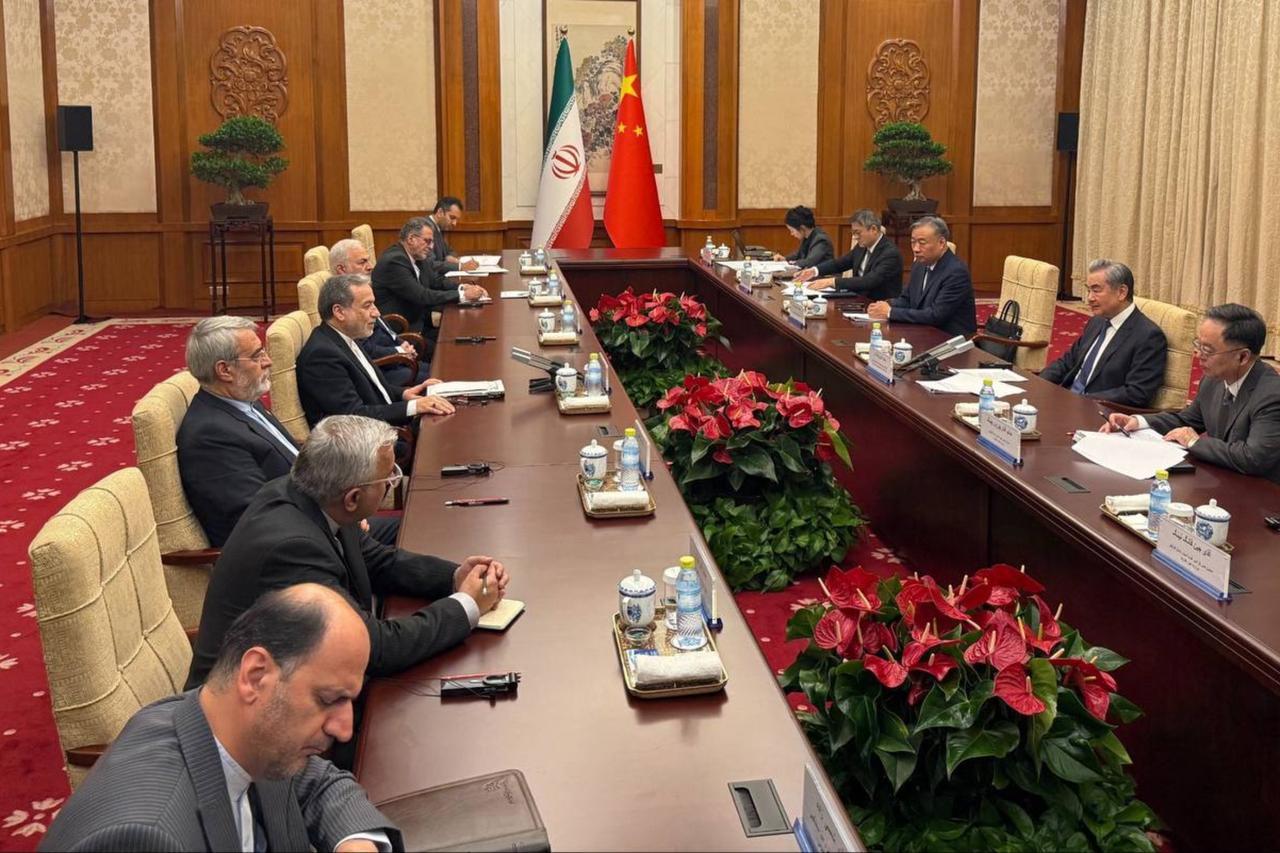
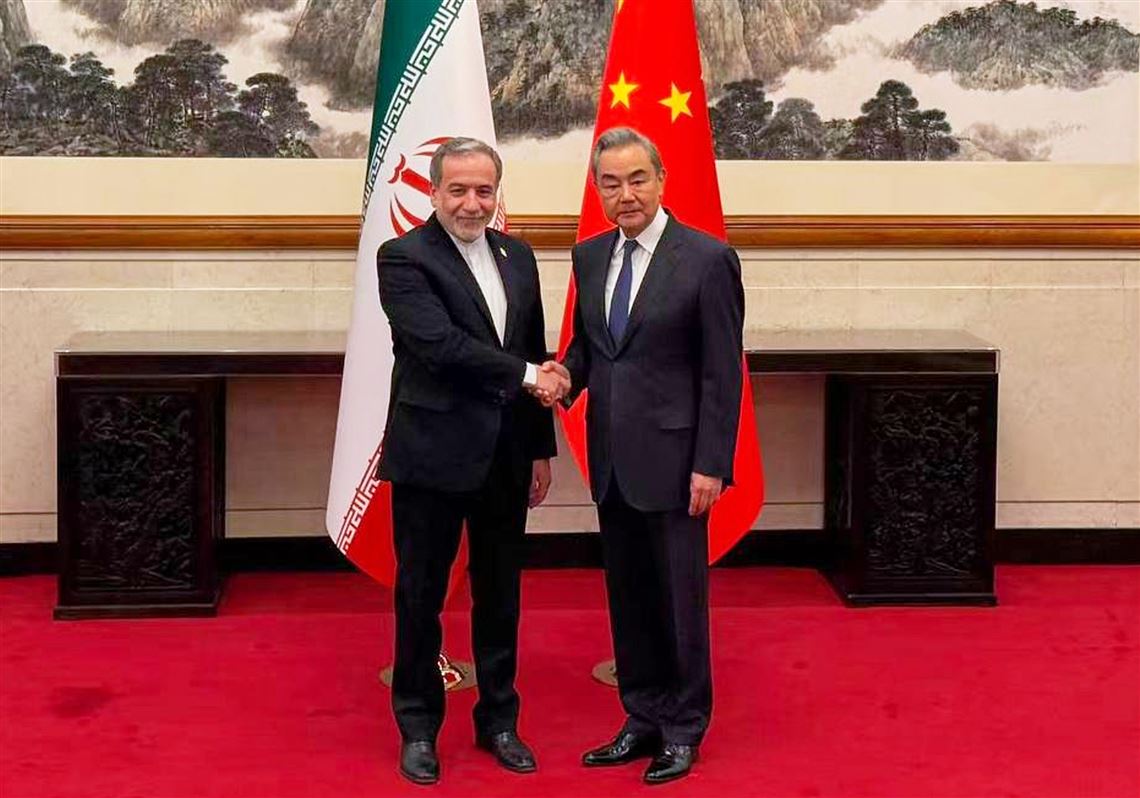
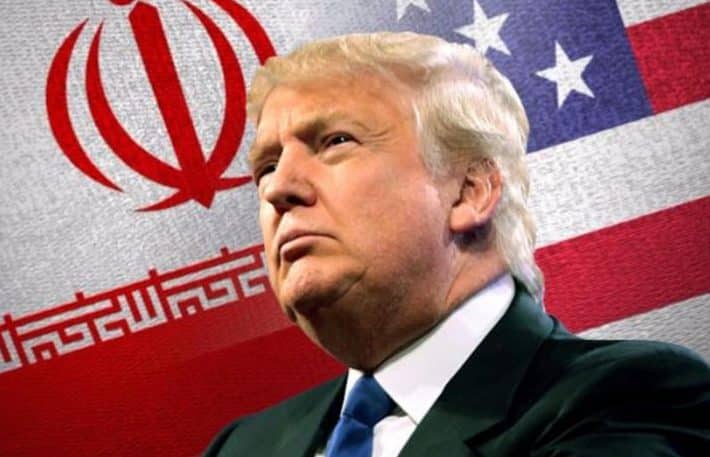
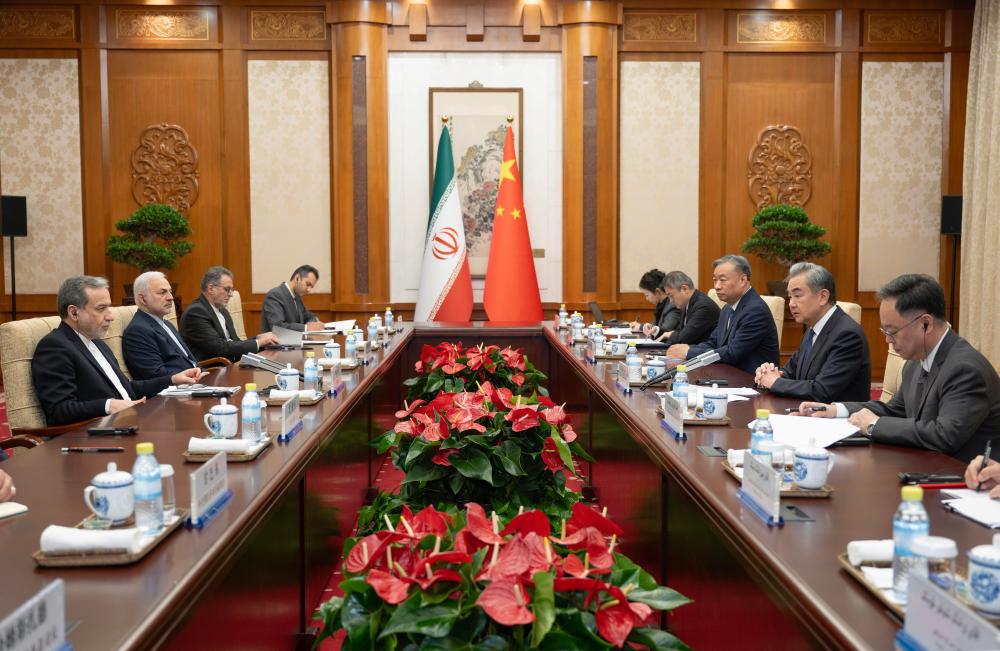
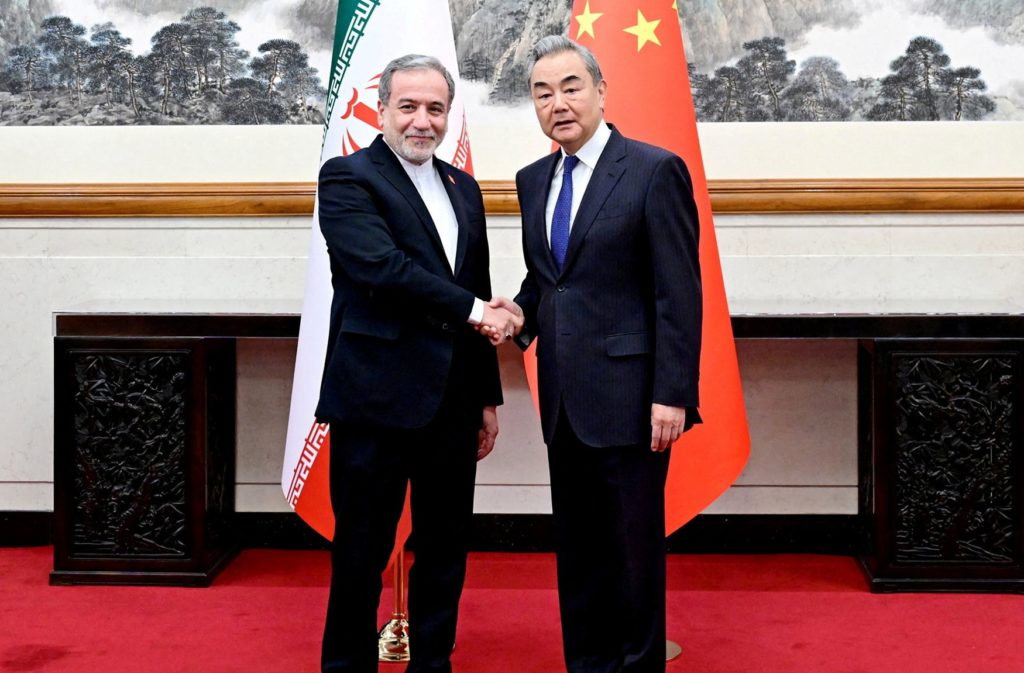
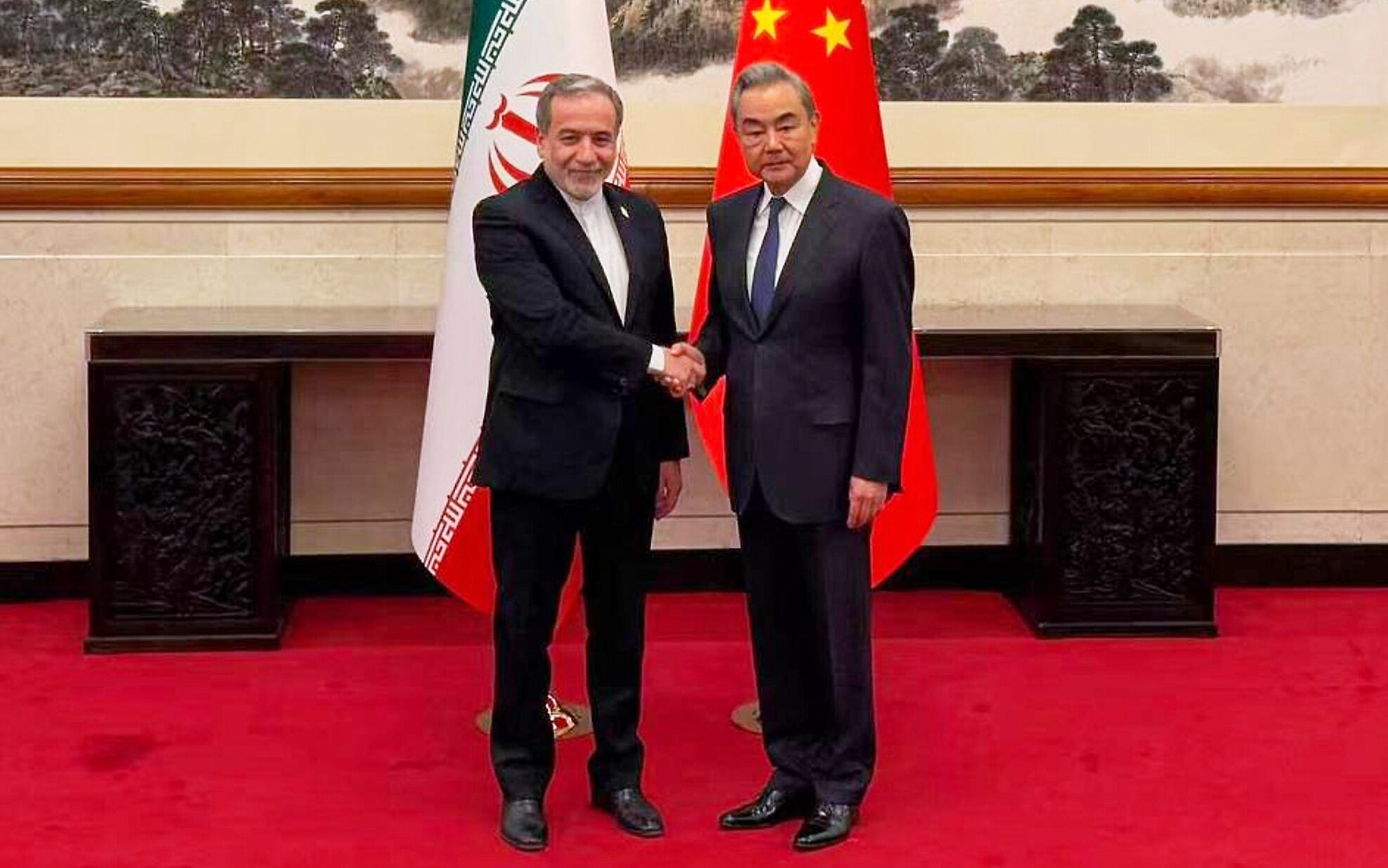
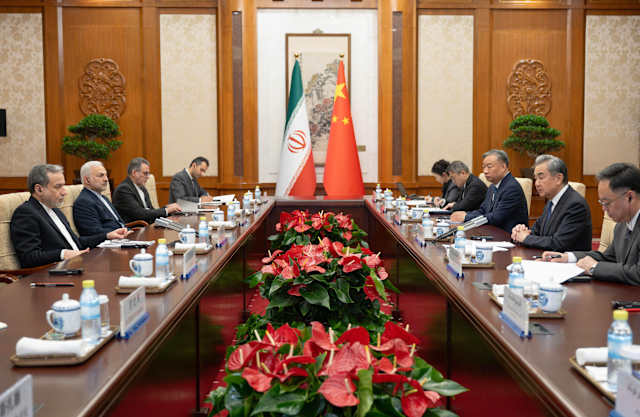
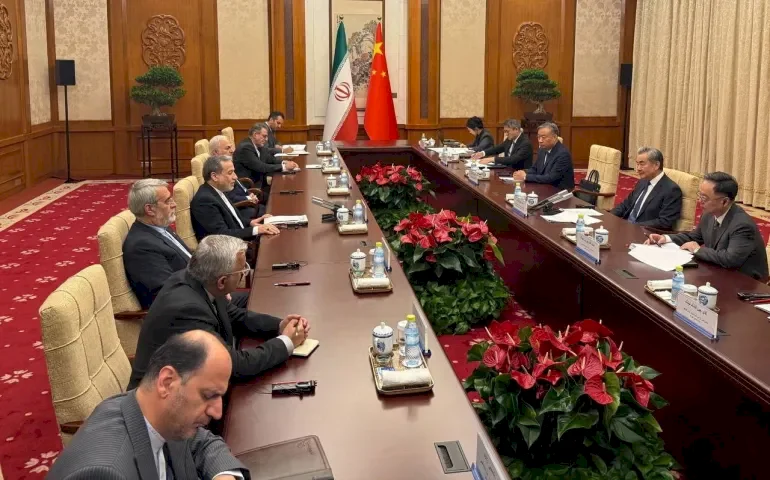
The Strait of Hormuz shipping chokehold represents an immediate supply chain crisis for cross-border e-commerce sellers, with Chinese Foreign Minister Wang Yi's diplomatic intervention signaling escalating geopolitical risk. The news reports that Wang Yi met Iranian Foreign Minister Abbas Araghchi in Beijing to negotiate ceasefire terms and reopen the Strait—a critical waterway through which 21% of global petroleum and 30% of liquefied natural gas transits daily. This diplomatic engagement, occurring days before Trump-Xi summit discussions, indicates the international community recognizes the shipping corridor's vulnerability to disruption.
For cross-border sellers, this geopolitical tension directly impacts logistics costs and delivery timelines across multiple critical markets. Sellers shipping electronics, apparel, and consumer goods to Asia-Pacific markets (India, Southeast Asia, Middle East) face immediate cost pressures: ocean freight rates through the Strait have historically increased 15-25% during periods of heightened tension, with some routes experiencing 2-4 week delays as vessels reroute around Africa's Cape of Good Hope (adding 10-14 days transit time). Amazon FBA sellers with inventory in India or Middle East fulfillment centers face compounded challenges—the longer routing increases storage costs and ties up working capital. Small-to-medium sellers (SMBs) with thin margins of 8-12% are particularly vulnerable, as shipping cost increases of $200-400 per container directly compress profitability. Large sellers with diversified sourcing can absorb costs through scale, creating competitive disadvantage for SMBs.
China's positioning as Iran's largest oil buyer and emerging global mediator creates a strategic window for sellers to anticipate policy outcomes. The article emphasizes China's "opportunistic" mediation approach, focusing on low-risk situations where agreement already favors resolution—the 2023 Saudi Arabia-Iran diplomatic breakthrough demonstrates China's capacity to broker deals. If China successfully facilitates Hormuz reopening through Trump-Xi negotiations, shipping costs could normalize within 4-8 weeks, benefiting sellers with flexible inventory strategies. However, if tensions escalate, sellers should expect sustained cost increases through Q1-Q2 2025. The timing is critical: Trump administration negotiations typically move quickly, suggesting resolution or escalation clarity within 2-4 weeks.
Immediate seller actions should focus on supply chain diversification and cost hedging. Sellers heavily dependent on Asia-Pacific markets should evaluate alternative sourcing from Vietnam, Thailand, or India to reduce Strait-dependent shipping. Those with existing Middle East/India inventory should accelerate clearance to avoid extended storage fees. Consider shifting 15-20% of inventory to 3PL providers in Southeast Asia to reduce transit dependency. Monitor Trump-Xi summit outcomes (expected within 1-2 weeks) for policy signals on Iran sanctions and shipping corridor stability—this will determine whether cost increases are temporary (4-8 weeks) or sustained (6+ months).
Questions 8
What product categories face the highest shipping cost impact from Strait of Hormuz disruptions?
Electronics, apparel, and consumer goods face the highest impact due to volume-dependent shipping economics and thin margins. Electronics sellers (HS codes 8471-8517) typically operate on 12-18% margins; a 15-25% shipping cost increase reduces profitability by 2-4 percentage points. Apparel sellers (HS codes 6201-6217) with 10-15% margins face similar compression. High-value, low-volume categories (jewelry, luxury goods) are less sensitive to shipping cost increases. Sellers should prioritize cost mitigation for high-volume, thin-margin categories. Consider temporary price increases of 5-8% for Asia-Pacific markets to offset shipping costs, but monitor competitor pricing to avoid losing Buy Box position on Amazon or eBay.
How does the Trump administration's negotiating approach affect shipping corridor policy outcomes?
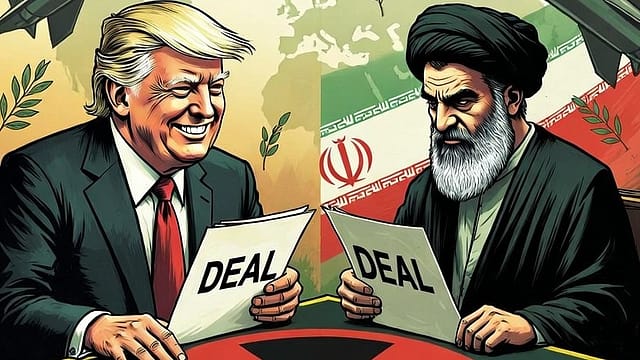
The news emphasizes that the international community is navigating the 'Trump administration's negotiating approach,' suggesting rapid policy shifts are likely. Trump-Xi summits typically produce quick decisions on trade and geopolitical issues, meaning Strait of Hormuz policy clarity should emerge within 1-2 weeks of the meeting. The Trump administration's historical approach to Iran sanctions has been aggressive (maximum pressure campaign 2018-2021), but current negotiations suggest potential for deal-making. Sellers should prepare for two scenarios: (1) Rapid de-escalation through Trump-Xi agreement, normalizing shipping within 4-8 weeks, or (2) Escalation of sanctions, sustaining cost increases through Q2 2025. The timing is critical—decisions made in the next 2-4 weeks will determine shipping costs for the entire first half of 2025.