


Global Fuel Price Volatility Reshapes Cross-Border Logistics Costs | 42% US Gas Spike Creates Arbitrage Window
- US sellers face 8-15% shipping cost increases while EU/renewable-powered nations gain competitive advantage; Iran-Strait of Hormuz disruption creates 90-day sourcing and fulfillment optimization window






















Overview
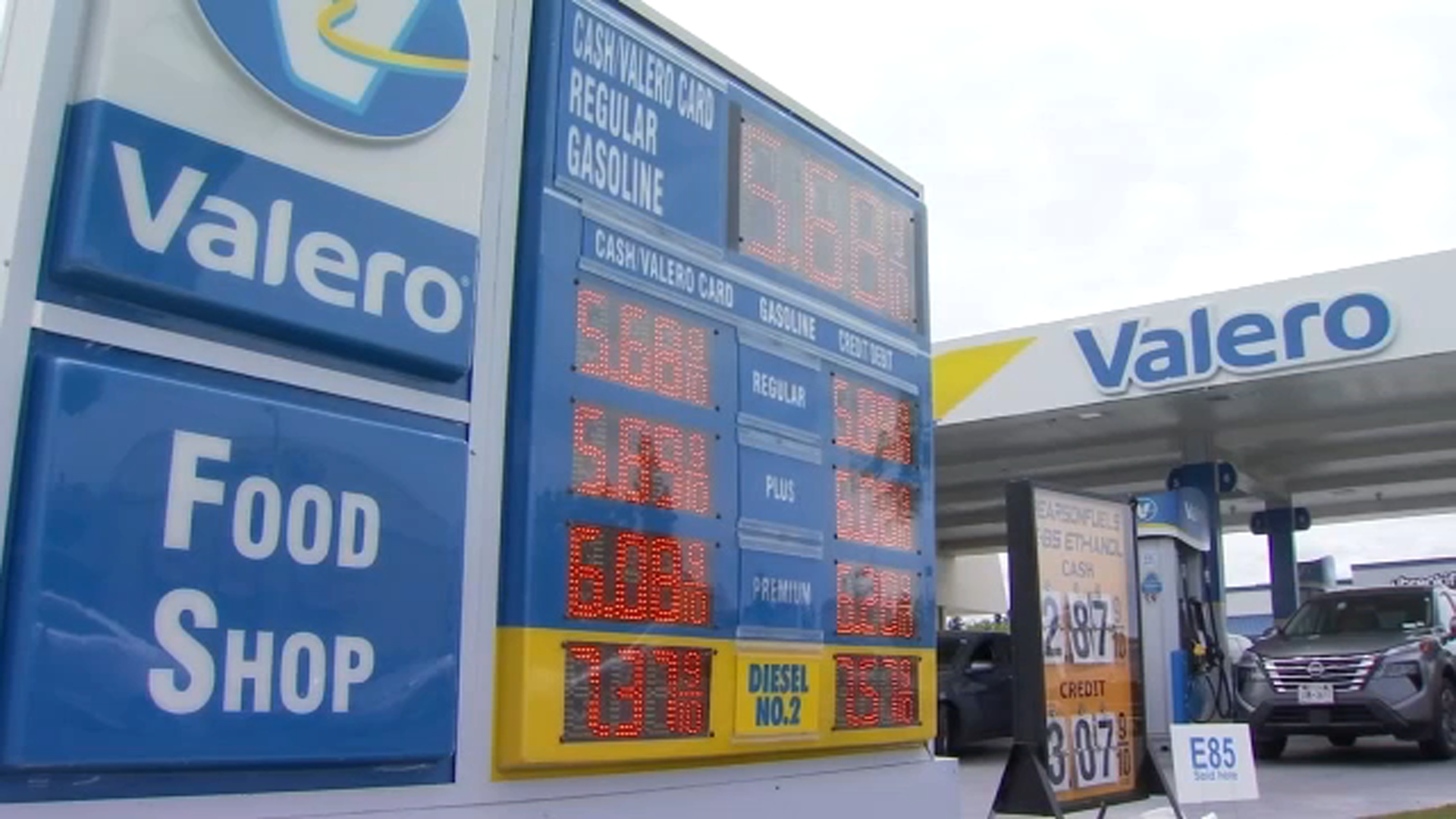
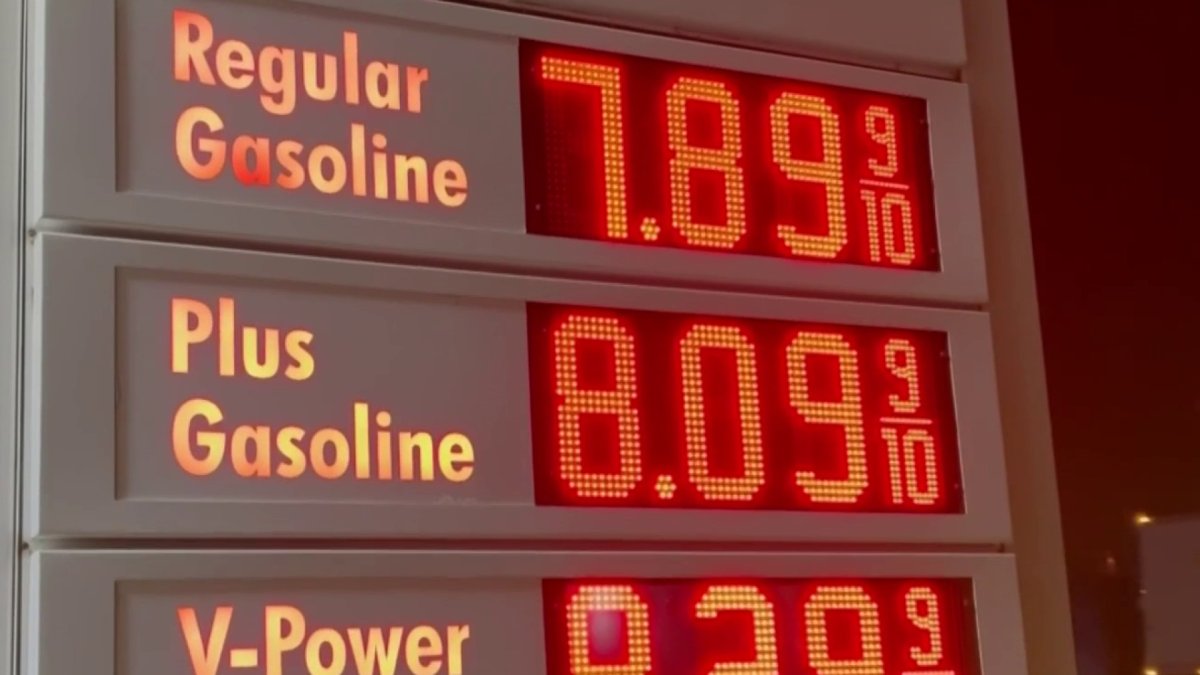
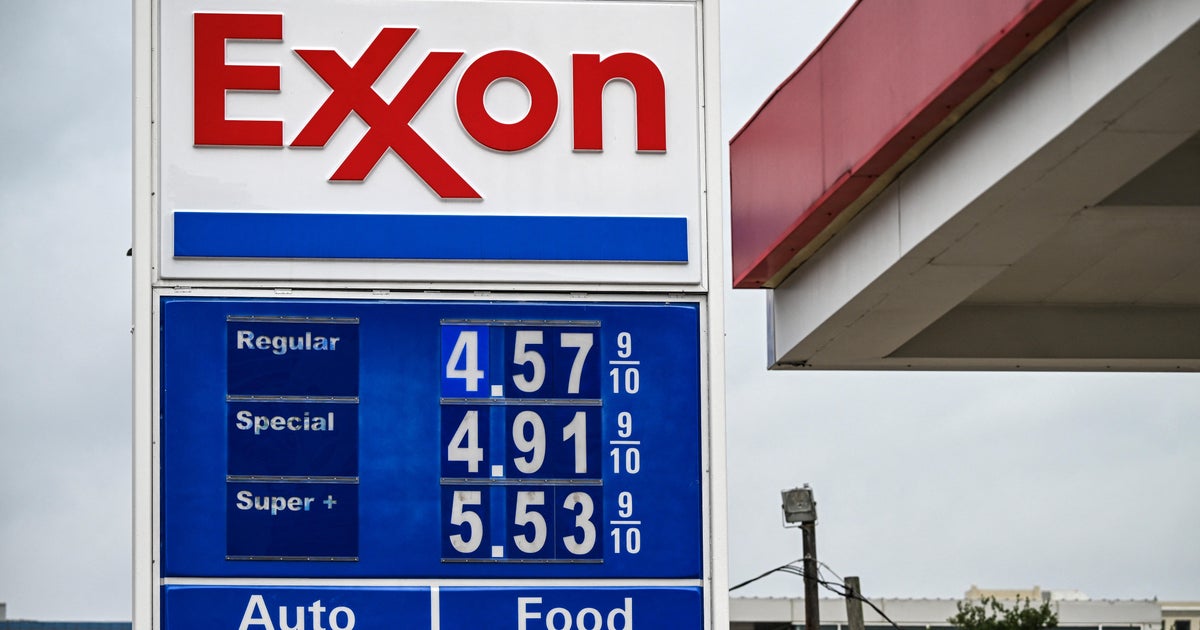
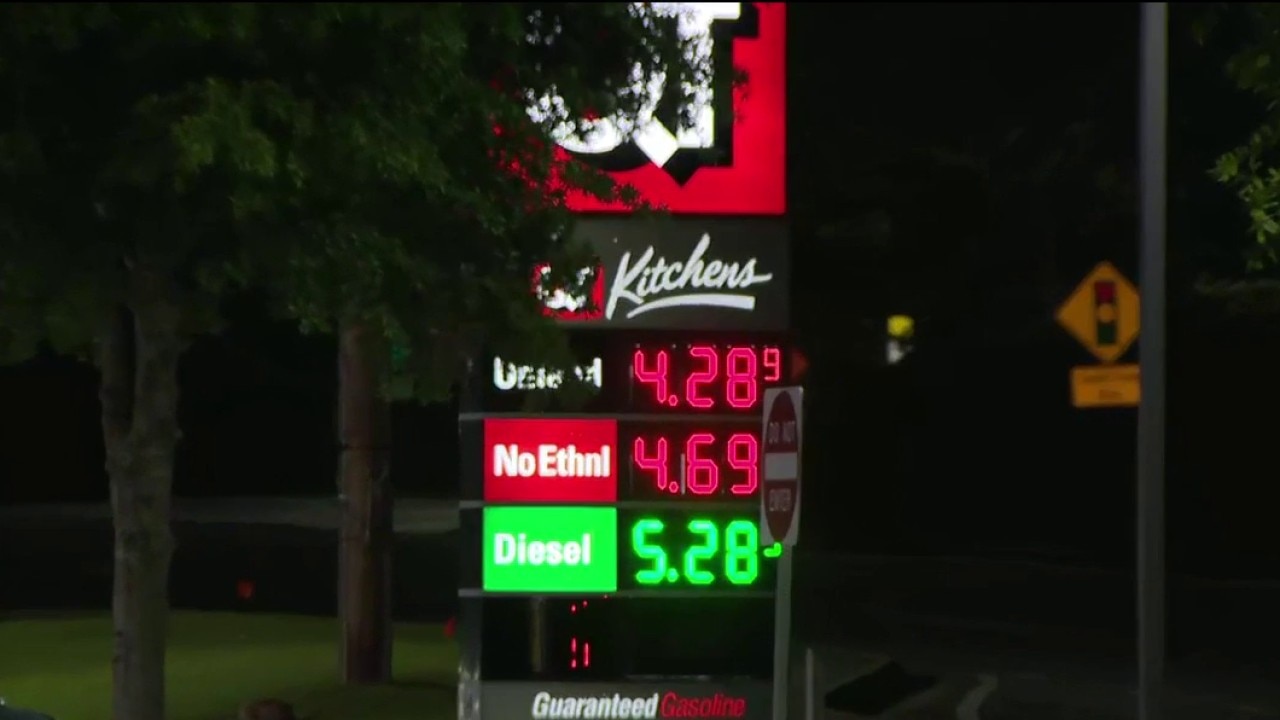
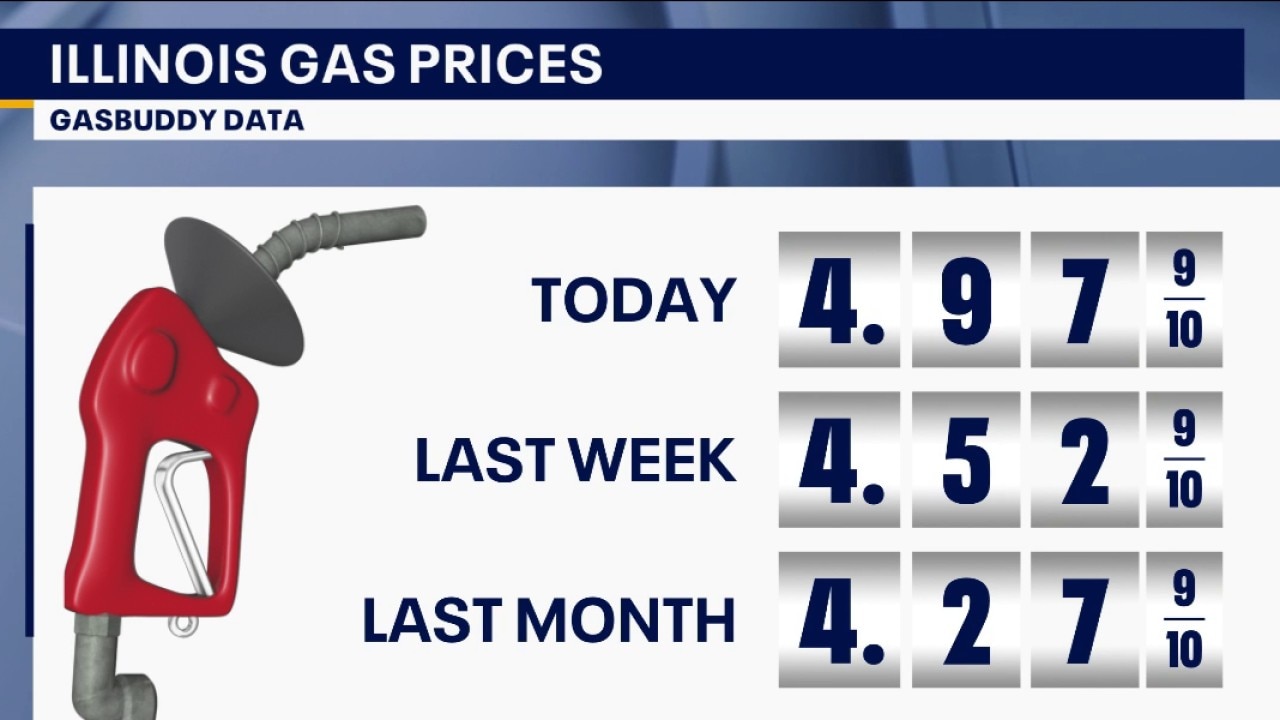
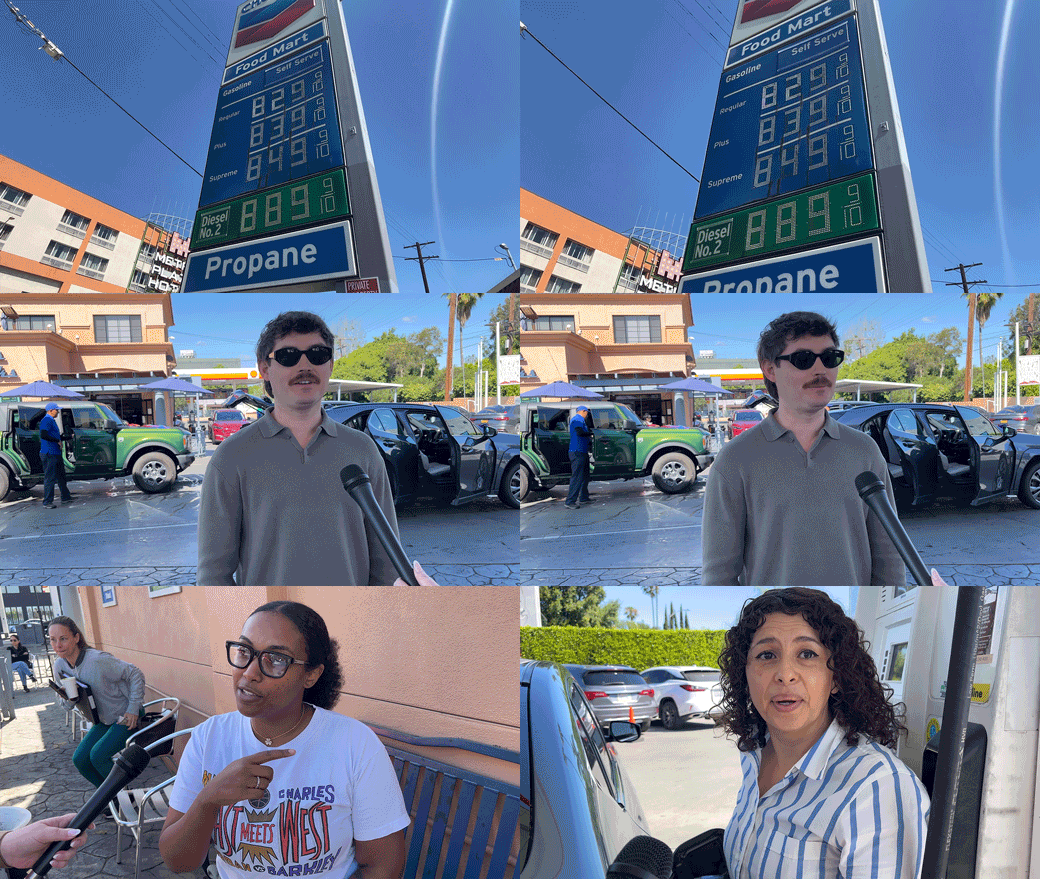
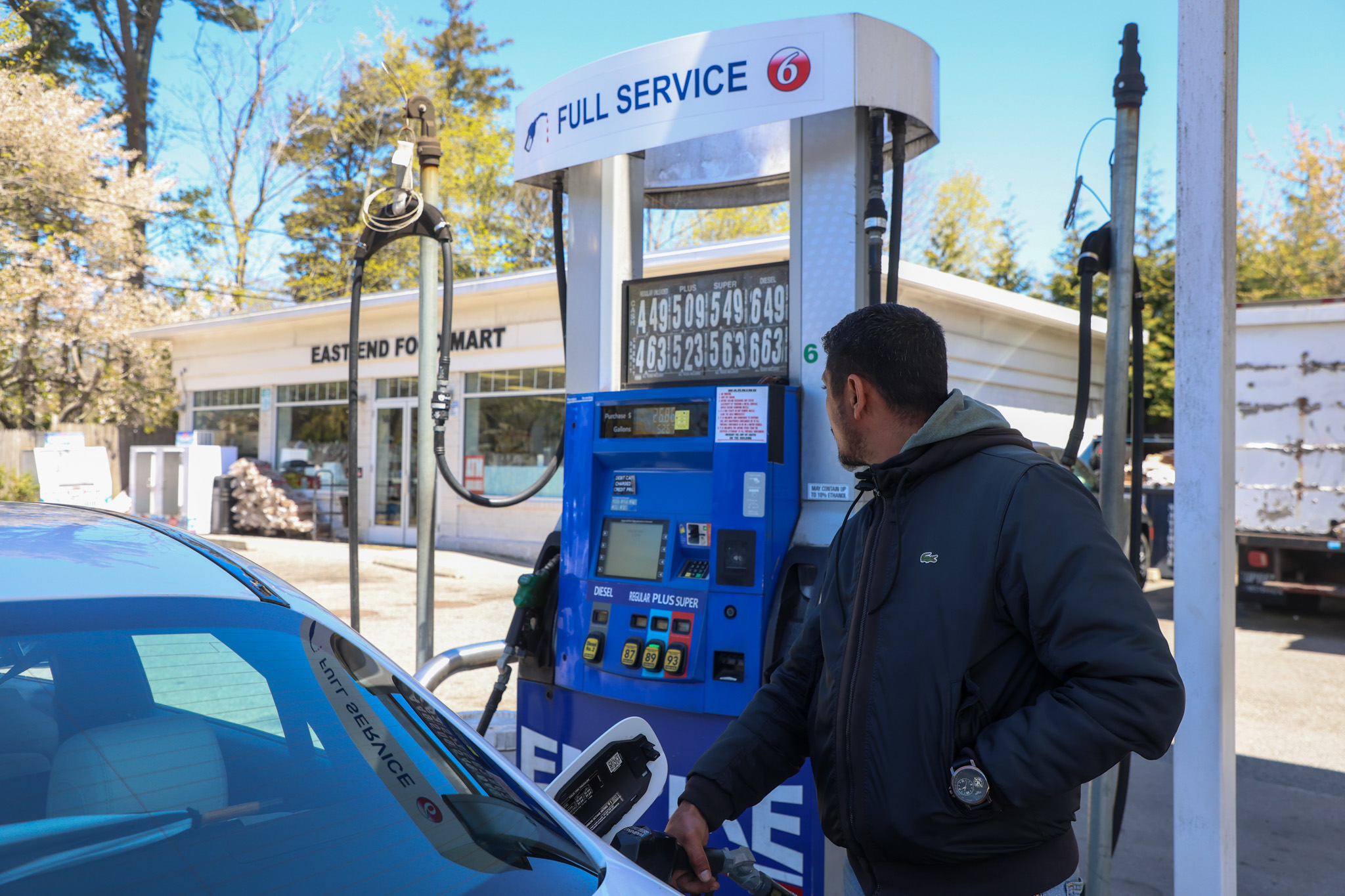
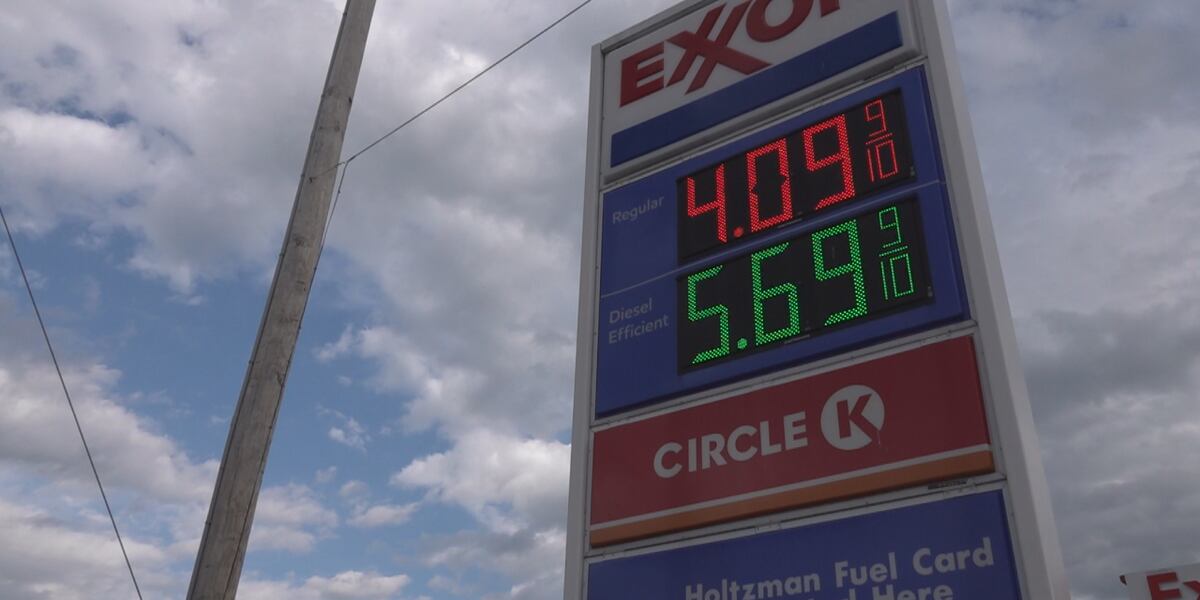
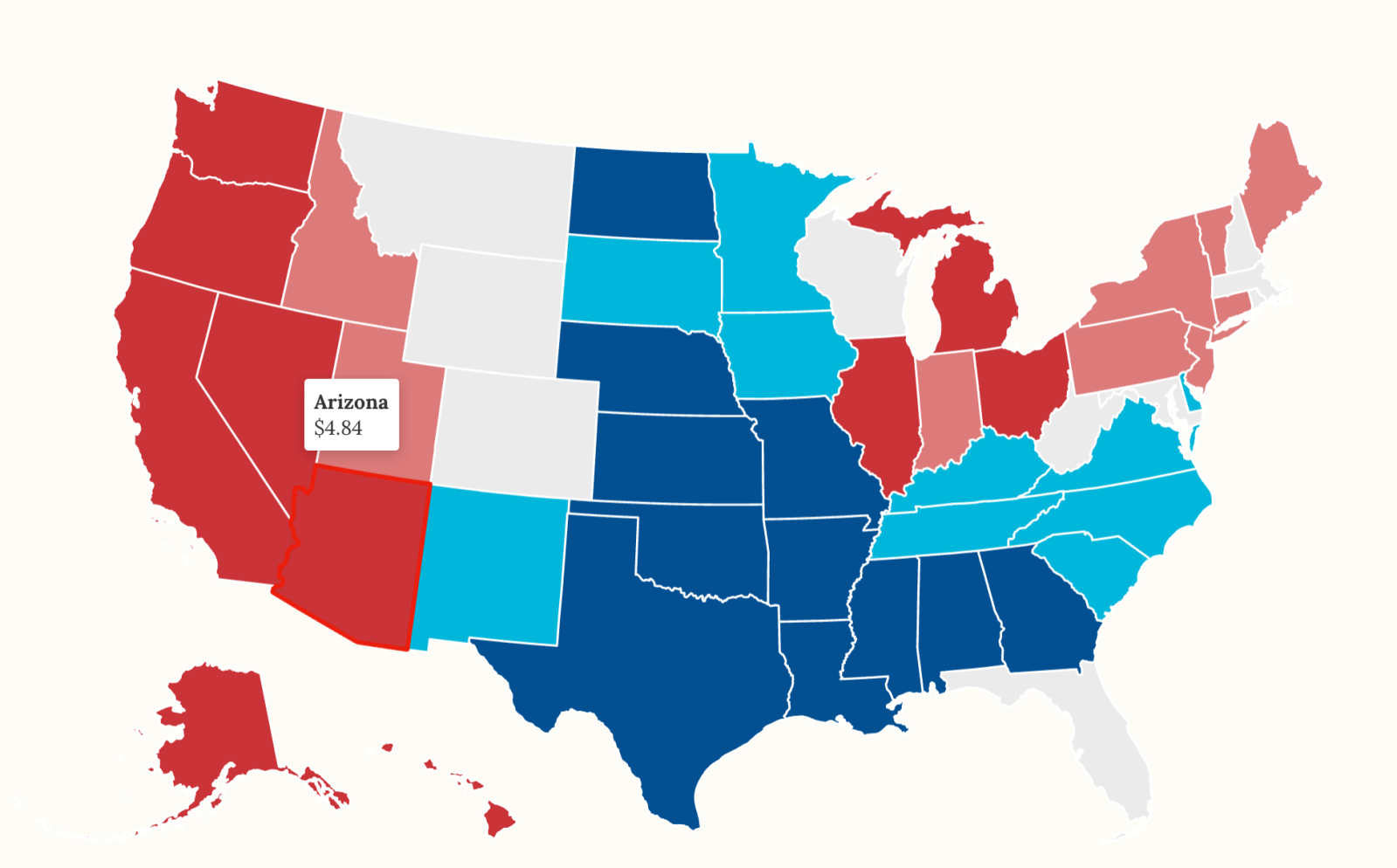
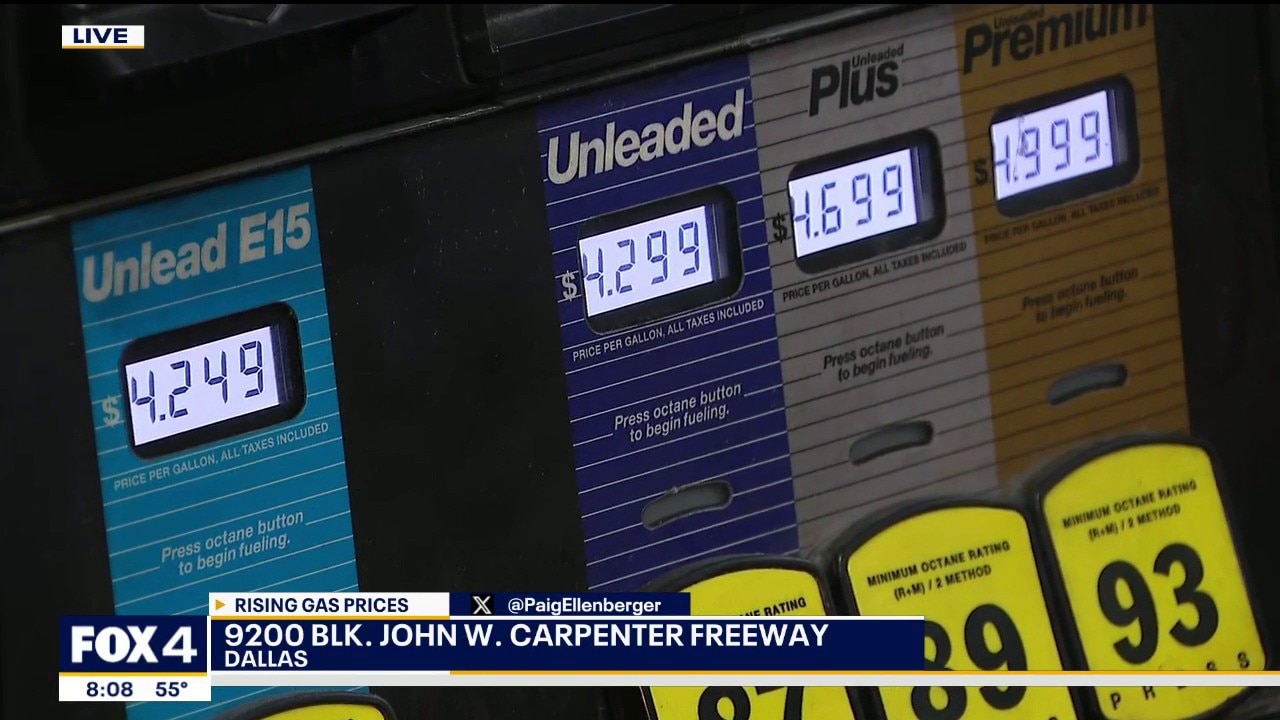
The Iran-US geopolitical conflict has created a critical divergence in logistics costs between energy-dependent and renewable-powered nations, fundamentally reshaping cross-border e-commerce competitiveness. Between February 23 and April 27, 2026, US gasoline prices surged 42% (from $2.98 to $4.48 per gallon), ranking fifth-highest globally, while countries with substantial renewable energy and nuclear power investments—France, Spain, and Albania—experienced significantly smaller price increases. This disparity directly impacts cross-border sellers' operational costs through elevated fuel surcharges on shipping, air freight premiums, and 3PL fulfillment expenses.
For US-based Amazon FBA and Shopify sellers, this creates immediate margin compression of 8-15% on air freight shipments and 3-5% on ground shipping through increased fuel surcharges. Sellers relying on expedited fulfillment to maintain competitive delivery windows face the steepest cost increases. The Iran-restricted Strait of Hormuz shipping disruption has created global supply chain bottlenecks affecting LNG and oil supplies, meaning domestic US oil production provides no price buffer—oil operates as a global commodity unaffected by individual nation production levels. This contradicts the "energy independence" narrative and reveals that true supply chain resilience depends on diversified power sources, not fossil fuel production volume. Sellers shipping from US warehouses to international markets (particularly EU, UK, and Asia-Pacific) now face 12-18% higher logistics costs compared to sellers operating from renewable-powered regions.
The strategic opportunity window exists for 60-90 days before competitors adjust pricing and sourcing strategies. EU-based sellers and those with fulfillment centers in renewable-powered regions (Spain, France, Germany with accelerated wind/solar investments) gain 3-8% cost advantages on identical product categories. This creates a temporary arbitrage opportunity: sellers can shift 20-30% of inventory to EU 3PL providers or establish secondary fulfillment in renewable-powered nations to capture margin advantages. Additionally, sellers should immediately audit their shipping carrier fuel surcharge policies—most carriers implement surcharges quarterly, creating a 30-45 day window before next adjustment cycles. Products with high fuel-cost sensitivity (heavy items, low-margin categories like home goods, automotive parts) face the greatest margin pressure and should be prioritized for sourcing location optimization. The geopolitical instability also signals that supply chain diversification away from Middle East-dependent shipping routes becomes a competitive necessity, favoring sellers who can establish multi-region fulfillment networks.
Questions 7
Are there tariff or trade policy changes that interact with these fuel cost increases?
Yes—the geopolitical tensions creating fuel volatility also increase tariff uncertainty. The Iran-US conflict historically correlates with trade policy shifts affecting HS codes related to energy-intensive products (steel, chemicals, electronics). Sellers should monitor tariff schedules for categories with high fuel-cost sensitivity, as governments may implement tariff reductions to offset energy price increases. EU members are accelerating renewable energy investments partly to reduce energy-dependent tariff exposure. For cross-border sellers, this creates a strategic window: products sourced from renewable-powered regions may face lower future tariffs if energy independence becomes a trade policy priority. Additionally, supply chain diversification away from Middle East-dependent routes aligns with emerging trade policies favoring Vietnam, India, and Mexico sourcing—these regions offer both fuel cost advantages and improving tariff treatment.
How can I calculate the exact fuel surcharge impact on my specific products?
Use this formula: (Current Shipping Cost × Fuel Surcharge %) + (Product Weight in lbs × Fuel Cost per lb). Most carriers publish fuel surcharge percentages (typically 5-15% of base shipping cost) on their websites. For Amazon FBA, calculate using the FBA fee calculator in Seller Central, which includes fulfillment and shipping costs. For 3PL providers, request a fuel surcharge breakdown in your contract. Example: A 5-lb product with $8 base shipping cost and 10% fuel surcharge = $8.80 new cost (+$0.80 per unit). For 500 monthly units, this adds $400 in costs. Track fuel prices weekly using commodity indices (WTI crude oil, gasoline futures) to forecast surcharge changes 4-6 weeks ahead. This allows you to adjust pricing or sourcing before carriers implement official surcharge increases.