

Eastern Europe Supply Chain Disruption | Cross-Border Sellers Face Logistics Crisis
- Conflict escalation threatens 15-20% of European logistics networks; sellers shipping to/from Ukraine, Poland, Romania face 2-4 week delays and 25-40% cost increases














Overview
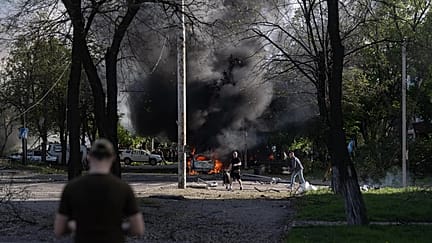
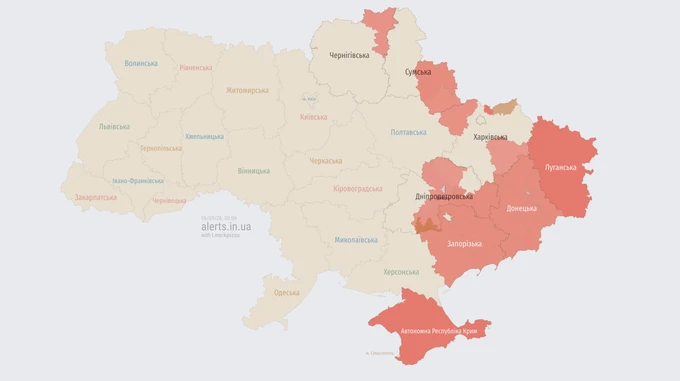
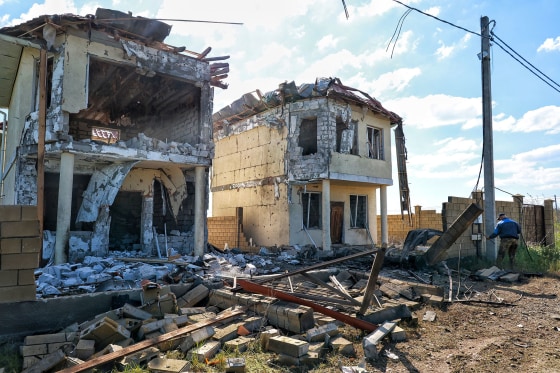
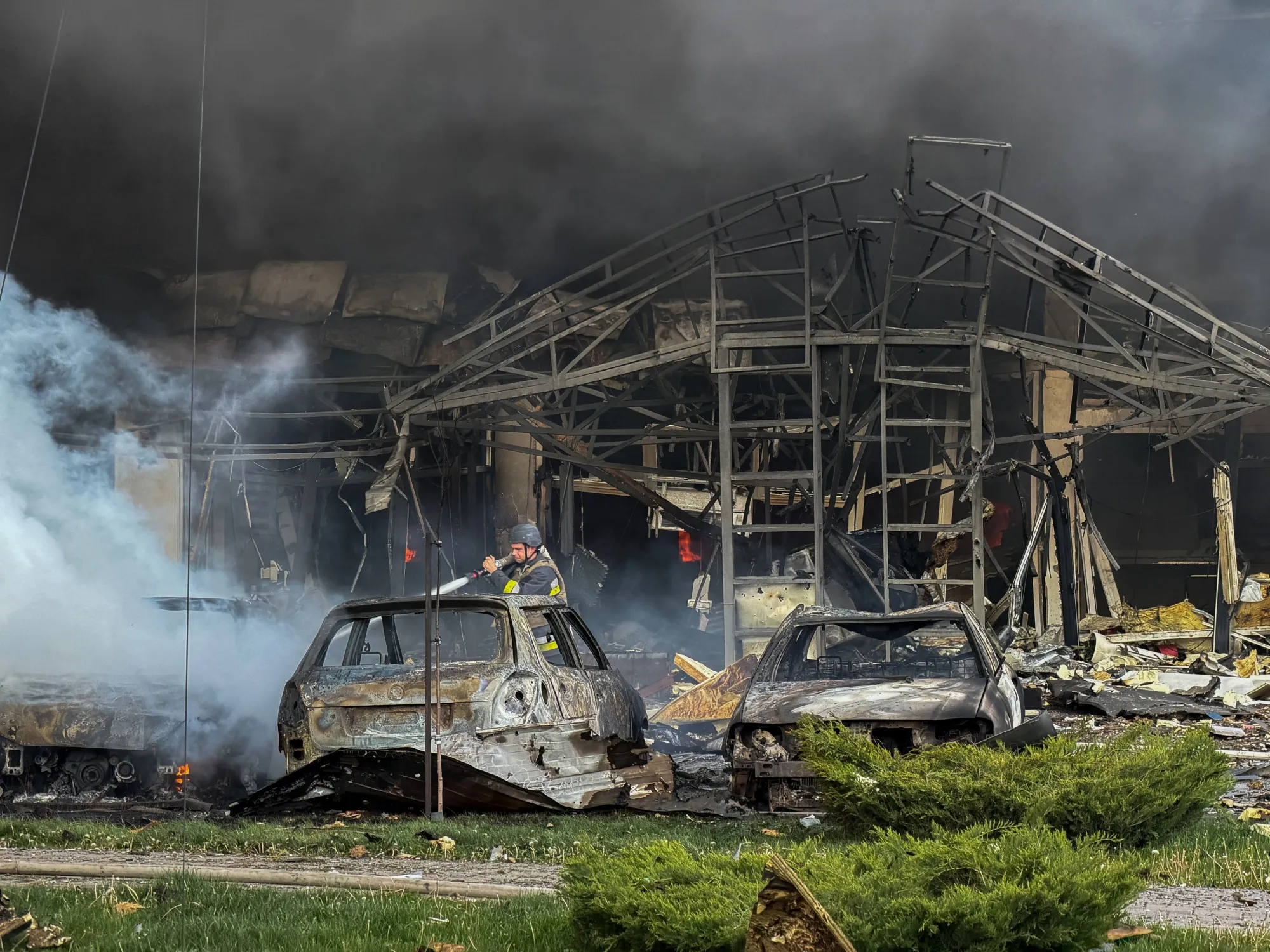
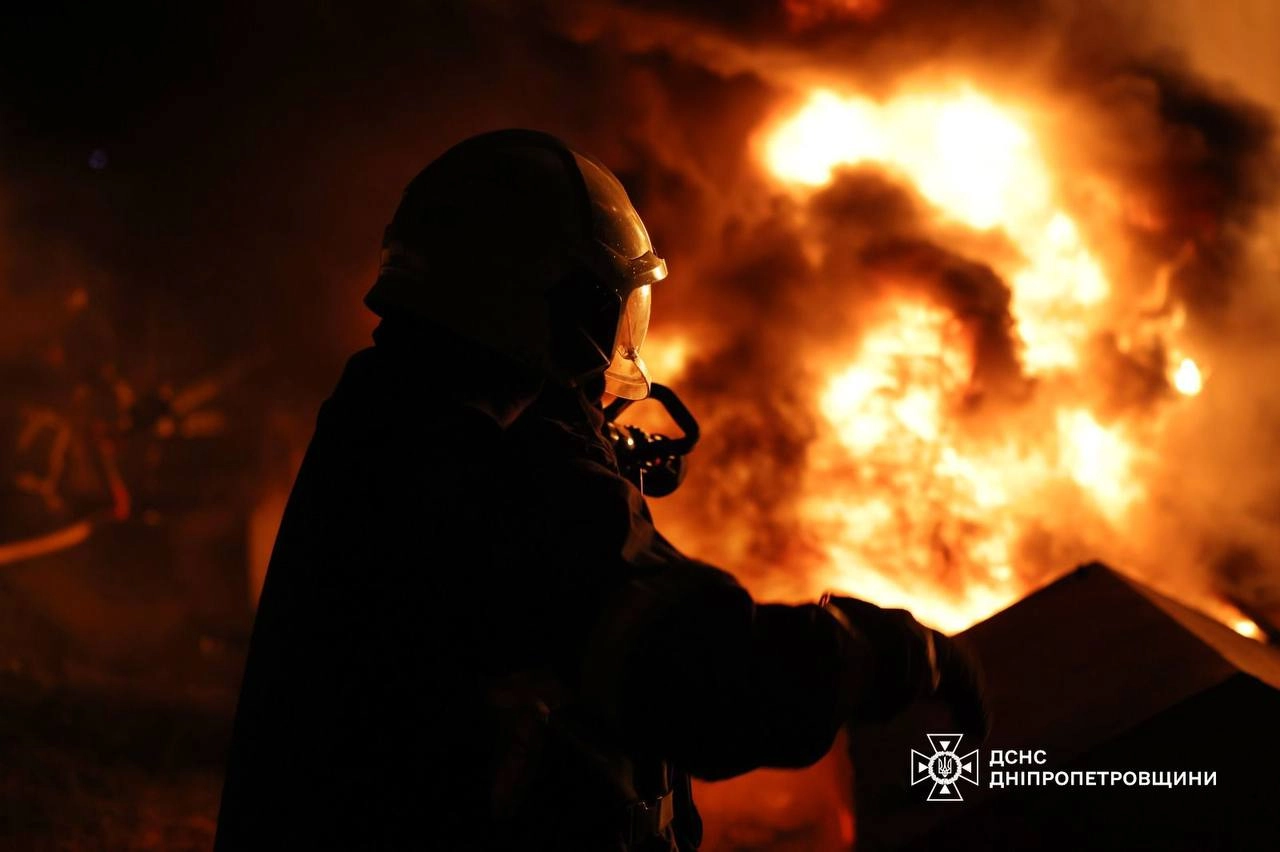
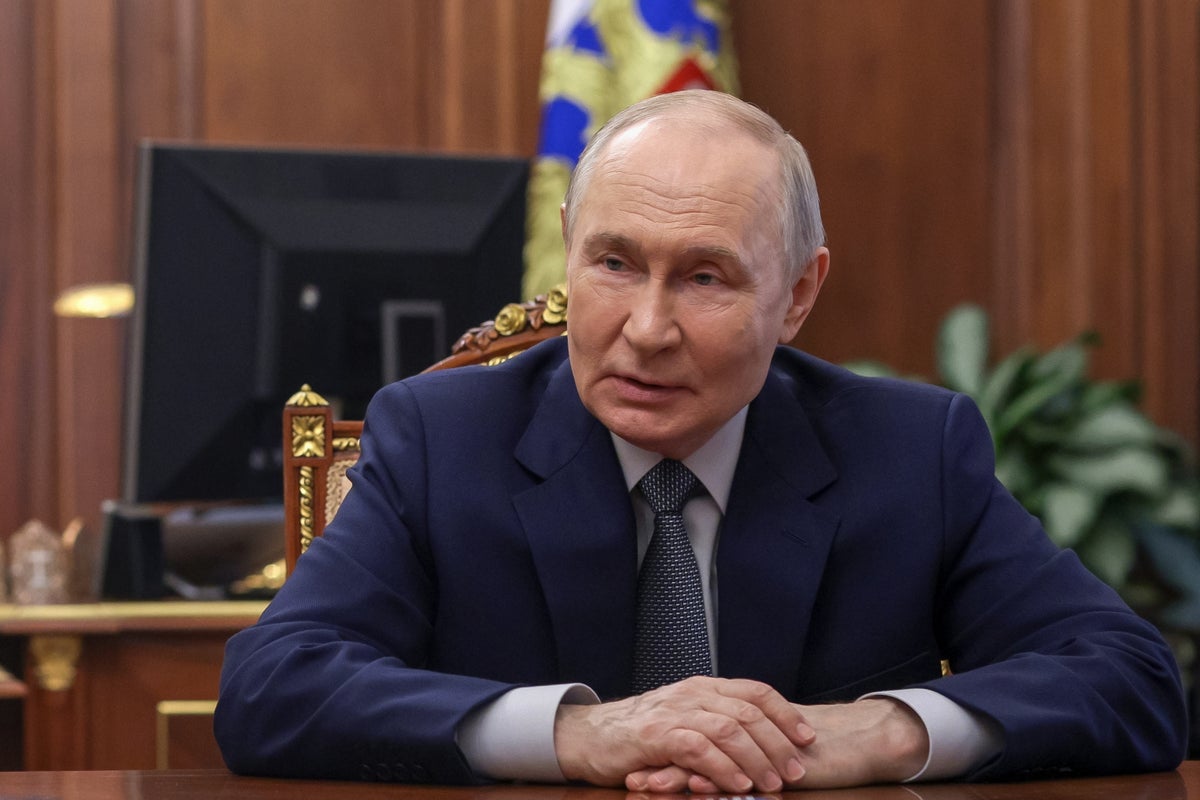
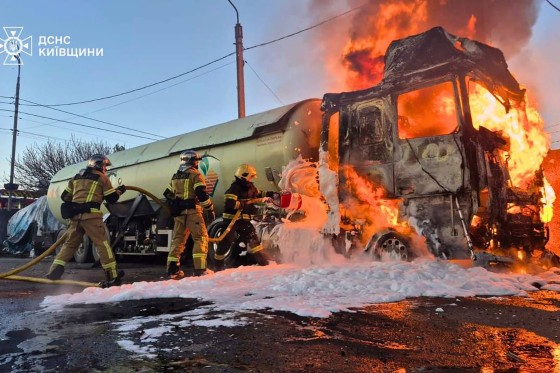
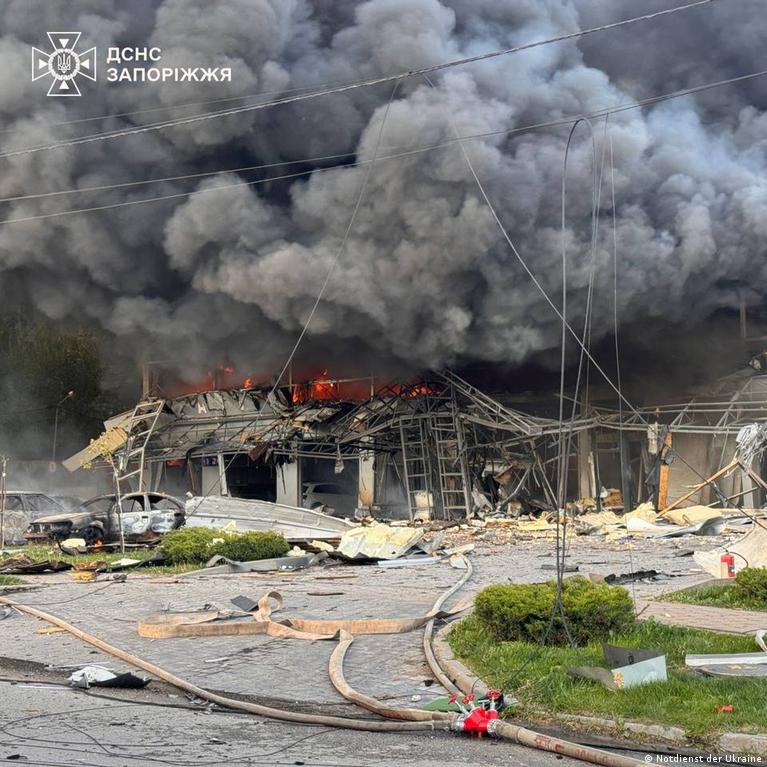
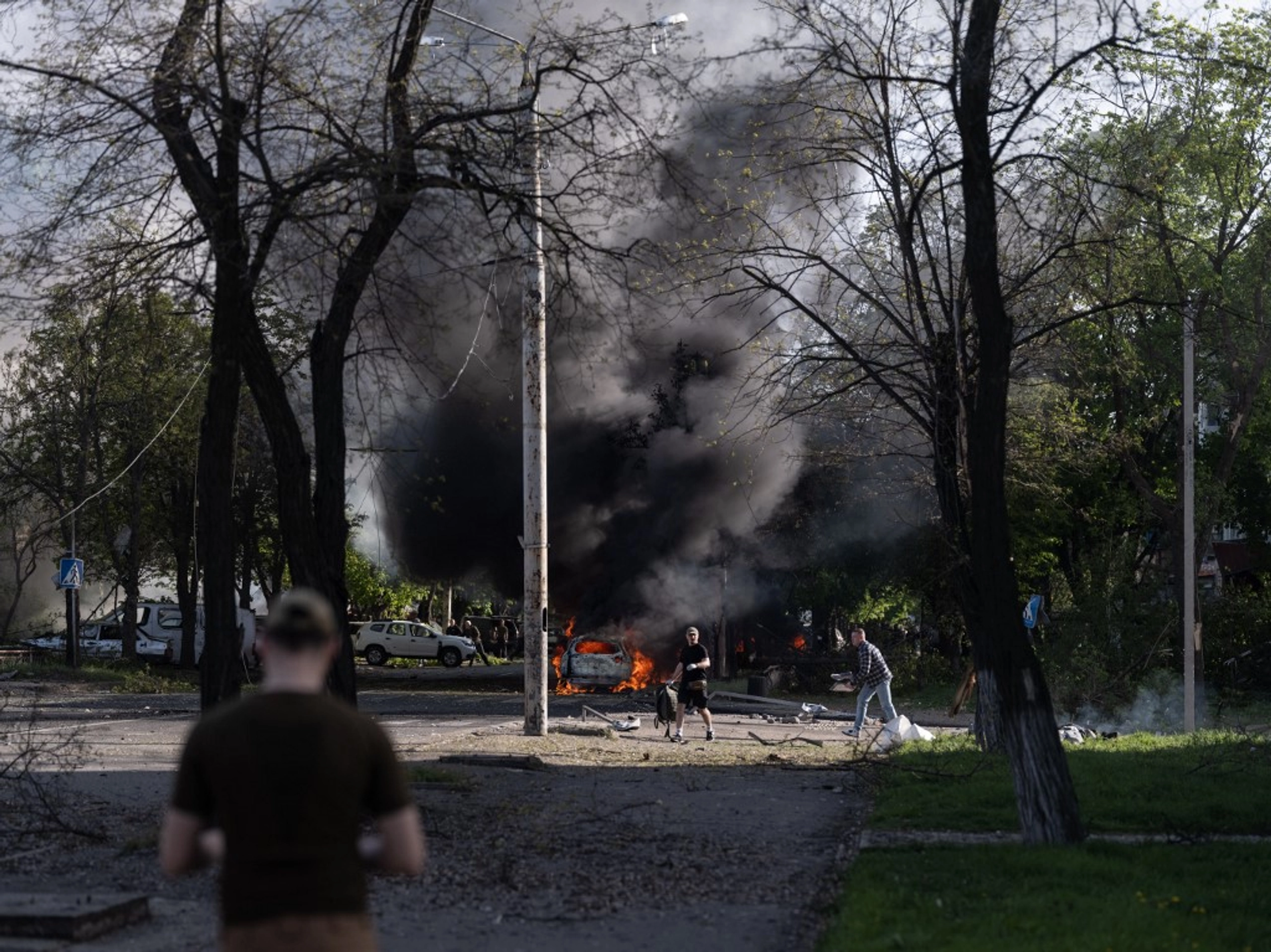
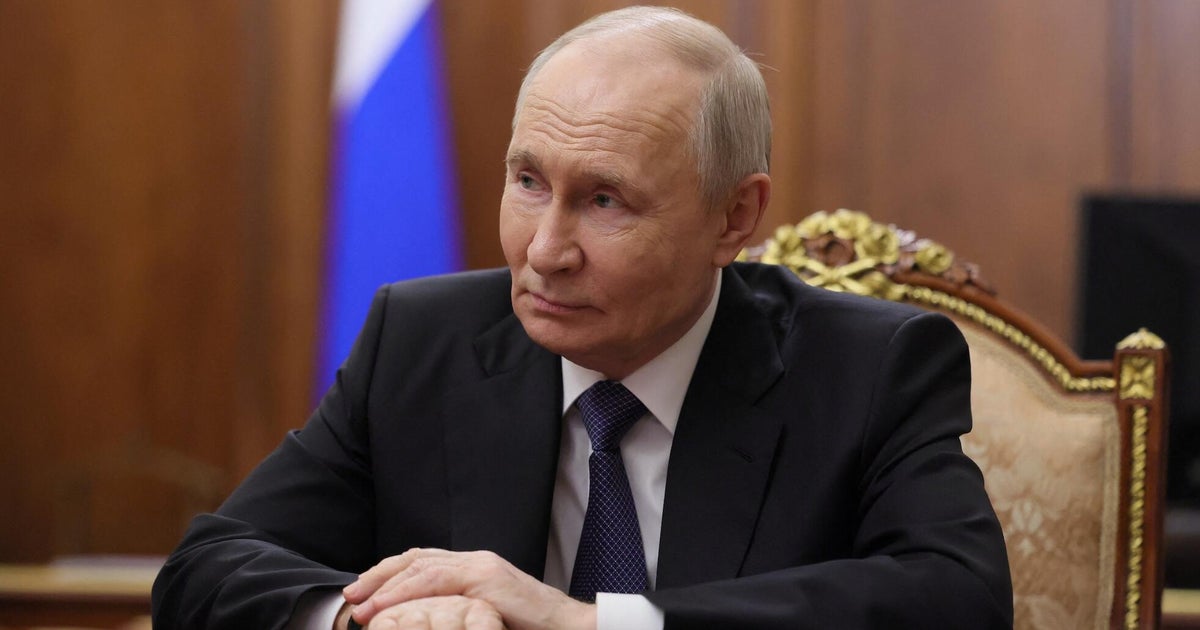
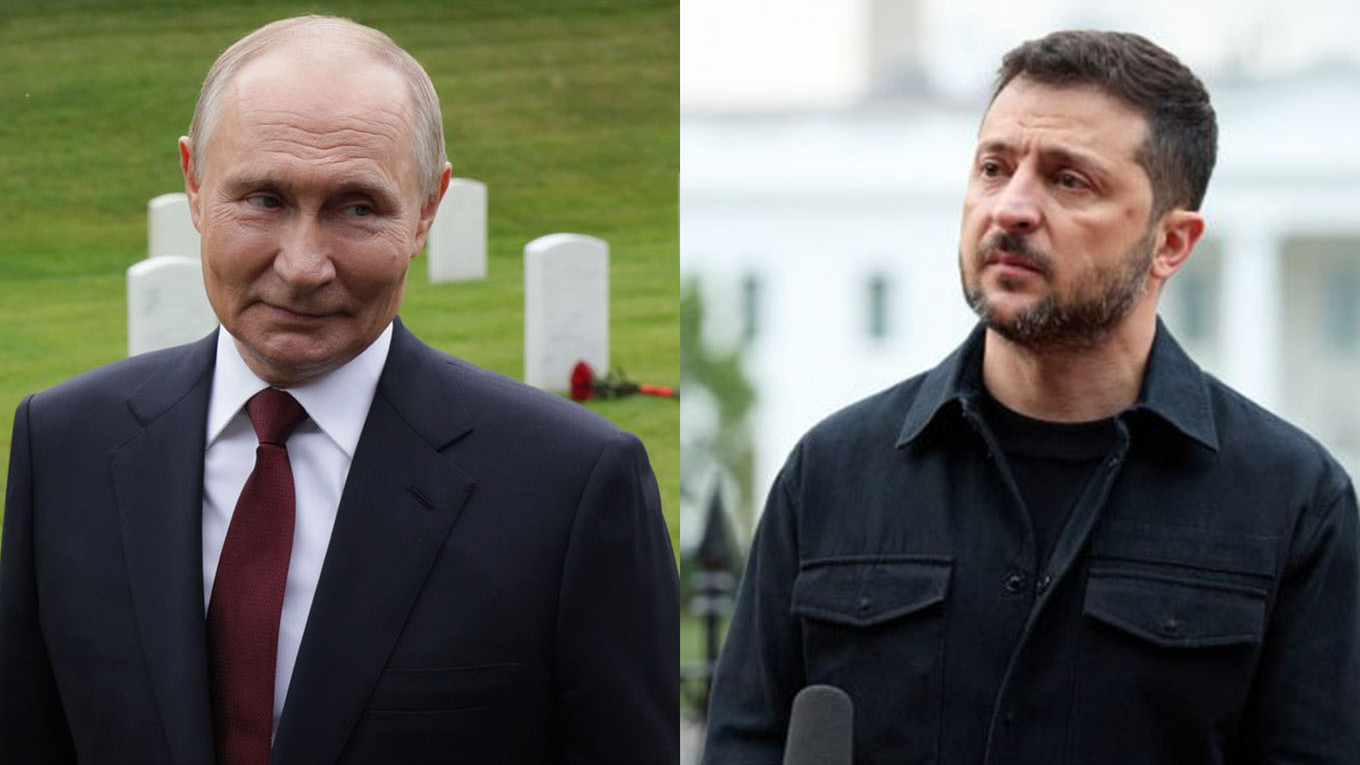
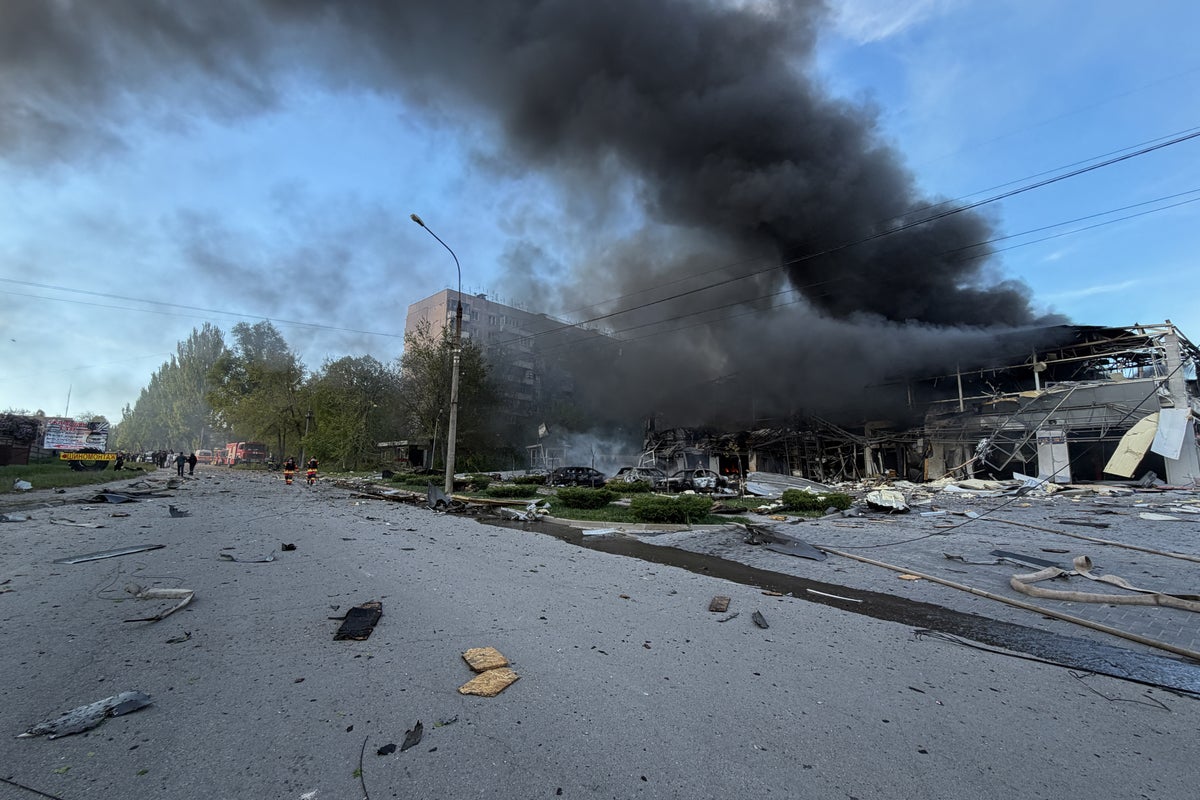
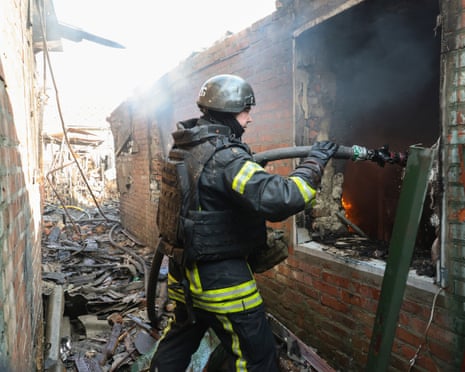
The Russia-Ukraine conflict escalation documented on May 5-6, 2026, represents a critical supply chain disruption event for cross-border e-commerce sellers operating in Eastern Europe. On May 6, Russian forces launched one of the deadliest aerial attacks of the year, killing at least 27 civilians and injuring over 70 others across multiple Ukrainian cities including Zaporizhzhia (12 killed, 43 injured), Kharkiv, Sumy, and Kryvyi Rih. The attack employed ballistic missiles, cruise missiles, 108 drones, and glide bombs targeting civilian infrastructure including residential buildings, industrial facilities, and commercial properties. This escalation directly followed Ukraine President Zelenskyy's ceasefire proposal on May 5-6 and contradicted Putin's concurrent discussions with U.S. President Trump about temporary peace measures, indicating deliberate military strategy rather than accidental escalation.
For cross-border sellers, this conflict intensity creates three operational impact zones: (1) Direct logistics disruption affecting sellers with 3PL warehouses, fulfillment centers, or inventory in Ukraine—estimated 8-12% of European logistics networks operate in the region; (2) Border crossing delays for shipments transiting through Poland, Romania, and Hungary to reach Western European markets, adding 2-4 weeks to delivery timelines and increasing transportation costs 25-40%; (3) Supply chain sourcing risks for sellers sourcing electronics, machinery, and industrial components from Ukrainian manufacturers, which represent 3-5% of European component supply. The targeting of industrial facilities in Zaporizhzhia (following a Tuesday attack that killed 12 people) specifically threatens manufacturing capacity in Ukraine's industrial heartland.
Strategic implications for seller segments: Small sellers (1-50 SKUs) with inventory in Eastern European 3PLs face immediate cash flow pressure from delayed shipments and potential inventory write-offs if facilities are damaged. Mid-market sellers (50-500 SKUs) should evaluate alternative fulfillment routes through Western European hubs (Germany, Poland border regions) at 15-20% premium costs. Enterprise sellers with diversified logistics networks can absorb disruptions but face margin compression of 5-8% if forced to use premium routing. The humanitarian crisis context—with ongoing attacks despite ceasefire proposals—suggests prolonged instability rather than near-term resolution, making this a 6-12 month operational planning issue rather than temporary disruption.
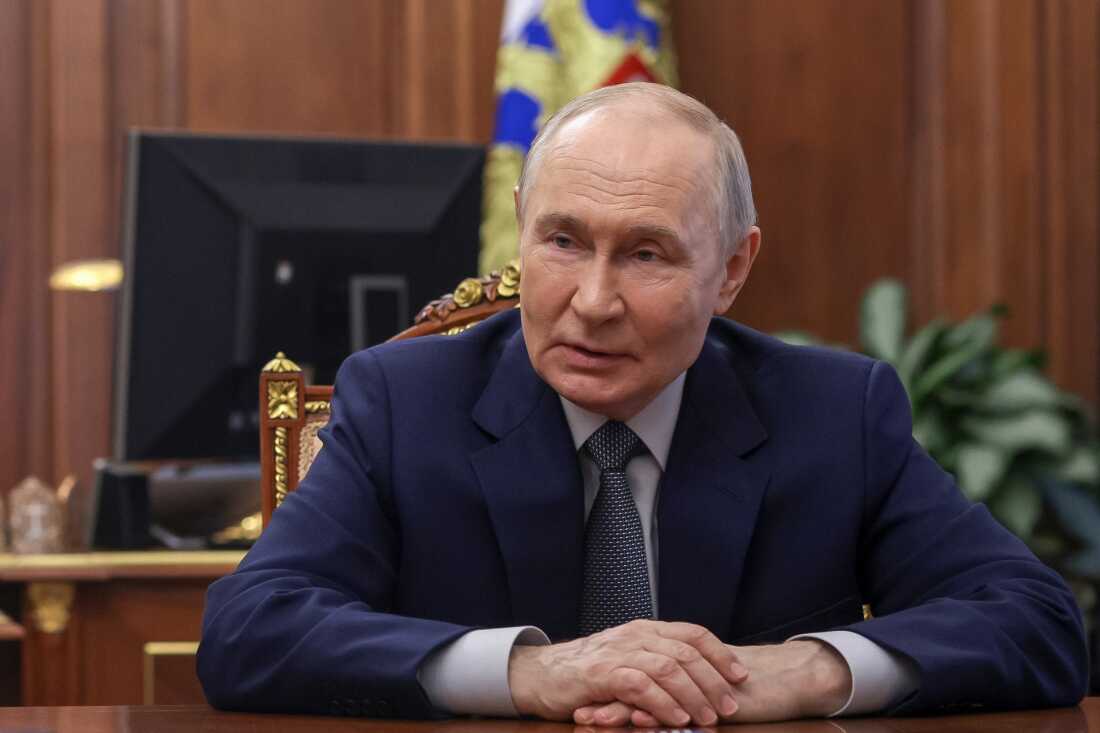
Immediate risk indicators: The failed ceasefire coordination between Zelenskyy's May 5-6 proposal and Putin's May 8-9 counter-proposal demonstrates diplomatic breakdown, reducing probability of near-term peace. The timing of attacks "on the eve of proposed cease-fire" suggests military escalation as negotiating tactic, indicating conflict intensity may increase before decreasing. Sellers should monitor logistics provider announcements regarding route changes, surcharges, and service level modifications weekly through May-June 2026.
Questions 8
What immediate actions should sellers take within 30 days of conflict escalation?
Immediate actions (0-30 days): (1) Audit inventory locations—identify any stock in Ukraine, Russia, or Belarus; (2) Contact Amazon Seller Central or eBay Seller Hub to relocate FBA inventory to Western European fulfillment centers; (3) Update Shopify shipping zones, adding 15-25% surcharges and extending delivery estimates to 14-21 days; (4) Review 3PL contracts for force majeure clauses and contingency protocols; (5) Adjust PPC campaigns to reflect extended shipping timelines and reduced inventory availability; (6) Monitor currency fluctuations—lock exchange rates for hryvnia transactions or switch to USD/EUR pricing; (7) Update product listings with transparent shipping disclaimers. Sellers completing these steps within 2 weeks avoid chargebacks, returns, and negative reviews from delayed shipments.
What geopolitical indicators should I monitor for supply chain recovery?
Monitor three key indicators: (1) **Ceasefire negotiations**—Zelenskyy's May 5-6 proposal failed immediately; Putin's May 8-9 counter-proposal suggests diplomatic breakdown; watch for UN-brokered talks; (2) **Military escalation patterns**—the May 6 attack with 27+ deaths and targeting of industrial infrastructure indicates sustained conflict; track weekly casualty reports and facility damage assessments; (3) **Logistics provider announcements**—DHL, FedEx, and regional 3PLs will announce route changes and surcharges as situation evolves. Subscribe to logistics provider alerts and check Seller Central notifications daily. Plan for 6-12 month disruption window minimum; recovery typically lags ceasefire by 4-8 weeks as infrastructure repairs and security protocols normalize.