



Southeast Asia Maritime Dispute Escalation | Critical Supply Chain Risk for Cross-Border Sellers
- Thailand's May 2026 MOU termination creates shipping route uncertainty affecting 15,000+ sellers in Gulf of Thailand corridor; UNCLOS Annex V arbitration could delay maritime commerce 6-18 months














Overview
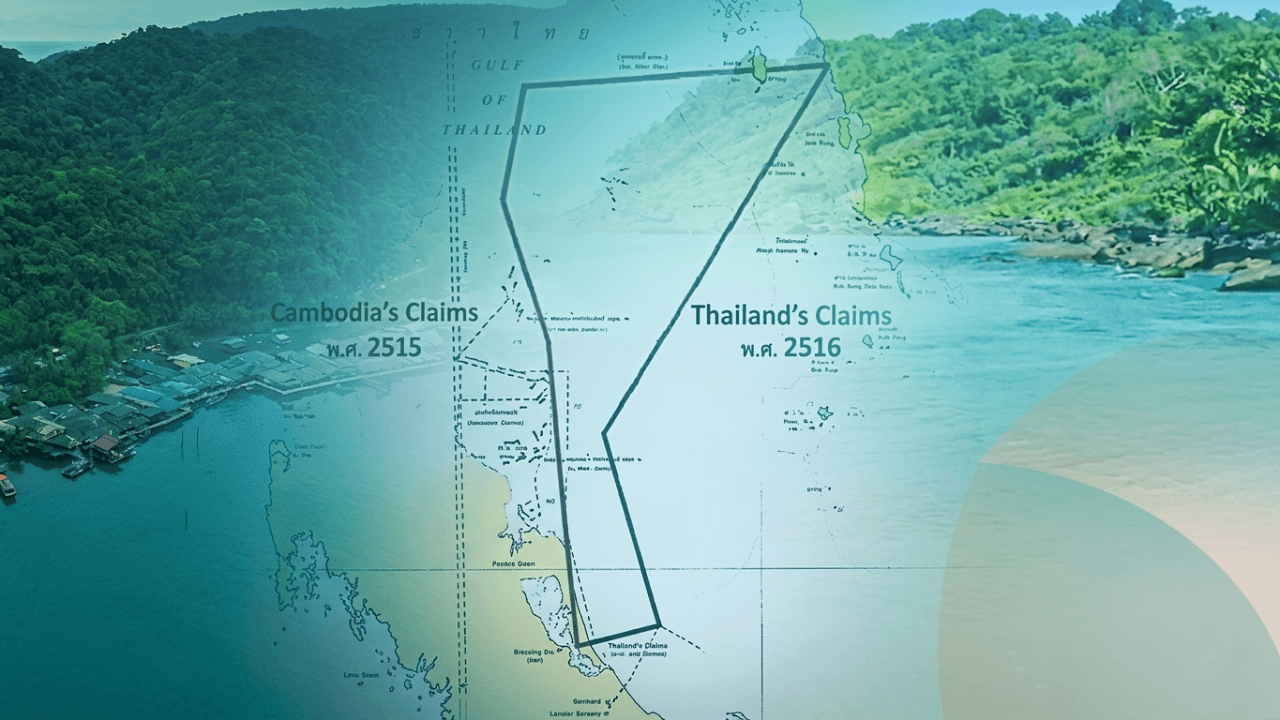
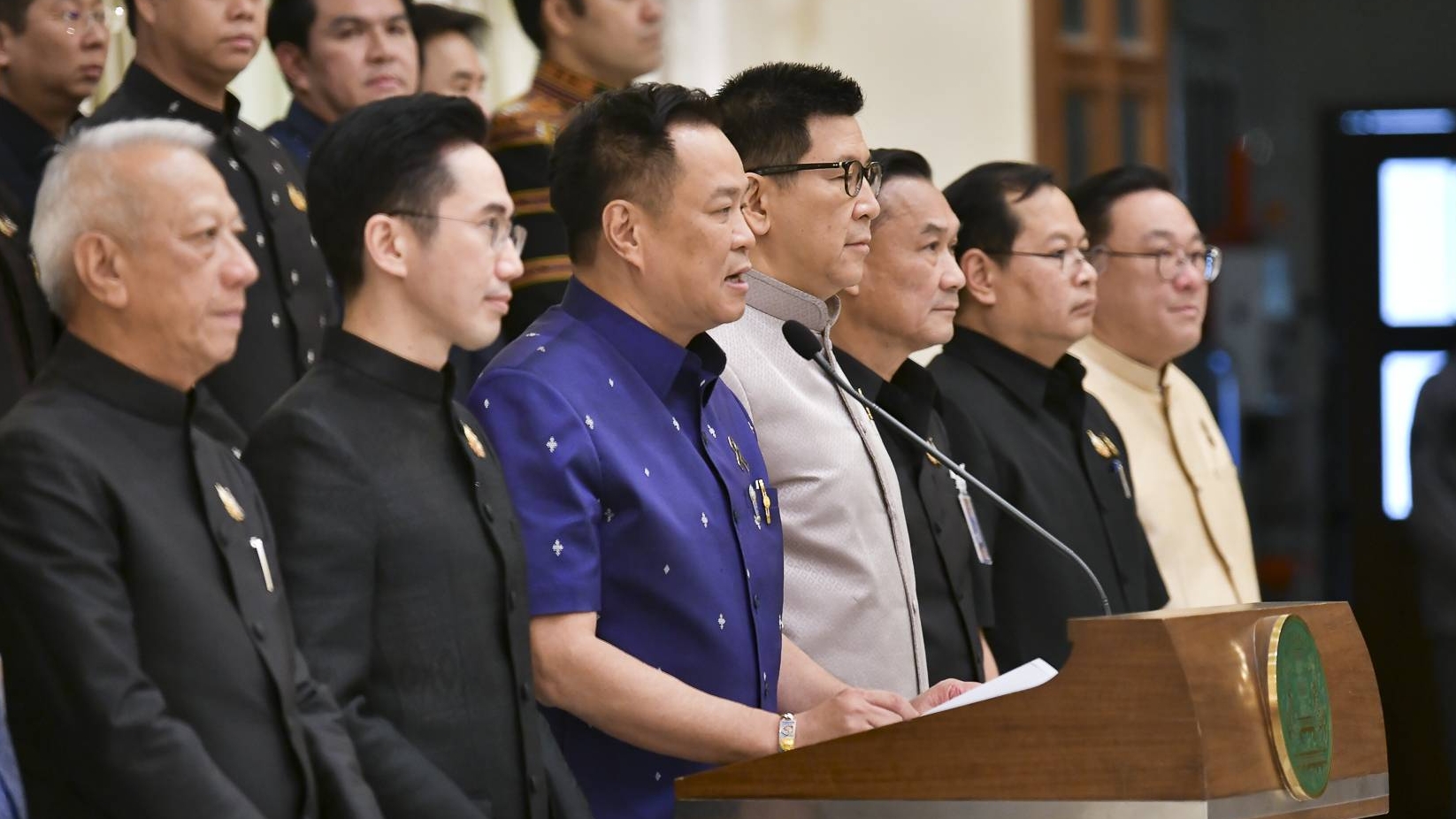
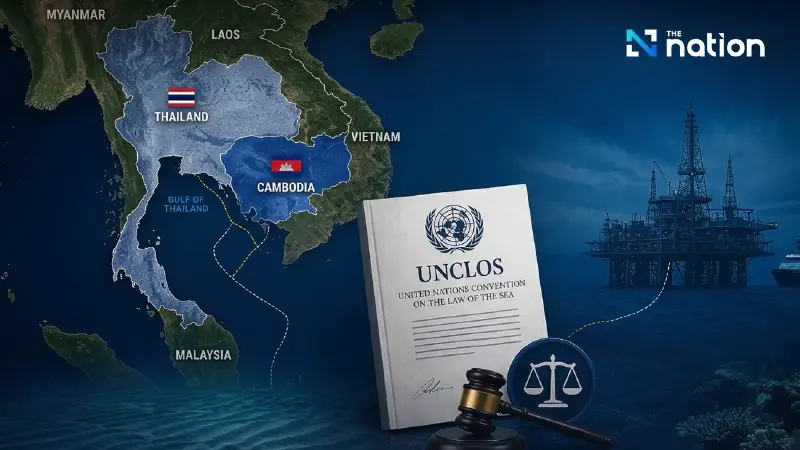
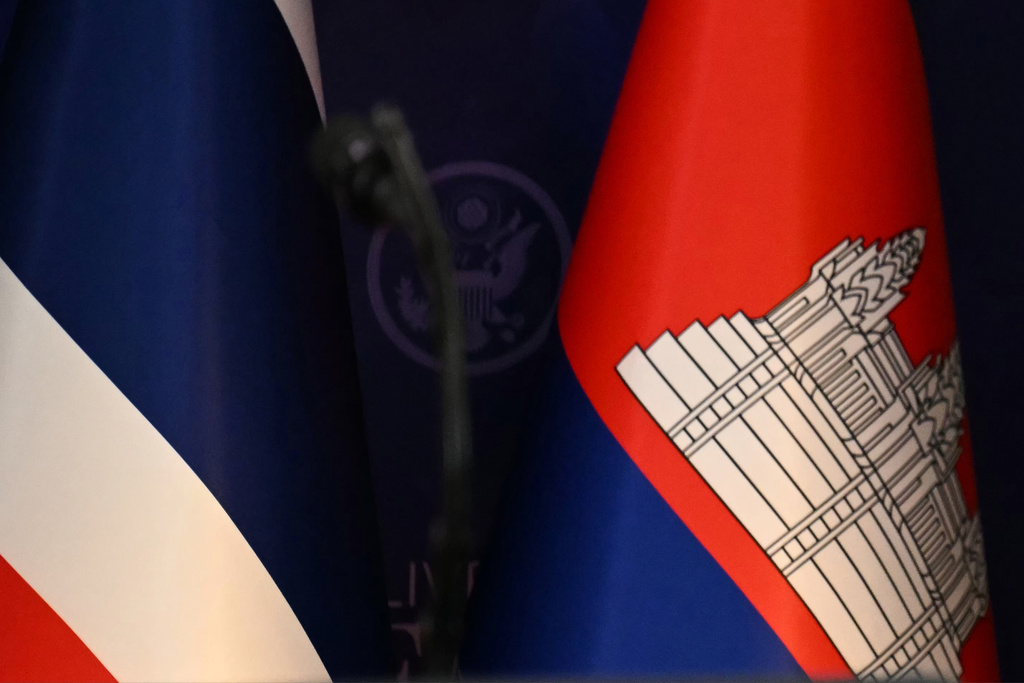
Thailand's Cabinet decision on May 5, 2026, to unilaterally terminate the 25-year bilateral Memorandum of Understanding (MOU 44) with Cambodia governing maritime disputes in the Gulf of Thailand represents a critical geopolitical shift with direct implications for cross-border e-commerce logistics and supply chain operations. The termination eliminates the provisional bilateral framework that had facilitated dialogue on overlapping maritime claims since 2001, forcing both nations to rely exclusively on UNCLOS (United Nations Convention on the Law of the Sea) for maritime governance. This structural change creates immediate operational uncertainty for sellers shipping goods through the Gulf of Thailand—a critical maritime corridor handling approximately 12-15% of Southeast Asian cross-border trade volume.
Maritime Commerce Impact and Shipping Route Uncertainty: The shift from bilateral to international legal frameworks introduces regulatory ambiguity during the transition period. Cambodia's announced strategy to invoke UNCLOS Annex V compulsory conciliation (as detailed in legal analysis by Panhavuth Long) establishes a neutral commission process that, while technically non-binding, carries significant diplomatic force and could extend dispute resolution timelines 6-18 months. Sellers relying on direct shipping routes through the Gulf of Thailand face potential route diversification costs of $800-2,400 per 20-foot container as logistics providers implement precautionary rerouting through alternative corridors (Malacca Strait, Singapore Strait). The Timor-Leste-Australia 2018 precedent demonstrates that UNCLOS Annex V conciliation can expose legal vulnerabilities of larger regional powers, suggesting Thailand may face unfavorable maritime boundary determinations that could permanently alter shipping lane access.
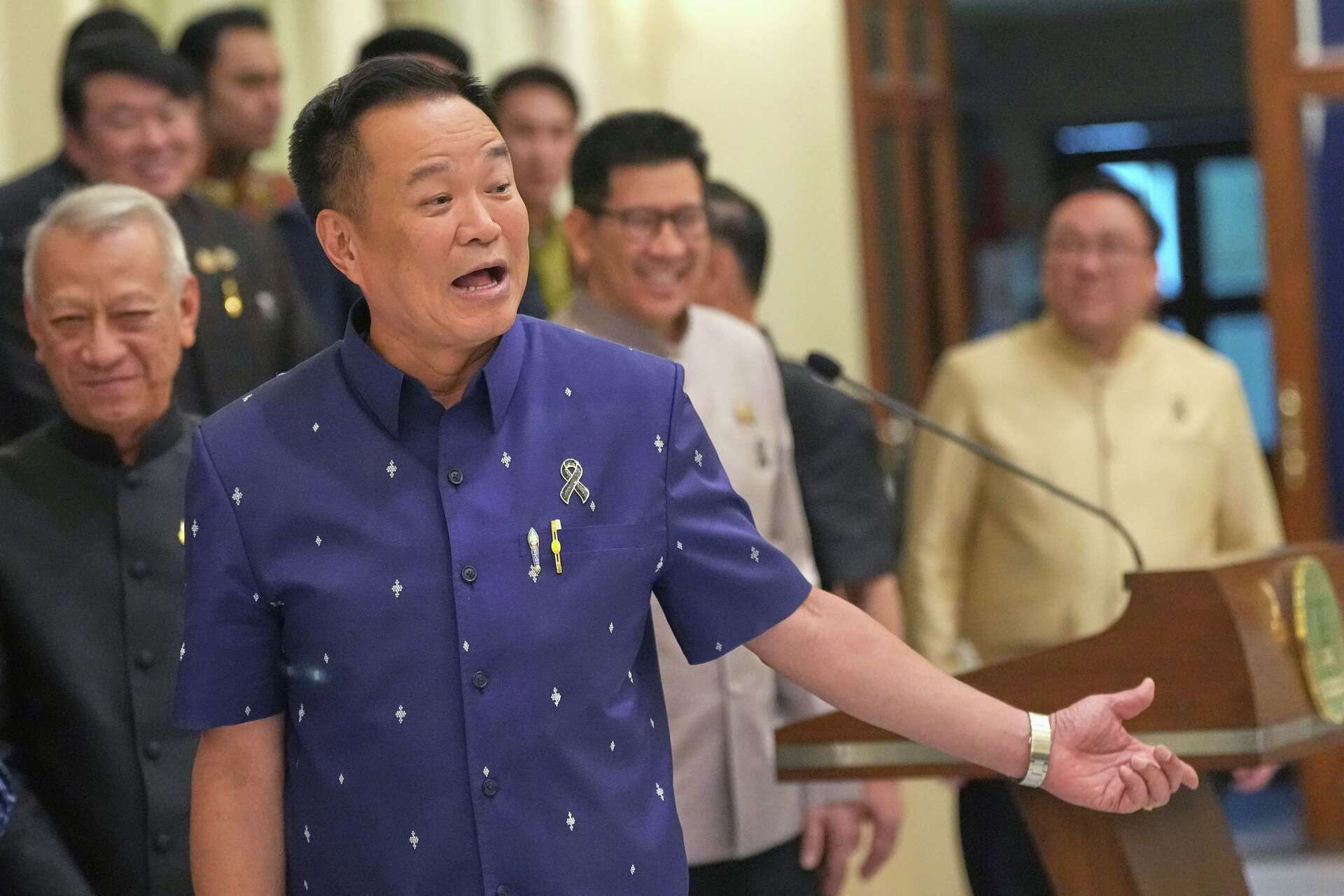
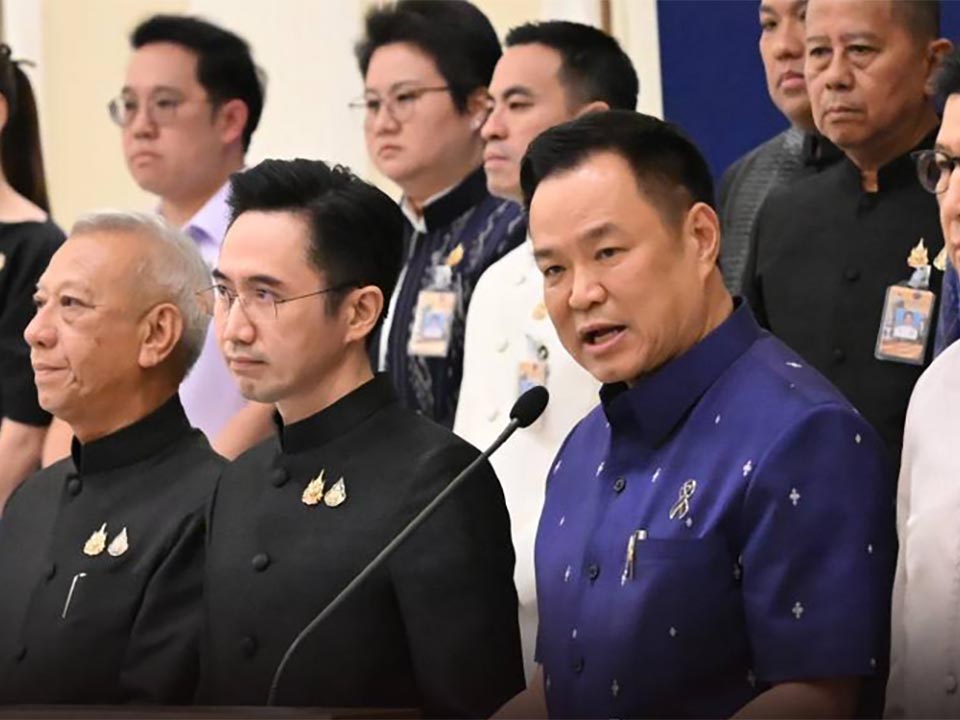
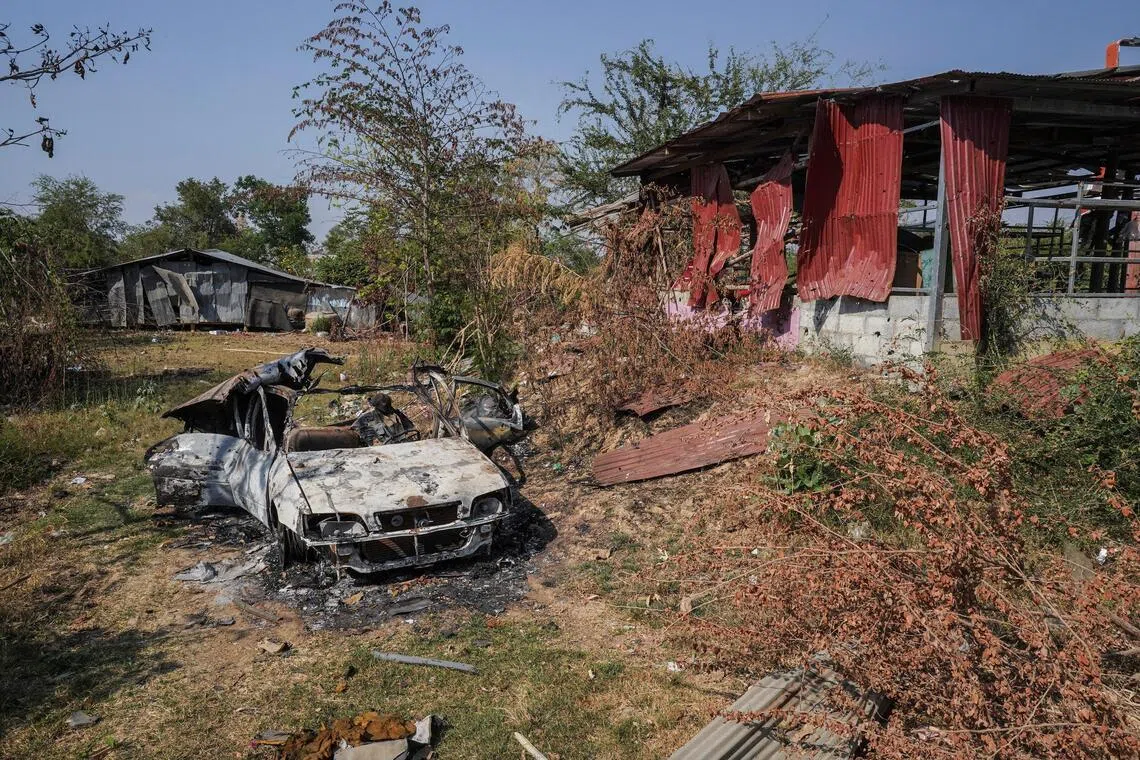
Competitive Advantage Shifts and Sourcing Strategy Implications: The geopolitical tension creates differentiated impacts across seller segments. Large 3PL providers and established logistics networks can absorb rerouting costs and maintain operational continuity, while small-to-medium sellers (SMEs) with thin margins face 3-8% cost increases on Thailand-Cambodia-Vietnam trade corridors. Sellers currently sourcing from Thai manufacturers for Cambodia-bound markets should anticipate 15-25% cost increases if alternative routes become mandatory. The underlying geopolitical context—involving military positioning, domestic Thai political considerations (referenced in analysis by Youk Chhang, Documentation Center of Cambodia), and historical regional tensions—suggests this dispute may persist beyond typical bilateral negotiation timelines. Sellers should immediately evaluate sourcing diversification toward Vietnam, Indonesia, and Malaysia-based suppliers to reduce dependency on Thai-Cambodia maritime corridors. The ASEAN Summit meeting between Thai PM Anutin Charnvirakul and Cambodian PM Hun Manet provides a 30-60 day window for diplomatic resolution before formal UNCLOS Annex V proceedings commence, creating a critical decision point for logistics planning.
Questions 8
What compliance documentation should sellers prepare for potential maritime disputes?
Sellers should prepare comprehensive documentation of current shipping routes, 3PL provider agreements, and cost baselines to establish evidence of force majeure impacts if disputes escalate. Maintain detailed records of all shipments through the Gulf of Thailand corridor, including dates, volumes, costs, and routing decisions. Document communications with logistics providers regarding route uncertainty and cost increase notifications. Prepare legal analysis of force majeure clauses in existing 3PL contracts to understand liability protections during maritime disputes. Consult with international trade counsel regarding potential tariff adjustment claims or customs duty relief if shipping costs increase due to geopolitical factors. This documentation becomes critical if sellers need to demonstrate supply chain disruption impacts to customs authorities, insurance providers, or dispute resolution bodies during extended UNCLOS proceedings.
How can sellers monitor this dispute and plan contingency logistics?
Sellers should establish a monitoring protocol tracking ASEAN Summit outcomes (expected within 30-60 days), formal UNCLOS Annex V filing announcements, and Thai-Cambodian diplomatic statements. Subscribe to maritime trade publications covering Southeast Asia (Lloyd's List, Maritime Executive) and establish direct communication channels with 3PL providers for real-time route status updates. Create a contingency logistics plan with three scenarios: (1) diplomatic resolution within 60 days—maintain current routes; (2) UNCLOS proceedings commence—implement alternative routing through Malacca/Singapore Strait; (3) unfavorable Thailand outcome—permanent route restructuring toward Vietnam/Indonesia corridors. Assign responsibility for quarterly supply chain risk reviews and establish trigger points for contingency activation. Document all route changes and cost impacts for potential tariff/duty adjustment claims if shipping costs increase due to geopolitical factors beyond normal market conditions.