



College Football's Next Power Move: Kenny Dillingham's Michigan Coaching Crossroads
- Strategic leadership transition signals high-stakes program transformation for Michigan football










Overview
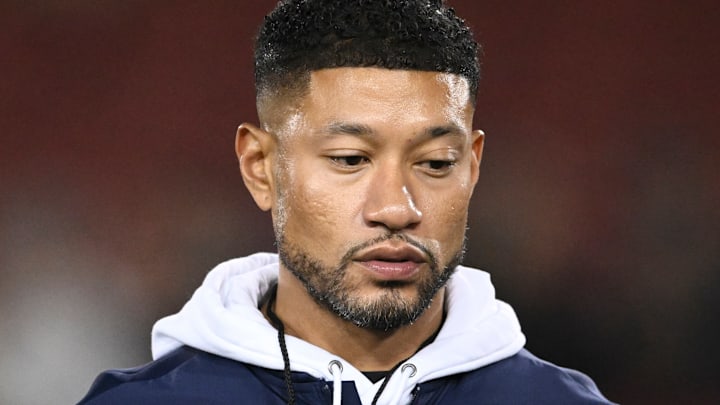
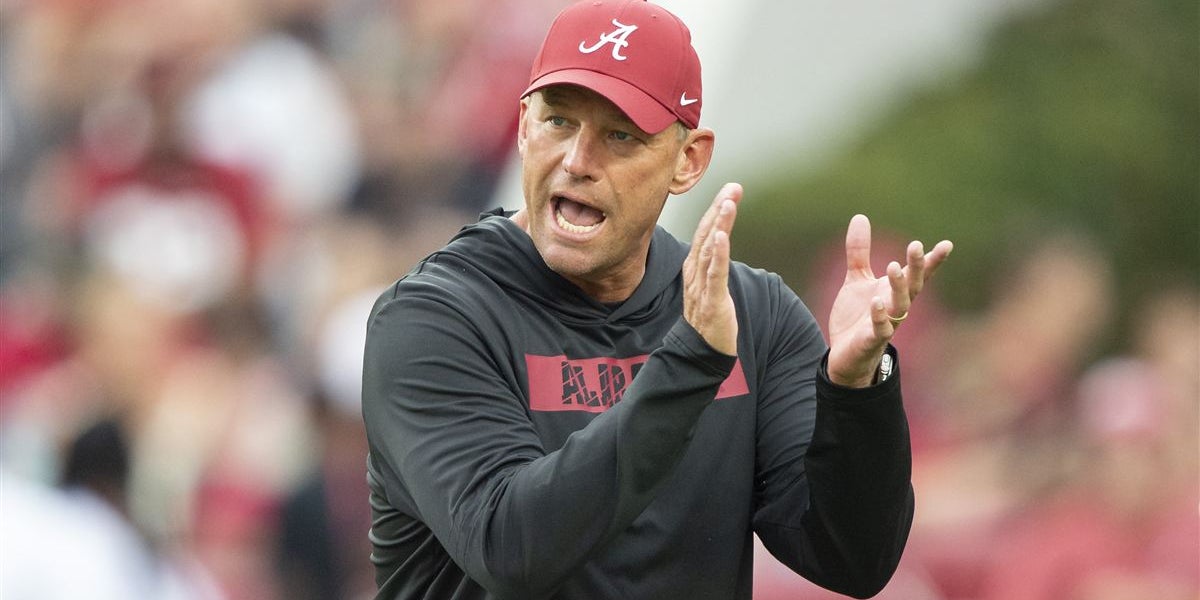
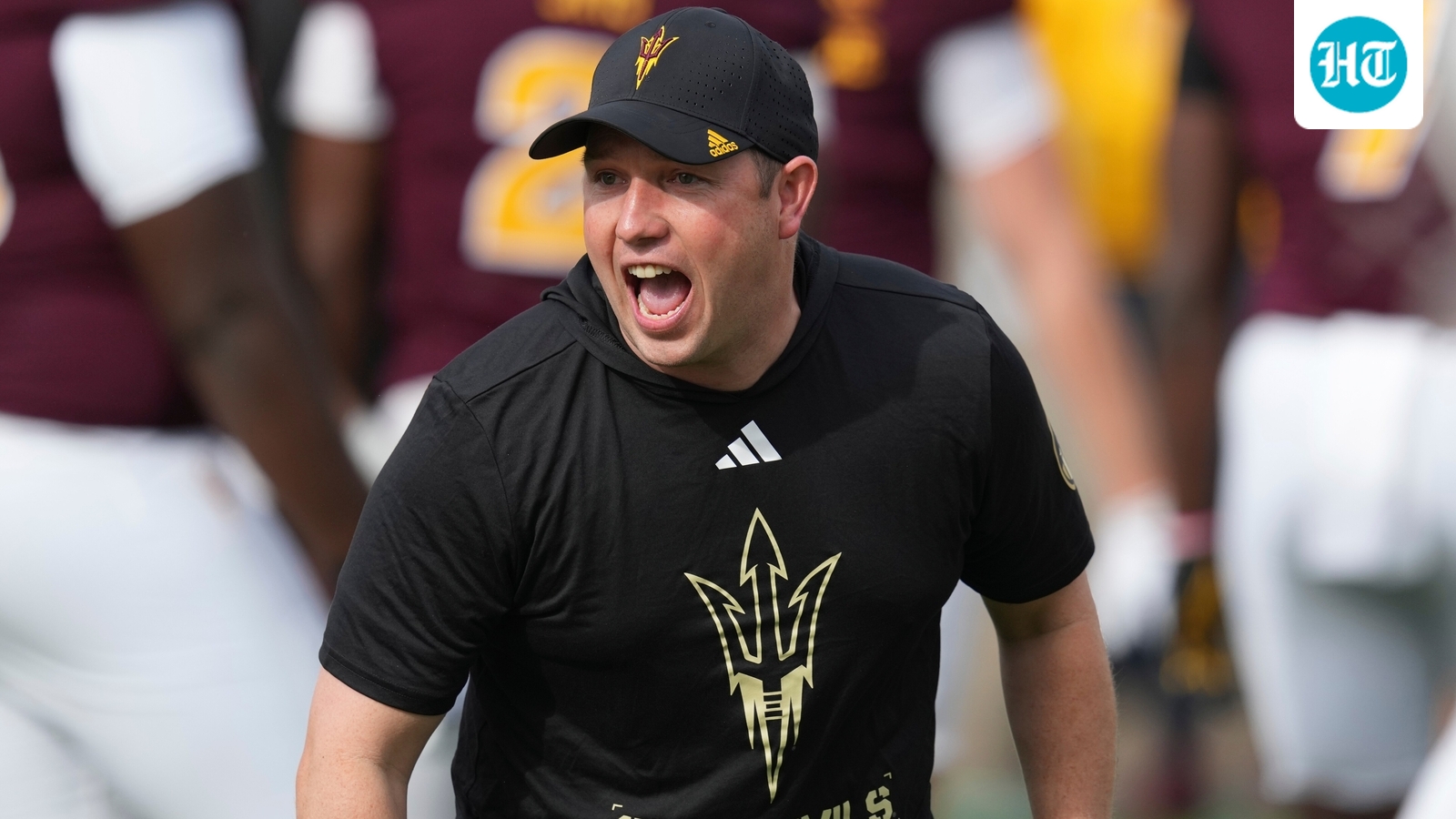
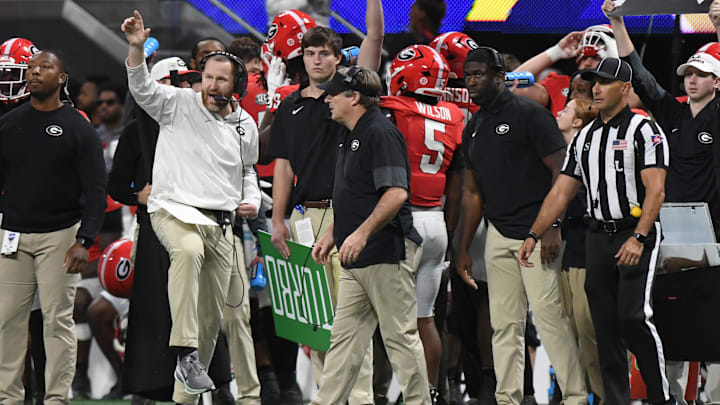
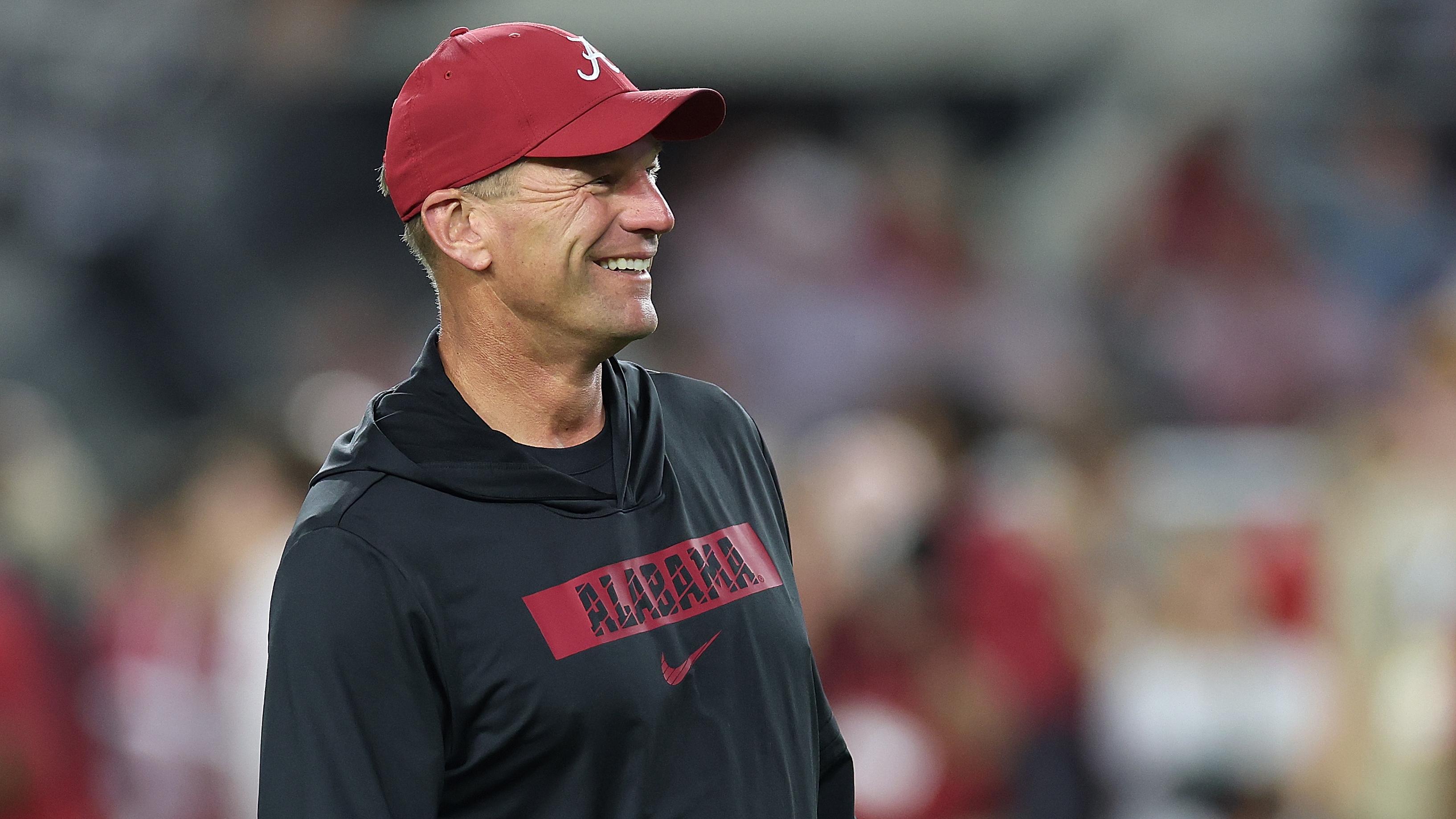
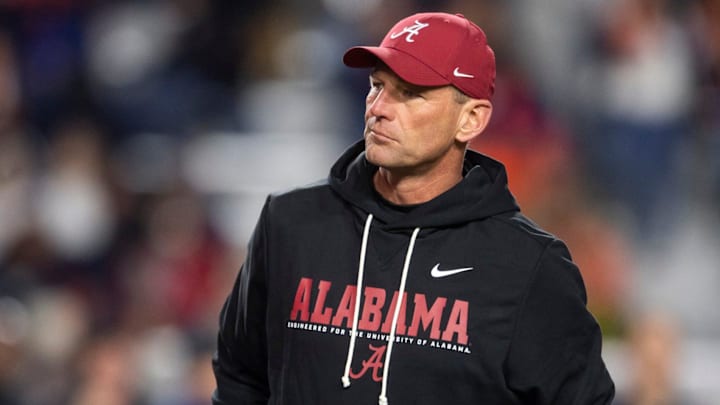
The potential hiring of Kenny Dillingham as Michigan's head football coach represents a pivotal moment in collegiate athletics, where strategic leadership and transformative potential converge. At just 35 years old, Dillingham embodies a new generation of coaching talent capable of rapidly reshaping football programs through innovative approaches and exceptional recruiting capabilities.
Strategic Transformation Potential emerges as the core narrative. Dillingham's remarkable turnaround at Arizona State—transforming a 3-9 team into an 11-3 powerhouse and leading them to the College Football Playoff in 2024—demonstrates his extraordinary ability to rebuild and energize football programs. His track record spans successful tenures at Auburn, Oregon, and Memphis, consistently producing high-performing offenses and developing elite quarterbacks like Bo Nix and Sam Leavitt.
The coaching transition dynamics reveal complex professional mobility considerations. As the betting favorite (-200 odds) for Michigan's head coaching position, Dillingham represents more than a tactical hire—he symbolizes a strategic reset. His previous commitment to ASU, coupled with a five-year contract that automatically extends, adds intrigue to potential negotiations. Industry experts like Steve Wiltfong suggest he could "crush it" at Michigan, potentially even winning a national championship.
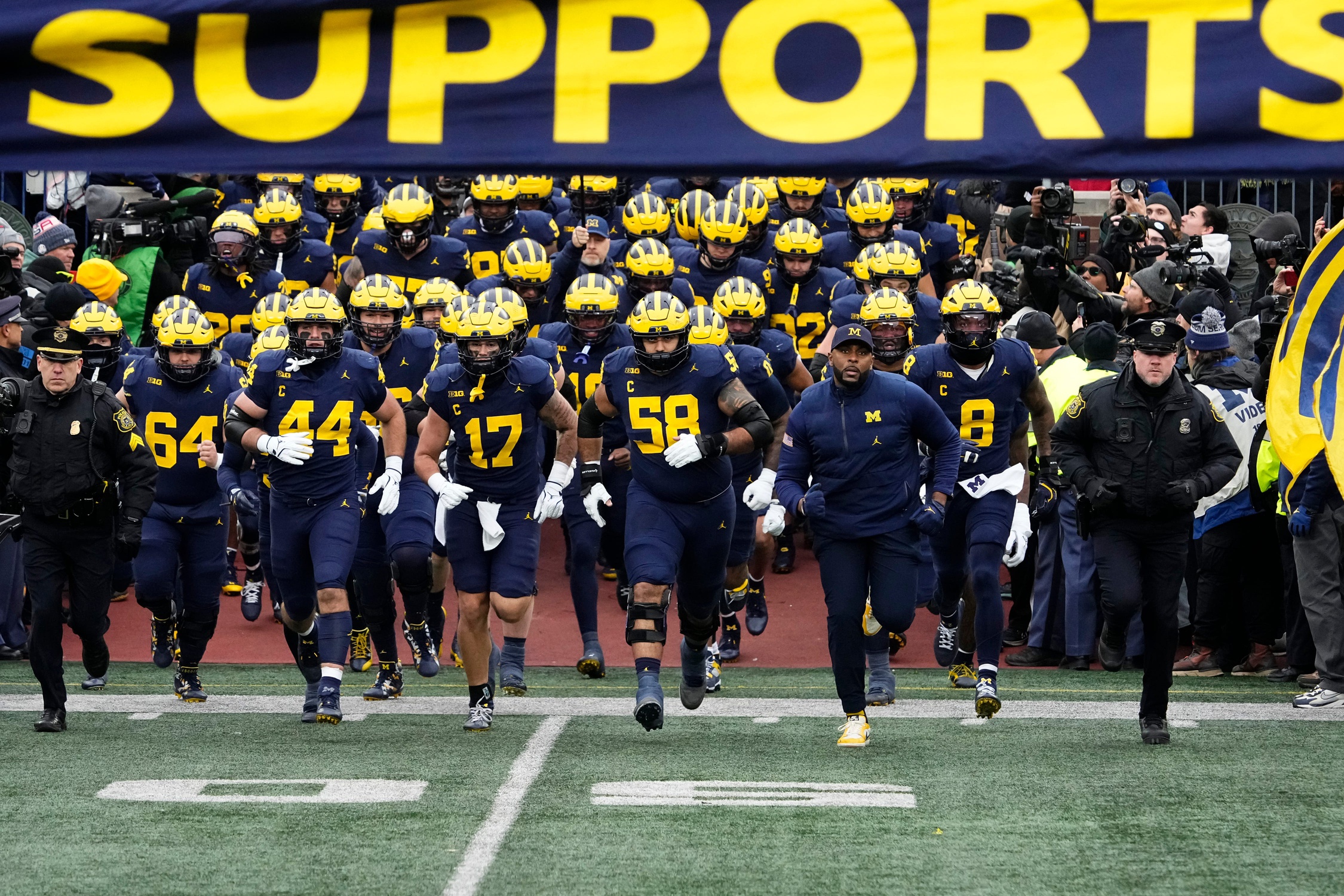
Recruiting and Cultural Transformation stand out as Dillingham's most compelling attributes. His ability to connect with players, navigate challenging institutional environments (as demonstrated at Arizona State during sanctions), and bring "new energy" to a program makes him an ideal candidate for Michigan's revitalization. The coaching search, triggered by Sherrone Moore's dismissal, represents a critical inflection point for a storied football program seeking renewed direction and competitive edge.
The broader implications extend beyond individual coaching changes. This potential hire signals a growing trend of younger, more innovative coaches who blend tactical expertise with strong interpersonal skills and strategic vision. For Michigan, Dillingham represents not just a coach, but a potential cultural architect capable of reimagining the program's competitive identity.
Questions 3
How does Dillingham's age and experience impact his coaching potential?
At 35, Dillingham represents a new generation of coaches bringing innovative strategies and strong player connections. His successful tenures at multiple programs demonstrate maturity beyond his years, with experts believing he could bring transformative 'new energy' to Michigan's football culture.
What challenges might Dillingham face in transitioning to Michigan?
Key challenges include navigating contract negotiations with Arizona State, managing high expectations at a prestigious football program, and quickly establishing his coaching philosophy. His previous experience handling institutional challenges at ASU during sanctions suggests he has the adaptability to manage complex transitions.