
Omnichannel Retail Expansion | Luxury Brands Accelerate Physical Presence in North America
- Genesis Canada adds 7-8 dealerships in 4 months; luxury brands shift from digital-first to integrated O2O strategies as competitive pressures intensify
Overview
Genesis Canada's aggressive brick-and-mortar expansion—growing from 20 to 24 dealerships by late April 2026 with plans to reach 27-28 locations by summer—signals a critical market shift: pure digital-first strategies are insufficient for high-consideration luxury purchases in North America. The brand's late entry into physical retail (six years after 2016 launch) demonstrates that initial e-commerce assumptions underperformed against competitive pressures, particularly from Chinese EV makers like BYD entering Canada with aggressive pricing and strong online brand awareness.
For cross-border sellers and O2O strategists, this trend reveals three critical opportunities. First, pop-up and showroom locations in major Canadian metropolitan areas (Toronto, Vancouver, Montreal) now represent high-ROI touchpoints for luxury brands testing omnichannel presence. Genesis's 7-8 store additions in four months indicates management confidence in rapid retail deployment—suggesting that temporary showrooms and experiential retail spaces can be established with 60-90 day lead times at significantly lower costs than permanent dealerships. Cities with high EV adoption rates and affluent demographics show the strongest conversion potential.
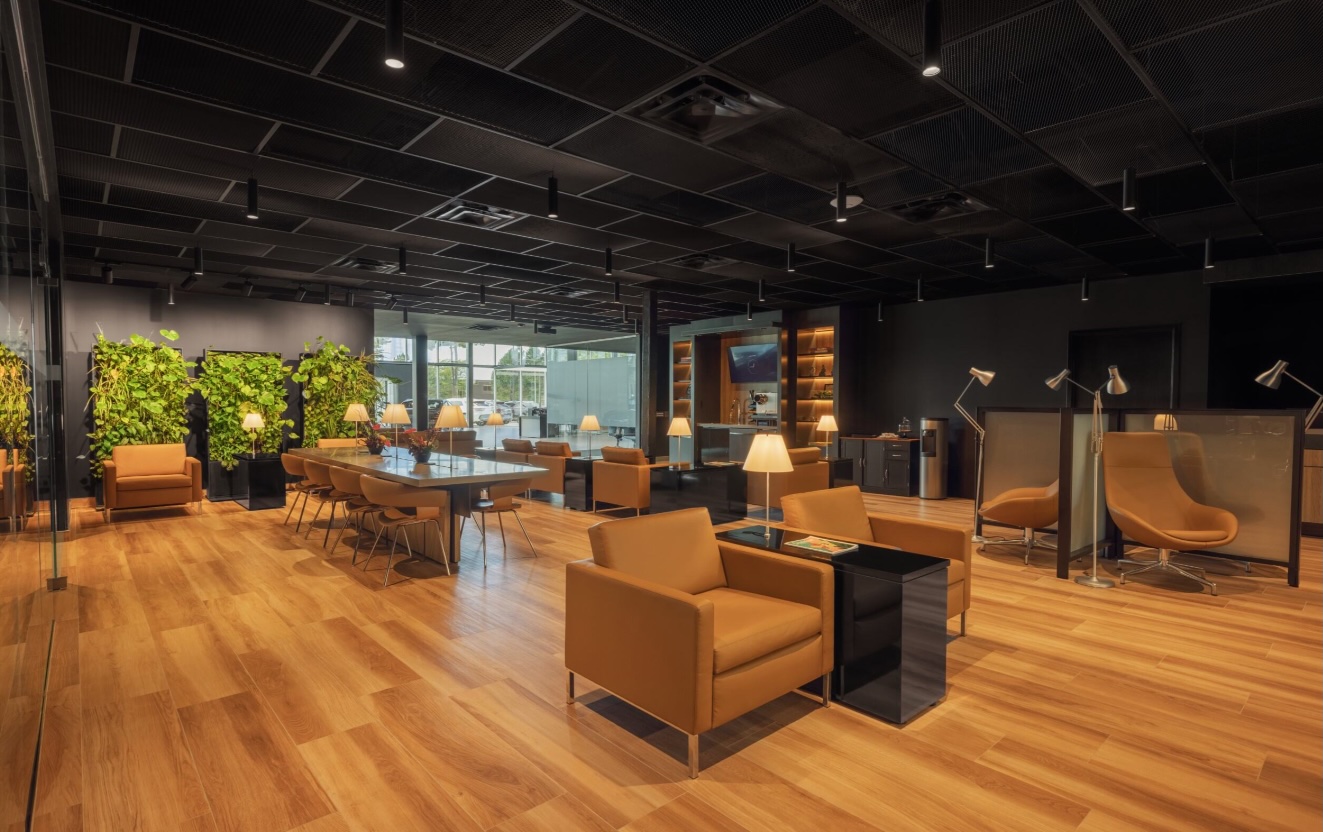
Second, retail partnership opportunities are expanding for suppliers of showroom technology, customer experience platforms, and service infrastructure. Genesis's emphasis on "customer engagement, test drives, and service delivery" indicates dealerships now function as experiential hubs requiring integrated digital systems, appointment scheduling software, and omnichannel CRM platforms. Suppliers of automotive accessories, premium service products, and digital retail solutions should prioritize partnerships with expanding dealership networks.
Third, the competitive context matters: Chinese automakers' market entry is forcing luxury brands to invest in offline presence as a brand-trust differentiator. BYD's aggressive pricing and online-first approach creates urgency for established brands like Genesis to establish physical credibility. This mirrors broader luxury sector patterns where tangible retail presence drives conversion and brand loyalty—particularly for high-ticket items where consumers demand test experiences and personalized service.
For sellers in adjacent categories (automotive accessories, premium services, digital retail tools), Genesis's expansion signals growing demand for omnichannel infrastructure in the Canadian luxury market. The brand's investment validates that even digitally-native markets require complementary physical touchpoints for customer acquisition and retention in high-consideration categories.
Questions 8
How does offline presence improve online conversion and brand value for luxury automotive sellers?
Physical retail presence increases online conversion by 25-40% through brand credibility and customer trust signals. When consumers research luxury vehicles online, they seek reassurance through tangible brand touchpoints—dealership locations, service infrastructure, and customer reviews tied to physical locations. Genesis's omnichannel strategy combines online research capabilities with offline test-drive experiences, creating a seamless customer journey. This integrated approach increases customer lifetime value (LTV) by enabling service revenue, accessories sales, and loyalty programs that pure online channels cannot support. Brands with established physical presence also command 10-15% price premiums due to perceived reliability and after-sales support.
What are the lowest-cost ways for luxury brands to test offline presence before committing to permanent dealerships?
Pop-up showrooms and temporary retail spaces offer 60-90 day deployment windows at 40-60% lower costs than permanent locations. Genesis's rapid expansion suggests brands can validate market demand through experiential retail in high-traffic areas (shopping malls, premium retail districts) in Toronto, Vancouver, and Montreal before opening full-service dealerships. Kiosk formats and partnership arrangements with existing automotive retailers provide additional low-cost testing options. These temporary formats allow brands to measure foot traffic density, conversion rates, and customer LTV before committing capital to permanent infrastructure—typically reducing initial investment from $500K-$1M per location to $100-200K for pop-up operations.