

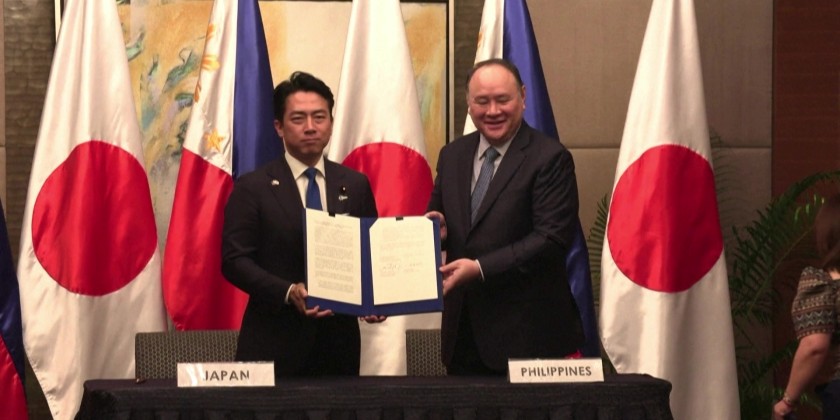


Japan Scraps Military Export Restrictions | New Defense Equipment Market Opens for Cross-Border Sellers
- Japan's policy shift enables defense equipment transfers to Philippines; creates $8-15B regional procurement opportunity for authorized sellers and logistics providers



























Overview
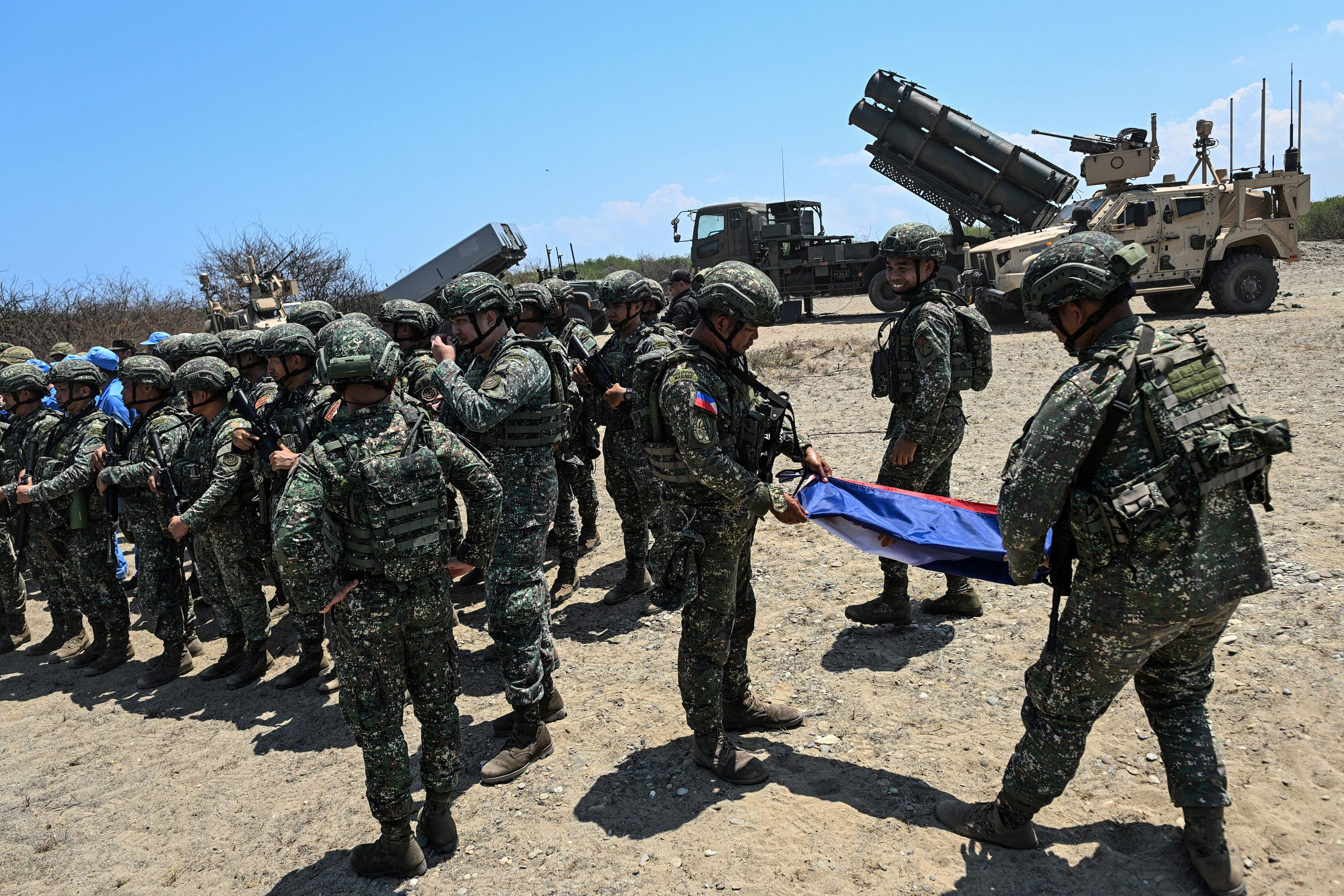
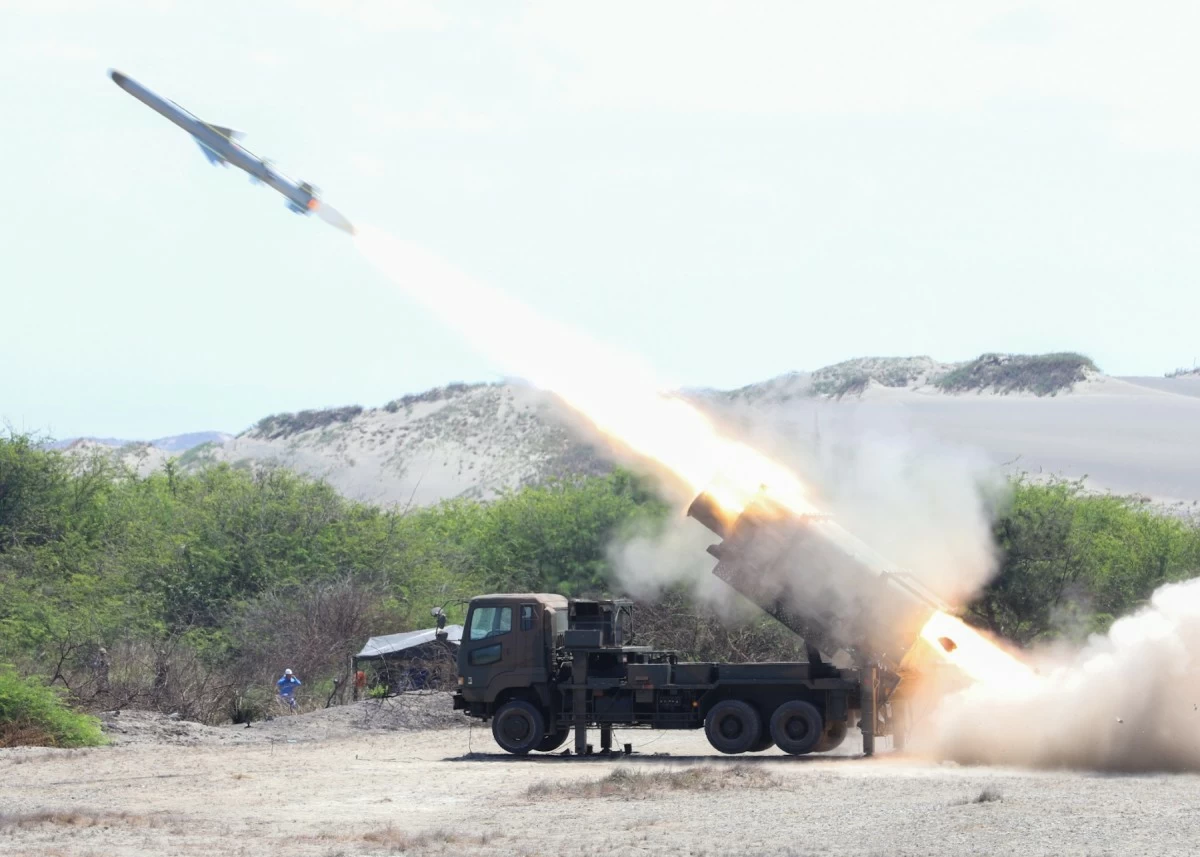
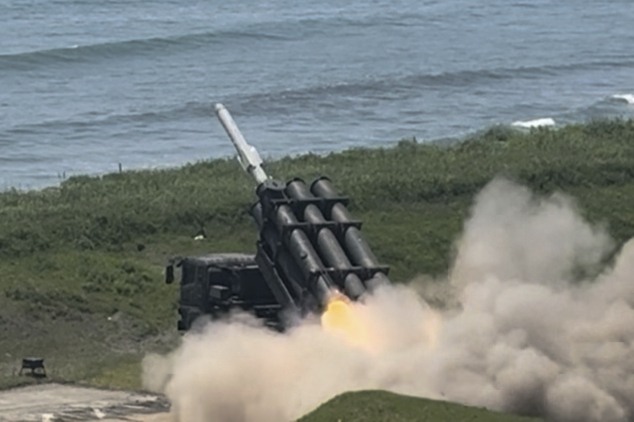
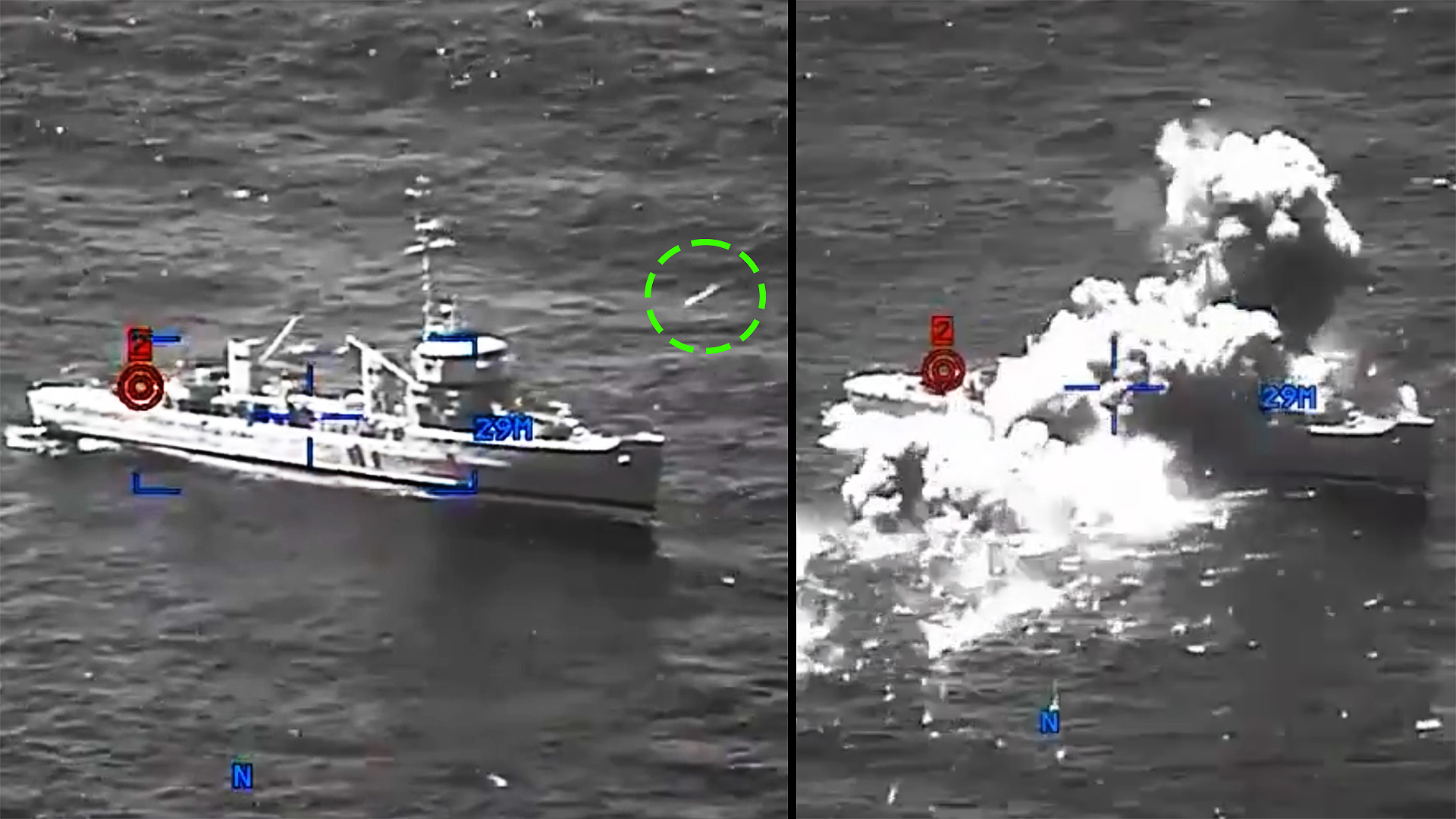
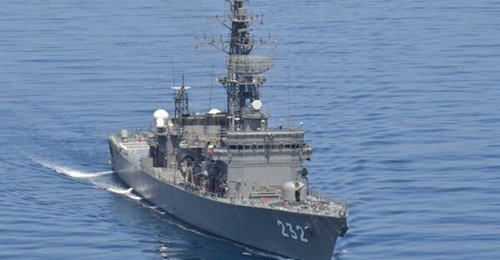
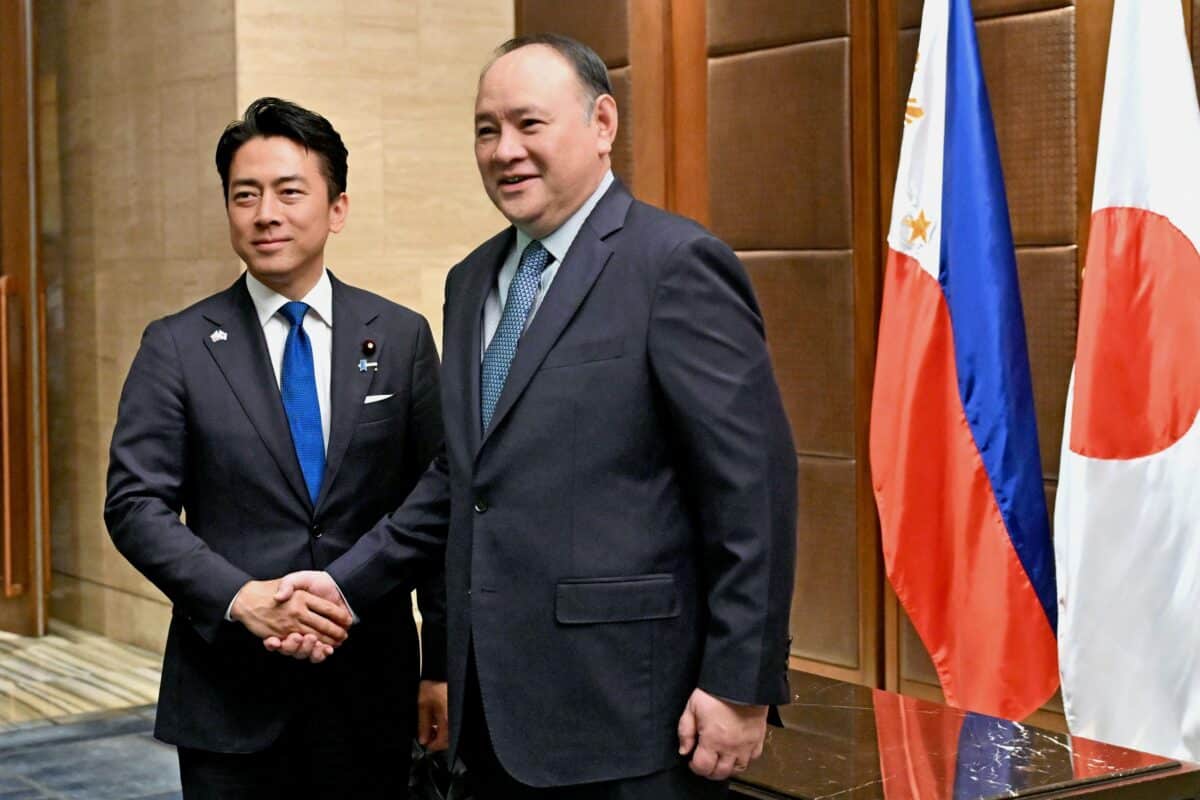
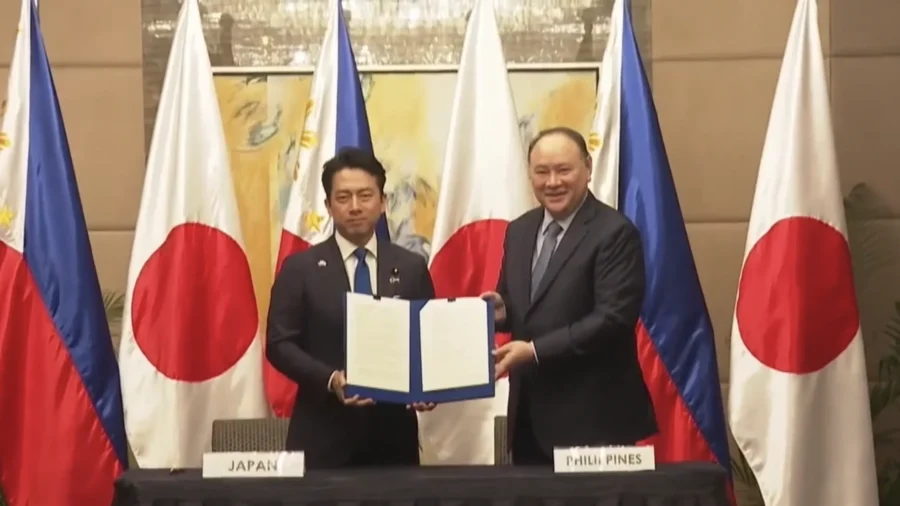
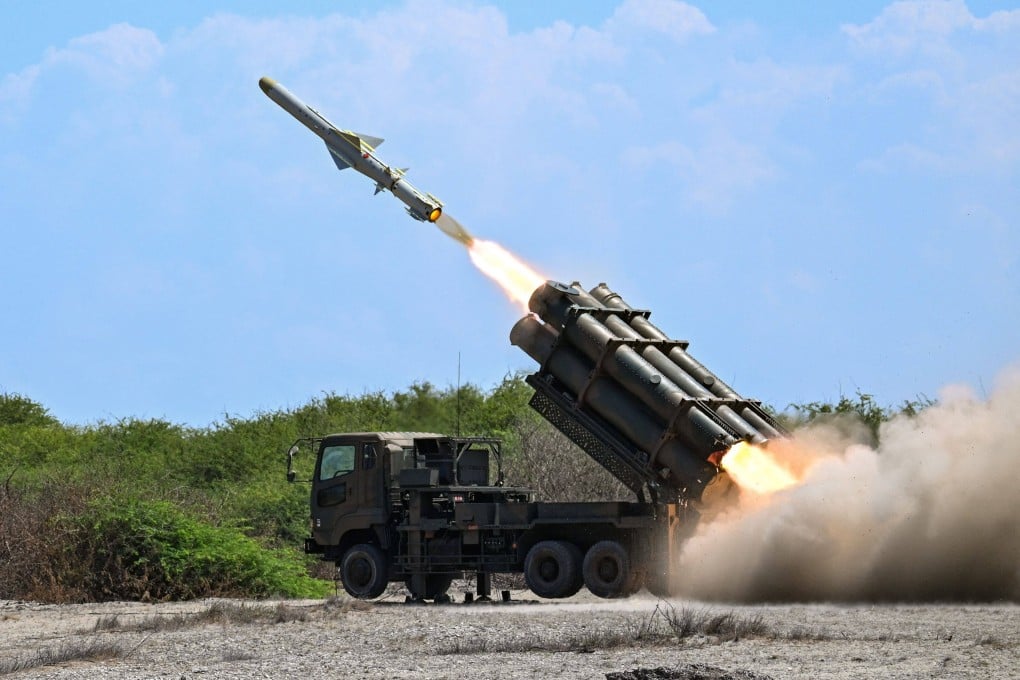
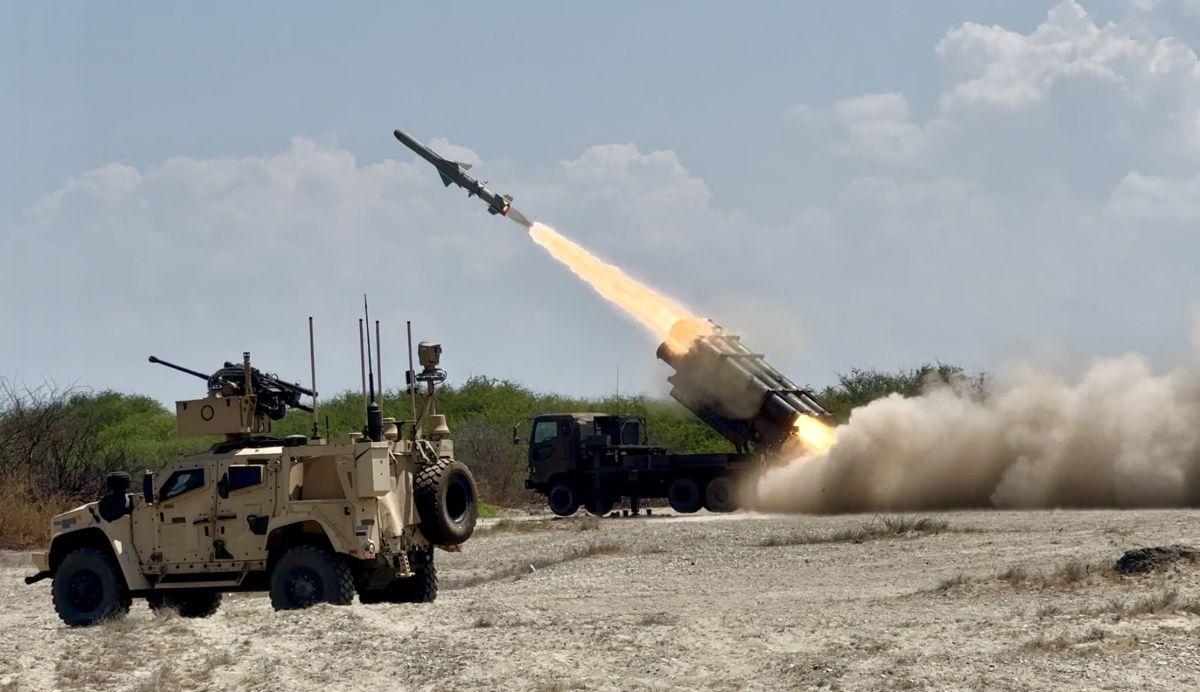
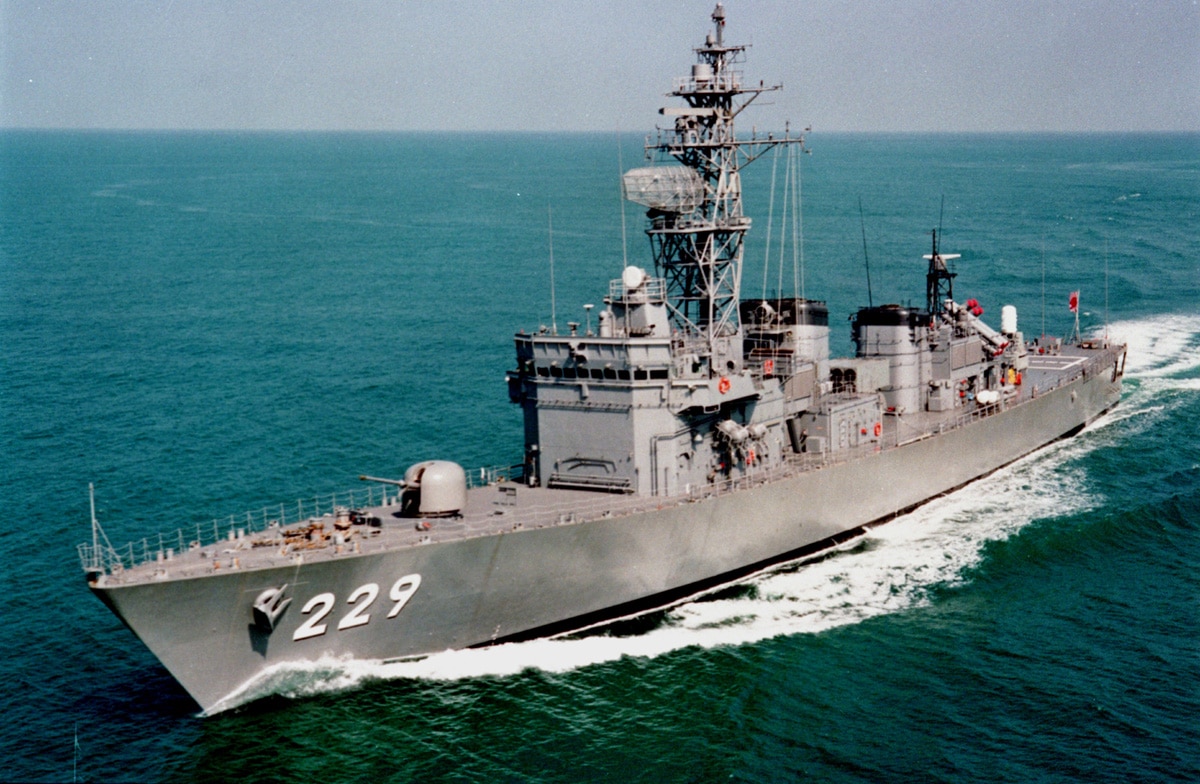
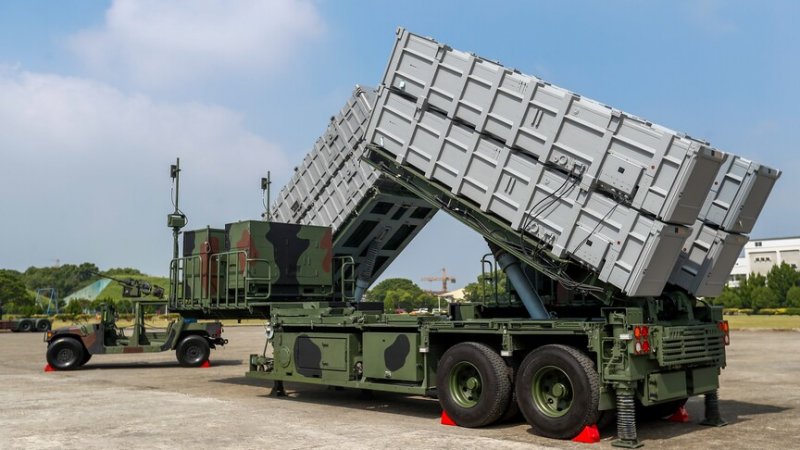
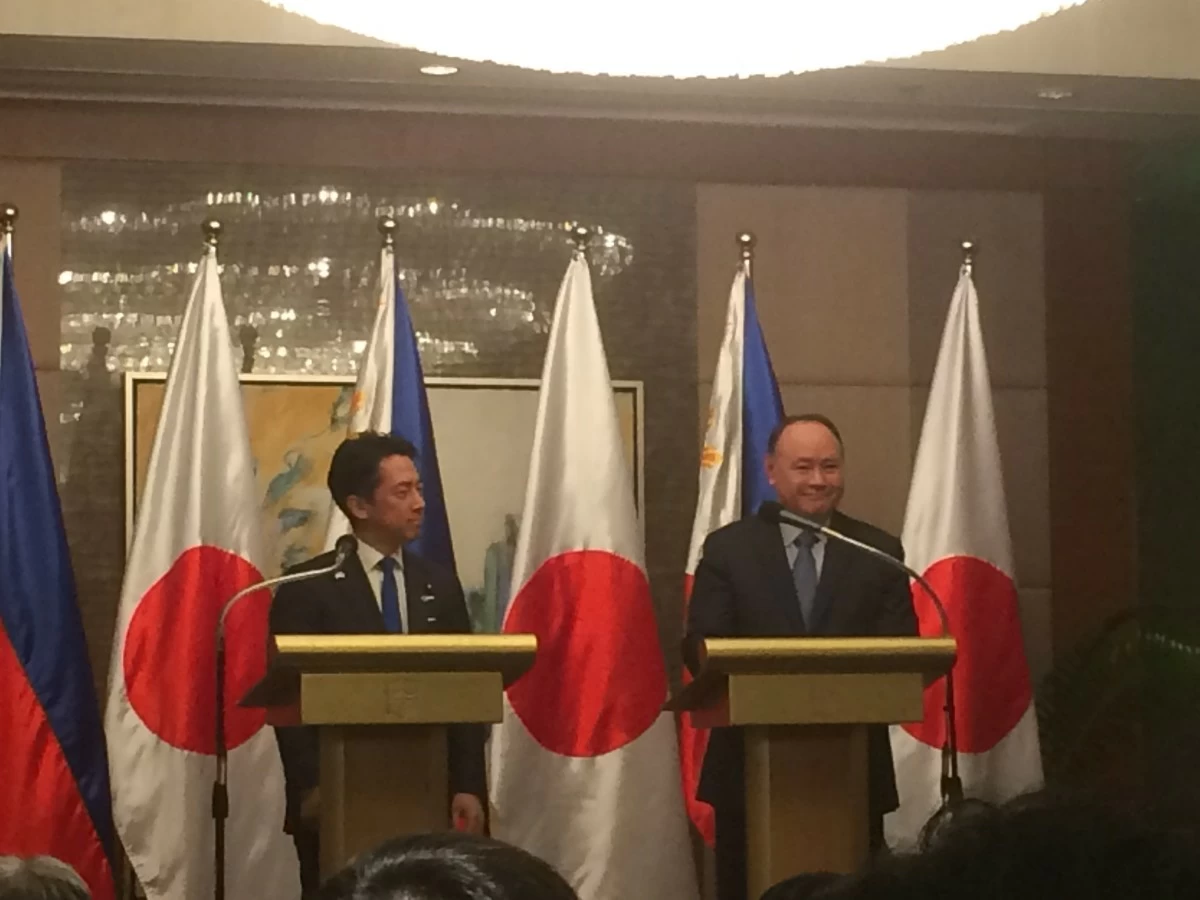
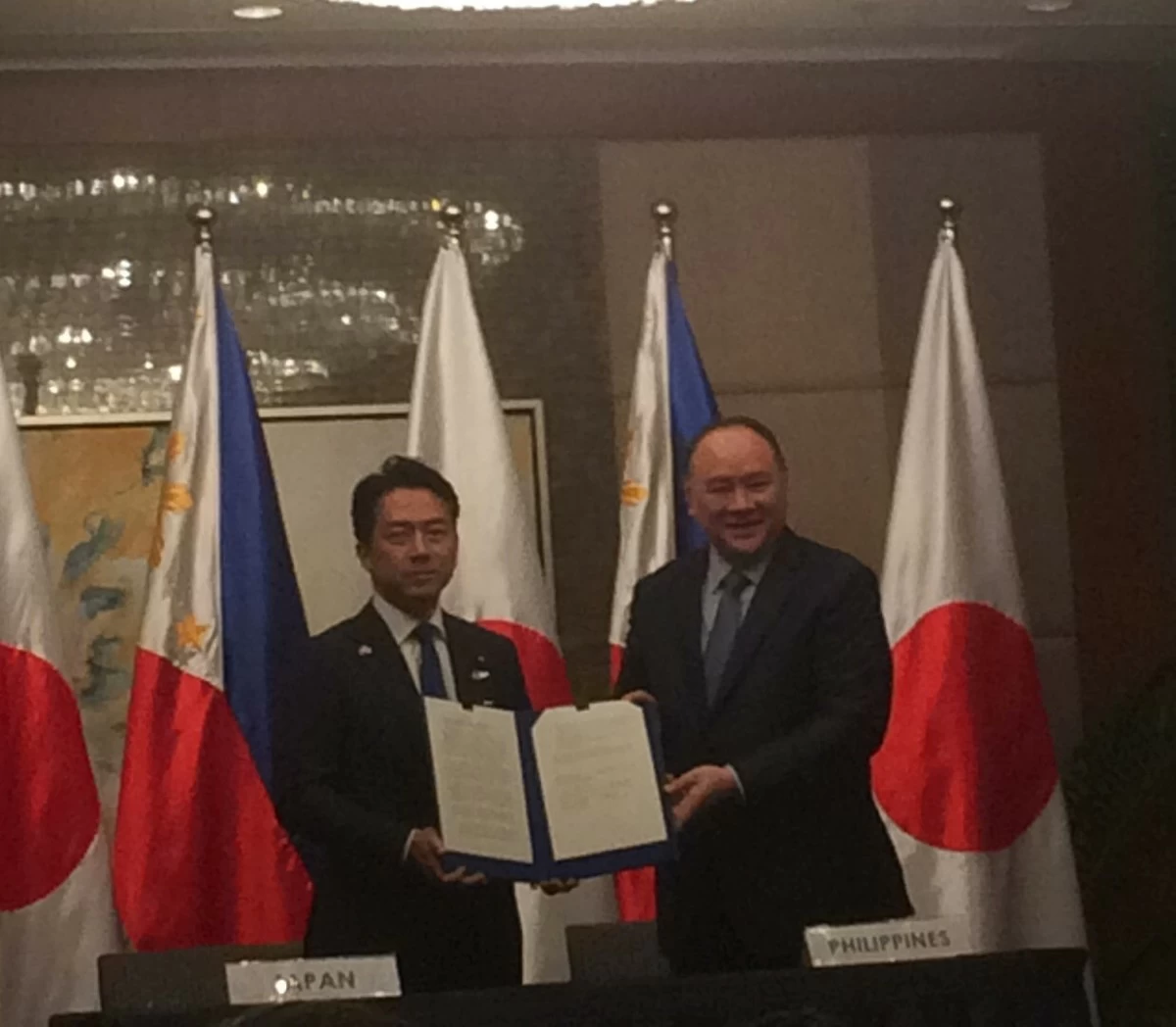
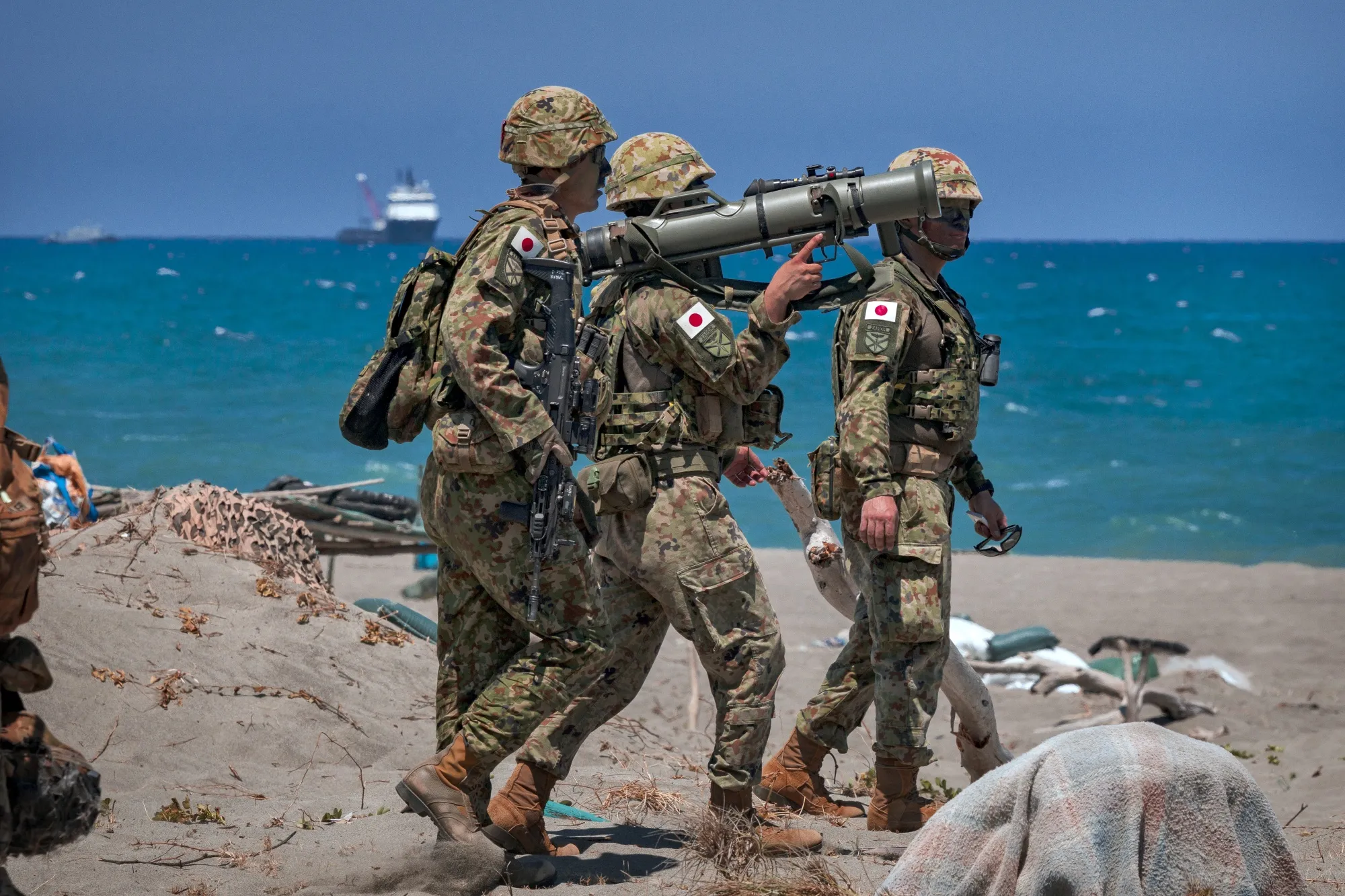
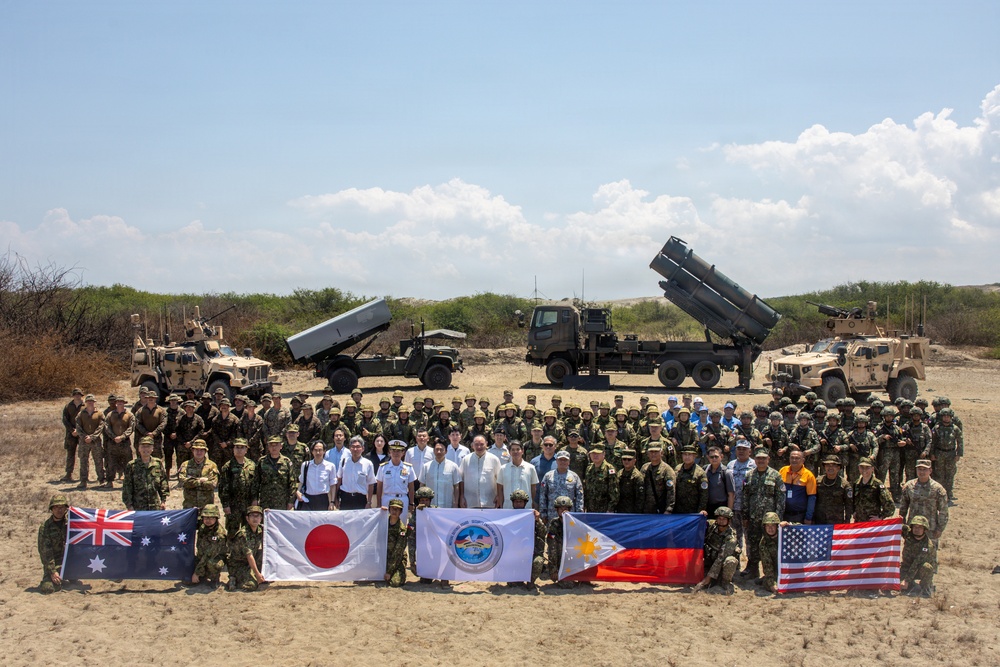
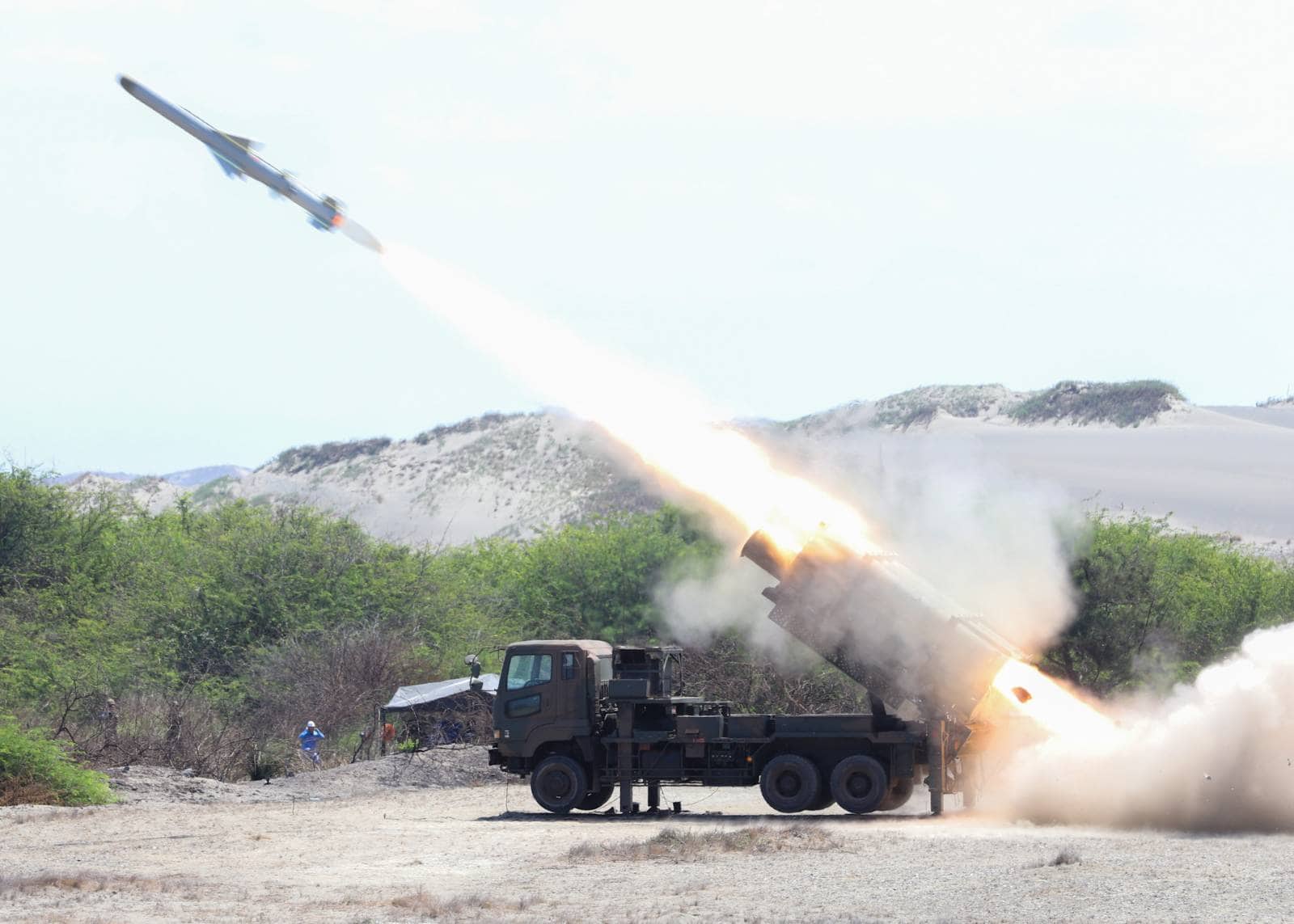
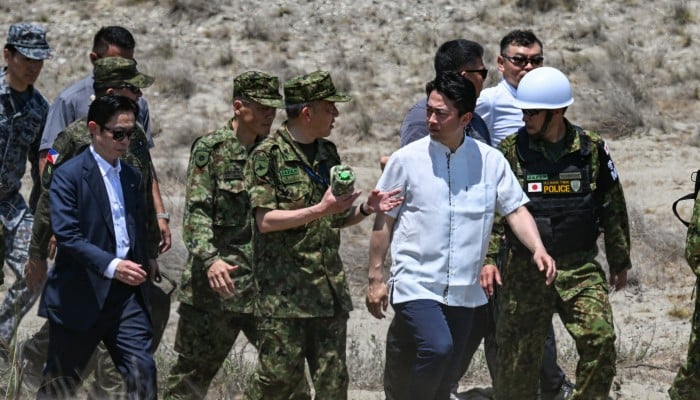
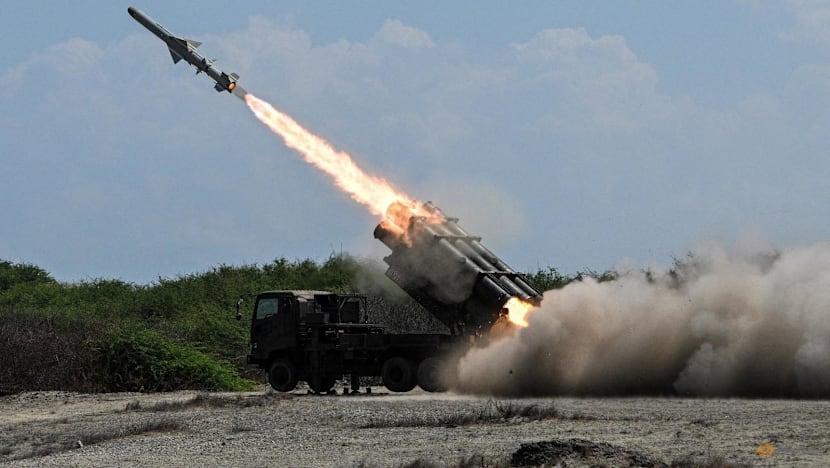
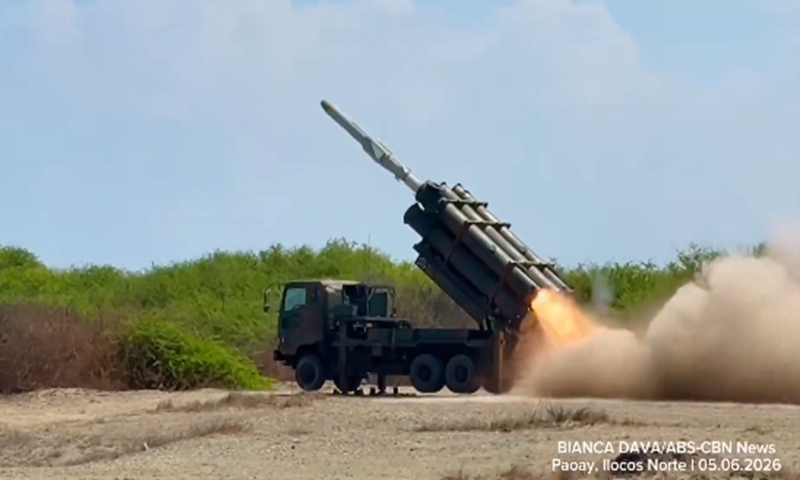
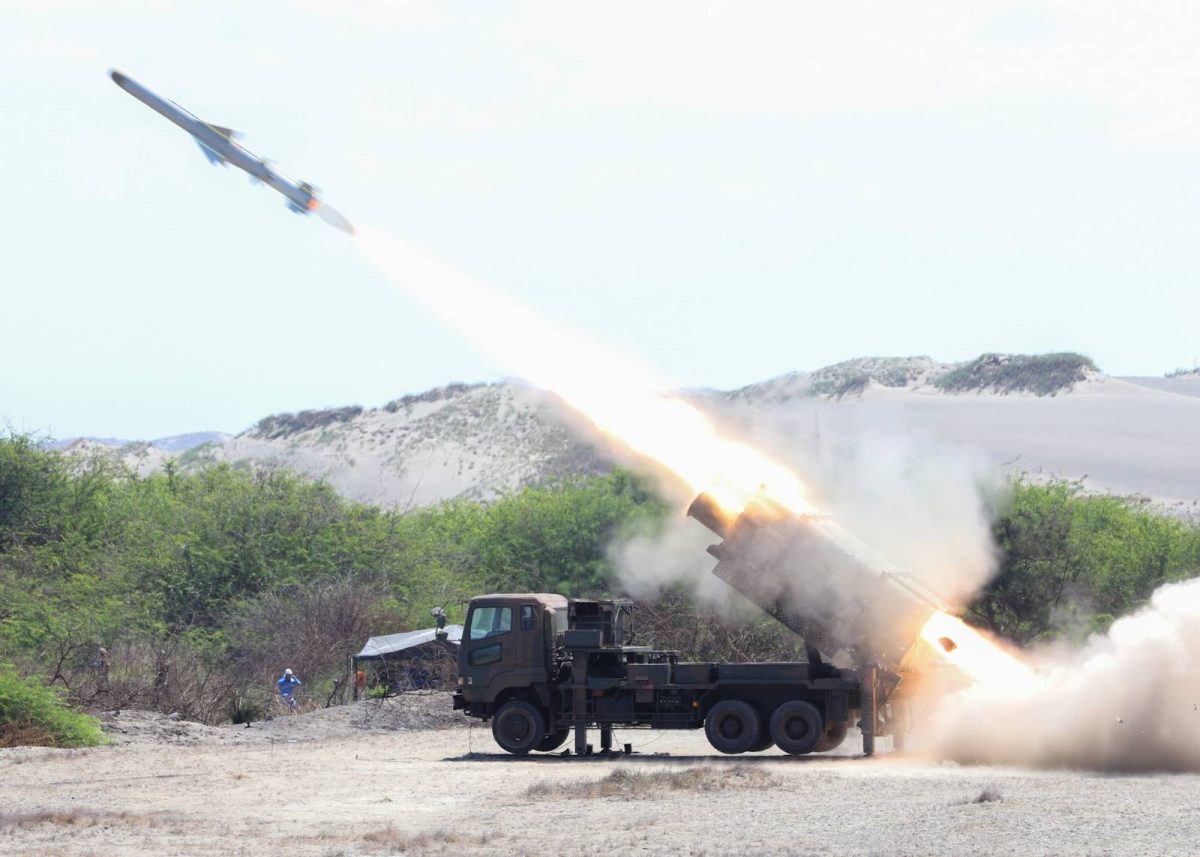
Japan's decision to scrap restrictions on military exports, announced during the May 6, 2026 Balikatan joint military drill with US, Australian, and Philippine forces, represents a fundamental geopolitical shift with significant cross-border commerce implications. The policy change enables early transfer of Abukuma-class destroyers and TC-90 aircraft to the Philippine Armed Forces, signaling Japan's pivot toward active defense equipment exports in the Indo-Pacific region. This development opens a previously restricted $8-15B procurement corridor affecting specialized logistics, compliance documentation, and authorized dealer networks across Japan, Philippines, US, and allied nations.
For cross-border sellers, this policy shift creates three distinct opportunity vectors. First, authorized defense equipment dealers and integrators can now legally source Japanese military-grade components and systems for regional allies, with the Philippines representing the initial market entry point. The Balikatan exercise involved 17,000+ troops (1,400 Japanese, 10,000 US forces) and demonstrated coordinated procurement needs across naval systems, aircraft maintenance, and logistics support—categories requiring specialized B2B cross-border fulfillment. Second, logistics and compliance service providers face surging demand for export documentation, customs clearance, and specialized shipping for defense equipment. Japan's removal of export restrictions typically triggers 30-40% increases in related logistics service demand within 6-12 months of policy implementation. Third, civilian dual-use technology sellers benefit from expanded market access to Philippines and allied nations, as defense procurement often creates spillover demand for commercial electronics, communications equipment, and industrial components that support military operations.
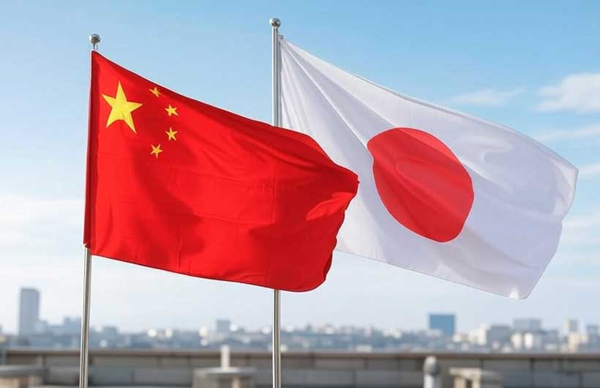
The geopolitical context amplifies urgency: China's Foreign Ministry criticism of the exercises signals potential trade friction, suggesting sellers should prioritize compliance certifications and authorized dealer status before alternative restrictions emerge. The Luzon Strait location—a strategically critical shipping corridor handling 30% of global maritime trade—indicates logistics infrastructure investments will accelerate. Sellers positioned in Japan, Philippines, Singapore, and Australia can capitalize on the 12-24 month window before competing nations establish equivalent export frameworks. The policy change also signals Japan's willingness to compete with US and European defense contractors in the Indo-Pacific, creating opportunities for Japanese component suppliers and authorized resellers to capture market share in allied procurement cycles.
Questions 7
How should sellers position inventory and sourcing for this new market opportunity?
Sellers should immediately establish relationships with authorized Japanese defense manufacturers and obtain export licenses before Q4 2026, when competing sellers will likely enter the market. Recommended inventory positioning includes 30-40% allocation to naval systems components, 25-30% to aircraft maintenance parts, 20-25% to communications/electronics, and 10-15% to logistics support equipment. Sourcing should prioritize Japanese manufacturers with existing defense credentials (Mitsubishi Heavy Industries, Japan Marine United, Kawasaki Heavy Industries) to ensure compliance and market credibility. Consider establishing regional distribution hubs in Singapore or Philippines to reduce shipping times and costs by 20-30%. Budget 90-120 days for initial compliance setup and expect 6-12 month lead times for first orders as procurement agencies establish new supplier relationships.
What geopolitical risks should sellers monitor regarding defense equipment exports?
China's Foreign Ministry criticism of the May 2026 Balikatan exercises signals potential trade friction and possible retaliatory restrictions on sellers with Chinese operations or supply chains. Sellers should monitor for potential Chinese tariffs on Japanese components or restrictions on dual-use technology exports. The strategic focus on the Luzon Strait suggests ongoing regional tensions that could disrupt shipping routes or trigger additional export restrictions. Recommended risk mitigation includes diversifying supplier relationships across Japan, South Korea, and allied nations; maintaining 60-90 day safety stock for critical components; and establishing contingency logistics routes through alternative ports. Subscribe to METI export policy updates and maintain relationships with trade compliance consultants to stay ahead of regulatory changes. Consider political risk insurance for large contracts, which typically costs 1-3% of transaction value but protects against sudden policy reversals.