


Turkey's $8B Defense Export Boom Creates B2B Logistics & Tech Supply Chain Opportunities for Cross-Border Sellers
- Turkish defense sector expansion signals 15-25% growth in industrial equipment, precision components, and logistics services exports through 2026











)
Overview
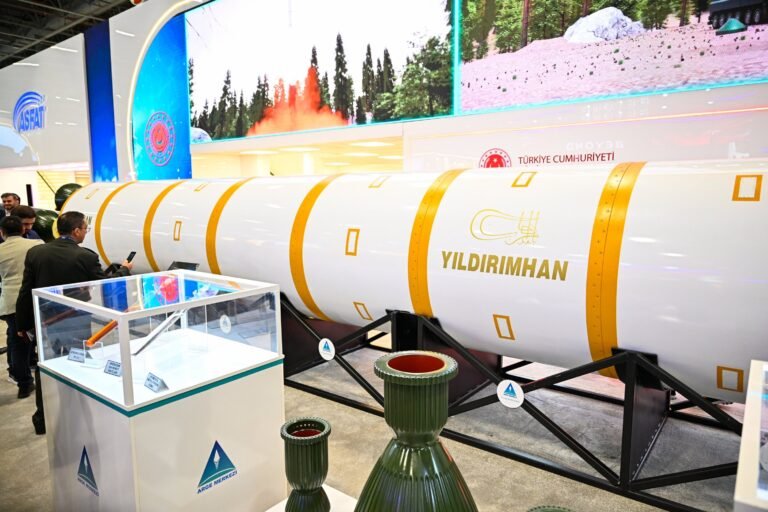
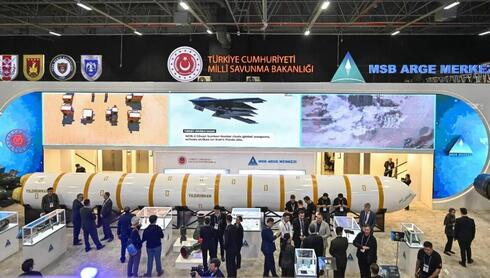
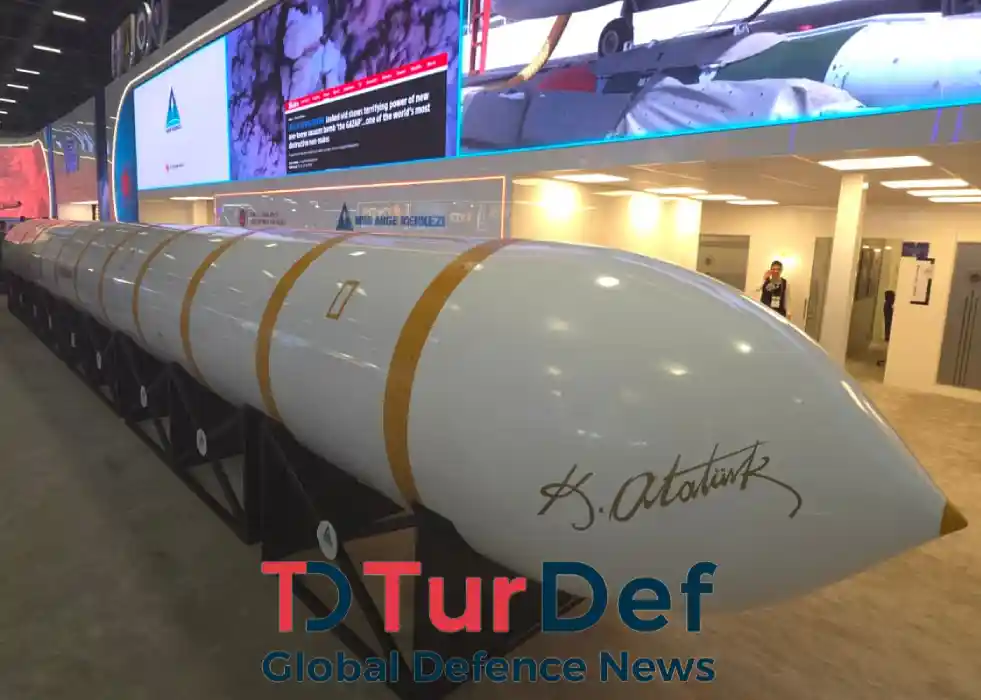
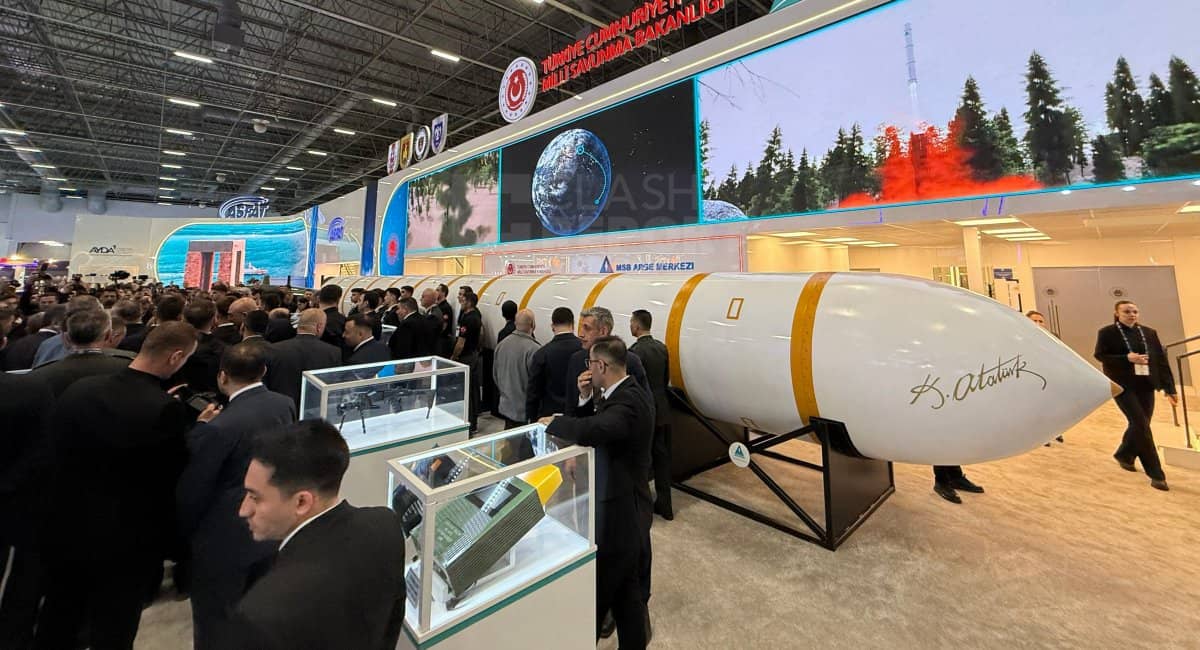
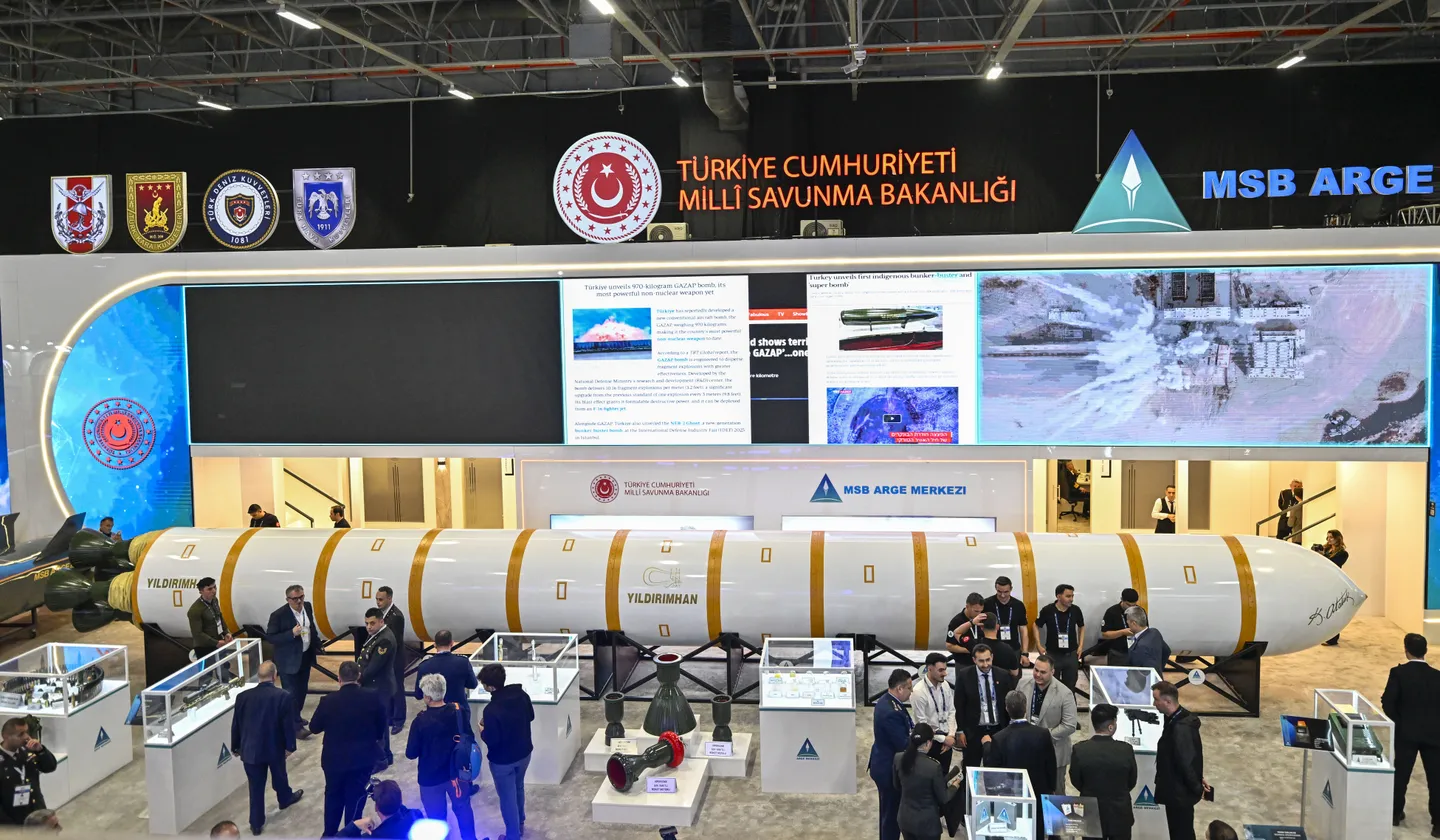
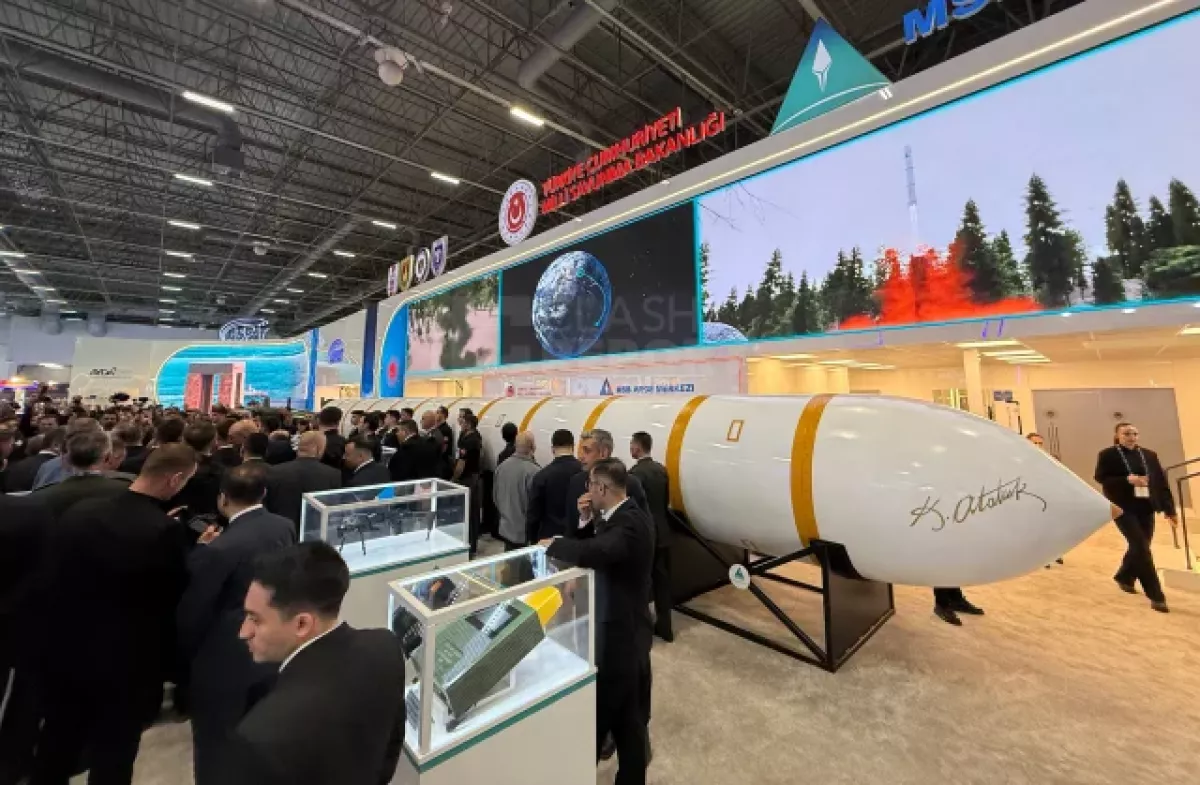
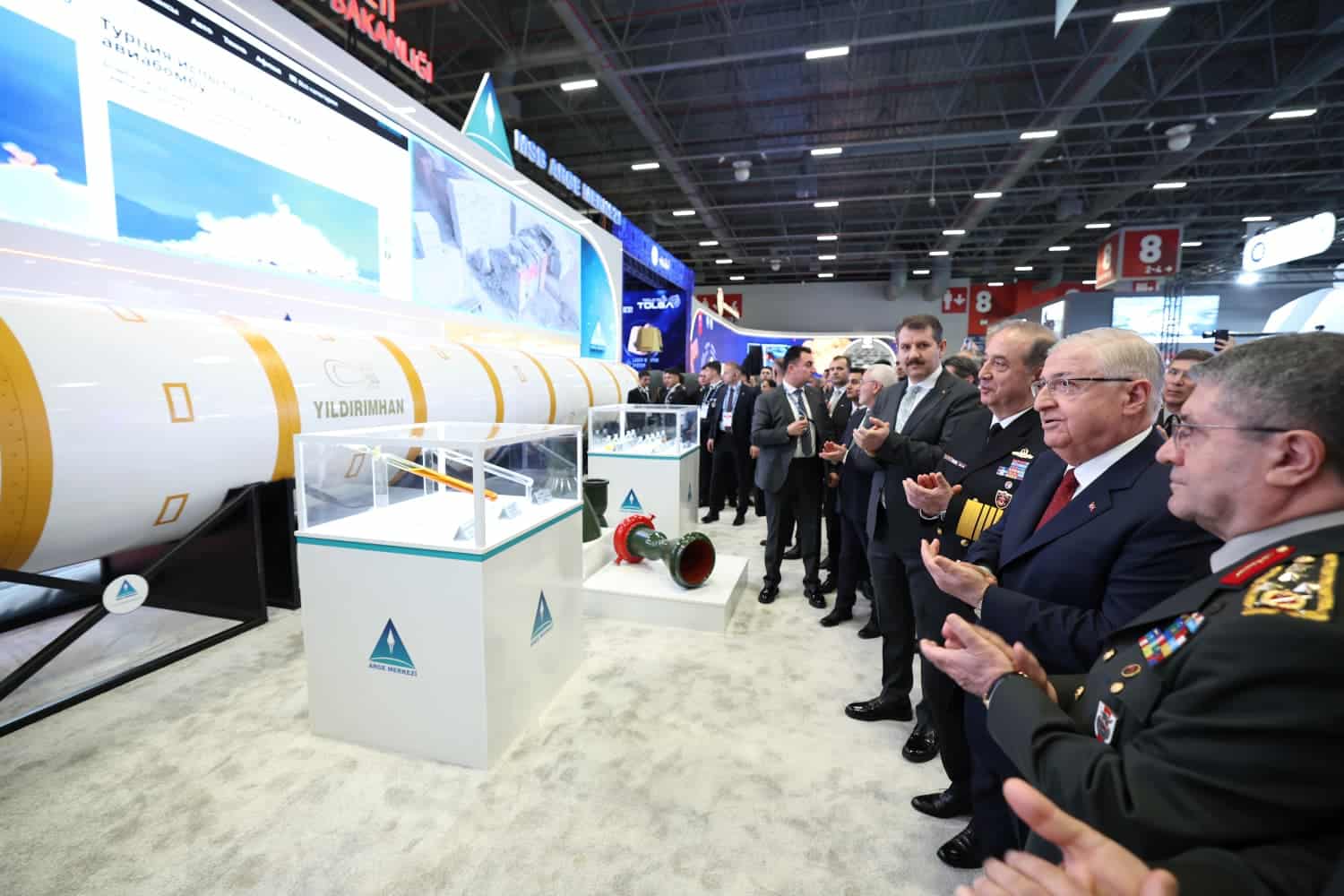
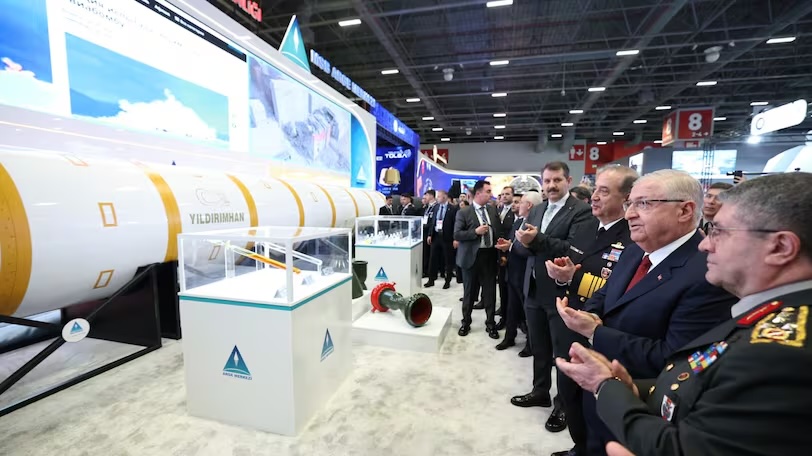
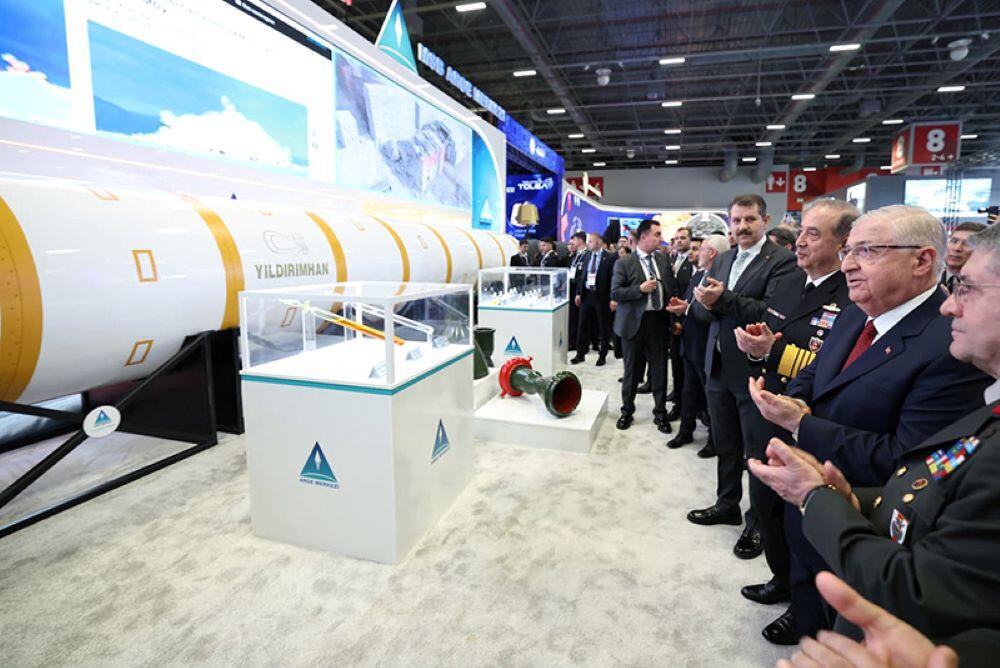
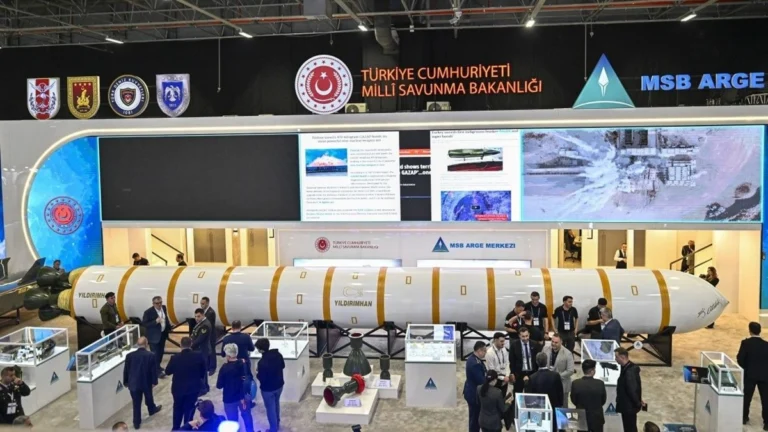
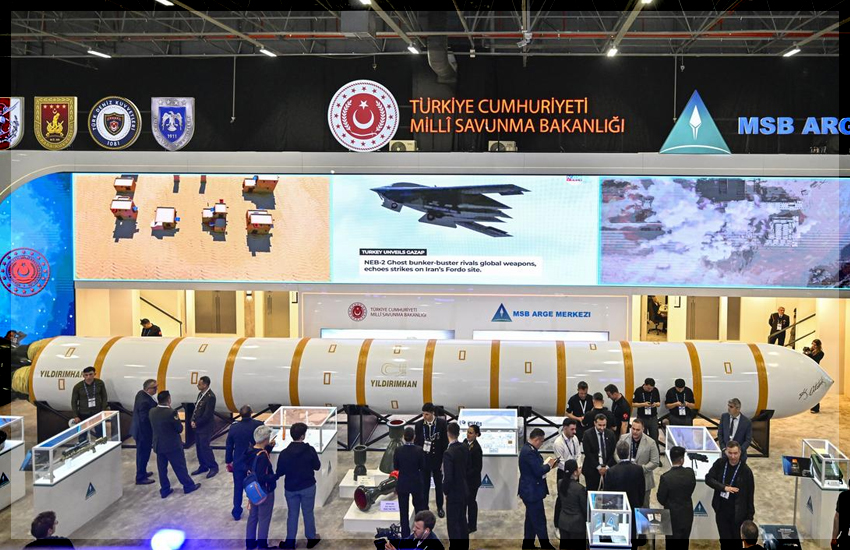
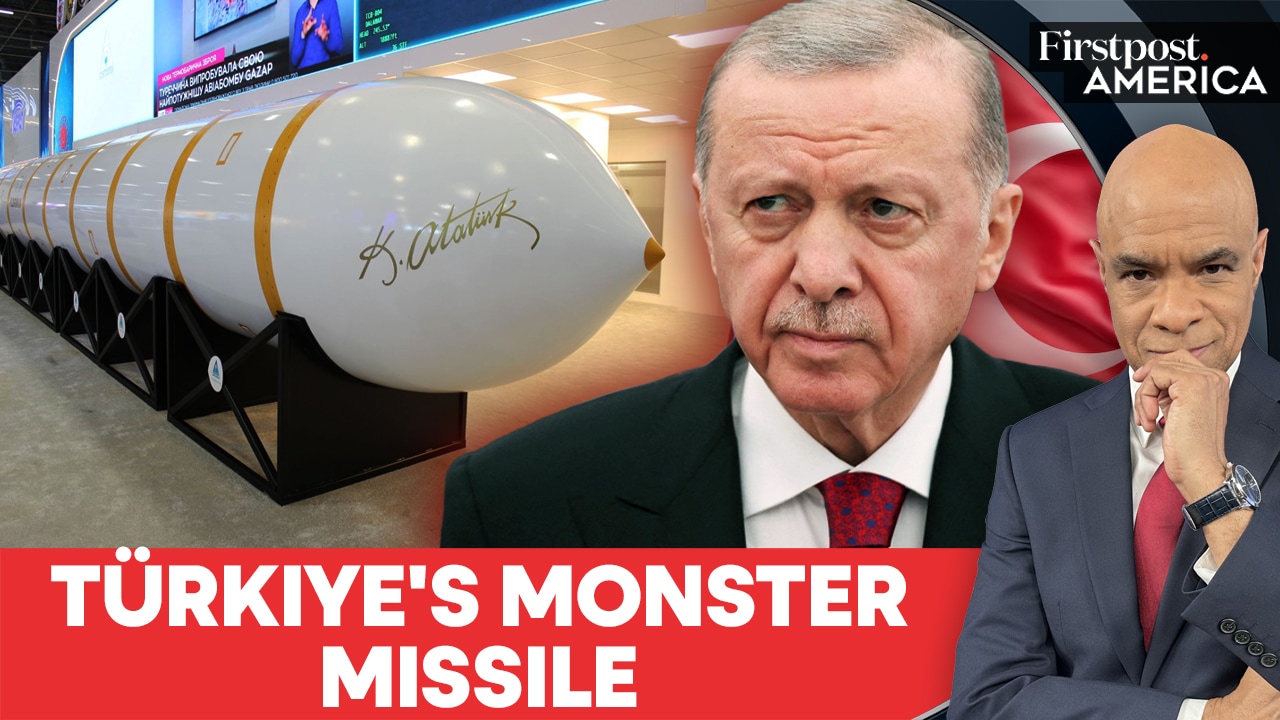
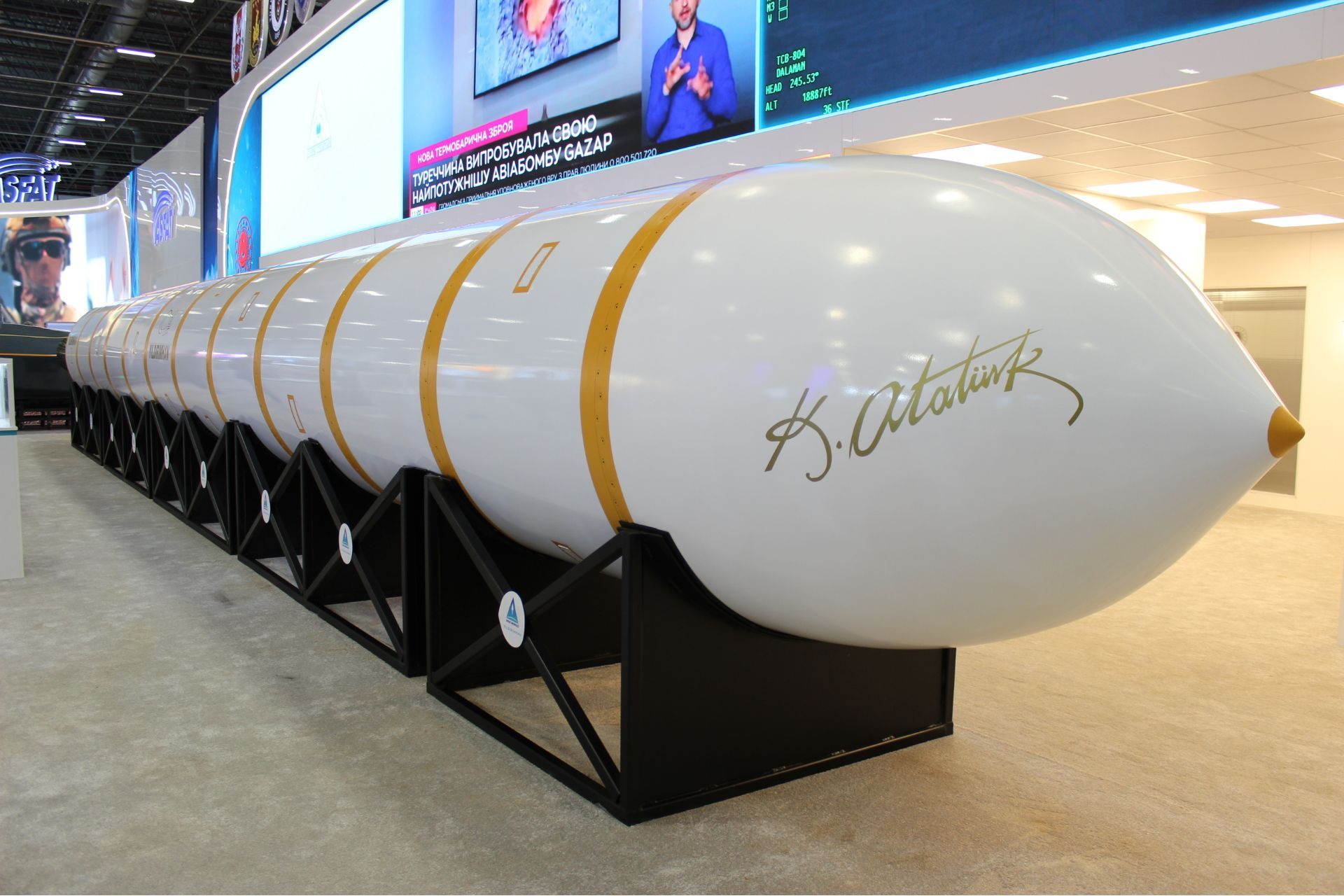
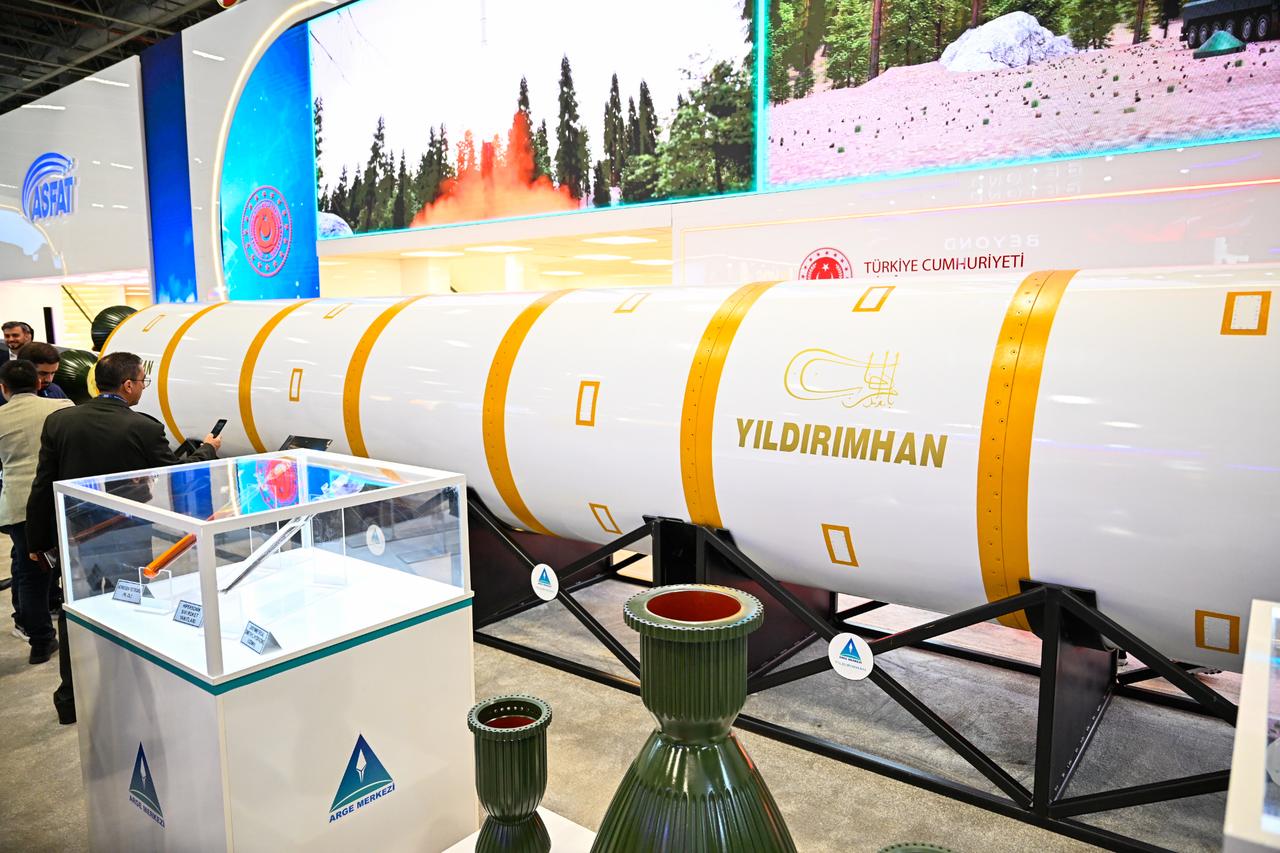
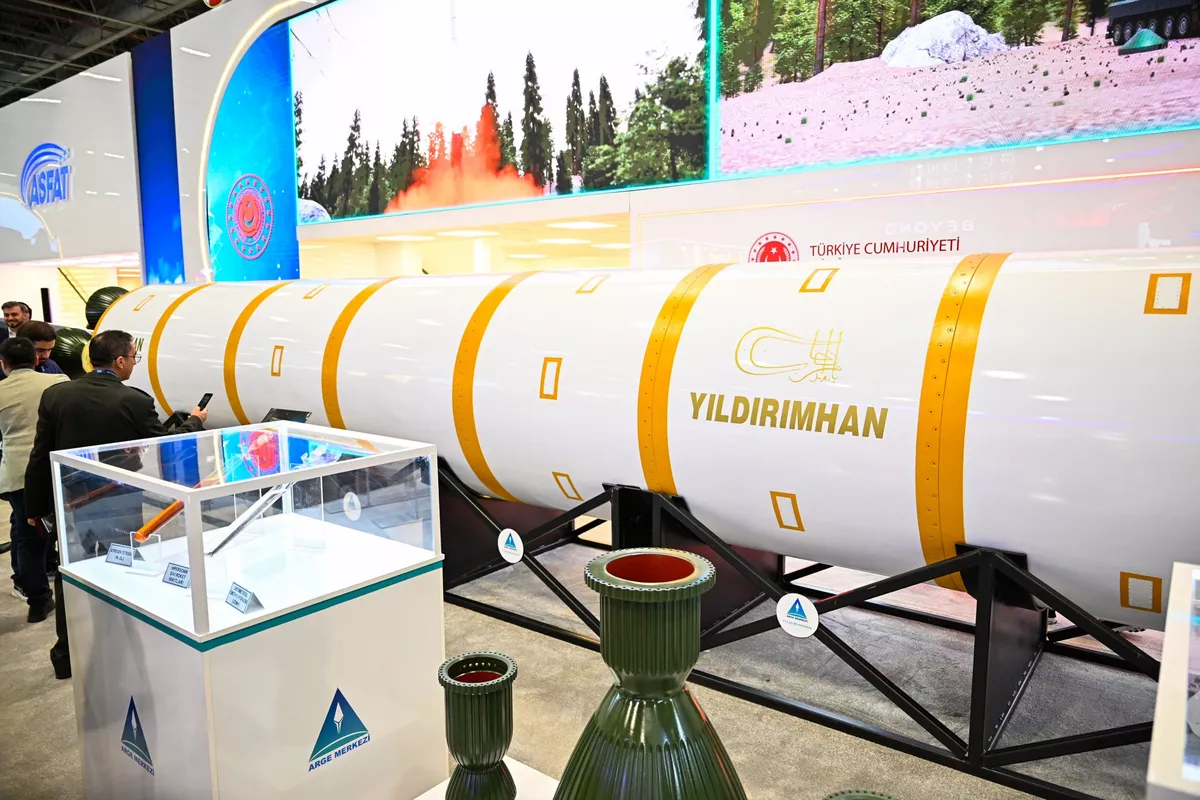
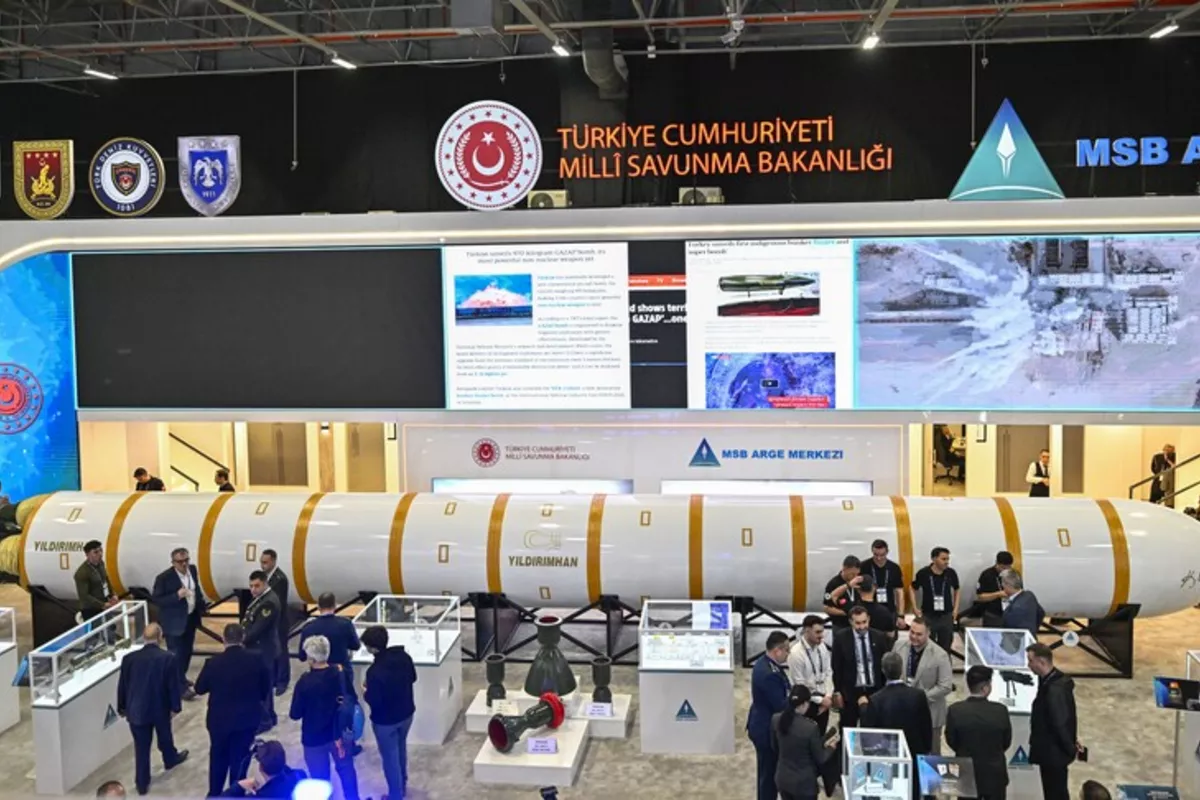
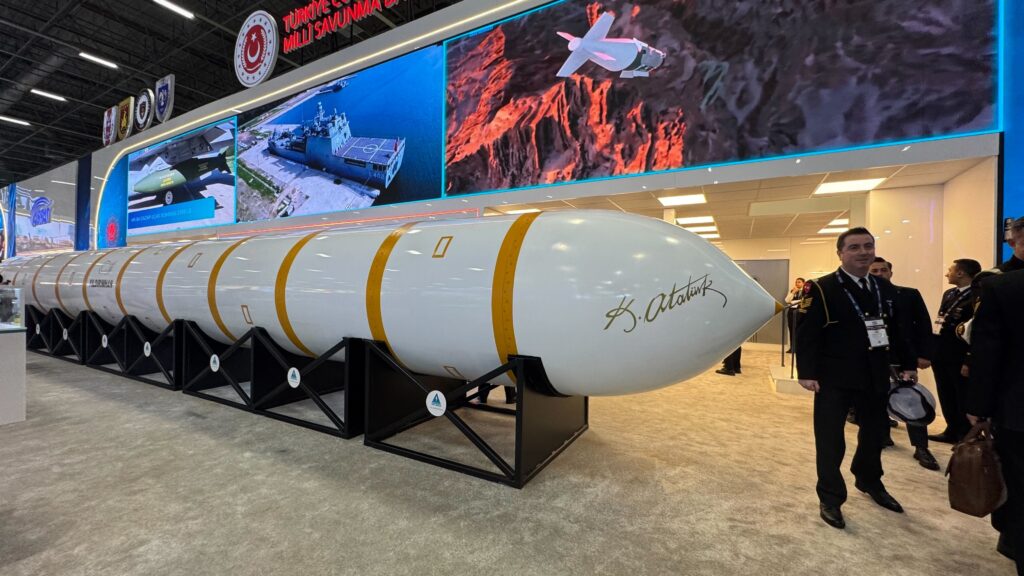
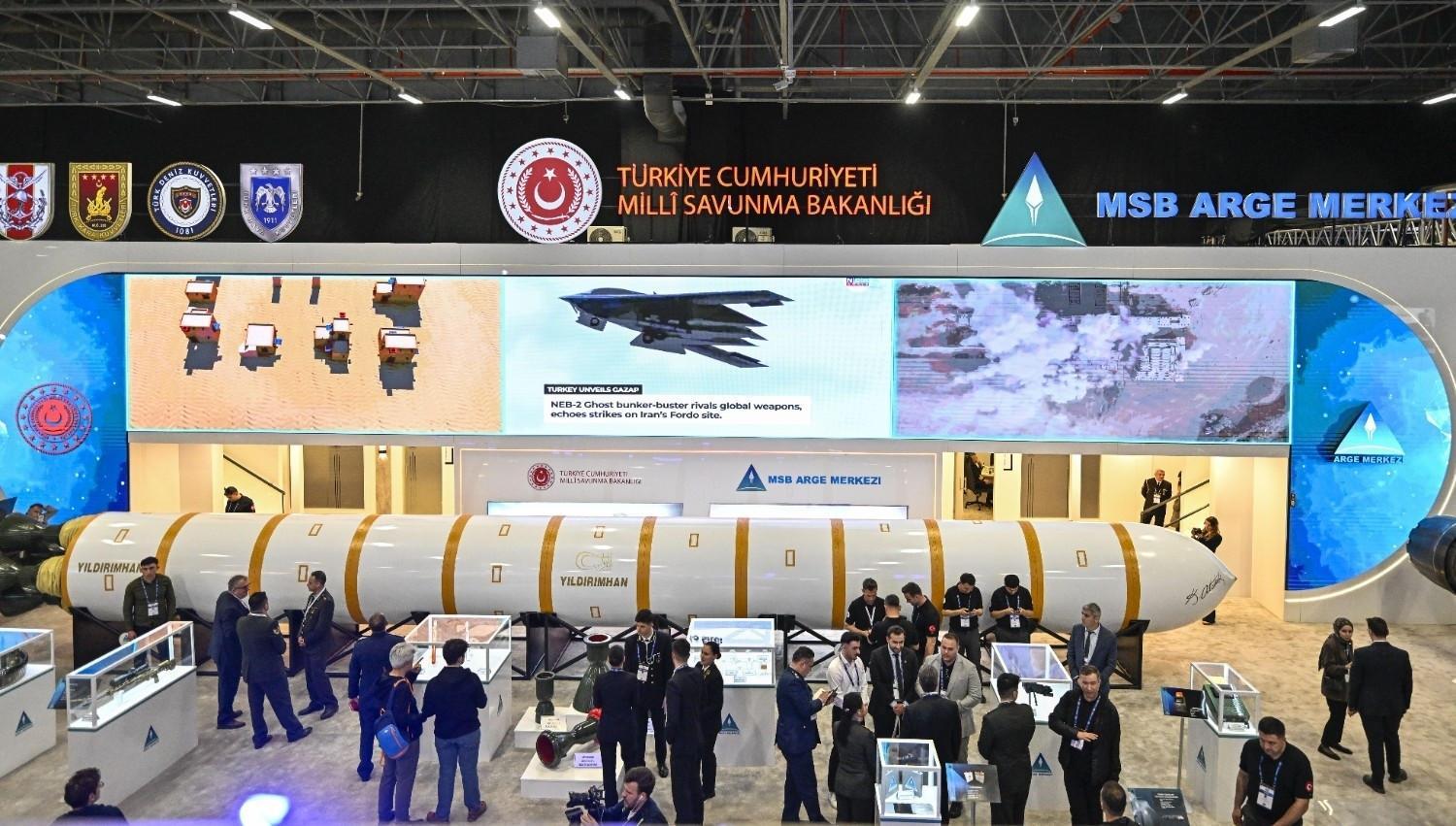
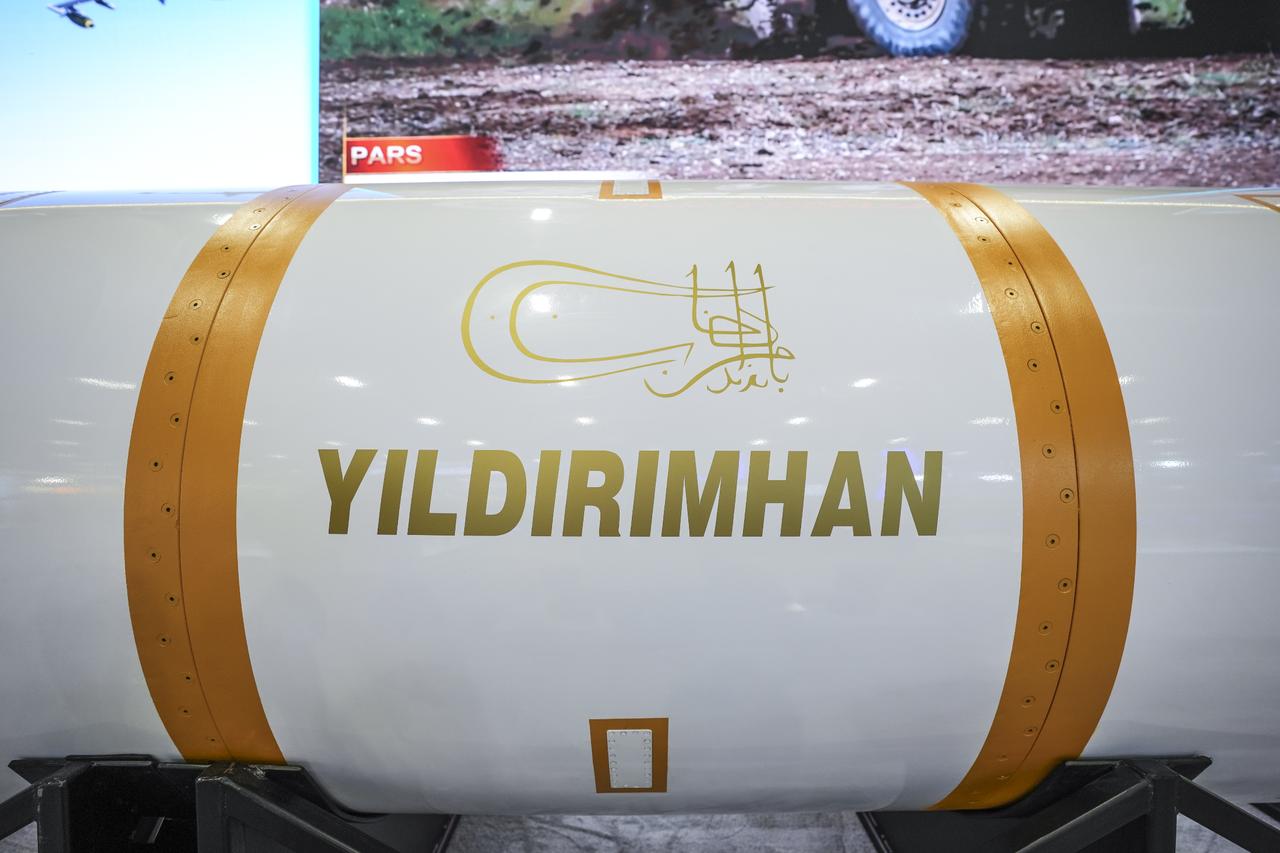
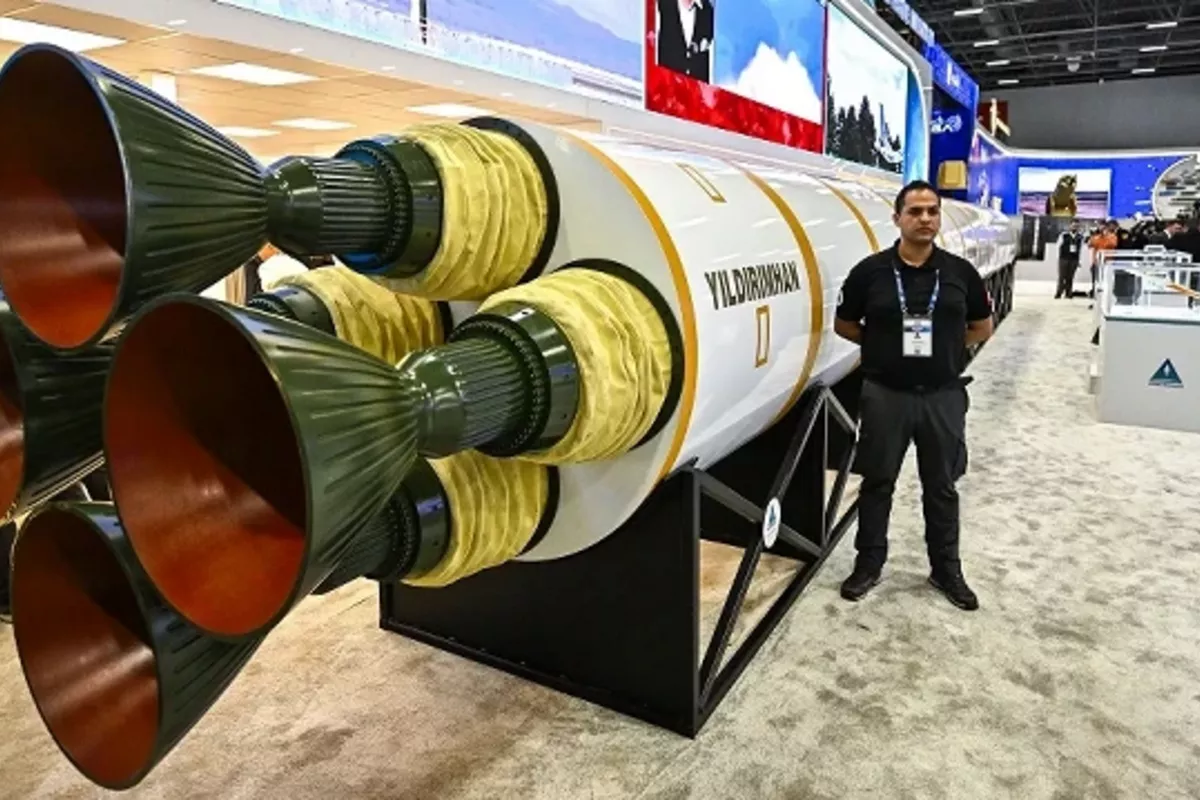
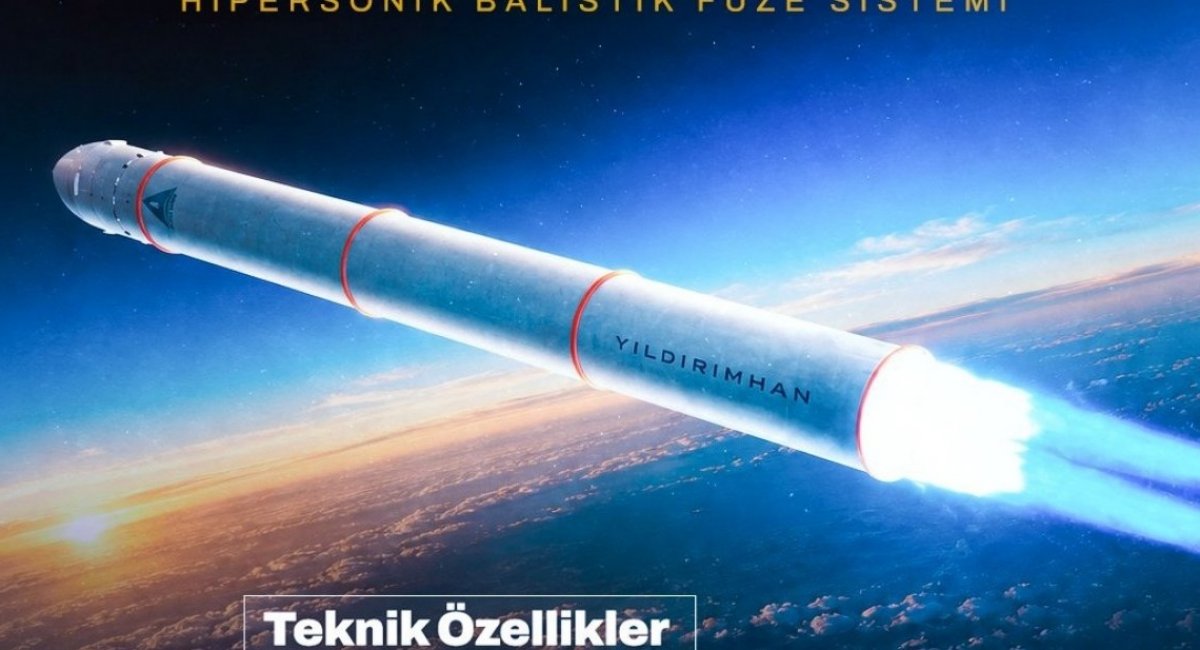
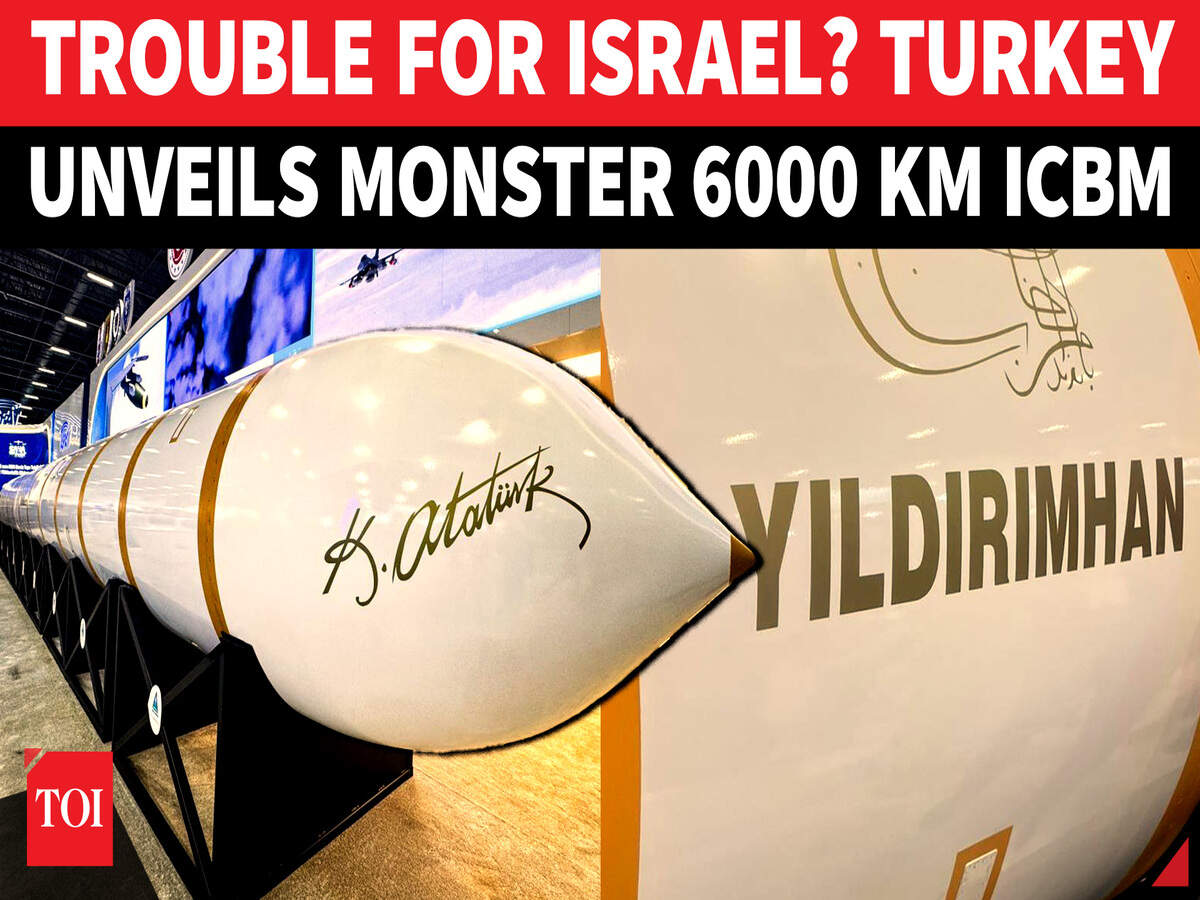
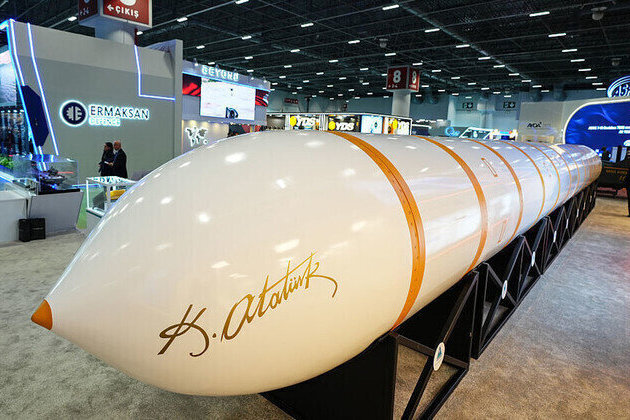
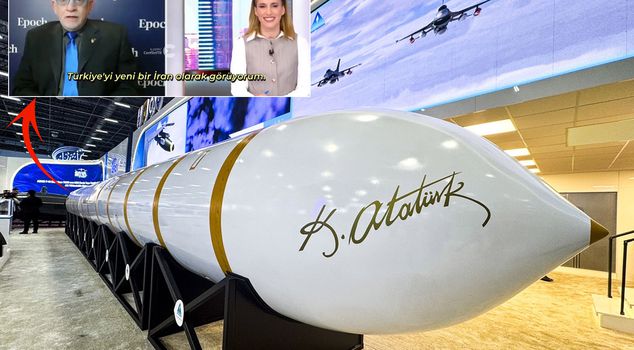
Turkey's unveiling of the Yildirimhan intercontinental ballistic missile at SAHA 2026 (May 6, 2026) represents far more than military advancement—it signals a $8 billion defense export opportunity that creates cascading demand across cross-border e-commerce supply chains. The Turkish Ministry of Defense's commitment to indigenous defense capabilities and technological independence directly impacts B2B sellers in precision manufacturing, industrial components, and logistics services.
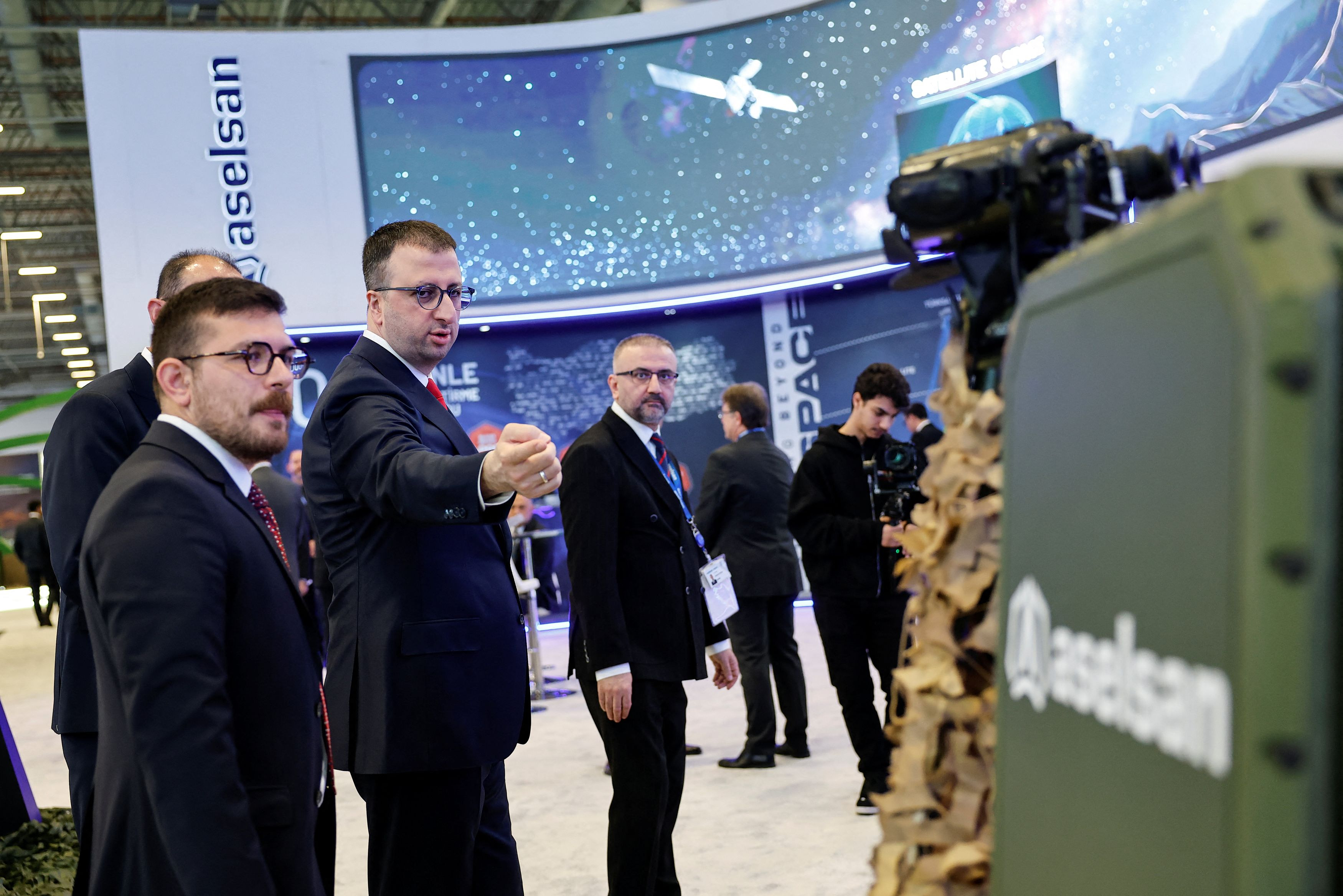
Market Access & Tariff Arbitrage Opportunity: Turkey's push for domestic defense production reduces reliance on foreign military technology, creating immediate demand for specialized industrial components, precision-engineered parts, and manufacturing equipment. Sellers sourcing from EU, US, and Asian suppliers can capitalize on Turkish defense contractors' need for certified components meeting NATO and Turkish military specifications. The SAHA 2026 exhibition attracted global defense companies and procurement officials, indicating Turkey is actively sourcing internationally for non-core technologies. HS codes 8407 (engines), 8537 (electrical apparatus), and 8803 (aircraft parts) see elevated demand as Turkish manufacturers scale production of missile systems, unmanned platforms, and air defense technologies.
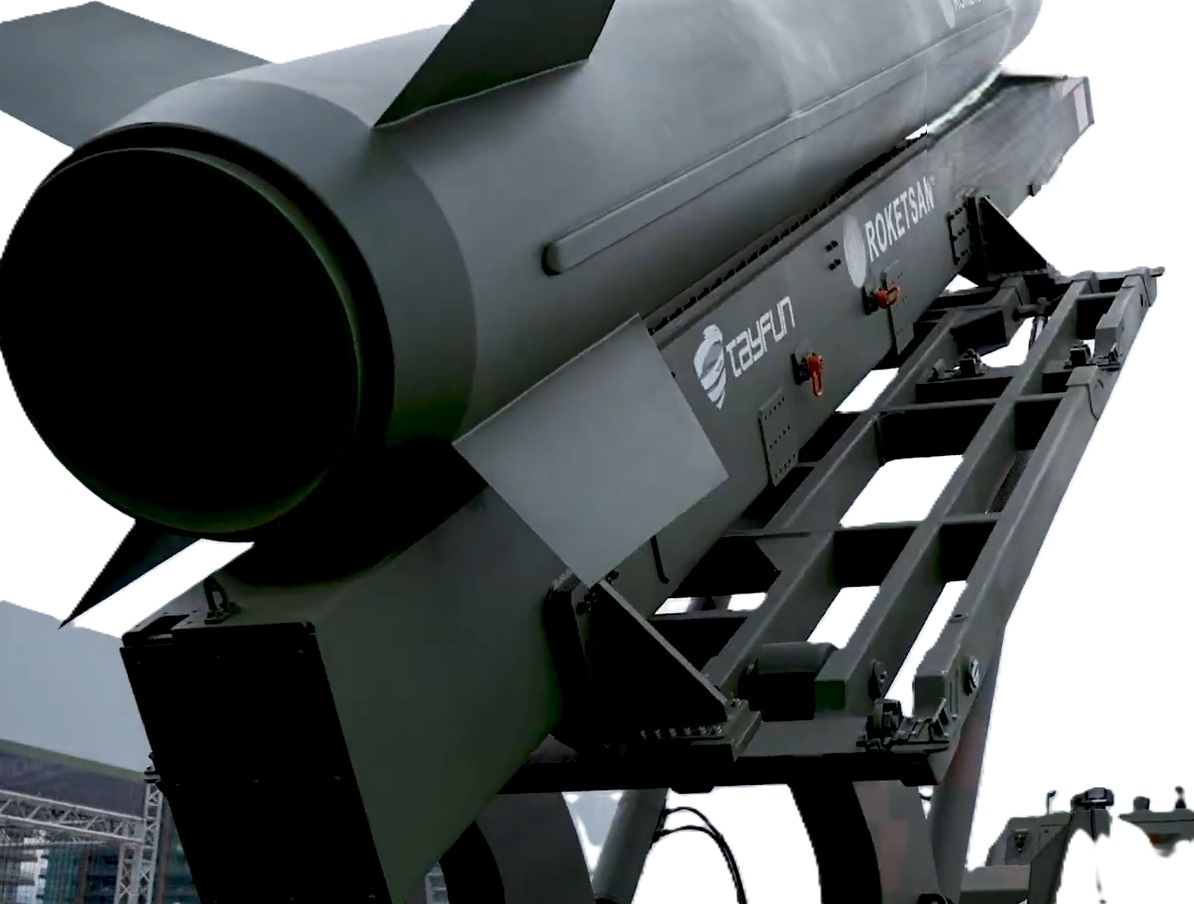
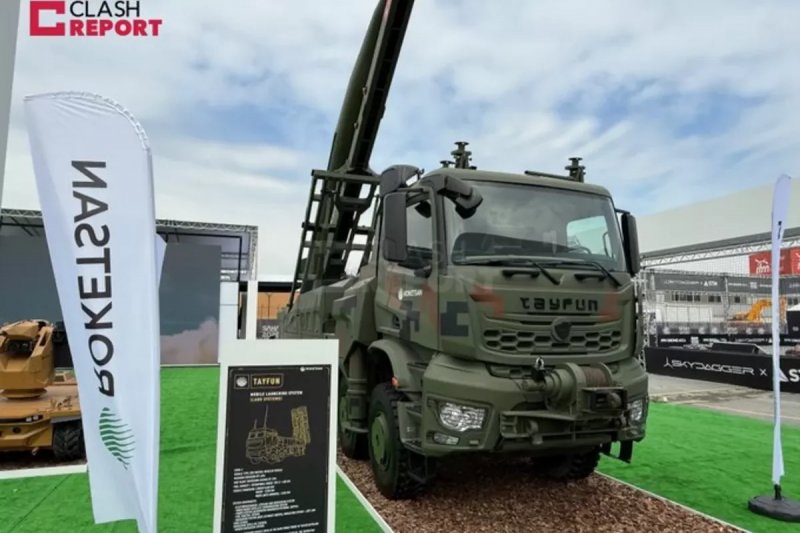
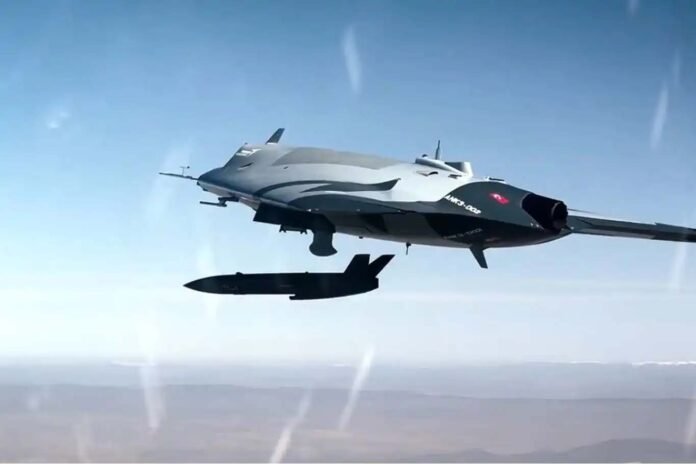
Competitive Advantage for Specialized Sellers: Roketsan's unveiling of four weapons systems (Cirit counter-UAS missile, Cida anti-tank system, Nester MAM smart micro munition, and mini cruise missile with 250km range) indicates production scaling through 2026. This creates 18-24 month procurement windows for sellers offering precision components, testing equipment, and manufacturing services. Small-to-medium Turkish suppliers competing for defense contracts will source internationally for cost-effective components, creating arbitrage opportunities for sellers with EU/US certifications and rapid fulfillment capabilities. The qualification and production stages scheduled for 2026 create time-sensitive demand peaks.
Supply Chain & Logistics Implications: Defense sector expansion requires specialized logistics—temperature-controlled shipping, customs documentation expertise, and compliance with ITAR (International Traffic in Arms Regulations) and EU export controls. Cross-border sellers offering 3PL services, customs brokerage, and specialized packaging for industrial components can target Turkish defense supply chains. The $8 billion in defense deals pursued at SAHA 2026 implies 40-60% of components will be sourced internationally, creating sustained demand through 2026-2027 for logistics and supply chain services.
Geopolitical Tariff Shifts: Turkey's strategic positioning (6,000km missile range covering Europe and eastern Asia) reinforces NATO alignment and EU trade relationships. This likely triggers preferential tariff treatment for EU-origin components under existing trade agreements, while potentially increasing tariffs on Russian/Chinese alternatives. Sellers should monitor Turkish customs tariff schedules for defense-related HS codes, as preferential rates for NATO-aligned suppliers may create 5-12% cost advantages over competitors sourcing from non-aligned countries.
Questions 8
How does Turkey's defense independence strategy affect import tariffs and market access?
Turkey's commitment to indigenous defense capabilities and reduced reliance on foreign military technology creates paradoxical opportunities: while domestic production increases, international sourcing for non-core technologies remains essential. This drives tariff reductions for specialized components unavailable domestically (precision engines, hybrid seeker technology, avionics systems). Sellers should expect 5-8% tariff reductions for components supporting Turkish defense independence goals, particularly from EU suppliers. However, tariffs may increase 10-15% for components competing with Turkish domestic production. The geopolitical context—Turkey's NATO alignment and EU trade relationships—ensures preferential treatment for Western suppliers. Sellers should monitor Turkish customs announcements for defense-specific tariff schedules and preferential rate changes. The 2026 production scaling creates 18-24 month windows to establish tariff-advantaged supply relationships before rates potentially increase.
What are the financial implications for sellers entering Turkish defense supply chains?
Entry costs include ITAR compliance consulting ($5,000-15,000), ISO 9001/NATO AQAP certification ($10,000-25,000), and export license processing ($2,000-5,000 per shipment). However, defense contracts typically offer 25-40% higher margins than commercial electronics due to quality requirements and limited competition. Minimum order quantities range from 500-5,000 units, requiring $50,000-500,000 initial inventory investment depending on component complexity. Payment terms are typically 30-60 days net, requiring working capital reserves. Sellers should expect 4-8 week lead times for export approvals, extending cash conversion cycles by 6-12 weeks. The $8 billion in defense deals at SAHA 2026 indicates sustained demand through 2026-2027, justifying upfront compliance investments. ROI typically reaches 18-24 months for sellers with existing manufacturing relationships and certifications.