



FDA Food Safety Recalls Create Compliance Moat for Sellers | Ingredient Verification Now Critical
- 9 Zapps/Dirty chip varieties recalled nationwide; dried milk powder contamination risk forces immediate inventory removal and supplier verification protocols for e-commerce sellers

























Overview
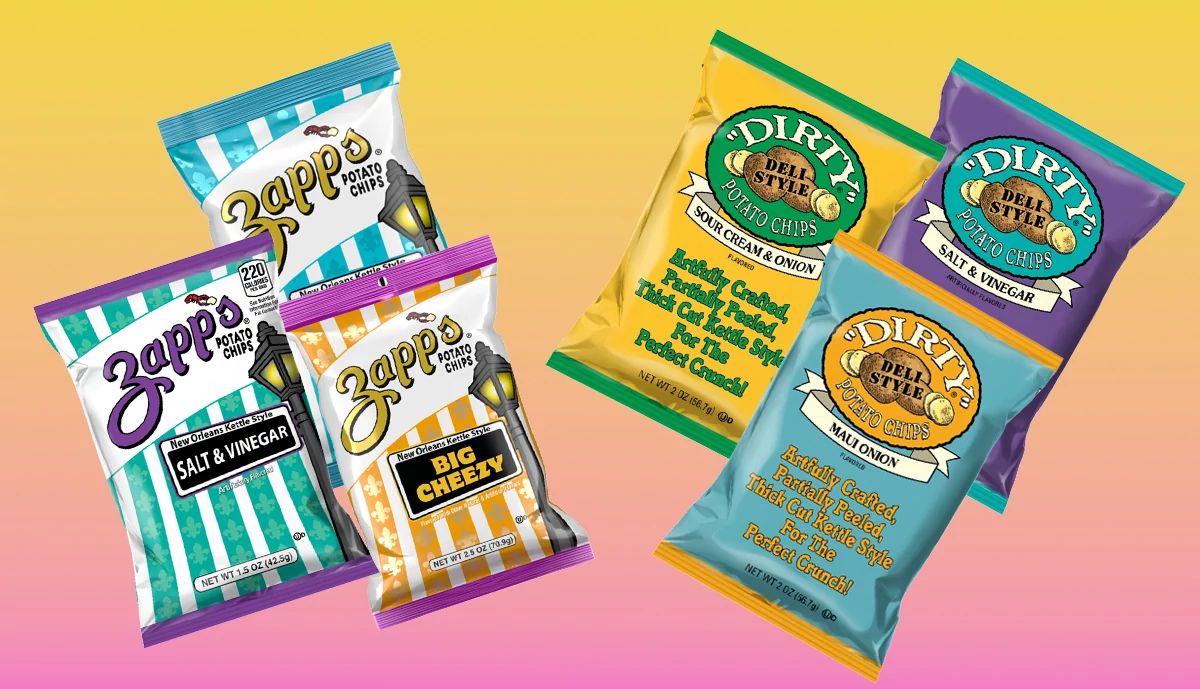
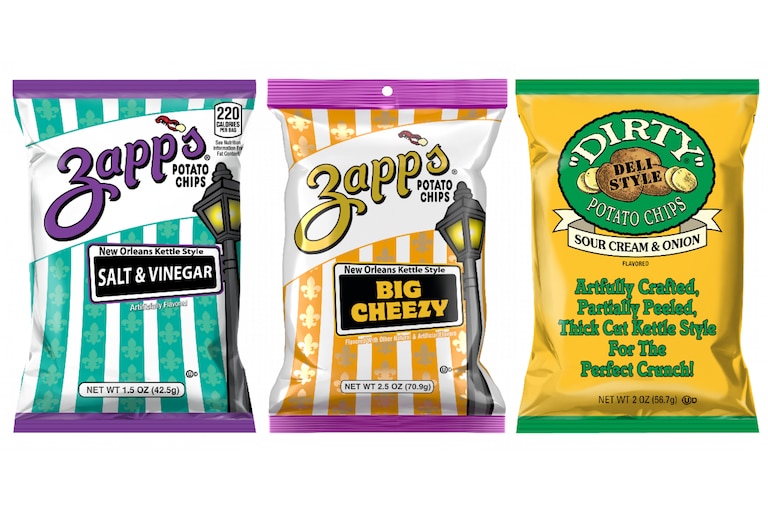
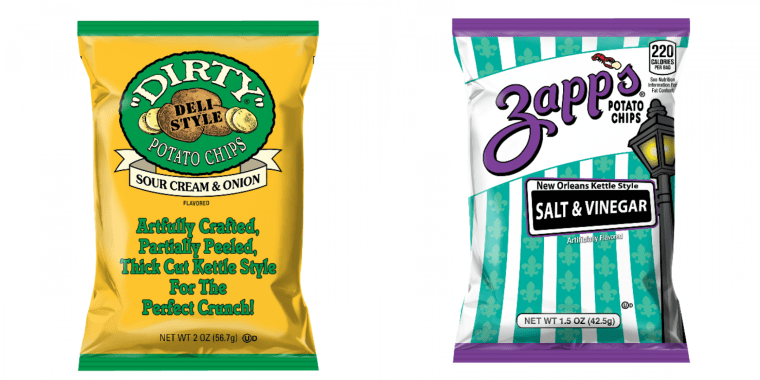
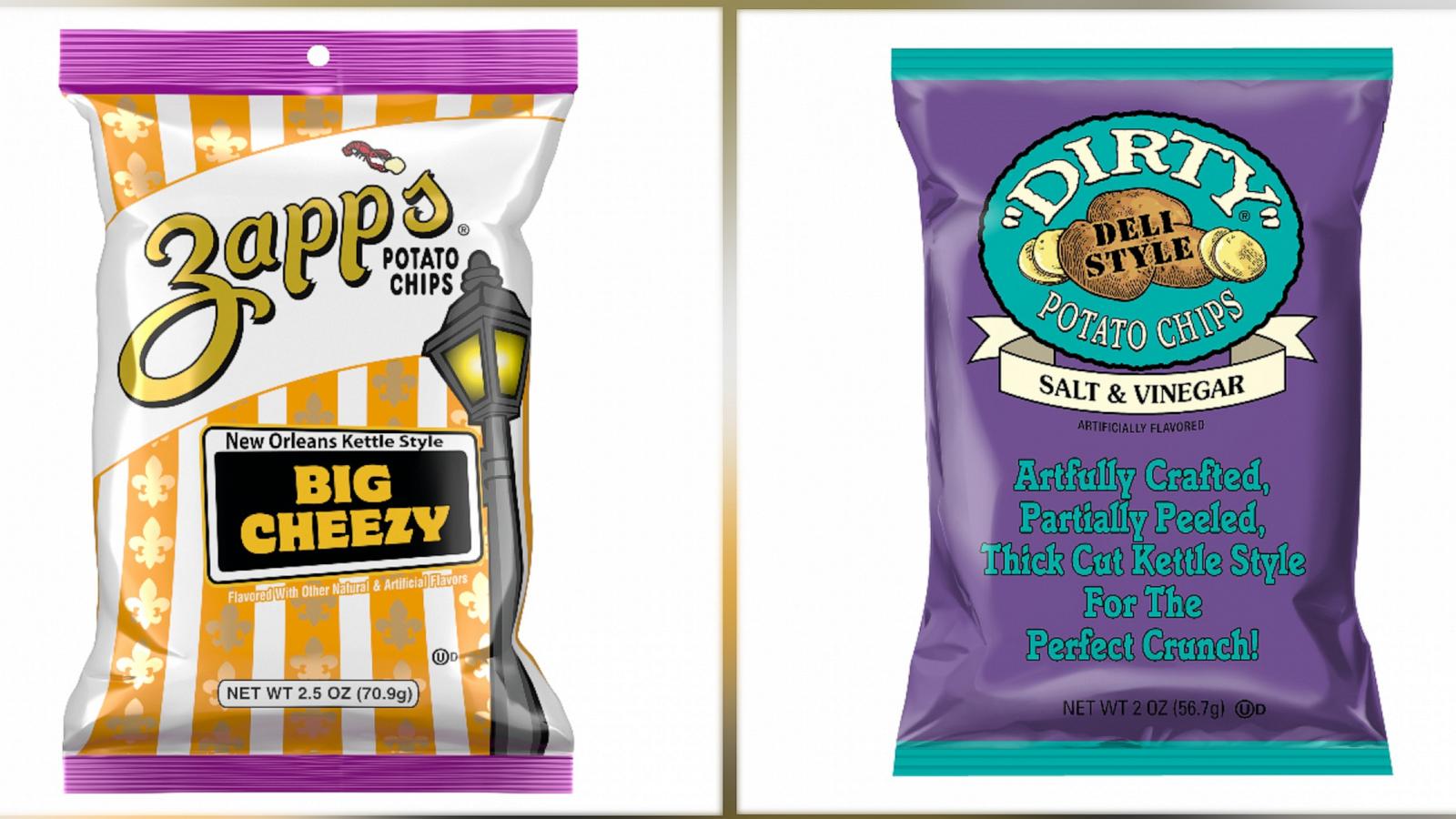
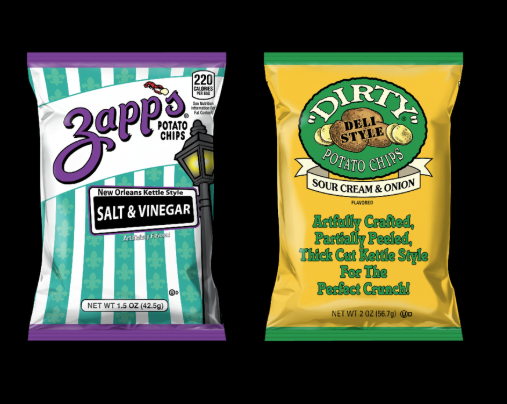
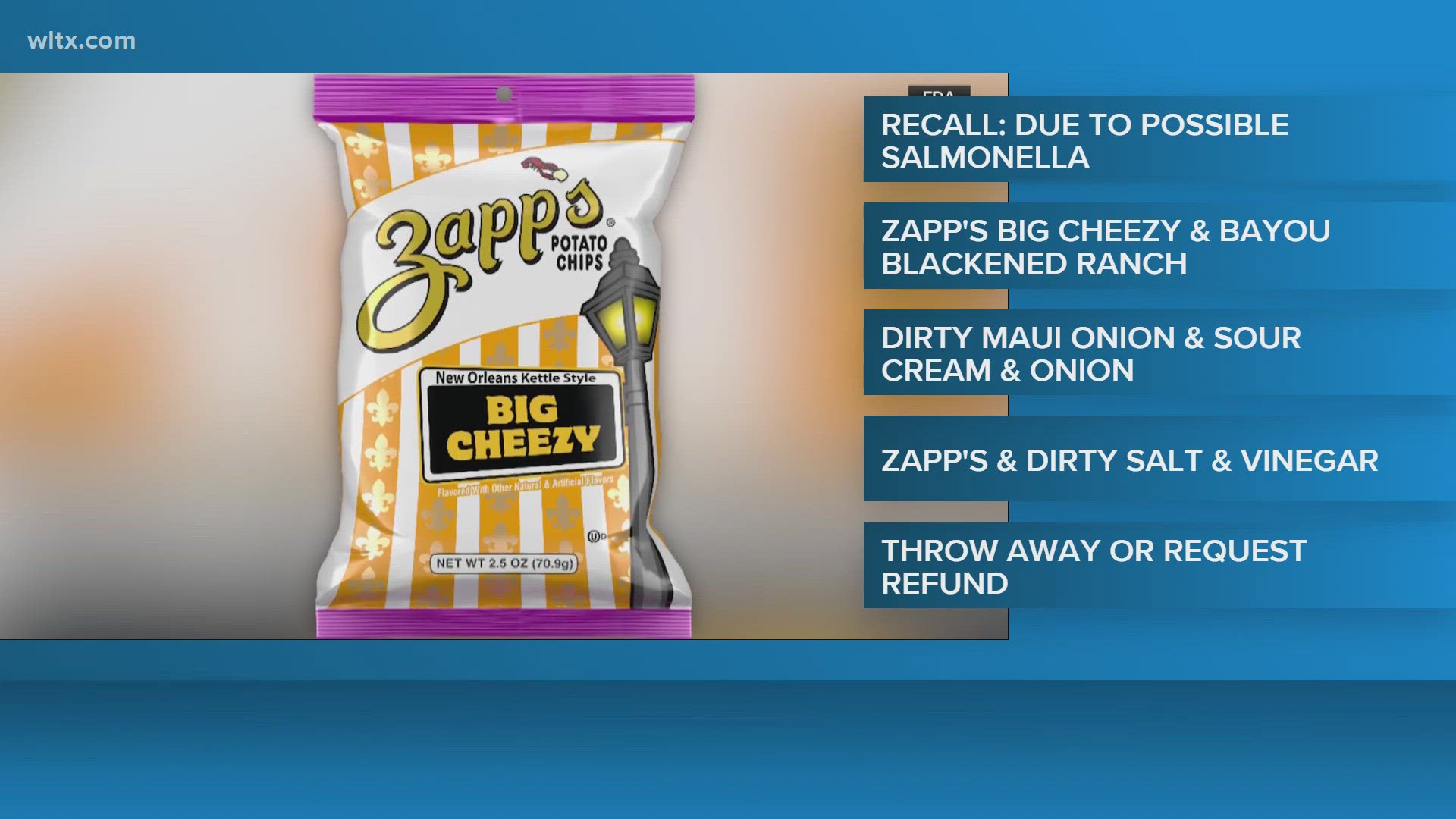
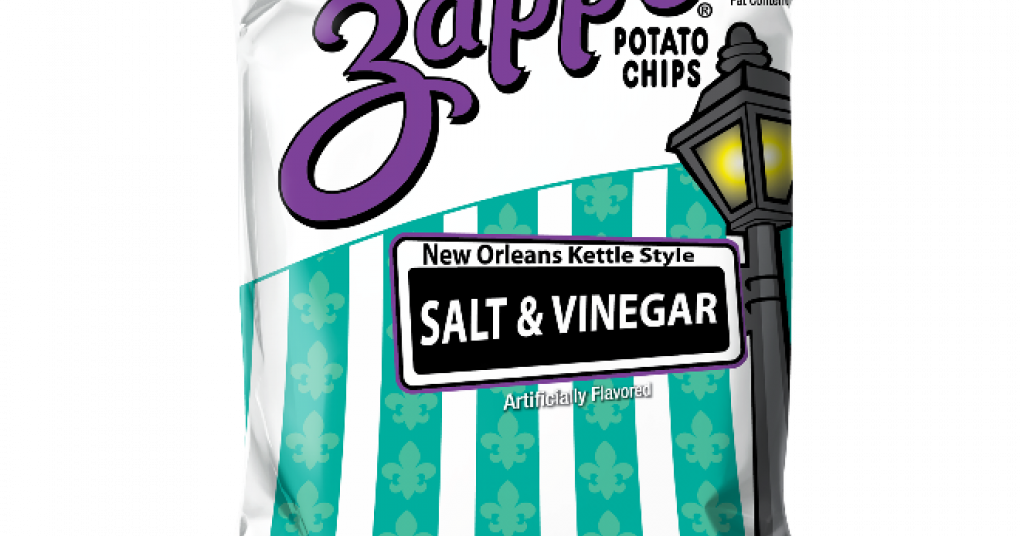
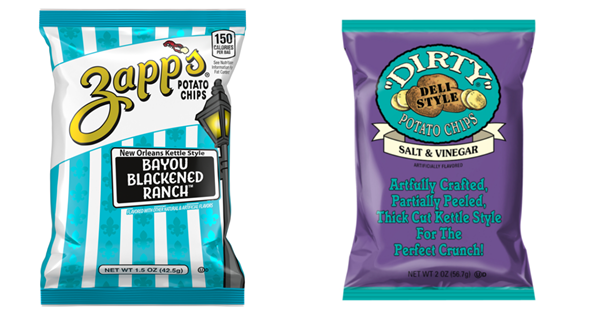
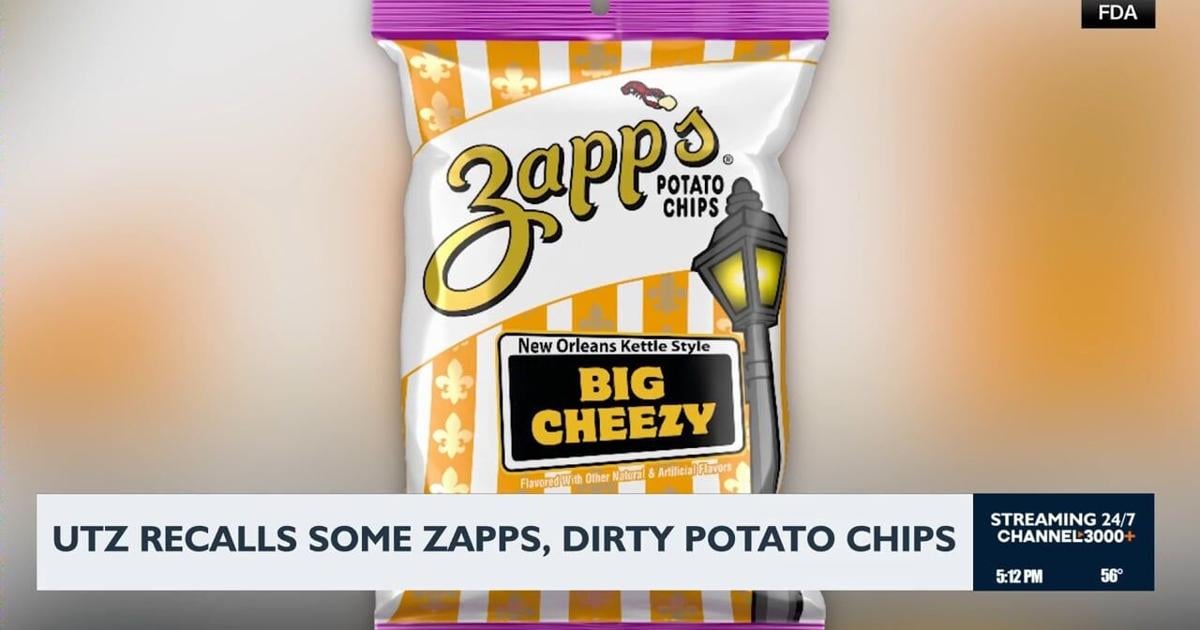
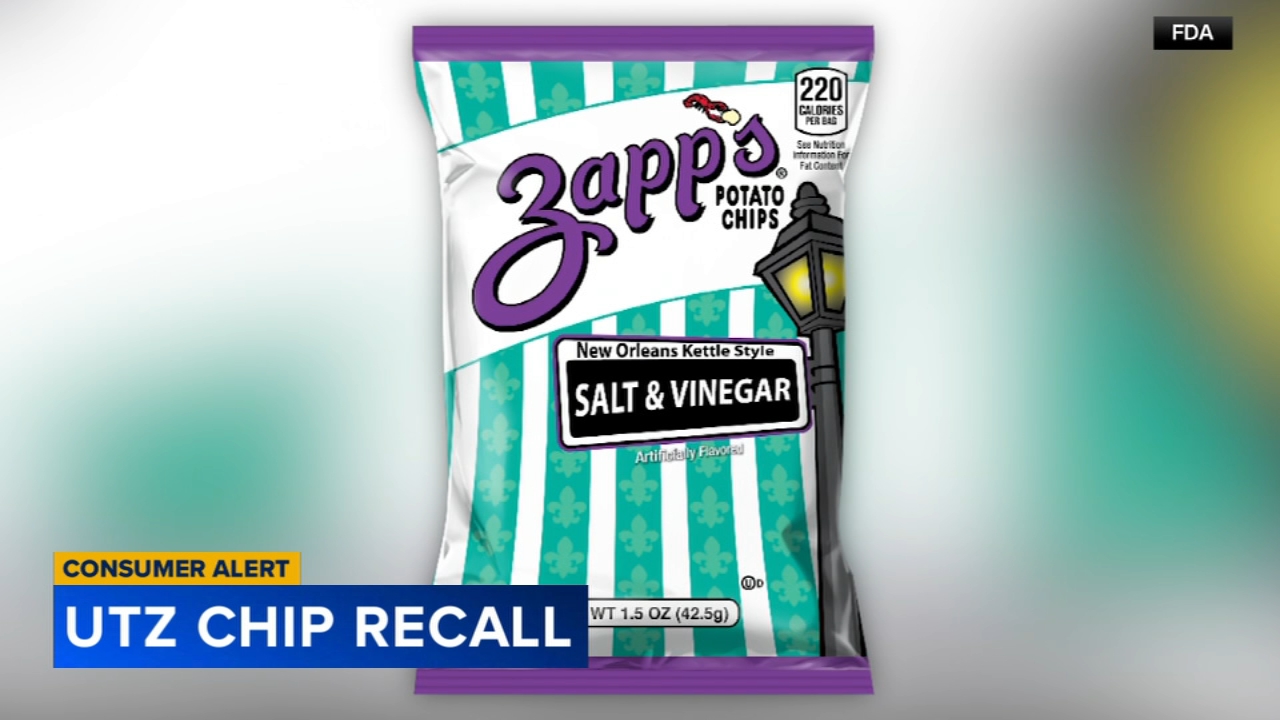
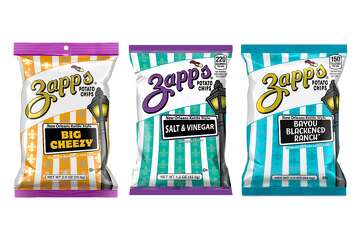
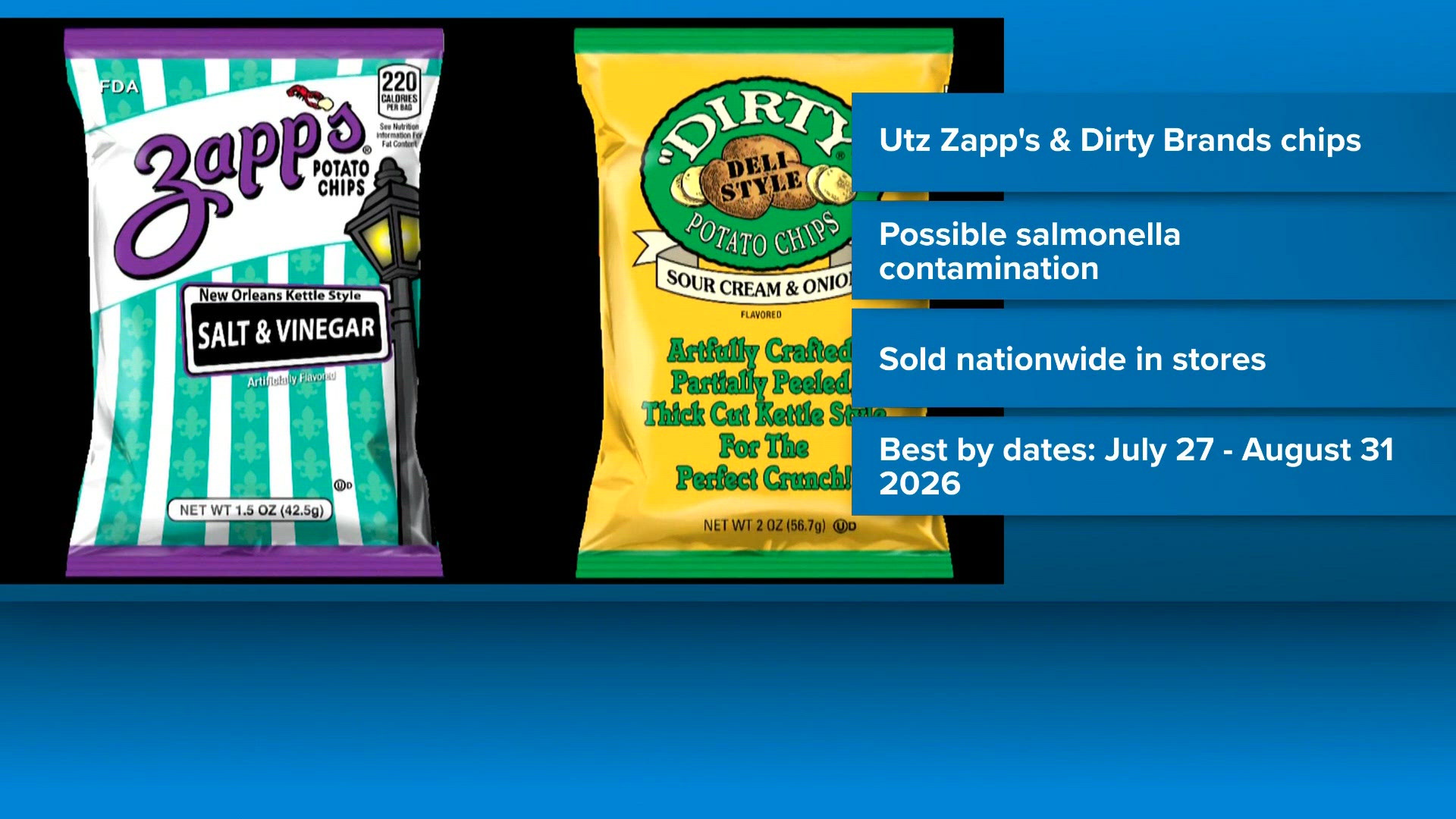
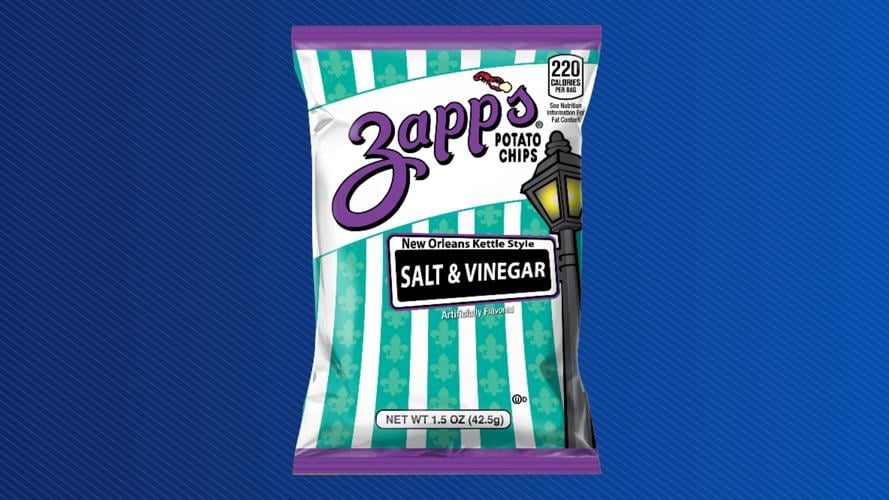
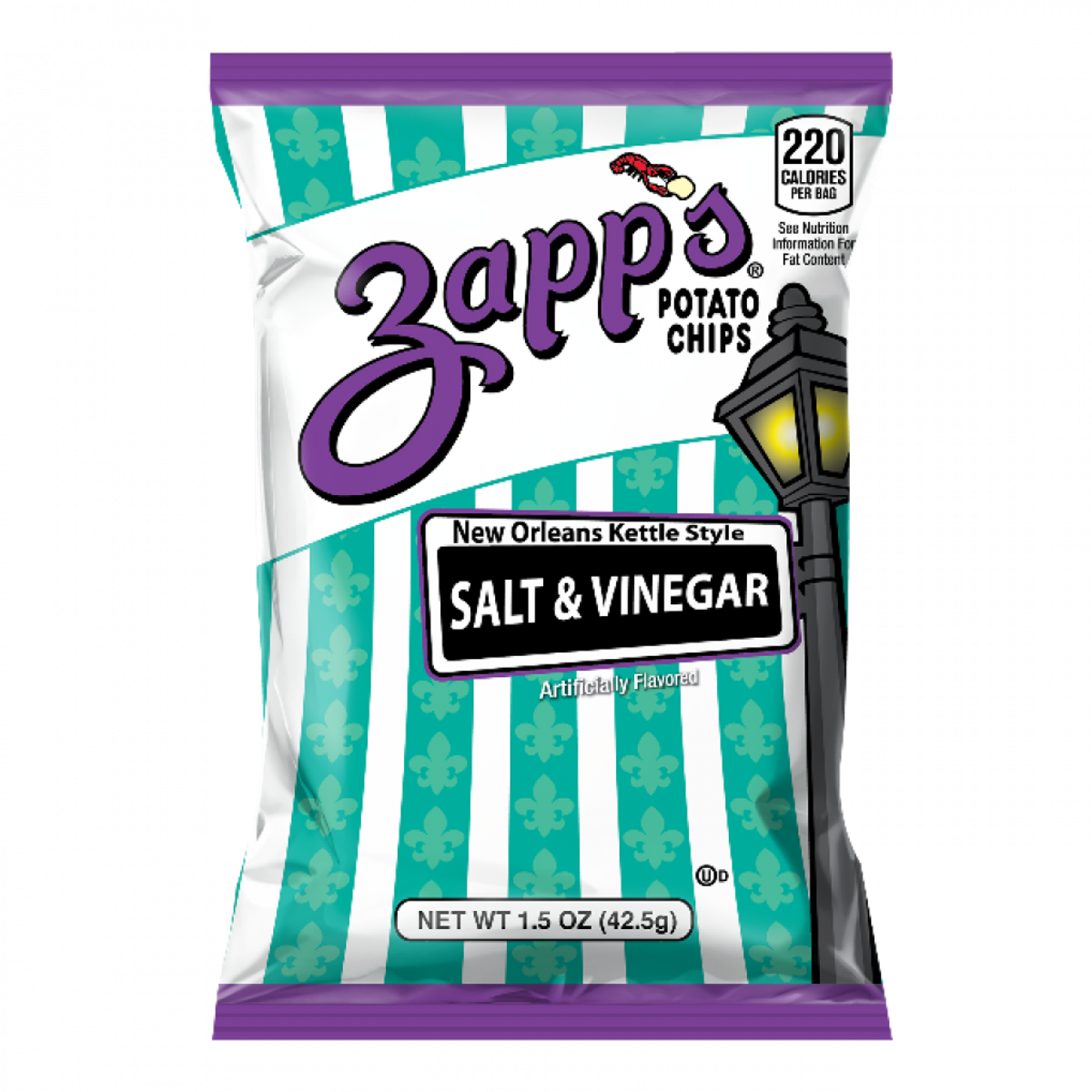
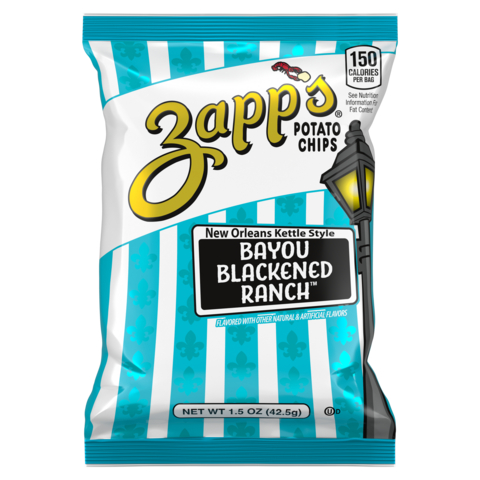
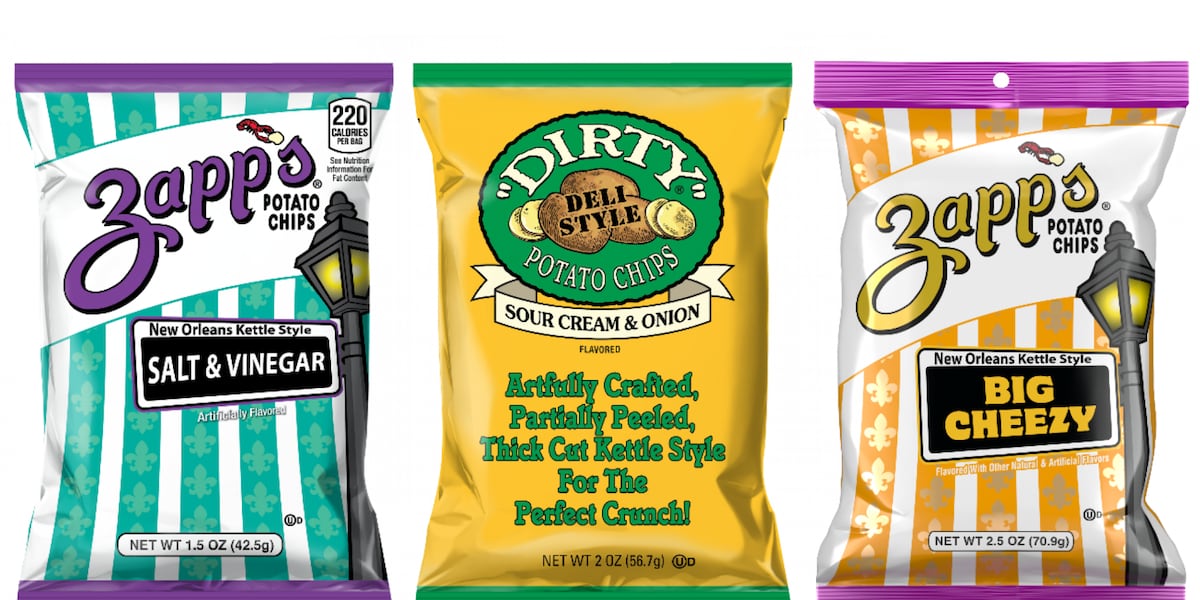
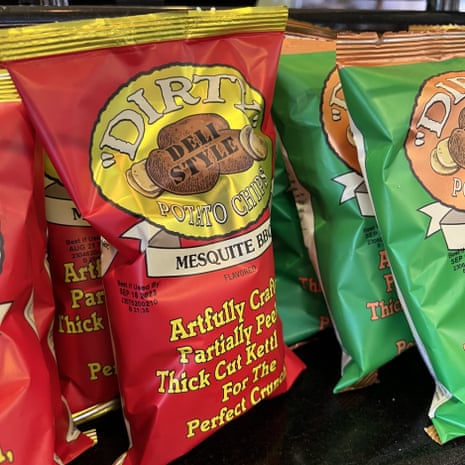
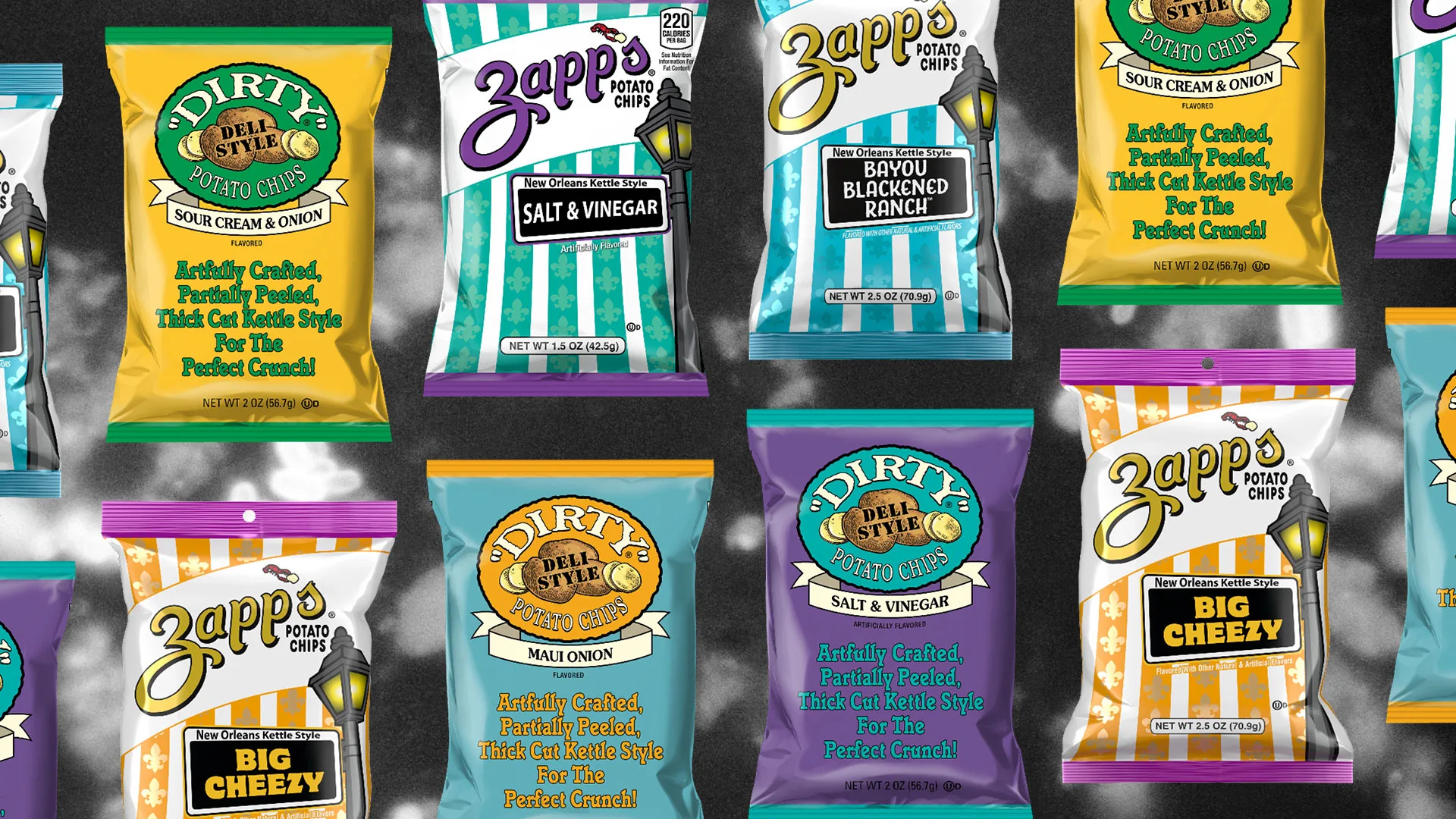
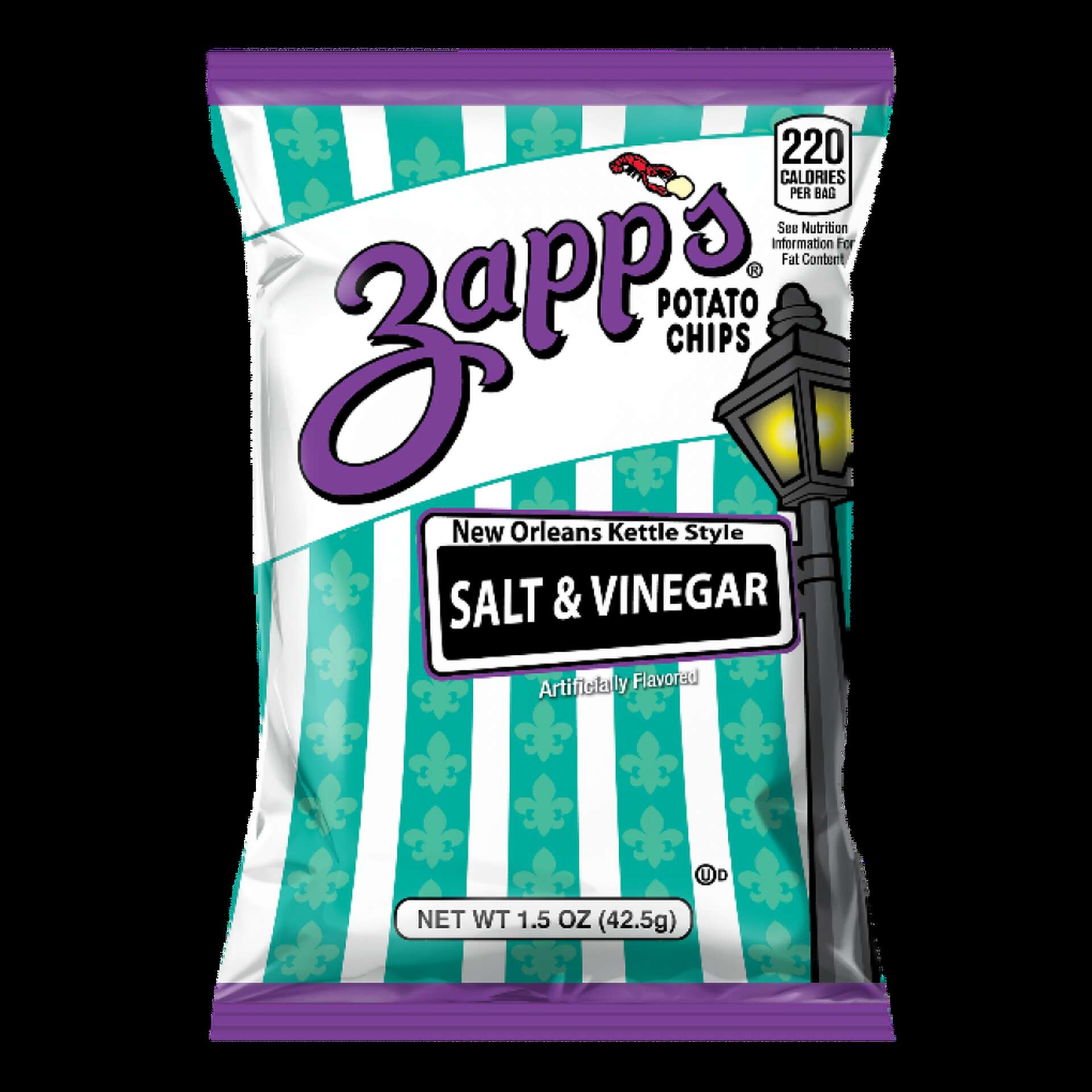
The FDA's recall of 9 potato chip varieties from Utz-owned Zapps and Dirty brands due to potential salmonella contamination in dried milk powder seasoning represents a critical compliance inflection point for e-commerce food sellers. The recall affects 1.5oz, 2.5oz, 8oz Zapps packages (Bayou Blackened Ranch, Salt and Vinegar, Big Cheezy) and 2oz Dirty brand packages (Salt and Vinegar, Maui Onion, Sour Cream and Onion) sold nationwide. While no illnesses have been reported, the FDA's precautionary stance signals heightened enforcement intensity in the snack food category—creating immediate barriers for non-compliant sellers while protecting those with robust supplier verification systems.
Compliance barriers are now the primary competitive moat. Sellers distributing food products through Amazon, Walmart, eBay, and specialty marketplaces must immediately implement three compliance layers: (1) batch-level ingredient traceability systems, (2) third-party supplier verification protocols, and (3) rapid recall response procedures. The Utz recall demonstrates that even major manufacturers face supply chain vulnerabilities—estimated 40-60% of smaller food sellers lack documented supplier verification systems, creating regulatory exposure. Sellers with FSMA (Food Safety Modernization Act) compliance infrastructure and SQF (Safe Quality Food) certification now possess defensible competitive advantages. The cost of compliance—approximately $3,000-8,000 for initial FSMA documentation plus $500-1,500 monthly for batch tracking systems—creates a 15-25% margin compression for non-compliant competitors, effectively winnowing the market.
Fast-track compliance pathways are emerging as service opportunities. The recall underscores demand for third-party compliance services: ingredient verification platforms, batch tracking software, and FDA notification automation. Sellers can achieve baseline compliance within 30-45 days through: (1) supplier attestation letters ($200-400 per supplier), (2) certificate of analysis documentation ($100-300 per batch), and (3) recall response playbooks ($1,000-2,000 setup). The salmonella contamination risk—responsible for approximately 1 in 4 diarrheal diseases globally per WHO data—creates liability exposure that platforms are now actively monitoring. Amazon and Walmart have intensified food category audits, with estimated 20-30% of non-compliant listings facing suspension within 60 days of similar recalls. Sellers in adjacent categories (seasonings, spice blends, dairy-based ingredients) face heightened scrutiny, creating opportunities for compliant alternatives to capture market share from suspended competitors.
Strategic category opportunities emerge from compliance-driven winnowing. The recall specifically targets seasoning-based snacks, but creates demand for alternative protein snacks, vegetable chips, and non-dairy seasoned products—categories with lower contamination risk profiles. Sellers can capitalize on consumer trust gaps by positioning compliant alternatives with transparent ingredient sourcing. The recall also signals opportunity in private-label snack development for platforms seeking to reduce third-party supplier risk. Estimated 15-20% of Zapps/Dirty volume will shift to compliant alternatives within 90 days, representing $8-12M in category opportunity for sellers with established FSMA compliance and positive seller ratings.
Questions 7
What are the cost implications of food safety compliance for different seller sizes?
Small sellers (1-10 SKUs): $3,000-5,000 initial setup + $300-500/month for batch tracking = $6,600-11,000 annually. Medium sellers (10-50 SKUs): $5,000-8,000 setup + $500-1,000/month = $11,000-20,000 annually. Large sellers (50+ SKUs): $8,000-15,000 setup + $1,000-2,000/month = $20,000-39,000 annually. These costs represent 2-5% margin compression for most food sellers but create competitive moats that protect against suspension and liability. Sellers can offset costs through premium positioning (emphasizing compliance) and category expansion into higher-margin compliant alternatives. Platforms increasingly favor compliant sellers through Buy Box preference and reduced audit frequency, creating indirect ROI of 15-25% through improved visibility and conversion rates.
How should sellers monitor for future recalls and compliance changes?
Sellers should subscribe to FDA recall notifications (fda.gov/recalls), implement automated supplier monitoring through platforms like FoodLogiq, and join industry associations (SNAC International, Grocery Manufacturers Association) for early warning systems. Monthly compliance audits of supplier documentation and batch tracking records are essential—estimated 2-4 hours monthly for small sellers. Sellers should establish recall response playbooks with specific timelines: inventory removal (24 hours), customer notification (48 hours), platform notification (5 business days). Platforms now require sellers to maintain active FDA recall monitoring as a condition of food category access. Estimated 30-40% of future recalls will target ingredient suppliers rather than finished products, making upstream supplier verification the critical control point.