




Strait of Hormuz Shipping Crisis | 21% Global Trade at Risk
- CMA CGM vessel attacked May 6, 2026; 20% oil trade halted; fuel costs spike 5.8%; sellers face 30-60 day logistics disruption and 8-15% shipping cost increases


















Overview
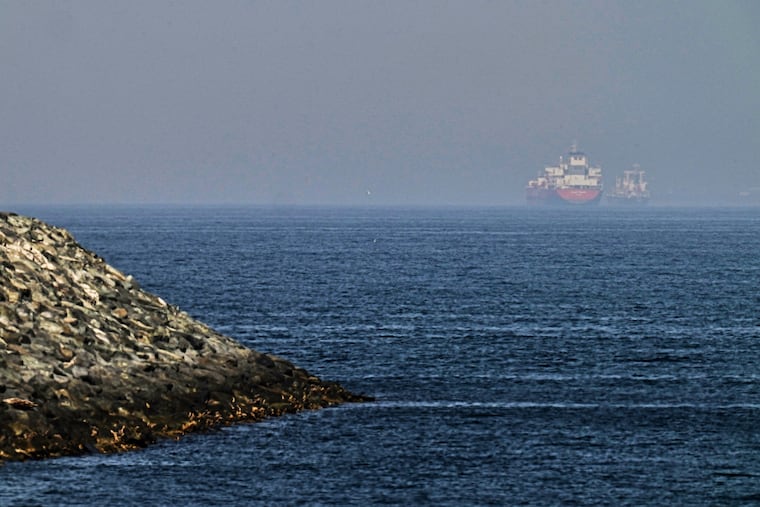
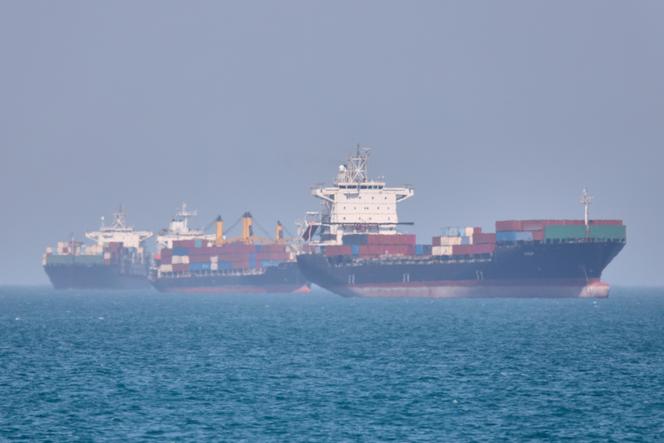
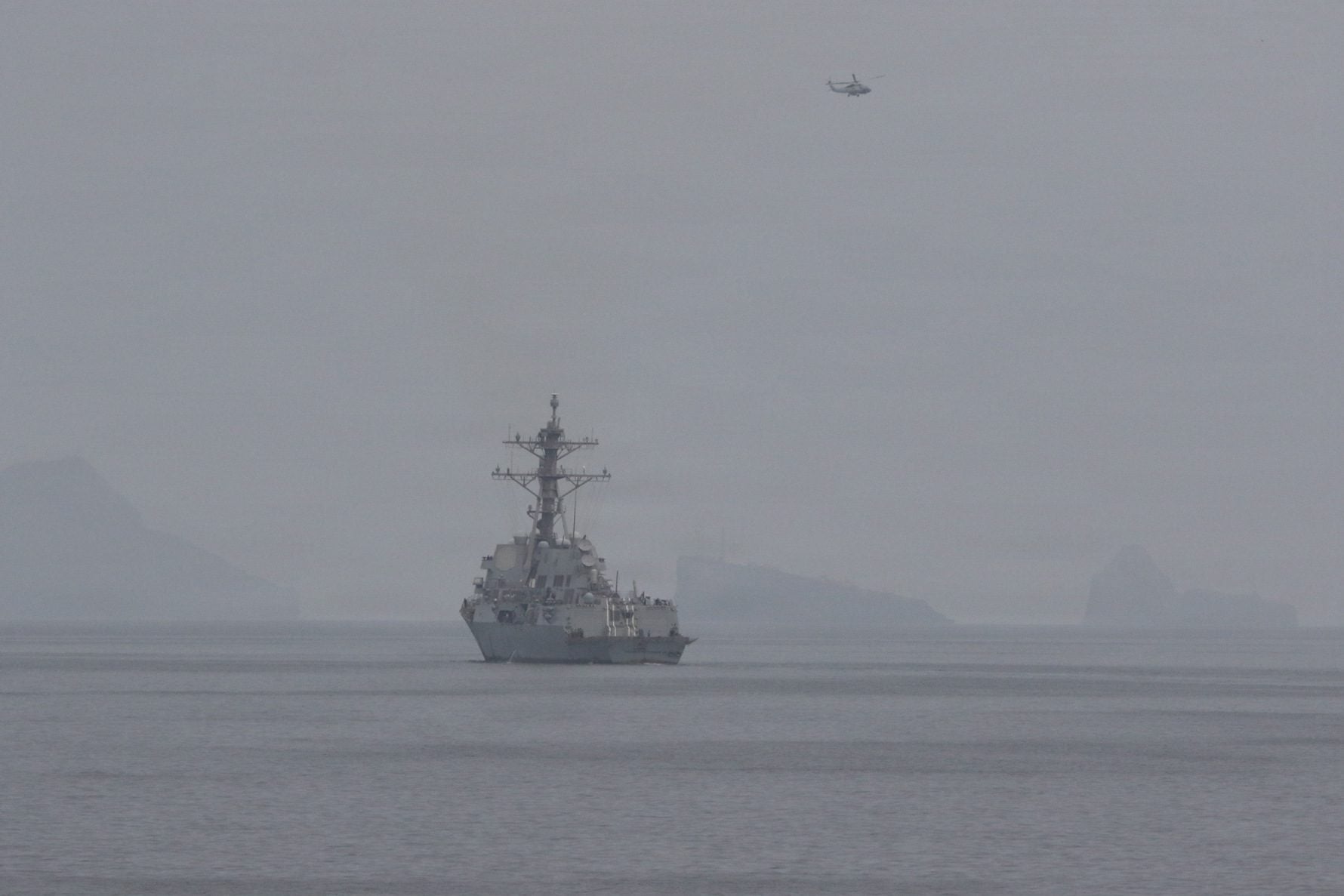
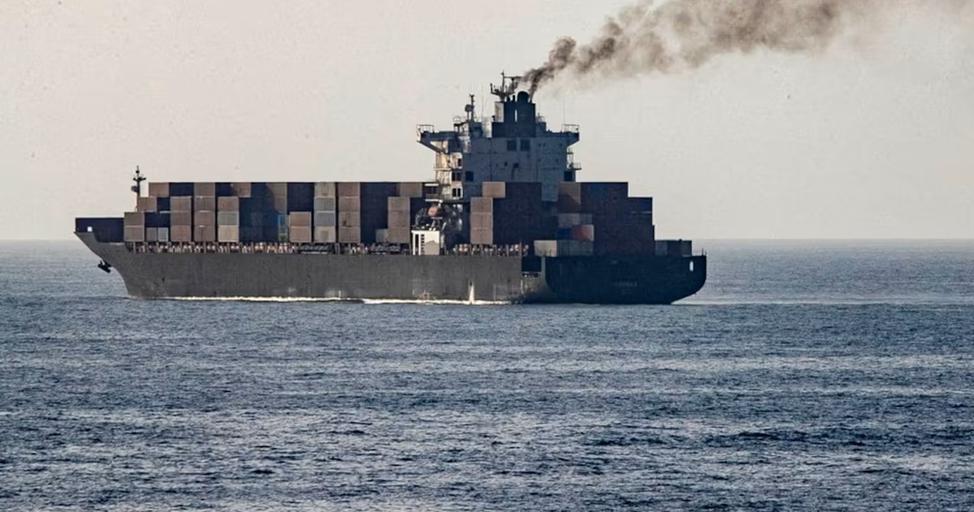
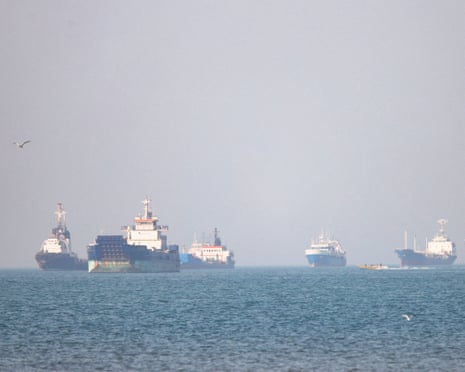
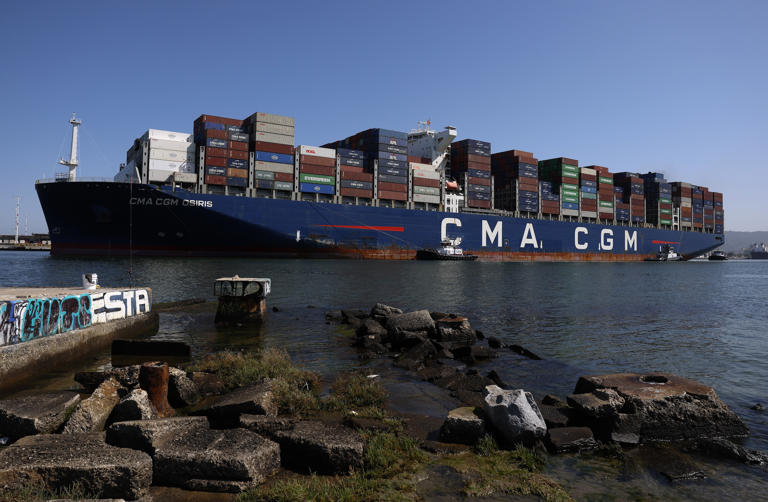
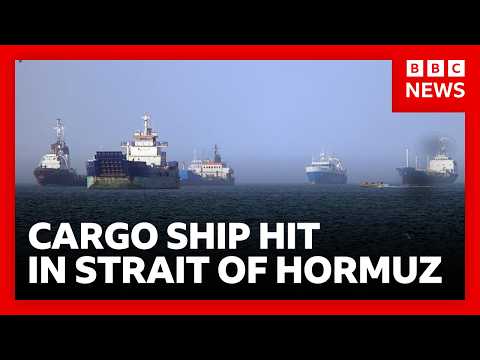
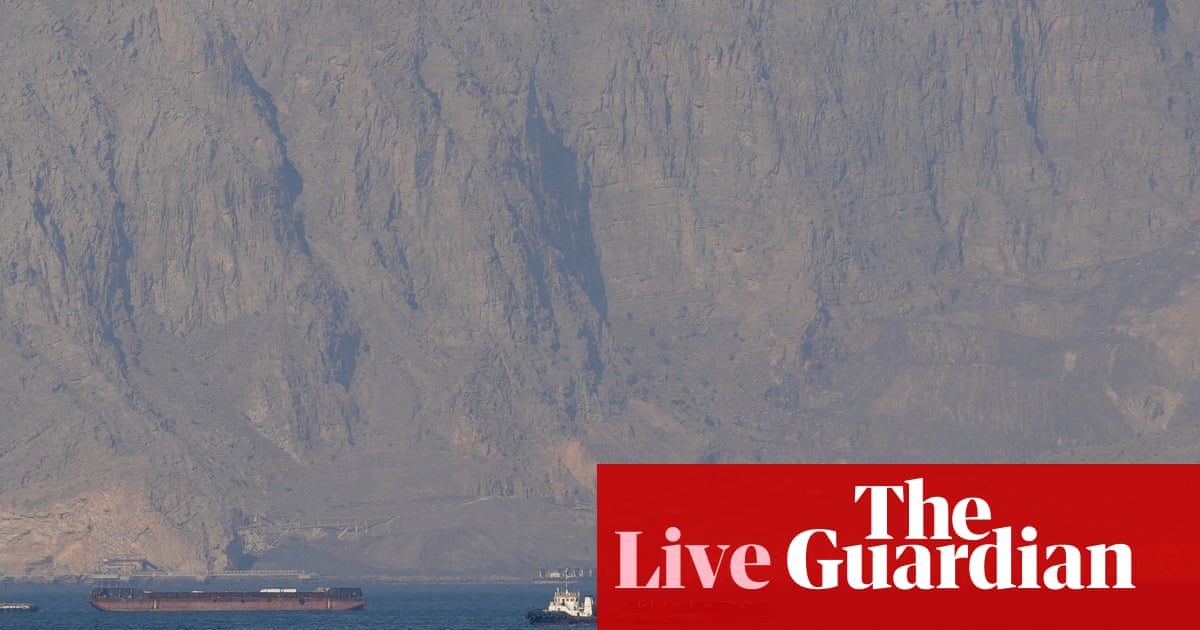
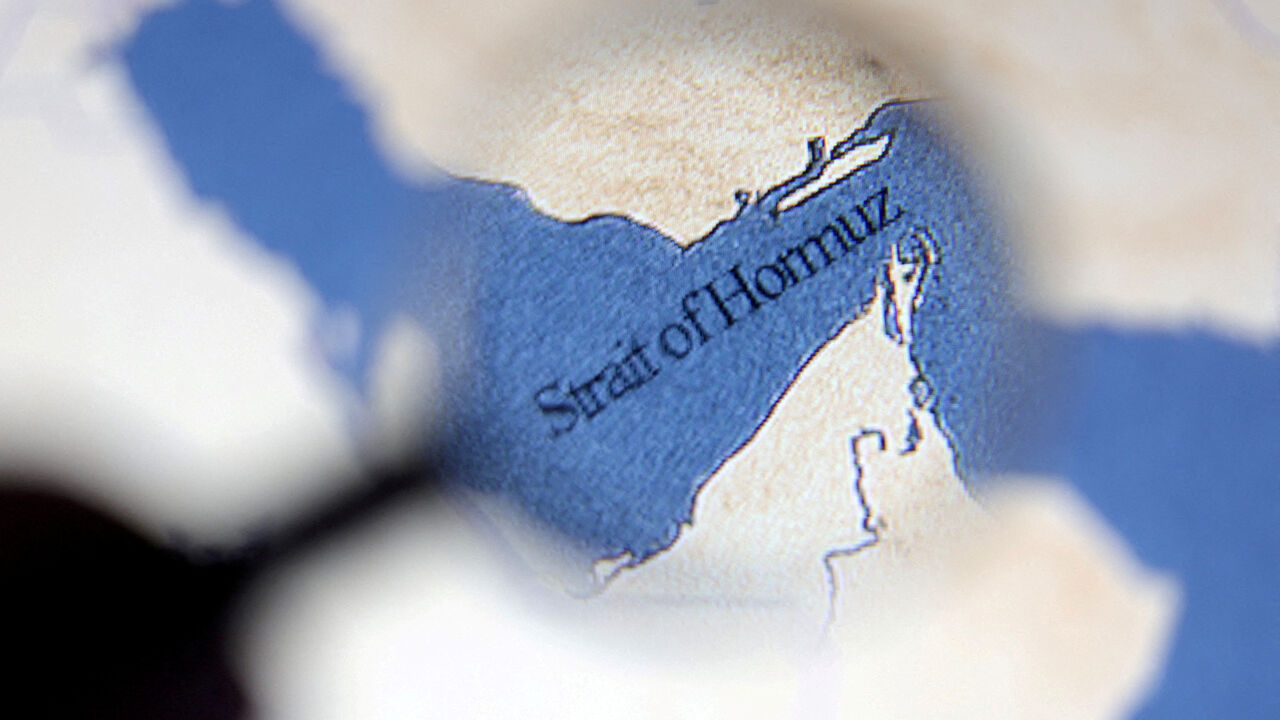
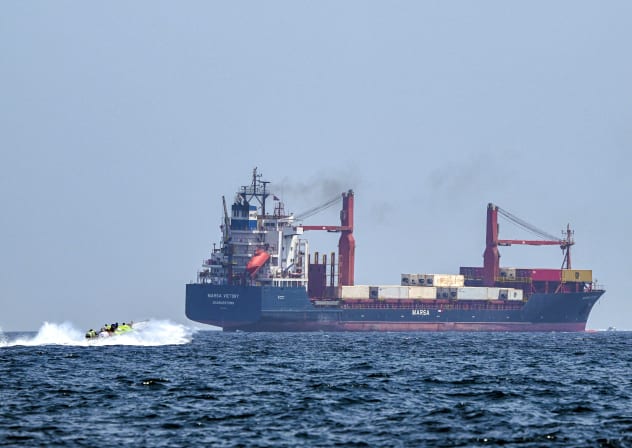
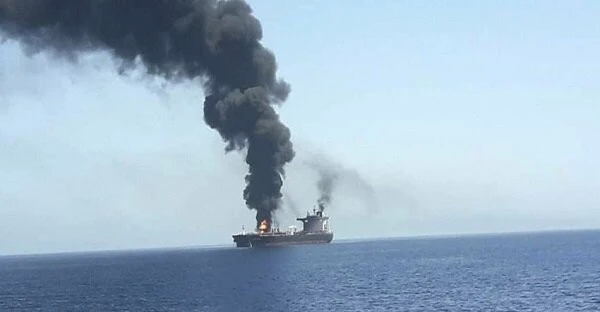
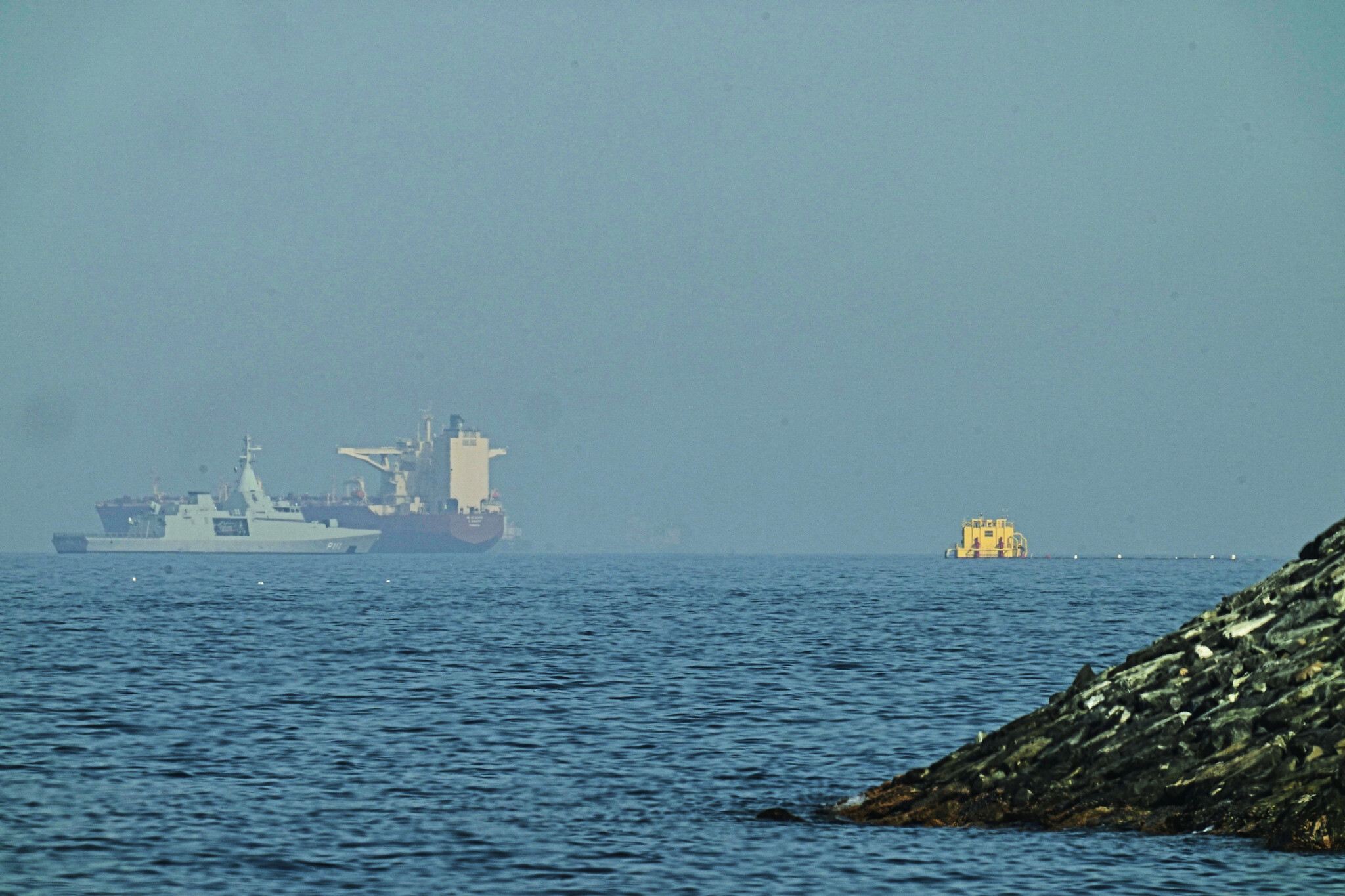
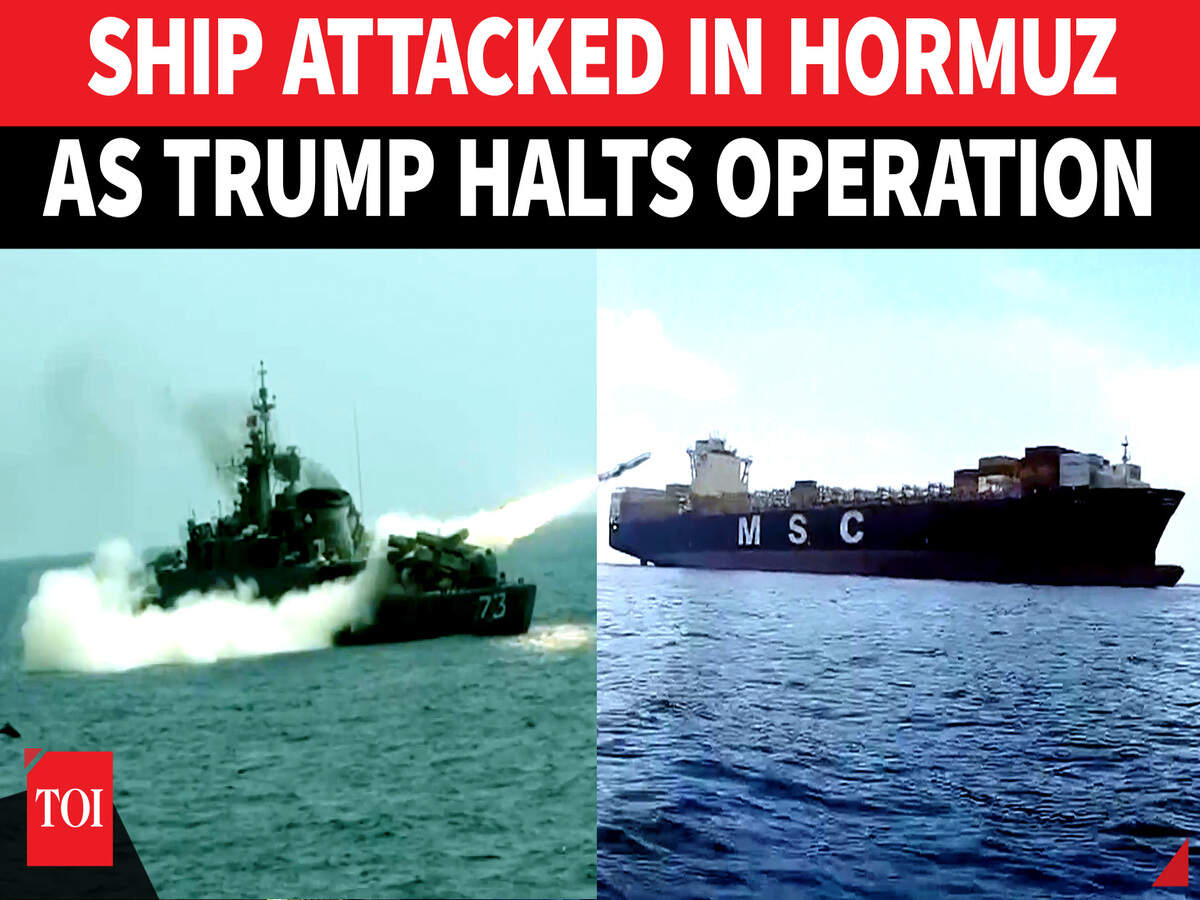
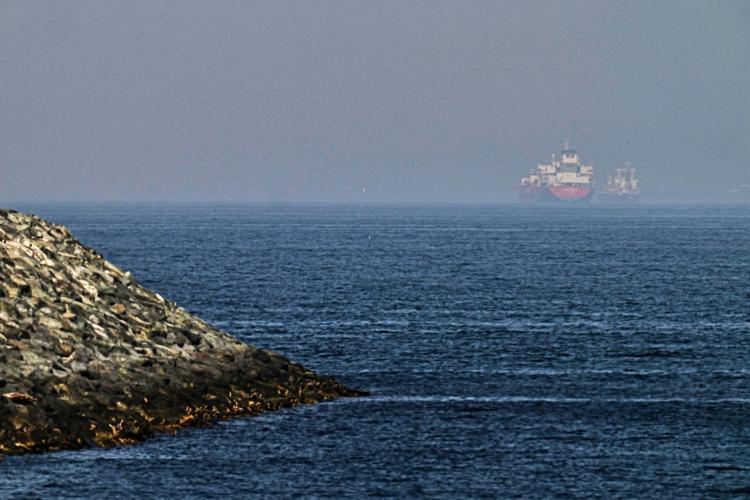
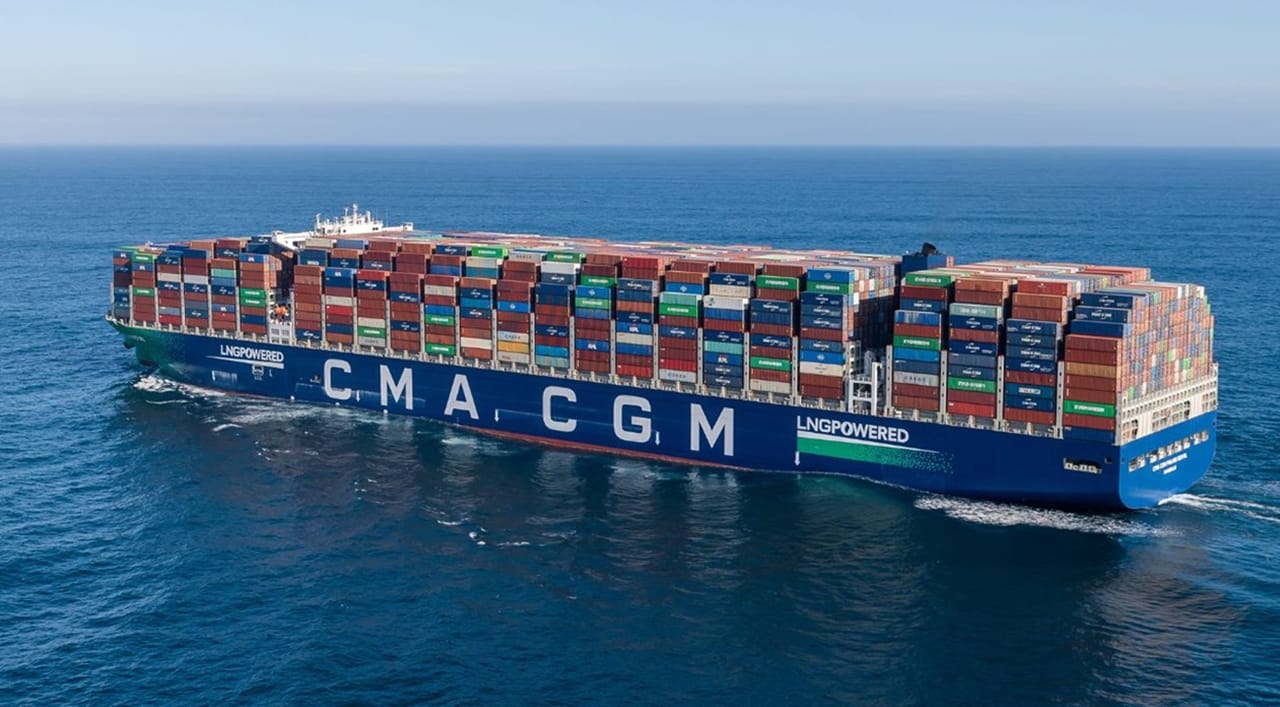
The Strait of Hormuz security crisis represents the most significant supply chain disruption for cross-border e-commerce sellers since 2024, with approximately 21% of global seaborne trade transiting this chokepoint now facing active security threats. On May 6, 2026, the CMA CGM container vessel San Antonio was attacked while transiting the Strait, injuring eight crew members and damaging the vessel. This incident follows a pattern of escalating disruptions: 14 CMA CGM vessels were previously stranded in the Gulf, hundreds of vessels remain blocked, and Brent crude oil has spiked to $113.41/barrel (5.8% increase), directly translating to higher fuel surcharges on ocean freight.
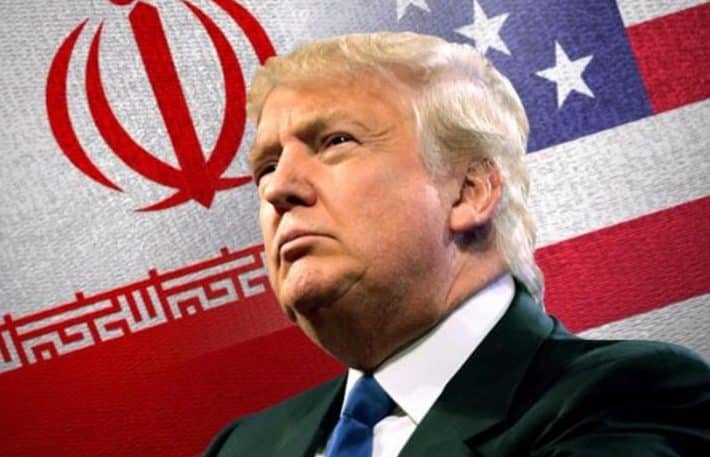
For sellers relying on Asia-to-US and Asia-to-Europe routes, this crisis creates immediate cost pressures and timeline uncertainties. Logistics providers are implementing emergency surcharges of $200-400 per 20-foot container on affected routes, with some carriers adding 7-14 day transit delays as vessels reroute around the Cape of Good Hope (adding 4,000+ nautical miles). Sellers importing from China, Vietnam, India, and Bangladesh face 8-15% increases in landed costs when factoring in fuel surcharges, insurance premiums, and extended holding periods. The pause in Project Freedom military escort operations (announced by President Trump) creates a security vacuum, making route predictability impossible for the next 30-60 days.
Strategic inventory repositioning is critical NOW. Sellers should immediately audit inventory in transit through the Strait and consider three tactical responses: (1) Accelerate shipments for Q3-Q4 inventory before surcharges escalate further—stock 60-90 days of fast-moving SKUs in US/EU warehouses by June 15, 2026; (2) Shift sourcing to nearshoring alternatives for time-sensitive categories (apparel, electronics, home goods)—Mexico, Vietnam, and India offer 15-25% cost advantages when avoiding Strait routes; (3) Redistribute inventory to regional fulfillment centers to reduce reliance on single-port consolidation. Sellers with inventory currently in transit should contact freight forwarders immediately to confirm vessel routing and lock in rates before further escalation. The operational ambiguity between CMA CGM and US Central Command regarding Project Freedom coordination protocols suggests additional delays and disputes are likely, making proactive communication with 3PL providers essential.
Questions 8
How long will Strait of Hormuz disruptions affect my business?
Industry analysis suggests 30-60 day disruption window based on geopolitical precedent. The pause in Project Freedom military escort operations creates immediate uncertainty, with diplomatic resolution likely taking 4-8 weeks. Historical patterns from 2019 Strait incidents show shipping cost premiums persist 45-90 days after security incidents. Expect fuel surcharges to remain elevated through July 2026, with gradual normalization in August-September. Monitor diplomatic developments (Pakistan mediation, Secretary of State Rubio negotiations) for resolution signals. Sellers should plan inventory and pricing strategies assuming elevated costs through Q3 2026, with potential normalization in Q4.
What are the risks of rerouting around the Cape of Good Hope?
Cape of Good Hope routing adds 4,000+ nautical miles and 7-14 days transit time, increasing total landed costs by 12-18% when factoring in fuel, demurrage, and storage. Vessel capacity constraints emerge as carriers consolidate shipments, reducing frequency and increasing wait times at origin ports. Insurance premiums increase 2-3% for extended voyages. However, Cape routing avoids active security threats and provides supply chain certainty worth the cost premium. For sellers with time-sensitive inventory (seasonal goods, fashion), Cape routing may be preferable to Strait delays. Negotiate fixed-rate agreements with carriers for Cape routing to lock costs and avoid surprise surcharges.