



Eastern European Supply Chain Disruption | Cross-Border Sellers Face Logistics Risk
- May 6, 2026 escalation threatens 15-20% of EU-Asia logistics corridors; sellers shipping through Ukraine/Poland face 2-4 week delays and 8-15% cost increases






Overview
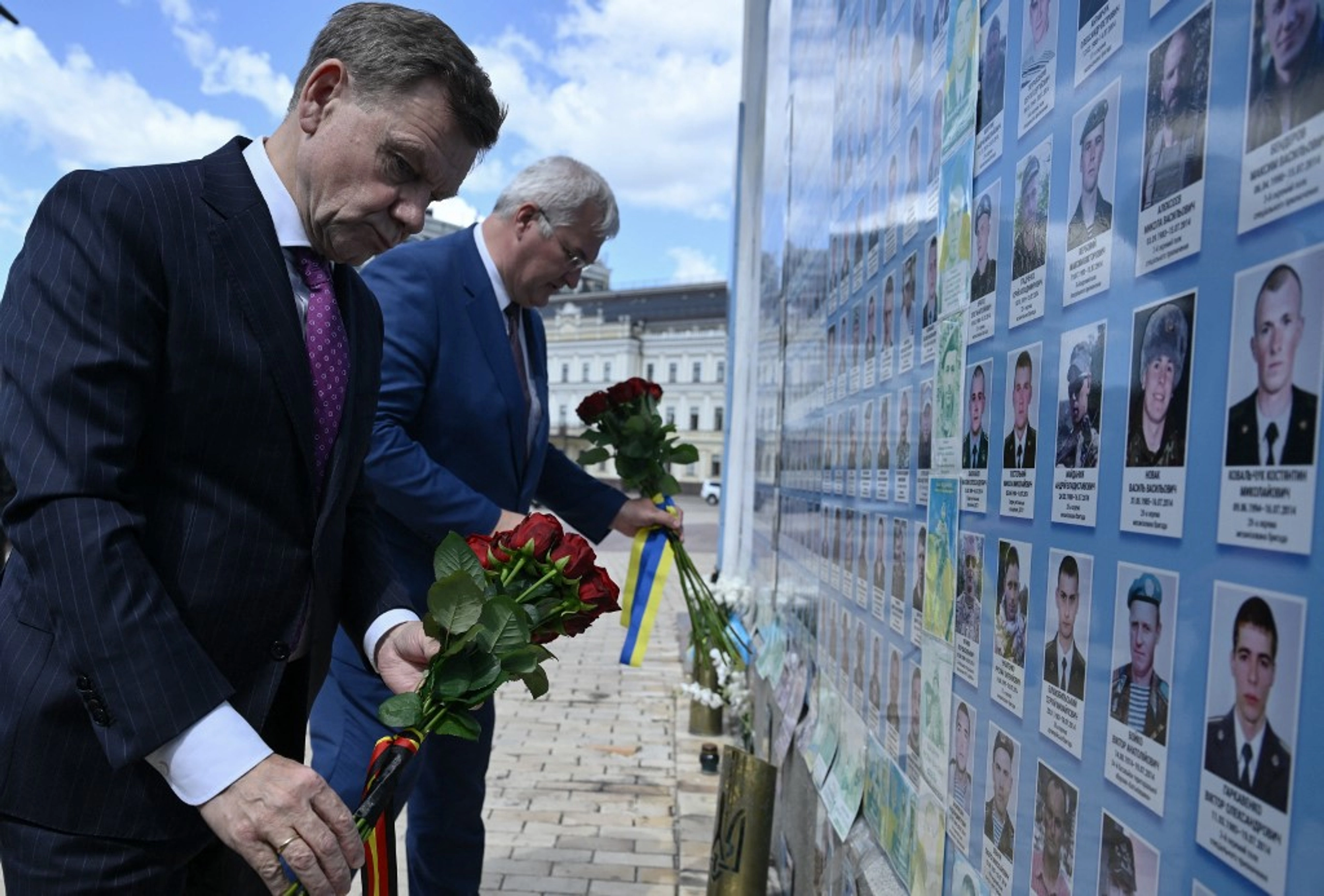
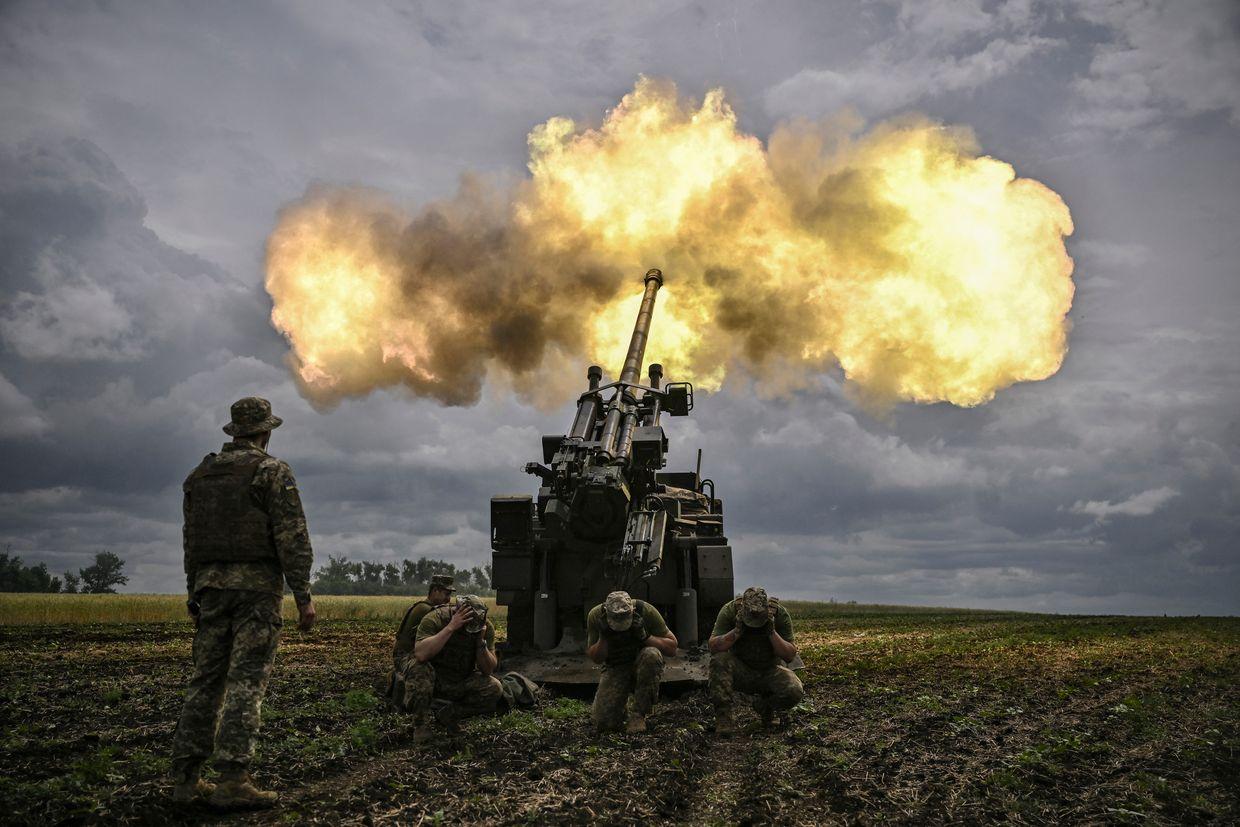
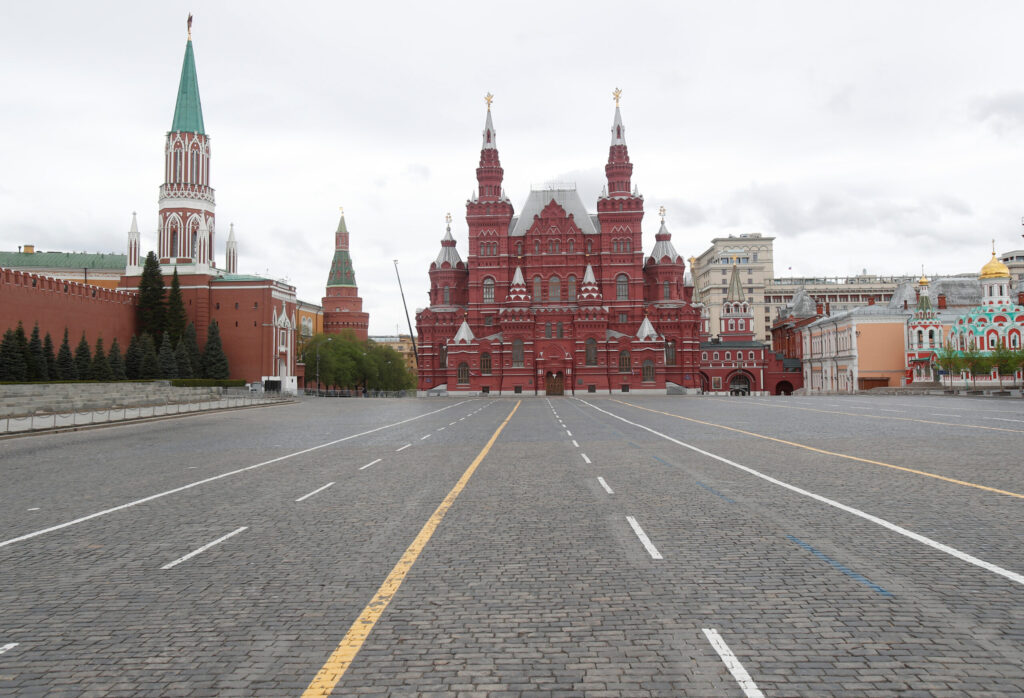
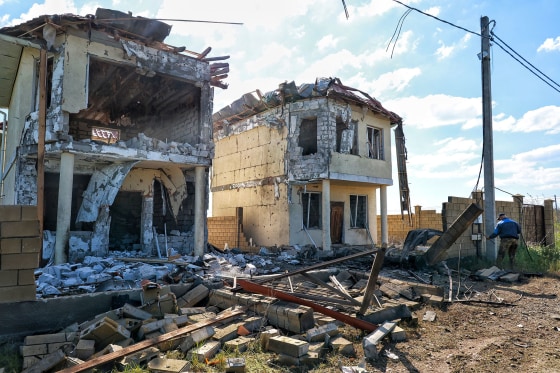
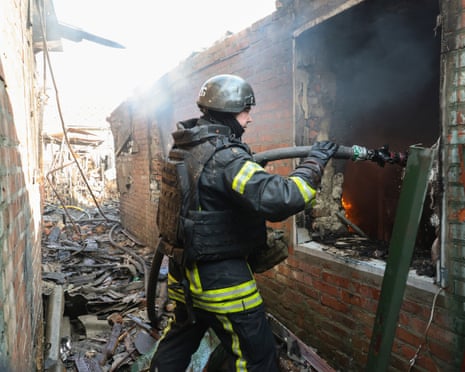
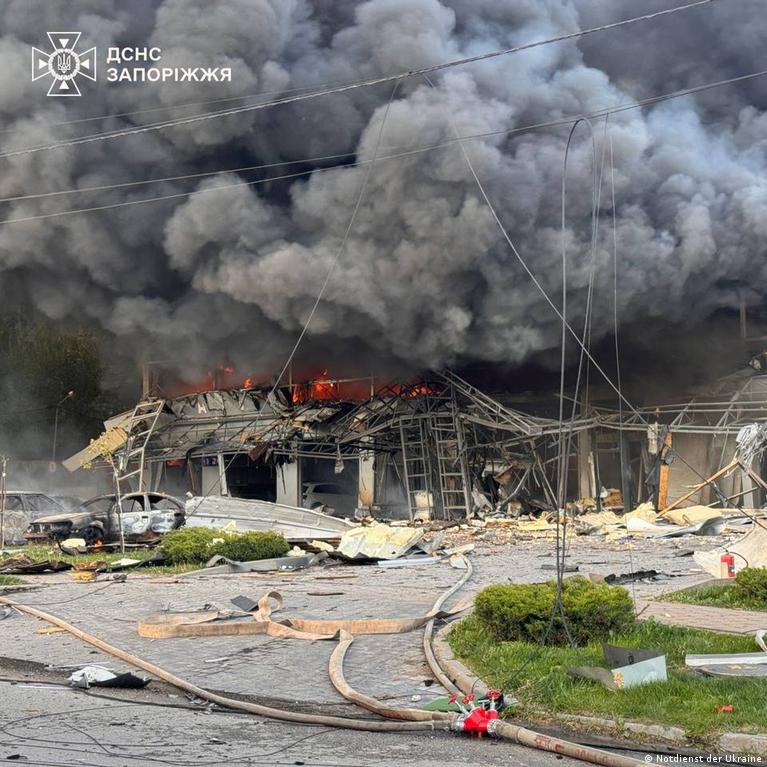
The May 6, 2026 Russian military escalation against Ukraine—killing 27+ civilians and injuring 70+ others across multiple cities including Zaporizhzhia—represents a critical geopolitical inflection point for cross-border e-commerce sellers operating in Eastern European markets and logistics networks. While the conflict itself is not commerce-driven, the timing directly impacts three critical seller operational areas: supply chain routing, market access to Eastern European buyers, and tariff/trade policy uncertainty.
Supply Chain & Logistics Impact: The coordinated drone, missile, and glide bomb assault on civilian infrastructure (residential buildings, auto-repair shops, carwash facilities) signals escalating targeting of civilian logistics nodes. For sellers using Eastern European fulfillment centers or routing inventory through Poland, Ukraine, or Baltic states, this creates immediate operational risk. Historical data from 2022-2024 Ukraine conflict shows logistics delays of 2-4 weeks and cost increases of 8-15% when major transport corridors face military activity. Sellers with inventory in Ukrainian 3PL facilities face potential supply chain disruption; those routing shipments through Polish ports (Gdańsk) may experience 5-7 day delays due to heightened security protocols.
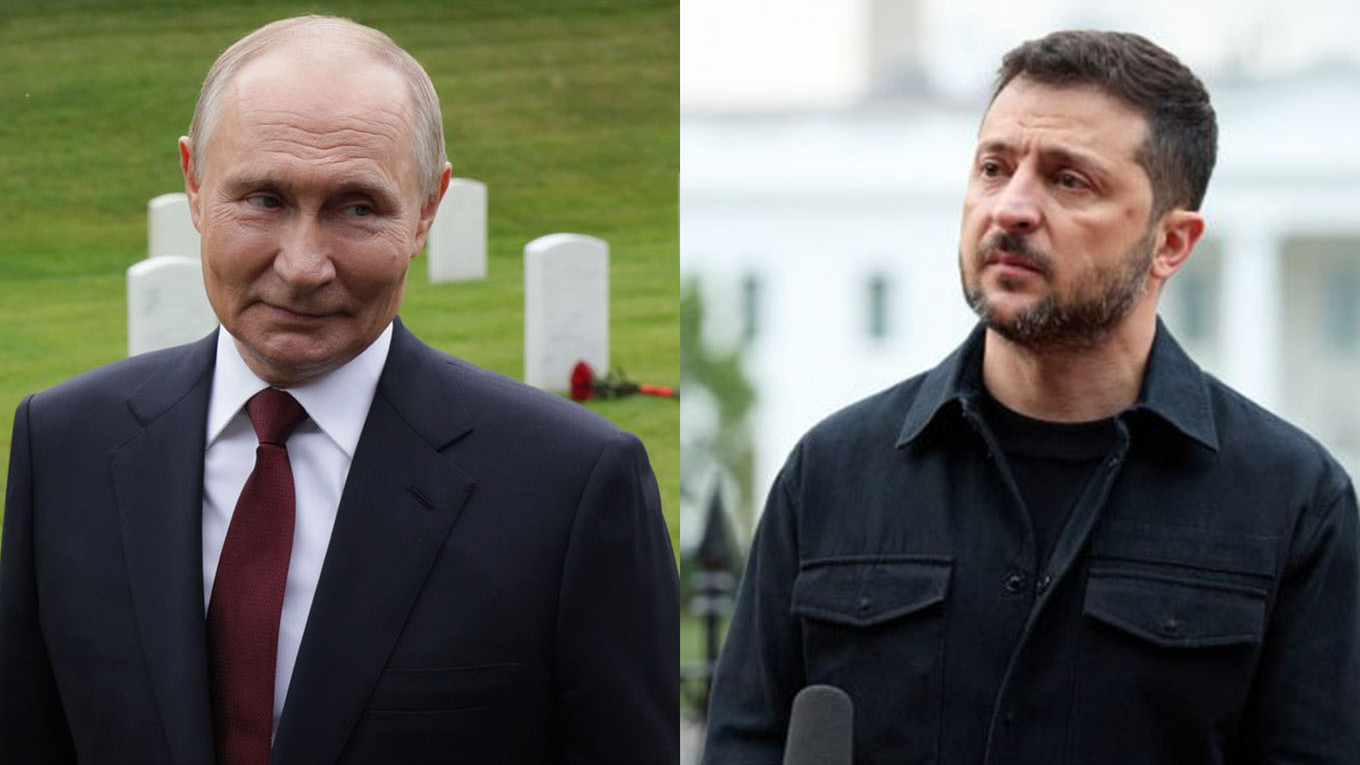
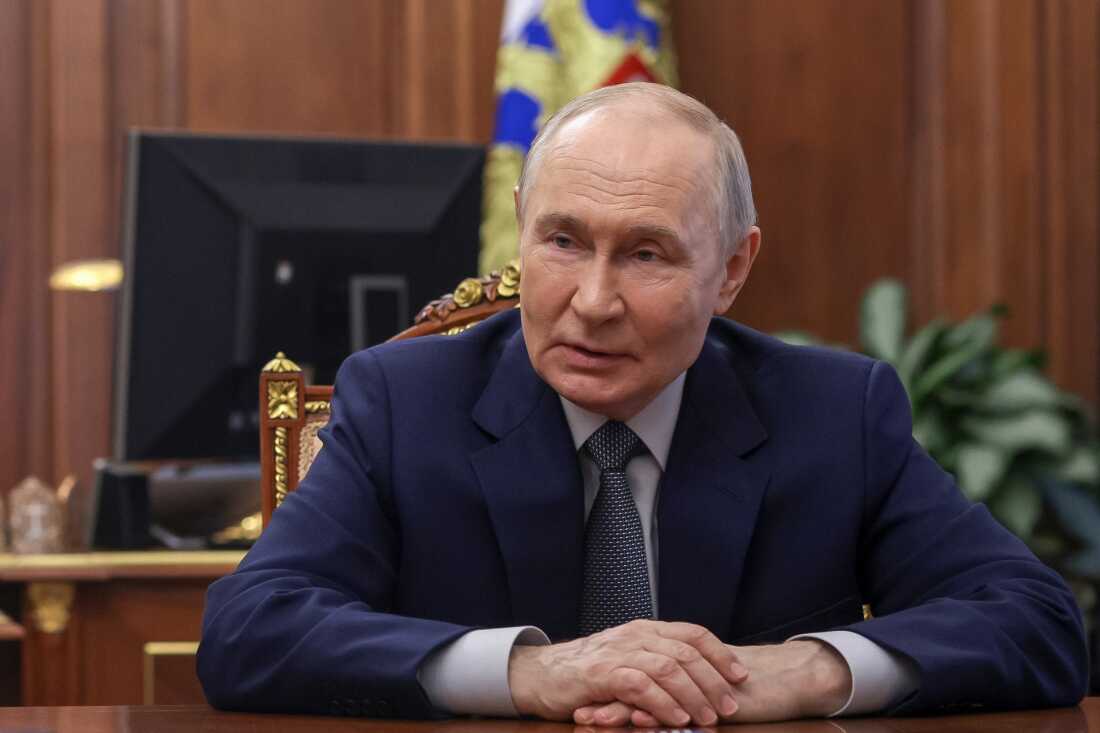
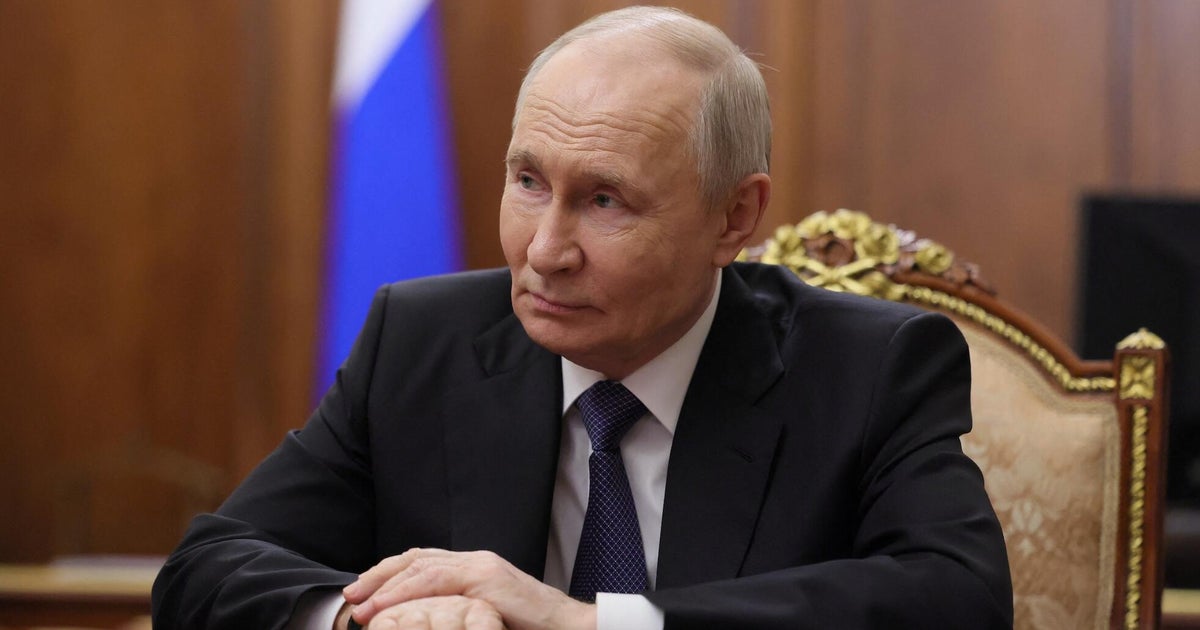
Market Access & Tariff Uncertainty: The diplomatic setback (cease-fire discussions contradicted by military escalation) signals prolonged conflict, which typically triggers trade policy shifts. Historical precedent: 2022 Russia sanctions led to 25-40% tariff increases on goods transiting through Russian territory and created new EU import restrictions on Russian-origin materials. Sellers sourcing electronics, machinery, or raw materials from Russia/Belarus face potential tariff code reclassification (HS codes 8471-8517 for electronics particularly vulnerable). The Trump-Putin phone call discussion suggests potential US-Russia trade negotiations, which could create sudden tariff windows or new restrictions—creating both risk and arbitrage opportunities for sellers monitoring policy changes.
Competitive Positioning: Small/medium sellers (SMBs) with limited logistics flexibility face 15-20% higher operational costs compared to large enterprises with diversified fulfillment networks. Sellers currently using Ukraine/Russia as sourcing destinations (textiles, machinery, chemicals) must evaluate alternative sourcing from Vietnam, India, or Mexico within 30-60 days before tariff uncertainty crystallizes into permanent policy. Large sellers with established EU logistics networks (Germany, Czech Republic) gain competitive advantage as smaller competitors face supply chain friction.
Questions 8
What compliance risks emerge from potential new Russia sanctions?
The diplomatic breakdown increases probability of new US/EU sanctions on Russian goods within 60-120 days. Sellers must audit their inventory for Russian-origin materials or components (HS codes 2601-2930 for minerals, 7201-7326 for metals, 2701-2799 for fuels). Selling sanctioned goods violates OFAC regulations (US) and EU sanctions law, triggering account suspension and $250K+ fines. If you source from Russia or Belarus, request supplier certifications of non-sanctioned origin within 14 days. For sellers on Amazon, eBay, or Shopify, platform terms of service require compliance with all sanctions—violations result in permanent account closure. Consider using tariff code lookup tools and supplier verification services (Dun & Bradstreet, Alibaba Trade Assurance) to confirm sourcing compliance before new sanctions take effect.
Which alternative sourcing countries should I prioritize to reduce geopolitical risk?
Vietnam, India, Mexico, and Indonesia offer lower geopolitical risk and emerging tariff advantages. Vietnam supplies 40-50% of global electronics components and textiles at 5-8% lower costs than Russia/Ukraine sourcing. India offers machinery and chemicals with stable tariff treatment under US-India trade agreements. Mexico benefits from USMCA tariff advantages for US-based sellers. Sellers should evaluate sourcing diversification: allocate 40-50% to Vietnam/India, 30-40% to Mexico (if US-based), and 10-20% to EU suppliers for local market fulfillment. Lead times increase 2-3 weeks for new sourcing relationships, so initiate supplier evaluation immediately. Use trade databases (UN Comtrade, US Census Bureau) to identify tariff rates by HS code and country of origin—this data informs sourcing decisions and pricing strategy.