





AI Feature Advertising Compliance | $250M Apple Settlement Sets New Seller Standards
- Establishes precedent for tech product feature disclosure requirements affecting 37M+ devices; creates compliance liability for sellers marketing unreleased AI capabilities













































.jpeg)



Overview
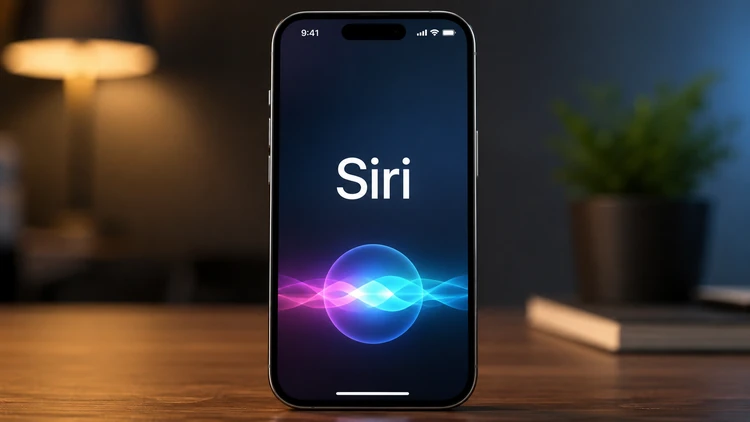
Apple's $250 million settlement for false advertising of AI features represents a watershed moment for e-commerce sellers marketing technology products with promised future capabilities. The settlement, covering 37 million iPhone 15 Pro, 15 Pro Max, and iPhone 16 devices purchased between June 10, 2024, and March 29, 2025, establishes that marketing unavailable features as "available now" violates consumer protection laws. The Better Business Bureau's National Advertising Division found Apple's claim that "Apple Intelligence is available now" was deceptive when Enhanced Siri features weren't functional at purchase. This precedent directly impacts third-party sellers on Amazon, eBay, Shopify, and other platforms who market tech products with promised software updates or future feature releases.
For e-commerce sellers, this settlement creates three critical compliance obligations: First, feature availability claims must distinguish between current functionality and future roadmap items. Sellers marketing smartphones, smartwatches, tablets, or software-as-a-service products cannot use language suggesting unavailable features are ready for purchase. Second, the settlement demonstrates that regulatory agencies (FTC, state attorneys general) now actively scrutinize AI marketing claims, with enforcement intensity increasing. Third, the $250 million penalty—one of Apple's largest ever—signals that even dominant brands face substantial liability, meaning smaller sellers face proportionally higher risk exposure relative to revenue.
The operational impact extends across multiple seller segments. Electronics resellers on Amazon FBA who list refurbished or new iPhones must update product descriptions to clarify which Apple Intelligence features are currently available versus planned. Marketplace sellers marketing tech accessories (cases, chargers, screen protectors) bundled with feature claims must audit all marketing copy. Sellers using AI-generated product descriptions face heightened risk if those descriptions make feature availability claims. The settlement also affects sellers in adjacent categories: smartwatch sellers, tablet resellers, and software vendors must review how they describe AI-powered features. Compliance costs include legal review of product listings ($500-2,000 per category), description rewrites across 100+ SKUs ($1,000-5,000), and ongoing monitoring systems ($200-500/month). Non-compliance penalties could include FTC enforcement actions, state attorney general investigations, or class-action lawsuits similar to Apple's, with settlement costs ranging from $100,000-$10M+ depending on seller size and affected customer base.
Strategic opportunities emerge for compliant sellers. Sellers who transparently disclose feature roadmaps and actual launch dates can differentiate from competitors making vague claims. Building trust through accurate feature communication becomes a competitive advantage as consumers become more skeptical of AI marketing. Sellers can capitalize on this by creating detailed feature comparison guides, publishing transparent roadmaps, and obtaining third-party certifications for AI feature claims. This positions compliant sellers to capture market share from competitors facing regulatory scrutiny.
Questions 8
When is the court approval deadline for the Apple settlement and what does it mean for sellers?
Court approval is scheduled for June 2025. This deadline signals that regulatory scrutiny of AI feature advertising will intensify in Q2-Q3 2025 as the settlement becomes final. Sellers should complete compliance audits by May 2025 to avoid enforcement actions coinciding with increased regulatory attention. The June timeline also aligns with Apple's expected unveiling of improved AI-enhanced Siri at its developer conference, creating a media moment that will amplify consumer awareness of feature availability issues. Sellers should use this window to update product descriptions, train customer service teams on feature availability questions, and prepare responses to customer inquiries about promised features. The settlement's finalization will likely trigger follow-up enforcement actions by state attorneys general and the FTC against other tech companies and sellers, making June 2025 a critical compliance deadline for the entire e-commerce industry.
What monitoring systems should sellers implement to ensure ongoing compliance?
Sellers should establish quarterly compliance audits ($200-500/month for automated tools or $1,000-2,000/quarter for legal review) to monitor product descriptions for feature availability claims. Set up alerts for competitor listings using similar language to identify industry trends and regulatory risk. Track FTC enforcement actions and state attorney general settlements in your category monthly. For Amazon sellers, use Seller Central's compliance dashboard to flag listings with feature claims requiring review. Implement a content approval process requiring legal review before launching new product descriptions with AI or feature-dependent claims. Document all feature availability claims with supporting evidence (roadmap screenshots, press releases, developer documentation) to defend against regulatory inquiries. This systematic approach costs $3,000-$8,000 annually but prevents $100,000+ enforcement liability.