



Cruise Ship Health Crisis Signals Urgent Demand for Travel Safety Products & Wellness Verification Services
- MV Hondius hantavirus outbreak (3 deaths, 5+ cases) creates $500M+ opportunity in health screening, travel insurance, and wellness product categories for cross-border sellers



























Overview
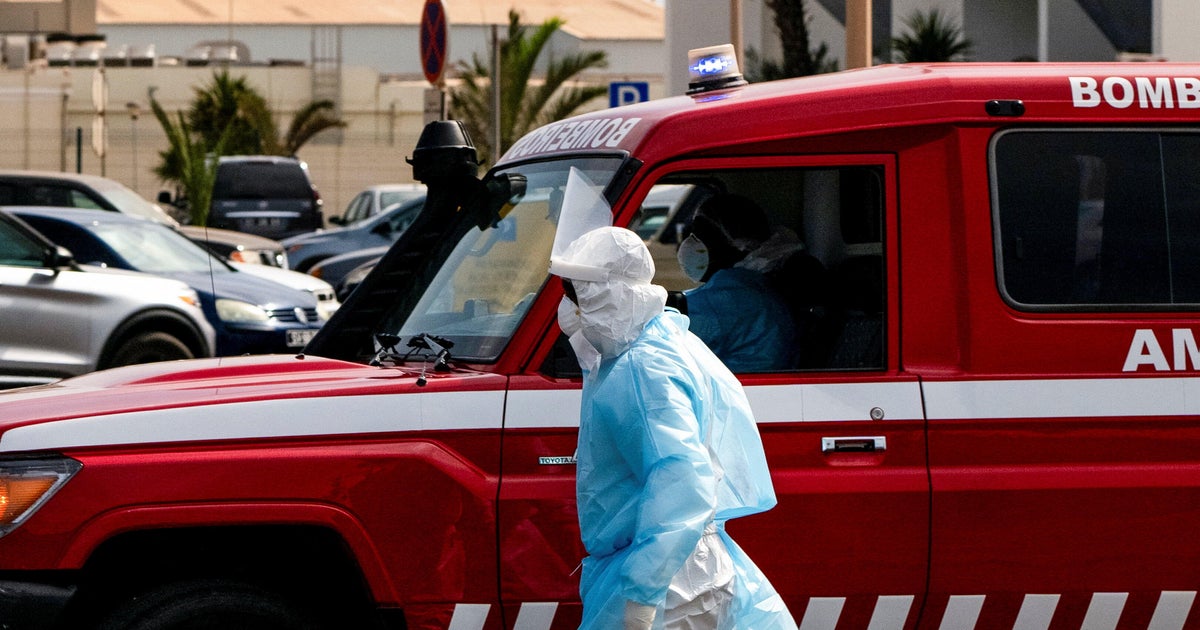
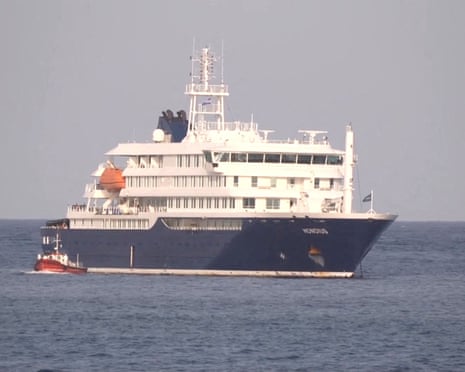
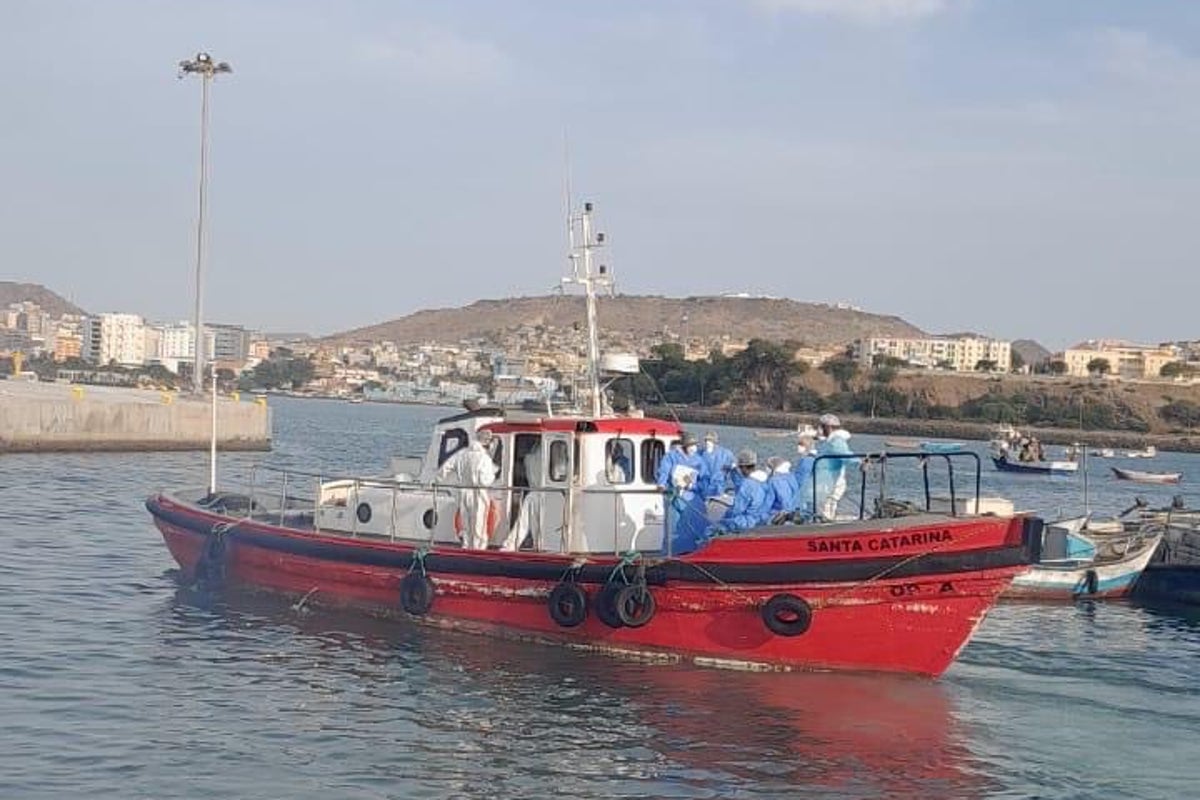
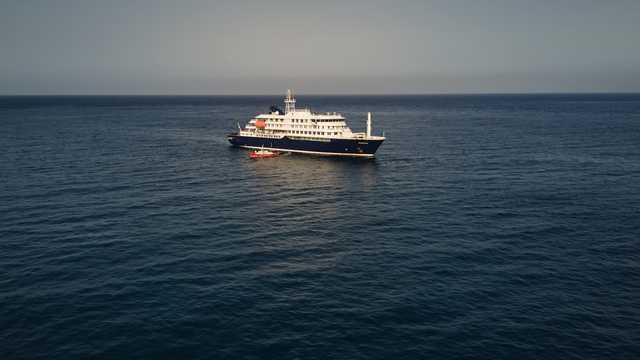
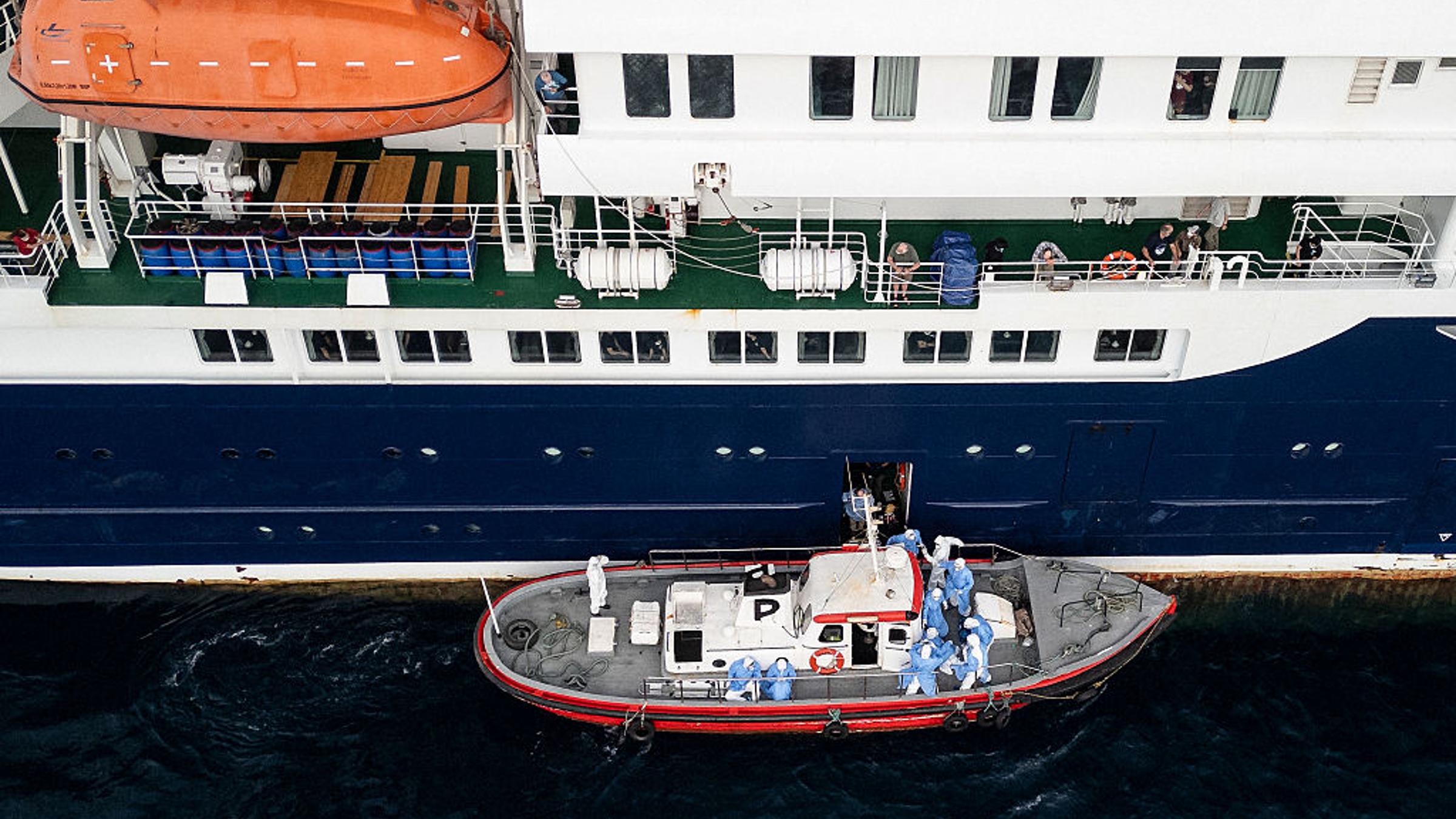
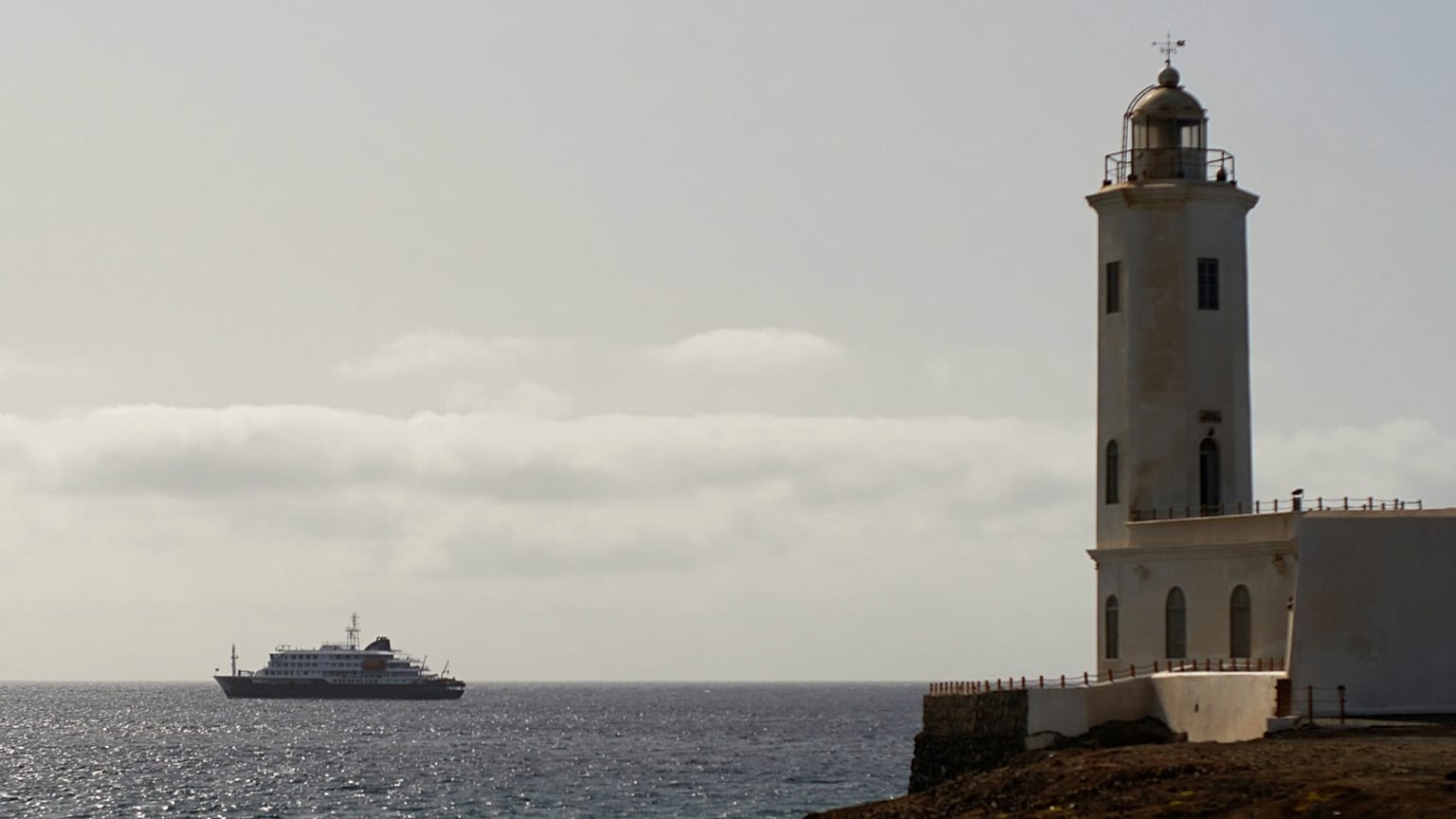
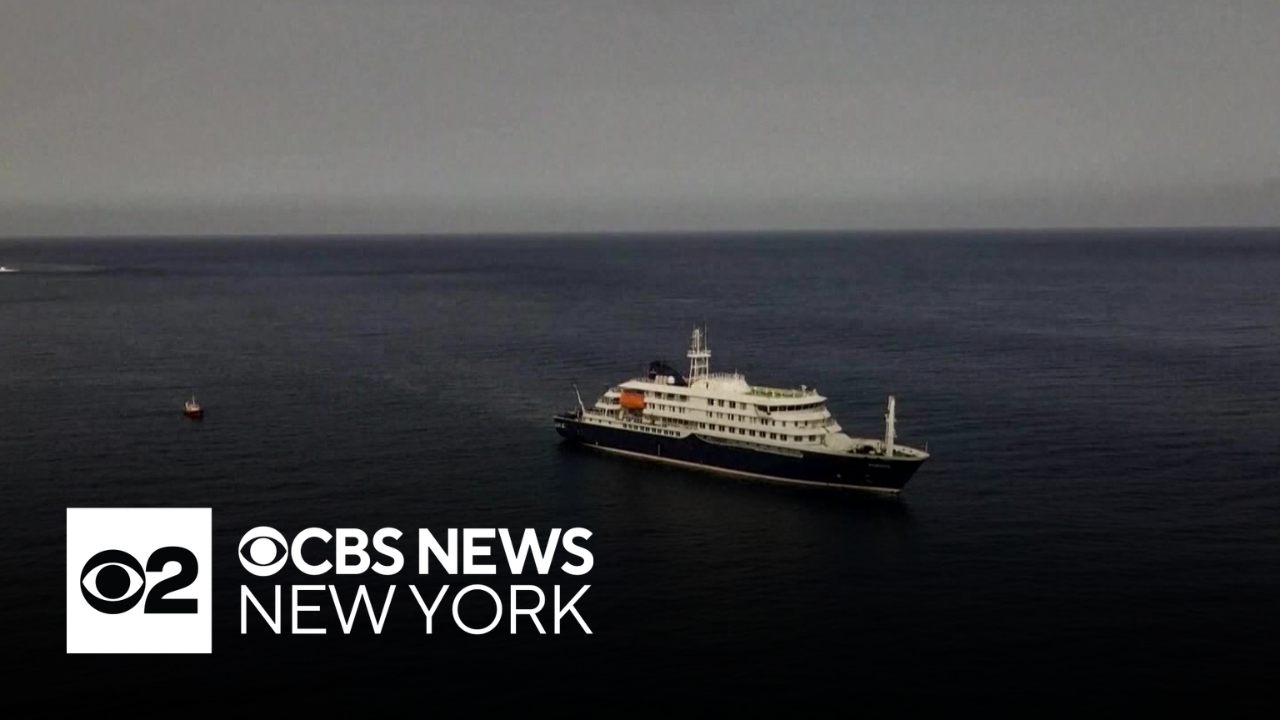
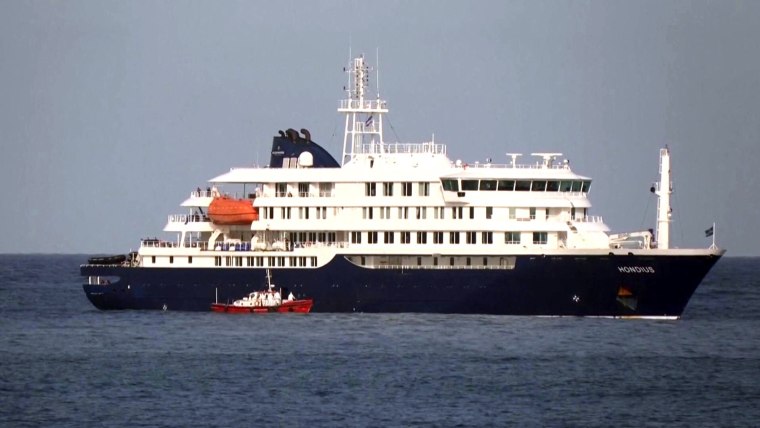
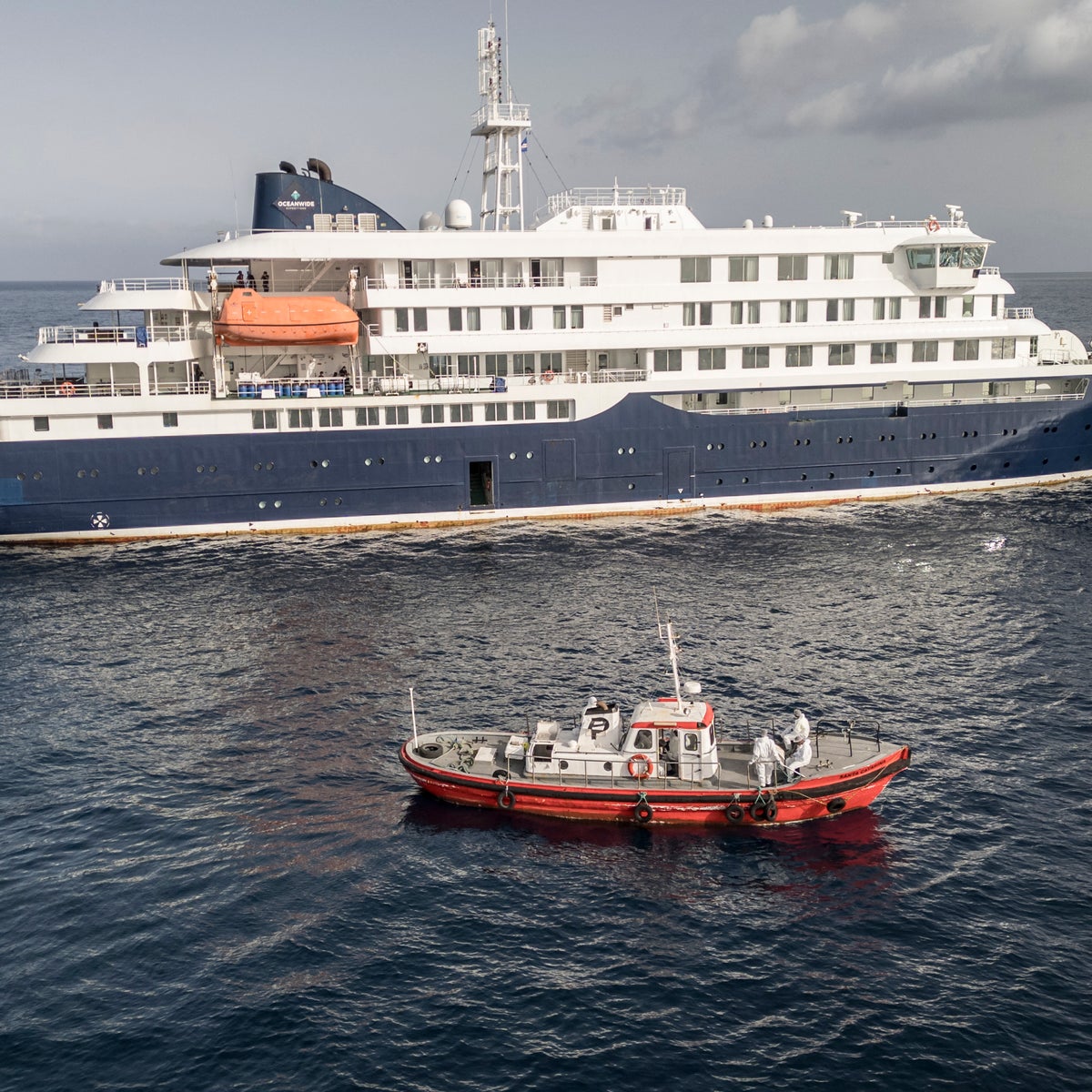
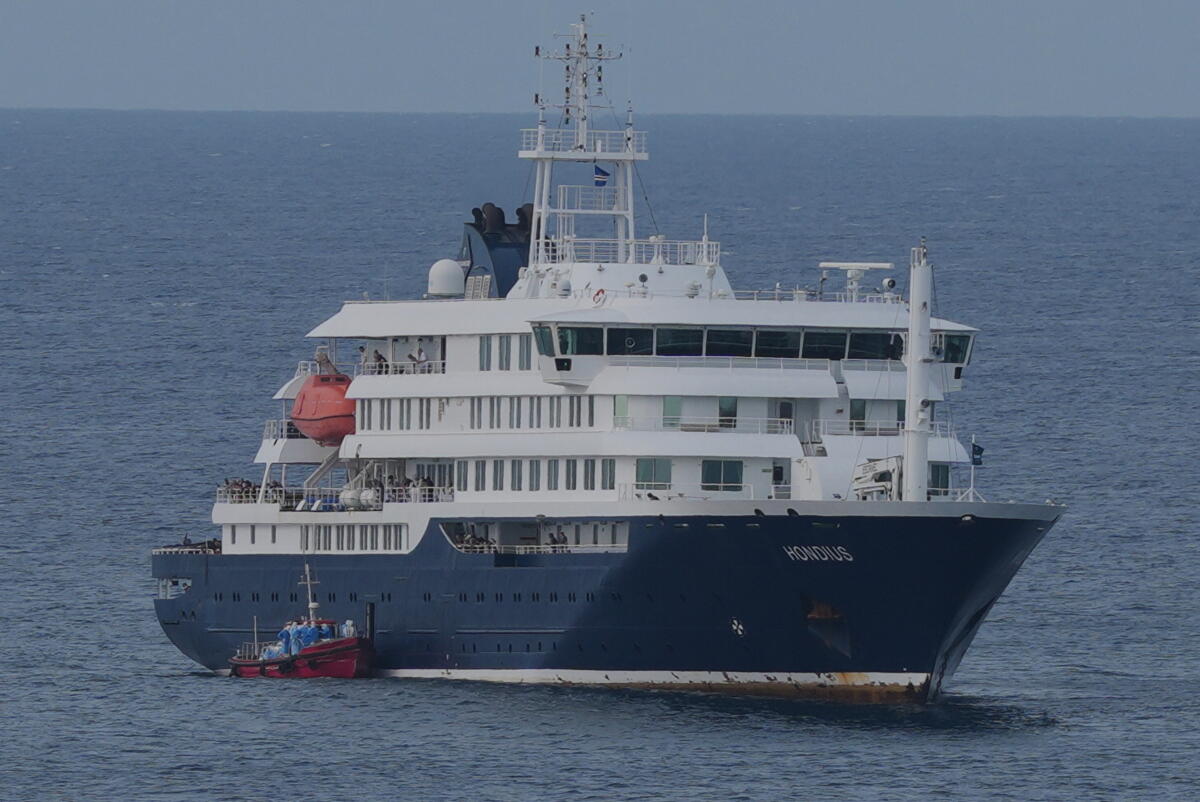
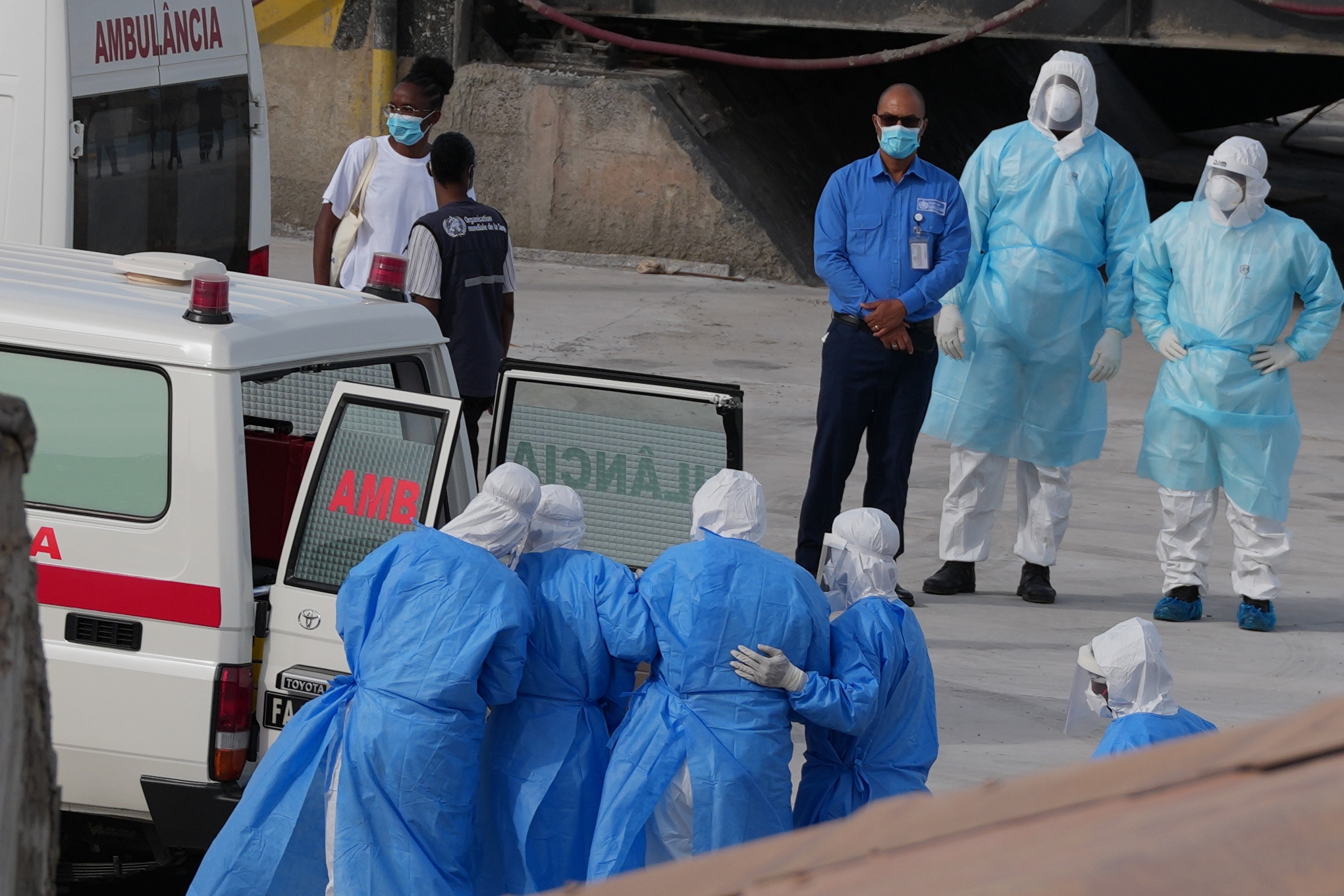
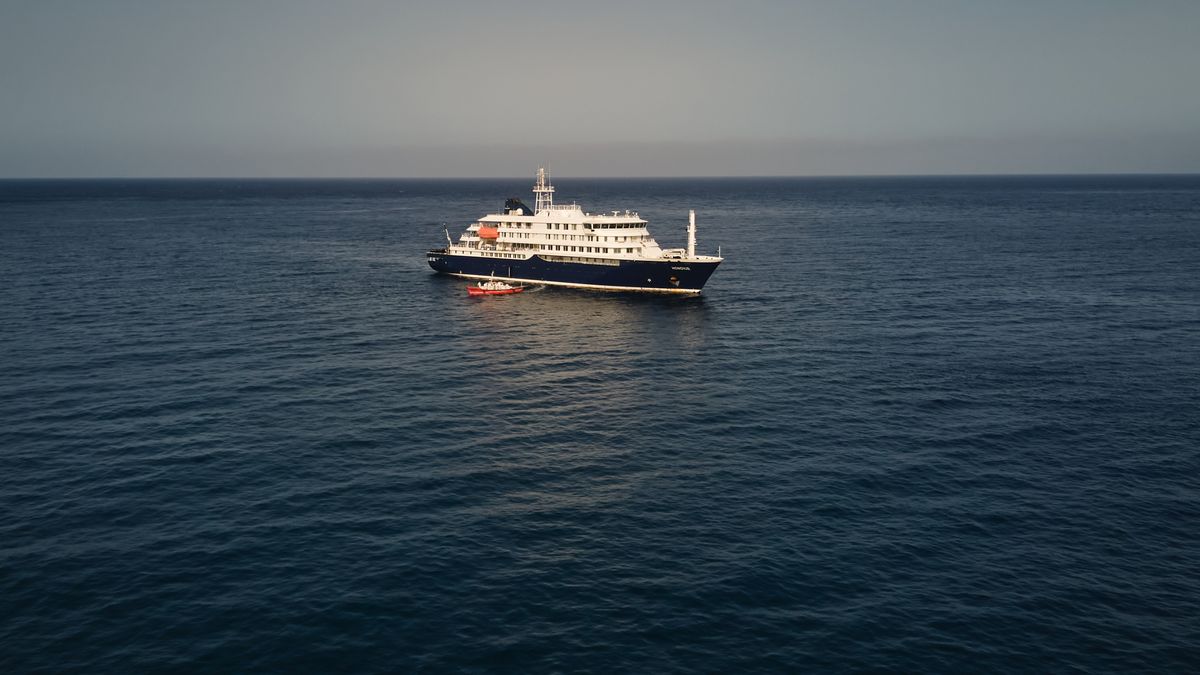
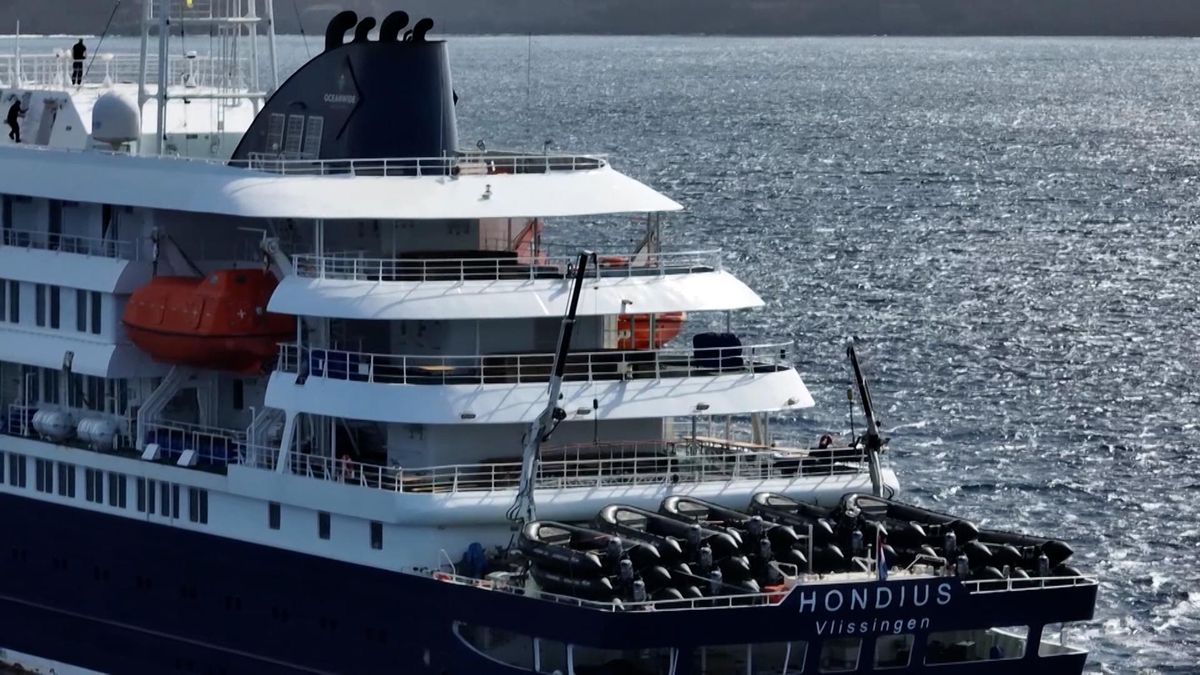
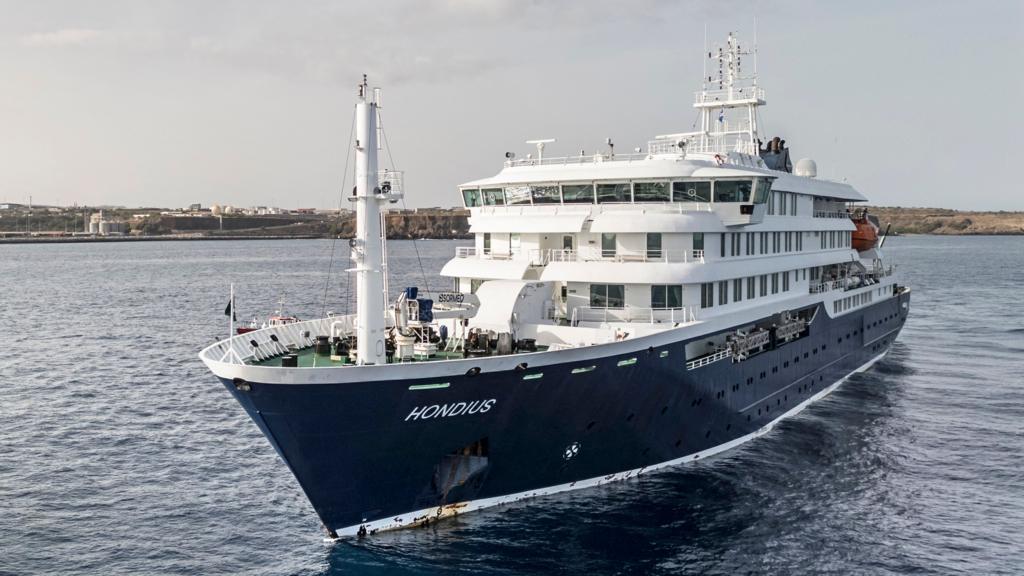
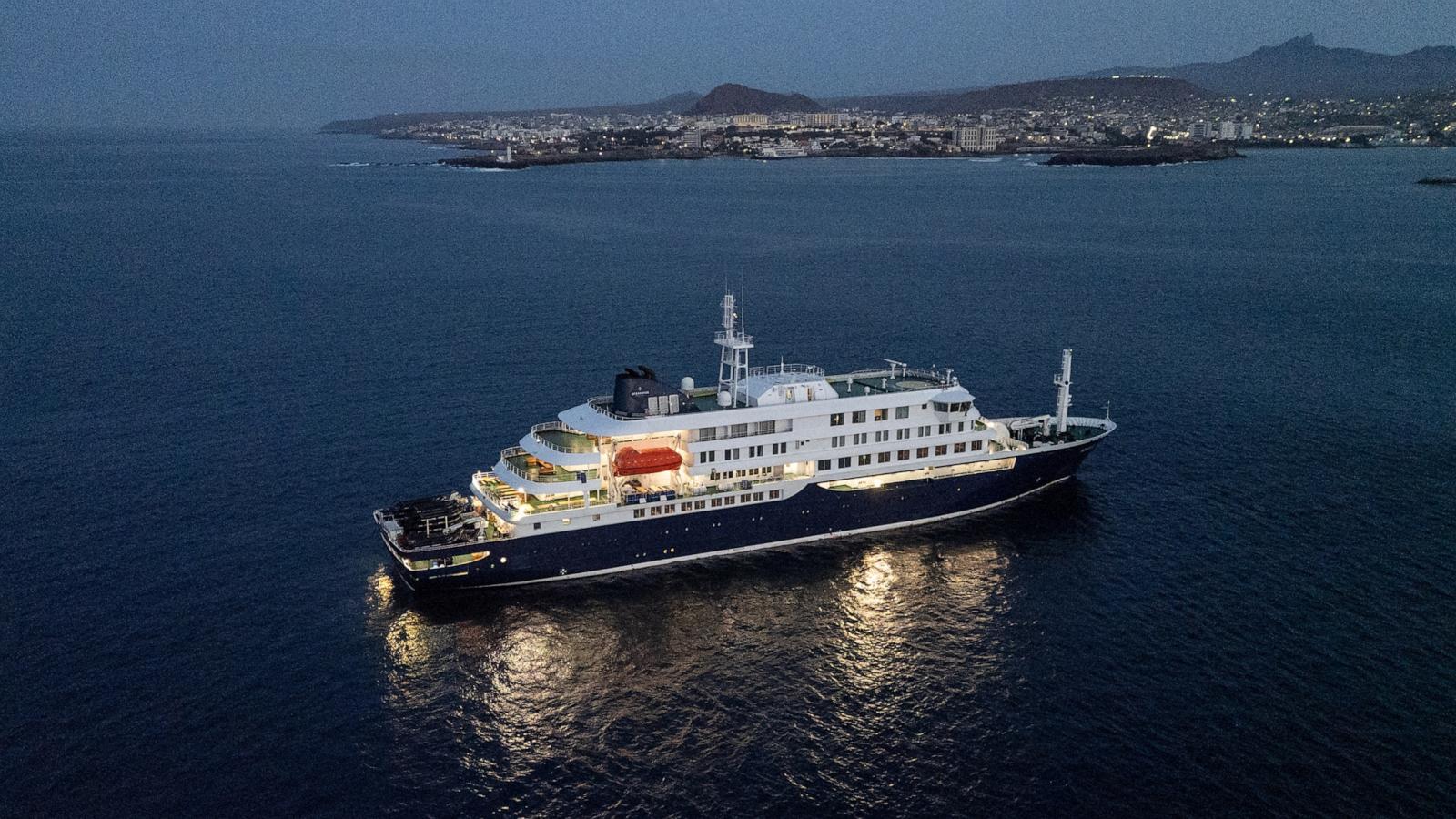
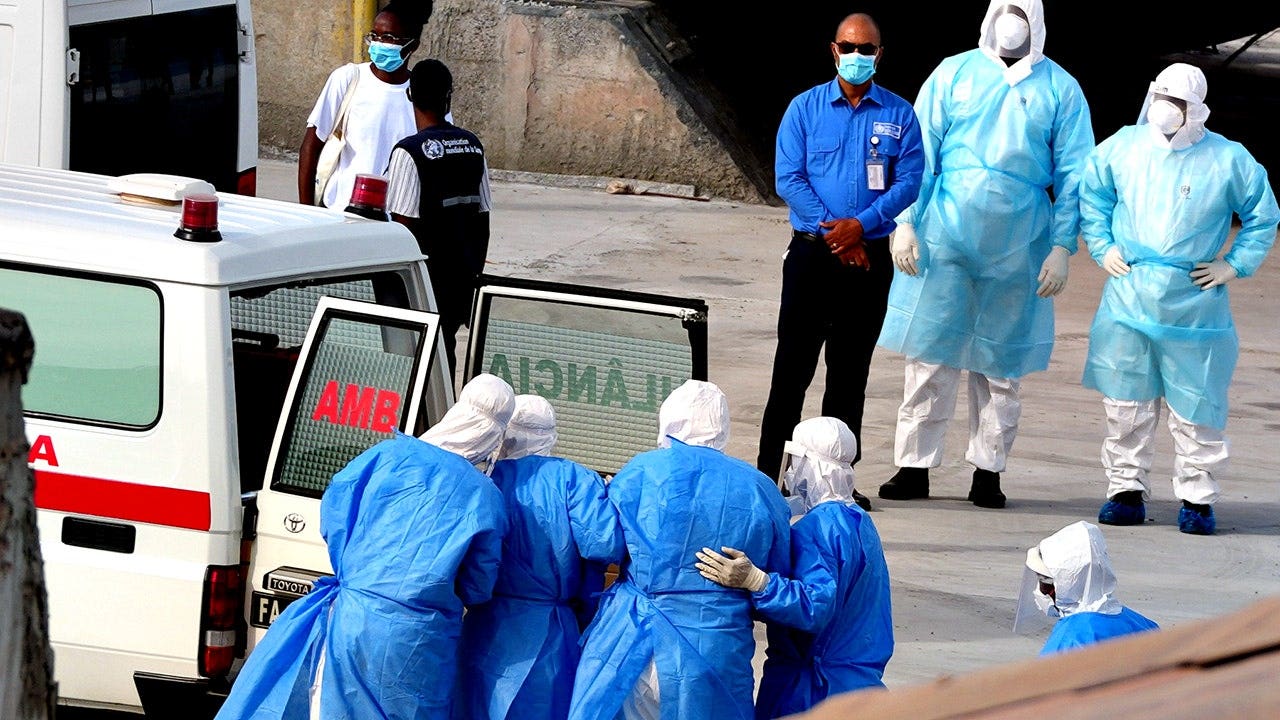
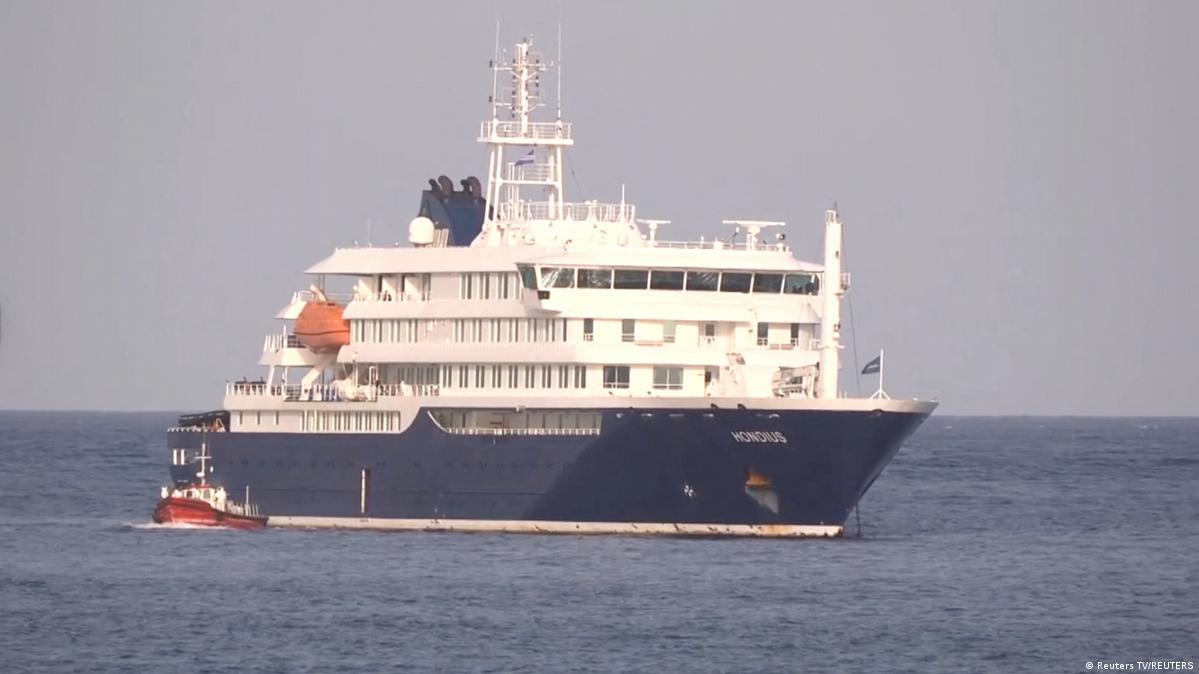
The MV Hondius hantavirus outbreak in May 2026 represents a critical inflection point for cross-border e-commerce sellers in travel, wellness, and health safety sectors. With three confirmed deaths and five additional cases aboard a 150-passenger Dutch expedition cruise ship, the incident has exposed significant vulnerabilities in cruise ship health protocols and sparked urgent demand for preventive products and services. The outbreak, which originated during a seven-week voyage from Argentina (April 2026) and involved the rare Andes strain of hantavirus—the only variant capable of limited human-to-human transmission—has triggered international coordination challenges and regional tensions over emergency response protocols, particularly when the Canary Islands initially rejected the vessel's docking request on May 9, 2026.
Market Opportunity for Sellers: This crisis directly impacts multiple e-commerce categories. Travel safety product sellers can capitalize on heightened consumer awareness of infectious disease risks, with demand expected to surge for portable air purifiers (HEPA-filtered units for cabins), antimicrobial travel accessories, and health monitoring devices. The wellness sector faces both challenges and opportunities: while cruise bookings may decline 10-15% short-term, demand for vaccination verification services, health screening apps, and wellness insurance products is accelerating. News 3 specifically highlights that measles vaccination rates have dropped from 95.2% (2019-2020) to 92.7% (2023-2024), with 1,814 confirmed cases across 36 states as of April 30, 2026—representing 79% of 2025's annual total in just five months. This vaccination gap creates urgent demand for health compliance products and educational content.
Operational Impact on Sellers: The incident demonstrates that cruise lines will face mandatory health protocol upgrades, creating B2B opportunities for sellers of medical-grade sanitation products, isolation equipment, and health monitoring systems. The WHO's involvement and the requirement for adequate "security and health infrastructure" at ports signals that future cruise operations will demand certified health products. For sellers in Argentina, Netherlands, Spain, and Switzerland (the primary affected regions), this represents both supply chain disruption risk and market expansion opportunity. The three-day journey dispute between Cape Verde and the Canary Islands highlights logistics vulnerabilities that sellers should monitor—port congestion and health quarantine requirements could delay shipments to European markets by 5-7 days during peak cruise seasons.
Consumer Behavior Shift: The outbreak accelerates a broader trend toward health-conscious travel. Sellers should expect increased demand for: (1) portable medical kits with hantavirus/measles information, (2) travel insurance products with health coverage, (3) wellness apps with vaccination tracking, and (4) antimicrobial textiles for travel. The incident also signals that consumers will increasingly verify health credentials before booking travel, creating opportunities for sellers offering health verification platforms and compliance documentation services. Regional tensions over emergency response protocols suggest that sellers should develop region-specific health compliance content for EU markets, particularly Spain and the Netherlands.
Questions 8
How will the cruise ship outbreak impact travel insurance and wellness product sales?
Short-term cruise bookings may decline 10-15%, but demand for travel insurance with health coverage and wellness verification services is accelerating. Sellers should expect increased consumer interest in health screening before travel, vaccination verification, and travel insurance products with infectious disease coverage. The outbreak demonstrates that consumers will increasingly verify health credentials, creating opportunities for sellers offering health verification platforms and compliance documentation. Wellness product sellers should emphasize health monitoring capabilities and antimicrobial features in product listings to capture this emerging consumer demand.
What timeline should sellers use for inventory planning related to this health crisis?
Immediate demand (0-30 days): portable air purifiers, antimicrobial travel accessories, health monitoring devices. Short-term (1-3 months): vaccination verification apps, travel insurance products, health screening services. Medium-term (3-6 months): cruise line B2B contracts for sanitation and health monitoring systems. Long-term (6-12 months): integrated health compliance platforms for travel industry. Sellers should begin inventory expansion in Q2 2026, with peak demand expected in Q3-Q4 as cruise season resumes and consumers prioritize health safety. Monitor CDC measles outbreak data (currently tracking 79% of 2025's annual total in just 5 months) for additional demand signals.