



OpenAI-Musk Litigation Exposes AI Market Volatility | Seller Risk Assessment for AI-Dependent Operations
- Corporate governance crisis at $852B OpenAI signals instability in AI infrastructure sellers depend on; litigation through May 2026 creates uncertainty for e-commerce automation investments













Overview
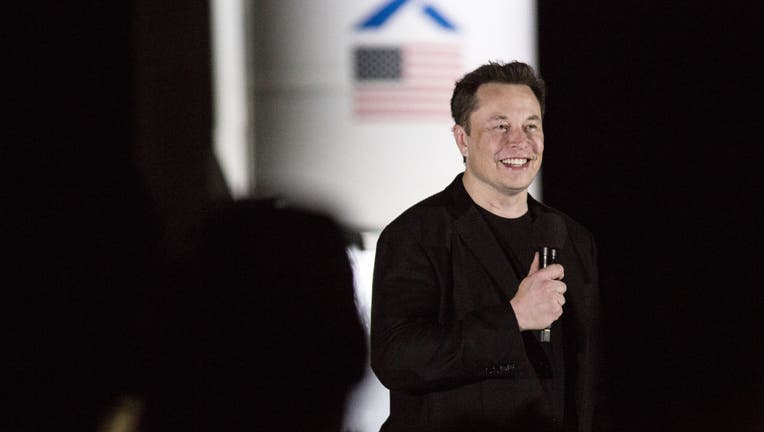
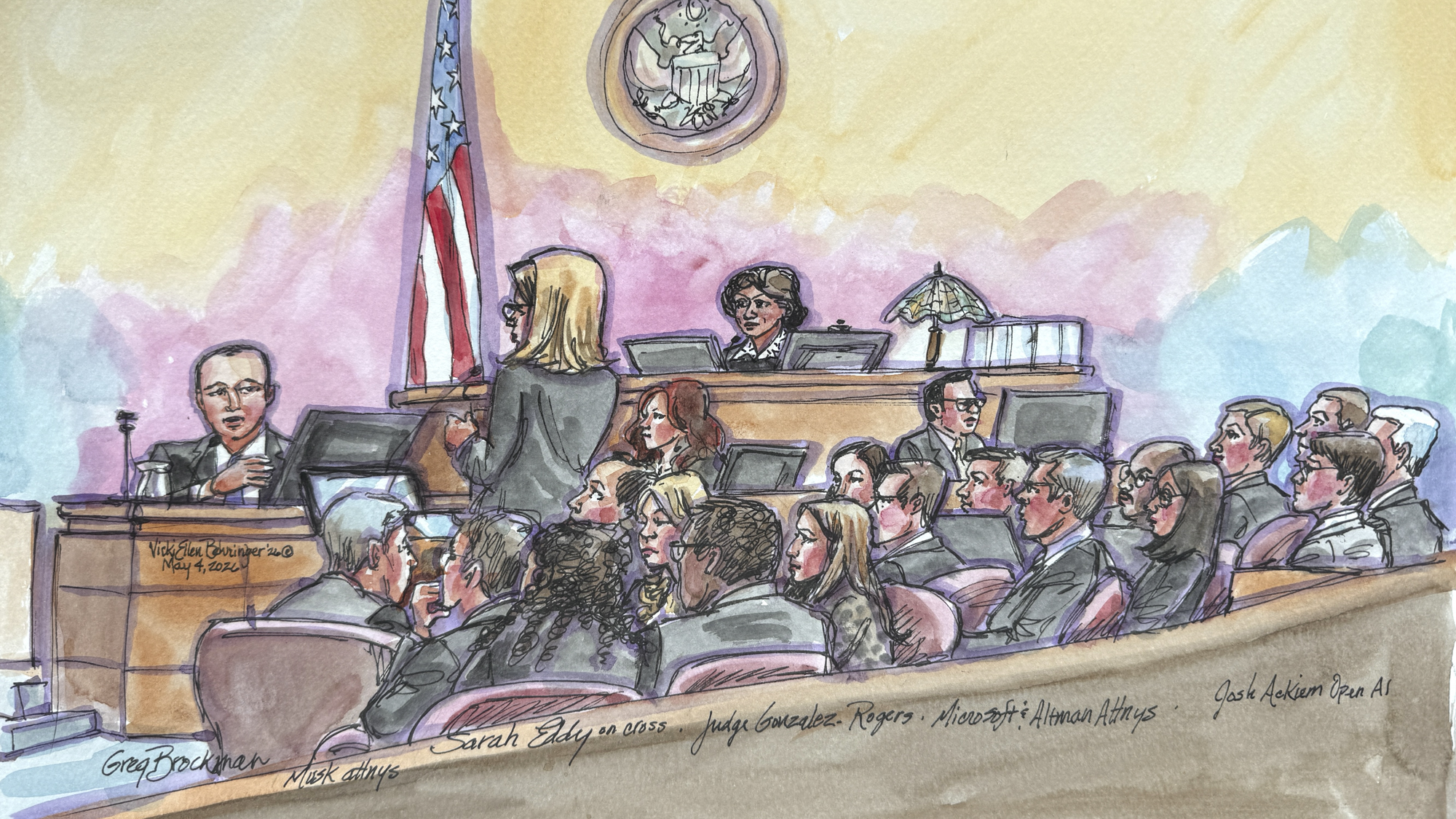
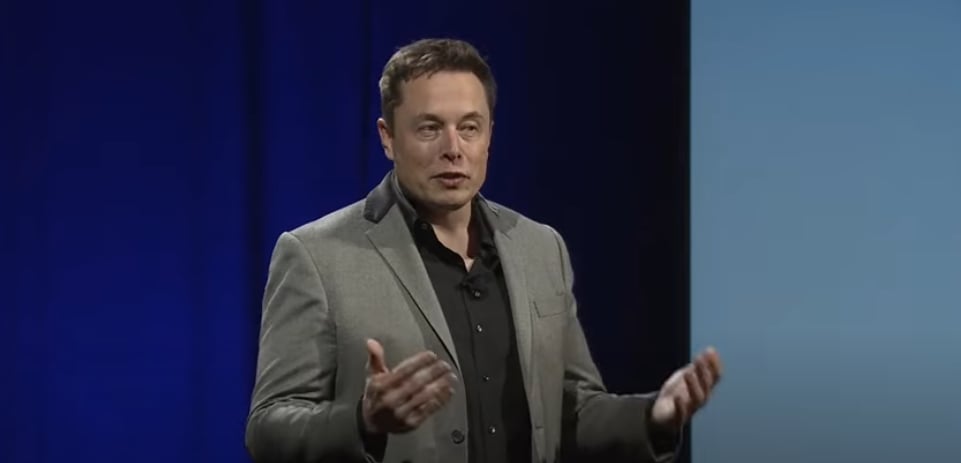
The ongoing legal battle between Elon Musk and OpenAI—with trial proceedings extending through mid-May 2026—reveals critical instability in the AI ecosystem that e-commerce sellers increasingly rely upon for operational automation. OpenAI's valuation reached $852 billion following its October 2025 transition to a public benefit corporation with Microsoft acquiring 27% stake and the OpenAI Foundation receiving a stake valued at $130 billion. However, the litigation exposes fundamental governance risks: Musk's decade-long pattern of contradictory statements about AI development, resource diversion allegations, and admitted lack of concrete AGI plans at Tesla directly undermine confidence in AI vendor reliability.
For e-commerce sellers, this matters operationally because OpenAI's ChatGPT and API services power critical business functions: product listing optimization, customer service automation, demand forecasting, and inventory management across Amazon, Shopify, and eBay ecosystems. The litigation reveals that even major AI platforms can experience leadership instability, funding disputes, and strategic pivots that affect service continuity. Musk's admission under oath in March 2026 that Tesla has "no concrete plans to pursue AGI"—contradicting years of public statements—demonstrates how AI vendor credibility can deteriorate rapidly, potentially affecting downstream services that depend on OpenAI's infrastructure.
The resource diversion evidence is particularly relevant: Tesla diverted thousands of NVIDIA H100 GPUs and key employees to xAI while simultaneously investing $2 billion in xAI's Series E round (January 2026) and purchasing $430 million in Tesla battery systems from xAI. This pattern shows how corporate conflicts can fragment AI development resources, creating service gaps for dependent businesses. Sellers who have built automation workflows around OpenAI's APIs face potential disruption if the company's governance crisis deepens or if Microsoft's 27% stake leads to strategic direction changes. The trial's expected conclusion in mid-May 2026 creates a 4-month window of maximum uncertainty for AI infrastructure decisions.
Immediate seller implications: Those using OpenAI APIs for listing optimization, chatbots, or demand forecasting should audit their dependency levels and identify fallback providers (Claude, Gemini, open-source alternatives). The litigation demonstrates that even well-capitalized AI vendors can experience governance crises that affect service reliability. Sellers should avoid making long-term automation investments dependent on a single AI provider during this period of institutional uncertainty.
Questions 8
How does OpenAI's public benefit corporation status affect seller data privacy and security?
OpenAI's October 2025 transition to a public benefit corporation with $130B OpenAI Foundation stake suggests governance focused on responsible AI development, potentially including enhanced data privacy protections. Sellers should review OpenAI's data handling policies, particularly for cross-border operations subject to GDPR, CCPA, and other regulations. The public benefit structure may require transparency about how seller data trains AI models—critical for sellers in regulated categories (healthcare, financial services). Sellers should audit their AI tool contracts for data retention, usage rights, and compliance certifications. The Microsoft partnership may provide additional security assurances through enterprise-grade data handling, making Microsoft's AI services attractive for sellers handling sensitive customer or product data.
What timeline should sellers use for automation investment decisions during the litigation?
The trial's expected conclusion in mid-May 2026 creates a natural decision point. Sellers should adopt a phased approach: (1) **Immediate (now-March 2026)**: Maintain current OpenAI usage; audit dependencies; test alternatives; avoid new long-term contracts; (2) **Short-term (March-May 2026)**: Monitor trial developments; prepare contingency plans; finalize alternative provider testing; (3) **Post-trial (June 2026+)**: Make long-term automation investments based on trial outcome and OpenAI's strategic clarity. For critical functions (customer service, listing optimization), implement multi-provider architecture now so you're not dependent on a single vendor's governance stability. This approach balances current efficiency with future flexibility.