




Strait of Hormuz Peace Talks Drive 11.7% Oil Price Drop | Cross-Border Logistics Cost Relief
- Brent crude falls from $101 to $97/barrel as diplomatic breakthrough reduces shipping costs 5-15% for international e-commerce sellers

































Overview
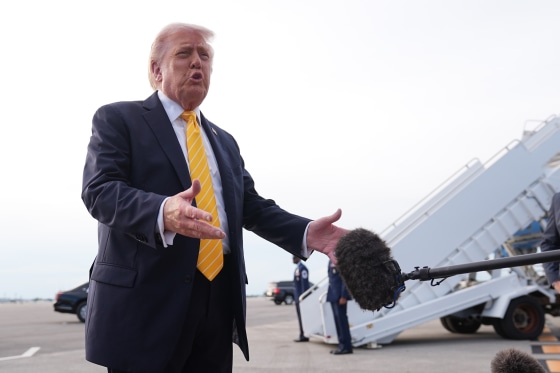
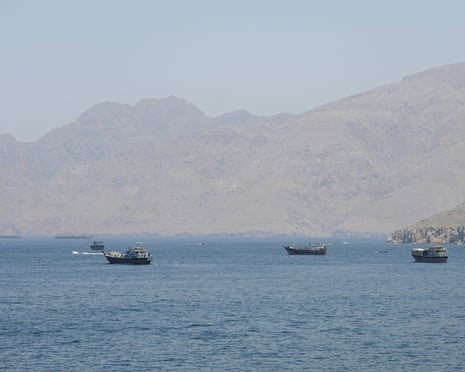
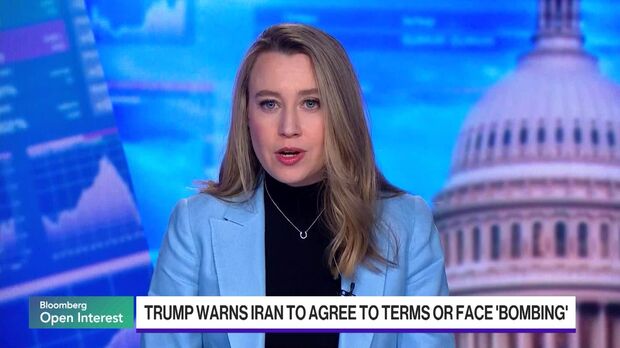
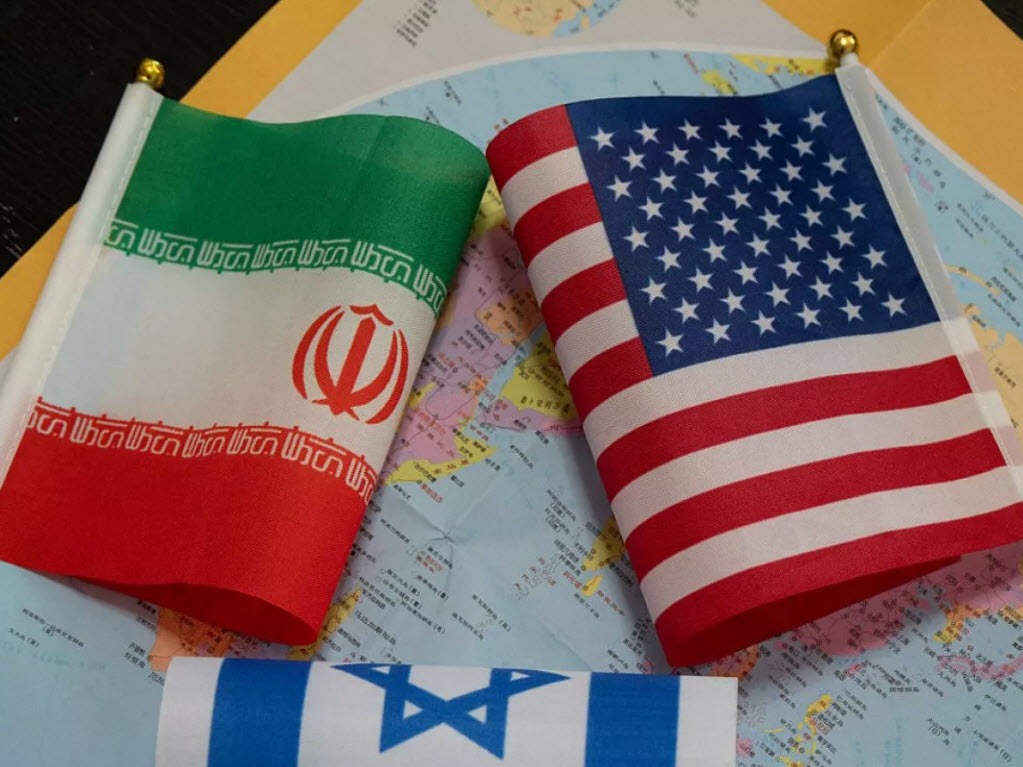
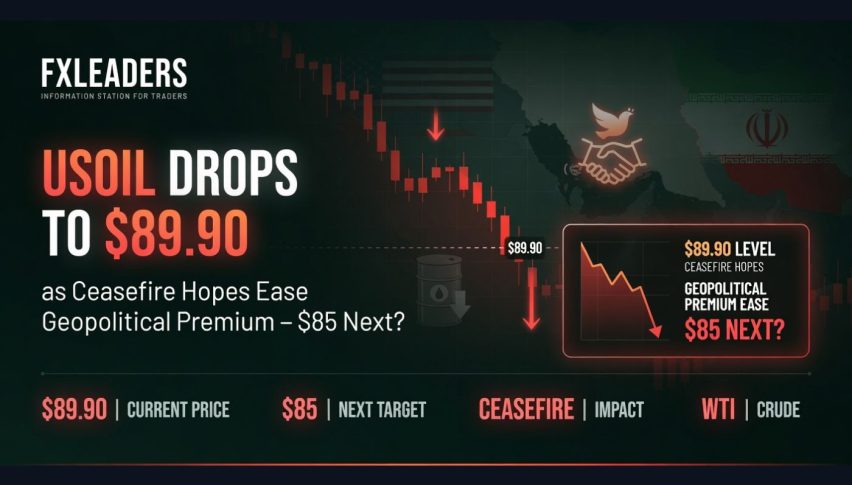
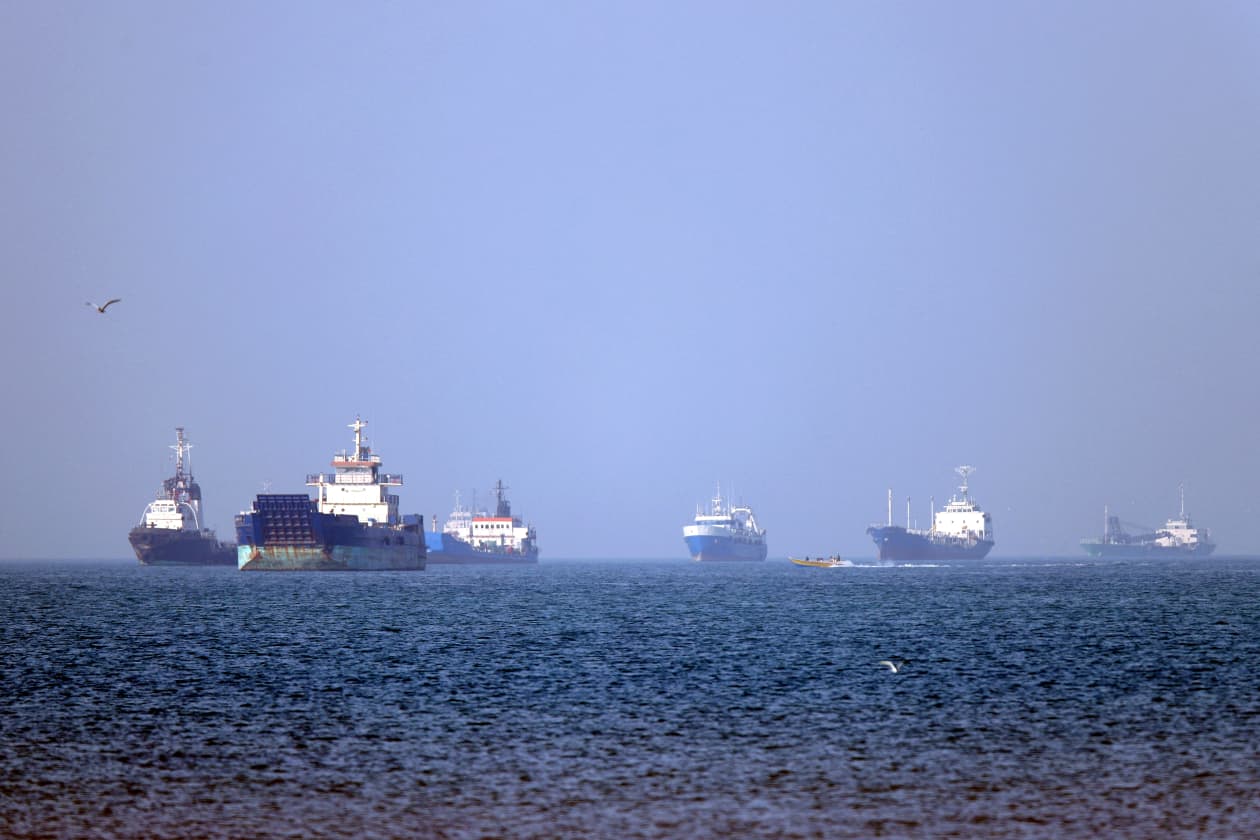
CRITICAL LOGISTICS OPPORTUNITY: Diplomatic progress in US-Iran negotiations has triggered a significant oil price correction that directly reduces cross-border e-commerce shipping costs. On May 6, 2026, President Trump announced a pause in "Project Freedom" naval operations through the Strait of Hormuz, citing "great progress" in talks with Iran. This announcement immediately moved global energy markets: Brent crude fell 11.7% from $101 to $97 per barrel, while WTI dropped $13 to $88.90 per barrel. The Strait of Hormuz handles approximately 21% of global petroleum trade, making this geopolitical shift directly material to fulfillment economics for all cross-border sellers.
IMMEDIATE SHIPPING COST IMPACT: For e-commerce sellers, reduced oil prices translate to lower fuel surcharges on both ocean and air freight. Industry analysts project 5-15% reductions in fulfillment costs depending on shipping method, with the most significant savings in air freight operations where fuel surcharges typically represent 15-25% of total costs. A seller shipping 1,000 units monthly via air freight (average cost $8-12 per unit) could save $400-1,800 monthly if fuel surcharges decline 5-15%. Ocean freight savings are more modest but cumulative: a 40-foot container (typical for $15,000-20,000 shipments) could see $750-1,500 in fuel surcharge reductions. European gas prices also declined sharply—Dutch front-month contracts fell 12% to €42.91/MWh, and British June contracts dropped 8.5%—signaling broader energy cost relief across logistics networks.
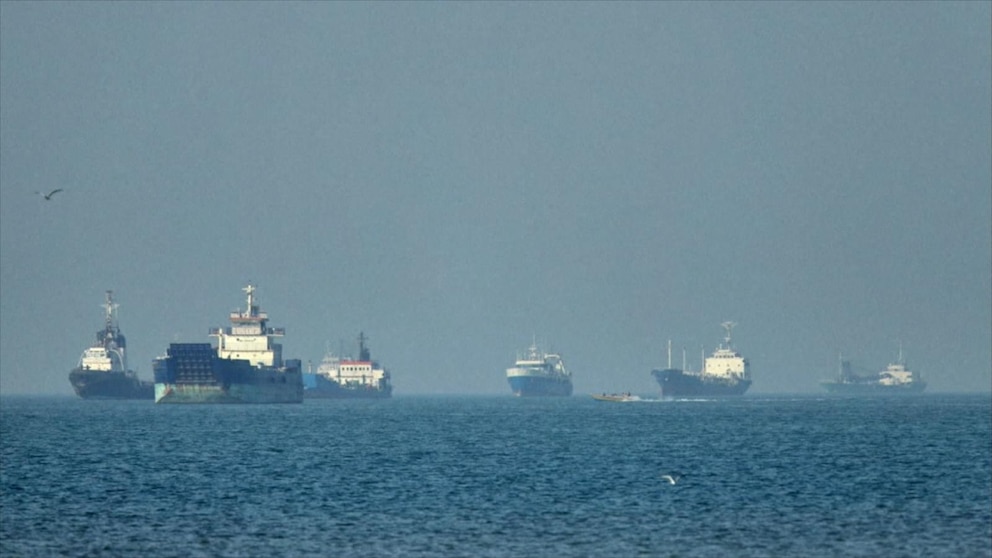
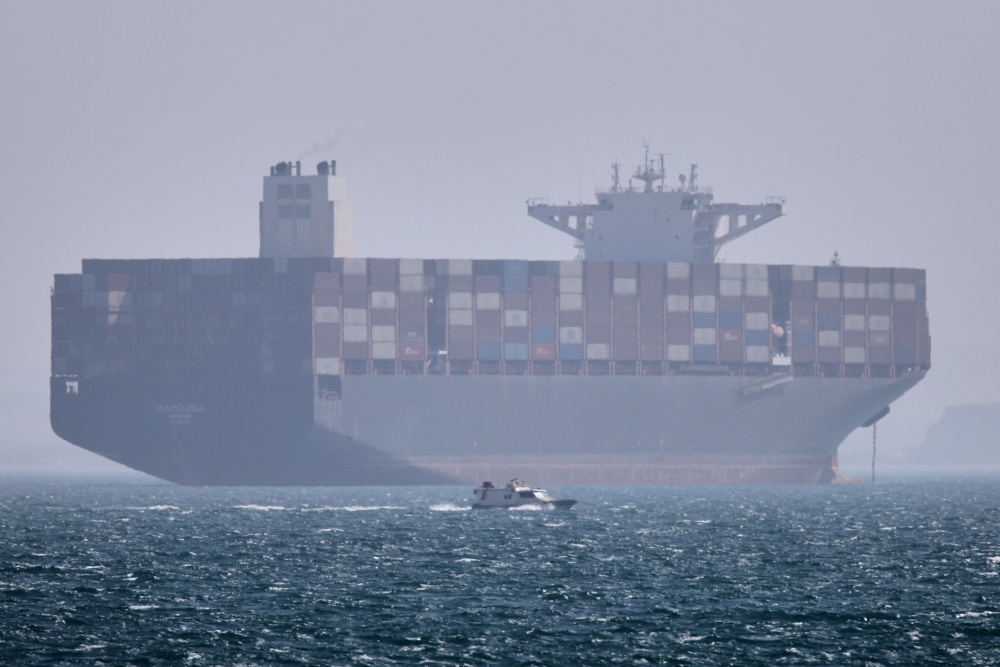
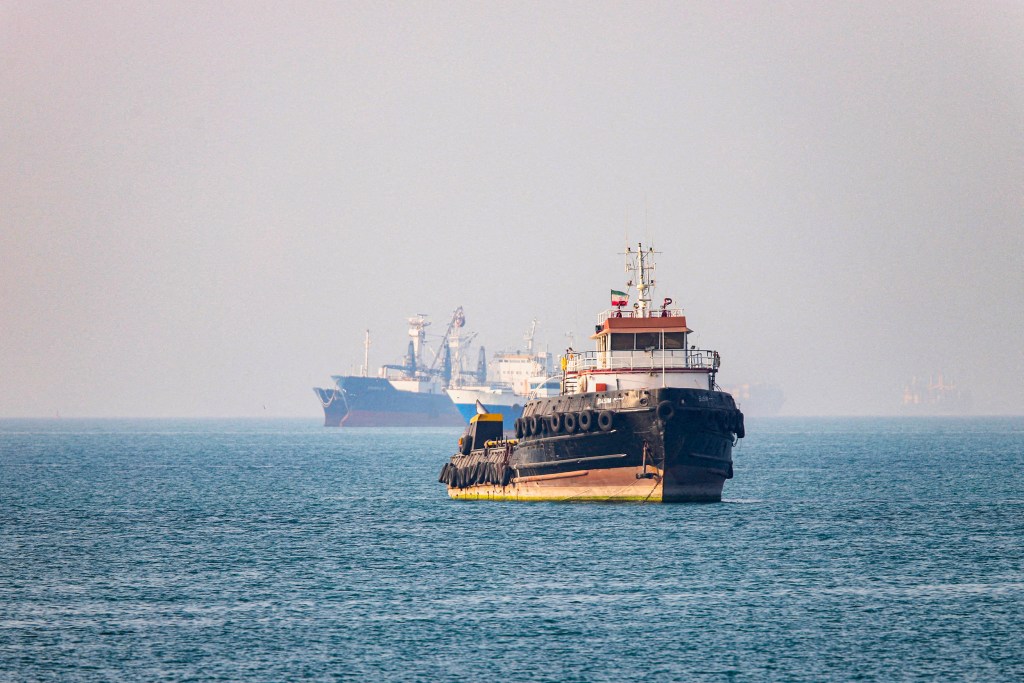
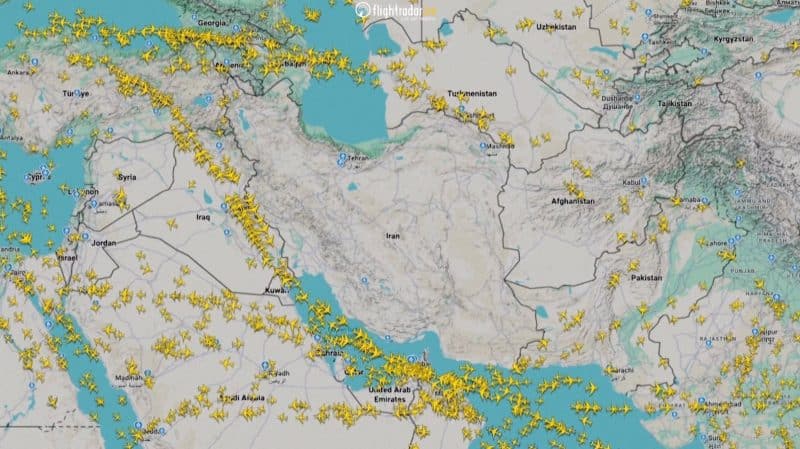
STRATEGIC TIMING WINDOW: The proposed memorandum of understanding (MOU) creates a critical 30-day negotiation window where the "hot war" ceases but fundamental issues remain unresolved. This creates both opportunity and risk. Sellers should immediately lock in shipping rates with 3PL providers and freight forwarders before carriers adjust pricing upward if negotiations stall. The 1,600 ships currently stranded in dangerous conditions represent pent-up demand for transit capacity—once the Strait reopens, a surge in vessel movements could temporarily increase congestion and delay times even as fuel costs decline. Sellers relying on air freight face a paradoxical situation: while fuel costs drop, airline capacity constraints (Lufthansa, Qantas, Turkish Airlines, and Virgin Atlantic have cut 13,000 flights—nearly 2 million seats—from May schedules) mean air freight rates may remain elevated despite lower fuel inputs. The optimal strategy is shifting high-margin, time-sensitive inventory to ocean freight immediately while air freight capacity remains constrained.
REGIONAL MARKET IMPLICATIONS: China's role as Iran's largest crude oil buyer and UN Security Council ally gives Beijing significant leverage in negotiations. Iranian Foreign Minister Abbas Araghchi's meetings with China's Foreign Minister Wang Yi in Beijing signal that Asia-Pacific trade corridors will normalize first. Sellers with supply chains dependent on Asia-Europe-Middle East routes (electronics, textiles, consumer goods) should prioritize booking ocean freight capacity on these corridors within the next 2-3 weeks before capacity tightens. Pakistan and Saudi Arabia's public support for the diplomatic pause indicates regional consensus favoring de-escalation, reducing the risk of sudden military escalation. However, the Iranian parliamentary security committee's dismissal of US proposals as "a list of American wishes" signals negotiation complexity—sellers should maintain contingency plans for extended Strait closure through June 2026.
Questions 7
How do I lock in shipping rates before prices change?
Contact your 3PL provider or freight forwarder immediately to negotiate fixed-rate contracts for the next 60-90 days. Request rate locks on both ocean and air freight, specifying volume commitments (minimum 5-10 containers monthly for ocean, 500+ kg weekly for air). Emphasize the geopolitical uncertainty and request force majeure clauses allowing rate adjustments if the Strait closes again. Compare rates across multiple providers—FedEx, UPS, DHL, and regional carriers are adjusting pricing in real-time based on fuel costs. For ocean freight, book capacity on Asia-Europe-Middle East corridors within 2-3 weeks before capacity tightens. Document all rate agreements in writing with effective dates and termination conditions. Monitor oil prices daily (Brent crude is the benchmark for international shipping) and adjust inventory sourcing strategies if prices spike above $105/barrel.
Will Iranian market access improve if the war ends?
Potentially, but with significant caveats. The proposed MOU includes the US lifting sanctions and releasing billions in frozen Iranian assets, which could eventually open Iranian markets to cross-border sellers. However, the agreement remains contingent on final detailed negotiations, and US officials acknowledge previous optimism has not yielded agreements. Even if sanctions lift, Iranian payment systems remain disconnected from global banking networks, making transactions difficult. Sellers should monitor developments closely but avoid assuming immediate market access. The primary near-term benefit is Strait reopening for transit, not Iranian market entry. Sellers with existing Iran-bound inventory should consult trade compliance specialists before attempting sales, as sanctions remain in effect until formally lifted.