



Disney's Digital-First Super App Strategy | Merchandise & Licensing Opportunities for E-Commerce Sellers
- New CEO Josh D'Amaro drives $25B revenue company toward integrated platform model, creating merchandise, licensing, and affiliate opportunities for cross-border sellers in entertainment categories





























Overview
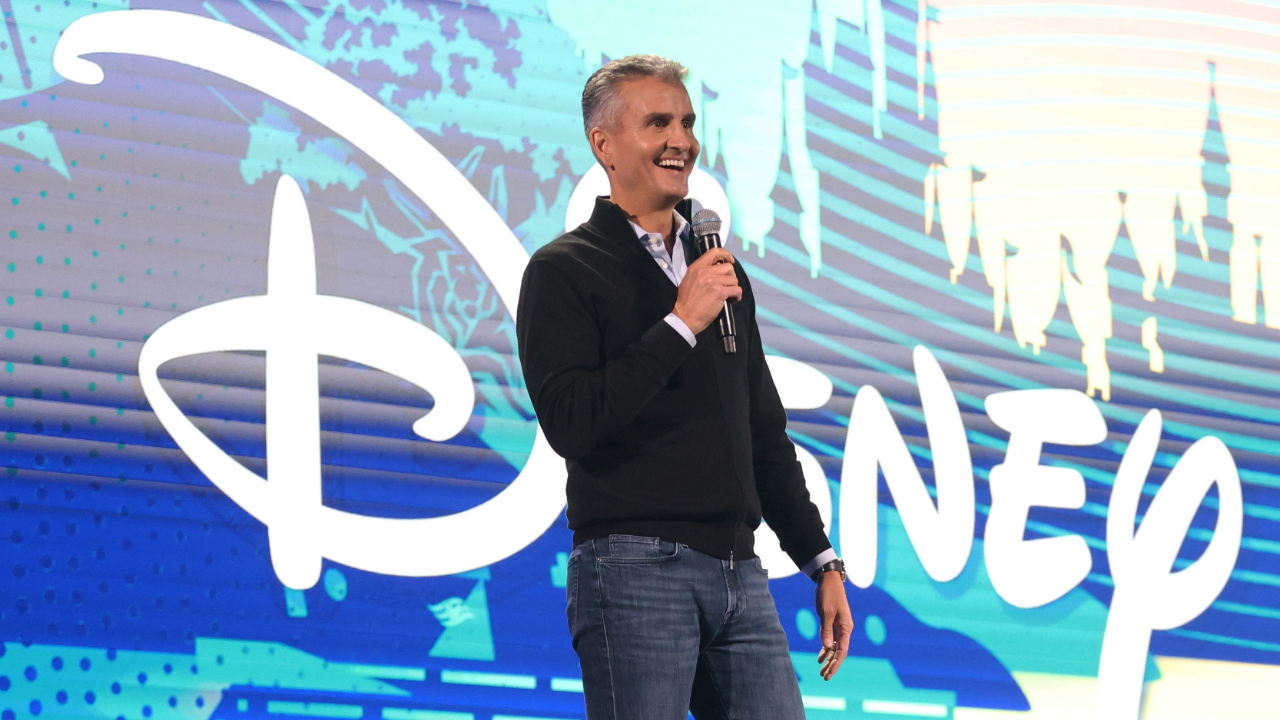
Disney's strategic transformation under new CEO Josh D'Amaro, announced May 6, 2026, represents a fundamental shift from traditional media company to integrated digital platform operator—with significant implications for cross-border e-commerce sellers. The company reported rising quarterly revenue and outlined a comprehensive technology-centric strategy centered on three pillars: entertainment content investment, audience expansion, and monetization optimization. D'Amaro's vision positions Disney+ as the "immersive, interactive digital centerpiece" while parks serve as the "physical centerpiece," with plans to consolidate streaming, ticketing, cruise bookings, and merchandise into a unified super app.
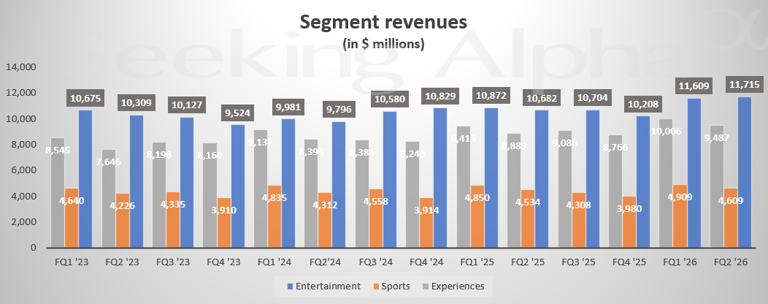
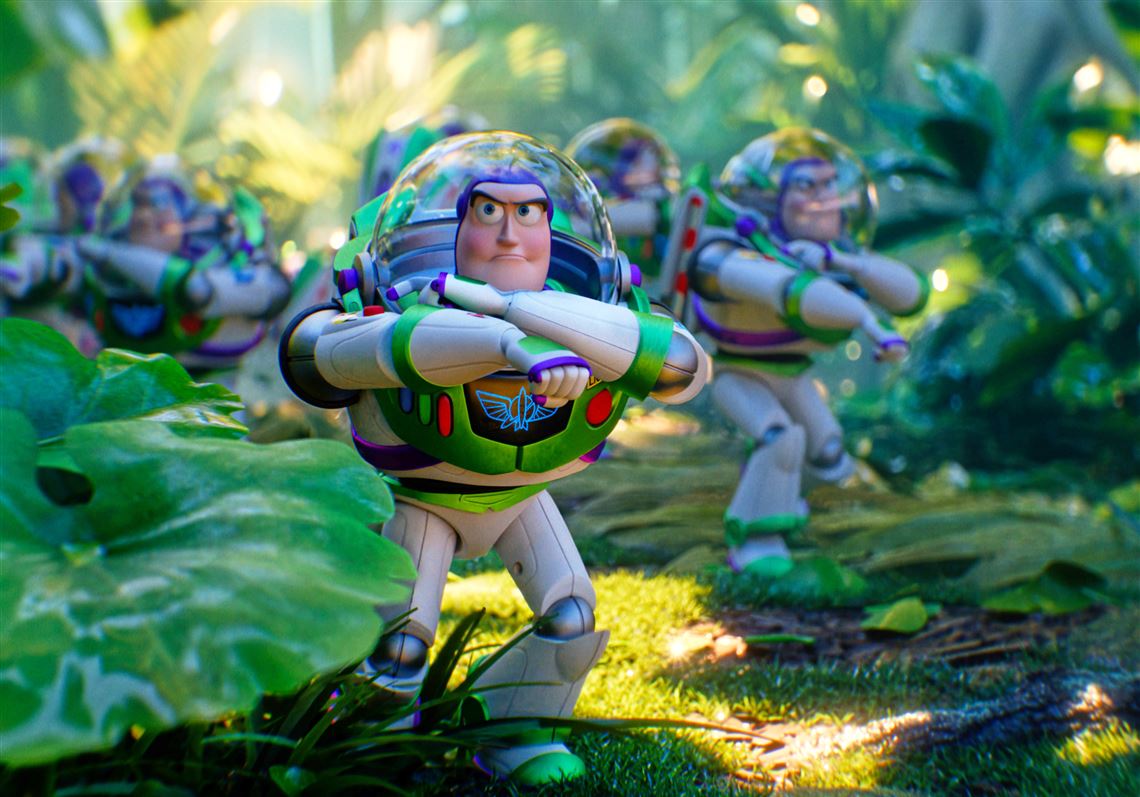
For e-commerce sellers, this transformation creates multiple revenue opportunities. Disney's aggressive push toward digital engagement and personalization directly impacts the digital advertising ecosystem where entertainment merchandise sellers operate. The company's $25 billion quarterly revenue base and 10% streaming profit margin target by year-end 2026 signal substantial investment in consumer touchpoints. Sellers specializing in Disney-licensed merchandise, Toy Story collectibles, The Mandalorian apparel, and entertainment-related products can capitalize on Disney's expanded digital reach. The company's acknowledgment of "millions of Disney users who don't regularly visit physical parks" represents an untapped audience for digital merchandise distribution. Additionally, Disney's focus on content monetization creates partnership and affiliate opportunities for sellers in entertainment merchandise, digital goods, and licensed product categories.
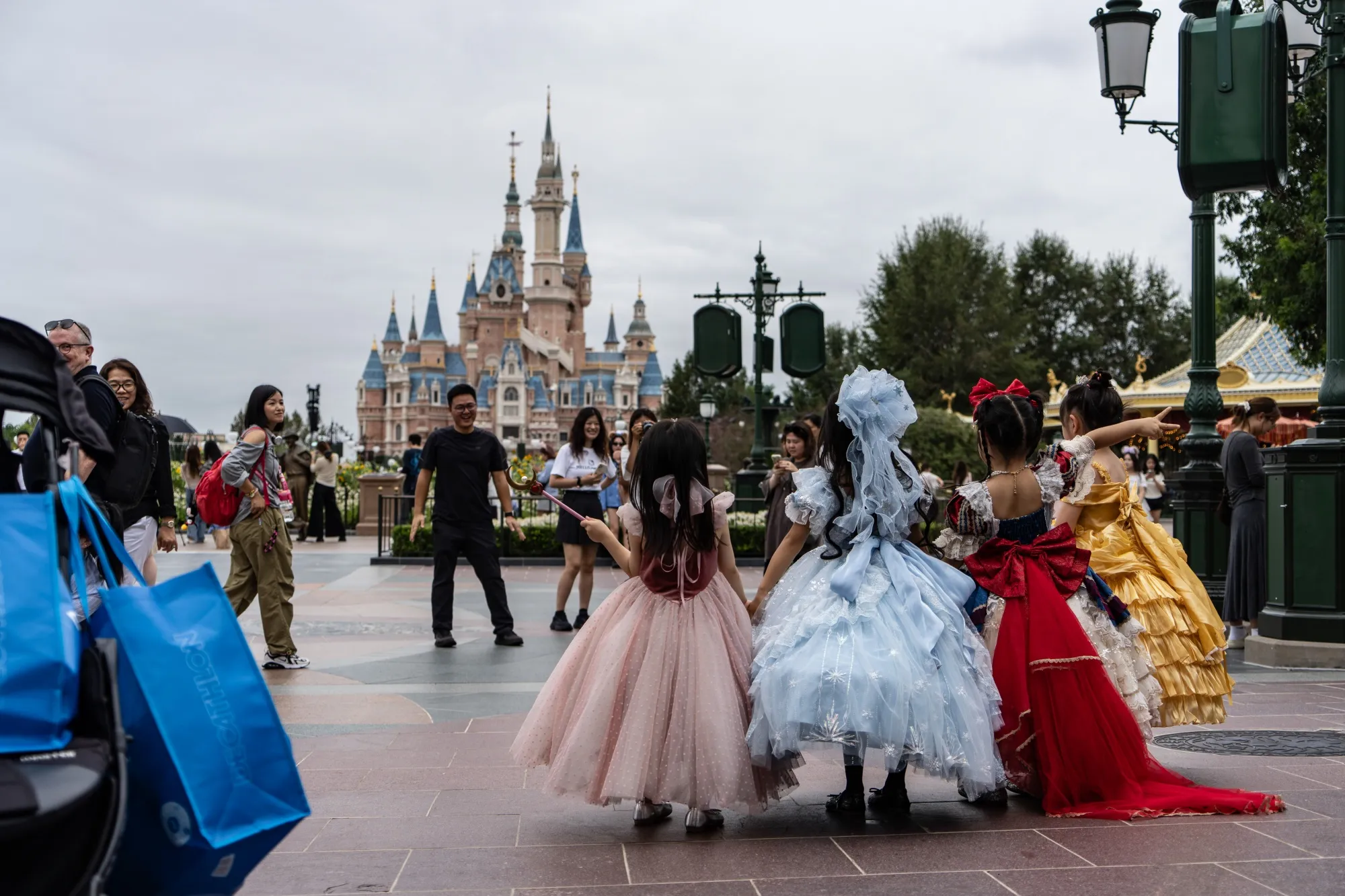
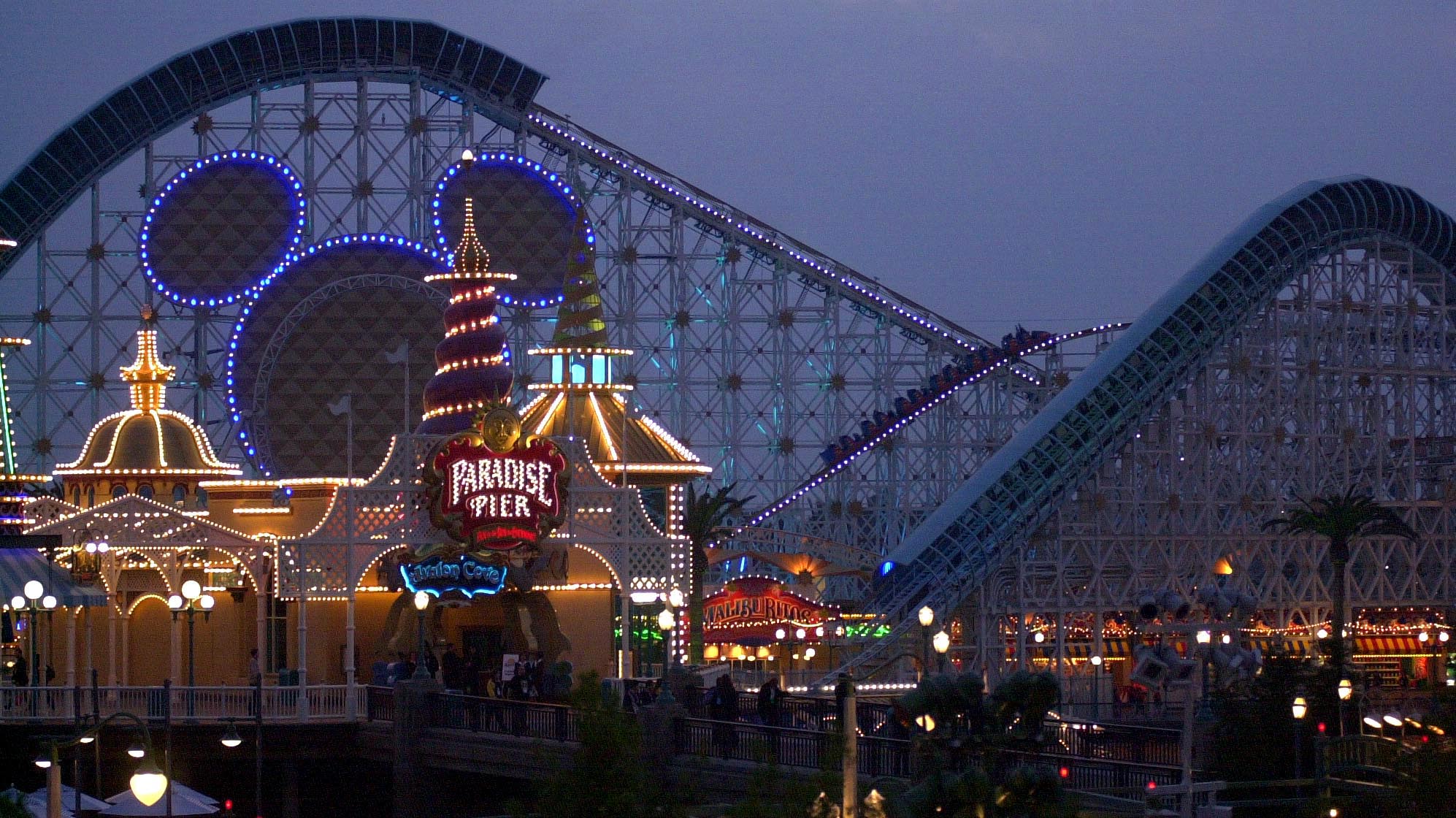
The parks division, generating 68% of operating profit despite international headwinds, signals sustained investment in experience-based merchandise. New themed lands based on Toy Story and The Mandalorian will drive demand for related merchandise, collectibles, and fan products. The Disney Adventure cruise ship launch and park expansion projects indicate elevated consumer spending on Disney experiences and associated merchandise during 2026-2027. Cross-border sellers can leverage this momentum by sourcing and selling complementary products—from apparel and accessories to collectibles and home décor—targeting Disney fan communities across Amazon, eBay, Shopify, and specialty marketplaces. The company's technology-driven consumer engagement strategy mirrors approaches adopted by major e-commerce platforms, indicating Disney will increasingly compete for consumer attention through personalized recommendations and targeted promotions—creating advertising opportunities for sellers through Disney's digital ecosystem.
Strategic implications extend to supply chain and inventory planning. Disney's shift toward digital-first engagement suggests increased emphasis on merchandise availability during peak streaming release windows and park opening events. Sellers should monitor Disney+ release schedules, park opening announcements, and cruise launch dates to align inventory with consumer demand spikes. The company's workforce reduction of 1,000 employees and leadership transition under D'Amaro may create short-term operational uncertainties but signal management commitment to profitability and efficiency—potentially leading to more aggressive licensing partnerships and affiliate programs to drive merchandise sales without expanding internal operations.
Questions 8
How can sellers leverage Disney's international parks challenges to capture merchandise demand?
Disney's declining international visitor numbers to domestic parks create an opportunity for cross-border sellers to capture merchandise demand from international Disney fans. The company's strategy acknowledges millions of users who don't visit physical parks, representing a significant international audience. Sellers can target international markets through Amazon Global, eBay International, and regional marketplaces with Disney merchandise, particularly items unavailable in local markets. The company's investment in new themed lands and attractions will drive global interest in related merchandise. Cross-border sellers with logistics capabilities to serve Europe, Asia-Pacific, and other regions can capitalize on this demand. Optimizing product listings for international search terms and offering multi-currency pricing can enhance visibility and conversion rates among international Disney fan communities.
How can sellers leverage Disney's parks expansion into Toy Story and Mandalorian attractions?
Disney's investment in themed lands based on Toy Story and The Mandalorian creates predictable merchandise demand spikes aligned with attraction opening dates. Sellers should source complementary products—apparel, collectibles, home décor, toys—6-9 months before attraction launches to position inventory during peak demand windows. The company's $25 billion quarterly revenue and 68% operating profit from Parks indicates sustained investment in IP-based attractions, creating reliable merchandise demand cycles. Sellers can leverage Disney's official announcements and marketing campaigns to time product launches and promotional activities. The integration of parks ticketing into the super app suggests Disney will drive attendance through digital channels, enabling sellers to target merchandise to engaged fan communities through coordinated Amazon, eBay, and Shopify campaigns.