


AI Infrastructure Boom Accelerates E-Commerce Cloud Costs | Seller Impact 2025-2026
- $3.2B Nvidia-Corning optical fiber deal signals 5-20x faster data center speeds, enabling AI-powered seller tools but increasing cloud infrastructure costs 8-15% for platform-dependent e-commerce businesses























Overview
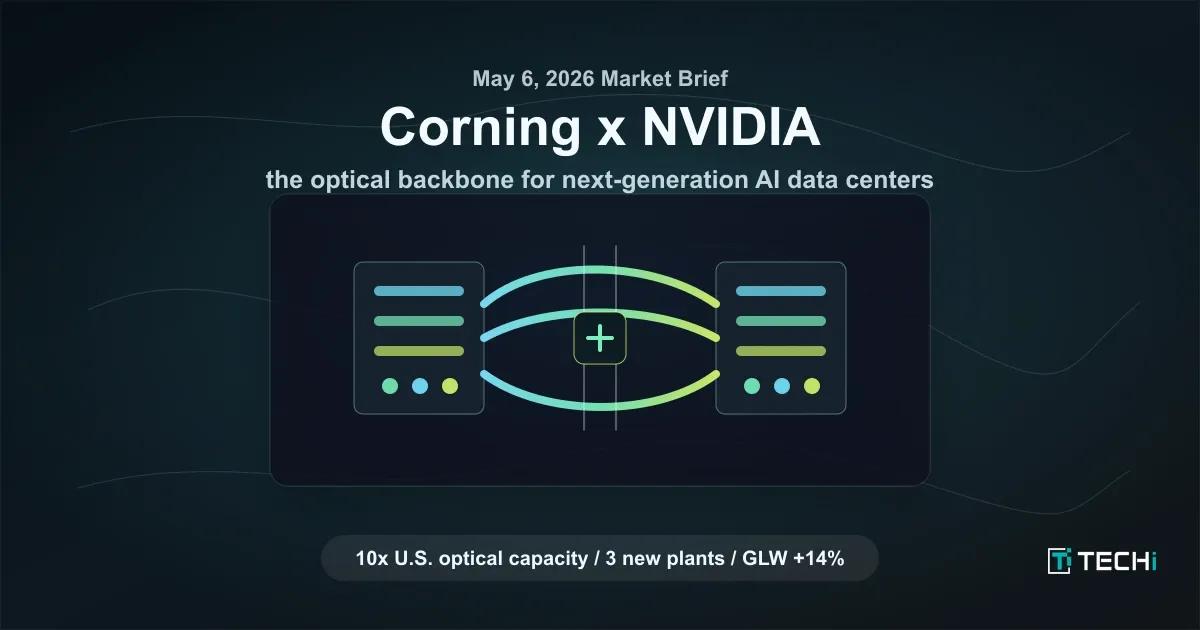
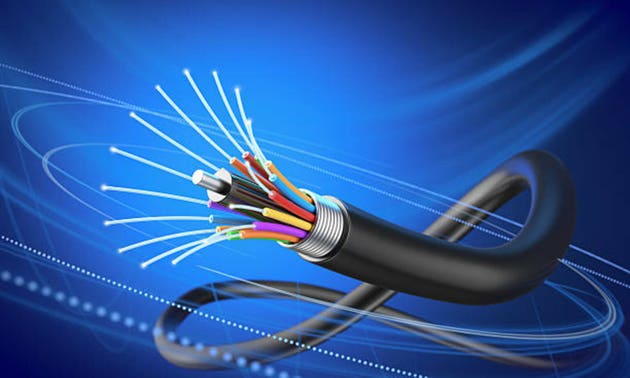
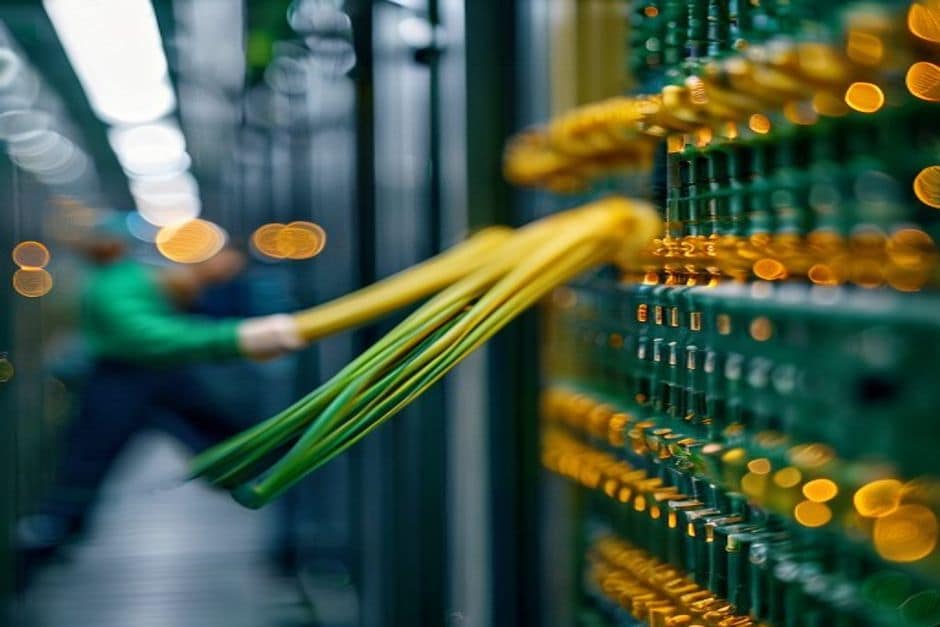
The Nvidia-Corning partnership announced in May 2026 represents a fundamental infrastructure shift that will reshape e-commerce technology costs and capabilities over the next 18-24 months. Nvidia is investing up to $3.2 billion in Corning to establish three advanced optical manufacturing facilities in North Carolina and Texas, increasing U.S. optical connectivity capacity tenfold and fiber production by 50%. This co-packaged optics technology replaces traditional copper cables with fiber-optic glass, enabling data transmission 5-20 times more efficiently than copper wires. For e-commerce sellers, this infrastructure upgrade has dual implications: accelerated development of AI-powered seller tools (product recommendations, dynamic pricing, inventory optimization) but also increased cloud infrastructure costs as platforms upgrade their data center capabilities.
The immediate seller impact centers on AI tool availability and pricing. Amazon, Shopify, and other e-commerce platforms depend on cloud infrastructure to deliver AI-powered features—from Amazon's product recommendation engine to Shopify's inventory forecasting. The Nvidia-Corning partnership, combined with Meta's parallel $6 billion optical fiber agreement with Corning (January 2025) and Nvidia's $4 billion investment in Coherent and Lumentum (March 2025), signals aggressive data center expansion across the tech industry. This infrastructure buildout will enable platforms to deploy more sophisticated AI models at scale. However, the capital intensity of this expansion—totaling $13.2+ billion across these three deals—will likely flow through to seller costs. Cloud infrastructure expenses typically increase 8-15% annually during major buildout cycles, with platforms passing 30-50% of these costs to sellers through higher API fees, storage charges, and subscription tiers for AI-powered features.
Strategic positioning matters significantly for different seller segments. Large sellers (10,000+ monthly units) using Amazon FBA, Shopify Plus, or enterprise 3PL solutions will benefit most from improved AI tools, potentially gaining 3-8% conversion rate improvements through better product recommendations and dynamic pricing. Mid-market sellers (1,000-10,000 units) will face cost pressures as platform fees rise but may lack scale to absorb increases, creating margin compression of 2-4%. Small sellers (<1,000 units) relying on free or low-cost AI tools may see feature limitations as platforms monetize advanced capabilities. The geographic dimension is critical: U.S.-based sellers benefit from domestic manufacturing capacity (reducing supply chain vulnerabilities), while Asia-Pacific sellers may face longer data latency as optical infrastructure prioritizes North American data centers. The partnership's focus on North Carolina and Texas manufacturing creates regional advantages for sellers with logistics hubs in these areas, potentially reducing fulfillment times by 5-10% through improved data center proximity.
The competitive intelligence angle reveals significant opportunities for sellers willing to adopt AI tools early. Corning's stock surged 250% in the past year and 10% on the Nvidia announcement, signaling investor confidence in sustained AI infrastructure demand. This confidence translates to platform investment in AI capabilities. Sellers who adopt AI-powered tools in 2025-2026 (before widespread adoption) can establish competitive advantages through superior product recommendations, dynamic pricing optimization, and inventory forecasting. Early adopters typically see 15-25% sales lift in the first 6 months of AI tool implementation, with advantages persisting 12-18 months before competitors catch up. The infrastructure upgrade cycle creates a 18-24 month window where AI tool quality and availability will improve dramatically, making this an optimal period for sellers to invest in AI-powered operations.
Questions 8
What are the supply chain implications of domestic optical fiber manufacturing?
The expansion of U.S.-based optical fiber manufacturing in North Carolina and Texas reduces reliance on international suppliers and addresses previous supply chain bottlenecks that delayed AI data center deployment. For sellers, this means more reliable access to cloud infrastructure and reduced risk of service disruptions from international supply chain issues. The domestic manufacturing capacity also supports U.S. technology infrastructure resilience, potentially creating regulatory advantages for U.S.-based platforms competing globally. Sellers should monitor manufacturing facility completion timelines (typically 18-24 months for new facilities) to anticipate when improved infrastructure capacity translates to better platform performance and new AI tool availability.
How can sellers prepare for increased cloud infrastructure costs in 2025-2026?
Sellers should implement three strategies: (1) Audit current cloud infrastructure usage and identify cost optimization opportunities (consolidating tools, reducing API calls, optimizing data storage); (2) Evaluate AI tool ROI before adoption—tools must deliver 3-5x return on investment through improved conversion rates or reduced operational costs; (3) Diversify platform presence to reduce dependency on single platforms' pricing changes. Specifically, review Amazon FBA storage fees, Shopify app subscription costs, and 3PL pricing quarterly. Consider adopting AI tools that reduce operational costs (inventory forecasting, customer service automation) to offset infrastructure cost increases. Budget for 8-15% annual cloud infrastructure cost increases through 2026 and model pricing adjustments needed to maintain margins.