

Language, Accountability, and the Evolving Landscape of Public Discourse in Professional Sports
- A Critical Examination of Unconscious Bias and Immediate Accountability in Media Platforms












.jpg)




Overview
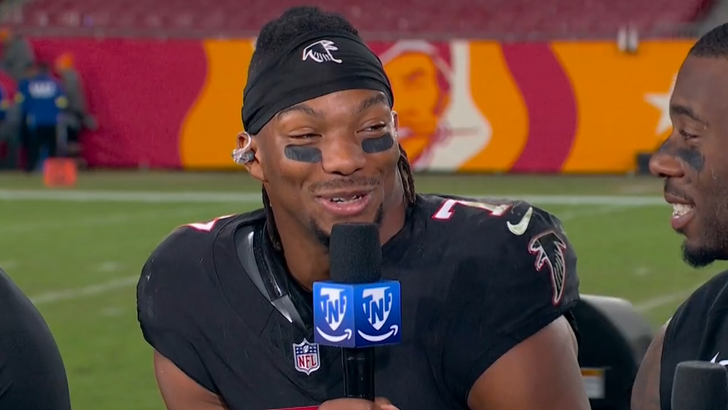
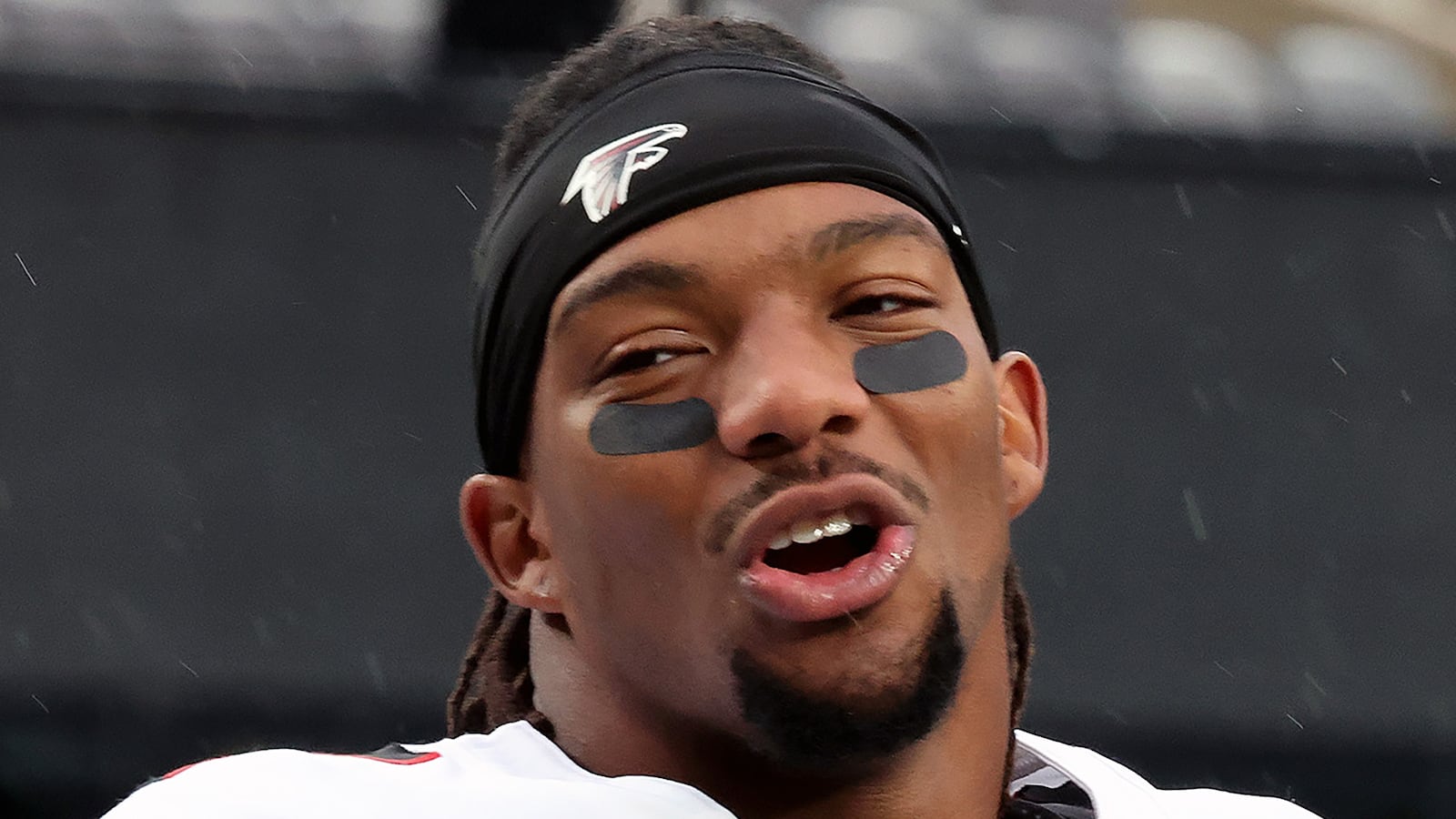
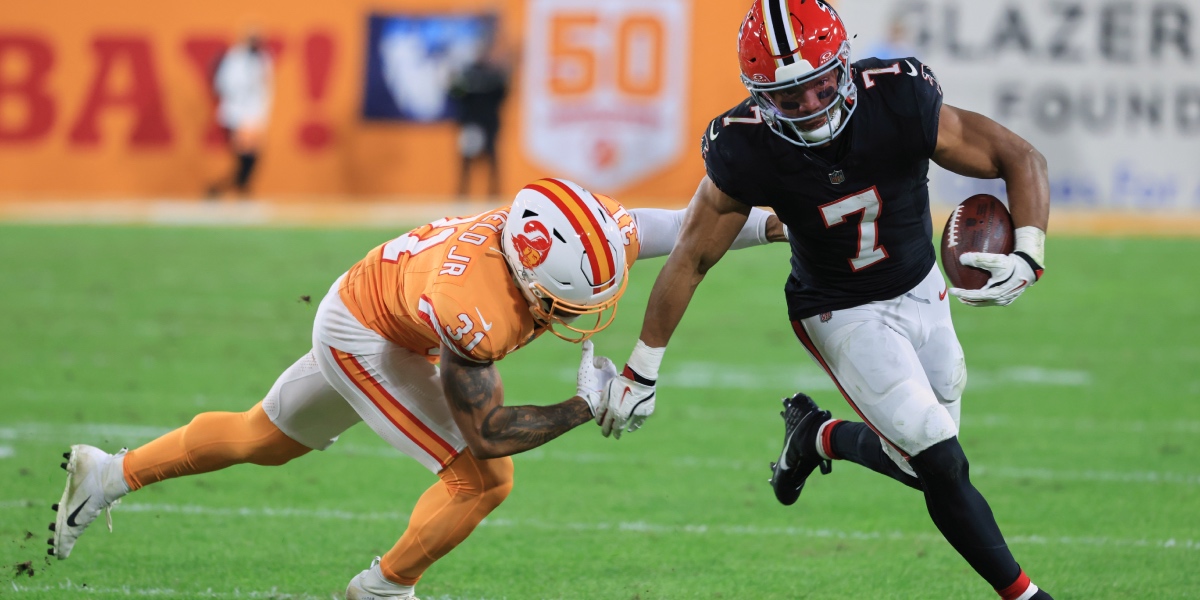
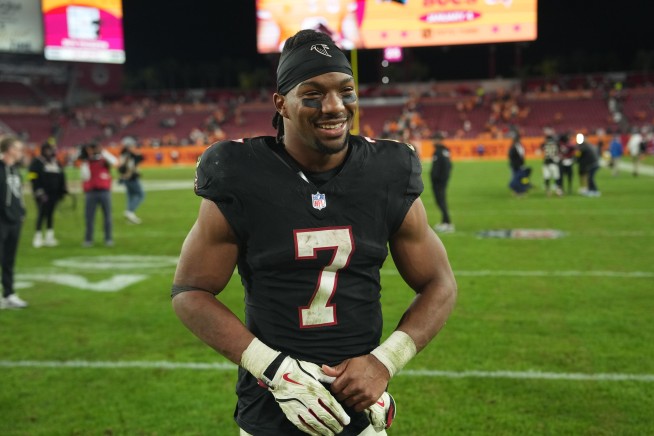
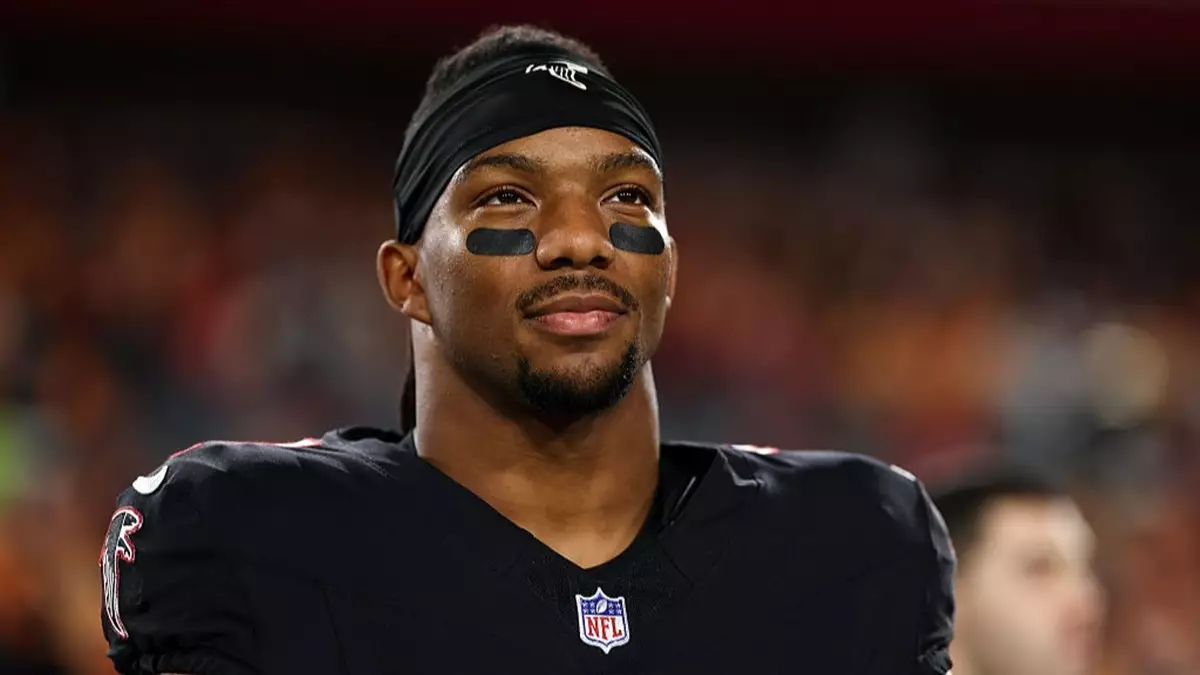
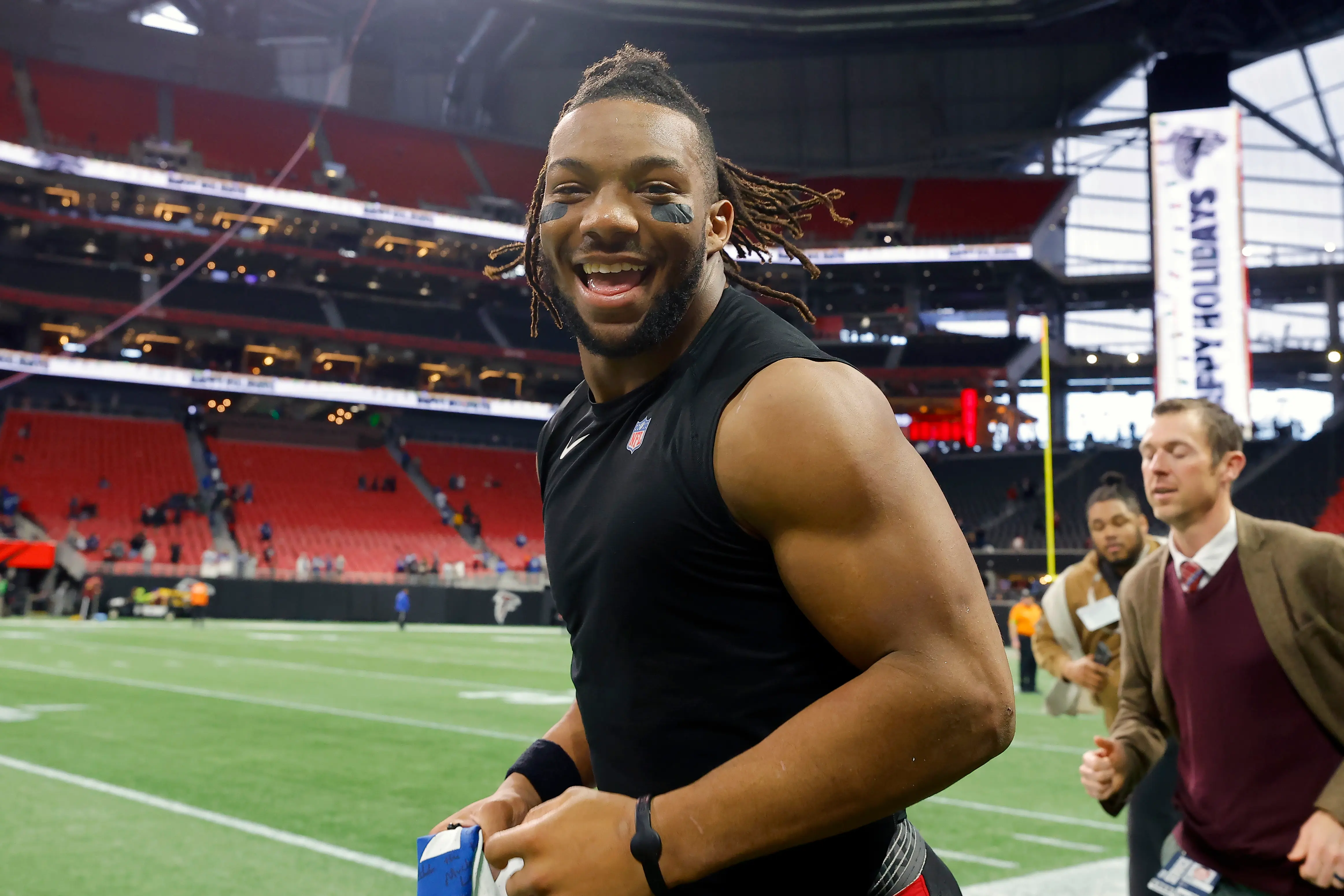
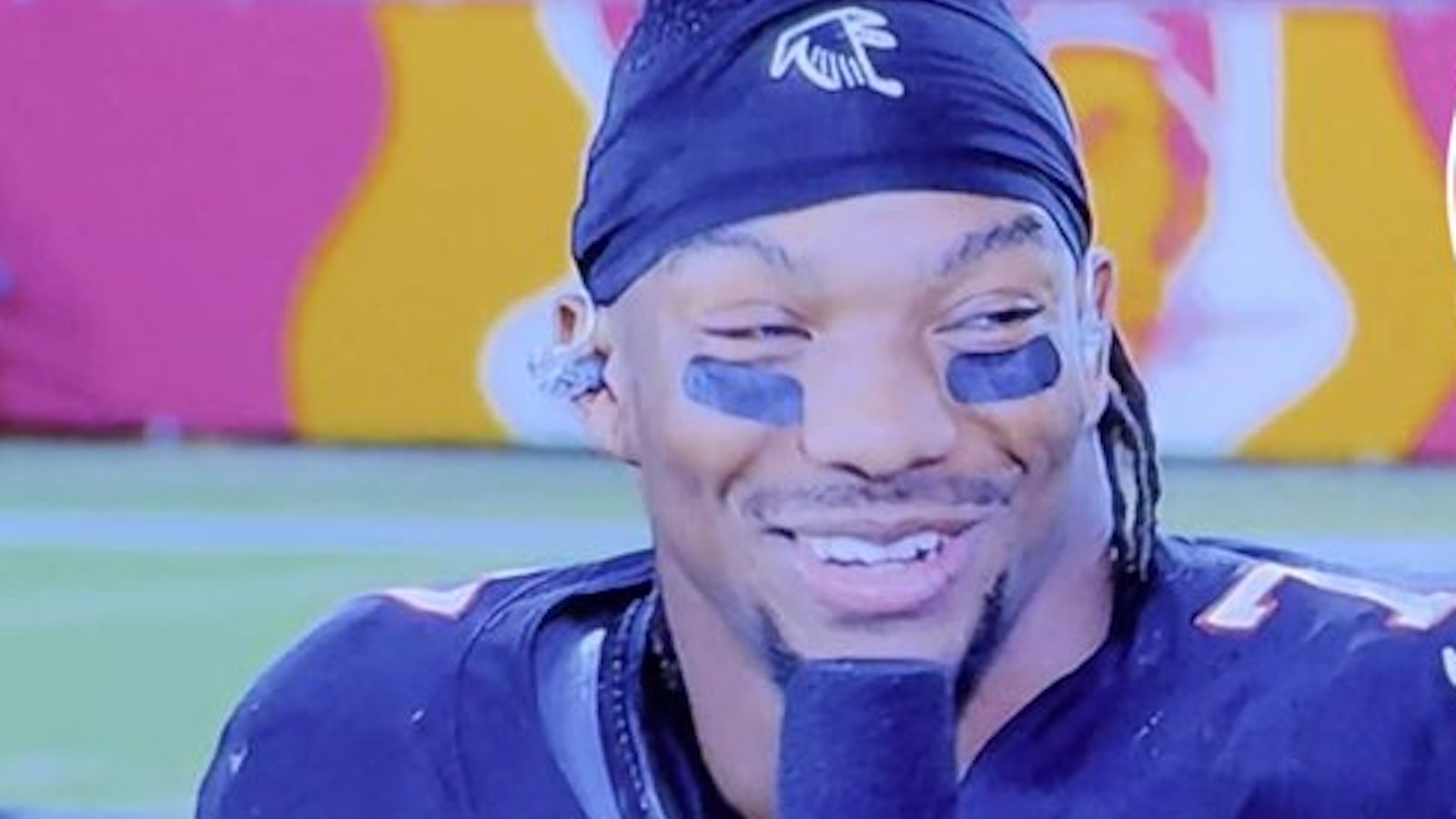
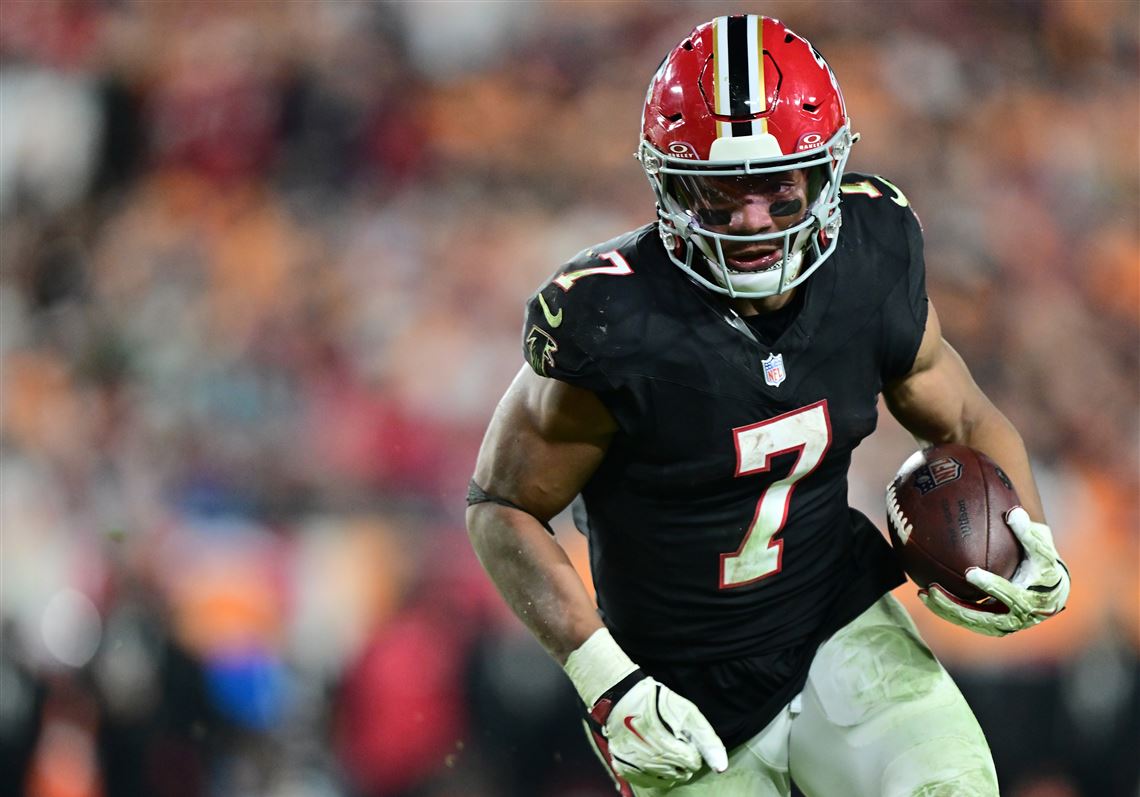
The recent incident involving Bijan Robinson reveals a critical inflection point in professional sports communication, where unconscious language patterns collide with heightened social awareness. During a post-game interview on Amazon Prime Video's TNF Nightcap, Robinson inadvertently used a derogatory term while describing a childhood game, triggering an immediate and nuanced response that underscores the complex dynamics of language, intent, and public accountability.
Linguistic Sensitivity in Real-Time Media emerges as a pivotal theme. Robinson's quick acknowledgment—issuing a public apology on social media within hours—demonstrates the evolving expectations for public figures. The incident wasn't merely about the offensive term, but about the broader mechanism of recognition, accountability, and immediate correction. When analyst Richard Sherman and Ryan Fitzpatrick immediately intervened, they signaled a collective responsibility in challenging problematic language.
The broader context reveals a significant cultural shift. What was once considered acceptable playground terminology is now recognized as harmful and exclusionary. Robinson's statement—"it was a football game we used to play as a kid but that's not an excuse"—reflects a generational understanding that historical context does not absolve one from contemporary standards of respectful communication. This moment transcends an individual mistake, representing a broader societal recalibration of linguistic norms.
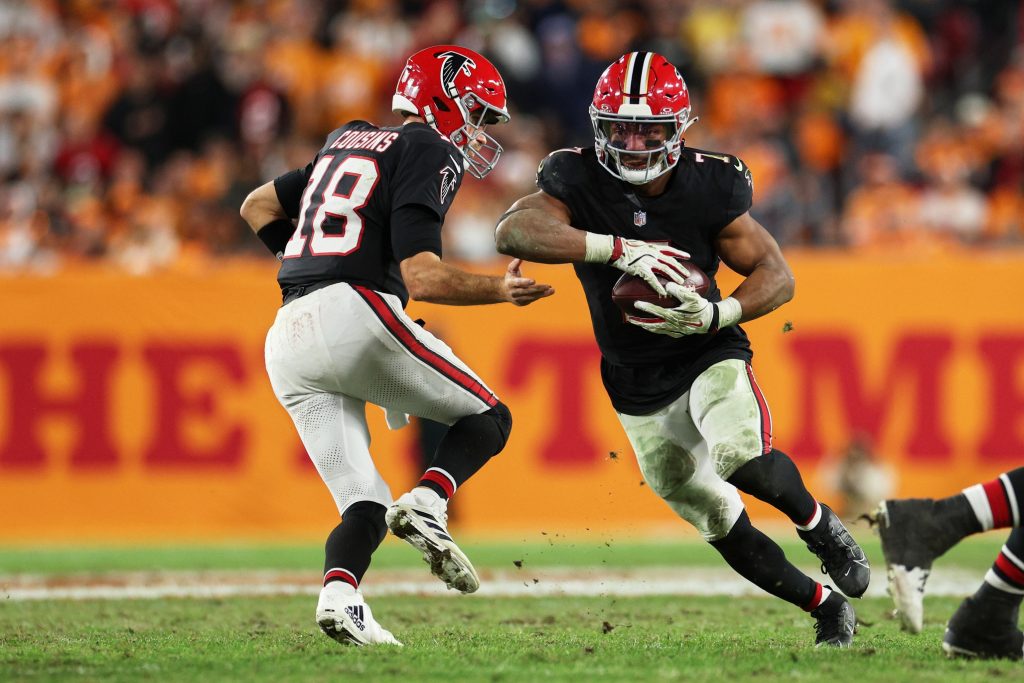
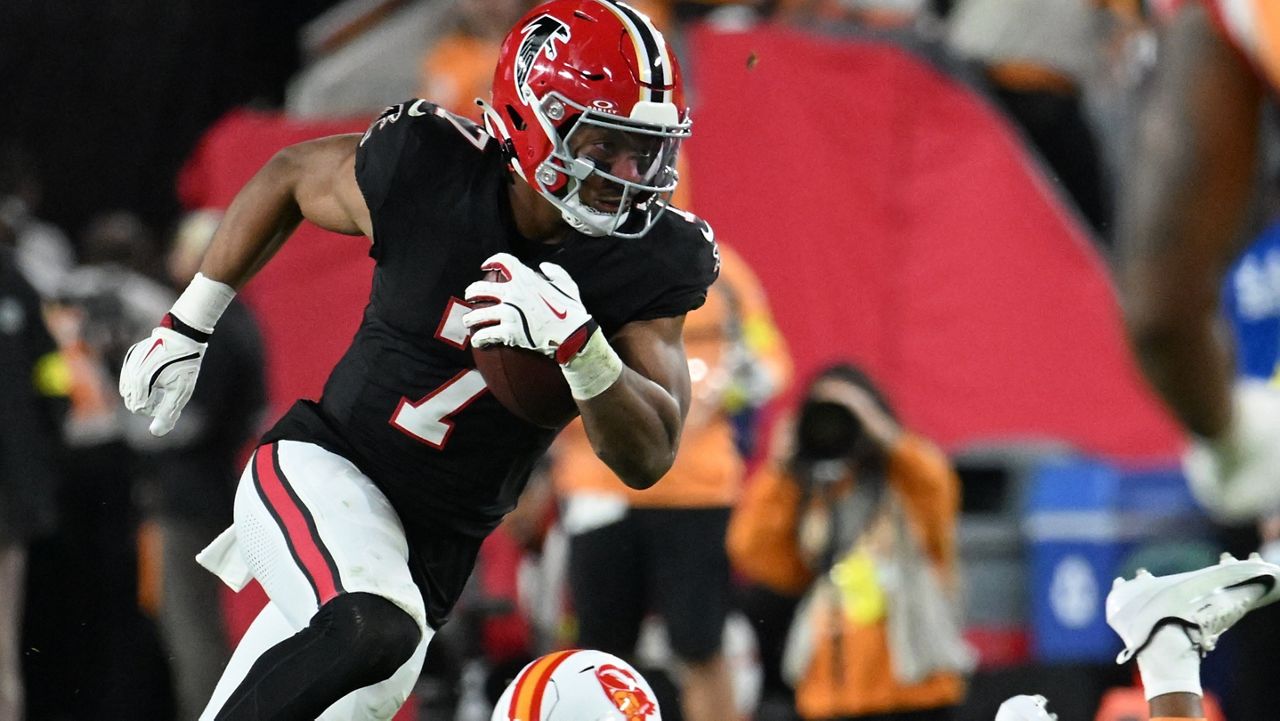
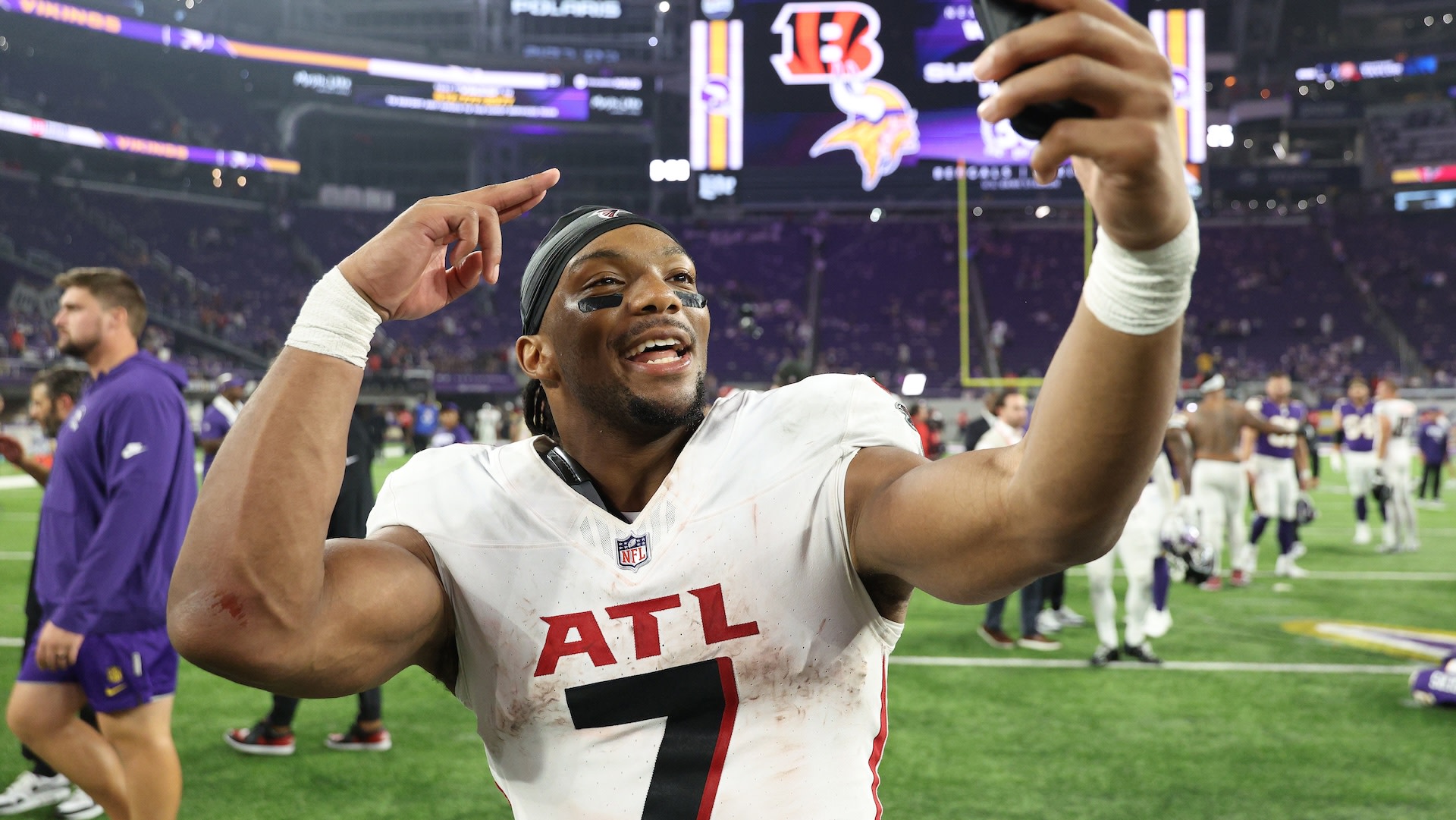
Critically, the incident occurred during a high-profile Amazon Prime broadcast, highlighting how media platforms are becoming critical spaces for modeling inclusive communication. Despite scoring a touchdown and accumulating 175 yards in an impressive game performance, Robinson's language became the focal point—underscoring that personal achievement cannot overshadow social responsibility.
The rapid response—from live correction to public apology—indicates an emerging paradigm where accountability is immediate, transparent, and expected. Professional athletes are increasingly understood not just as performers, but as public figures with significant communicative influence.
Questions 3
What does this incident reveal about contemporary communication standards?
The event highlights a significant cultural shift where historical context does not excuse offensive language. It shows increasing expectations for public figures to be linguistically aware, demonstrating that personal achievement cannot compensate for insensitive communication.
How did the media and sports community respond to the incident?
Immediate intervention occurred during the live broadcast, with analysts Richard Sherman and Ryan Fitzpatrick quickly correcting the language. Robinson subsequently issued a public, sincere apology on social media, demonstrating accountability and commitment to learning.