
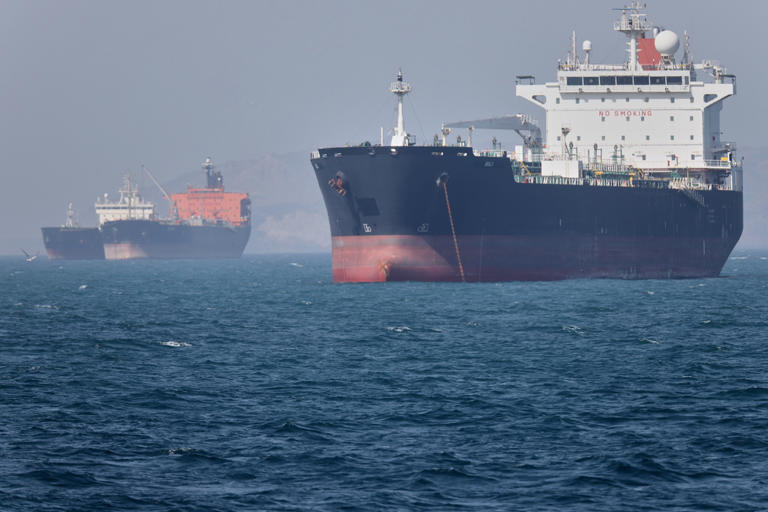


Strait of Hormuz Reopening Signals Supply Chain Relief | Cross-Border Sellers Gain Shipping Window
- China-Iran diplomatic breakthrough could reduce shipping delays 15-25% for sellers routing through Middle East corridors; immediate opportunity for inventory repositioning before Q2 peak season





Overview
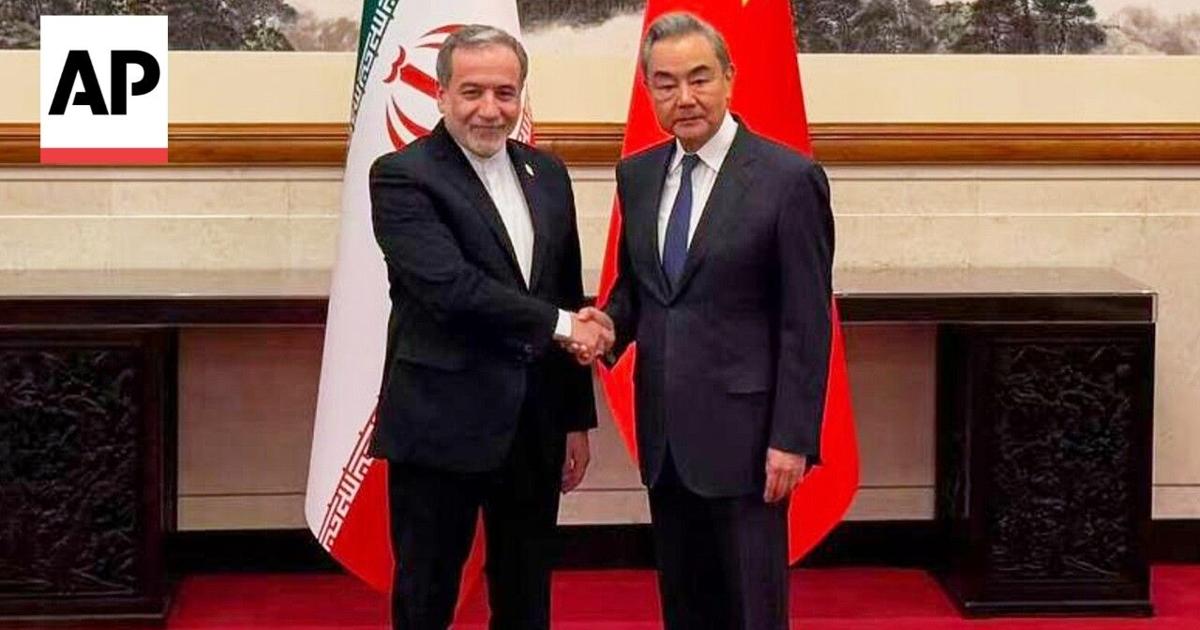
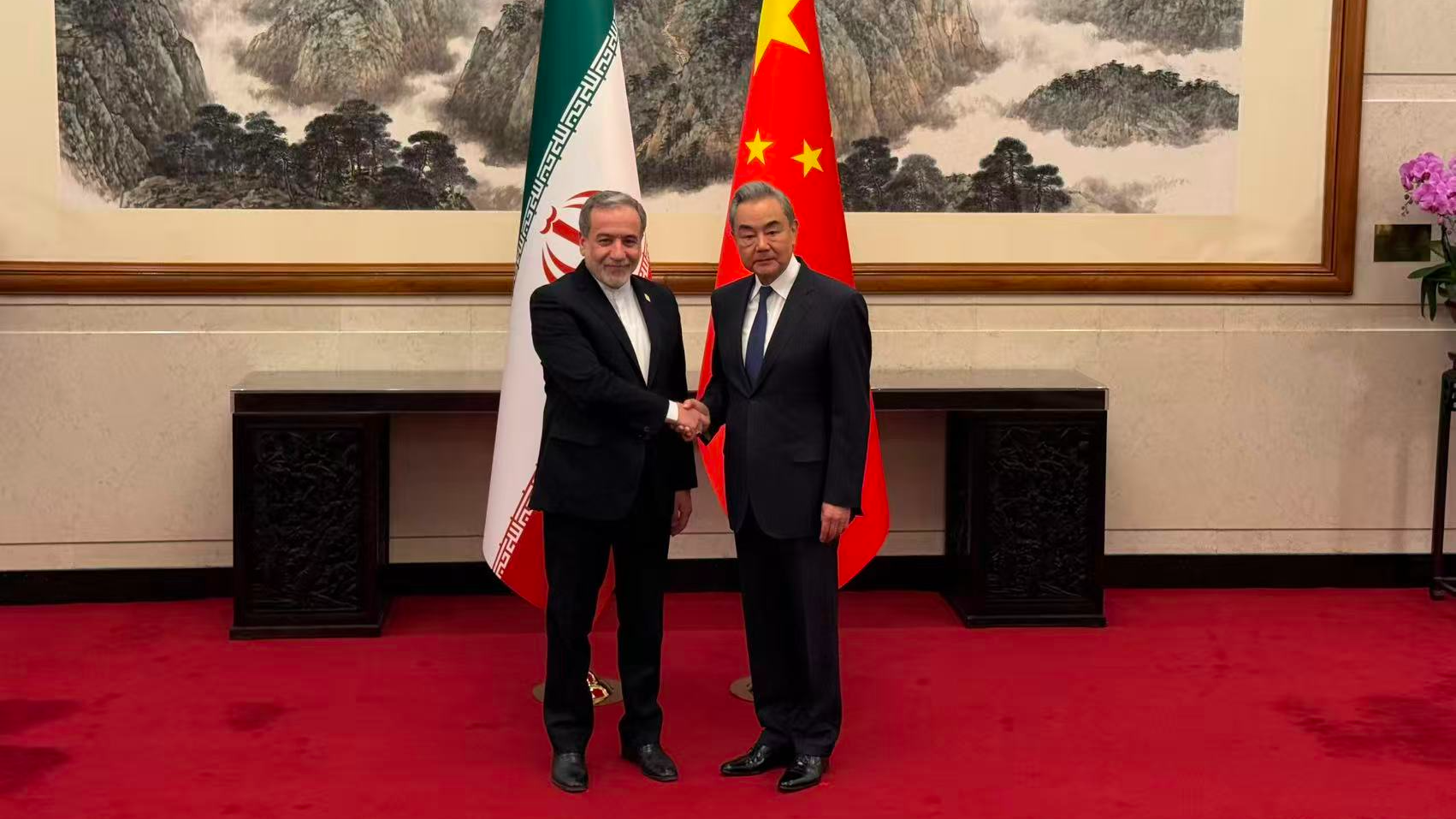
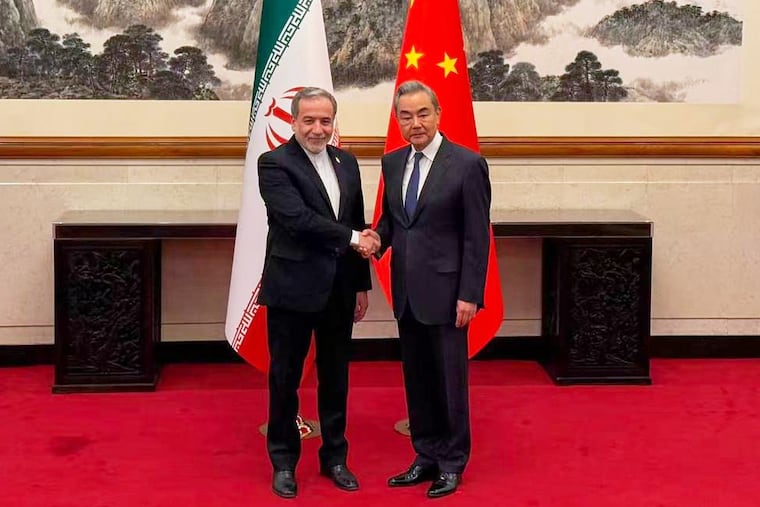
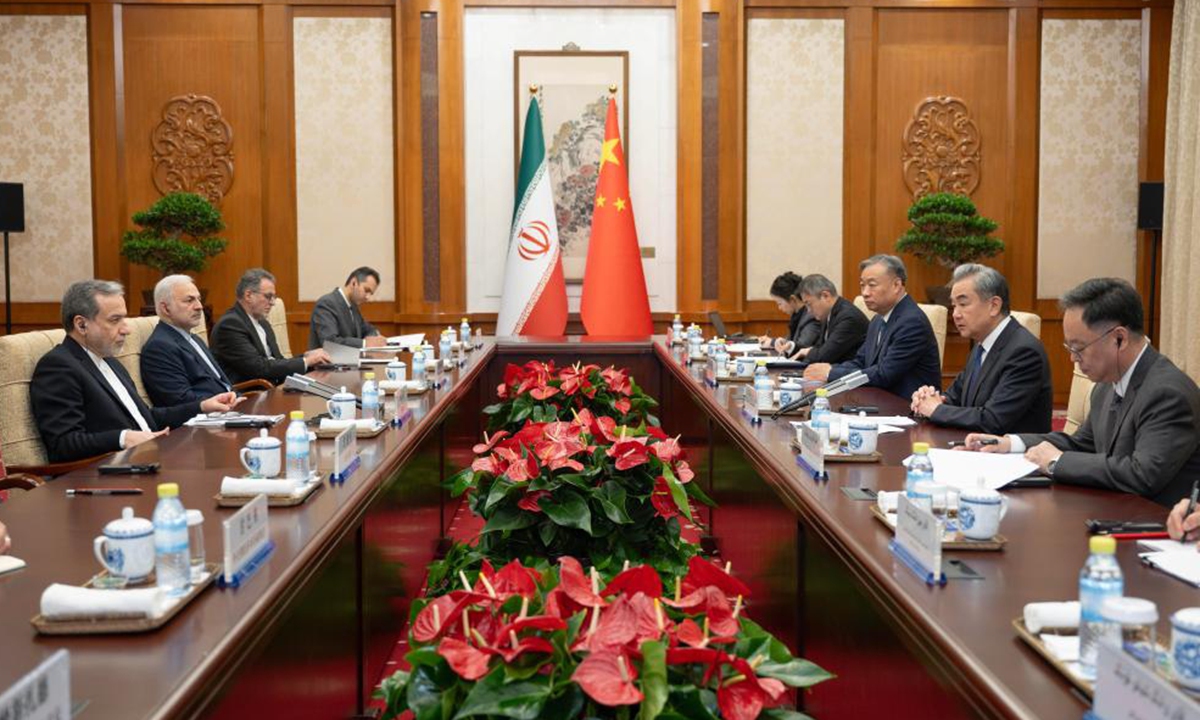
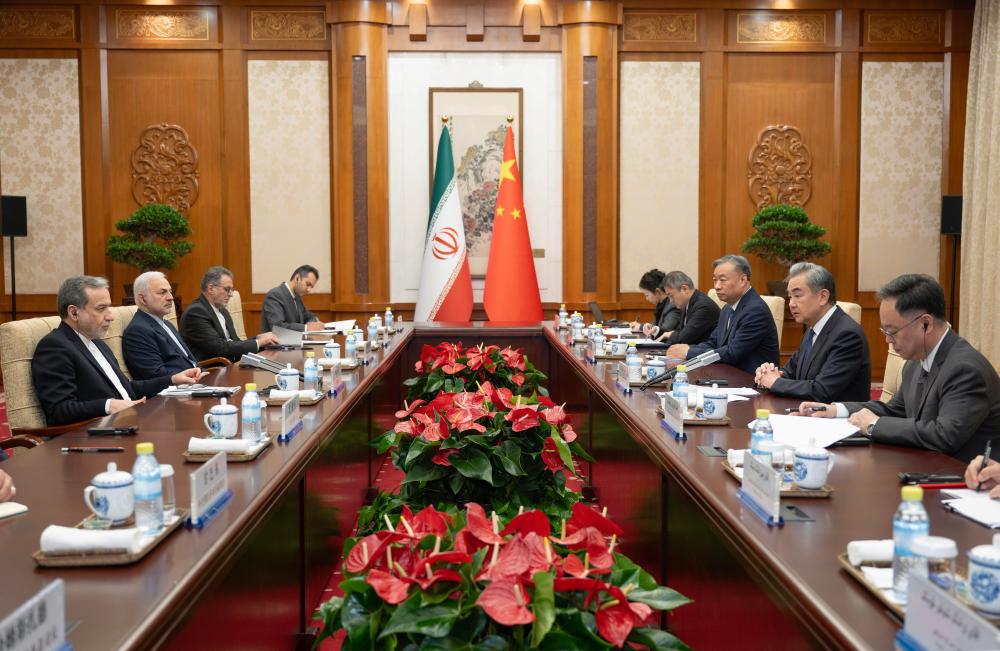
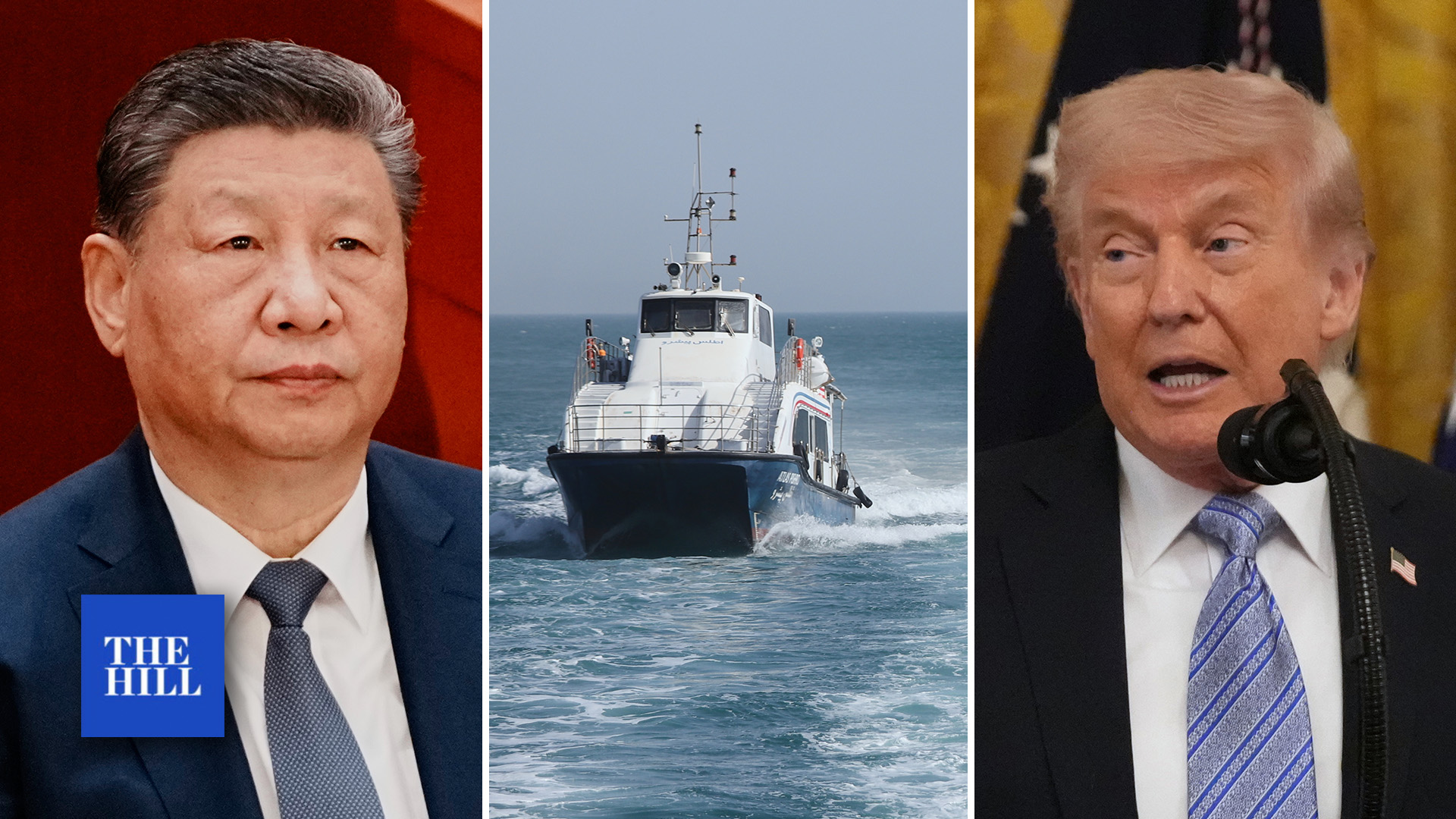
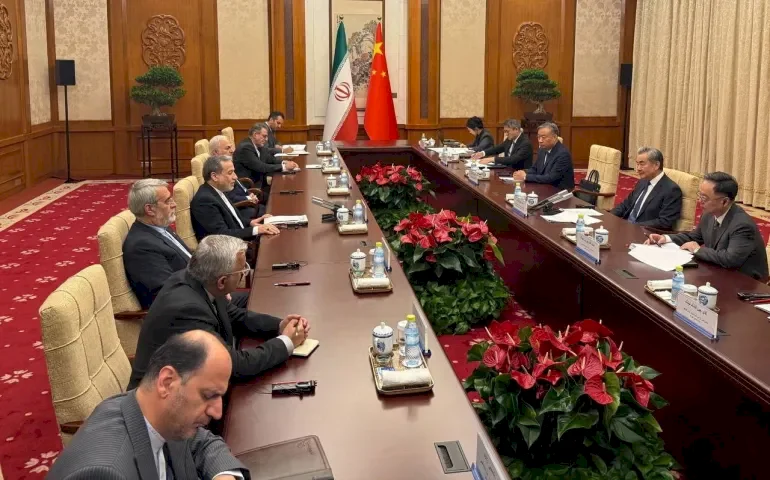
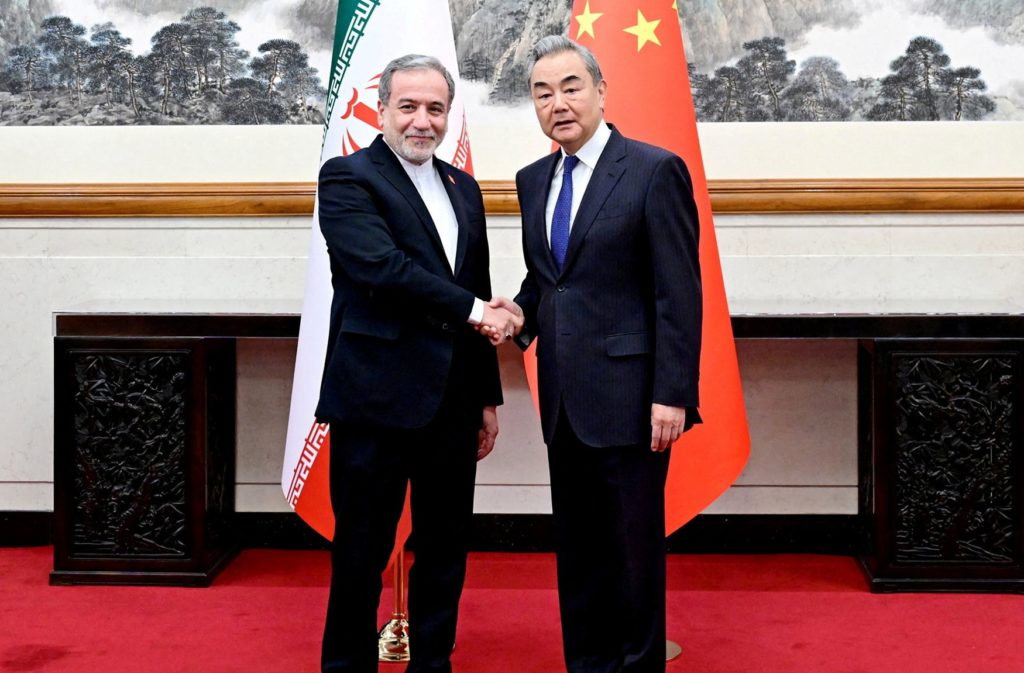
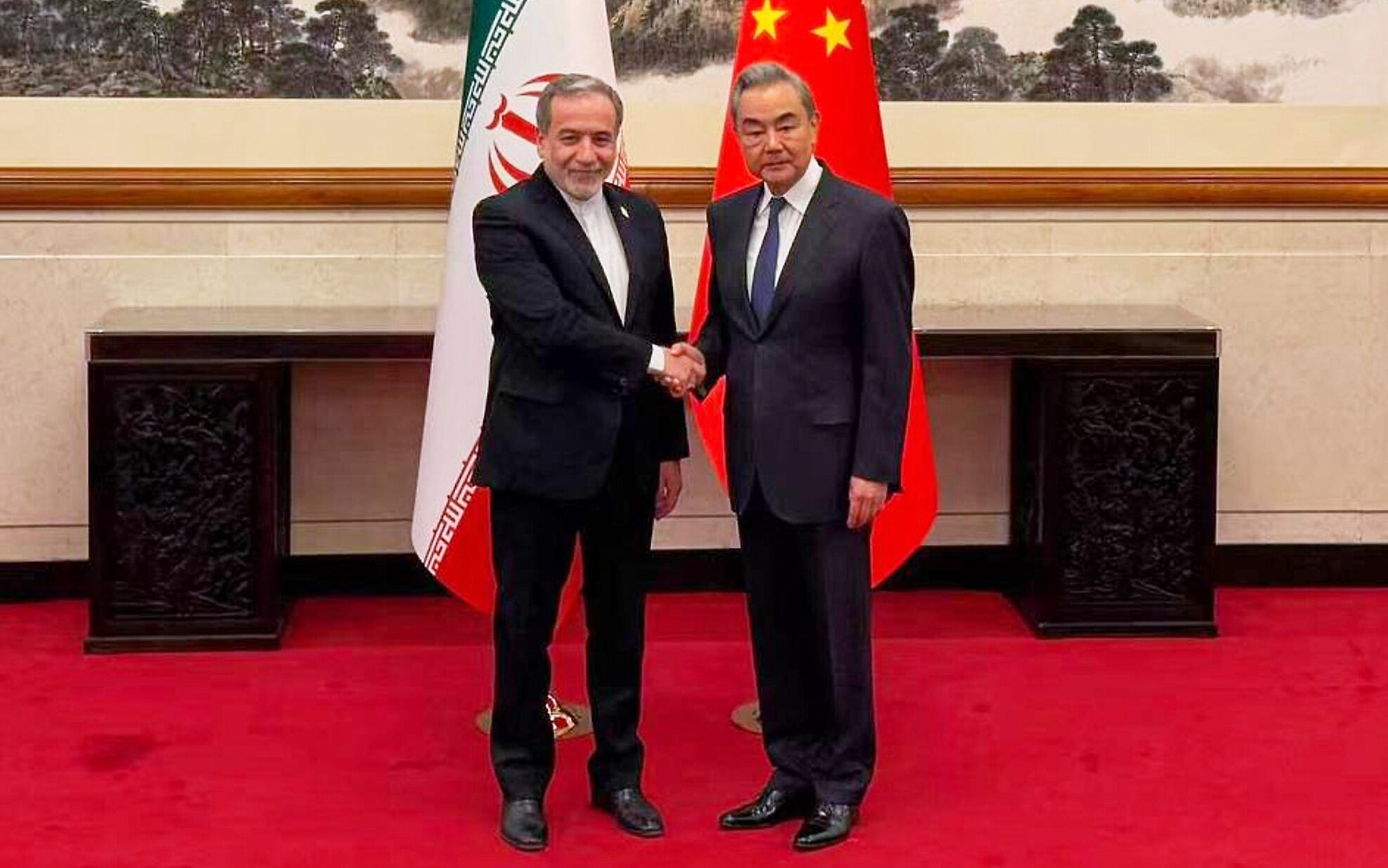
China's escalating diplomatic involvement in the Iran conflict, highlighted by Foreign Minister Wang Yi's talks with Iranian counterpart Abbas Araghchi in Beijing, creates a critical supply chain opportunity for cross-border e-commerce sellers. The central focus on reopening the Strait of Hormuz—a chokepoint handling 21% of global maritime trade—directly impacts shipping costs and transit times for sellers sourcing from Asia and exporting to Europe and North America. With Trump-Xi summit discussions scheduled and Secretary of State Marco Rubio actively pressuring Iran through Chinese intermediaries, the probability of Strait reopening has materially increased, signaling a 3-6 month window for sellers to optimize logistics strategies.
Immediate Supply Chain Impact: The Strait of Hormuz closure has forced shipping routes to add 4,000+ nautical miles via the Cape of Good Hope, increasing transit times from 20-25 days to 45-50 days and raising freight costs by $800-1,500 per 40-foot container. China's position as Iran's largest oil buyer gives its diplomatic leverage substantial credibility—when China negotiates, Iran listens. Sellers currently experiencing 6-8 week delays on inventory from Chinese manufacturers can expect reduction to 3-4 weeks if the Strait reopens, directly improving inventory turnover and reducing working capital requirements. This is particularly critical for Amazon FBA sellers managing IPI scores and storage fee thresholds, where faster inventory velocity prevents costly long-term storage penalties ($0.87/unit/month for standard-size items).
Competitive Advantage Window: Sellers who reposition inventory NOW—before diplomatic resolution becomes public knowledge and competitors flood the market—can capture 2-3 weeks of first-mover advantage in Q2 peak season (April-June). Vietnam and India-based sellers exporting to US/EU markets will see the most dramatic cost savings (12-18% reduction in landed costs), making these sourcing countries more competitive against direct China suppliers. Small-to-medium sellers (annual revenue $500K-$5M) operating on 15-20% margins will see $50-150K annual savings if they shift 30-40% of inventory through reopened Strait routes. Large enterprise sellers (Amazon Brand Registry, Walmart Marketplace) can negotiate better freight rates with 3PL providers by locking in contracts before rates normalize.
Geopolitical Risk Mitigation: China's consistent pattern of low-risk mediation (2023 Saudi Arabia-Iran deal, Thailand-Cambodia conflicts) suggests this diplomatic push has high probability of success within 60-90 days. Sellers should begin diversifying shipping routes NOW rather than waiting for official reopening announcements—early movers will secure container space at current rates before capacity constraints drive prices up 20-30%. Monitor Trump-Xi summit outcomes (scheduled for next week per news) as the key trigger event; positive statements on Iran resolution will accelerate shipping line capacity allocation to Strait routes.
Questions 8
What is the timeline for Strait of Hormuz reopening based on China's diplomatic pattern?
China's track record shows successful mediation within 60-90 days when conditions favor agreement. The news reports Trump-Xi summit is scheduled for next week with Iran conflict on the agenda, serving as the key trigger event. Wang Yi's statements indicate China is positioning itself as the primary mediator, and Iran's acknowledgment that Strait resolution is 'currently possible' suggests both parties are ready. Sellers should begin diversifying shipping routes NOW rather than waiting for official announcements—early movers will secure container space at current rates before capacity constraints drive prices up 20-30%. Monitor Trump-Xi summit outcomes as the critical signal for acceleration.
How should sellers adjust inventory strategy ahead of potential Strait reopening?
Sellers should immediately review current inventory sourcing routes and identify 30-40% of SKUs that can shift from Cape of Good Hope routing to Strait routes. Contact 3PL providers and freight forwarders NOW to lock in rates before market normalization—waiting 30-60 days could mean 15-25% higher freight costs. For Amazon FBA sellers, prioritize inventory with high BSR (Best Seller Rank) and strong conversion rates to maximize velocity benefits. Increase purchase orders from Vietnam/India suppliers by 20-30% to capitalize on their improved cost competitiveness. Set internal deadline of 2 weeks to finalize routing decisions, as container space allocation typically occurs 4-6 weeks before vessel departure.