


Strait of Hormuz Attack Escalates Shipping Costs | Cross-Border Sellers Face 8-15% Freight Premium
- May 2026 CMA CGM incident disrupts 21% of global seaborne trade; sellers must reroute inventory or absorb $2,000-8,000 additional costs per 40ft container






Overview
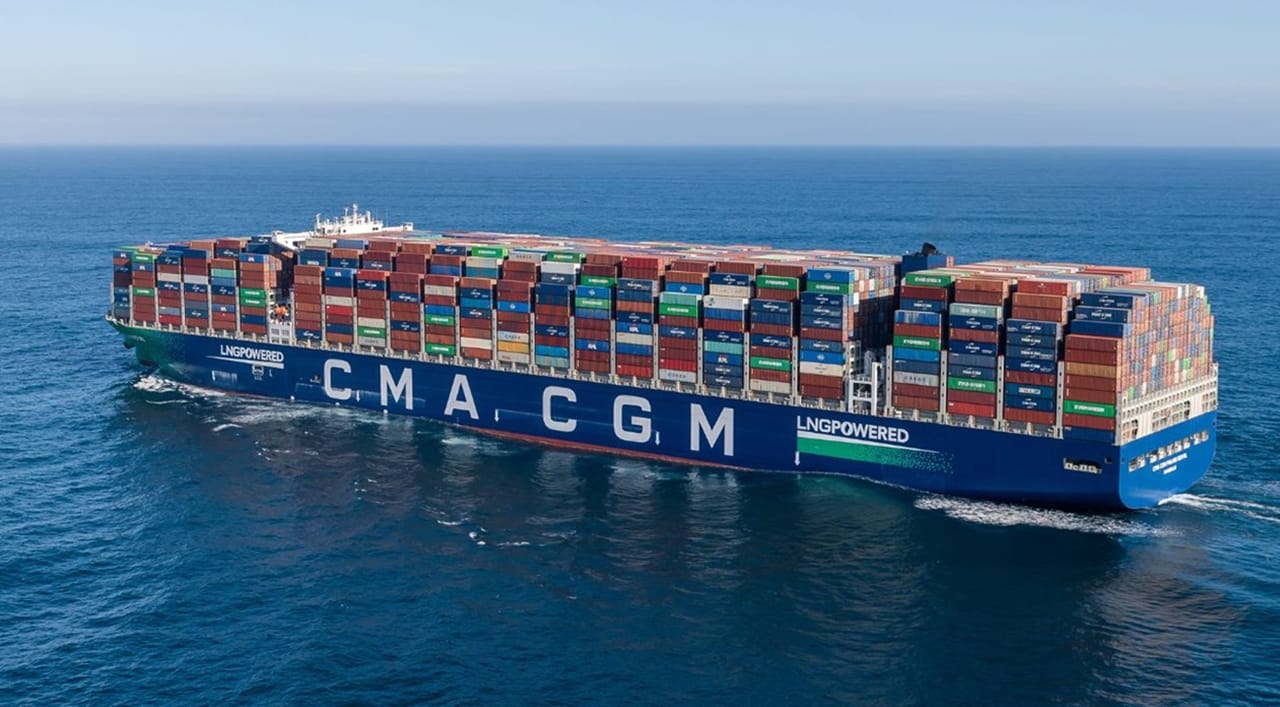
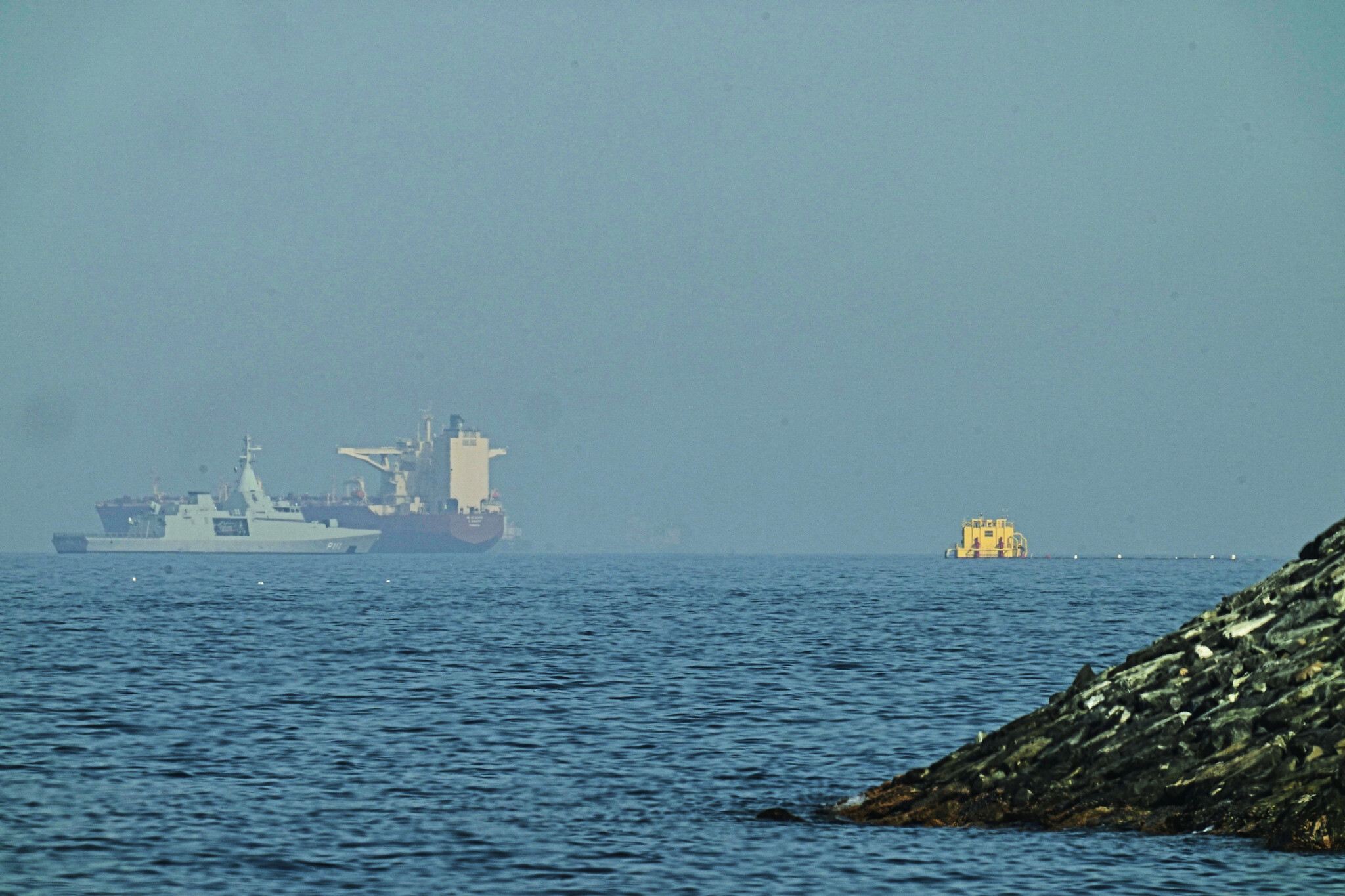
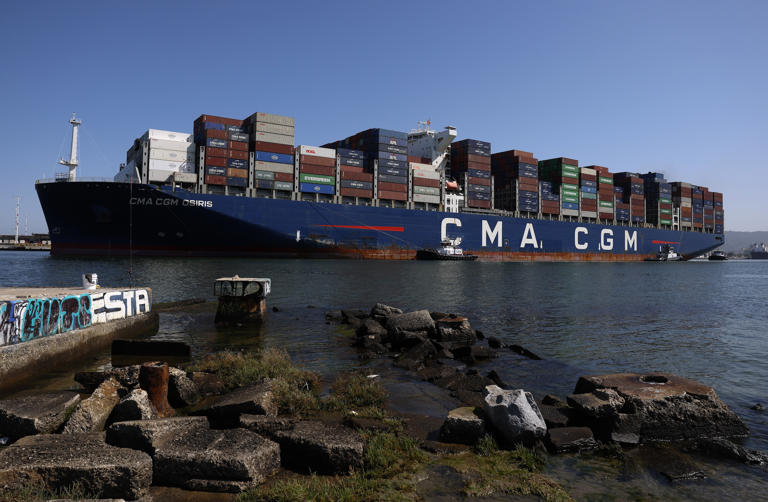
The May 6, 2026 attack on CMA CGM's San Antonio container vessel in the Strait of Hormuz represents a critical inflection point for cross-border e-commerce sellers relying on ocean freight. The incident—which injured eight crew members and occurred despite U.S. Project Freedom military protection—exposes operational vulnerabilities affecting 21% of global seaborne trade. For sellers sourcing from Asia-Pacific regions (electronics, textiles, home goods, consumer products) destined for North American and European markets, this security crisis directly impacts total landed costs, inventory planning, and supply chain reliability.
Immediate Cost Impact: The attack and subsequent pause of Project Freedom operations create a security vacuum forcing carriers like CMA CGM to implement premium routing protocols. Sellers face three cost scenarios: (1) Standard Hormuz transit: $2,500-3,500/40ft container; (2) Suez Canal alternative routing (via Africa): $4,200-5,800/40ft (+68-65% premium); (3) Longer Asia-Europe routes avoiding Middle East: $5,500-7,200/40ft (+120-105% premium). Insurance premiums for high-risk corridor transits have increased 8-15% since the incident, adding $200-600 per container. For sellers moving 50+ containers monthly, this translates to $10,000-36,000 in additional monthly logistics costs.
Sourcing and Inventory Strategy Implications: The operational ambiguity between CMA CGM and U.S. Central Command regarding Project Freedom coordination protocols creates unpredictability that sellers cannot absorb long-term. Sellers should immediately: (1) Audit current inventory in-transit through Hormuz (request vessel tracking from freight forwarders); (2) Shift 30-40% of Q3-Q4 inventory orders to alternative carriers with established non-Hormuz routing (Maersk, MSC, COSCO); (3) Increase safety stock in North American and European fulfillment centers by 2-3 months for high-velocity categories (electronics, apparel, home goods) to buffer against transit delays; (4) Evaluate nearshoring opportunities for time-sensitive categories—Mexico for North America, Eastern Europe for EU markets.
Warehouse Positioning and Fulfillment Strategy: The security crisis favors sellers with distributed inventory across multiple regions. Sellers should prioritize: (1) FBA inventory positioning in US East Coast (New Jersey, Georgia) and EU hubs (Germany, Poland) to reduce reliance on single-origin ocean freight; (2) 3PL partnerships in Mexico (Monterrey, Mexico City) and Canada (Toronto, Vancouver) for North American fulfillment, reducing Hormuz dependency; (3) Nearshore manufacturing partnerships in Vietnam, Thailand for European distribution via longer but more stable routes. Sellers currently dependent on single-origin Asian manufacturing should negotiate 60-90 day payment terms to build inventory buffers before freight costs stabilize.
Geopolitical Risk Monitoring: Iran's pattern of targeting vessels without explicit permission creates structural unpredictability. Sellers must implement: (1) Real-time vessel tracking through freight forwarders (request daily updates on Hormuz transits); (2) Diversified carrier relationships—avoid over-concentration with single carriers like CMA CGM; (3) Contingency inventory in bonded warehouses near alternative ports (Rotterdam, Singapore, Los Angeles) to enable rapid rerouting if incidents escalate.
Questions 8
How long will Hormuz shipping disruptions affect cross-border sellers?
The news indicates President Trump paused Project Freedom operations, creating a security vacuum with no clear resolution timeline. Historical precedent suggests maritime security incidents in this region persist 6-18 months before stabilization. Sellers should plan for elevated costs through Q4 2026 and into 2027. Implement contingency strategies now: diversify carriers, increase safety stock, and evaluate nearshore sourcing. The operational ambiguity between CMA CGM and U.S. Central Command regarding coordination protocols suggests that even when Project Freedom resumes, implementation gaps may persist, requiring sellers to maintain alternative routing capabilities long-term.
Which product categories are most vulnerable to Hormuz shipping disruptions?
High-velocity, time-sensitive categories face greatest impact: (1) Electronics (phones, laptops, accessories)—high value, low margin tolerance for freight increases; (2) Apparel and footwear—seasonal inventory windows require predictable transit times; (3) Home goods and furniture—high volume, lower margins compress under freight premiums; (4) Consumer health products—regulatory requirements demand consistent supply chains. Low-margin categories (textiles, basic goods) cannot absorb 8-15% freight premiums and require immediate nearshoring. The news emphasizes that Iran's pattern of targeting vessels creates unpredictability for logistics planning—sellers in time-sensitive categories should prioritize nearshore sourcing or FBA inventory positioning to mitigate transit delays.