
)



Middle East Supply Chain Crisis | Shipping Costs Rise 8-15% as Strait of Hormuz Blockade Disrupts Cross-Border Logistics
- Naval blockade halts 50+ cargo ships; Brent crude hits $108/barrel; sellers face 8-15% shipping cost increases and 2-4 week delivery delays on Middle East routes






















Overview
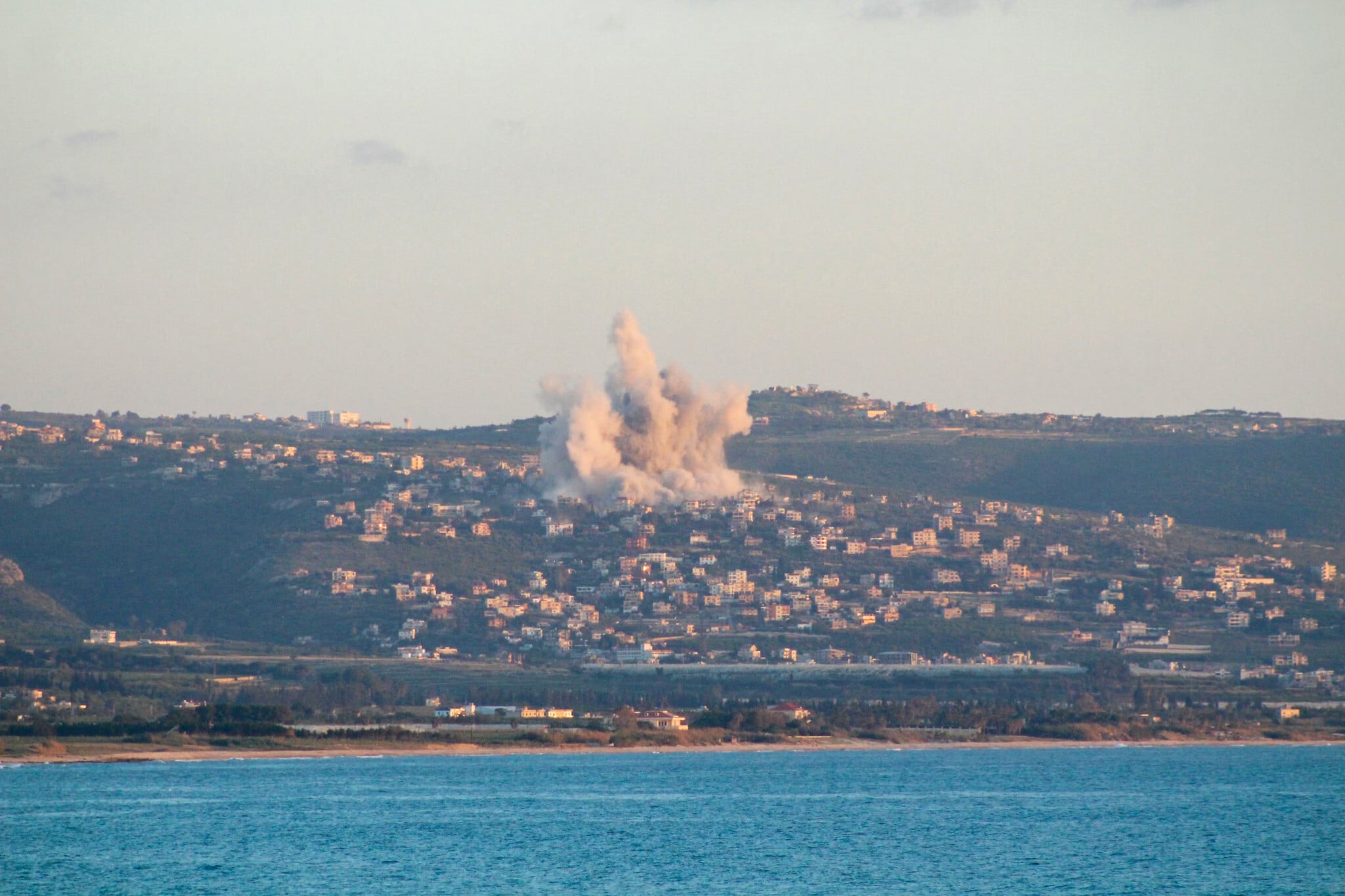
The escalating Israel-Hezbollah conflict and US-Iran naval blockade in the Gulf of Oman represents a critical supply chain disruption for cross-border e-commerce sellers. As of April 2025, over 2,700 people have been killed since March 2, with Israeli airstrikes resuming in Beirut on April 16-17 despite a ceasefire agreement. More significantly for sellers, the US military has disabled Iranian-flagged vessels and enforced a naval blockade that has turned back over 50 cargo ships in the Gulf of Oman. Brent crude oil prices have surged to $108 per barrel amid uncertainty, directly impacting shipping costs for sellers relying on Middle Eastern trade routes and fuel-dependent logistics.
Immediate shipping cost impacts are substantial. Sellers shipping through the Suez Canal, Red Sea, and Gulf of Aden routes face 8-15% increases in freight costs due to elevated fuel prices and route diversions. The blockade has created a 2-4 week delivery delay for cargo destined for Middle Eastern markets and Asia-Pacific routes that typically transit through the Strait of Hormuz. For sellers with monthly shipping volumes of 500+ units, this translates to $1,200-$3,500 additional monthly costs. Sellers dependent on just-in-time inventory from Asian suppliers face particular risk, as alternative routing around Africa adds 10-14 days to transit times and increases costs by 12-18%.
Strategic implications extend beyond immediate logistics. The conflict threatens payment processing in Lebanon and surrounding regions, with potential disruptions to Payoneer, Wise, and local banking systems. Sellers with customer bases in Lebanon, Israel, or Iran face market access restrictions and payment settlement delays. The stalled diplomatic talks between Israeli and Lebanese governments (with President Aoun rejecting near-term meetings with Netanyahu) suggest prolonged instability. Sellers should anticipate 6-12 months of elevated shipping costs and consider diversifying supply chains away from Middle Eastern routes. Categories most affected include electronics, machinery, and heavy goods where shipping represents 15-25% of landed costs. Conversely, sellers of security equipment, emergency supplies, and conflict-related merchandise may see demand spikes in affected regions, though regulatory restrictions on certain exports apply.
Risk mitigation requires immediate action. Sellers should audit supply chain dependencies on Middle Eastern routes, evaluate 3PL providers with alternative routing capabilities, and consider pre-positioning inventory in regional fulfillment centers. Monitor the Trump administration's "Project Freedom" initiative to reopen the Strait of Hormuz—resolution could normalize shipping within 60-90 days if negotiations succeed. Track Brent crude prices as a leading indicator: prices above $110/barrel signal further shipping cost increases, while drops below $100 suggest route normalization. Sellers with exposure to affected regions should establish contingency payment processors and communicate transparently with customers about potential delivery delays.
Questions 8
How should sellers adjust pricing strategy during this supply chain crisis?
Pricing adjustments depend on product category and customer price sensitivity. For essential products (electronics, tools, household goods), sellers can absorb 5-8% of shipping cost increases without significant demand destruction. For discretionary categories (fashion, collectibles, home décor), price increases above 5% risk 15-25% demand reduction. Recommended approach: (1) Increase prices 3-5% immediately on new listings; (2) Maintain existing order prices to preserve customer loyalty; (3) Adjust Amazon FBA pricing through Seller Central—use dynamic pricing tools to test elasticity; (4) For Shopify stores, implement tiered shipping costs (standard +$2-4, expedited +$8-12) to segment price-sensitive customers; (5) eBay sellers should increase shipping costs rather than item prices to avoid negative feedback. Monitor competitor pricing weekly—if major sellers (Amazon, Walmart) absorb costs, match them to maintain Buy Box eligibility. Expect 10-15% margin compression for sellers unable to pass costs to customers; plan for Q2 profitability decline of 20-30% if blockade persists through June.
When might the Strait of Hormuz reopen and shipping normalize?
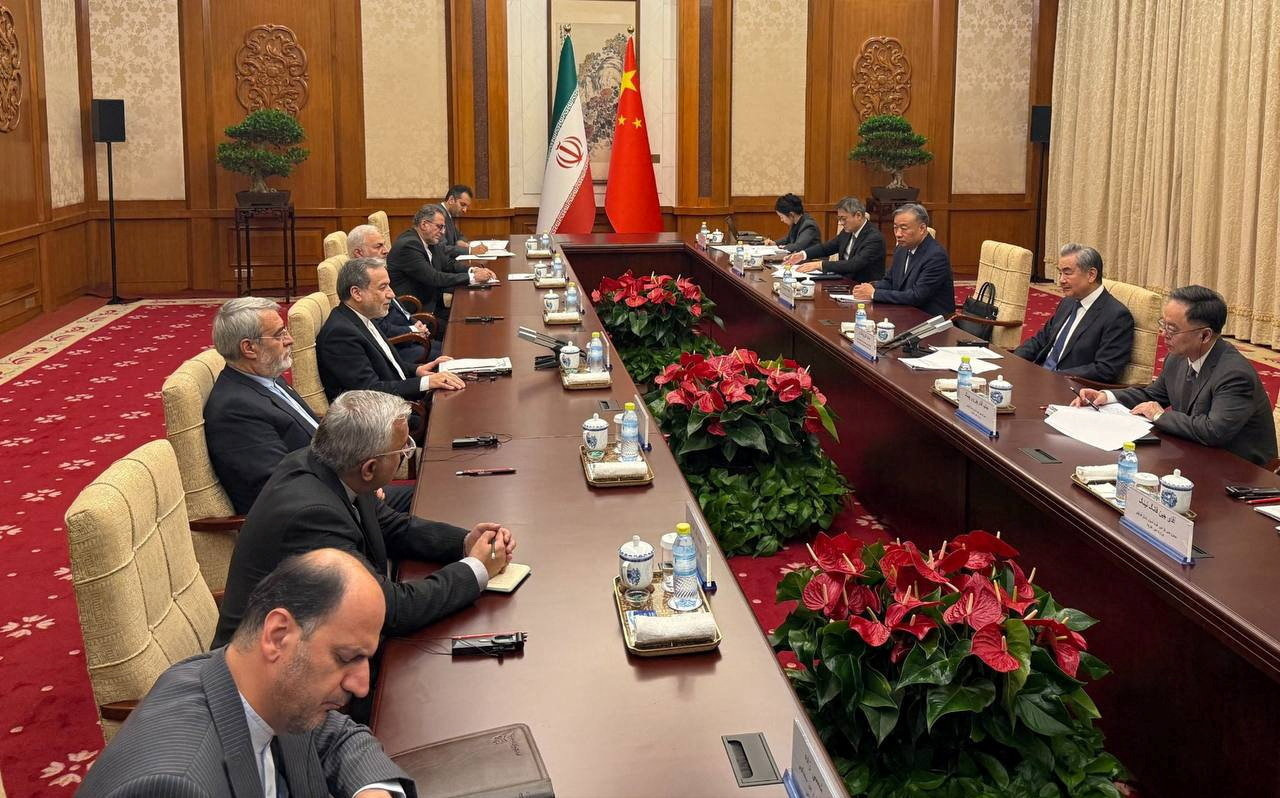
The Trump administration's 'Project Freedom' initiative aims to reopen the Strait of Hormuz following resolution of aggressor threats. Iran's IRGC navy indicated the strait could reopen if threats are resolved, but negotiations remain stalled. Diplomatic progress is slow—Lebanese President Aoun rejected near-term meetings with Netanyahu, and talks continue primarily at ambassador level. Realistic timeline for normalization is 60-90 days if negotiations accelerate, but could extend 6-12 months if conflict escalates. Monitor official US State Department announcements and shipping industry reports for updates. Sellers should plan contingency operations assuming elevated costs through Q3 2025.