




Ravens' Strategic Player Activation Reveals Organizational Resilience and Tactical Depth
- Roster Management Signals Adaptive Performance Strategy in High-Stakes NFL Competition















Overview
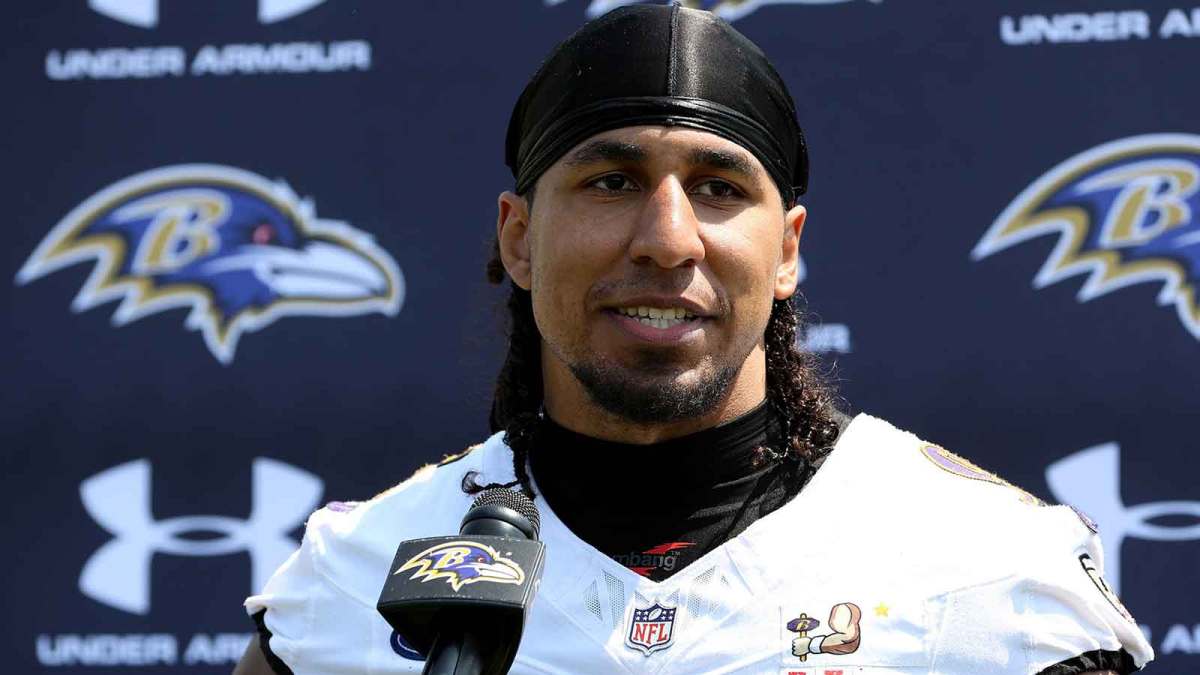
In the high-stakes world of professional football, the Baltimore Ravens' recent roster moves offer a masterclass in strategic organizational resilience. The activation of Ar'Darius Washington and Tavius Robinson to the 53-man roster represents more than a routine personnel adjustment—it's a calculated tactical response to competitive pressures.
Washington's return is particularly noteworthy, having overcome an Achilles injury to potentially reinvigorate the Ravens' secondary. With a career-high 64 tackles, two interceptions, and one sack in 10 starts, his versatility in playing both safety and slot cornerback provides critical defensive flexibility. The Ravens' strategic approach is evident in how they've managed his recovery, activating him without disrupting their existing roster configuration.
Tavius Robinson's comeback further underscores the team's depth and adaptability. Despite being sidelined for seven games due to a foot injury, Robinson previously led the team with two sacks and recorded nine pressures this season. His return, described as bringing "a little juice and energy," signals the team's commitment to maintaining competitive momentum even in the face of injury challenges.
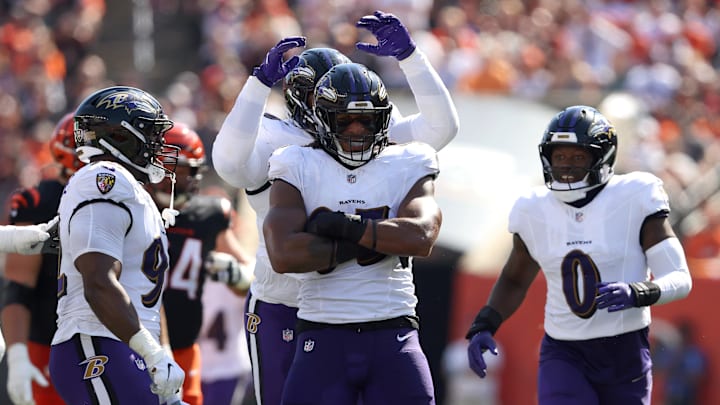
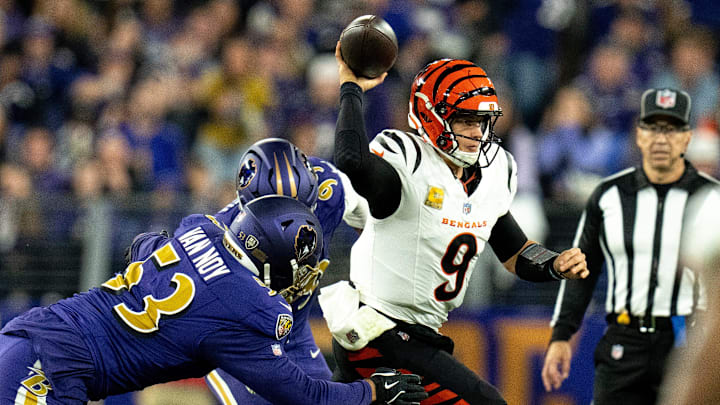
The timing of these activations is crucial, especially with an upcoming must-win game against the Cincinnati Bengals. By carefully managing player returns and maintaining roster flexibility, the Ravens demonstrate a sophisticated approach to team management. They've strategically activated these players without needing to make roster cuts, showcasing an organizational philosophy that prioritizes player development, strategic depth, and competitive readiness.
This calculated approach reveals a deeper narrative about modern sports management: success is not just about individual talent, but about creating a resilient, adaptable system that can absorb and overcome setbacks. The Ravens' roster moves are a testament to their organizational intelligence, turning potential vulnerabilities into strategic opportunities.
Questions 3
Why is the timing of these player activations important?
The activations come ahead of a must-win game against the Bengals, where defensive strength is critical. By bringing back key players like Washington and Robinson, the Ravens aim to reinforce their defensive capabilities at a strategically important moment in the season.
What makes Ar'Darius Washington's return significant?
Washington's return is crucial due to his versatility, having previously recorded 64 tackles, two interceptions, and one sack. His ability to play both safety and slot cornerback provides the Ravens with critical defensive flexibility after recovering from an Achilles injury.