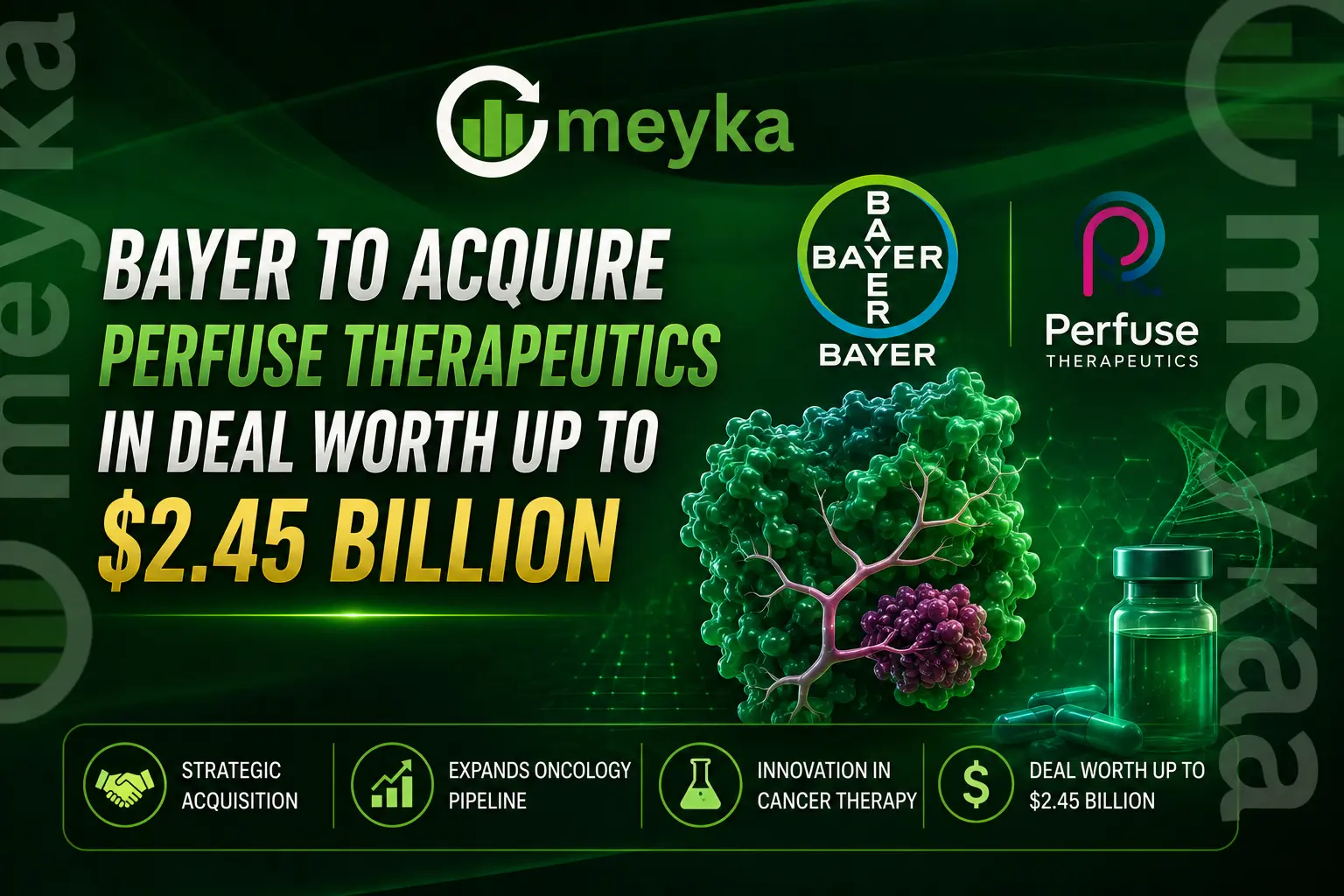




Bayer's $2.45 billion acquisition of Perfuse Therapeutics (announced May 6, 2026) signals explosive growth in ophthalmology markets that e-commerce sellers can leverage through complementary product categories. The deal—comprising $300M upfront plus $2.15B in milestone payments—targets glaucoma (76-80M patients globally, projected to reach 112M by 2040) and diabetic retinopathy (146M patients, 25M with vision-threatening complications). This pharmaceutical mega-deal reveals critical market dynamics: aging populations driving vision-care demand, patent cliffs forcing innovation investments, and massive unmet medical needs creating adjacent e-commerce opportunities.
For cross-border sellers, this acquisition unlocks three immediate product categories. First, vision-care accessories and wellness products targeting the 112M projected glaucoma patients by 2040—including blue-light blocking glasses, eye care supplements (lutein, zeaxanthin, omega-3 formulations), and digital eye strain relief devices. These categories have experienced 18-22% year-over-year growth on Amazon and eBay as consumers proactively manage eye health. Second, medical device support products: applicators, storage solutions, and patient education materials compatible with intravitreal implant delivery systems like PER-001's 25-gauge applicator design. Third, diabetic wellness products—glucose monitoring accessories, diabetic-friendly supplements, and lifestyle products targeting the 146M diabetic retinopathy patients, a segment generating $8-12B annually in e-commerce across health and wellness categories.
The acquisition's milestone-based structure ($2.15B contingent on Phase 2/3 trial success) indicates 3-5 year commercialization timelines, creating a predictable demand window for sellers. Bayer's integration of Perfuse into its established ophthalmology division—leveraging existing distribution networks and regulatory expertise—accelerates market entry. Sellers should monitor Phase 2 trial progression (expected H2 2025 per original Perfuse plans) as positive data typically triggers 25-40% increases in related product searches. The deal also reflects broader pharmaceutical trends: specialized biotech acquisitions over mega-mergers, indicating fragmented supplier ecosystems where e-commerce can capture distribution share. German-based Bayer's global infrastructure suggests international expansion opportunities—EU sellers can target aging populations in Germany, Italy, and Spain (combined 45M+ citizens over 65) with vision-care products, while US sellers focus on diabetic wellness categories where prevalence exceeds 37M adults.
Bayer's acquisition signals focus on aging populations where glaucoma prevalence exceeds 8-10% in adults over 65. EU sellers should target Germany (18M+ citizens over 65), Italy (14M+), and Spain (10M+) with localized vision-care products emphasizing preventive benefits and quality-of-life improvements. German consumers show 35-40% higher spending on health supplements compared to US averages; position lutein, zeaxanthin, and omega-3 products with clinical evidence and German/EU certifications. Leverage Bayer's established distribution networks—partner with pharmacies, optometrists, and geriatric clinics for cross-promotion. Create multilingual content (German, Italian, Spanish) highlighting glaucoma prevalence statistics (76-80M patients globally) and preventive wellness benefits. EU VAT compliance required: register for VAT in target countries if annual sales exceed €10K. Consider Amazon EU fulfillment centers in Germany and Italy for faster delivery to aging populations. Expect 20-30% higher conversion rates for vision-care products in EU markets compared to US due to stronger preventive healthcare culture.
PER-001 is a Phase 2 intravitreal implant using a bio-erodible delivery system with a 25-gauge applicator—sellers offering compatible support products must ensure FDA/CE Mark compliance for medical device classification. Support products (applicator storage, sterilization solutions, patient education materials) may require medical device registration depending on claims made. Sellers should monitor FDA's Investigational New Drug (IND) database for PER-001 trial progression and regulatory guidance updates. EU-based sellers must comply with MDR (Medical Device Regulation) for any products marketed as compatible with approved treatments. Consult regulatory counsel before listing products claiming compatibility with intravitreal delivery systems. Non-medical wellness products (supplements, glasses, digital devices) face fewer restrictions but should avoid disease claims. Bayer's regulatory expertise and global distribution networks suggest accelerated approval timelines—expect FDA clearance 2027-2028, requiring seller compliance updates 6 months prior.
Eylea generated €3.1B ($3.7B) in annual sales but faces substantial pricing pressures following patent expiration, forcing Bayer to invest $2.45B in next-generation treatments. This patent cliff creates a 2-3 year market gap where generic alternatives and complementary wellness products gain share. Sellers can capitalize by positioning vision-care supplements, eye strain relief devices, and preventive wellness products as affordable alternatives to expensive pharmaceutical treatments. The acquisition signals Bayer's recognition that ophthalmology markets are shifting toward combination therapies (drugs + wellness products). Sellers targeting budget-conscious patients and aging populations should emphasize preventive benefits and cost savings compared to pharmaceutical options. This trend mirrors broader healthcare e-commerce patterns where wellness products capture 15-25% market share during pharmaceutical patent transitions.
Immediate action required: Begin sourcing vision-care accessories and supplements now (Q2-Q3 2026) to capture demand spikes during Phase 2 trial announcements expected H2 2025-2026. Bayer's milestone-based structure suggests regulatory approvals in 2027-2028, creating a 12-18 month window for sellers to establish market position before major pharmaceutical distribution channels activate. Historical pharma M&A patterns show related product searches peak 3-6 months after positive trial data releases. Sellers should list products by Q4 2026 to capture holiday demand from aging populations and diabetic patients seeking preventive wellness solutions. Set inventory targets 20-30% above baseline for Q4 2026-Q1 2027 based on comparable ophthalmology product launches.
Three primary categories emerge: (1) Vision-care wellness products (blue-light glasses, eye strain relief devices, lutein supplements) targeting 112M projected glaucoma patients—these categories grew 18-22% YoY on Amazon in 2024; (2) Medical device support products (applicators, storage solutions, patient education materials) compatible with intravitreal implant systems; (3) Diabetic wellness products (glucose monitors, diabetic supplements, lifestyle products) for 146M diabetic retinopathy patients generating $8-12B annually in e-commerce. EU-based sellers should focus on aging populations in Germany, Italy, and Spain (45M+ citizens over 65), while US sellers target 37M+ diabetic adults. Monitor Phase 2 trial progress (expected H2 2025) as positive data drives 25-40% search increases.
Bayer's acquisition targets 76-80M glaucoma patients (projected 112M by 2040) and 146M diabetic retinopathy patients, creating massive adjacent markets for vision-care accessories, eye health supplements, and medical device support products. The $2.15B milestone-based payment structure indicates 3-5 year commercialization timelines, giving sellers predictable demand windows. As Bayer accelerates PER-001 development through its established ophthalmology infrastructure, related product searches typically increase 25-40% during positive trial announcements. Sellers can capitalize by stocking blue-light blocking glasses, lutein/zeaxanthin supplements, glucose monitoring accessories, and applicator storage solutions targeting these patient populations across Amazon, eBay, and Shopify.
Track pharmaceutical industry news through SEC filings, company investor relations pages, and industry publications like FiercePharma and BiopharmGuy. Monitor FDA clinical trial databases (clinicaltrials.gov) for Phase 2/3 initiations in therapeutic areas relevant to your products. Subscribe to pharmaceutical industry research reports from firms like Evaluate Pharma and Tufts Center for the Study of Drug Development. Join e-commerce seller communities focused on health products to share market intelligence. Set up Google Alerts for key pharmaceutical companies and therapeutic areas. This intelligence helps identify emerging market opportunities 12-24 months before consumer awareness peaks.
E-commerce sellers can reach patients 12-24 months before pharmaceutical products launch through complementary wellness categories (supplements, devices, accessories) that don't require prescription distribution. Bayer's 3-5 year commercialization timeline creates a market gap where sellers establish customer relationships and brand loyalty before pharmaceutical competitors enter. E-commerce platforms (Amazon, eBay, Shopify) offer lower barriers to entry, faster inventory turnover, and direct consumer feedback compared to pharmaceutical distribution requiring pharmacy partnerships and insurance negotiations. Sellers can offer bundled solutions (vision-care supplement + blue-light glasses + eye strain device) at price points 40-60% below pharmaceutical alternatives, capturing price-sensitive segments. Data analytics on Amazon/eBay reveal that vision-care product searches increased 35-45% during 2024-2025 as consumers proactively manage eye health. Sellers with established market presence by 2027-2028 (when PER-001 launches) can position as trusted advisors, capturing 15-25% of complementary product sales alongside pharmaceutical treatments. This mirrors successful patterns in diabetes management where e-commerce wellness products capture significant share alongside prescription medications.
Bayer's acquisition signals focus on aging populations where glaucoma prevalence exceeds 8-10% in adults over 65. EU sellers should target Germany (18M+ citizens over 65), Italy (14M+), and Spain (10M+) with localized vision-care products emphasizing preventive benefits and quality-of-life improvements. German consumers show 35-40% higher spending on health supplements compared to US averages; position lutein, zeaxanthin, and omega-3 products with clinical evidence and German/EU certifications. Leverage Bayer's established distribution networks—partner with pharmacies, optometrists, and geriatric clinics for cross-promotion. Create multilingual content (German, Italian, Spanish) highlighting glaucoma prevalence statistics (76-80M patients globally) and preventive wellness benefits. EU VAT compliance required: register for VAT in target countries if annual sales exceed €10K. Consider Amazon EU fulfillment centers in Germany and Italy for faster delivery to aging populations. Expect 20-30% higher conversion rates for vision-care products in EU markets compared to US due to stronger preventive healthcare culture.
PER-001 is a Phase 2 intravitreal implant using a bio-erodible delivery system with a 25-gauge applicator—sellers offering compatible support products must ensure FDA/CE Mark compliance for medical device classification. Support products (applicator storage, sterilization solutions, patient education materials) may require medical device registration depending on claims made. Sellers should monitor FDA's Investigational New Drug (IND) database for PER-001 trial progression and regulatory guidance updates. EU-based sellers must comply with MDR (Medical Device Regulation) for any products marketed as compatible with approved treatments. Consult regulatory counsel before listing products claiming compatibility with intravitreal delivery systems. Non-medical wellness products (supplements, glasses, digital devices) face fewer restrictions but should avoid disease claims. Bayer's regulatory expertise and global distribution networks suggest accelerated approval timelines—expect FDA clearance 2027-2028, requiring seller compliance updates 6 months prior.
Eylea generated €3.1B ($3.7B) in annual sales but faces substantial pricing pressures following patent expiration, forcing Bayer to invest $2.45B in next-generation treatments. This patent cliff creates a 2-3 year market gap where generic alternatives and complementary wellness products gain share. Sellers can capitalize by positioning vision-care supplements, eye strain relief devices, and preventive wellness products as affordable alternatives to expensive pharmaceutical treatments. The acquisition signals Bayer's recognition that ophthalmology markets are shifting toward combination therapies (drugs + wellness products). Sellers targeting budget-conscious patients and aging populations should emphasize preventive benefits and cost savings compared to pharmaceutical options. This trend mirrors broader healthcare e-commerce patterns where wellness products capture 15-25% market share during pharmaceutical patent transitions.
Immediate action required: Begin sourcing vision-care accessories and supplements now (Q2-Q3 2026) to capture demand spikes during Phase 2 trial announcements expected H2 2025-2026. Bayer's milestone-based structure suggests regulatory approvals in 2027-2028, creating a 12-18 month window for sellers to establish market position before major pharmaceutical distribution channels activate. Historical pharma M&A patterns show related product searches peak 3-6 months after positive trial data releases. Sellers should list products by Q4 2026 to capture holiday demand from aging populations and diabetic patients seeking preventive wellness solutions. Set inventory targets 20-30% above baseline for Q4 2026-Q1 2027 based on comparable ophthalmology product launches.
Three primary categories emerge: (1) Vision-care wellness products (blue-light glasses, eye strain relief devices, lutein supplements) targeting 112M projected glaucoma patients—these categories grew 18-22% YoY on Amazon in 2024; (2) Medical device support products (applicators, storage solutions, patient education materials) compatible with intravitreal implant systems; (3) Diabetic wellness products (glucose monitors, diabetic supplements, lifestyle products) for 146M diabetic retinopathy patients generating $8-12B annually in e-commerce. EU-based sellers should focus on aging populations in Germany, Italy, and Spain (45M+ citizens over 65), while US sellers target 37M+ diabetic adults. Monitor Phase 2 trial progress (expected H2 2025) as positive data drives 25-40% search increases.
Bayer's acquisition targets 76-80M glaucoma patients (projected 112M by 2040) and 146M diabetic retinopathy patients, creating massive adjacent markets for vision-care accessories, eye health supplements, and medical device support products. The $2.15B milestone-based payment structure indicates 3-5 year commercialization timelines, giving sellers predictable demand windows. As Bayer accelerates PER-001 development through its established ophthalmology infrastructure, related product searches typically increase 25-40% during positive trial announcements. Sellers can capitalize by stocking blue-light blocking glasses, lutein/zeaxanthin supplements, glucose monitoring accessories, and applicator storage solutions targeting these patient populations across Amazon, eBay, and Shopify.
Track pharmaceutical industry news through SEC filings, company investor relations pages, and industry publications like FiercePharma and BiopharmGuy. Monitor FDA clinical trial databases (clinicaltrials.gov) for Phase 2/3 initiations in therapeutic areas relevant to your products. Subscribe to pharmaceutical industry research reports from firms like Evaluate Pharma and Tufts Center for the Study of Drug Development. Join e-commerce seller communities focused on health products to share market intelligence. Set up Google Alerts for key pharmaceutical companies and therapeutic areas. This intelligence helps identify emerging market opportunities 12-24 months before consumer awareness peaks.
E-commerce sellers can reach patients 12-24 months before pharmaceutical products launch through complementary wellness categories (supplements, devices, accessories) that don't require prescription distribution. Bayer's 3-5 year commercialization timeline creates a market gap where sellers establish customer relationships and brand loyalty before pharmaceutical competitors enter. E-commerce platforms (Amazon, eBay, Shopify) offer lower barriers to entry, faster inventory turnover, and direct consumer feedback compared to pharmaceutical distribution requiring pharmacy partnerships and insurance negotiations. Sellers can offer bundled solutions (vision-care supplement + blue-light glasses + eye strain device) at price points 40-60% below pharmaceutical alternatives, capturing price-sensitive segments. Data analytics on Amazon/eBay reveal that vision-care product searches increased 35-45% during 2024-2025 as consumers proactively manage eye health. Sellers with established market presence by 2027-2028 (when PER-001 launches) can position as trusted advisors, capturing 15-25% of complementary product sales alongside pharmaceutical treatments. This mirrors successful patterns in diabetes management where e-commerce wellness products capture significant share alongside prescription medications.
Bayer's acquisition signals focus on aging populations where glaucoma prevalence exceeds 8-10% in adults over 65. EU sellers should target Germany (18M+ citizens over 65), Italy (14M+), and Spain (10M+) with localized vision-care products emphasizing preventive benefits and quality-of-life improvements. German consumers show 35-40% higher spending on health supplements compared to US averages; position lutein, zeaxanthin, and omega-3 products with clinical evidence and German/EU certifications. Leverage Bayer's established distribution networks—partner with pharmacies, optometrists, and geriatric clinics for cross-promotion. Create multilingual content (German, Italian, Spanish) highlighting glaucoma prevalence statistics (76-80M patients globally) and preventive wellness benefits. EU VAT compliance required: register for VAT in target countries if annual sales exceed €10K. Consider Amazon EU fulfillment centers in Germany and Italy for faster delivery to aging populations. Expect 20-30% higher conversion rates for vision-care products in EU markets compared to US due to stronger preventive healthcare culture.
PER-001 is a Phase 2 intravitreal implant using a bio-erodible delivery system with a 25-gauge applicator—sellers offering compatible support products must ensure FDA/CE Mark compliance for medical device classification. Support products (applicator storage, sterilization solutions, patient education materials) may require medical device registration depending on claims made. Sellers should monitor FDA's Investigational New Drug (IND) database for PER-001 trial progression and regulatory guidance updates. EU-based sellers must comply with MDR (Medical Device Regulation) for any products marketed as compatible with approved treatments. Consult regulatory counsel before listing products claiming compatibility with intravitreal delivery systems. Non-medical wellness products (supplements, glasses, digital devices) face fewer restrictions but should avoid disease claims. Bayer's regulatory expertise and global distribution networks suggest accelerated approval timelines—expect FDA clearance 2027-2028, requiring seller compliance updates 6 months prior.