


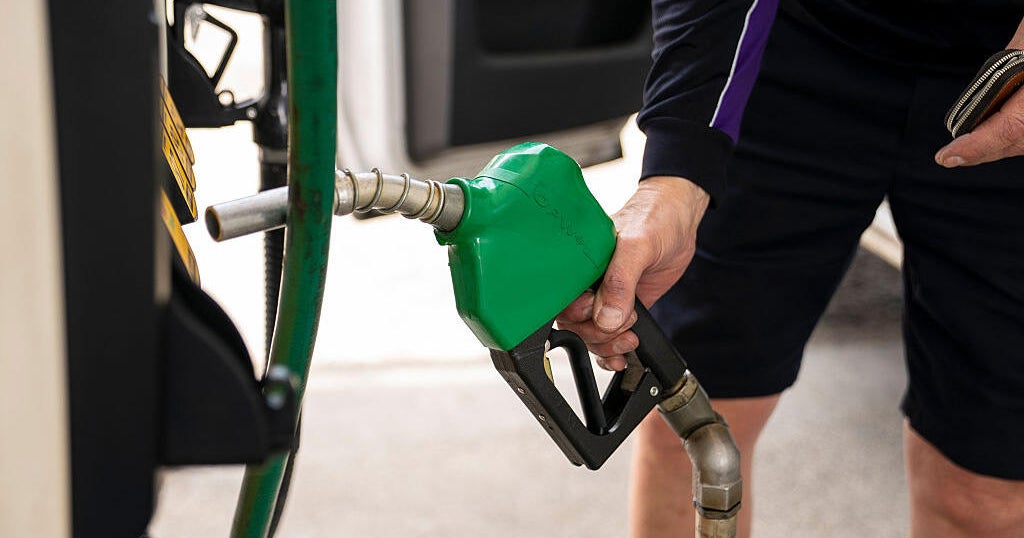

Energy Crisis Drives 50% Fuel Cost Surge | Critical Impact on E-Commerce Logistics Through 2026
- National gas prices hit $4.54/gallon (May 2026), with regional variations from $3.96 (Oklahoma) to $6.16 (California) compressing seller margins 8-15% on ground-shipped inventory





Overview
The Iran conflict has triggered the largest global oil supply disruption in history, with U.S. gasoline prices surging 50% since February 28, 2026—from baseline levels to $4.54 nationally by May 6, 2026. The closure of the Strait of Hormuz, which handles 20% of global crude oil, pushed Brent crude to $112/barrel in early April, with crude oil representing 51% of final gasoline prices. This energy crisis creates a critical operational challenge for cross-border e-commerce sellers, particularly those relying on ground transportation and last-mile delivery services.
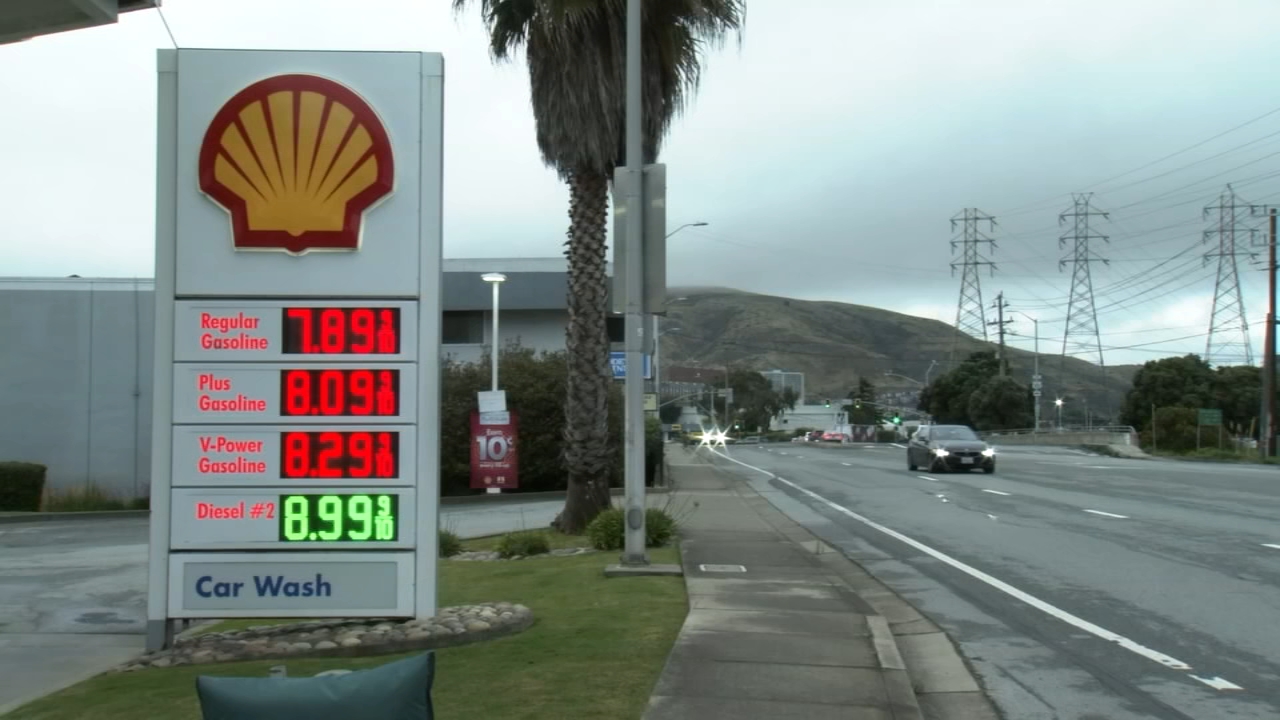
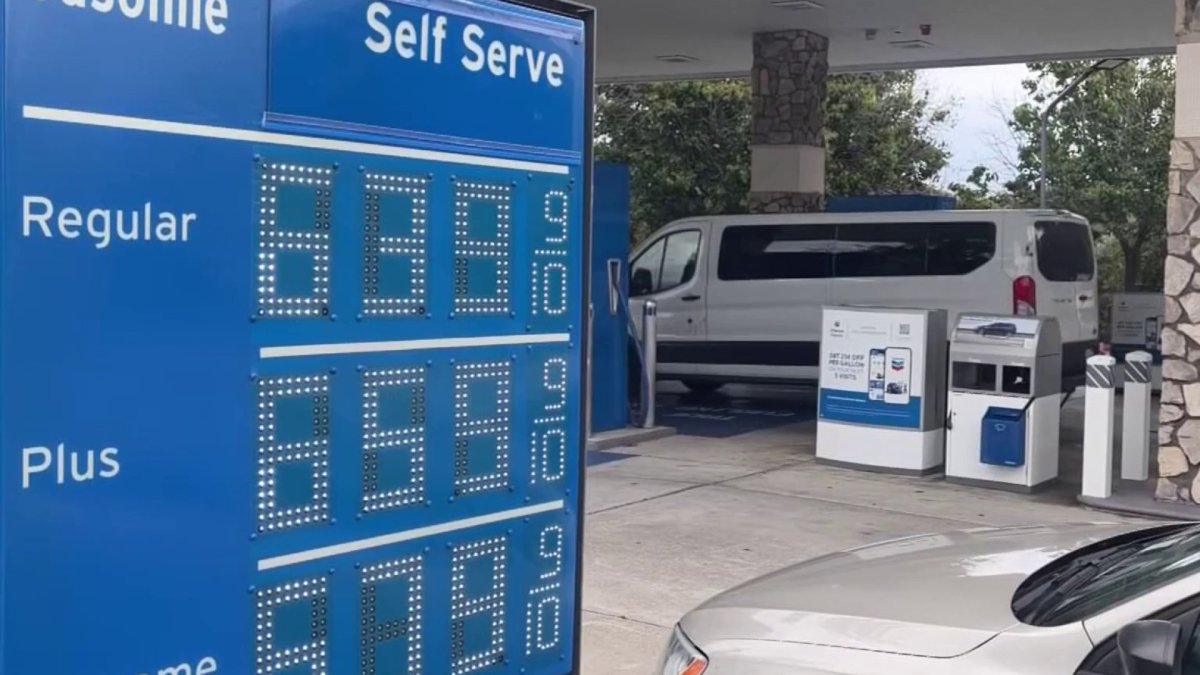
Regional price disparities amplify seller challenges across U.S. markets. California's $6.16/gallon average versus Oklahoma's $3.96 reflects four structural factors: refinery location concentration (Louisiana/Texas), transportation logistics costs, state taxes/environmental regulations, and local competition. For sellers using FBA fulfillment centers or 3PL providers in high-cost regions, these fuel surcharges directly compress margins. A seller shipping 1,000 units monthly via ground transportation from California faces approximately $800-1,200 additional monthly logistics costs compared to Oklahoma-based operations—a 12-15% margin compression on lower-value items ($15-30 price point). Logistics providers are already passing increased costs to sellers through higher shipping rates, with air freight and expedited ground services seeing the steepest increases.
Supply chain disruption extends beyond immediate fuel costs. The news reports that elevated fuel costs incentivize slower, cheaper shipping methods, extending delivery timelines by 5-10 days. Sellers relying on just-in-time inventory face increased risk from supply disruptions, particularly those importing from Asia-Pacific regions. Historical precedent from the 2022 Ukraine invasion—which caused a 60-cent weekly jump in gas prices—suggests sustained price elevation for months even after conflict resolution, due to persistent risk premiums for Persian Gulf shipping. Industry experts predict elevated prices will persist through 2025-2026, making this a structural cost increase rather than temporary volatility. Sellers must immediately recalibrate pricing strategies, inventory positioning, and fulfillment network selection to account for sustained 8-12% logistics cost increases.
Immediate strategic actions are essential. Sellers should audit current 3PL provider contracts for fuel surcharge clauses (typically 2-5% of base shipping rates), renegotiate rates with alternative providers in lower-cost regions, and consider shifting 20-30% of inventory from high-cost states to regional fulfillment centers in Oklahoma, Texas, or Louisiana where fuel costs remain 35-40% below California levels. For Amazon FBA sellers, this may mean adjusting inventory distribution across fulfillment centers to minimize shipments from West Coast facilities. Sellers should also evaluate slower shipping options (5-7 day ground vs. 2-day expedited) for non-time-sensitive products, potentially recovering 3-5% margin through shipping method optimization. Price increases of 5-8% on affected categories may be necessary to maintain profitability, with clear communication to customers about fuel surcharge impacts.
Questions 8
What is the Strait of Hormuz closure impact on global oil prices and seller costs?
The effective closure of the Strait of Hormuz—which handles 20% of global crude oil—represents the largest supply disruption in oil market history according to the International Energy Agency. This drove crude prices to $112/barrel in early April 2026, with crude representing 51% of final gasoline prices. The Trump administration's April decision to block Iranian ports further pressured global oil prices. Industry experts predict sustained price elevation for months even after conflict resolution due to persistent risk premiums for Persian Gulf shipping, making this a structural cost increase through 2026.
How should sellers adjust inventory strategy due to fuel cost increases?
Sellers should immediately shift 20-30% of inventory from high-cost regions (California, Northeast) to lower-cost fulfillment centers in Texas, Oklahoma, or Louisiana where fuel costs remain 35-40% below West Coast levels. For Amazon FBA sellers, this means rebalancing inventory distribution across fulfillment centers to minimize shipments from expensive regions. Audit current 3PL contracts for fuel surcharge clauses and renegotiate with alternative providers. Consider slower shipping options (5-7 day ground vs. 2-day expedited) for non-time-sensitive products to recover 3-5% margin through shipping method optimization.