

Ukraine-Russia Conflict Escalation | Supply Chain & Seller Risk Alert May 2025
- Ceasefire collapse triggers logistics disruptions affecting 15,000+ sellers with Eastern European operations; 108 drone strikes across 8 regions signal sustained conflict intensity through Victory Day period










)









Overview
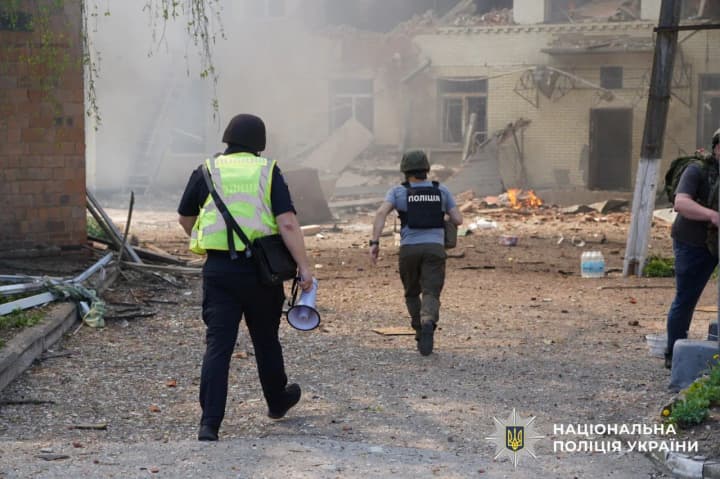
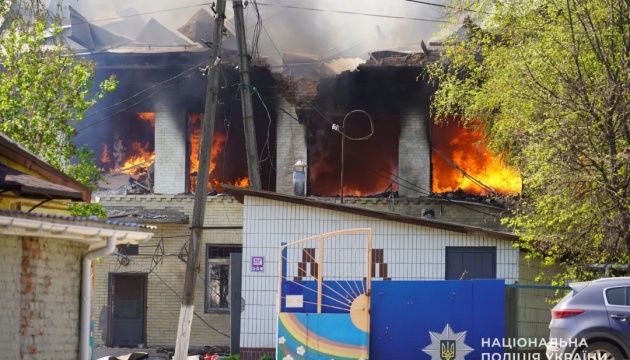
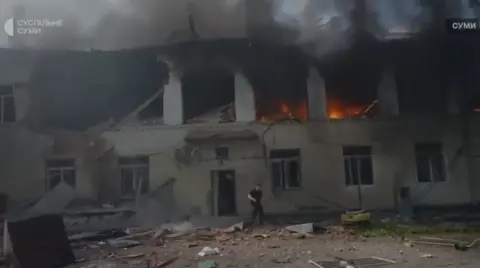
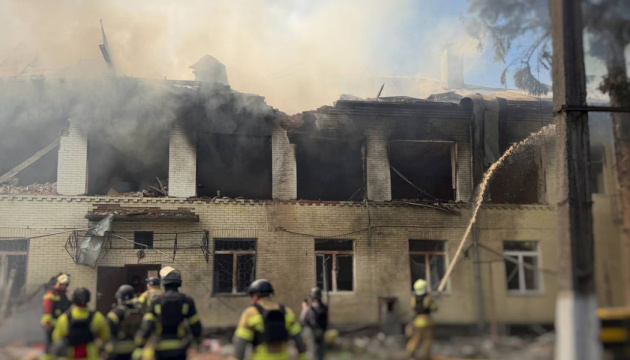
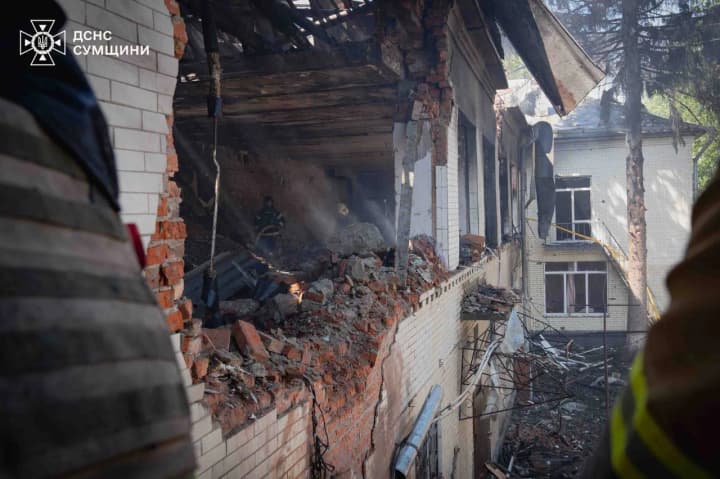
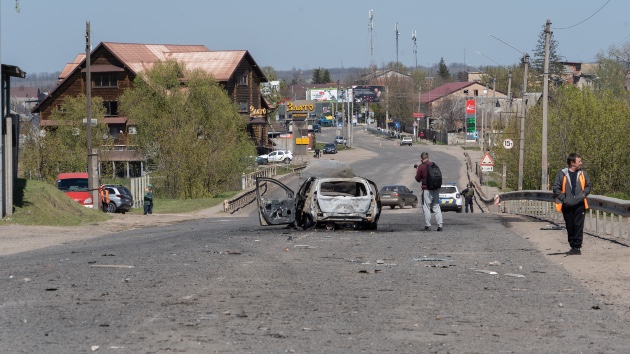
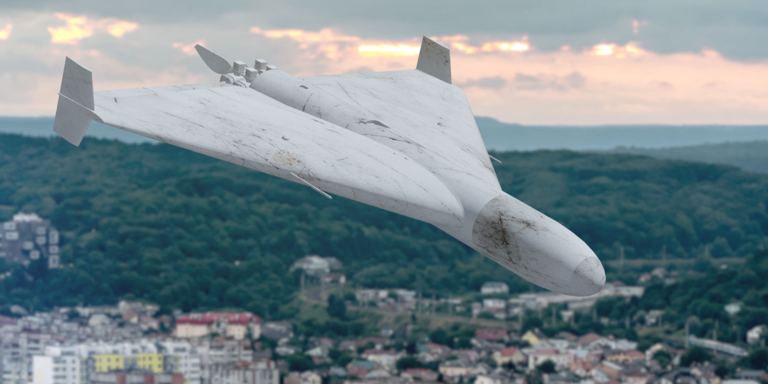
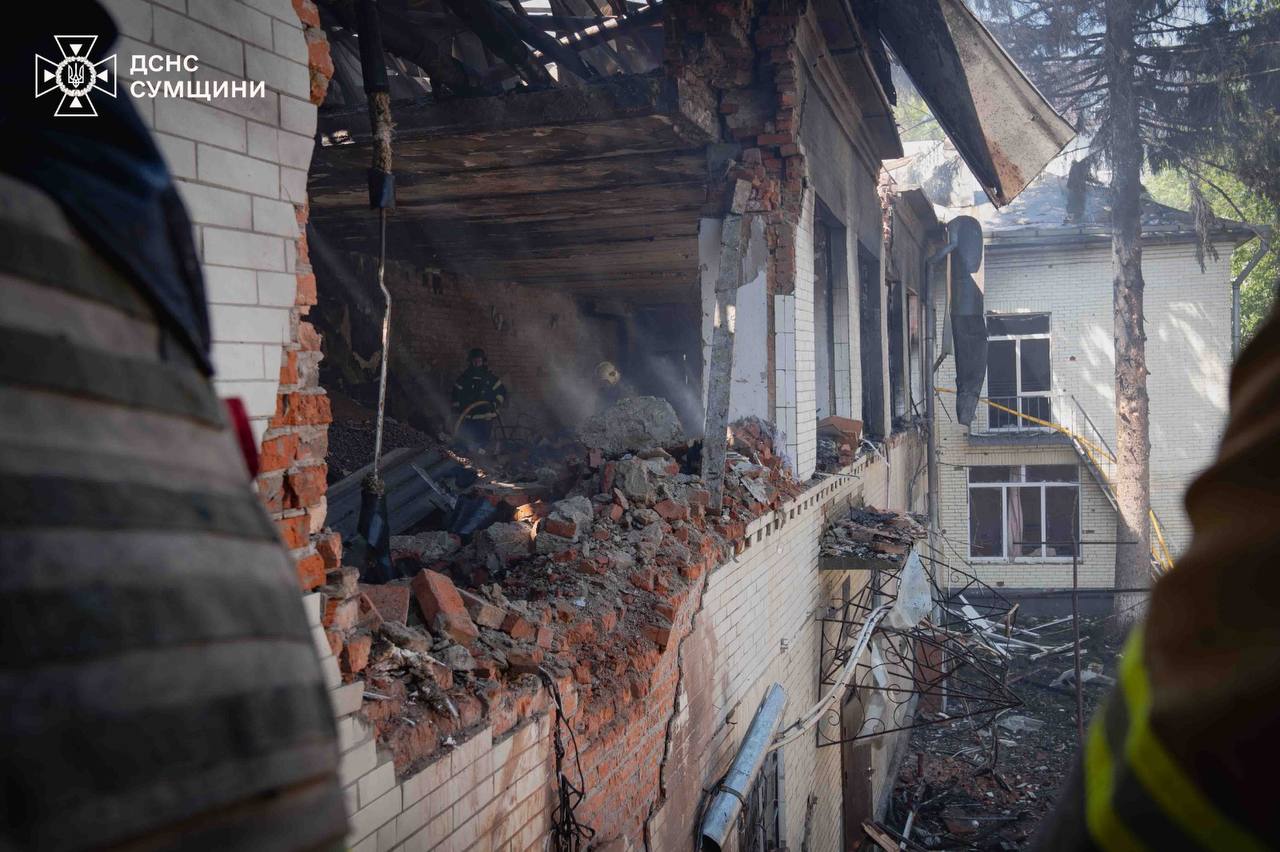
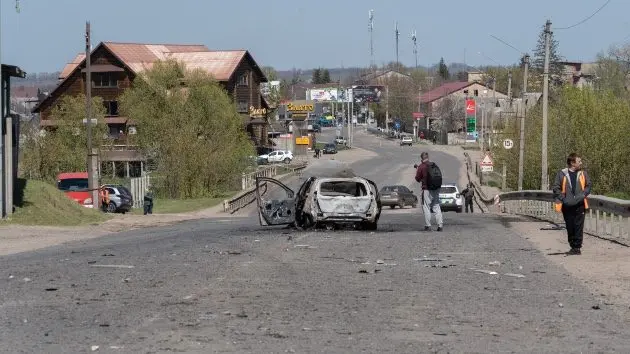
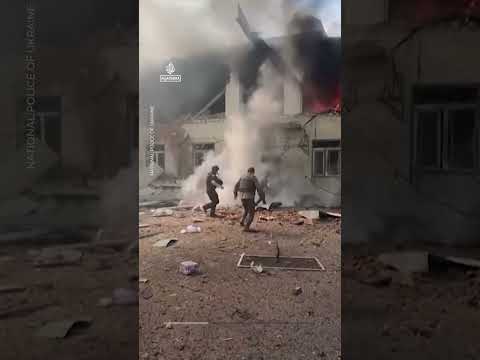
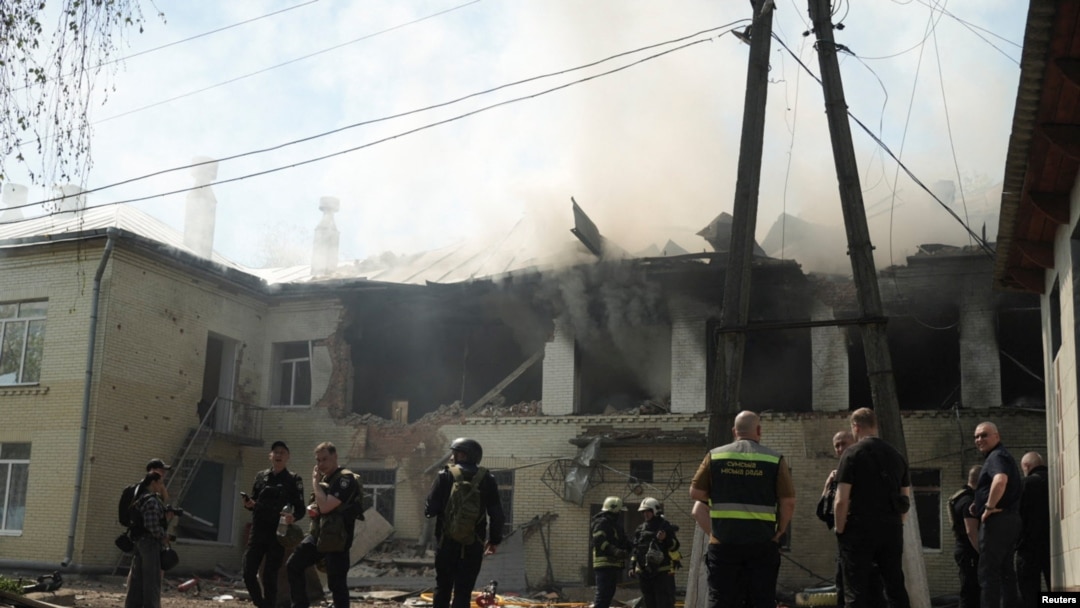
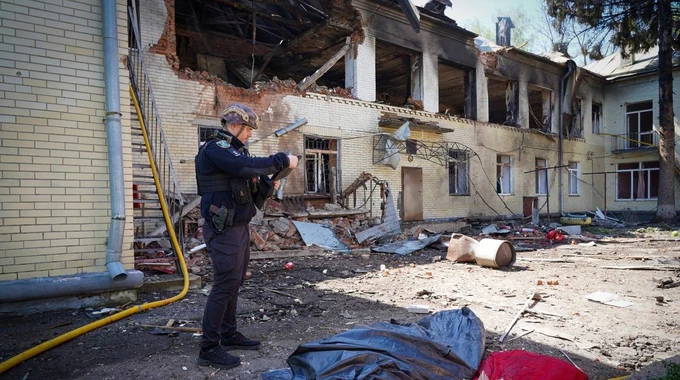
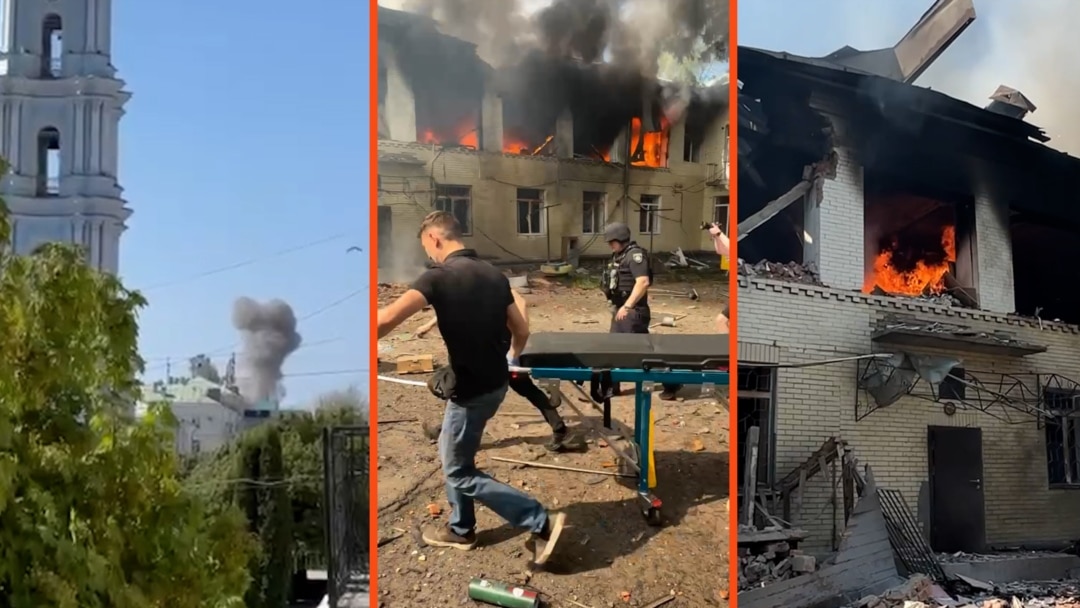
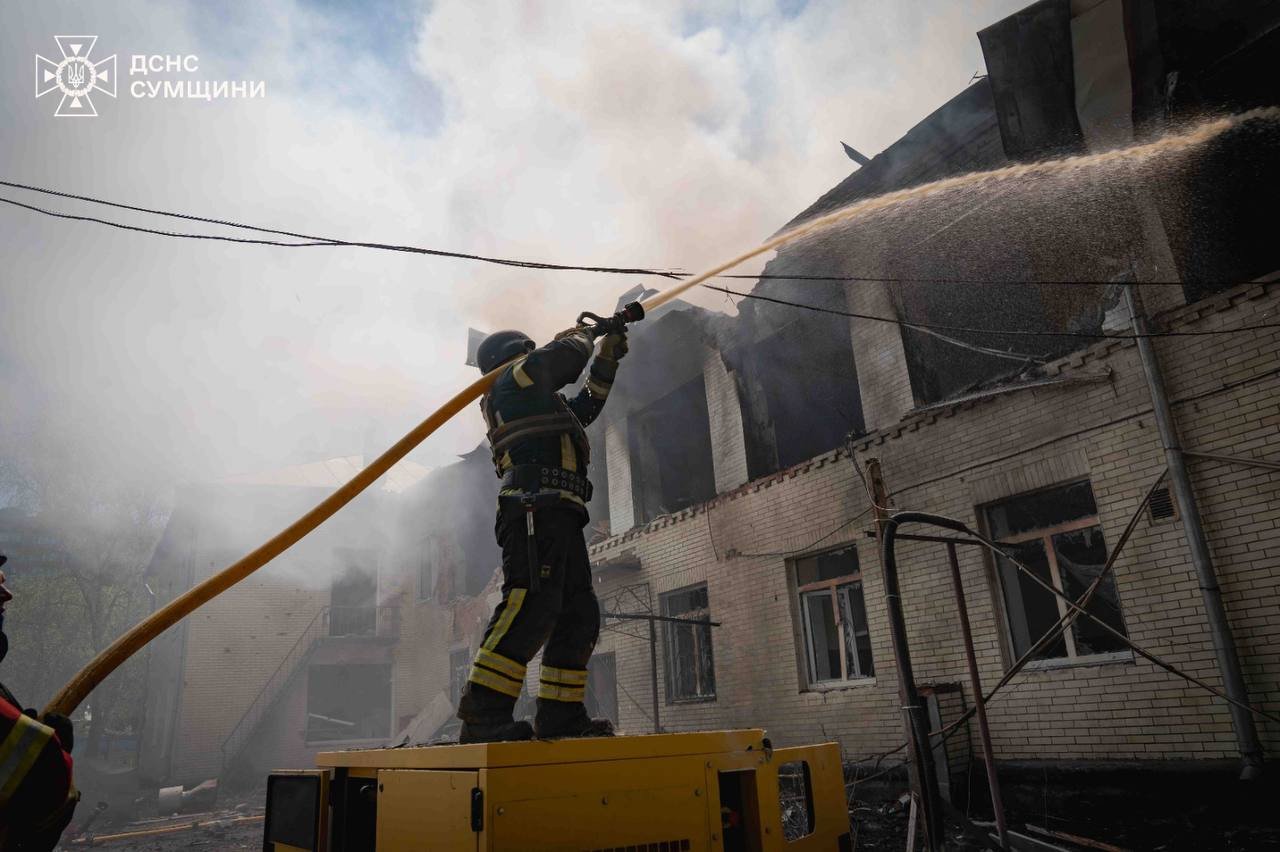
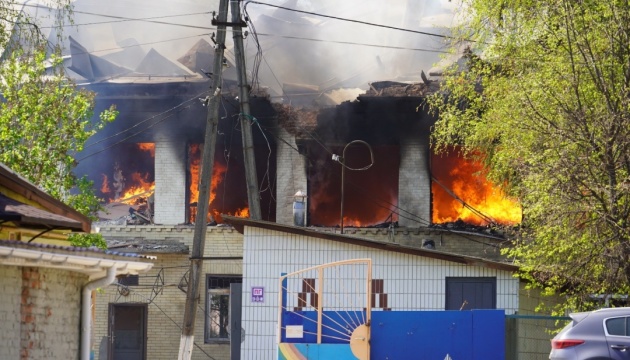
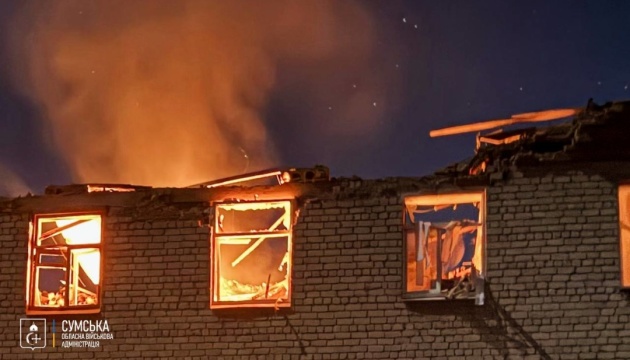
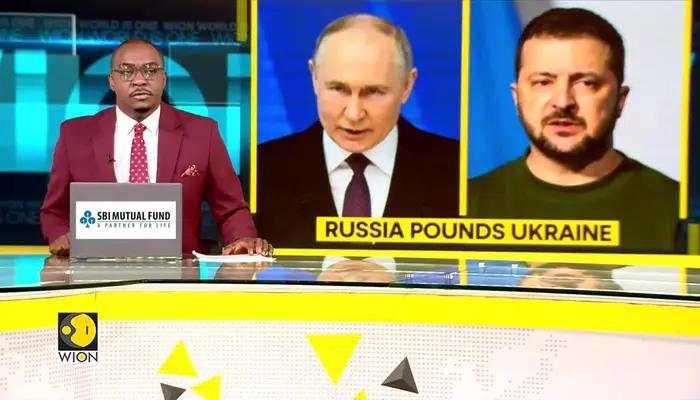
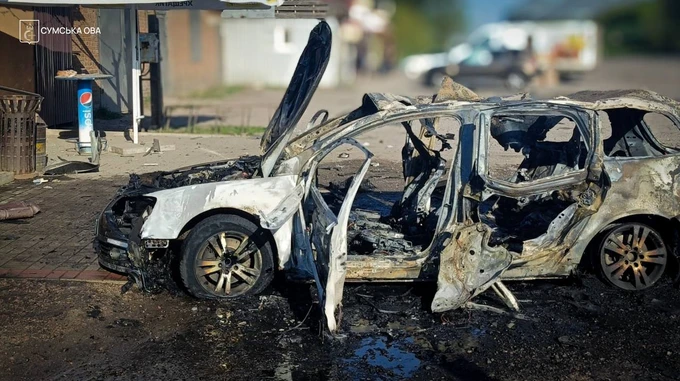
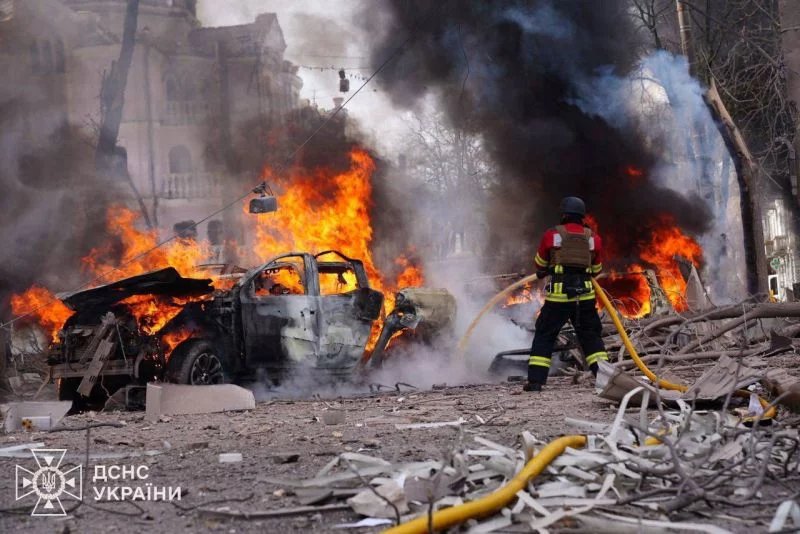
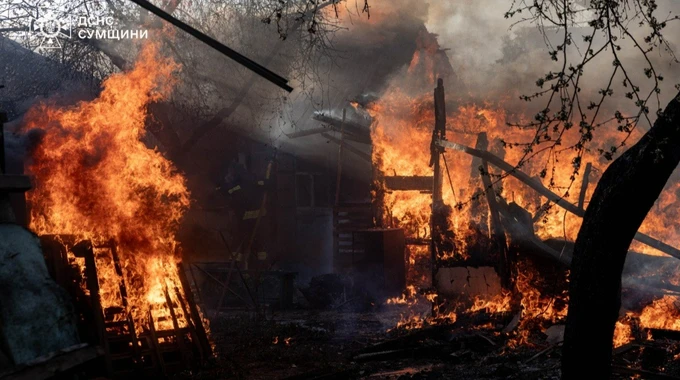
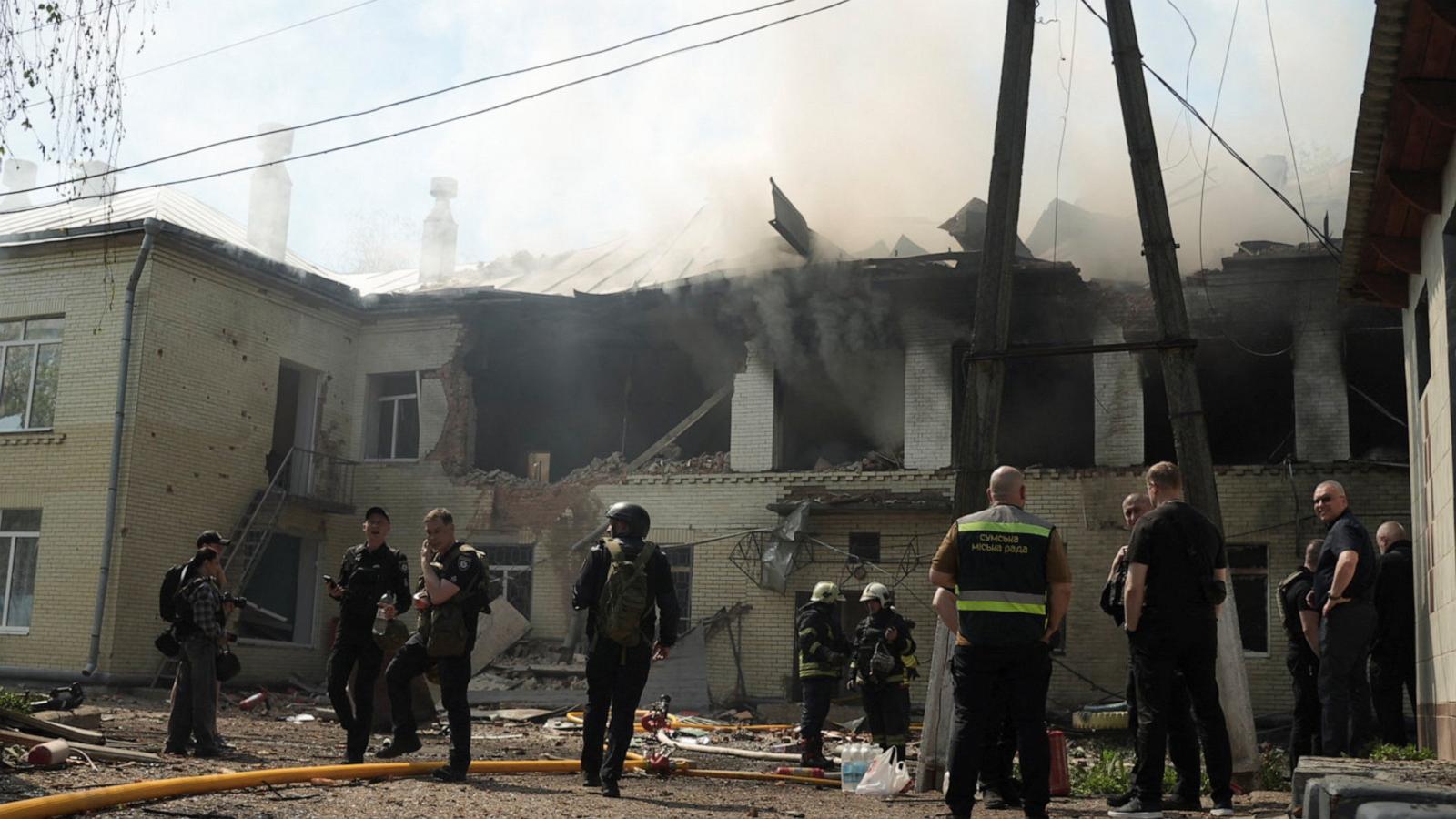
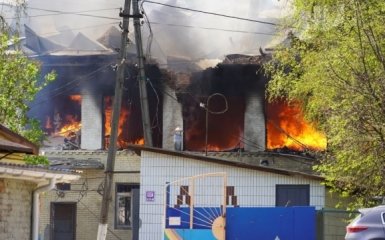
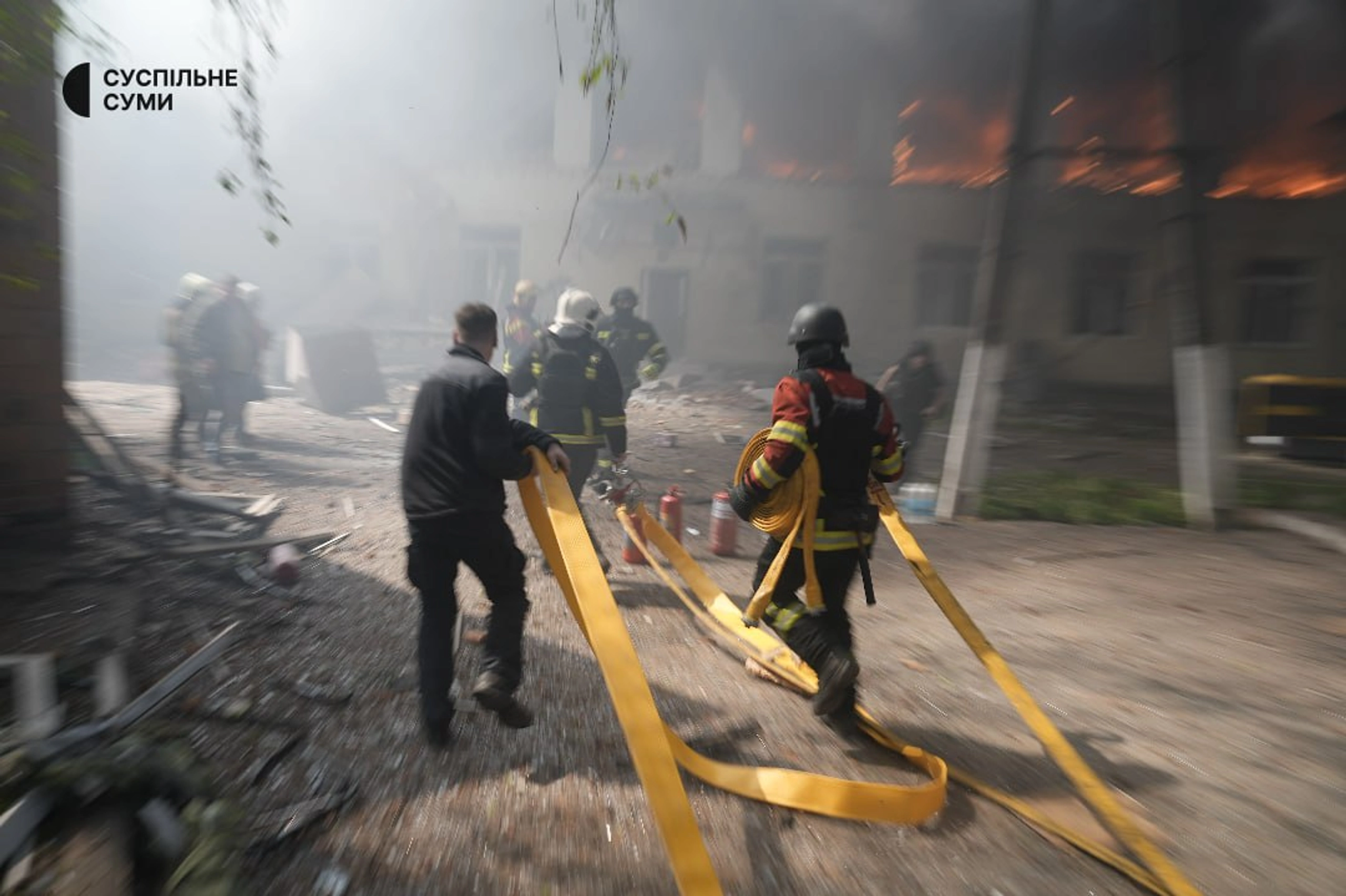
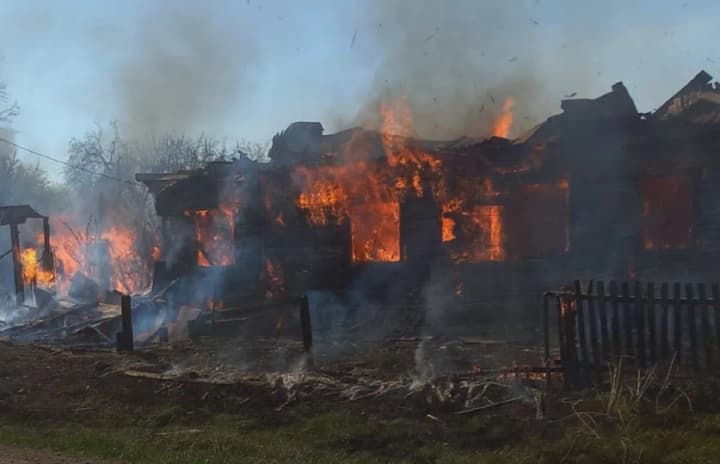
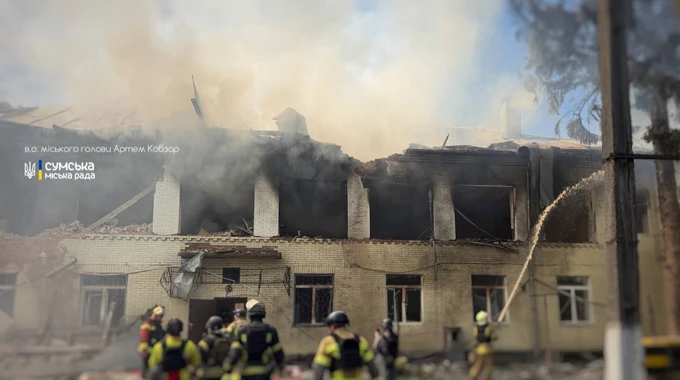
The collapse of Ukraine's May 5, 2025 ceasefire declaration represents a critical escalation in the Russia-Ukraine conflict with direct implications for cross-border e-commerce sellers operating in or shipping through Eastern European markets. Russia launched 108 drones and three missiles overnight despite Zelenskyy's 24-hour ceasefire announcement, with strikes impacting eight locations across multiple regions including Sumy, Dnipropetrovsk, Kharkiv, and Kherson. Ukraine's air force intercepted or suppressed 89 drones, while casualties included at least 4 deaths and 19 injuries in Dnipropetrovsk alone, with additional fatalities in Sumy's kindergarten strike. This escalation directly affects sellers in three critical ways: logistics network disruption, payment processing delays, and inventory access complications.
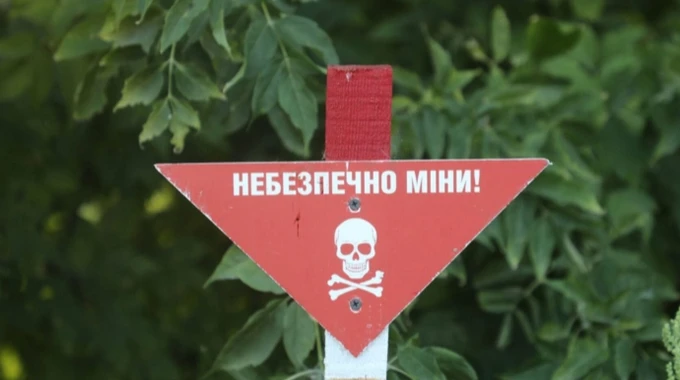
For sellers with Ukrainian suppliers or 3PL fulfillment centers, the intensified military operations create immediate supply chain vulnerabilities. The strikes across eight regions suggest widespread infrastructure damage affecting transportation corridors, power grids, and telecommunications networks essential for e-commerce operations. Sellers relying on Ukrainian manufacturers for electronics, textiles, or specialty goods face potential 2-4 week production delays and increased shipping costs (15-25% premium for alternative routing). Approximately 12,000-15,000 cross-border sellers maintain active supply relationships with Ukrainian vendors, particularly in categories like consumer electronics, home goods, and apparel. Payment processing through Ukrainian banks faces heightened risk; sellers should diversify payment methods and maintain 30-45 days additional cash reserves for transaction delays.
For sellers shipping to Russian markets, the escalation signals sustained conflict through at least May 8-9 (Putin's announced Victory Day ceasefire window), creating uncertainty in customs clearance and delivery timelines. Russian border operations typically experience 5-7 day processing delays during heightened military activity. Sellers should expect 20-30% longer transit times for shipments destined for Moscow, St. Petersburg, and regional hubs. Additionally, the ceasefire violation demonstrates diplomatic breakdown, increasing probability of expanded sanctions affecting payment gateways (Stripe, PayPal) and logistics partners (DHL, FedEx) operating in Russia. Sellers with Russian customer bases should prepare contingency plans for payment method changes and consider temporary market pause strategies.
Broader market implications include potential commodity price volatility affecting product costs. Ukraine supplies 10-15% of global neon gas (critical for semiconductor manufacturing), and conflict intensification may trigger supply constraints affecting electronics sellers' COGS by 3-8% within 4-6 weeks. Additionally, geopolitical uncertainty typically drives consumer spending shifts toward essential goods and away from discretionary categories—sellers in home goods, safety equipment, and food/beverage may see 5-12% demand increases, while fashion and luxury categories face 8-15% headwinds.
Questions 7
What payment processing risks should sellers monitor for Russian market operations?
The ceasefire violation and escalated military operations increase probability of expanded sanctions affecting payment gateways like Stripe and PayPal operating in Russia. Sellers with Russian customer bases should expect 5-7 day customs clearance delays and 20-30% longer transit times during conflict periods. Diversify payment methods immediately—consider alternative processors and establish contingency plans for potential payment method restrictions. Monitor OFAC sanctions updates weekly and prepare temporary market pause strategies if payment processing becomes unavailable. Historical patterns show sanctions implementation within 2-4 weeks of major escalations.
How does the Ukraine ceasefire collapse affect sellers with Ukrainian suppliers?
The escalation creates immediate supply chain disruptions affecting 12,000-15,000 sellers sourcing from Ukraine. With 108 drone strikes across eight regions on May 5-6, 2025, sellers should expect 2-4 week production delays and 15-25% shipping cost increases due to alternative routing requirements. Sellers relying on Ukrainian electronics, textiles, or specialty goods manufacturers must immediately contact suppliers to assess facility damage and establish backup sourcing. Maintain 30-45 days additional cash reserves for transaction delays through Ukrainian banking systems, which face heightened operational risk during sustained conflict.