





Gaza Humanitarian Crisis Escalates | Cross-Border Logistics & Geopolitical Risk Management for Sellers
- Mediterranean maritime tensions affect shipping routes, insurance costs, and seller operations in EU-Israel trade corridors; 180+ activists detained signals supply chain volatility in conflict zones




















Overview
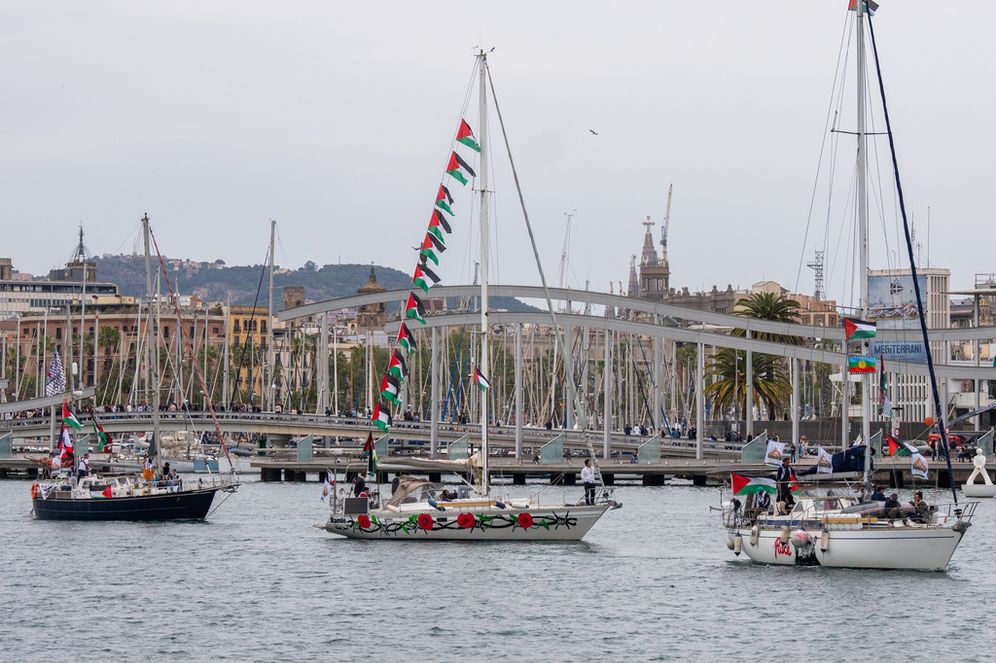
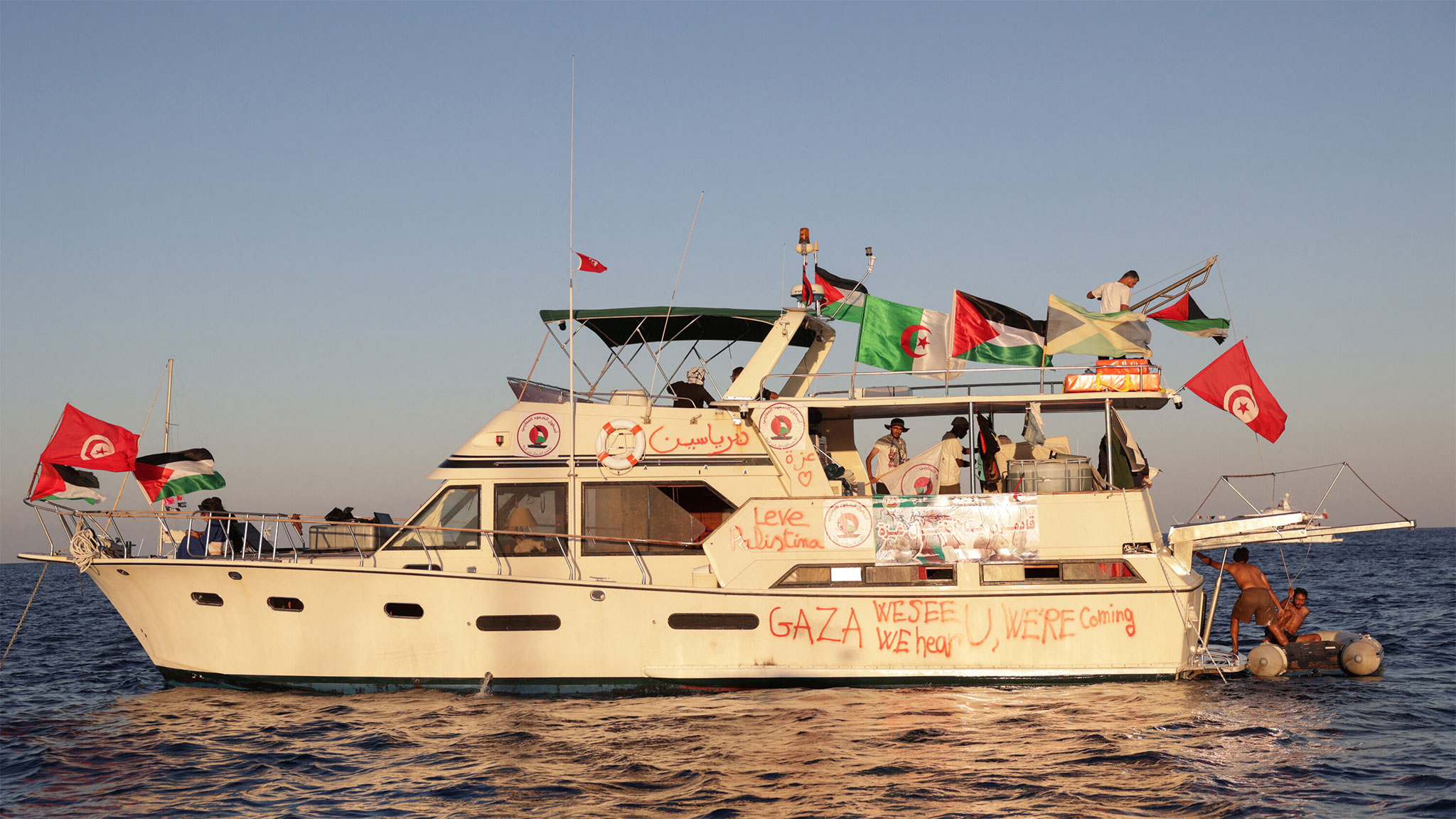
The Global Sumud Flotilla incident on April 30, 2026, represents a critical geopolitical flashpoint with direct implications for cross-border e-commerce sellers operating in Mediterranean shipping lanes and EU-Israel trade corridors. Israeli naval forces intercepted approximately 180 humanitarian activists in international waters off Greece, detaining two flotilla leaders—Spanish national Saif Abu Keshek and Brazilian national Thiago Avila—while seizing 22 boats. This escalation signals heightened maritime enforcement volatility that affects sellers in multiple ways: shipping route unpredictability, increased insurance premiums for Mediterranean-routed shipments, and potential customs delays at Israeli and EU ports.
Supply Chain Risk Implications: Sellers shipping goods through Mediterranean ports (particularly those routing to Israel, Egypt, or EU markets) face elevated operational costs. The incident demonstrates that international waters enforcement is increasingly contested, creating uncertainty for 3PL providers and freight forwarders. Humboldt County participants (Silas Beaver, Sacha Marini, Greg Terry) documented armed interception tactics, suggesting heightened security protocols that could delay cargo processing by 3-7 days. Insurance carriers are likely to reassess maritime risk premiums for this region, potentially increasing shipping costs 8-15% for sellers using Mediterranean routes.
Market Access Considerations: The blockade on Gaza (maintained since 2007) creates a zero-market opportunity for sellers targeting Palestinian consumers, but signals broader regional instability affecting neighboring markets. Sellers with inventory in Israel, Egypt, or Jordan should monitor port congestion risks. The UN's involvement and international pressure (Spain, Brazil calling for release) indicate this is not an isolated incident but part of ongoing humanitarian-security tensions. Sellers should diversify shipping routes away from direct Mediterranean passages and consider alternative logistics partners with experience in geopolitically sensitive regions.
Compliance and Reputational Risk: The detention of activists on "terrorist organization affiliation" charges (Popular Conference for Palestinians Abroad) highlights how geopolitical classifications affect business operations. Sellers must ensure their supply chains don't inadvertently involve sanctioned entities or organizations. The incident also demonstrates that humanitarian narratives (Greta Thunberg's 2024 participation) attract media attention, potentially affecting brand perception if sellers operate in conflict-adjacent markets. Companies should audit their logistics partners' compliance with international maritime law and sanctions frameworks.
Questions 7
How should sellers adjust inventory planning given the potential for maritime route disruptions?
Implement a 15-20% safety stock buffer for Israel-bound inventory and extend lead time forecasts by 7-10 days to account for potential port delays. Use demand forecasting tools to identify slow-moving SKUs that can absorb longer transit times, while prioritizing fast-moving items for air freight or alternative routes. Monitor port congestion reports weekly through Alphaliner or similar services. Consider split shipments (60% via primary route, 40% via backup route) for high-revenue items. Adjust reorder points upward by 10-15% and communicate extended lead times to customers transparently to manage expectations.
What documentation should sellers maintain to prove compliance with international maritime law and sanctions?
Maintain: (1) Bill of Lading with vessel flag nation and routing details; (2) OFAC screening certificates for all parties (shipper, consignee, freight forwarder); (3) Customs declarations with HS codes and country-of-origin certifications; (4) Insurance certificates showing coverage for geopolitical risks; (5) 3PL provider compliance certifications (ISO 28000 supply chain security); (6) Quarterly audit reports from compliance officers. Store documentation for 7 years minimum. In case of maritime incidents, this documentation protects sellers from liability claims and demonstrates good-faith compliance efforts to regulators and insurers.