
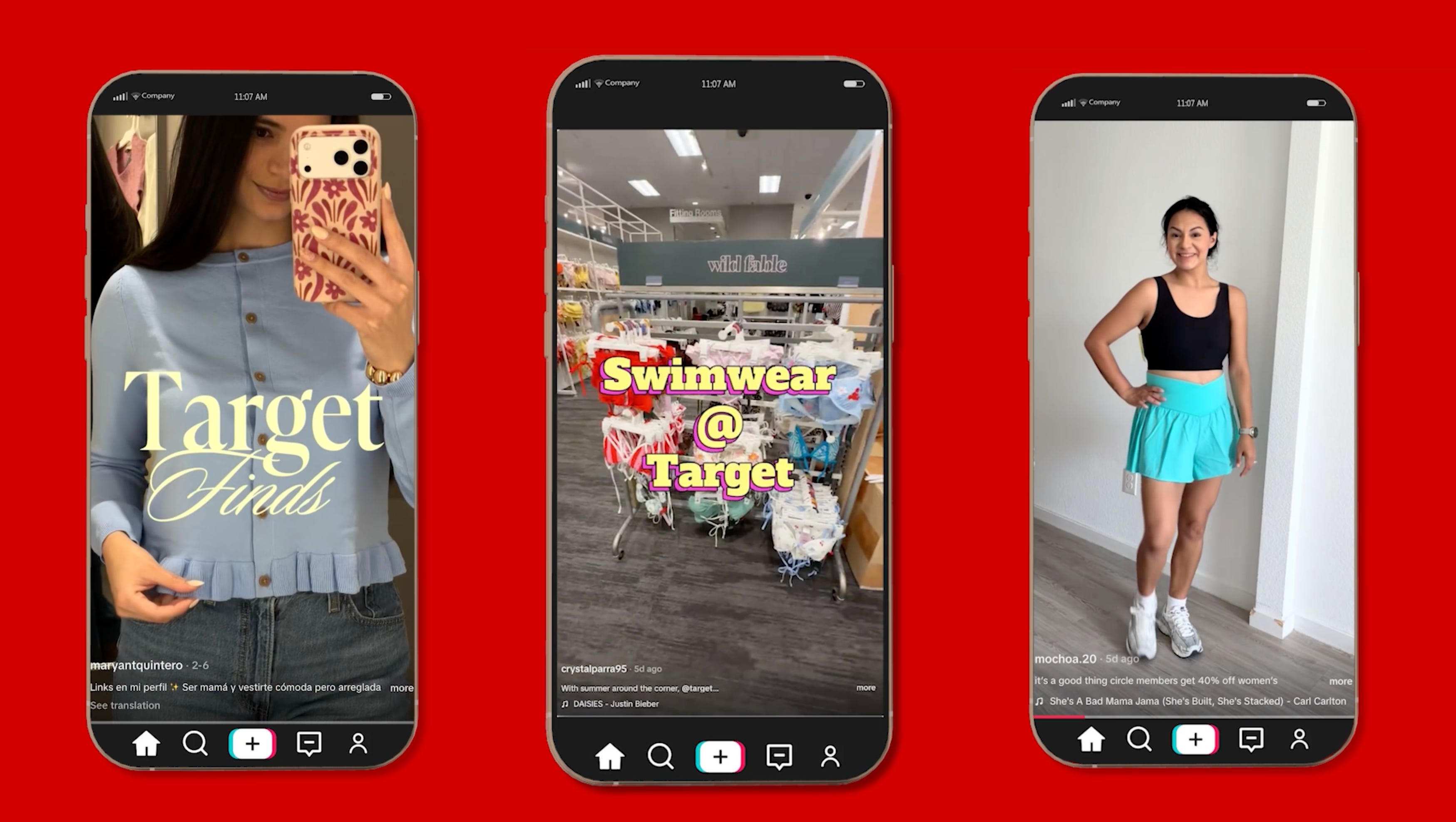
Creator Commerce Dominates 2026 | 75% U.S. Shoppers Buy Via Influencers - Sellers Must Act Now
- 96% of product discovery on TikTok/Instagram; $102.11T global social commerce market; CMOs increasing budgets 119% in 2026
Overview
Creator commerce has evolved from supplementary marketing tactic to essential retail infrastructure, fundamentally reshaping how U.S. consumers discover and purchase products. Target's launch of Club Target in partnership with LTK represents a watershed moment: the company now manages creator relationships through centralized infrastructure rather than ad-hoc influencer campaigns, signaling that major retailers view creator integration as core business architecture rather than optional marketing channel.
The data is unambiguous: 75% of U.S. consumers have already purchased products influenced by creator content, while 96% of product discovery now occurs on TikTok and Instagram. The global social commerce market reached $102.11 trillion in 2026, growing at 29.12% CAGR—a trajectory that dwarfs traditional e-commerce growth rates of 8-12%. Most critically, 119% of chief marketing officers plan to increase creator marketing budgets in 2026, indicating this isn't a temporary trend but a permanent reallocation of marketing spend away from traditional advertising channels.
For cross-border e-commerce sellers, this shift creates both existential risk and unprecedented opportunity. Sellers without creator commerce strategies face significant competitive disadvantages, particularly in reaching younger demographics (Gen Z and millennial consumers) who rely almost exclusively on social platforms for product discovery. Target's position as the most-followed major box retailer on TikTok demonstrates that brand scale alone no longer guarantees market access—systematic creator relationships do. Traditional product listings on Amazon, eBay, or Shopify are increasingly insufficient; integration with creator networks has become fundamental to competitive positioning.
The platform arbitrage opportunity is immediate and quantifiable. TikTok and Instagram currently offer lower CPM costs ($2-6 per thousand impressions) compared to traditional Google Shopping ads ($8-15 CPM), while conversion rates from creator-driven traffic average 3-8% versus 1-2% from standard PPC. Sellers in fashion, beauty, home goods, and lifestyle categories see the highest ROI from creator partnerships, with customer acquisition costs 30-40% lower than traditional paid advertising. The infrastructure investment required—building creator databases, managing gifting campaigns, tracking performance metrics—is now table stakes for sellers competing in the U.S. market, not optional optimization.
Immediate seller actions: Identify 10-20 micro-influencers (10K-100K followers) in your product category with engagement rates above 3%; allocate 15-25% of marketing budget to creator partnerships; build product gifting programs with performance tracking; establish TikTok Shop and Instagram Shopping integration; monitor competitor creator strategies weekly. The window for early adoption advantage is closing rapidly as CMOs accelerate budget reallocation toward creator channels.
Questions 8
What percentage of U.S. shoppers now buy products influenced by creator content?
According to Target's official data, 75% of U.S. consumers have already purchased products influenced by creator content, with 96% of product discovery occurring on TikTok and Instagram. This represents a fundamental shift in consumer purchasing behavior away from traditional search and toward social discovery. For sellers, this means that visibility on creator platforms is now as critical as Amazon search ranking or Google Shopping placement. The data indicates that sellers without creator partnerships are effectively invisible to three-quarters of the U.S. consumer market.
How much are CMOs increasing creator marketing budgets in 2026?
Chief marketing officers plan to increase creator marketing budgets by 119% in 2026, representing a massive reallocation of marketing spend away from traditional advertising channels. This budget shift reflects the proven ROI of creator commerce: conversion rates from creator-driven traffic average 3-8% compared to 1-2% from standard PPC campaigns. For sellers, this trend means competition for creator partnerships will intensify significantly, making early adoption of creator commerce strategies essential. Sellers who delay building creator relationships will face higher acquisition costs as CMO budgets continue flowing toward proven creator channels.