
Diesel Surge Drives 65% Cost Increase | Seller Logistics Impact 2025
- Trucking fuel costs spike to $5.67/gallon nationally; sellers face 8-15% landed cost increases on domestic shipments through 2025
Overview
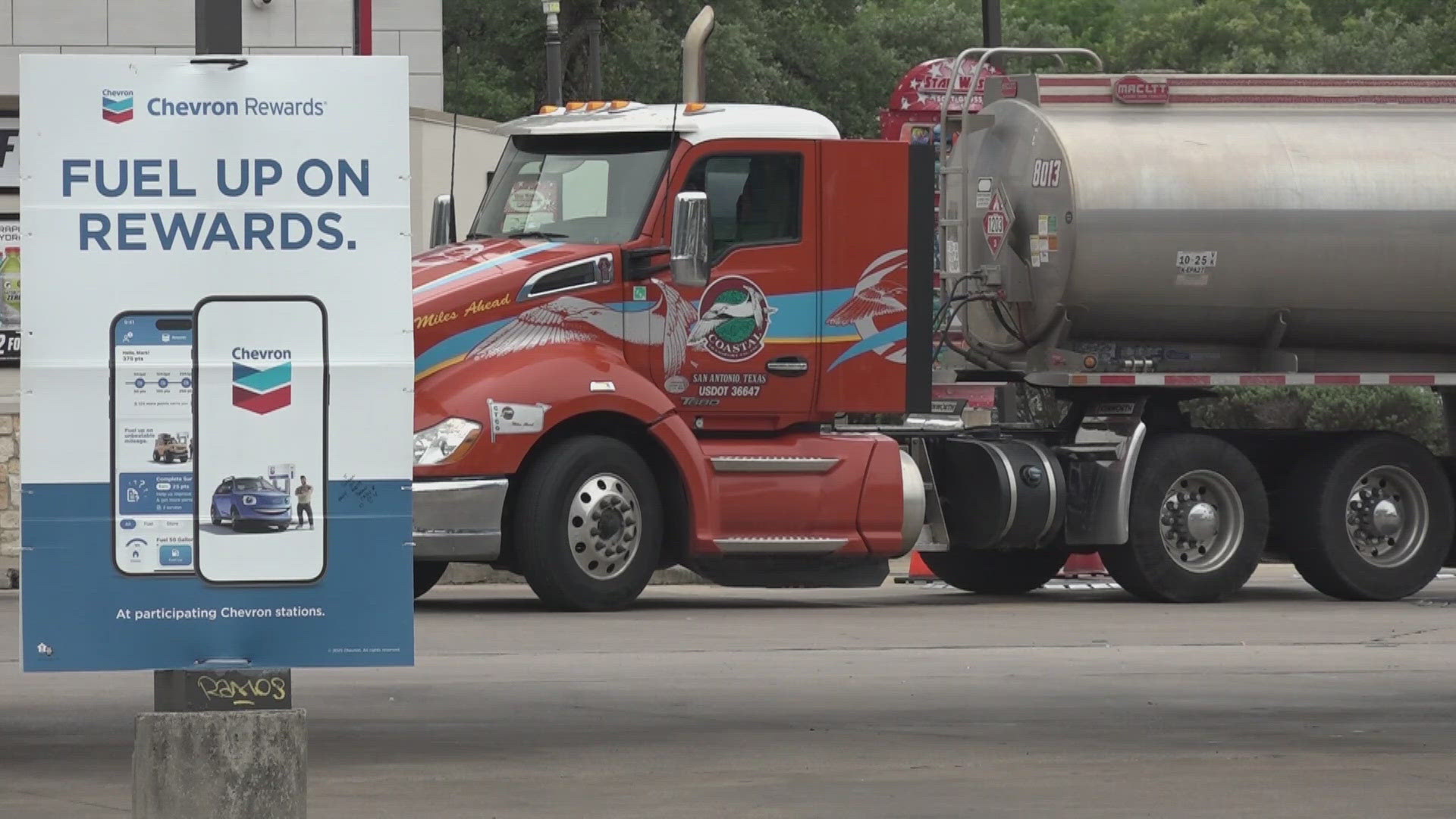
Diesel fuel prices have surged 65% year-over-year in key US logistics hubs, creating immediate cost pressures for e-commerce sellers relying on domestic trucking networks. According to AAA data, diesel reached $5.67 nationally and $5.22 in the Austin-San Marcos region (up from $3.15 in May 2025), with the Strait of Hormuz closure amplifying global fuel markets. Trucking companies now adjust fuel surcharges weekly, directly impacting last-mile delivery costs for Amazon FBA sellers, Shopify merchants, and eBay vendors shipping domestically.
For Amazon FBA sellers, this translates to 8-15% increases in inbound freight costs to fulfillment centers. A typical FBA shipment of 1,000 units (50 lbs/unit) from Asia to US ports costs $800-1,200 in ocean freight, but domestic trucking from ports to regional FBA centers now adds $400-600 (up from $300-400 previously). Smaller sellers using 3PL providers face steeper impacts: regional 3PL networks report fuel surcharges increasing from 2-3% to 5-7% of base shipping rates. Performance Food Group and Cisco invoices cited in the news show real-world distributor cost increases trickling to B2B and retail operations, signaling broader supply chain compression.
The competitive advantage now favors larger carriers and sellers with advance fuel-locking strategies. John Esparza (Texas Trucking Association) notes that companies purchasing diesel at discounted rates in advance can undercut competitors on regional deliveries by 10-20%. This creates a two-tier logistics market: large sellers (Amazon, Walmart) with bulk purchasing power maintain margins, while mid-market sellers (10,000-100,000 monthly units) absorb cost increases or reduce margins. Sellers in perishable categories (food, beverages, pharmaceuticals) face compounded pressure since road conditions affect fuel consumption rates—longer routes or congested corridors increase per-unit trucking costs by 5-10%.
Strategic inventory repositioning is critical NOW. Sellers should: (1) Stock 60-90 days of fast-moving inventory in regional FBA centers before Q2 2025 to lock in current freight rates; (2) Shift sourcing from distant suppliers to regional manufacturers where trucking distances are shorter (e.g., Mexico for US sellers reduces domestic trucking by 40-50%); (3) Evaluate 3PL providers offering fuel-hedging contracts that cap surcharges through Q4 2025. Holiday season logistics (mentioned as critical in the news) will see peak trucking demand, pushing fuel surcharges even higher—sellers must pre-position inventory by August 2025 to avoid September-October rate spikes.
Questions 8
Will consumer prices increase due to diesel fuel surcharges, and how should I price my products?
Yes, the news explicitly states that if current trends persist, consumers can expect broader price increases across retail goods and services throughout 2025. Nathan Perkins (Zen Japanese Food Fast) strategically raised menu prices modestly to absorb costs without alarming customers—this is the seller playbook. Implement 2-3% price increases on high-volume categories where demand is inelastic (essentials, consumables). For discretionary categories (apparel, home decor), test 1-2% increases and monitor conversion rates. Use dynamic pricing tools to adjust prices based on real-time freight costs. Monitor competitor pricing: if larger sellers (Amazon, Walmart) raise prices 3-5%, you have room to match. The key is gradual increases rather than sudden jumps—spread price increases across 4-6 weeks to avoid customer backlash and Buy Box loss.
Which warehouse locations offer the best cost advantage given current fuel prices?
Regional FBA centers near major trucking hubs (Dallas, Atlanta, Los Angeles) now offer 5-10% cost advantages over remote fulfillment centers due to shorter trucking distances and higher carrier competition. The news specifically mentions Texas and Austin-San Marcos region impacts, indicating Texas FBA centers face lower relative cost increases than distant regions. For 3PL users, prioritize warehouses within 500 miles of your primary customer base to minimize trucking distance. Evaluate FBA vs 3PL: FBA storage fees ($0.87-$2.30/unit monthly) may now be more cost-effective than 3PL when factoring in fuel surcharges on outbound shipments. Calculate your breakeven: if 3PL outbound shipping costs exceed FBA storage by >20%, shift to FBA.