


OpenAI Governance Crisis Signals AI Market Consolidation | Seller Implications for Tech Product Categories
- $134B lawsuit reveals corporate structure risks affecting AI tool adoption; sellers in tech accessories, software bundles, and AI-enabled products face shifting market dynamics as OpenAI's for-profit transition reshapes competitive landscape


)












)



)







)


Overview
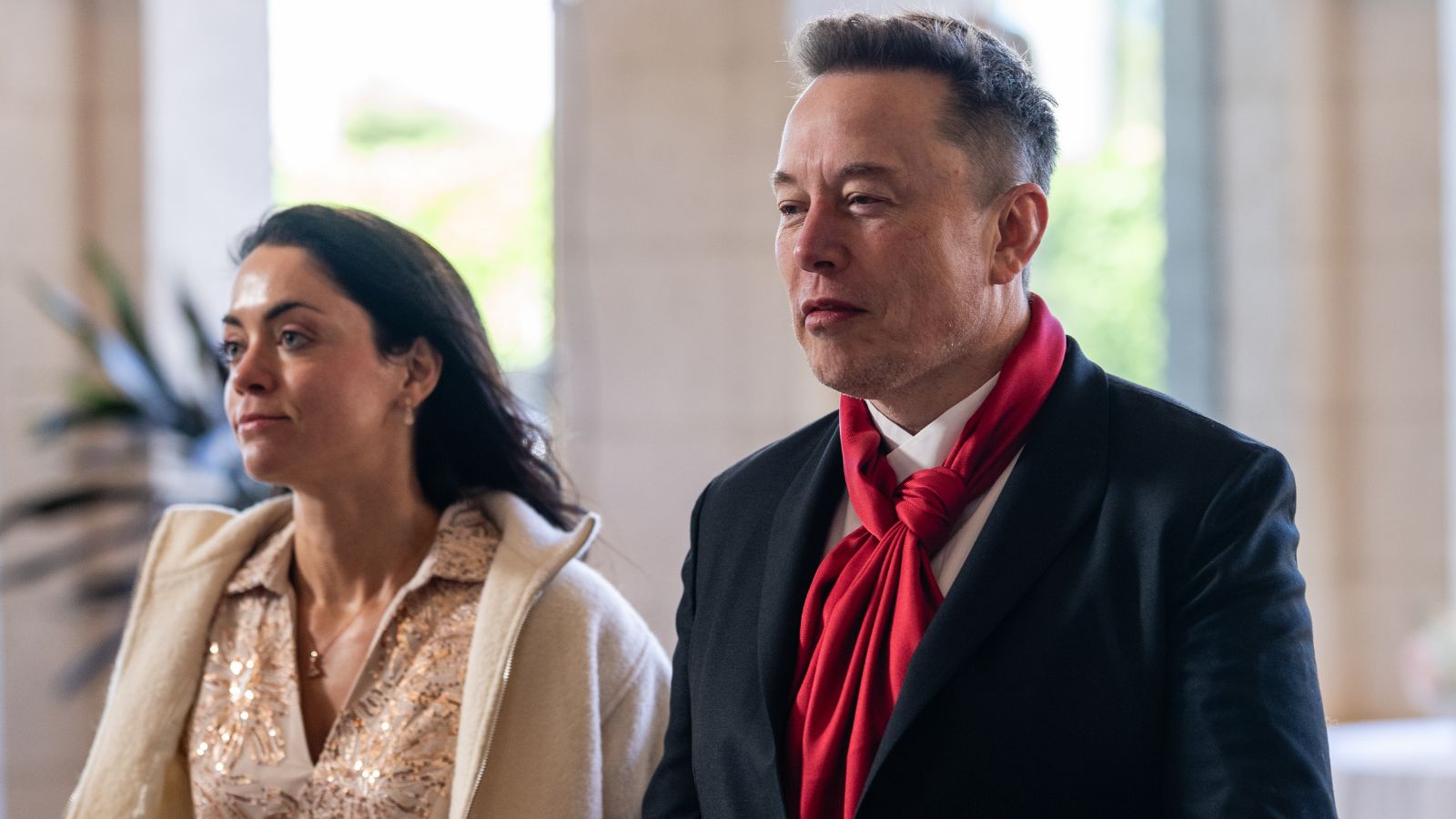
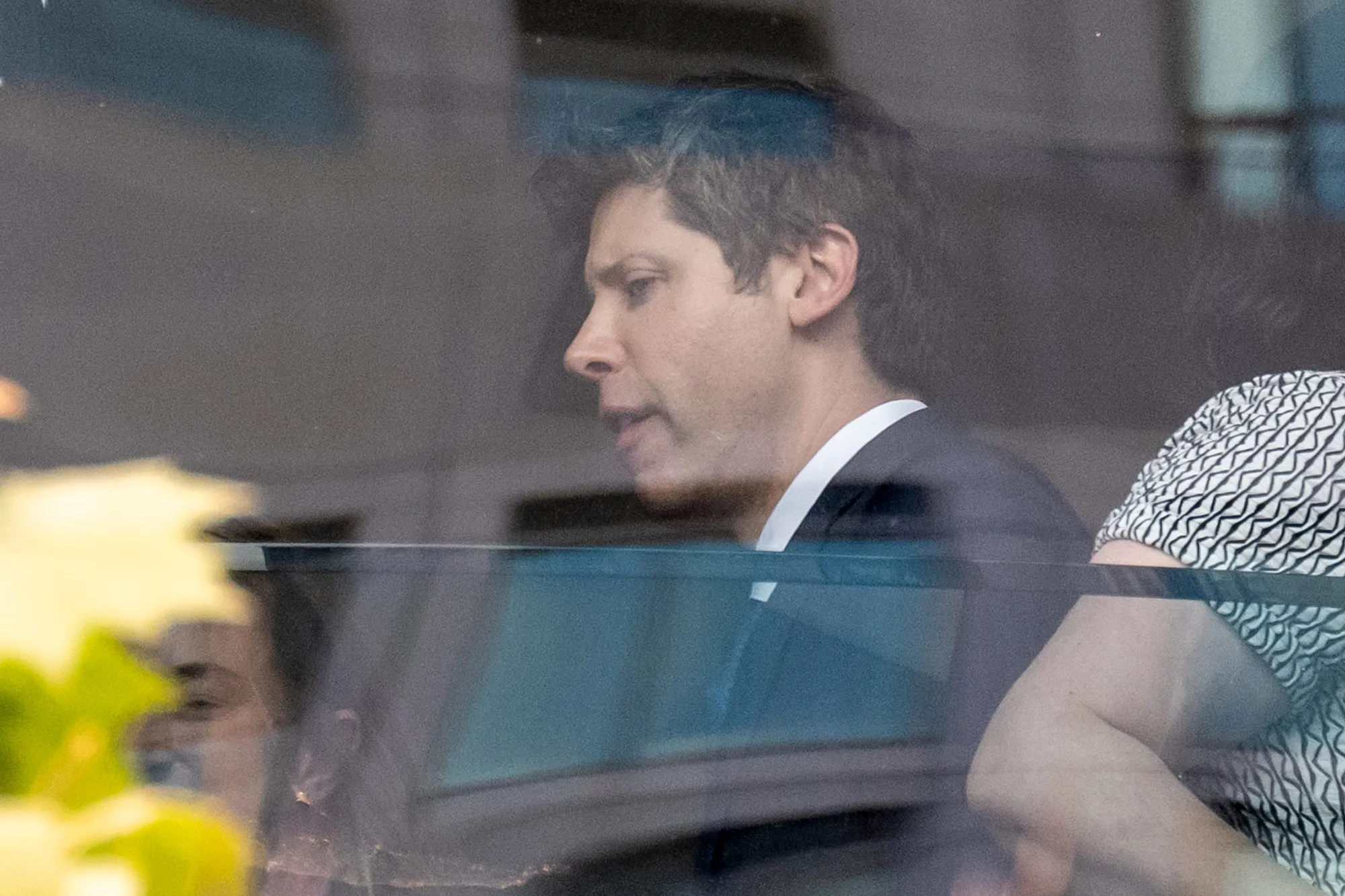
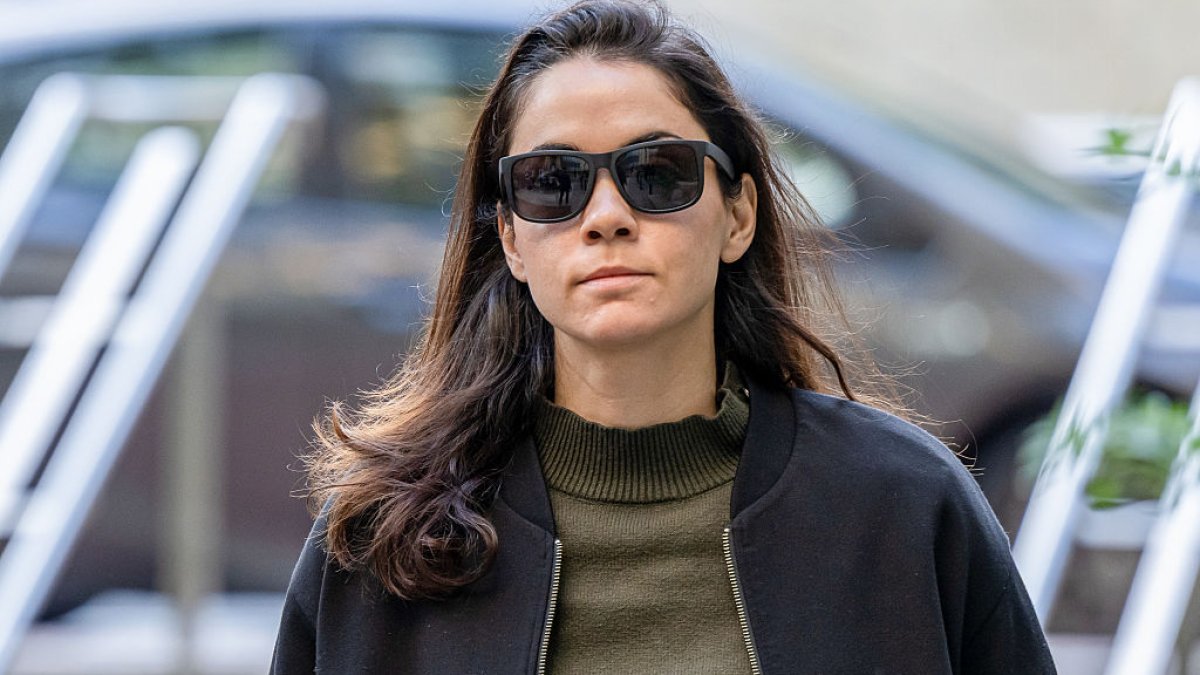
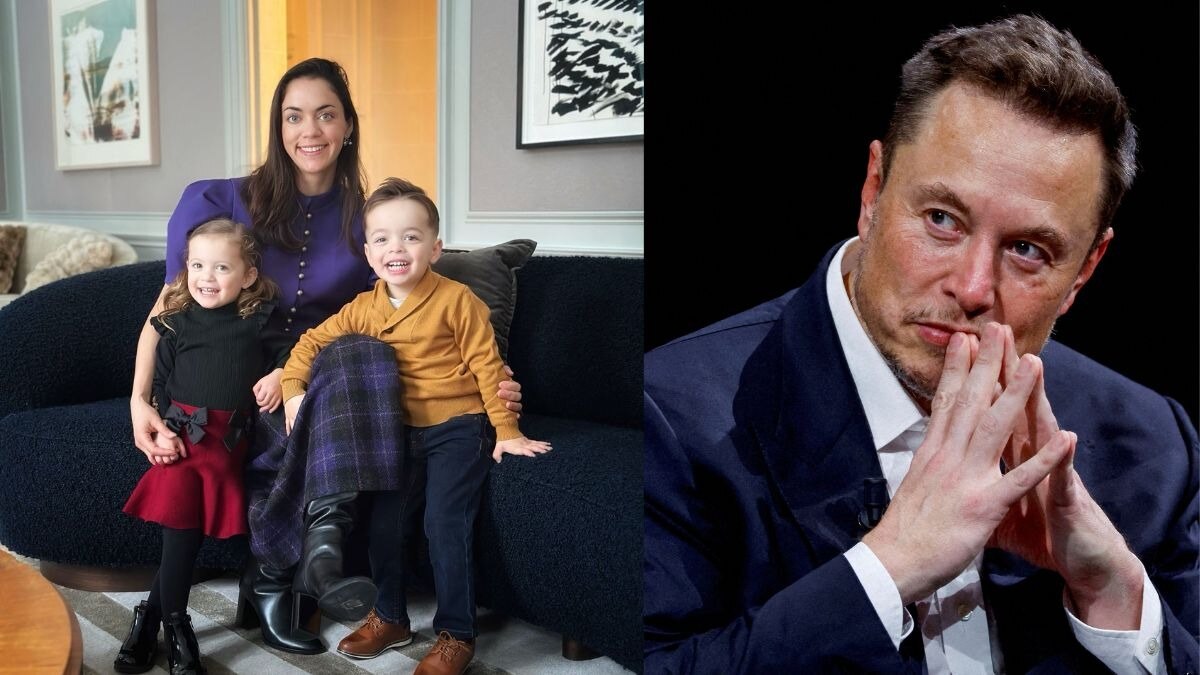
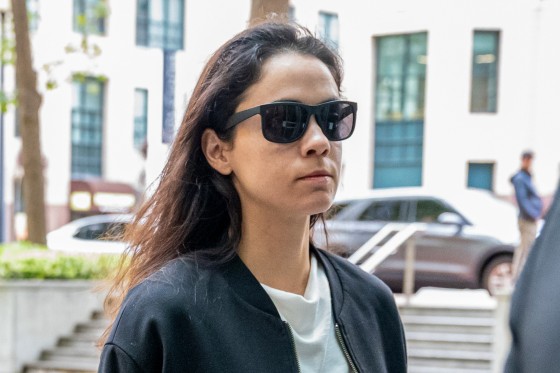
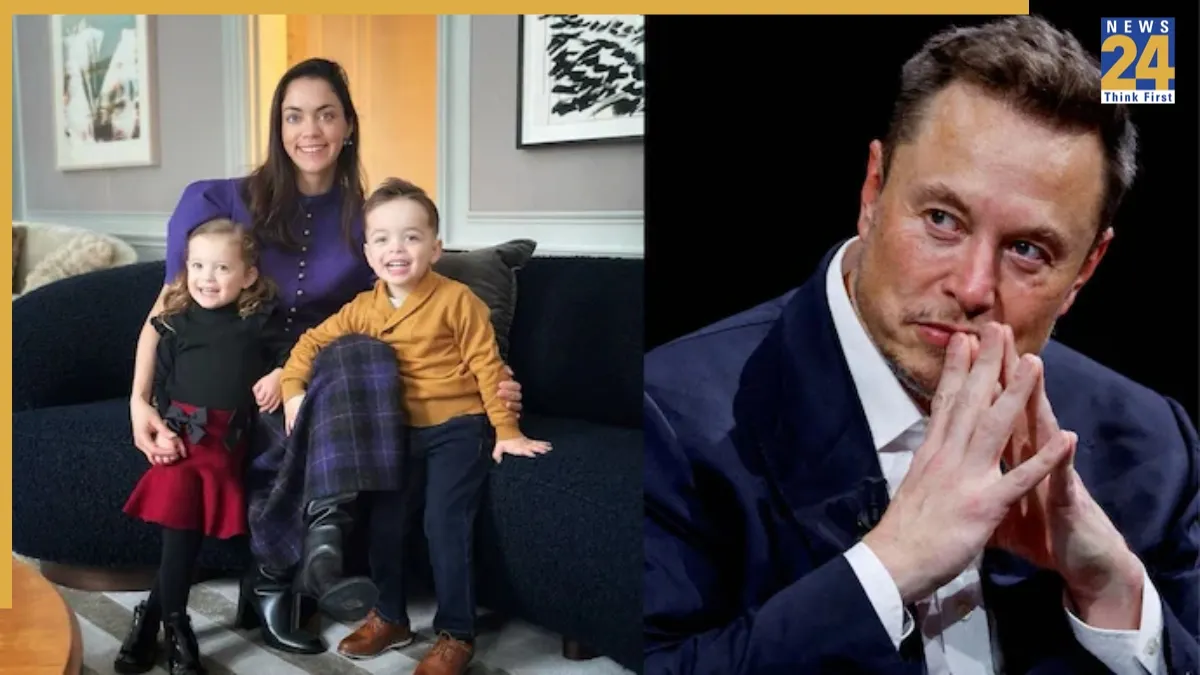
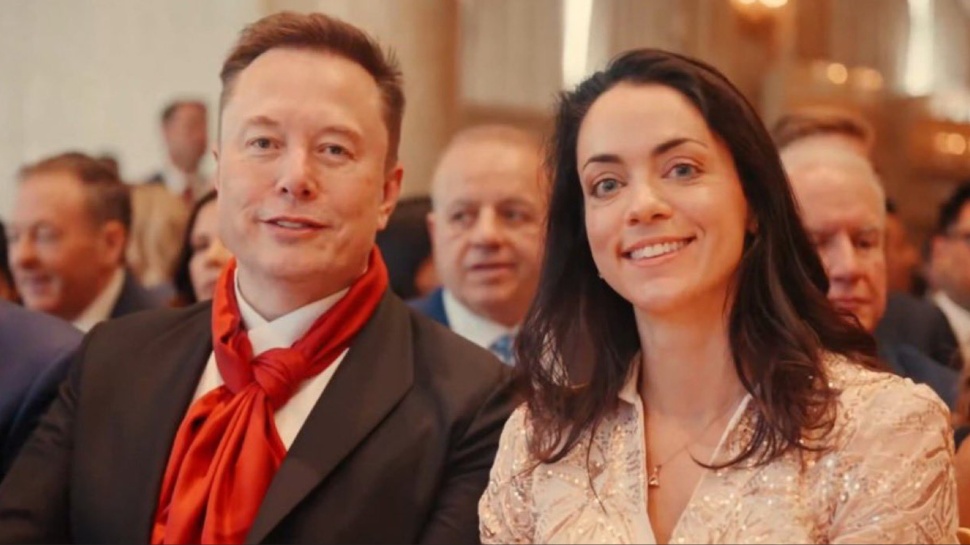
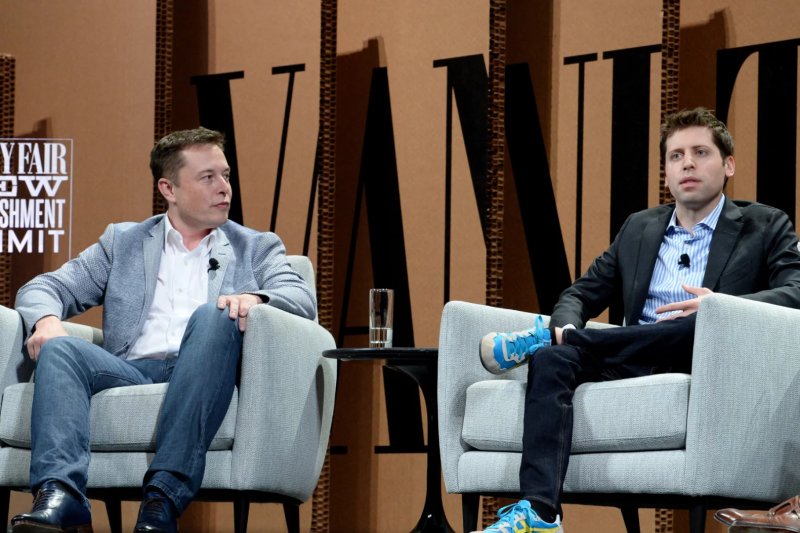
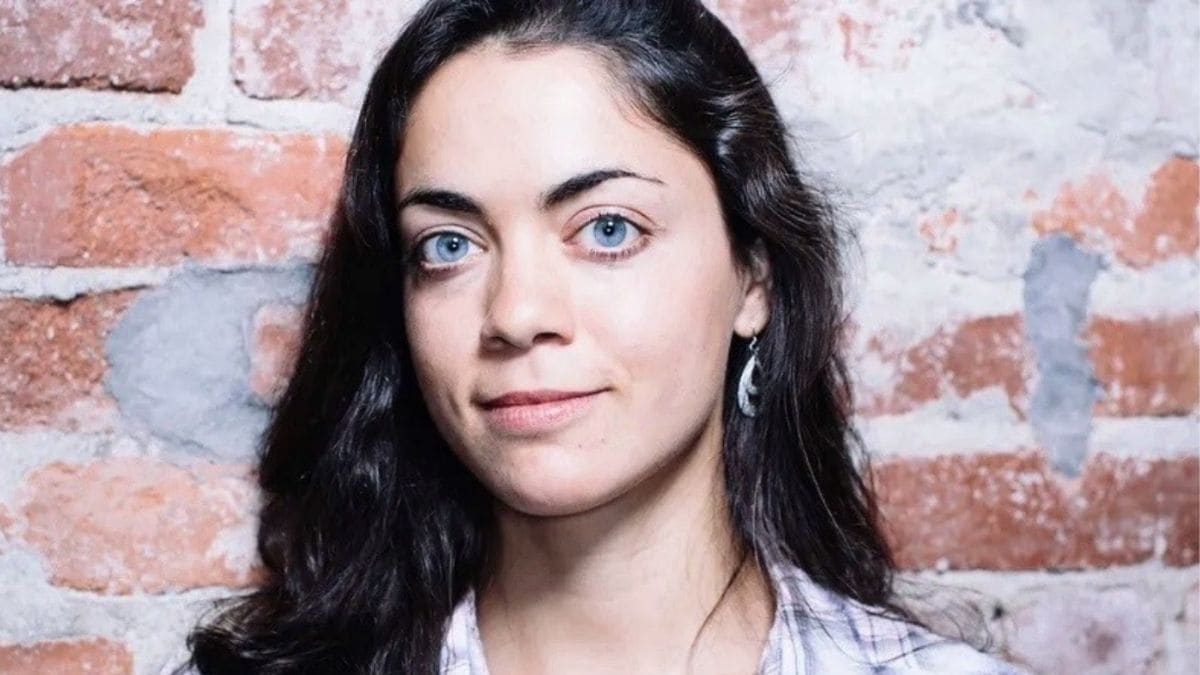
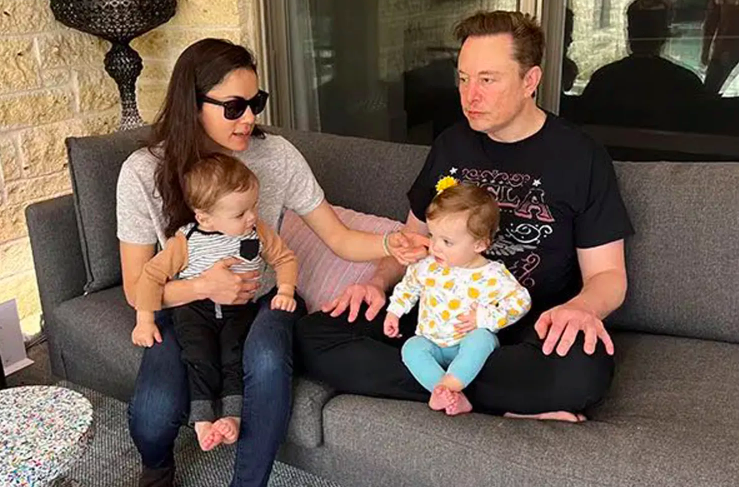
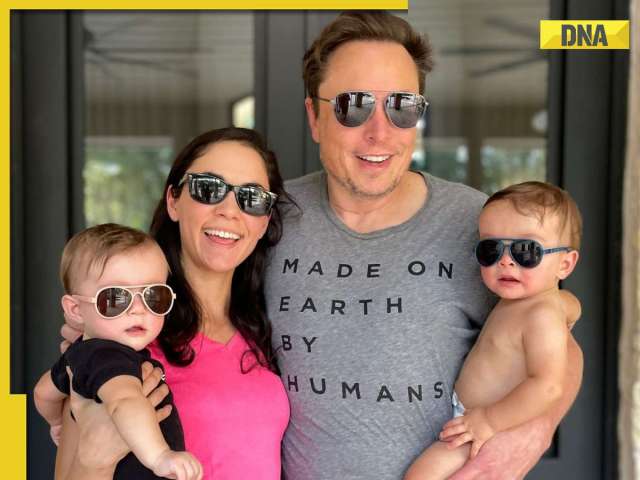
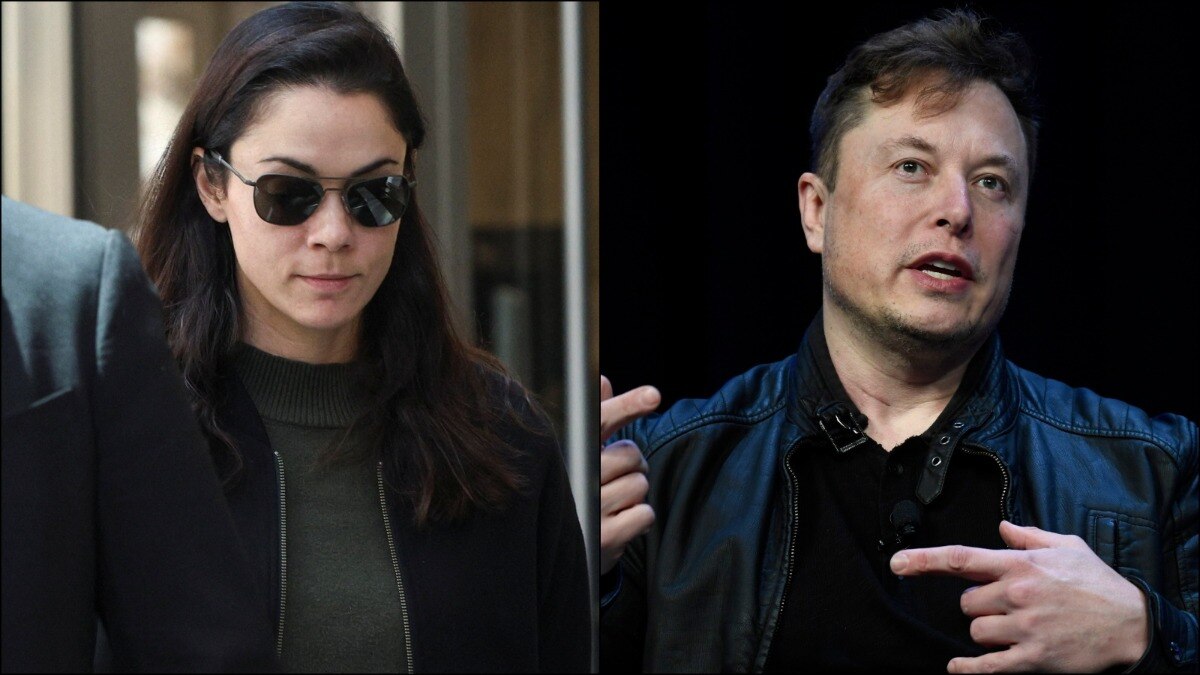
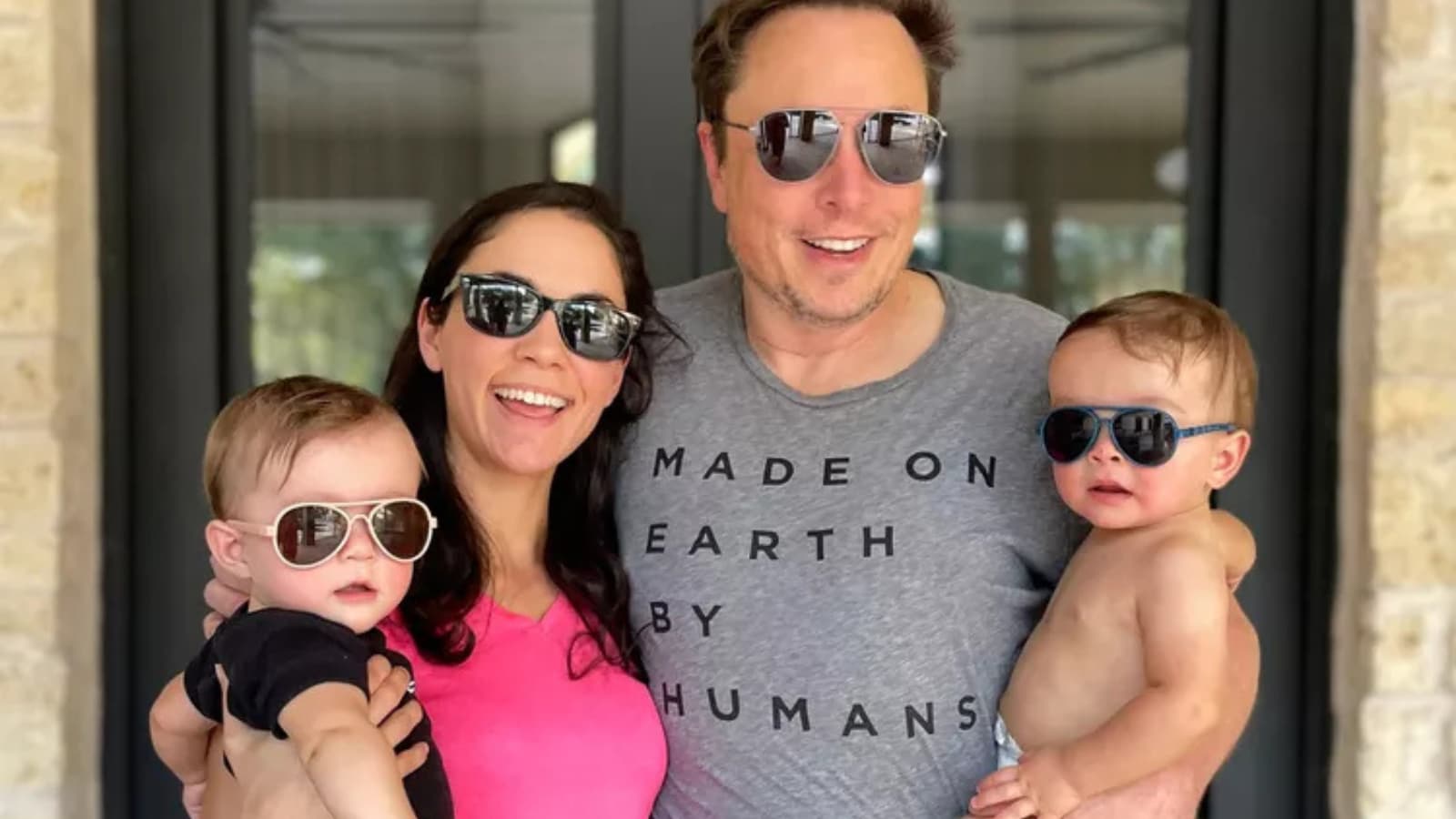
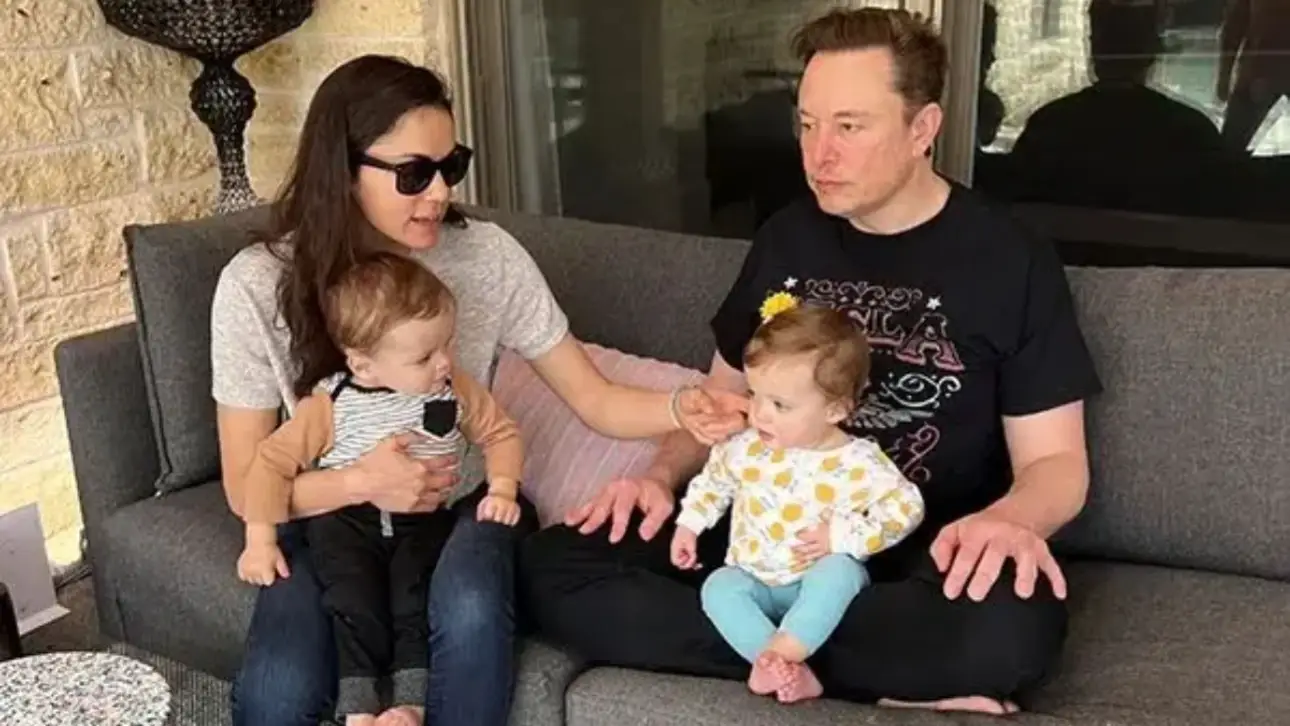
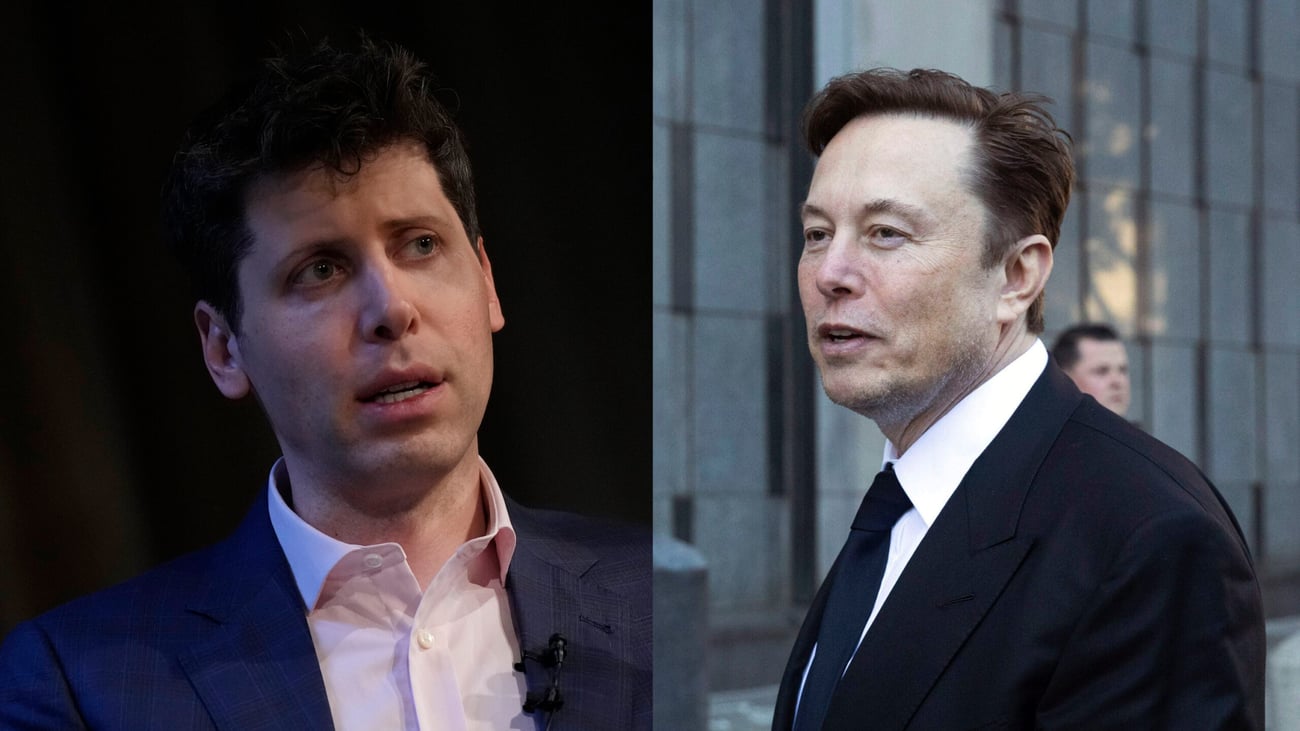
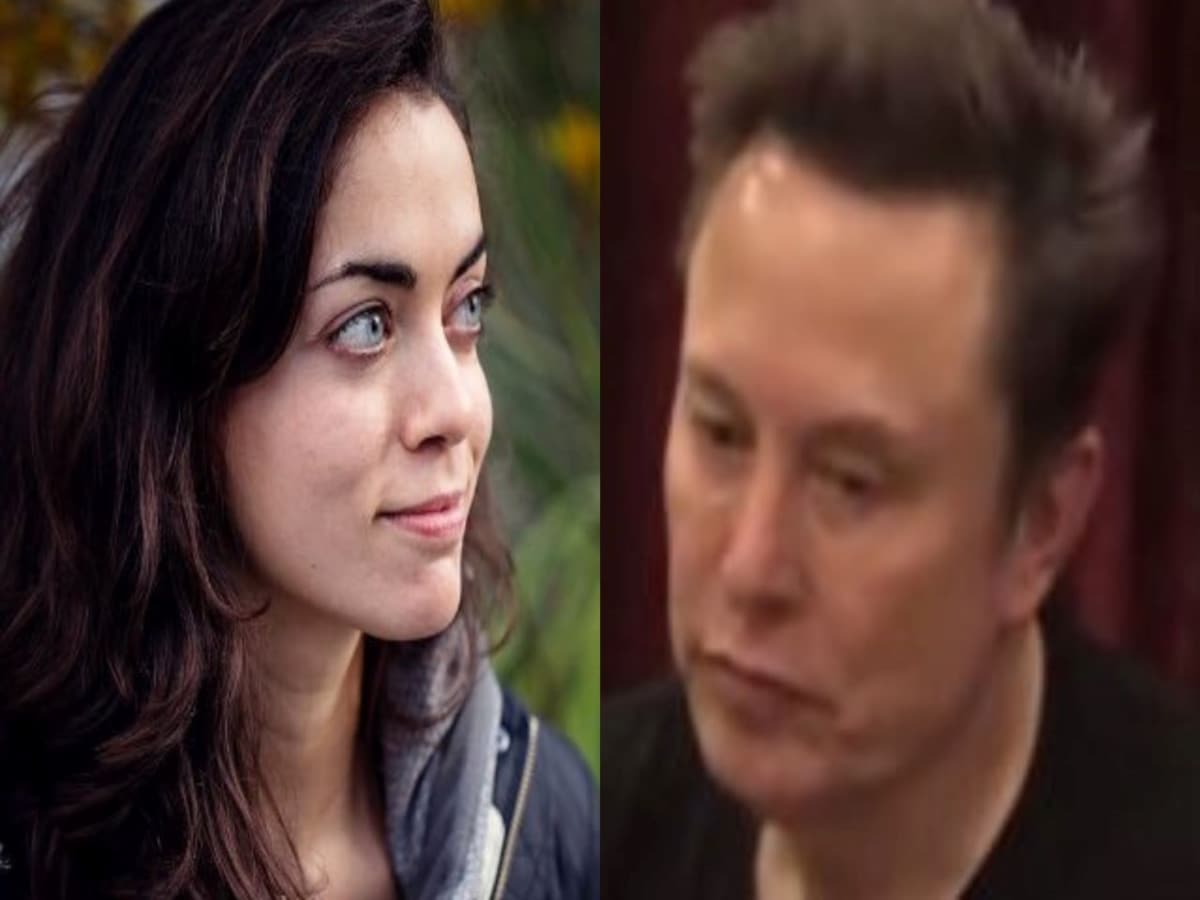
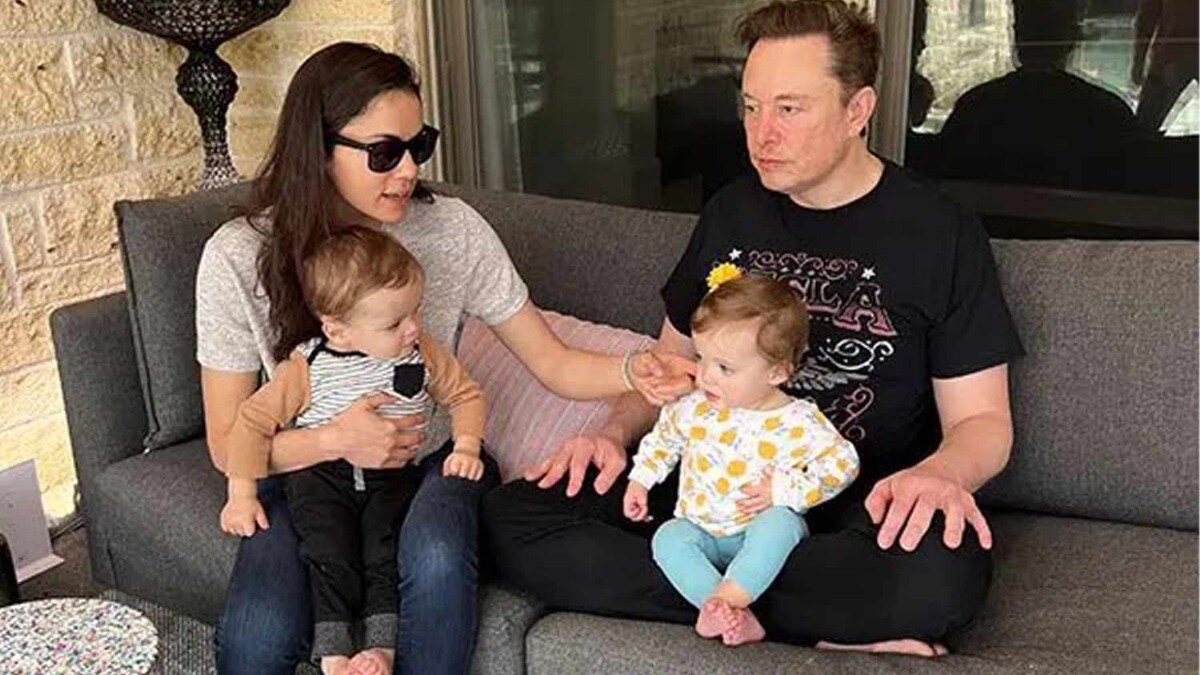
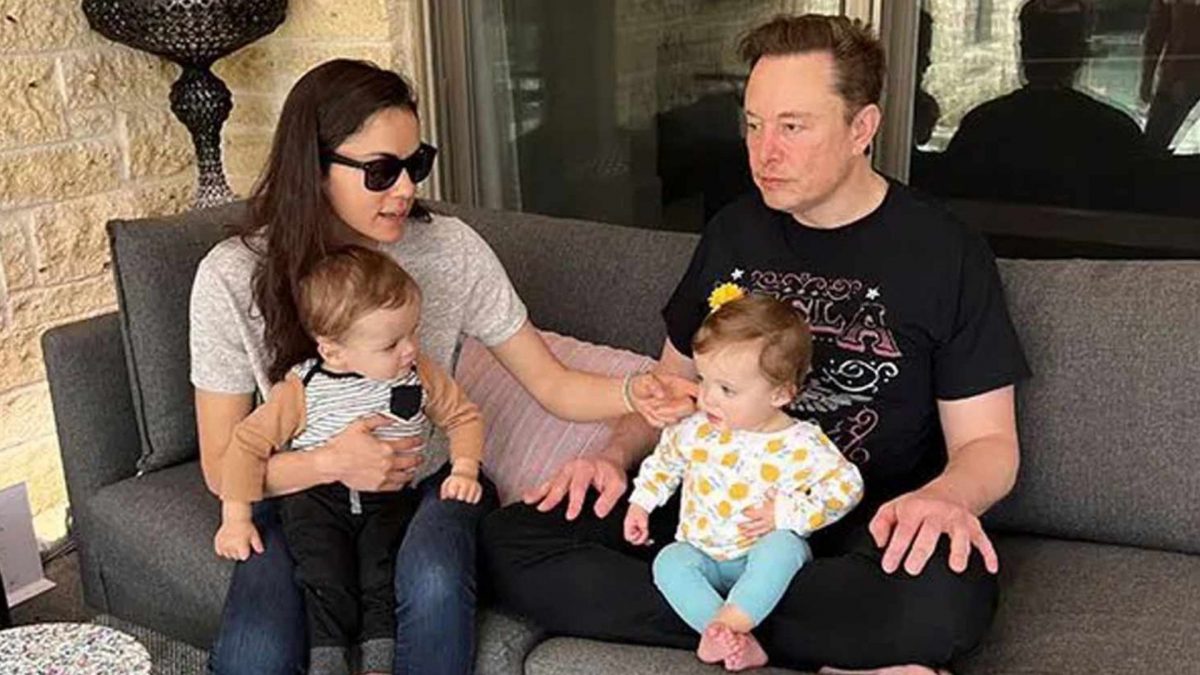
The ongoing Musk v. OpenAI litigation, now in its second week with testimony from Shivon Zilis (former board member and mother of four of Musk's children), exposes critical governance vulnerabilities in high-growth AI companies that directly impact e-commerce market dynamics. The $134 billion lawsuit centers on OpenAI's 2023 transition from non-profit to for-profit structure—a shift that Musk claims violated founding agreements. Zilis's testimony reveals that OpenAI leadership (CEO Sam Altman, President Greg Brockman) knowingly retained a board member with undisclosed conflicts of interest (personal relationship with Musk, involvement in xAI competitor launch in March 2023), raising questions about corporate transparency and decision-making integrity.
For e-commerce sellers, this governance crisis signals three critical market shifts: First, AI tool consolidation accelerates. OpenAI's for-profit restructuring (completed 2023) prioritizes revenue extraction over open-source accessibility, creating market gaps for alternative AI solutions. Sellers offering ChatGPT-integrated products, AI writing tools, and automation software face increased competition from Musk's xAI and other emerging platforms. The $134B damages claim—if successful—could force OpenAI to divest assets or restructure pricing, directly affecting sellers who depend on affordable API access for product development. Second, corporate governance becomes a product differentiator. The trial's exposure of conflict-of-interest mismanagement (Zilis retained despite undisclosed Musk paternity, xAI involvement) damages OpenAI's brand trust. Sellers marketing "ethically-sourced AI" or "transparent governance" products can capitalize on consumer skepticism toward centralized AI providers. Third, talent and capital flight risk increases. Court documents show Musk attempted to recruit OpenAI talent to Tesla (2017-2023 period), and the ongoing litigation creates uncertainty about leadership stability. Sellers relying on OpenAI's technical roadmap or partnership opportunities face execution risk.
Specific seller implications by category: Tech accessory sellers (AI-enabled keyboards, smart home devices) should diversify API dependencies away from OpenAI-exclusive integrations. Software bundle sellers offering ChatGPT Plus subscriptions bundled with productivity tools face margin compression if OpenAI raises API costs post-litigation. Sellers in the $2.1B AI tools marketplace (2024 estimate) should monitor xAI's competitive pricing—Musk's history of aggressive undercutting (Tesla, Starlink) suggests potential price wars. The trial's second-week testimony about Musk's 2017-2023 influence attempts indicates that corporate governance disputes can persist for 6+ years, creating long-term uncertainty for sellers betting on single-platform ecosystems.
Questions 8
How could Musk's xAI launch (March 2023) disrupt the AI tools e-commerce market?
Musk's history of aggressive pricing (Tesla undercut legacy automakers 30-40%; Starlink undercut satellite providers 50%+) suggests xAI will pursue similar strategy against OpenAI. If xAI API pricing undercuts ChatGPT by 20-30%, sellers using ChatGPT could face margin compression. The trial reveals Musk attempted to recruit OpenAI talent (2017-2023), indicating xAI may inherit technical talent and institutional knowledge. Sellers should monitor xAI's API pricing and feature releases quarterly; a 25% price advantage could shift 15-20% of ChatGPT-dependent sellers to xAI within 12 months.
What does Shivon Zilis's retained board position reveal about OpenAI's internal controls?
Zilis maintained her OpenAI board seat (2020-2023) despite undisclosed conflicts: personal relationship with Musk, involvement in xAI competitor launch (March 2023), and Musk's documented attempts to recruit OpenAI talent to Tesla. OpenAI leadership acknowledged the conflict but 'trusted her to keep the Elon conflict under control'—a governance failure that signals weak conflict-of-interest policies. For sellers, this indicates OpenAI's decision-making may prioritize relationship management over transparency. Recommend treating OpenAI partnerships as higher-risk than competitors with independent boards (Google, Microsoft).