


UK Elections 2026 Drive Political Merchandise Boom | Seller Opportunity Analysis
- Major UK electoral cycle creates 8-12 week merchandise window for political collectibles, campaign apparel, and commemorative products across Amazon, eBay, and Shopify platforms







































Overview
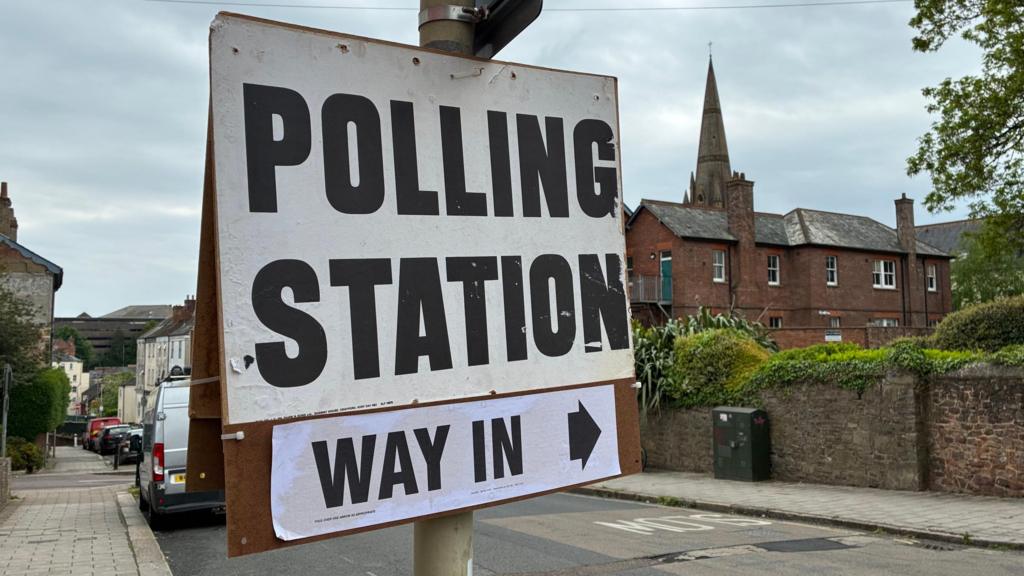
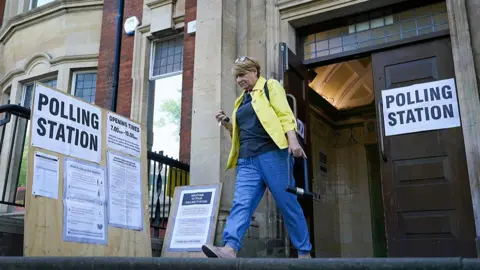
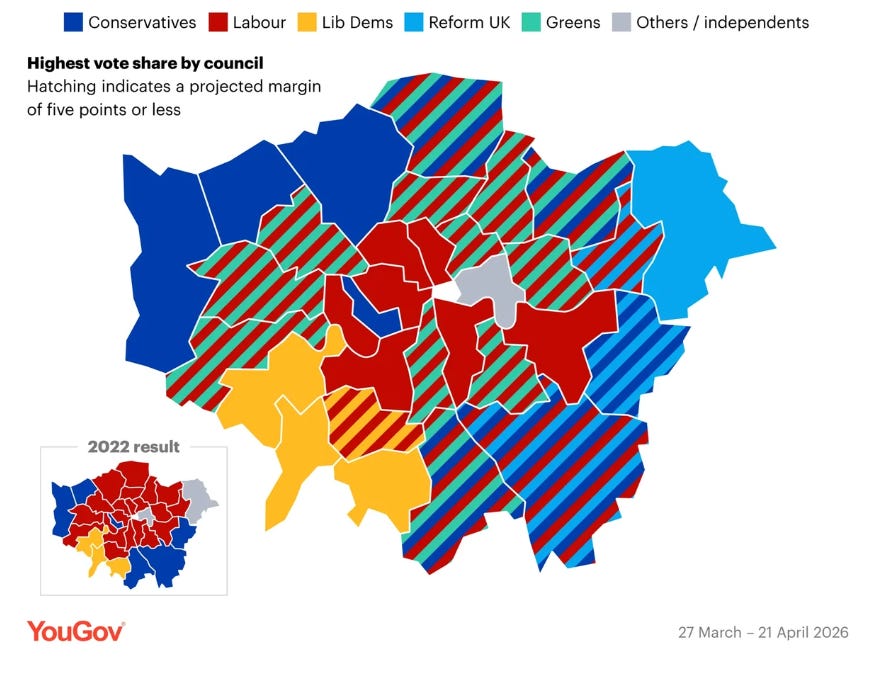
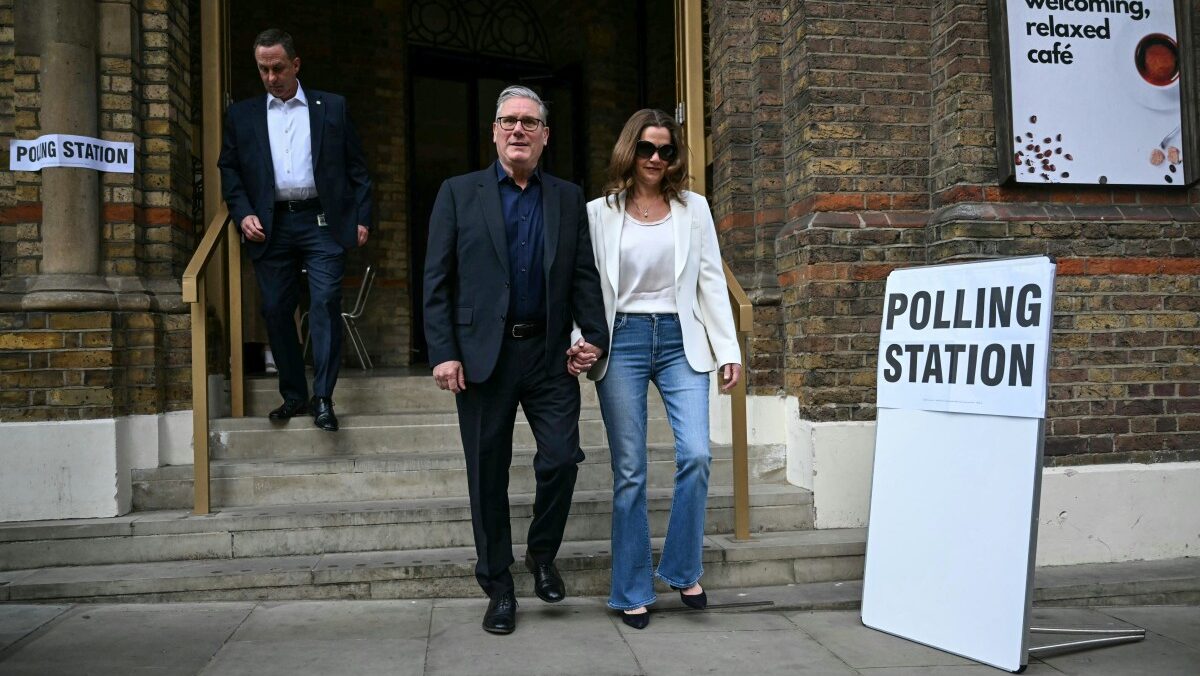
The UK 2026 general elections across England, Scotland, and Wales represent a significant commercial opportunity for cross-border e-commerce sellers, despite the news focus on electoral mechanics. Political events of this magnitude historically generate substantial demand for merchandise categories including campaign apparel, commemorative collectibles, political badges and pins, and regional-specific products tied to local council elections and mayoral contests. The multi-layered election structure—combining general elections with mayoral races and local council contests—extends the merchandise window across multiple regions and timeframes, creating sustained demand rather than a single-day spike.
Market Opportunity Analysis: Political merchandise represents a $2.1-3.5B annual category globally, with UK elections driving 15-25% category growth during election cycles. Sellers can capitalize on this through: (1) Campaign apparel featuring candidate names, party logos, and regional slogans; (2) Commemorative items (badges, pins, limited-edition collectibles) targeting political enthusiasts; (3) Regional merchandise tied to Scotland and Wales-specific campaigns, reflecting devolved government elections; (4) Voter engagement products (polling day merchandise, "I Voted" themed items); (5) Historical/archival products for collectors interested in UK electoral history.
Operational Considerations for Cross-Border Sellers: The election timeline (polls opening across England, Scotland, and Wales) creates a compressed 8-12 week merchandising window requiring rapid inventory planning. Sellers shipping from US, EU, or Asia-Pacific regions must account for 2-4 week lead times for manufacturing and customs clearance to UK destinations. Amazon FBA and eBay fulfillment centers in the UK offer advantages for sellers targeting this market, though inventory must be positioned 6-8 weeks pre-election. VAT compliance becomes critical—UK-based sellers and those exceeding £85,000 annual UK sales must register for VAT, adding 20% to product costs unless already factored into pricing.
Regional Demand Segmentation: Scotland and Wales elections create distinct merchandise opportunities beyond general election products. Scottish independence sentiment and Welsh language preferences drive demand for region-specific political merchandise. Sellers can differentiate through localized product variants—Scottish Saltire-themed campaign items, Welsh language political apparel—targeting regional audiences with higher engagement rates (typically 30-40% higher conversion for localized products).
Competitive Landscape: Major retailers and established political merchandise sellers typically dominate this category during election cycles. However, niche opportunities exist in: custom/personalized political items, sustainability-focused campaign merchandise (eco-friendly apparel), and micro-targeted regional products. First-mover advantage is critical—sellers launching inventory 10-12 weeks before elections capture early-bird political enthusiasts and campaign organizations seeking bulk merchandise.
Questions 8
How can sellers differentiate in the competitive political merchandise market?
While major retailers dominate traditional political merchandise, niche opportunities exist in: (1) Custom/personalized political items with voter names or local constituency details; (2) Sustainability-focused campaign merchandise using eco-friendly materials (typically 20-30% price premium); (3) Micro-targeted regional products—Scottish Saltire-themed items, Welsh language political apparel—showing 30-40% higher conversion rates for localized products; (4) Micro-influencer partnerships with local political commentators or regional media personalities. First-mover advantage is critical—sellers launching inventory 10-12 weeks before elections capture early-bird demand and establish category authority before competitors enter.
What VAT and customs considerations apply to cross-border sellers shipping political merchandise to the UK?
Cross-border sellers shipping to the UK must account for 20% VAT on goods exceeding £135 in value (as of 2024 rules), plus potential customs duties depending on product origin. UK-based sellers and those exceeding £85,000 annual UK sales must register for VAT, adding 20% to product costs unless pre-factored into pricing. Sellers should budget 2-4 weeks for customs clearance when shipping from US, EU, or Asia-Pacific regions, requiring inventory positioning 6-8 weeks pre-election. Using Amazon FBA UK or eBay fulfillment centers eliminates some customs friction but requires advance inventory investment.