

Strait of Hormuz Shutdown Drives Fuel Costs Up 15-20% | Seller Logistics Impact
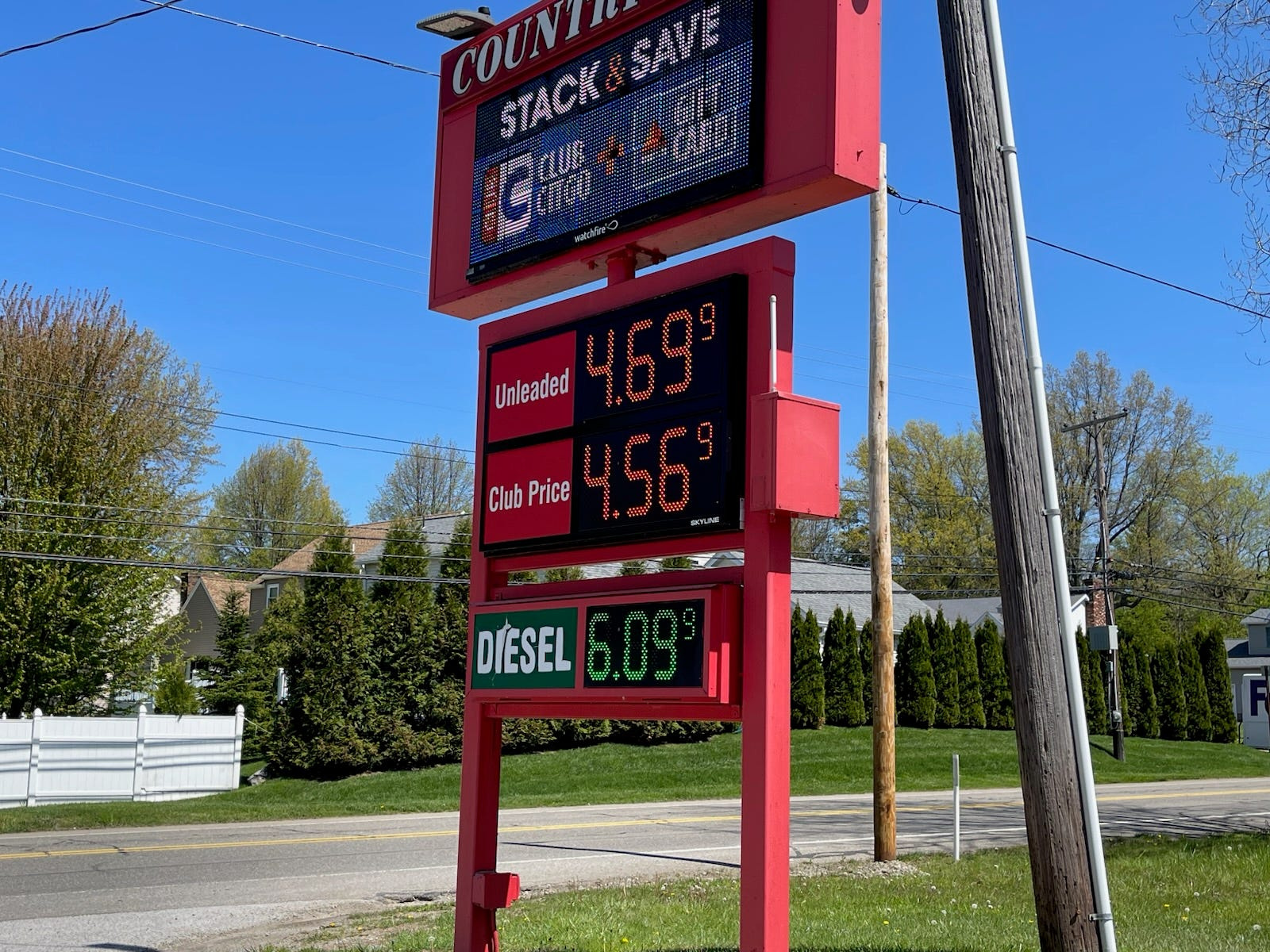
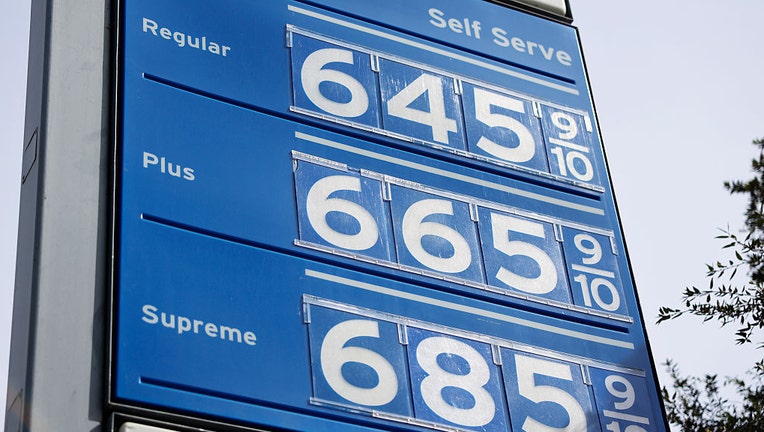
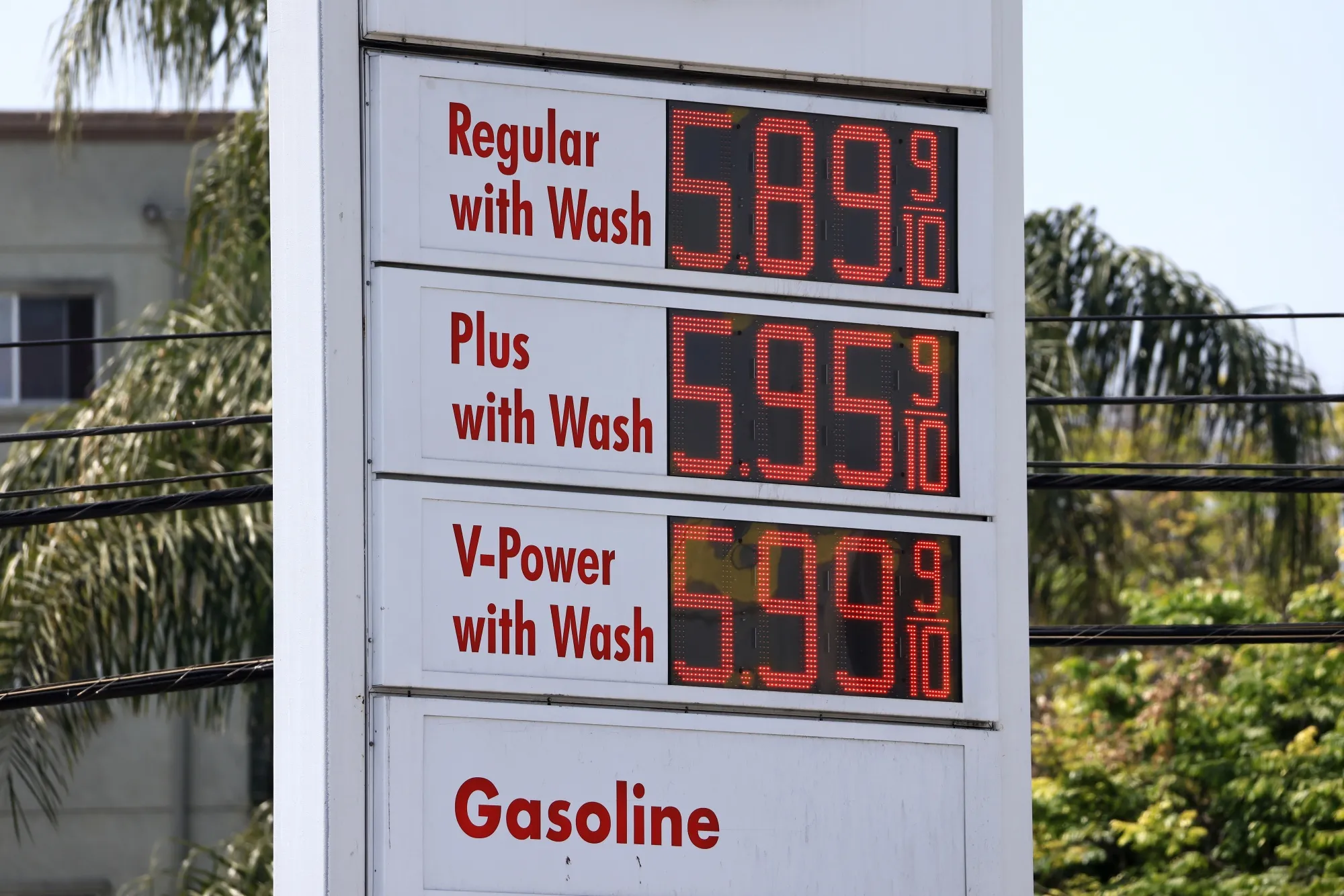
- Gasoline exceeds $4/gallon nationally; air freight and 3PL surcharges hit sellers with 8-12% fulfillment cost increases













Overview
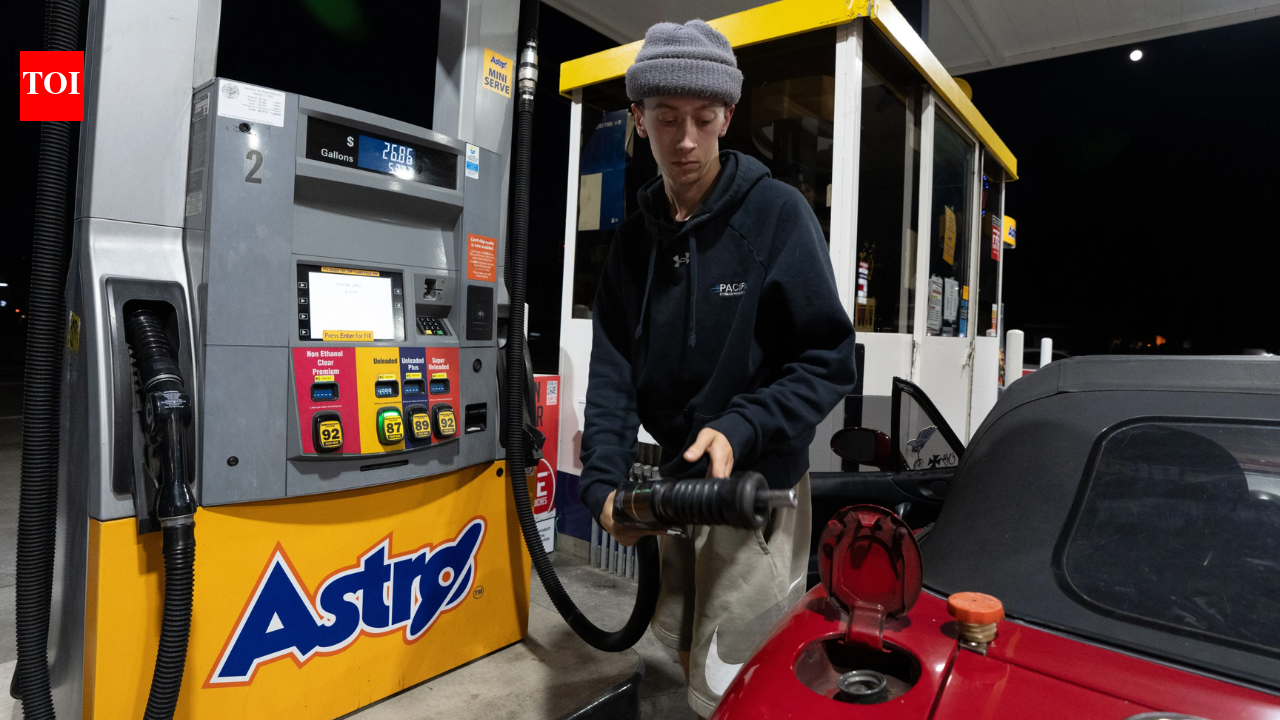
The Strait of Hormuz shutdown has created an immediate energy market crisis that directly impacts e-commerce seller profitability through elevated logistics costs. Global oil prices have surged to their highest levels since 2022, with national gasoline averages exceeding $4 per gallon and regional variations creating supply chain volatility. This geopolitical disruption—affecting one of the world's most critical maritime chokepoints responsible for transporting substantial global petroleum volumes—has immediate operational consequences for cross-border sellers relying on fuel-intensive logistics networks.
For e-commerce sellers, the cost impact is quantifiable and urgent. Elevated crude oil prices directly translate to increased expenses across three critical logistics channels: (1) Last-mile delivery services face 8-12% cost increases as fuel surcharges propagate through 3PL provider networks; (2) Air freight costs, which correlate directly with aviation fuel prices, create acute pressure for sellers shipping time-sensitive products (electronics, perishables, fashion) requiring expedited delivery; (3) Warehouse operations and regional distribution networks experience higher operational costs, compressing margins on products with thin profit structures. Sellers using Amazon FBA, eBay fulfillment, or third-party logistics providers should expect formal fuel surcharge notifications within 2-4 weeks as carriers adjust pricing models.
The competitive impact varies significantly by seller segment and product category. Large sellers with established long-term logistics contracts negotiated before this disruption maintain cost advantages, while small-to-medium sellers (SMBs) relying on spot-market shipping rates face immediate margin compression. High-volume sellers shipping 1,000+ units monthly will see cumulative cost increases of $200-400 monthly per fulfillment center. Categories most vulnerable include: low-margin commodity products (home goods, basic apparel), heavy/bulky items requiring ground shipping, and time-sensitive merchandise dependent on air freight. Conversely, sellers of high-value, low-weight items (jewelry, electronics, digital goods) experience proportionally smaller cost impacts.
Strategic response requires immediate action within the 30-60 day window before fuel surcharges become standard. Sellers should: (1) Negotiate long-term logistics contracts immediately before carriers implement permanent rate increases; (2) Evaluate regional fulfillment strategies—shifting inventory to 3PL facilities in lower-cost logistics zones can offset 3-5% of fuel surcharge impacts; (3) Adjust product pricing strategically, particularly for categories with pricing flexibility; (4) Monitor Strait of Hormuz geopolitical developments as resolution timelines directly affect fuel price trajectories. The situation remains fluid, with energy market stabilization dependent on regional geopolitical resolution.
Questions 8
Should I lock in long-term shipping contracts now before fuel costs rise further?
Yes—negotiating long-term logistics contracts immediately is a critical strategic move with a 30-day window before fuel surcharges become permanent. The current geopolitical disruption at the Strait of Hormuz creates urgency, as 3PL providers and carriers are actively implementing rate increases. Long-term contracts (6-12 months) negotiated now will lock in current rates before the next round of surcharges takes effect. Sellers relying on spot-market shipping rates face the highest risk of margin compression. Contact your logistics providers within the next 2 weeks to secure fixed-rate agreements. This is particularly important for sellers with thin margins (5-15%) on high-volume products.
How much will my Amazon FBA fulfillment costs increase due to fuel surcharges?
Amazon FBA fulfillment costs will increase 8-12% for most sellers within the next 4-6 weeks as fuel surcharges propagate through Amazon's logistics network. The Strait of Hormuz shutdown has driven gasoline prices above $4 per gallon nationally, directly impacting Amazon's warehouse operations and last-mile delivery expenses. Sellers shipping 1,000+ units monthly should expect cumulative cost increases of $200-400 monthly per fulfillment center. High-volume sellers in categories like home goods and apparel will experience the most acute impact. Monitor your Amazon Seller Central dashboard for official fuel surcharge notifications and consider adjusting product pricing or shifting inventory to regional fulfillment centers with lower operational costs.